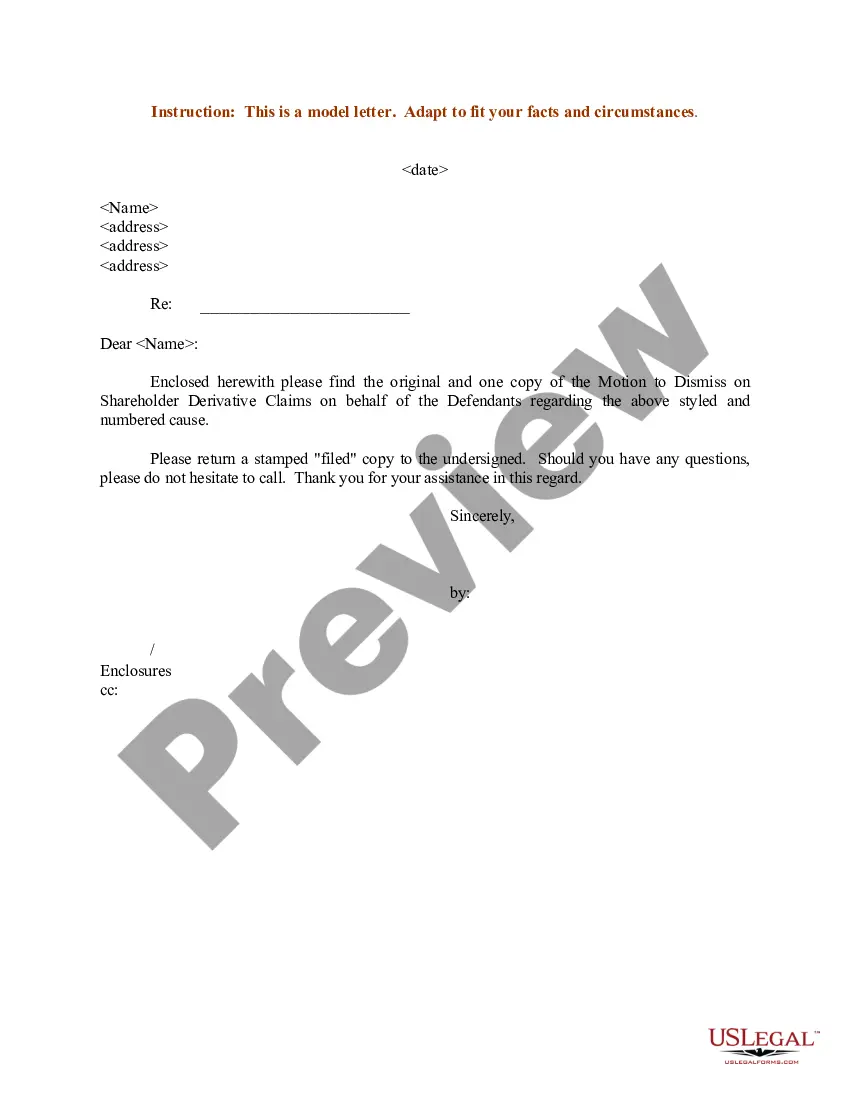
Derivative Action For Shareholders
Description
Get your form ready online
Our built-in tools help you complete, sign, share, and store your documents in one place.
Make edits, fill in missing information, and update formatting in US Legal Forms—just like you would in MS Word.
Download a copy, print it, send it by email, or mail it via USPS—whatever works best for your next step.
Sign and collect signatures with our SignNow integration. Send to multiple recipients, set reminders, and more. Go Premium to unlock E-Sign.
If this form requires notarization, complete it online through a secure video call—no need to meet a notary in person or wait for an appointment.
We protect your documents and personal data by following strict security and privacy standards.

Make edits, fill in missing information, and update formatting in US Legal Forms—just like you would in MS Word.

Download a copy, print it, send it by email, or mail it via USPS—whatever works best for your next step.

Sign and collect signatures with our SignNow integration. Send to multiple recipients, set reminders, and more. Go Premium to unlock E-Sign.

If this form requires notarization, complete it online through a secure video call—no need to meet a notary in person or wait for an appointment.

We protect your documents and personal data by following strict security and privacy standards.
Looking for another form?
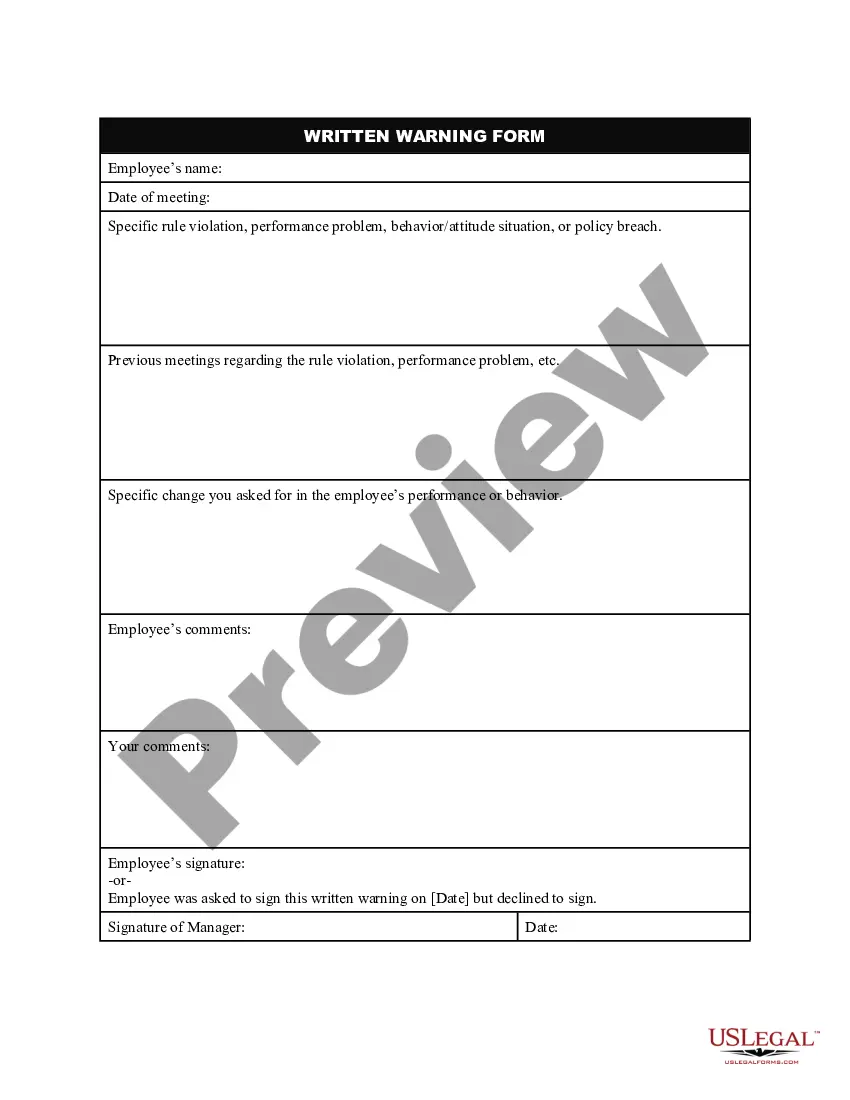


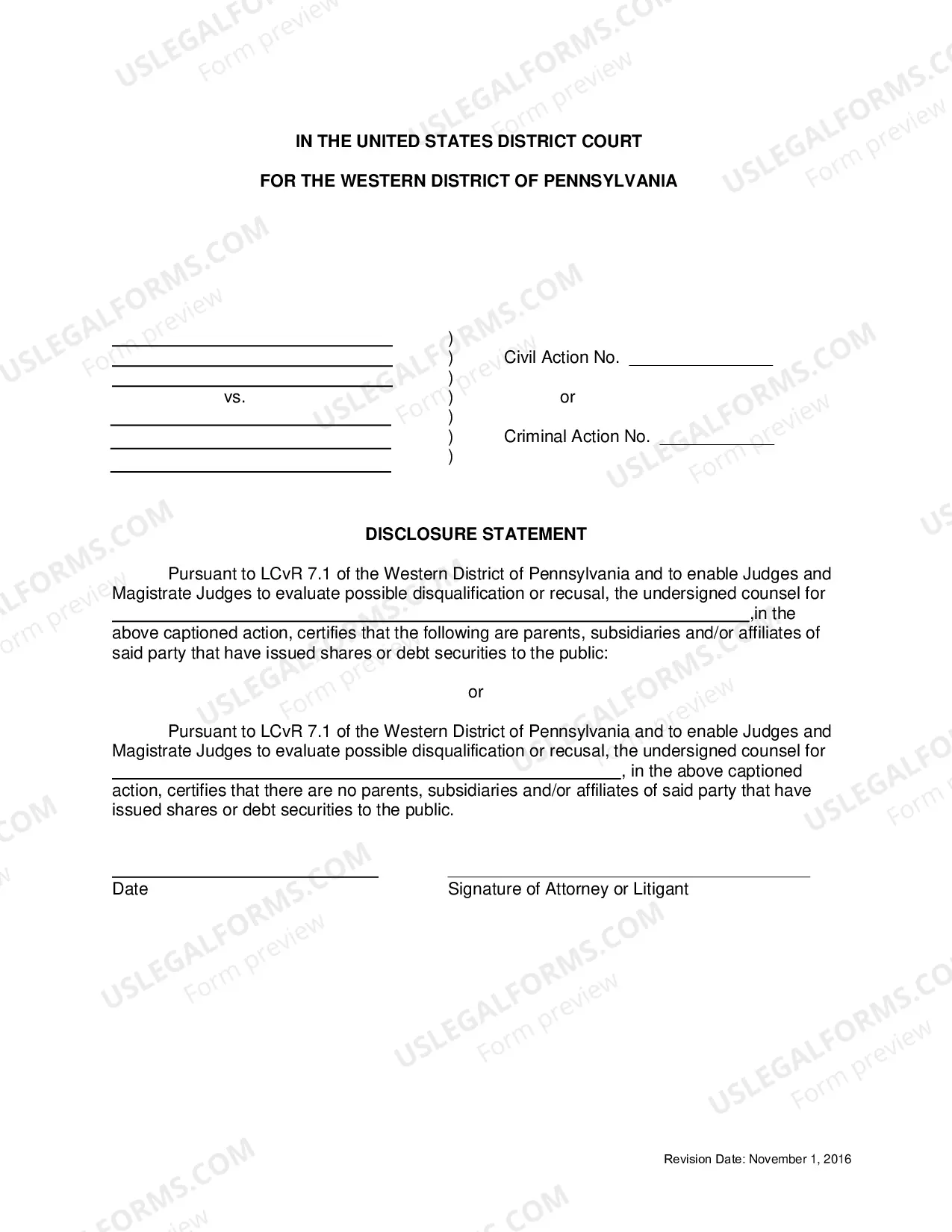
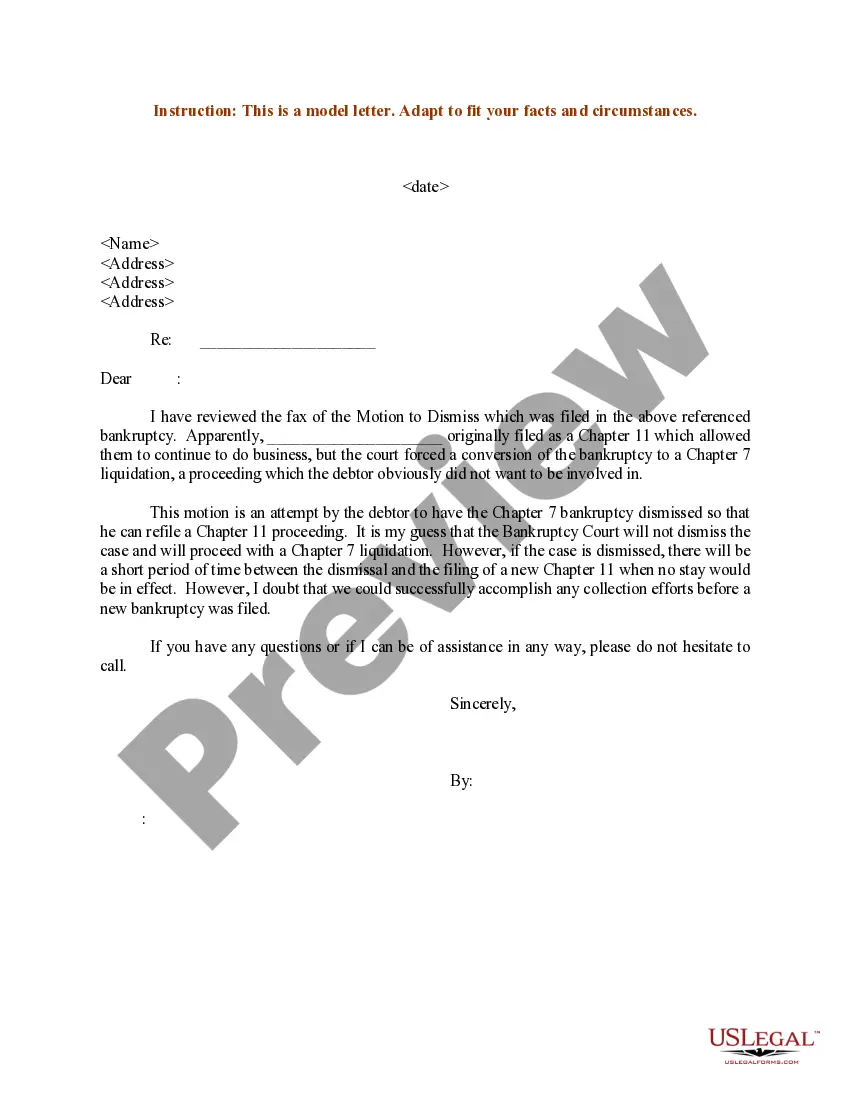
How to fill out Sample Letter Regarding Motion To Dismiss On Shareholder Derivative Claims?
It’s well-known that you cannot transform into a legal authority instantly, nor can you learn how to swiftly draft Derivative Action For Shareholders without a specialized background.
Drafting legal documents is a lengthy process that necessitates specific training and expertise. So why not entrust the drafting of the Derivative Action For Shareholders to the experts.
With US Legal Forms, one of the most comprehensive legal template collections, you can access everything from court documents to templates for in-office communication.
If you need a different form, start your search again.
Sign up for a free account and select a subscription plan to purchase the template. Click Buy now. Once the payment is completed, you can download the Derivative Action For Shareholders, fill it out, print it, and send or mail it to the appropriate individuals or organizations.
- Understand how vital compliance and adherence to federal and local laws and regulations are.
- On our platform, all forms are location-specific and current.
- Begin with our platform and obtain the form you require in just minutes.
- Use the search bar at the top of the page to find the form you need.
- Preview it (if this option is available) and review the accompanying description to see if Derivative Action For Shareholders is what you’re looking for.
Form popularity
FAQ
What are some examples of shareholder derivative lawsuits? Decisions made by the company that put the shareholders at financial risk. Conduct that instigates an investigation between the Department of Justice (DOJ), or other government entities. Insider trading. Corporate asset wasting. Accounting problems.
Pursuing a Derivative Action Shareholders must prove they will fairly represent the interests of the company; and. Shareholders must formally demand, in writing, the company's board take action on the basis of suspected misconduct.
Example: ABC Corporation CEO makes reckless decisions in several large corporate deals. These decisions have caused a significant decrease in stock price. Shareholders are angry and sue the CEO on behalf of the corporation. If the shareholders win, the corporation will receive a judgment against the CEO.
Examples of successful derivative actions may include lawsuits against directors or officers for mismanagement of funds, failure to divulge material information, or breach of fiduciary duty.
A shareholder derivative action is a legal action that is taken by one or more shareholders (owners) of a company, who act as representative plaintiffs. The shareholder plaintiffs actually file suit on behalf of the corporation that they own a part of.