Hoa Lien Form For New Jersey
Description
Get your form ready online
Our built-in tools help you complete, sign, share, and store your documents in one place.
Make edits, fill in missing information, and update formatting in US Legal Forms—just like you would in MS Word.
Download a copy, print it, send it by email, or mail it via USPS—whatever works best for your next step.
Sign and collect signatures with our SignNow integration. Send to multiple recipients, set reminders, and more. Go Premium to unlock E-Sign.
If this form requires notarization, complete it online through a secure video call—no need to meet a notary in person or wait for an appointment.
We protect your documents and personal data by following strict security and privacy standards.

Make edits, fill in missing information, and update formatting in US Legal Forms—just like you would in MS Word.

Download a copy, print it, send it by email, or mail it via USPS—whatever works best for your next step.

Sign and collect signatures with our SignNow integration. Send to multiple recipients, set reminders, and more. Go Premium to unlock E-Sign.

If this form requires notarization, complete it online through a secure video call—no need to meet a notary in person or wait for an appointment.

We protect your documents and personal data by following strict security and privacy standards.
Looking for another form?




How to fill out Notice Of Lien To A Condominium Unit Owner For Unpaid Assessment Fees?
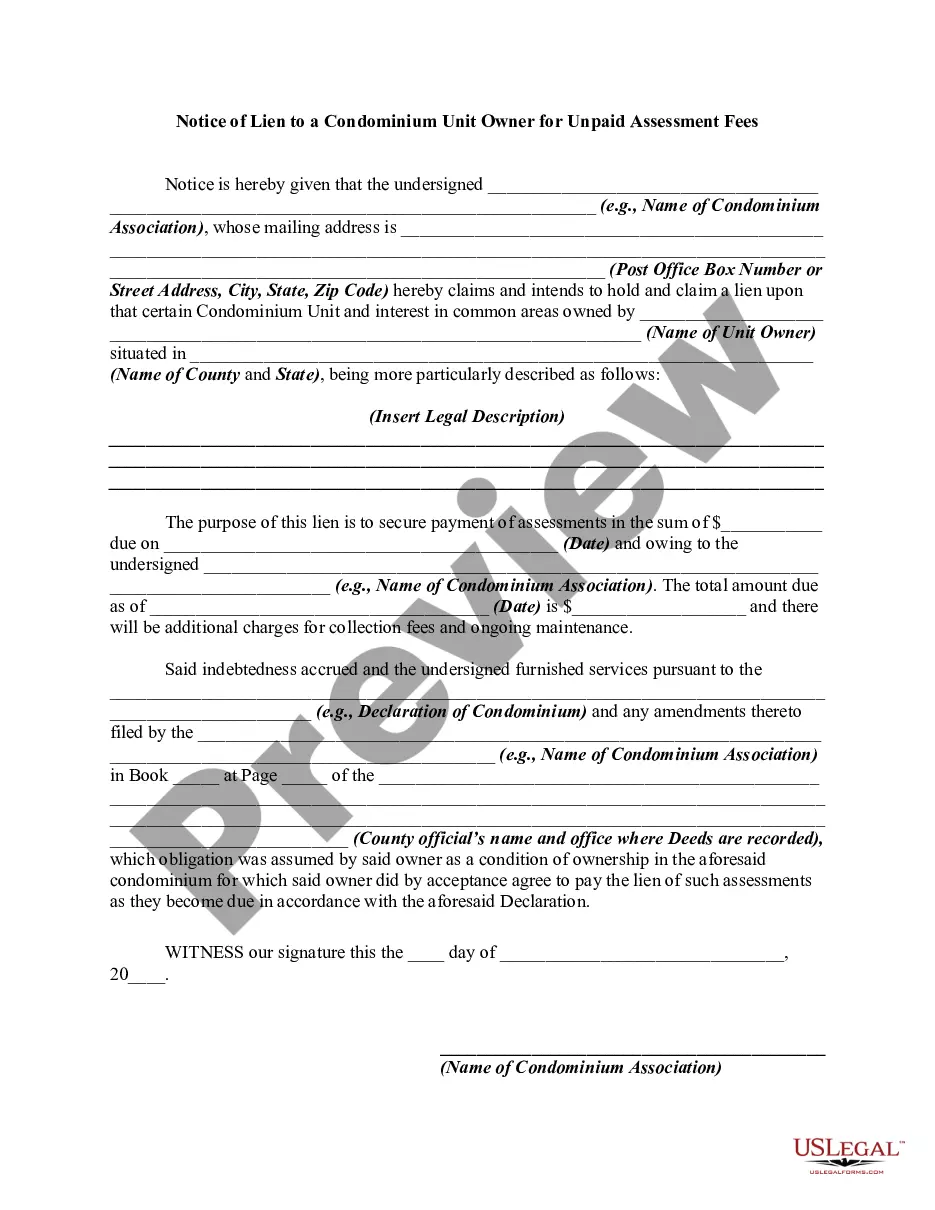
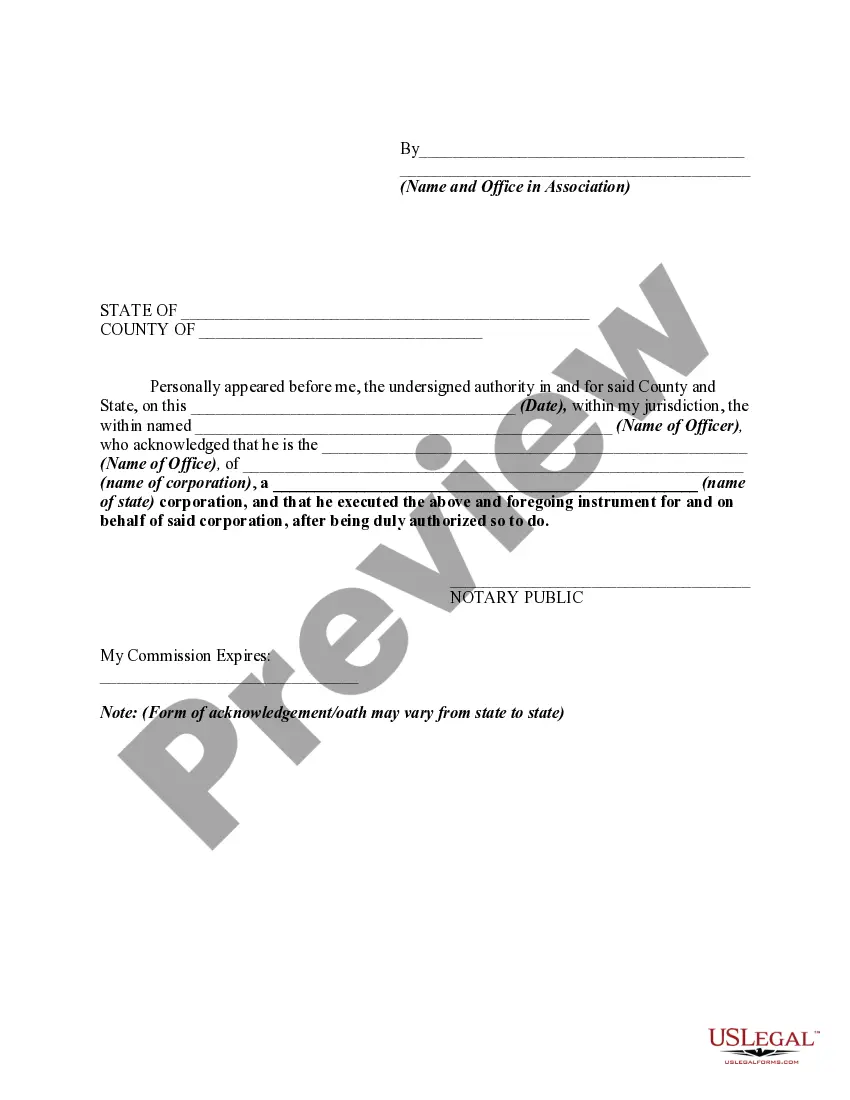
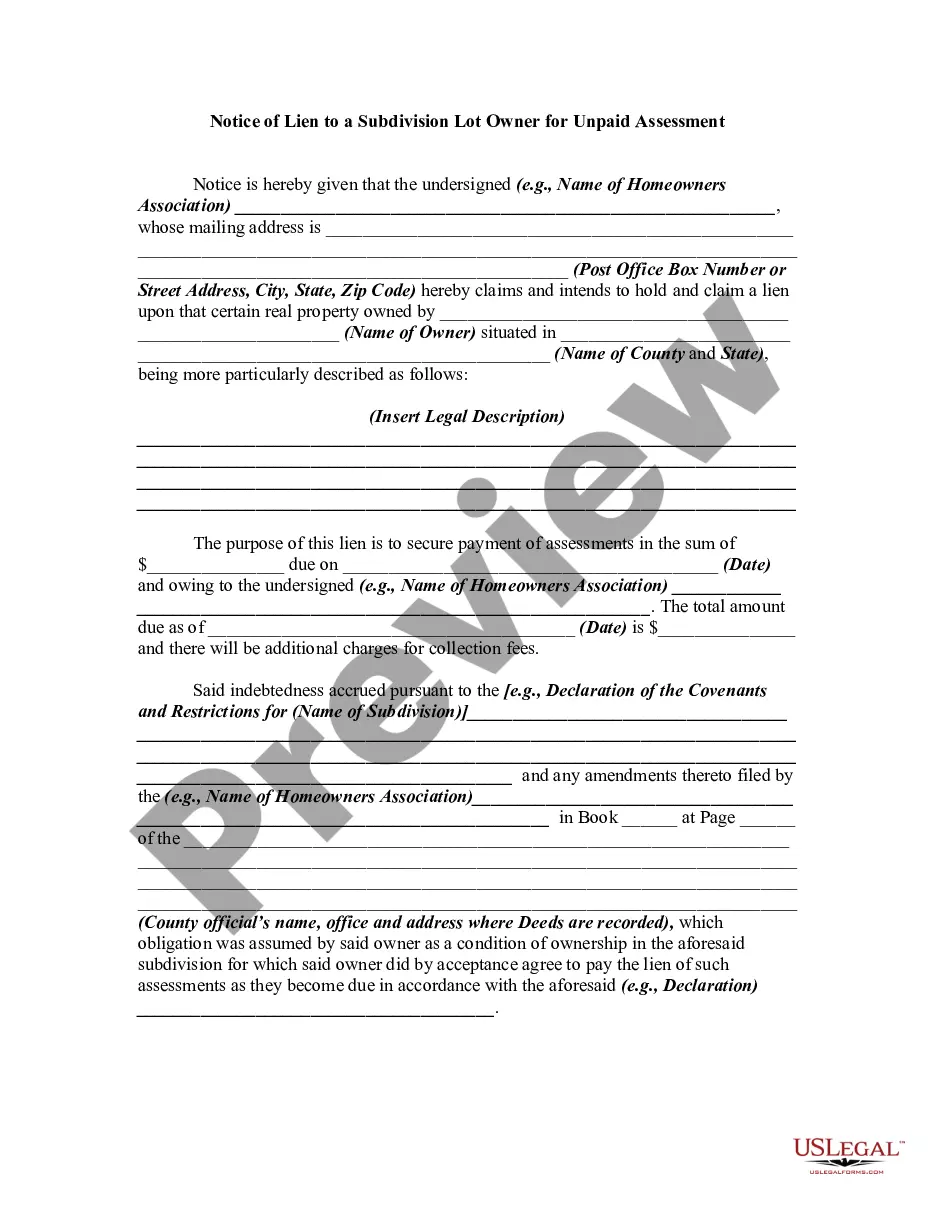
The Hoa Lien Form for New Jersey that appears on this webpage is a reusable official template created by experienced attorneys in compliance with national and local laws.
For over 25 years, US Legal Forms has supplied individuals, enterprises, and lawyers with more than 85,000 authenticated, state-specific documents for any commercial and personal event. It’s the fastest, easiest, and most trustworthy method to acquire the paperwork you require, as the service ensures the utmost level of data security and anti-malware safeguards.
Subscribe to US Legal Forms to have validated legal templates for all of life’s situations readily available.
- Search for the document you need and review it.
- Go through the file you searched and either preview it or review the form details to confirm it meets your needs. If it doesn't, use the search bar to find the correct one. Click Buy Now when you have found the template you require.
- Sign up and Log In.
- Select the pricing option that fits you and register for an account. Use PayPal or a credit card to make a quick payment. If you already possess an account, Log In and check your subscription to continue.
- Obtain the fillable template.
- Choose the format you desire for your Hoa Lien Form for New Jersey (PDF, DOCX, RTF) and download the sample to your device.
- Fill out and sign the document.
- Print the template to complete it manually. Alternatively, employ an online multifaceted PDF editor to swiftly and accurately fill out and sign your form with a legally-recognized electronic signature.
- Download your paperwork one more time.
- Utilize the same document again whenever necessary. Access the My documents tab in your profile to redownload any previously saved forms.
Form popularity
FAQ
An HOA lien typically refers to a legal claim against a homeowner's property due to unpaid assessments or dues. This lien secures the HOA's right to collect outstanding amounts, which can impact your credit and property rights. Understanding the implications of an HOA lien is crucial for managing your finances. If you find yourself dealing with such a lien, the HOA lien form for New Jersey provides a structured way to address it.
To file a complaint against your HOA in New Jersey, begin by documenting your issue thoroughly. After gathering evidence, reach out to your HOA board with your concerns. If direct communication does not resolve the matter, you can escalate your complaint to the New Jersey Department of Community Affairs. Using an HOA lien form for New Jersey may also be an effective way to motivate your HOA to act.
If you're experiencing issues with your Homeowners Association (HOA), start by reviewing your association's bylaws. These documents often outline the complaint process. You can submit your concerns in writing to your HOA board, detailing specific problems. For further assistance, consider using the HOA lien form for New Jersey to document any issues related to unpaid dues or service failures.
The statute regulating HOAs in New Jersey primarily falls under the New Jersey Planned Real Estate Development Full Disclosure Act and the New Jersey Condominium Act. These laws set out the rights and responsibilities of both HOAs and residents. Understanding these regulations is crucial for homeowners to navigate disputes effectively. For matters requiring legal documentation, consider the Hoa lien form for New Jersey to protect your interests.
Filing a complaint against an HOA in New Jersey typically involves documenting the issue and notifying the board in writing. If the issue remains unresolved, you can escalate it to the New Jersey Division of Consumer Affairs or seek legal advice. Having a well-drafted complaint can strengthen your case. When necessary, you may utilize the Hoa lien form for New Jersey to formalize your position.
HOAs in New Jersey are governed by a board of directors elected from the community members. This board is responsible for making decisions that affect the community, including rule enforcement and financial management. Residents should be aware of their rights and the board’s responsibilities. For disputes regarding governance, consider using the Hoa lien form for New Jersey as part of your strategy.
In New Jersey, HOAs are primarily regulated by state law, particularly the New Jersey Planned Real Estate Development Full Disclosure Act. This legislation provides guidelines for the operation and governance of HOAs. Homeowners can seek assistance from local government entities for disputes. For legal issues involving your HOA, the Hoa lien form for New Jersey can be an essential resource.
To start a petition against your HOA, gather support from fellow residents who share your concerns. Clearly outline the issues within the petition, and ensure it adheres to your community’s governing documents. Collect signatures to demonstrate collective support. For those needing to formalize disputes, the Hoa lien form for New Jersey is a crucial tool.
Abuse of power in an HOA can manifest in various ways. For instance, an HOA board may enforce rules selectively, targeting specific members while ignoring violations from others. This type of behavior undermines the fairness expected in community management. Utilizing a Hoa lien form for New Jersey can help residents address and rectify such issues properly.
When the state takes over a homeowners association (HOA), it can lead to significant changes in governance and financial management. This often occurs when the HOA fails to meet its obligations or manage its finances effectively. The state may impose regulations or appoint a receiver to oversee operations and financial responsibilities. For homeowners concerned about their rights and options, using a proper HOA lien form for New Jersey can help protect your interests during these transitions.