Unconditional Guaranty Of Payment
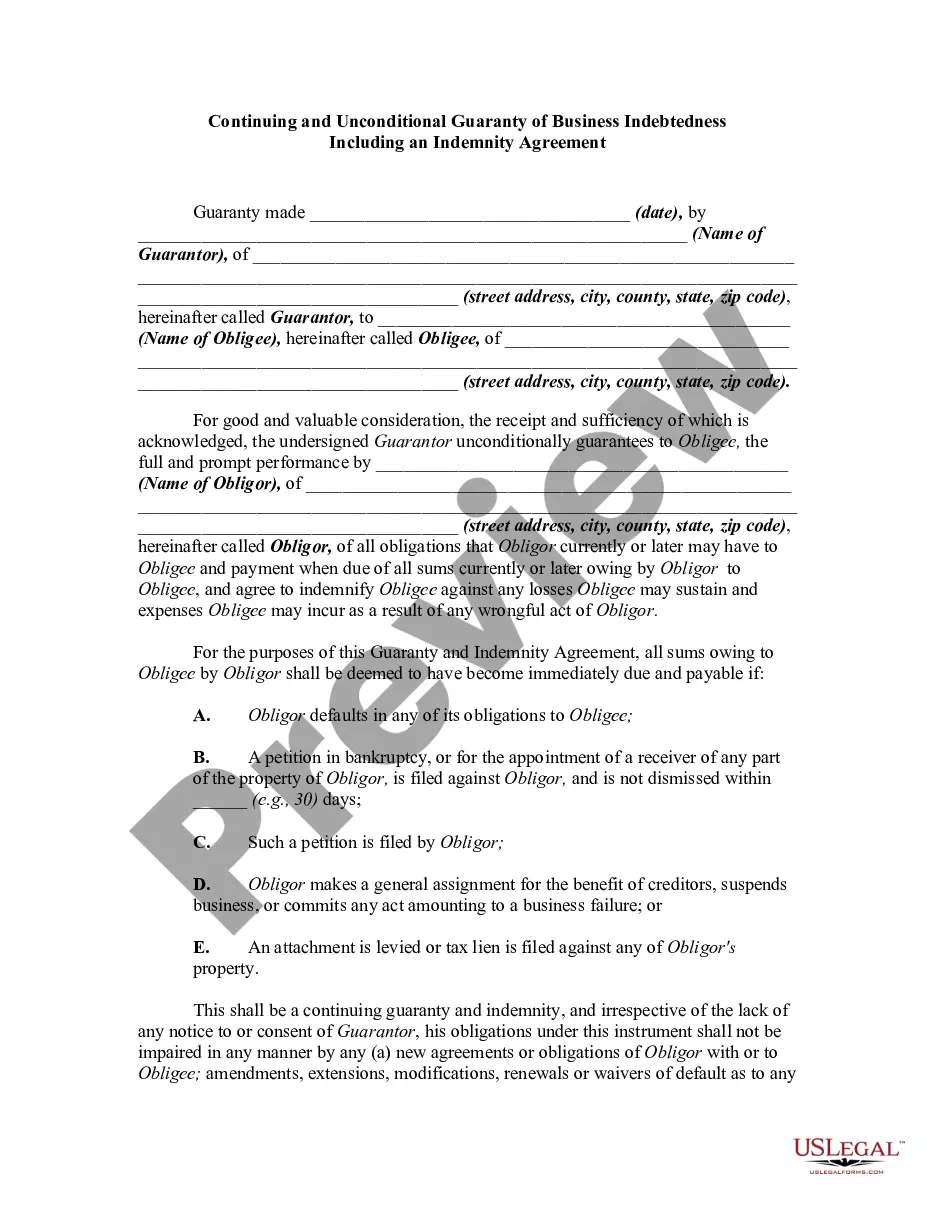
Description
Get your form ready online
Our built-in tools help you complete, sign, share, and store your documents in one place.
Make edits, fill in missing information, and update formatting in US Legal Forms—just like you would in MS Word.
Download a copy, print it, send it by email, or mail it via USPS—whatever works best for your next step.
Sign and collect signatures with our SignNow integration. Send to multiple recipients, set reminders, and more. Go Premium to unlock E-Sign.
If this form requires notarization, complete it online through a secure video call—no need to meet a notary in person or wait for an appointment.
We protect your documents and personal data by following strict security and privacy standards.

Make edits, fill in missing information, and update formatting in US Legal Forms—just like you would in MS Word.

Download a copy, print it, send it by email, or mail it via USPS—whatever works best for your next step.

Sign and collect signatures with our SignNow integration. Send to multiple recipients, set reminders, and more. Go Premium to unlock E-Sign.

If this form requires notarization, complete it online through a secure video call—no need to meet a notary in person or wait for an appointment.

We protect your documents and personal data by following strict security and privacy standards.
Looking for another form?





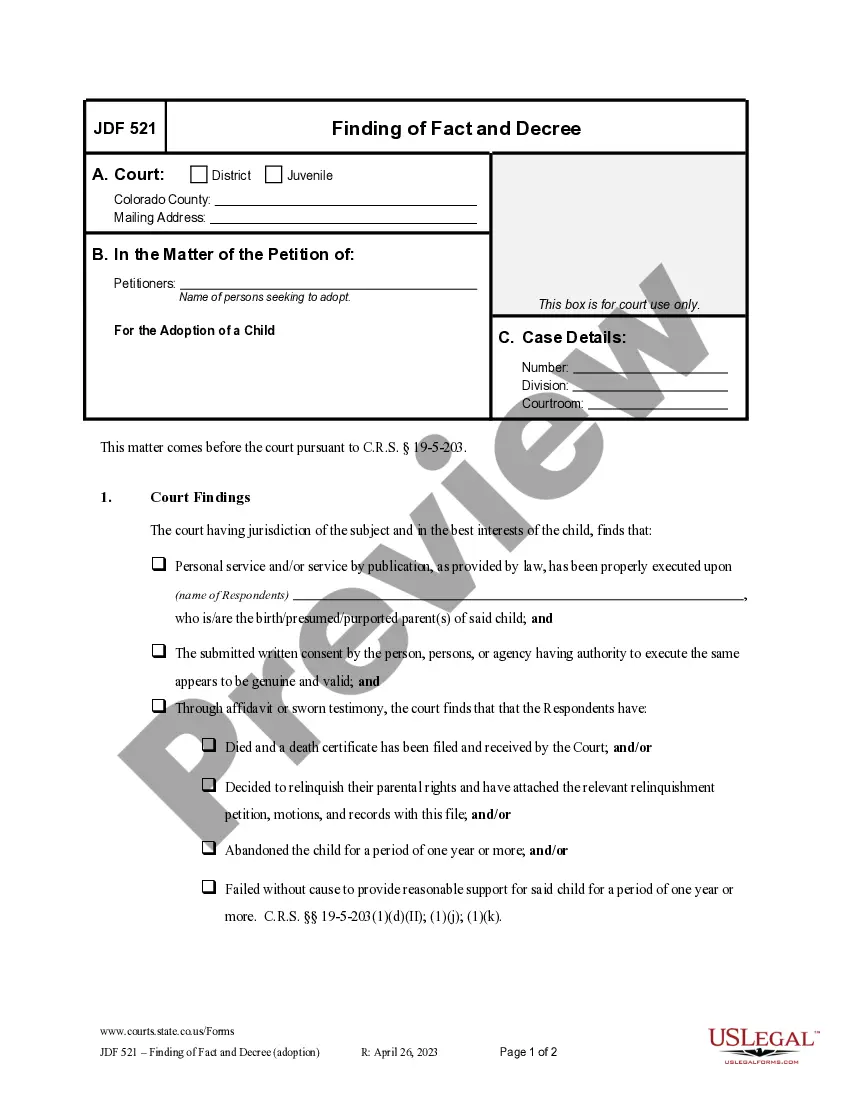




How to fill out Continuing And Unconditional Guaranty Of Business Indebtedness Including An Indemnity Agreement?
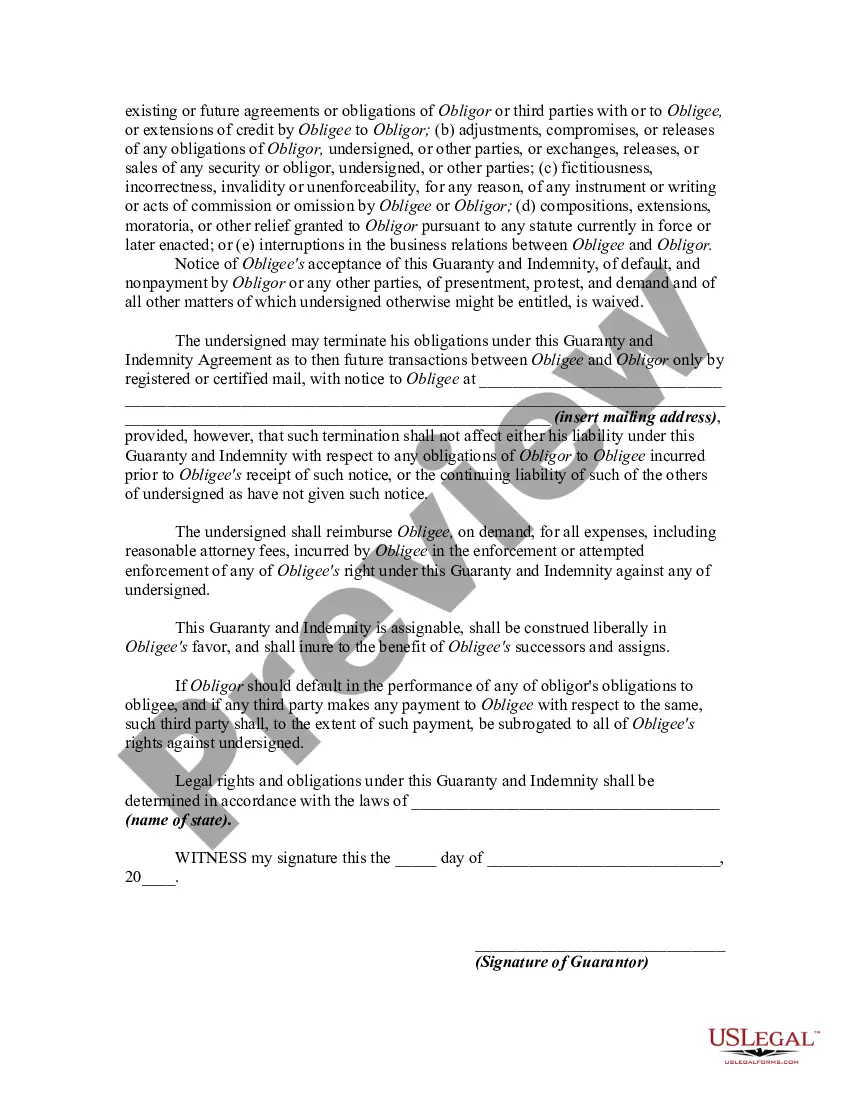
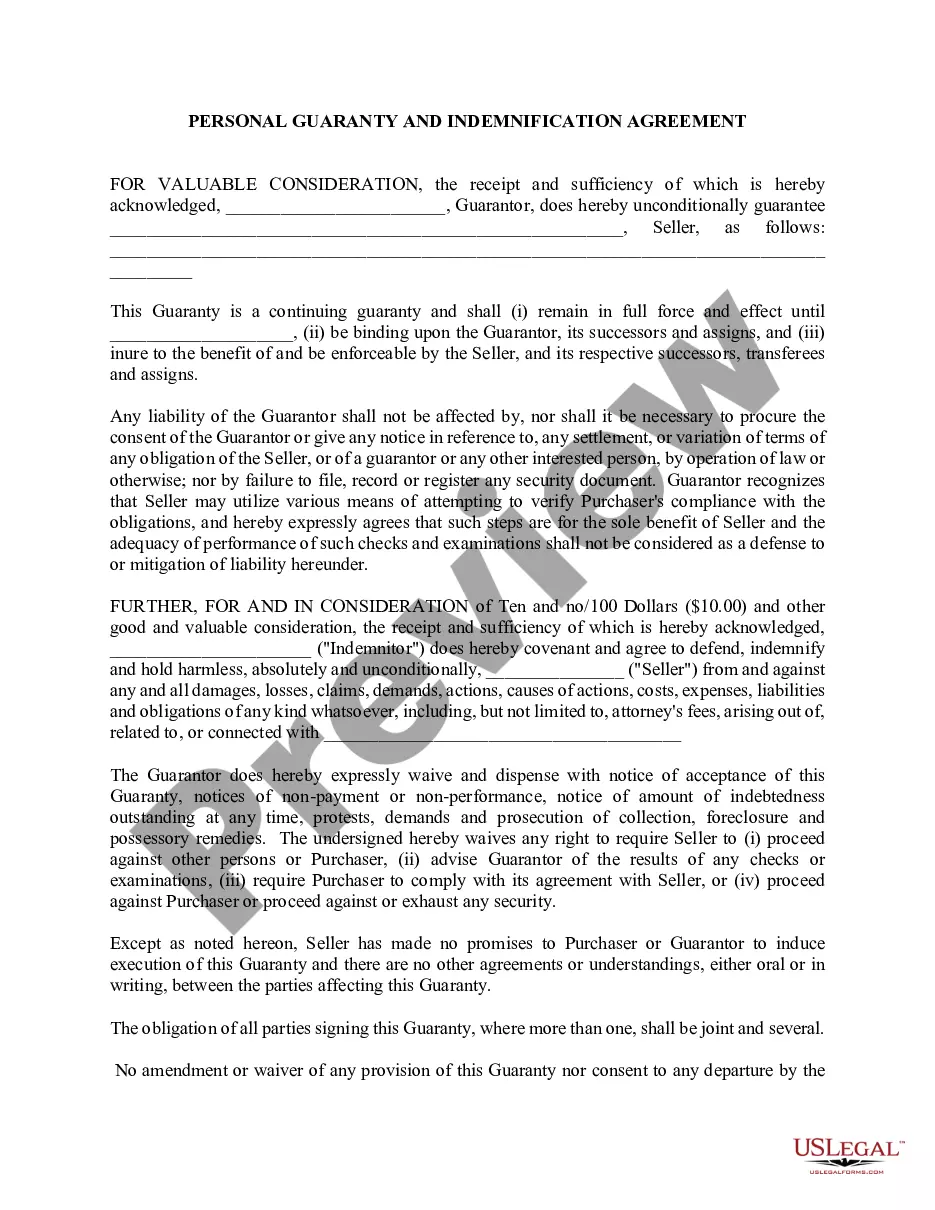
The Unconditional Payment Guarantee displayed on this page is a versatile official template formulated by experienced attorneys in accordance with federal and state statutes and regulations.
For over 25 years, US Legal Forms has offered people, entities, and legal experts more than 85,000 authenticated, state-specific documents for any commercial and personal requirement.
Fill out and sign the necessary documentation. Print the template to fill it out manually. Alternatively, use an online multi-functional PDF editor to swiftly and accurately complete and sign your form with an electronic signature.
- Search for the document you require and review it.
- Browse through the sample you searched and preview it or examine the form description to confirm it meets your needs. If it doesn't, make use of the search feature to locate the right one. Click Buy Now once you have found the template you need.
- Register and Log In.
- Select the pricing option that fits you and create an account. Use PayPal or a credit card for a quick payment. If you already own an account, Log In and check your subscription to continue.
- Acquire the editable template.
Form popularity
FAQ
Enforcing a guaranty generally requires demonstrating that the primary debtor has failed to fulfill their financial responsibilities. With an unconditional guaranty of payment in place, the creditor can approach the guarantor with evidence of default. Depending on the terms of the guaranty, legal action may be necessary to secure the payment, and having a well-drafted document, often available through services like USLegalForms, can support your claims effectively.
To guarantee a payment, you can create an unconditional guaranty of payment that involves a written agreement outlining the terms between the guarantor and the payee. This document should clearly state the obligations of the guarantor and what actions may trigger the guarantee. Utilizing platforms like USLegalForms can simplify this process by providing templates that help you craft a legally sound guarantee that protects all parties involved.
Filling out a personal guarantee starts with recording your personal information accurately, just like with any formal document. Next, you should clearly articulate the obligations you are guaranteeing, ensuring to specify it as an unconditional guaranty of payment. Afterward, review the entire document, seek legal advice if necessary, and sign where indicated to make it official.
An example of an unconditional contract involves a situation where one party agrees to provide services or products without requiring any conditions from the other party. For example, if a vendor promises to deliver goods by a certain date without any contingencies, this forms an unconditional contract. Understanding these terms can help clarify how an unconditional guaranty of payment operates.
To effectively fill out a guarantee form, start by providing your personal information, including name, address, and contact details. Next, clearly state the terms of the unconditional guaranty of payment, including the amount and purpose. Make sure to read all sections carefully for any additional requirements or statements before signing.
The primary difference between conditional and unconditional guarantees lies in the payment terms. A conditional guarantee requires certain conditions to be met before payment is made, while an unconditional guarantee does not impose such limitations. Understanding this distinction is essential, as the unconditional guaranty of payment provides immediate security for creditors, bolstering trust in the agreement.
The unconditional guarantee of payment refers to a legally binding agreement where the guarantor is pledged to make a payment without conditions. This type of guarantee reinforces the confidence of the creditor, knowing they are protected against non-payment. For those seeking clarity and assurance in their transactions, utilizing the unconditional guaranty of payment can greatly enhance overall security.
An absolute and unconditional guaranty signifies that a guarantor is liable for payment without any limitations or contingencies. This form of guaranty eliminates any potential excuses for non-payment, ensuring that the creditor can rely on receiving their funds. In many cases, this type of guarantee is sought after for its reliability and clear terms, enhancing the trustworthiness of the transaction.
'Unconditionally guaranteed' means that the guarantor will fulfill their payment obligation without any conditions or prerequisites. This assurance provides peace of mind to those involved in the transaction, knowing that payment is secure. The unconditional guaranty of payment significantly reduces the risk of default, making it a vital element in various financial agreements.
The purpose of a payment guarantee is to provide assurance to a party that they will receive payment even if the other party fails to fulfill their financial obligations. With an unconditional guaranty of payment, receivers gain confidence that they will not incur losses. This protection is crucial in business transactions, whether between companies or individuals, as it fosters trust and facilitates smoother dealings.