Third Party Agreement Example
Description
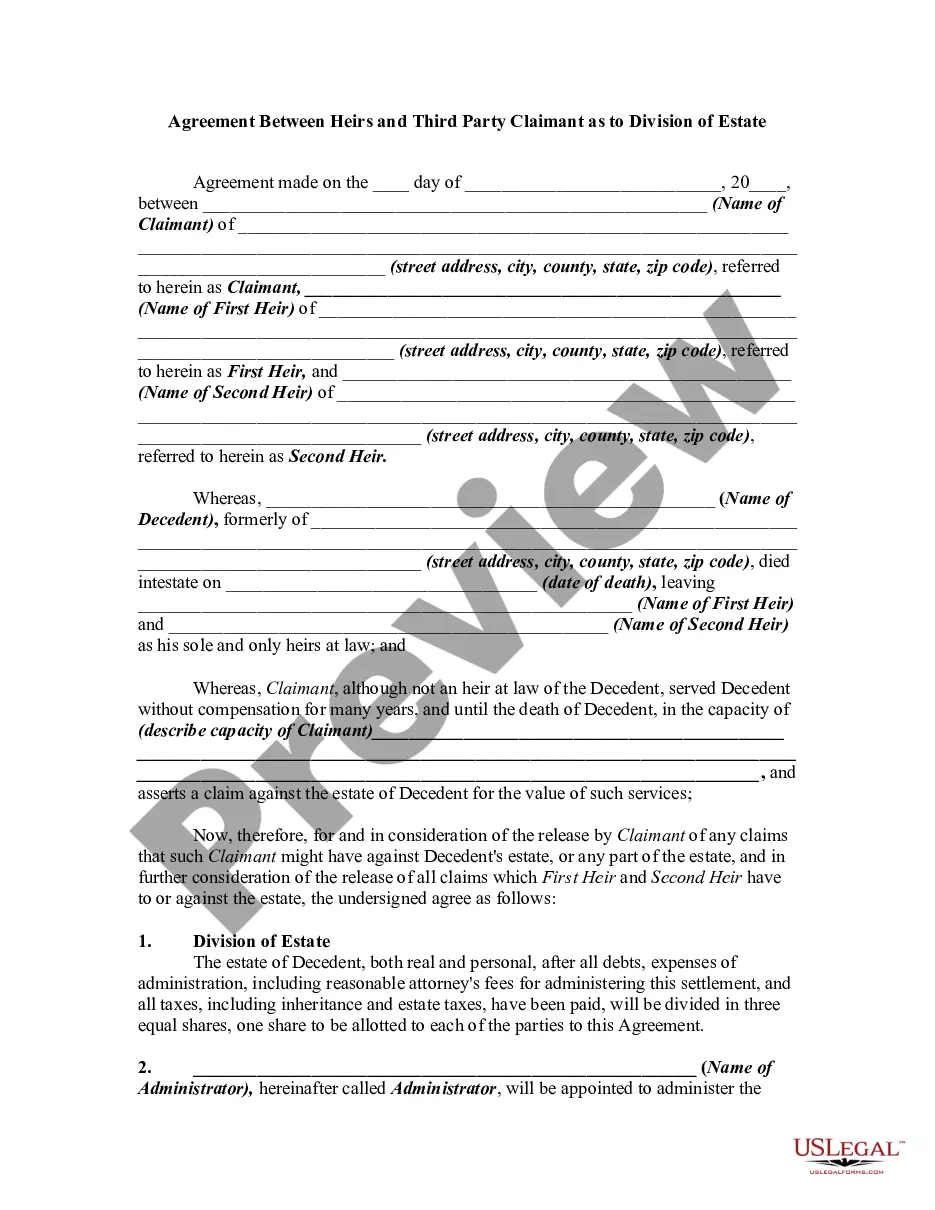
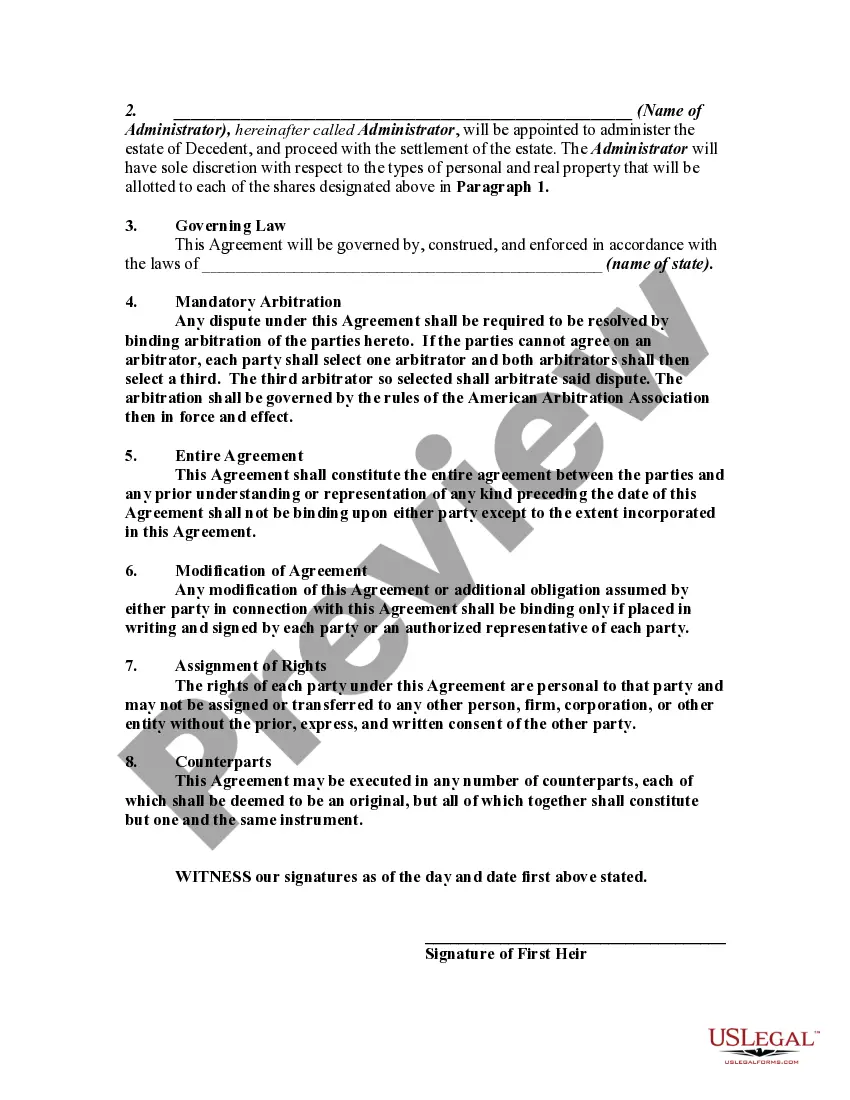
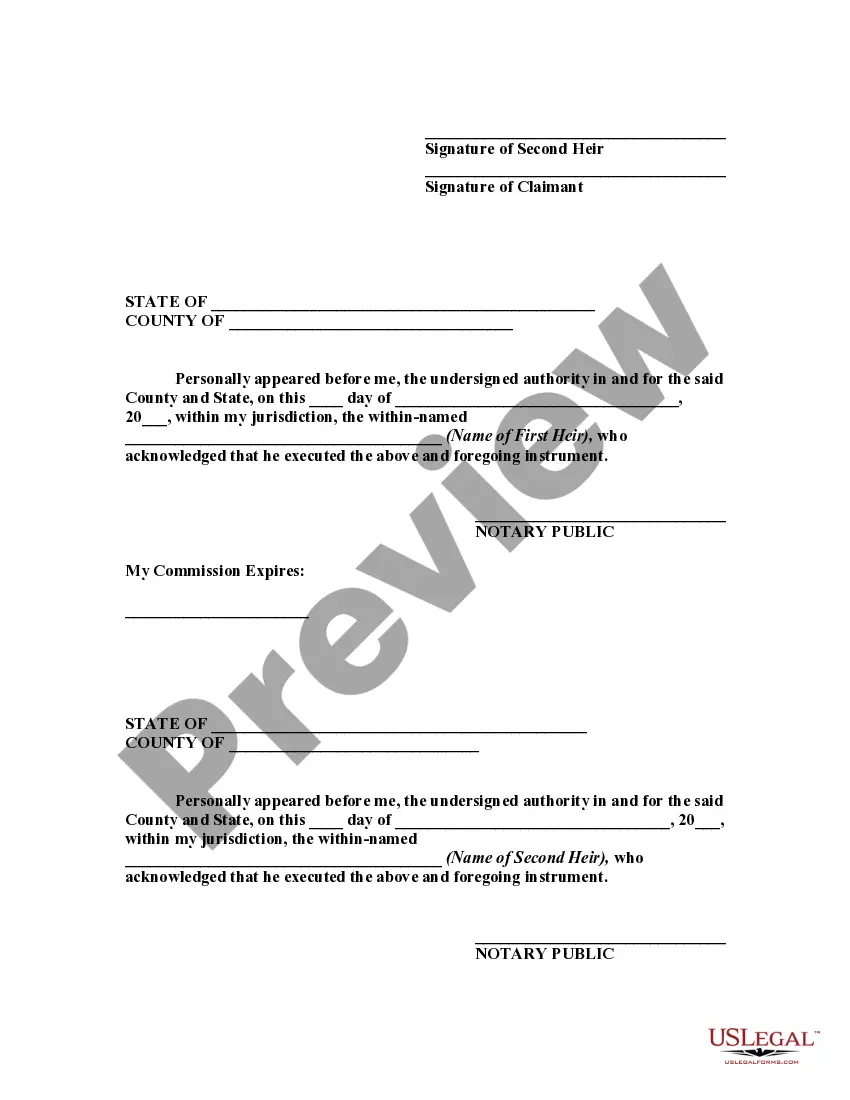
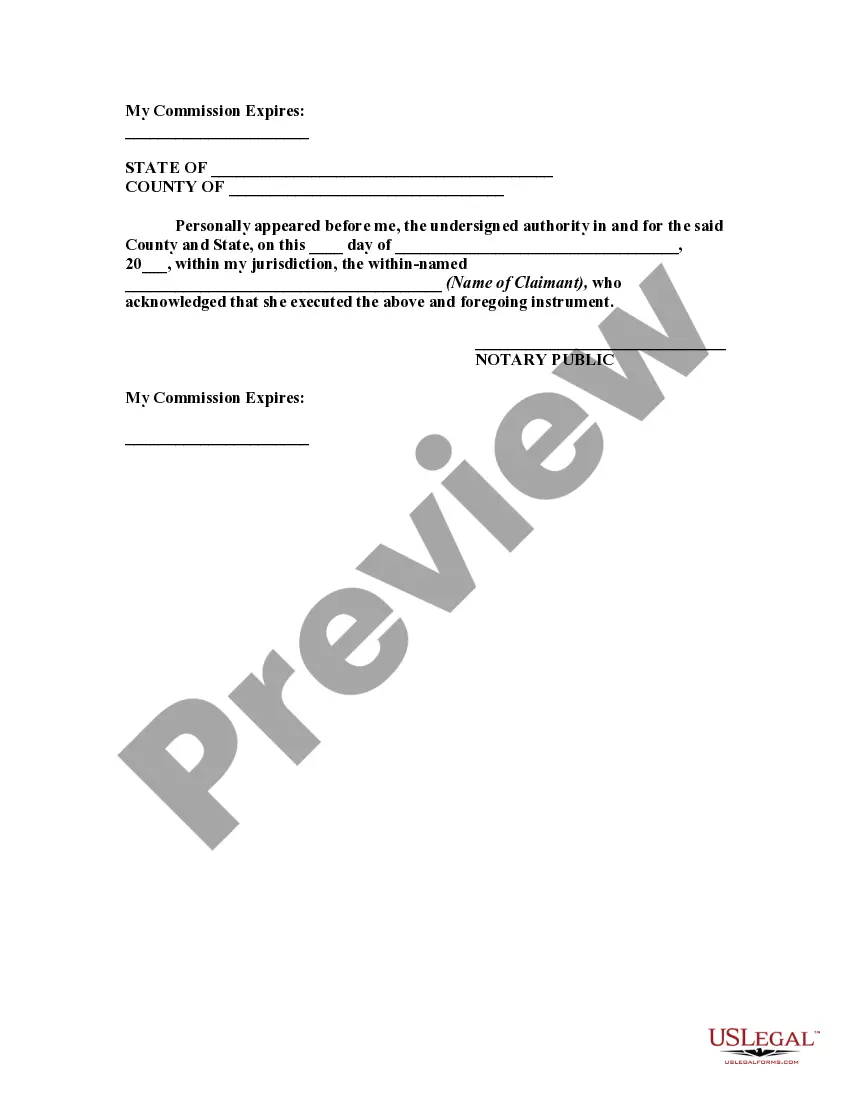
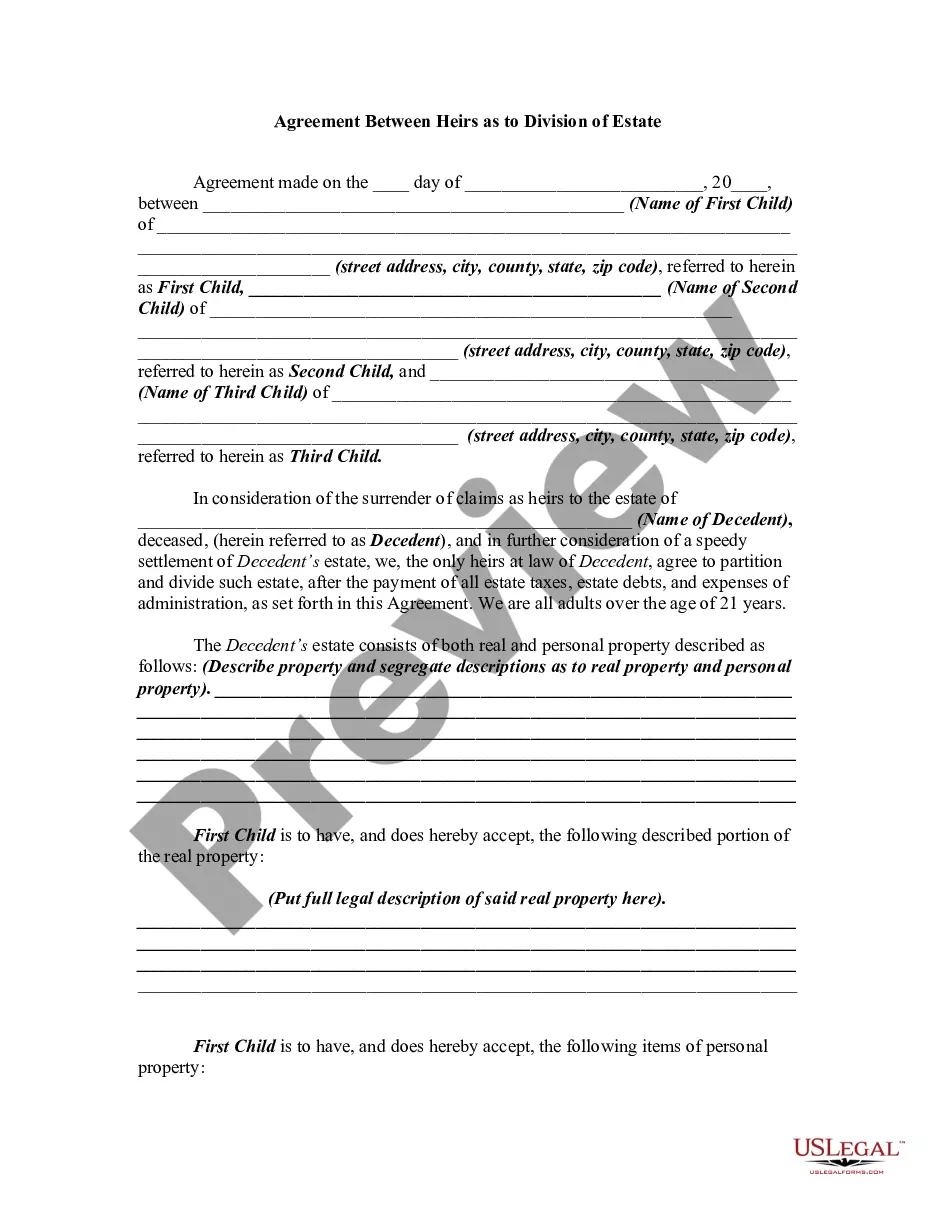
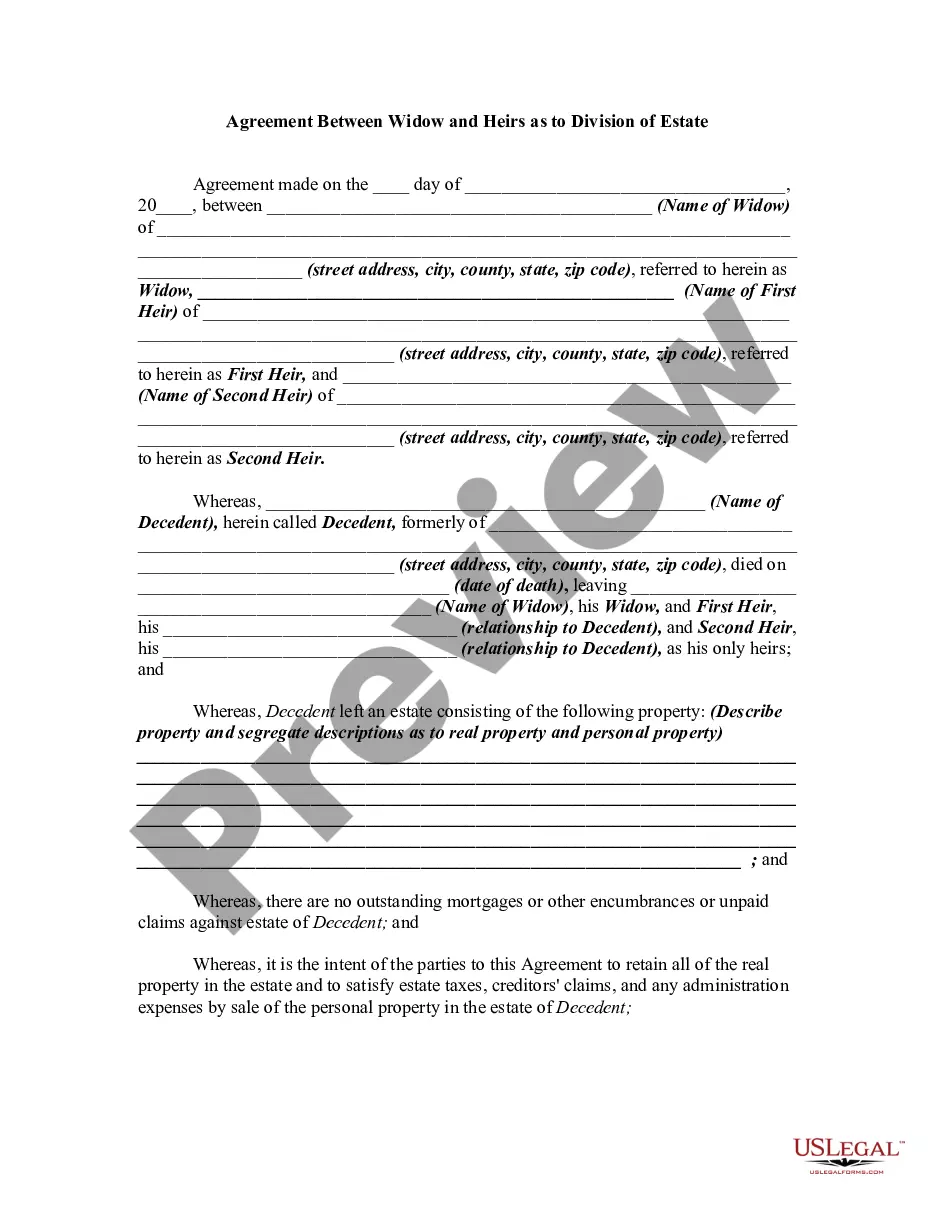
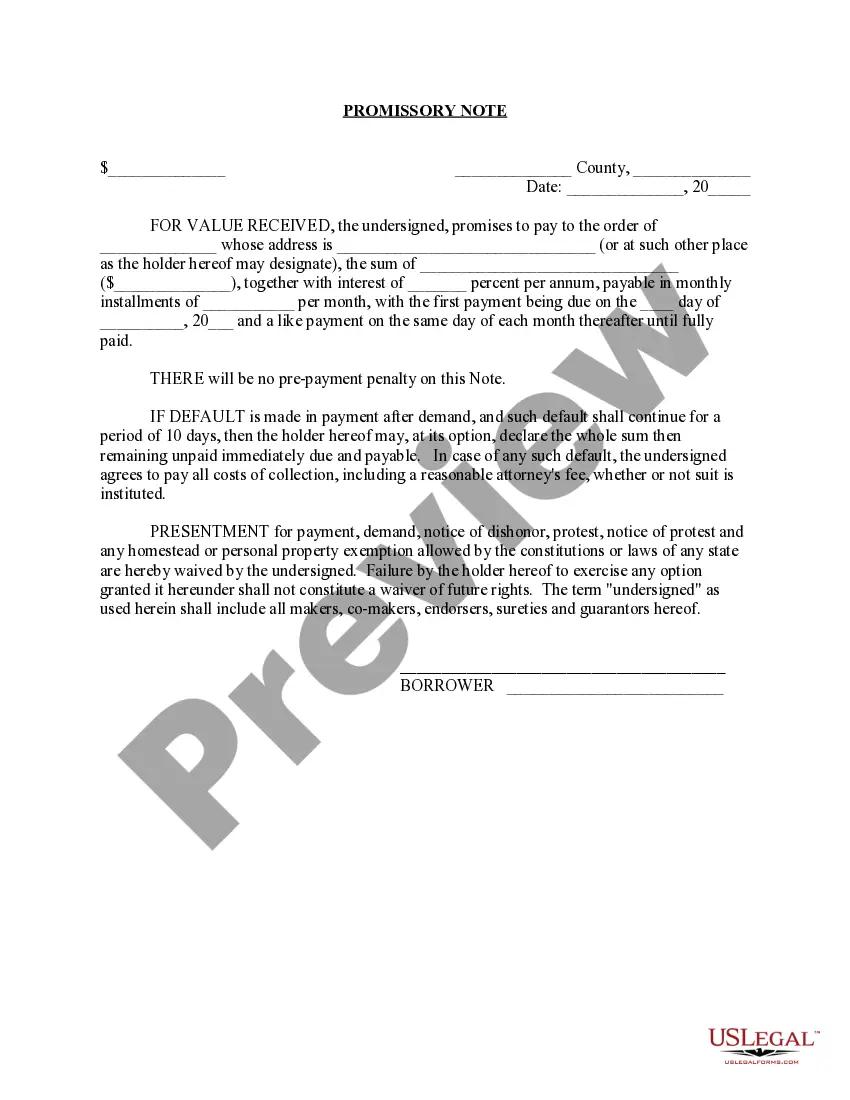
How to fill out Agreement Between Heirs And Third Party Claimant As To Division Of Estate?
Managing legal documents can be exasperating, even for the most proficient professionals.
If you are looking for a Third Party Agreement Example and lack the time to search for the right and current version, the experience can be overwhelming.
US Legal Forms meets any needs you may have, ranging from personal to corporate documents, all consolidated in one place.
Utilize advanced tools to complete and manage your Third Party Agreement Example.
Here are the steps to follow after locating the form you need: Confirm this is the correct form by previewing it and reading its description; Ensure that the template is valid in your state or county; Click Buy Now when you are ready; Choose a monthly subscription plan; Select the file format you need, and Download, complete, eSign, print, and send your document. Take advantage of the US Legal Forms online catalog, supported by 25 years of experience and reliability. Transform your routine document management into a seamless and user-friendly process today.
- Access a valuable resource library of articles, guides, and materials related to your situation and requirements.
- Save time and effort searching for the documents you require, and use US Legal Forms’ sophisticated search and Review feature to obtain the Third Party Agreement Example and download it.
- If you possess a subscription, Log In to your US Legal Forms account, search for the form, and download it.
- Check your My documents tab to view the documents you have previously downloaded and manage your folders as you see fit.
- If this is your initial experience with US Legal Forms, create an account for unlimited access to all the features of the library.
- A comprehensive online form repository could be transformative for anyone aiming to handle these matters effectively.
- US Legal Forms stands as a leader in the realm of online legal documents, offering over 85,000 state-specific legal forms at your convenience.
- With US Legal Forms, you have the opportunity to access tailored legal and business documents.
Form popularity
FAQ
A third party beneficiary clause is a provision in a contract that allows a third party to benefit from the agreement between the primary parties. For example, if a life insurance policy names a beneficiary, that individual is a third party who gains rights from the policyholder's contract with the insurance company. Including this clause can offer additional security and clarity in agreements. For a comprehensive understanding, reviewing a third party agreement example can be very helpful.
One example of a third party can be a contractor hired to complete a specific task for two other parties involved in a project. For instance, if a homeowner and a construction company enter an agreement, the contractor becomes a third party who must adhere to the terms set by both. Recognizing the role of a third party is essential for clear communication and project success. A third party agreement example can illustrate how to outline these relationships effectively.
3rd party agreements refer to contracts that involve three entities: the two primary parties and the third party. These agreements are commonly used in various industries, including real estate, finance, and services. They help define the relationship and obligations of each party, reducing the chances of misunderstandings. You can find a useful third party agreement example on platforms like US Legal Forms.
A third party agreement is a legal document that outlines the terms and conditions between two primary parties, while also involving a third party who may be affected by the agreement. This type of contract ensures that the interests of all parties are considered and protected. For instance, in business transactions, a third party can be a vendor or a customer. A solid third party agreement example can help clarify roles and responsibilities.
A third party service agreement is a contract where one party hires another party to provide services for a third party. This type of agreement often outlines the responsibilities and expectations of all involved, ensuring clarity and accountability. You can find a practical third party agreement example on US Legal Forms, which can help you draft your own service agreements effectively.
A third party beneficiary contract is an agreement designed to benefit someone who is not a direct party to the contract. For instance, if a parent purchases a life insurance policy that pays out to their child upon their death, the child is the third party beneficiary. This scenario serves as a clear third party agreement example, showcasing the rights and benefits of those not directly involved in the contract.
A third party arrangement refers to an agreement involving three parties, where one party provides a benefit to another party through the involvement of a third party. In this context, the third party does not have a direct obligation but plays a crucial role in facilitating the agreement. For clarity, a third party agreement example often illustrates how these arrangements work, highlighting the roles of each participant.