Abandonment Squatters Rights For Florida
Description
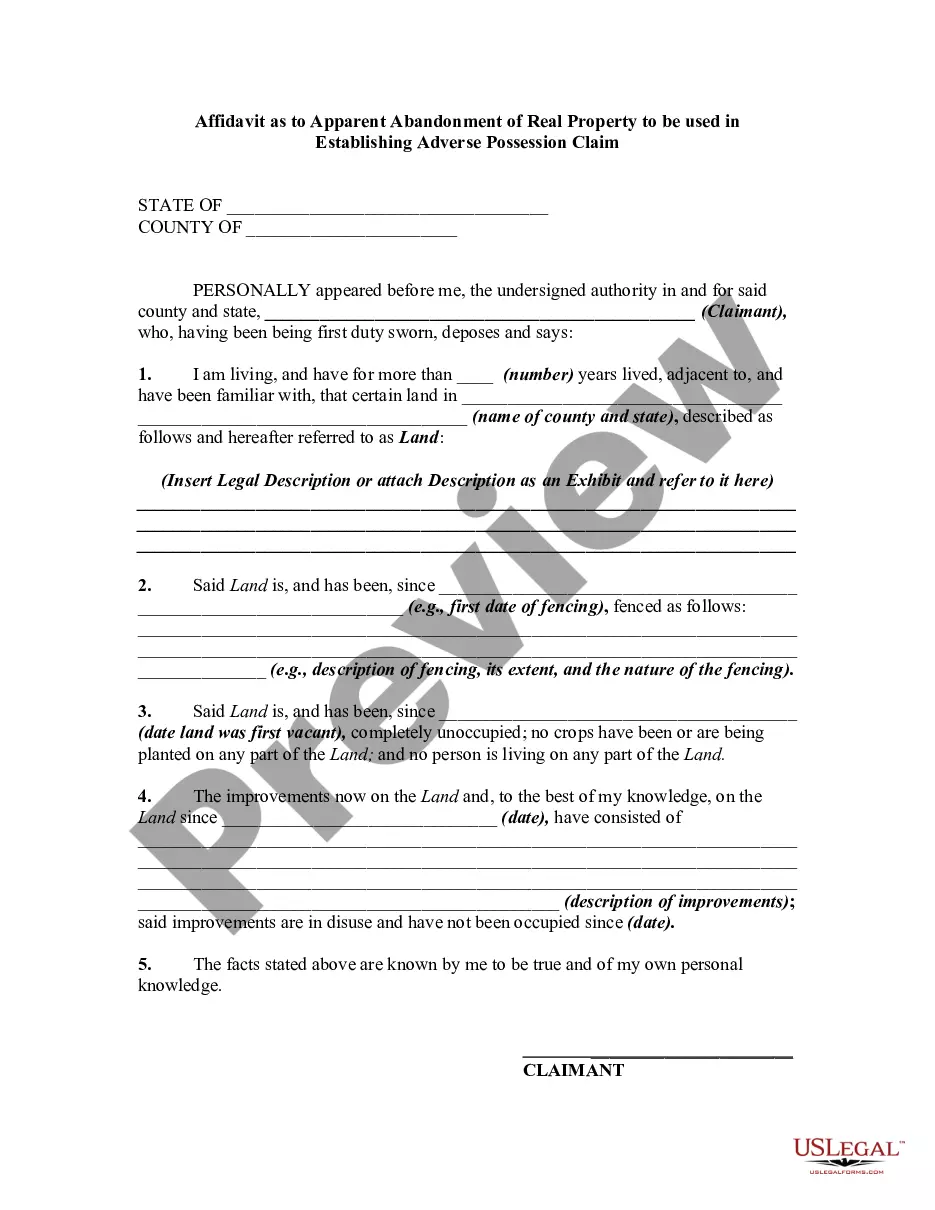
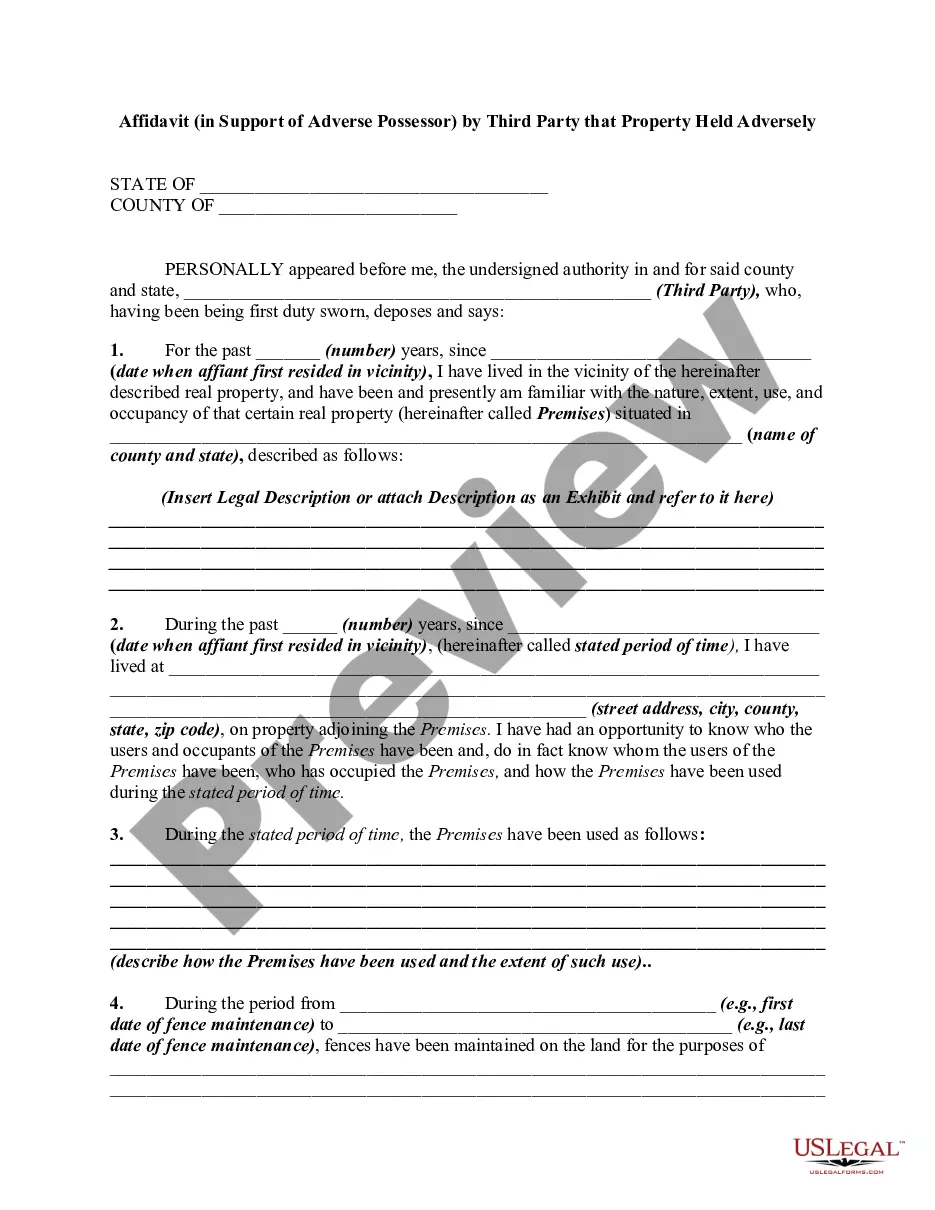
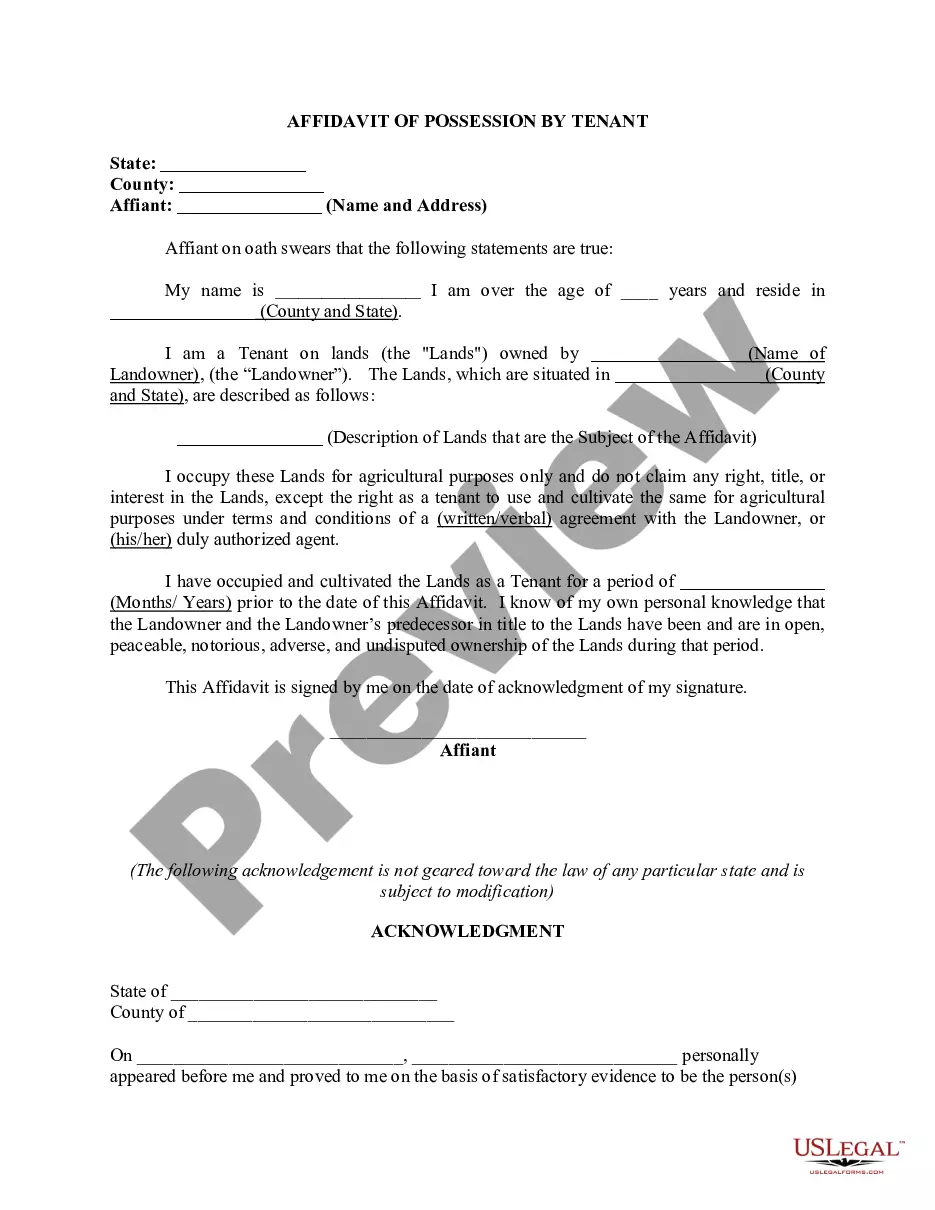
Get your form ready online
Our built-in tools help you complete, sign, share, and store your documents in one place.
Make edits, fill in missing information, and update formatting in US Legal Forms—just like you would in MS Word.
Download a copy, print it, send it by email, or mail it via USPS—whatever works best for your next step.
Sign and collect signatures with our SignNow integration. Send to multiple recipients, set reminders, and more. Go Premium to unlock E-Sign.
If this form requires notarization, complete it online through a secure video call—no need to meet a notary in person or wait for an appointment.
We protect your documents and personal data by following strict security and privacy standards.

Make edits, fill in missing information, and update formatting in US Legal Forms—just like you would in MS Word.

Download a copy, print it, send it by email, or mail it via USPS—whatever works best for your next step.

Sign and collect signatures with our SignNow integration. Send to multiple recipients, set reminders, and more. Go Premium to unlock E-Sign.

If this form requires notarization, complete it online through a secure video call—no need to meet a notary in person or wait for an appointment.

We protect your documents and personal data by following strict security and privacy standards.
Looking for another form?





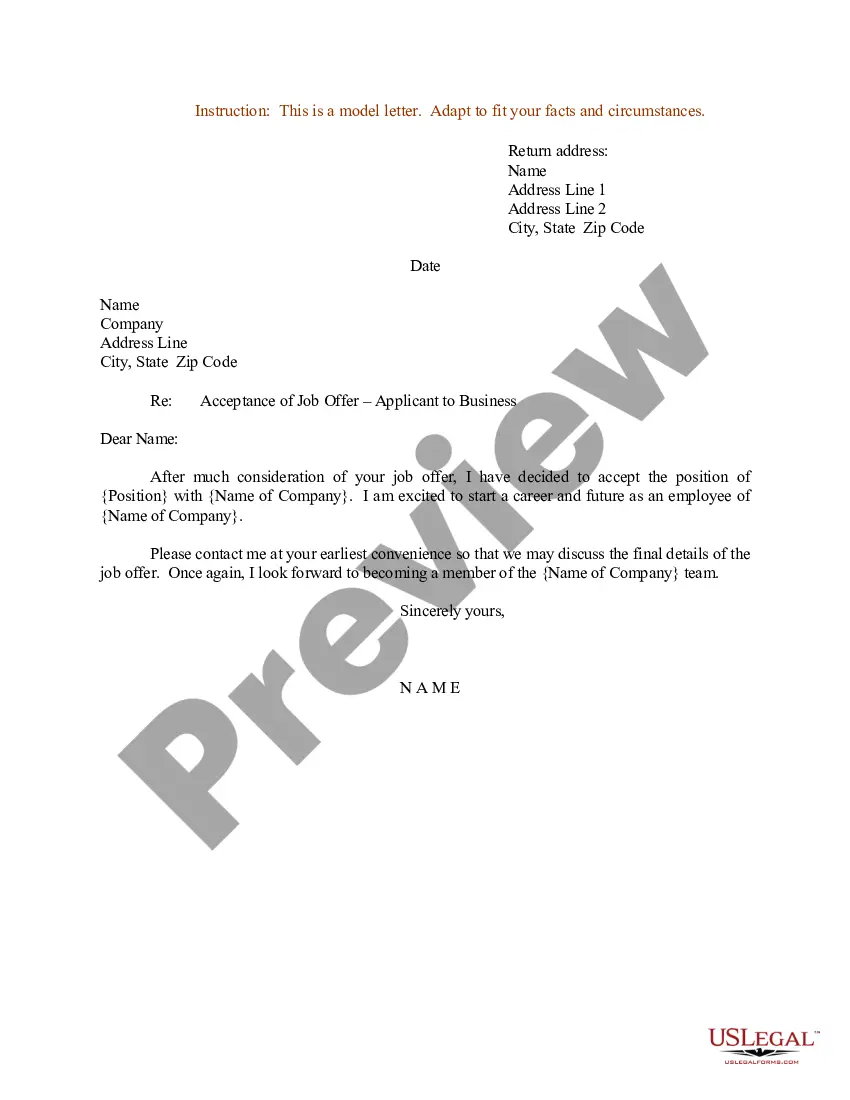
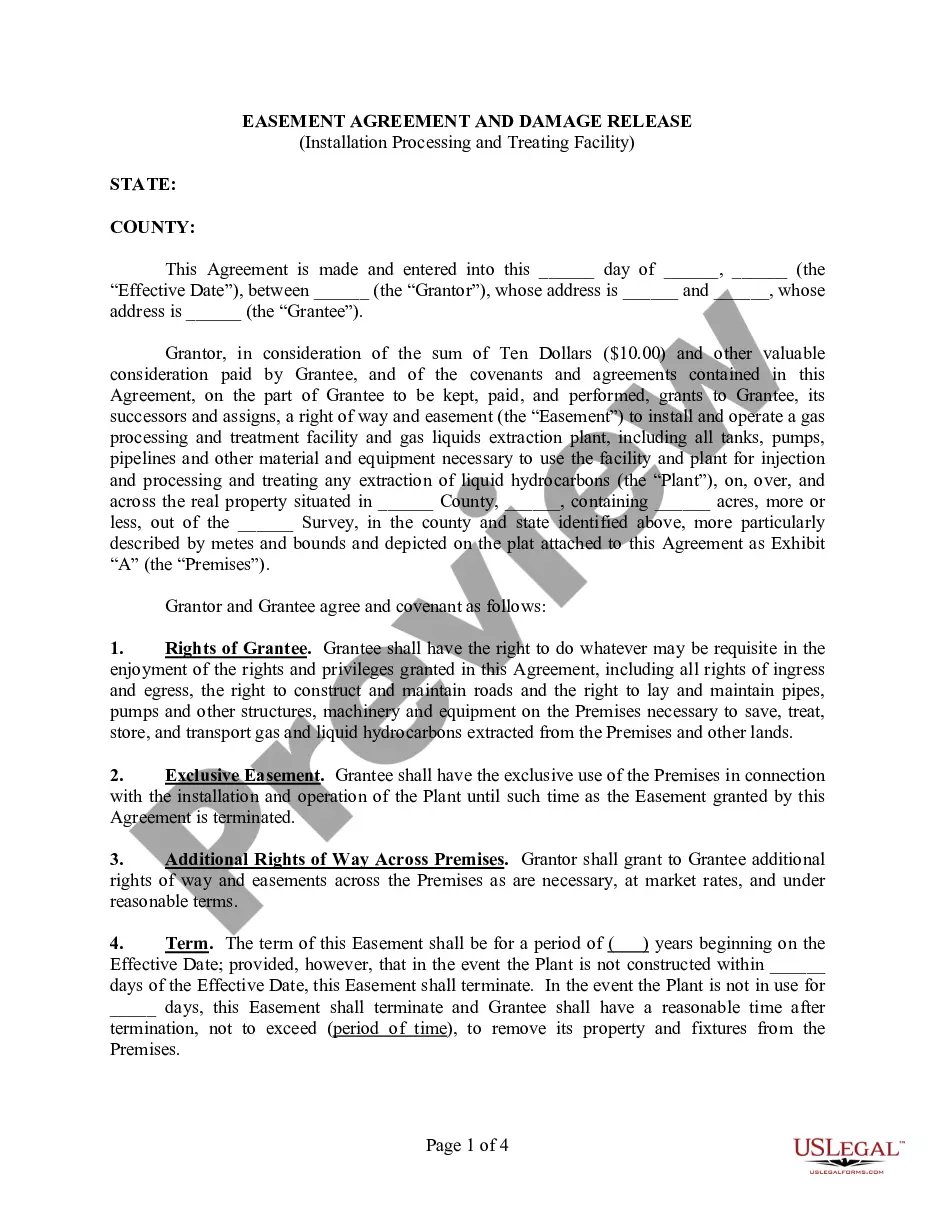



How to fill out Affidavit As To Apparent Abandonment Of Real Property To Be Used In Establishing Adverse Possession Claim - Squatters Rights?
Whether for commercial reasons or for personal affairs, everyone must handle legal matters at some stage in their life. Completing legal documentation demands meticulous focus, beginning with choosing the appropriate form template.
For example, if you select an incorrect version of a Abandonment Squatters Rights For Florida, it will be rejected upon submission. Thus, it is crucial to obtain a trustworthy source of legal documents like US Legal Forms.
With a vast US Legal Forms catalog available, you do not need to waste time searching for the right template online. Use the library’s simple navigation to locate the correct form for any occasion.
- Locate the template you require by using the search bar or browsing the catalog.
- Review the form’s description to confirm it aligns with your situation, state, and locality.
- Click on the form’s preview to inspect it.
- If it is the wrong document, return to the search feature to find the Abandonment Squatters Rights For Florida template you need.
- Obtain the template once it satisfies your requirements.
- If you already have a US Legal Forms account, simply click Log in to access previously saved templates in My documents.
- If you do not have an account yet, you can acquire the form by clicking Buy now.
- Choose the appropriate pricing option.
- Fill out the profile registration form.
- Select your payment method: use a credit card or PayPal account.
- Choose the file format you prefer and download the Abandonment Squatters Rights For Florida.
- Once it is downloaded, you can complete the form using editing software or print it out and fill it in by hand.
Form popularity
FAQ
Fortunately, it is difficult to assert an adverse possession claim in Florida. A squatter must occupy a property for seven consecutive years before they can submit an adverse possession claim. Landlords that diligently monitor their properties can catch and remove a squatter long before seven years have passed.
Under Chapter 82, Section 35 of the Florida code, police can remove unwanted squatters if a property owner gives them a sworn affidavit claiming the transient occupants are unlawfully residing on the property.
Squatters can lay claim to a property (usually abandoned, foreclosed, or otherwise unoccupied building) after living in it for a continuous period of time. In the state of Florida, for an adverse possession claim to be valid, a squatter must have lived in the property for at least 7 years.
Unlike most other states, Florida does not have a specific procedure to remove squatters. Property owners, estate beneficiaries, and executors must instead file an ?unlawful detainer lawsuit.?
The only way to remove a squatter in Florida is to file an ?unlawful detainer? lawsuit. This is a type of eviction lawsuit used solely to determine the right to possession of real property; no other legal grievances with the squatter may be tried in this case.