Property Claim Ownership Without Permission
Description
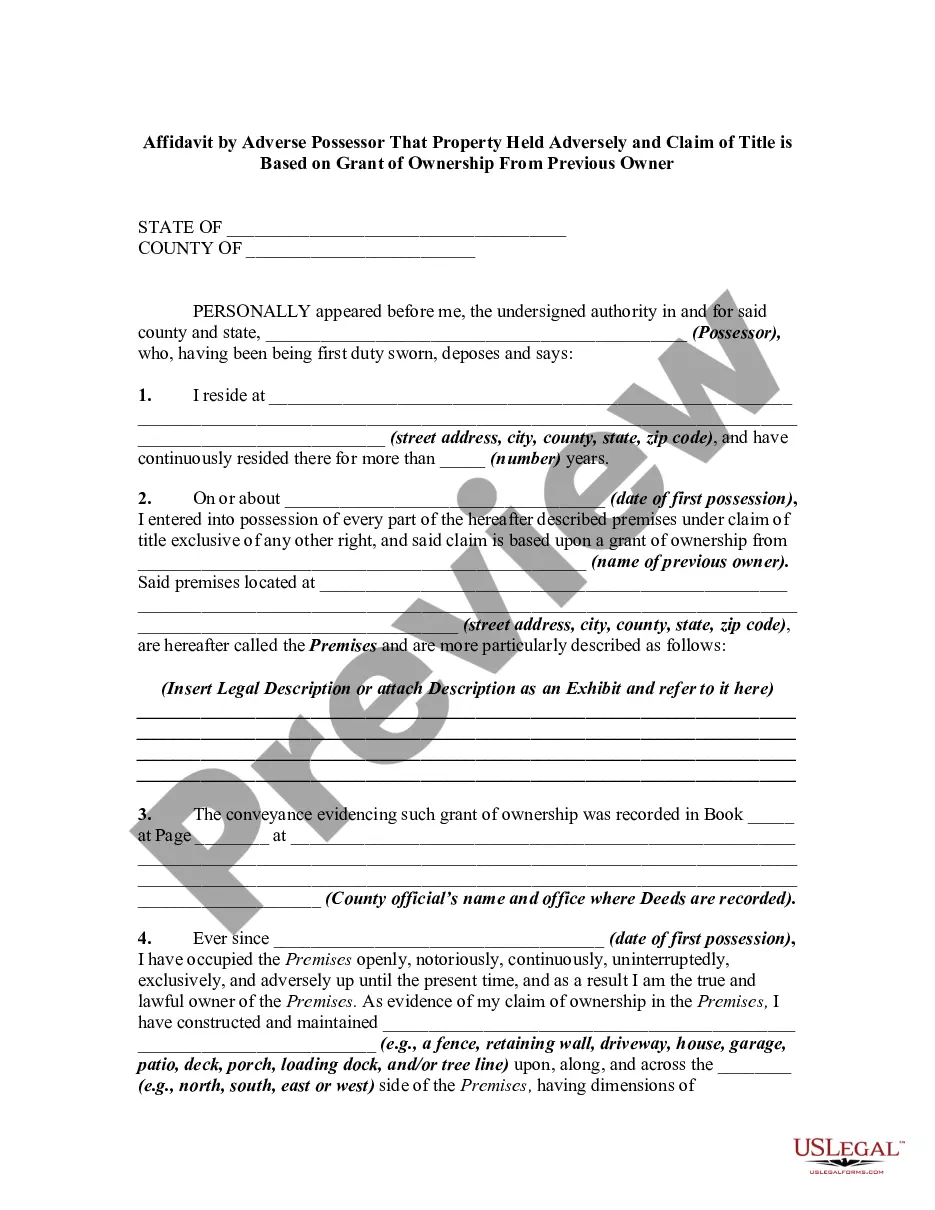
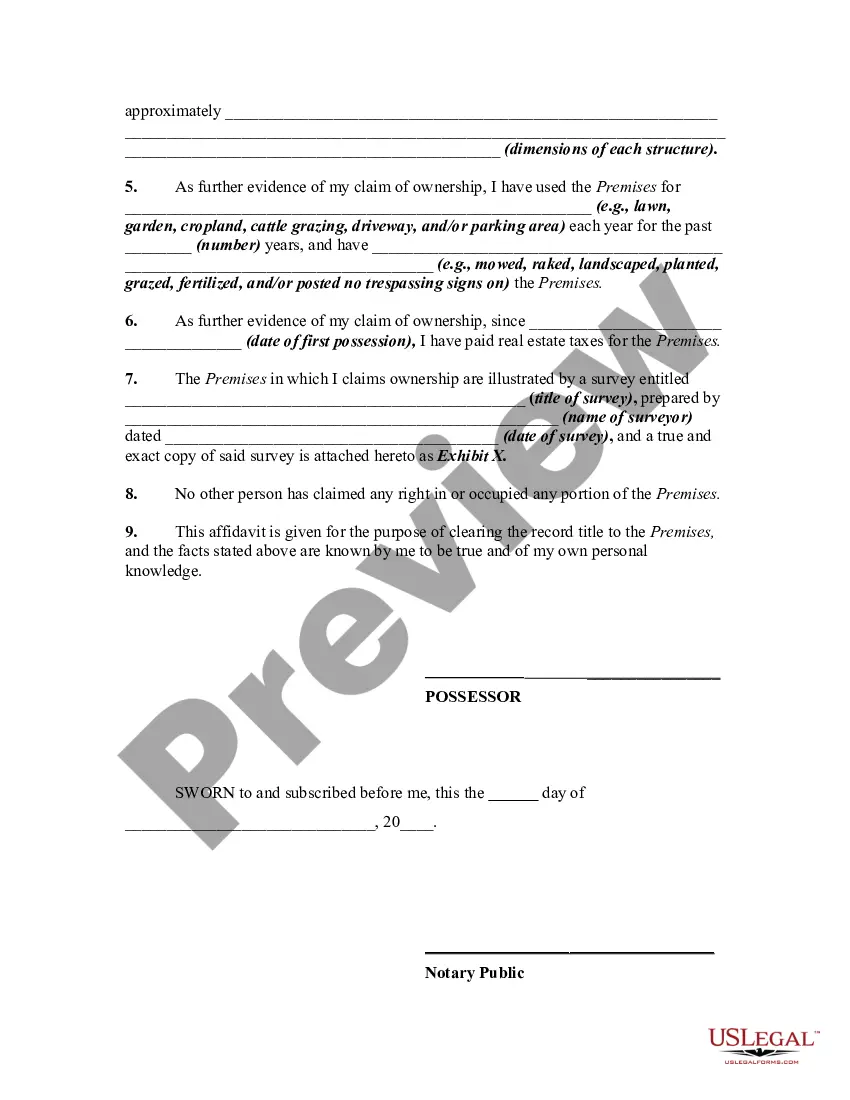
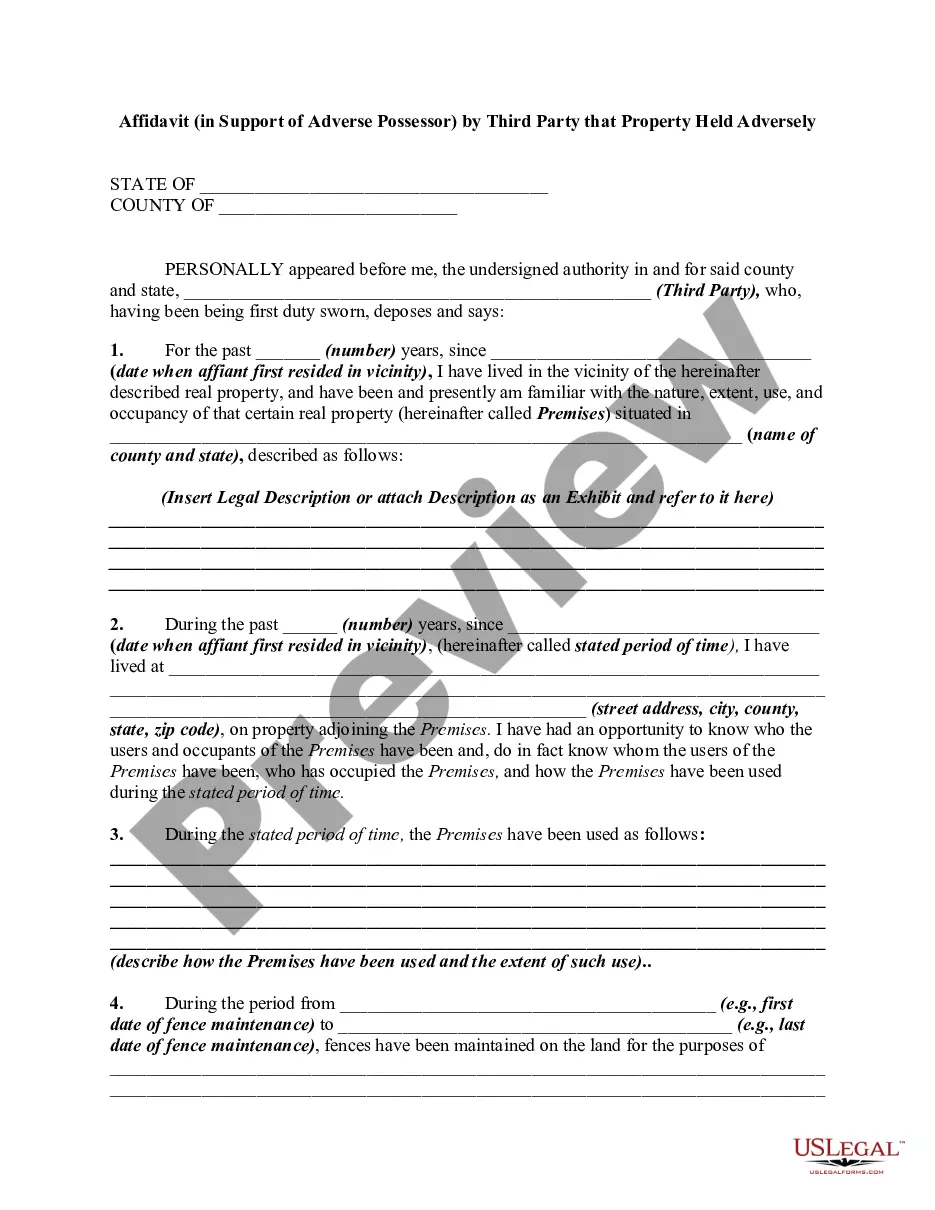
Get your form ready online
Our built-in tools help you complete, sign, share, and store your documents in one place.
Make edits, fill in missing information, and update formatting in US Legal Forms—just like you would in MS Word.
Download a copy, print it, send it by email, or mail it via USPS—whatever works best for your next step.
Sign and collect signatures with our SignNow integration. Send to multiple recipients, set reminders, and more. Go Premium to unlock E-Sign.
If this form requires notarization, complete it online through a secure video call—no need to meet a notary in person or wait for an appointment.
We protect your documents and personal data by following strict security and privacy standards.

Make edits, fill in missing information, and update formatting in US Legal Forms—just like you would in MS Word.

Download a copy, print it, send it by email, or mail it via USPS—whatever works best for your next step.

Sign and collect signatures with our SignNow integration. Send to multiple recipients, set reminders, and more. Go Premium to unlock E-Sign.

If this form requires notarization, complete it online through a secure video call—no need to meet a notary in person or wait for an appointment.

We protect your documents and personal data by following strict security and privacy standards.
Looking for another form?



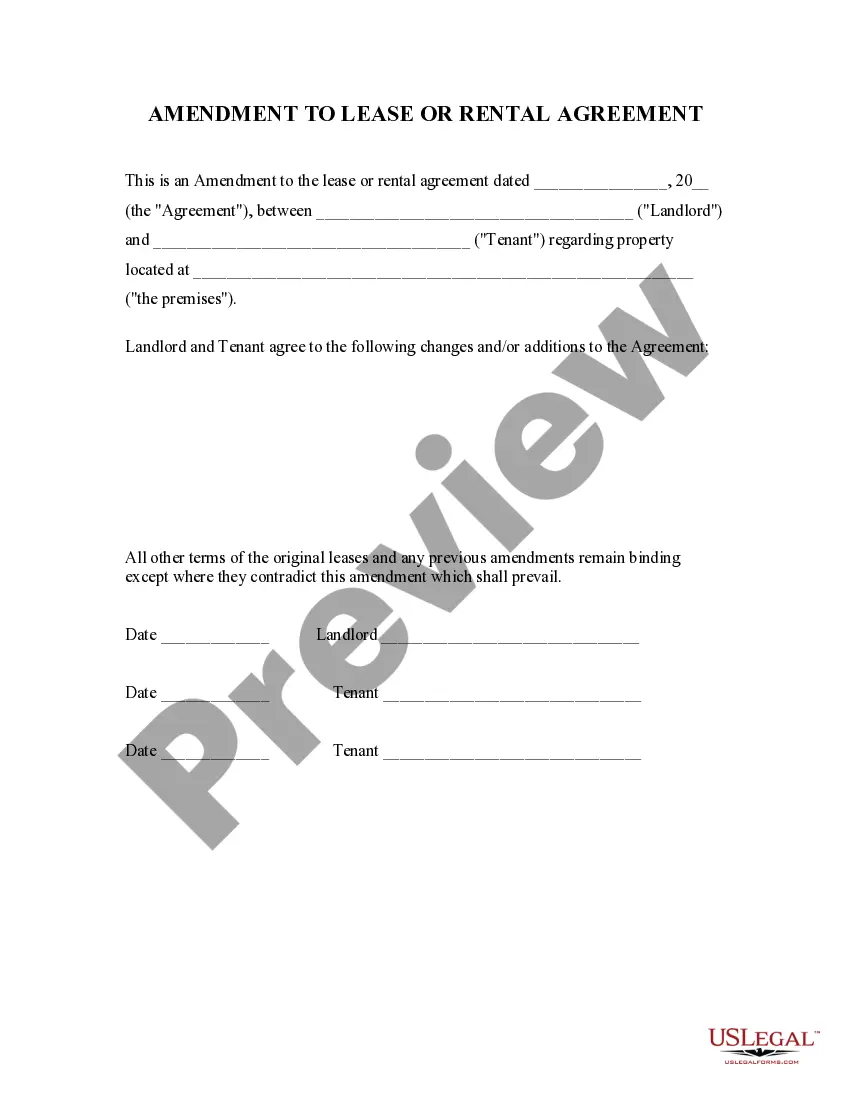



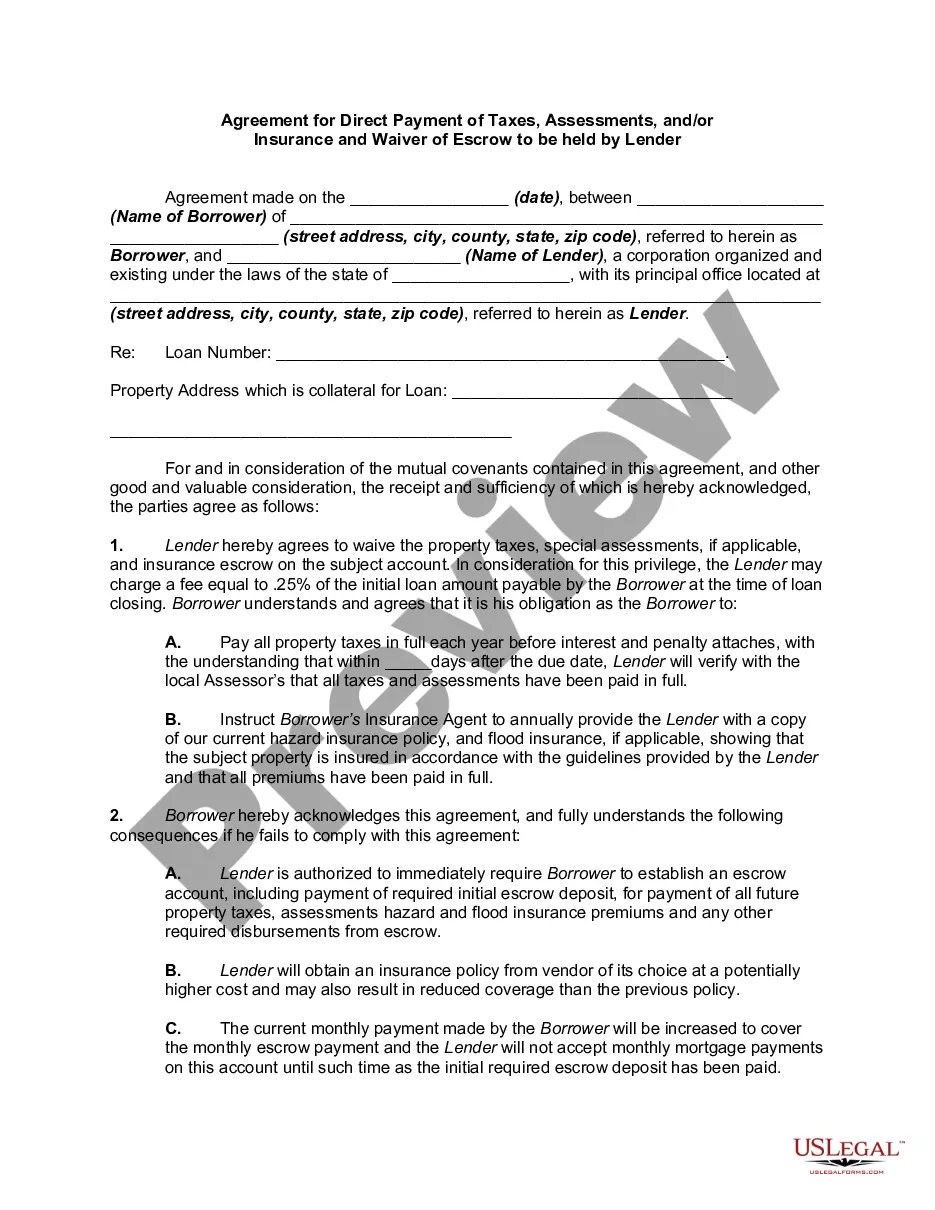

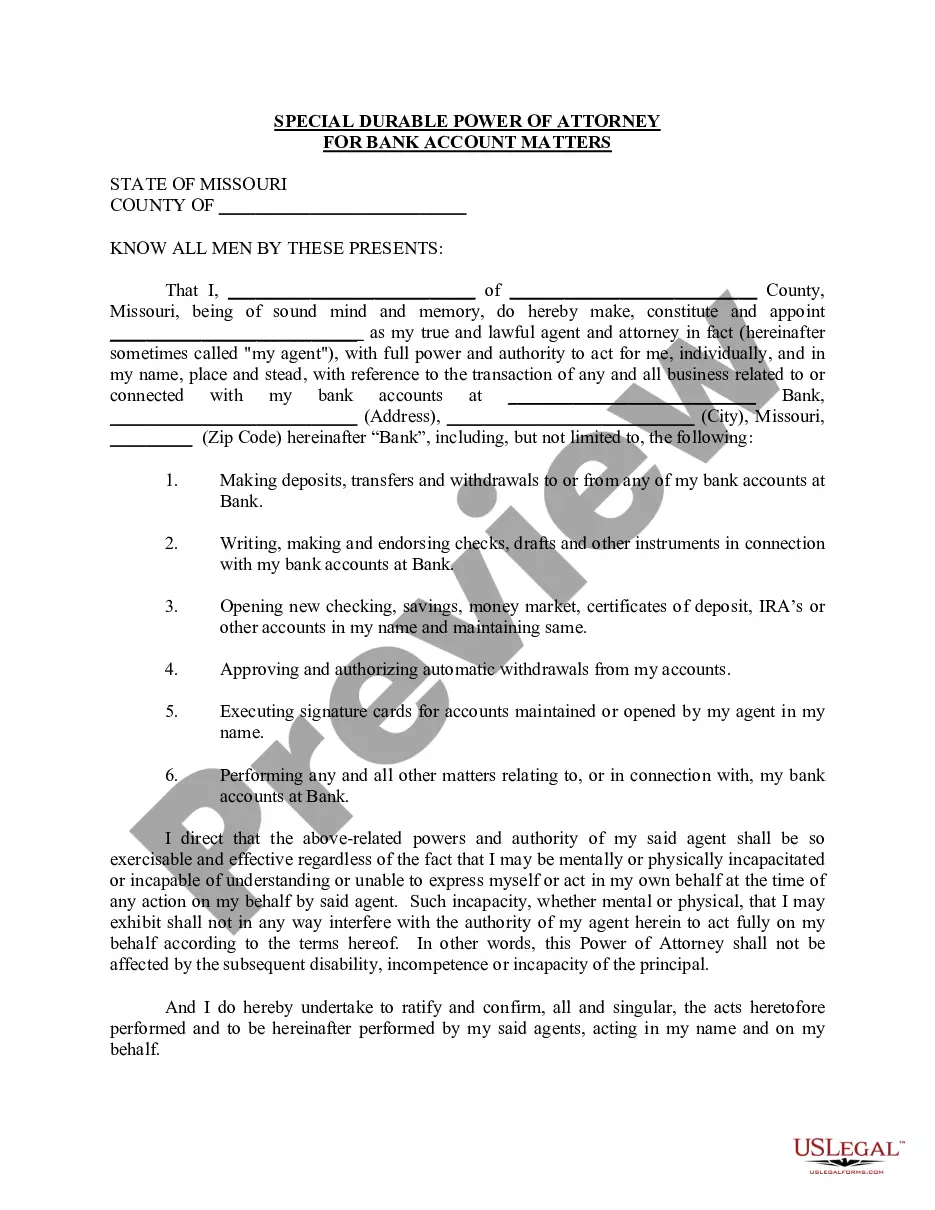
How to fill out Affidavit By Adverse Possessor That Property Held Adversely And Claim Of Title Is Based On Grant Of Ownership From Previous Owner - Squatters Rights?
Discovering a reliable source for accessing the latest and suitable legal templates is a significant part of managing bureaucracy.
Identifying the correct legal documentation necessitates precision and careful consideration, which is why it’s crucial to obtain samples of Property Claim Ownership Without Permission exclusively from trustworthy providers, such as US Legal Forms. An incorrect template can squander your time and impede your current situation.
Eliminate the hassle associated with your legal paperwork. Browse the comprehensive US Legal Forms catalog where you can locate legal samples, assess their suitability for your circumstances, and download them immediately.
- Employ the library navigator or search option to find your template.
- Examine the form’s description to verify its compatibility with the laws of your state and locality.
- View the form preview, if it's available, to ensure the template meets your requirements.
- Continue your search and find an alternative document if the Property Claim Ownership Without Permission does not meet your needs.
- Once confident about the form's suitability, download it.
- If you are a registered member, click Log in to verify your identity and access your selected forms in My documents.
- If you don't have an account, click Buy now to purchase the template.
- Select the pricing option that aligns with your requirements.
- Continue with registration to complete your purchase.
- Finish your transaction by selecting a payment option (credit card or PayPal).
- Choose the document format to download Property Claim Ownership Without Permission.
- Once the form is on your device, you can modify it using the editor or print it out and fill it out by hand.
Form popularity
FAQ
Under RSA 4, when two persons cohabit and acknowledge each other as husband and wife, and are generally reputed as such, for at least three years and until the death of one of them, the survivor may be treated as the spouse of the deceased. '
Cohabiting is when a couple lives together before marriage (or civil partnership) or instead of marrying or entering into a civil partnership. If you're living with your partner, and you're not married or in a civil partnership, you're a cohabiting couple.
Cohabitation is an arrangement where people who are not married, usually couples, live together. They are often involved in a romantic or sexually intimate relationship on a long-term or permanent basis.
A cohabitation agreement is a legal document between unmarried couples who are living together. It sets out arrangements for finances, property and children while you're living together and if you split up, become ill or die. You can make an agreement at any time. It's good to do it before you move in together.
FAQ Fill out the names and contact information of both parties. ... Describe the relationship between the two parties, including how long you have been living together. Provide any additional details about your living arrangement that support your claim of cohabitation.
"Domestic partner" means an individual who shares a domicile and the expenses of daily living with another person, but who are not joined in a legal marriage or civil union under New Hampshire law.
Cohabitation is an informal arrangement between intimate partners. The state considers the property of each individual in a cohabitating relationship as separate. If you have investments, property, and bank accounts in your name, you retain them during a breakup regardless of how long you lived with a partner.