Adverse Possession Washington State
Description
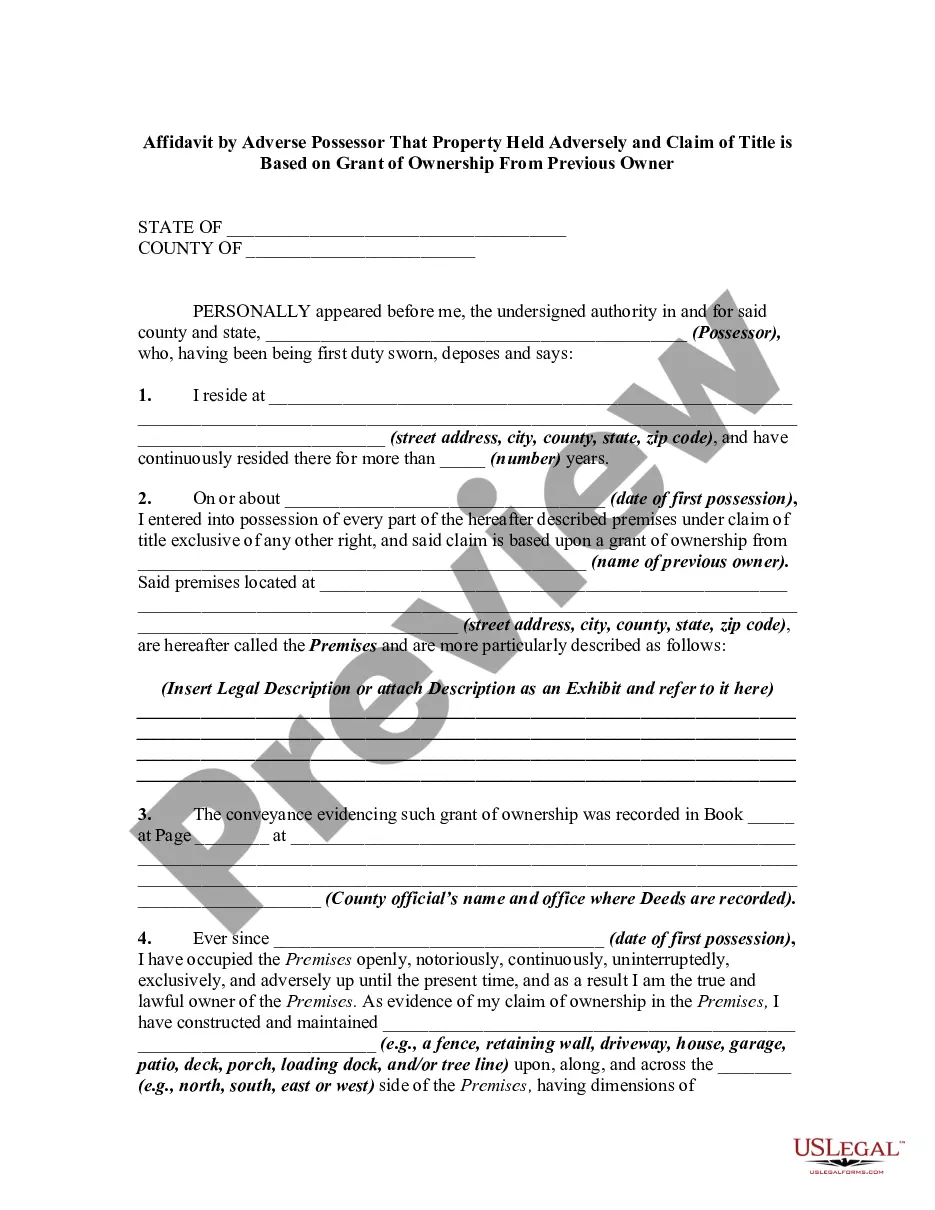
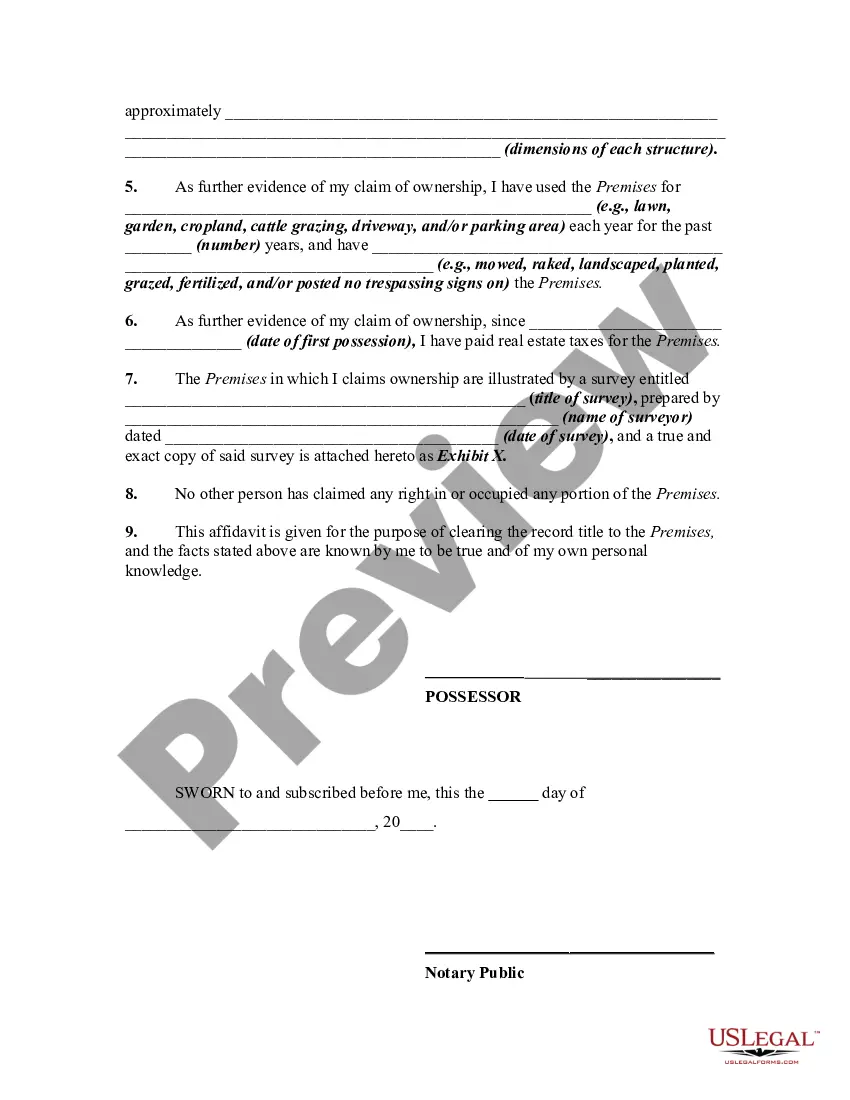

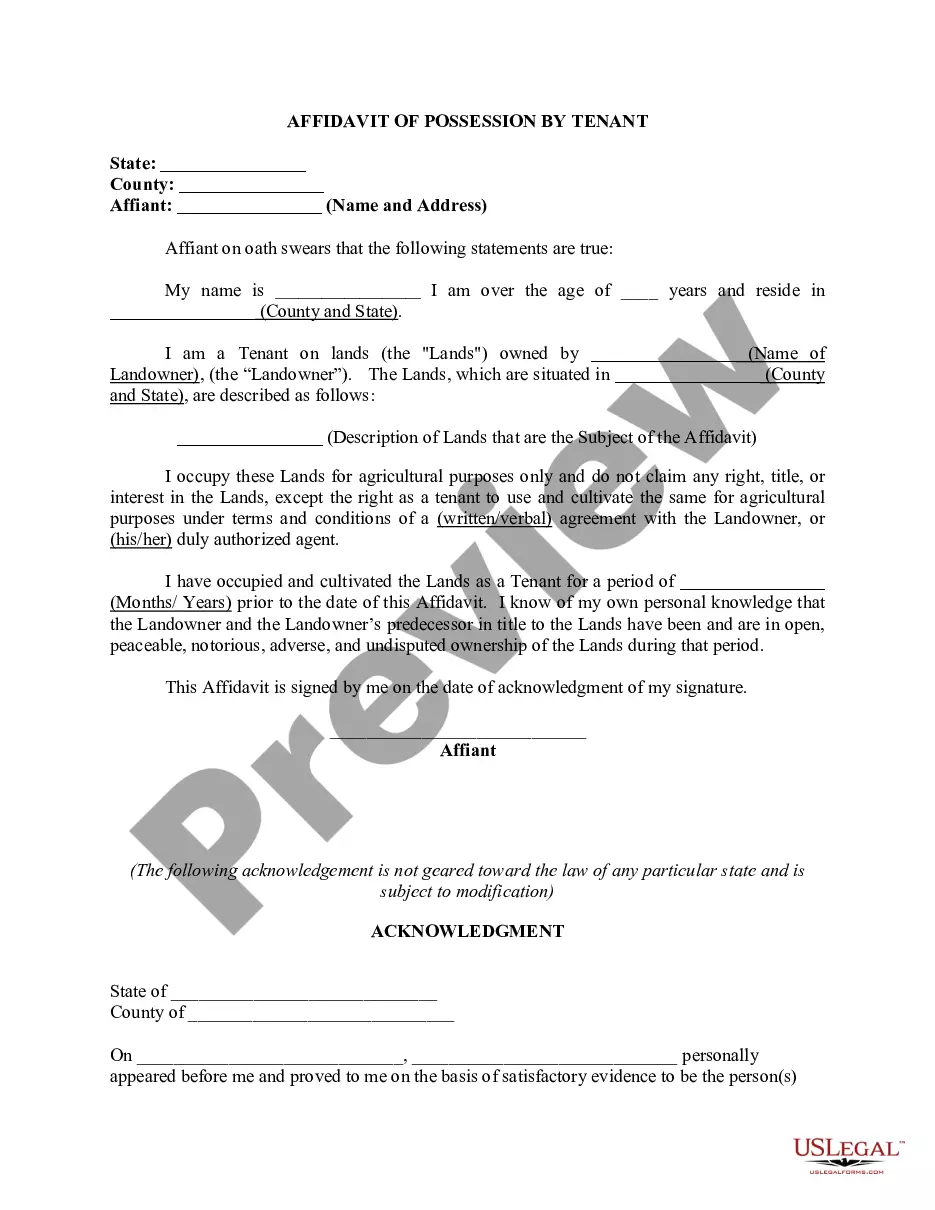
Get your form ready online
Our built-in tools help you complete, sign, share, and store your documents in one place.
Make edits, fill in missing information, and update formatting in US Legal Forms—just like you would in MS Word.
Download a copy, print it, send it by email, or mail it via USPS—whatever works best for your next step.
Sign and collect signatures with our SignNow integration. Send to multiple recipients, set reminders, and more. Go Premium to unlock E-Sign.
If this form requires notarization, complete it online through a secure video call—no need to meet a notary in person or wait for an appointment.
We protect your documents and personal data by following strict security and privacy standards.

Make edits, fill in missing information, and update formatting in US Legal Forms—just like you would in MS Word.

Download a copy, print it, send it by email, or mail it via USPS—whatever works best for your next step.

Sign and collect signatures with our SignNow integration. Send to multiple recipients, set reminders, and more. Go Premium to unlock E-Sign.

If this form requires notarization, complete it online through a secure video call—no need to meet a notary in person or wait for an appointment.

We protect your documents and personal data by following strict security and privacy standards.
Looking for another form?
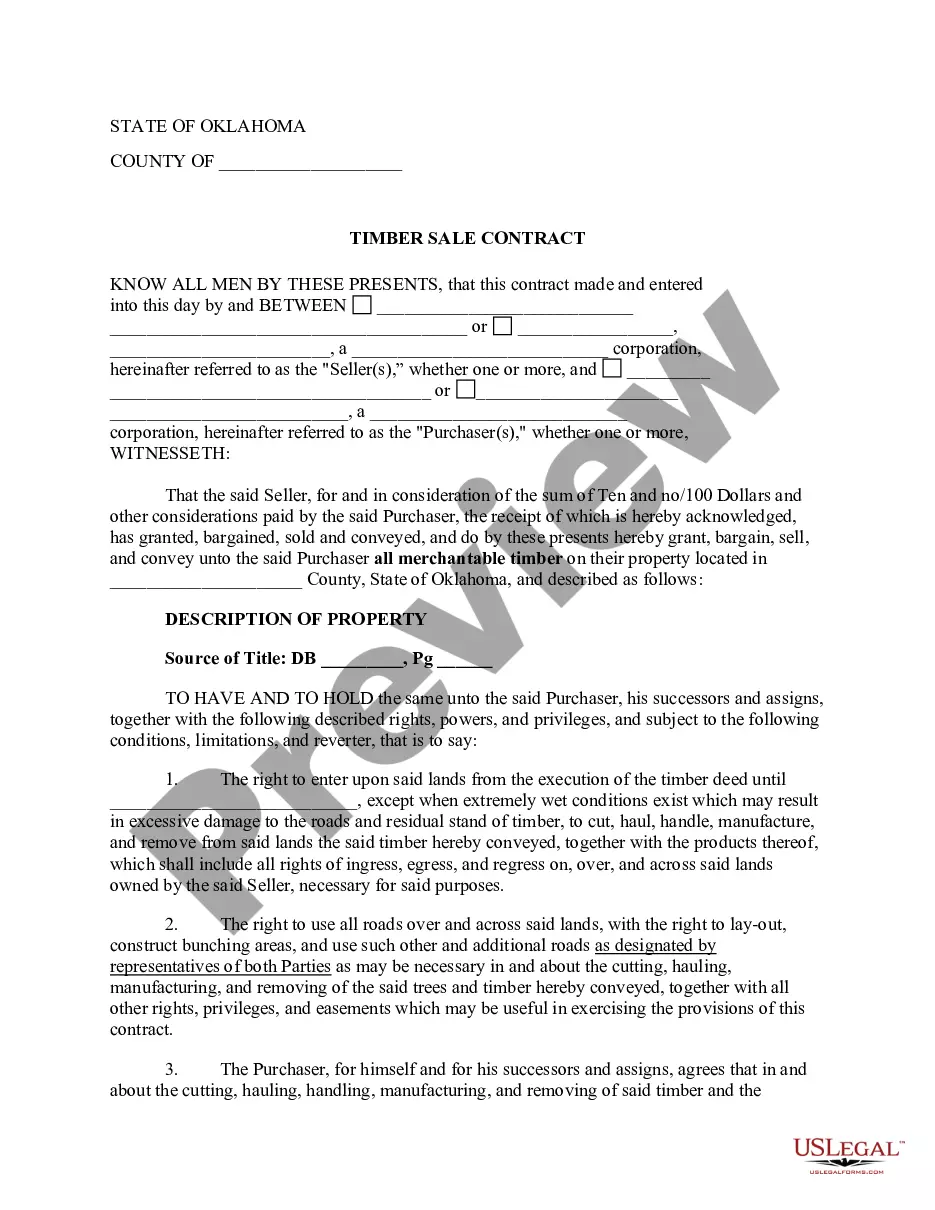
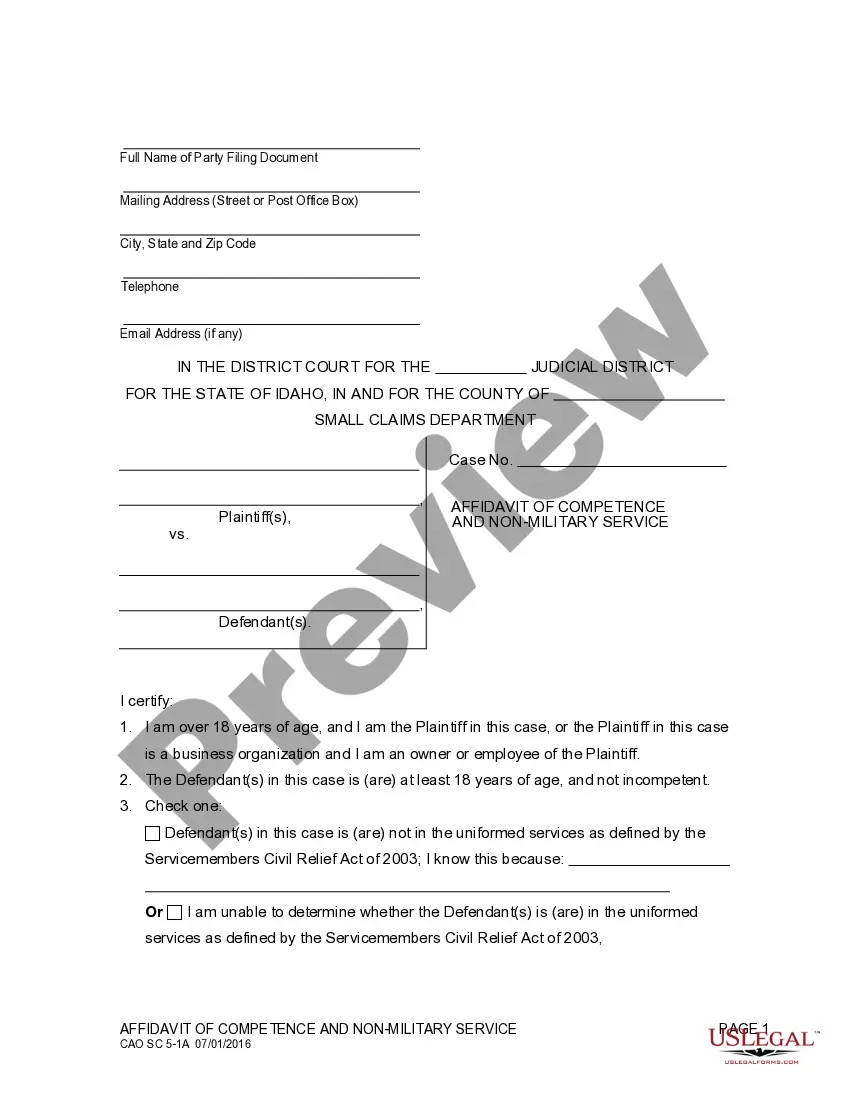


How to fill out Affidavit By Adverse Possessor That Property Held Adversely And Claim Of Title Is Based On Grant Of Ownership From Previous Owner - Squatters Rights?
- Start by logging in to your US Legal Forms account. If you’re a new user, create an account to access the library.
- Search for the desired form related to 'adverse possession washington state' in the Preview mode, ensuring it meets your specific legal requirements.
- If you need assistance, utilize the Search feature to locate the appropriate template, then select the correct one.
- Choose your subscription plan by clicking the Buy Now button. Make sure to set up your account to enjoy full access.
- Complete your purchase using your credit card or PayPal for secure payment processing.
- Once purchased, download the document directly to your device for immediate use. You can further access it anytime from the My Forms section of your profile.
By following these steps, you can ensure a hassle-free experience in obtaining the right legal form. US Legal Forms not only empowers you to find what you need with ease but also provides access to expert support when required.
Start your journey in securing your legal rights today! Visit US Legal Forms to explore their vast library.
Form popularity
FAQ
In Minnesota, the requirement for adverse possession is typically 15 years. Claimants must demonstrate continuous and open use of the property without the consent of the owner during this period. While the rules differ from those in Washington state, understanding your local regulations is essential for a successful claim. If you seek clarity on adverse possession processes, US Legal Forms can provide valuable information tailored to your state.
In Washington state, the process of adverse possession generally requires continuous use of the property for at least 10 years. During this time, you must show that your use is open, notorious, and without consent from the legal owner. After this period, you may take legal action to formalize your claim. If you need assistance in understanding or navigating this process, consider using US Legal Forms, which offers helpful legal resources.
To claim adverse possession in Washington state, you must meet specific legal requirements. You should demonstrate continuous and open use of the property without the owner’s permission for a certain period, which is typically 10 years. Gathering evidence, such as photographs or witness statements, can be crucial in establishing your claim. Additionally, consulting resources like US Legal Forms can help guide you through the legal steps necessary to solidify your claim.
Recording adverse possession in Washington state involves filing a claim in the local county recorder’s office. Start by gathering all relevant evidence of your claim, including proof of continuous and notorious use of the property. Then, prepare the necessary documentation and submit it according to your county's requirements. Utilizing a reliable platform like US Legal Forms can streamline this process, ensuring that all paperwork is accurately completed.
Yes, adverse possession in Washington state can transfer to a new owner. When the property is sold or transferred, the new owner inherits the rights of adverse possession. This means that the new owner can continue to claim the property, as long as the original conditions of adverse possession still apply. It is important to document the claim clearly to avoid potential disputes.
To beat an adverse possession claim, you must demonstrate that you're the rightful owner and have taken steps to assert your ownership. This can include regularly inspecting the property, maintaining fences, and preventing unauthorized use. If you notice someone trying to claim your property through adverse possession in Washington state, prompt legal action can prevent changes to ownership. Consulting with legal experts can help in protecting your rights effectively.
An adverse possession claim can arise when someone occupies a parcel of land and openly uses it as if it's theirs, fulfilling the legal requirements of their state. For instance, if someone constructs a building on a neighbor's unclaimed land and lives there for the statutory period, they might file a claim for ownership. This claim must demonstrate that the use was continuous, exclusive, and with intent. If you're navigating this process in regard to adverse possession Washington state, it’s wise to seek professional guidance.
An example of adverse possession occurs when a person has lived on a piece of land for a continuous period, using it as their own, without the owner's consent. Over time, if the original owner does not take action to reclaim the property, the occupant may gain legal title. This could happen if someone builds a fence and maintains a garden on a vacant lot for many years. Understanding how this applies in adverse possession Washington state can provide clarity on property rights.
In certain situations, a neighbor might claim ownership of your land by mowing it, particularly if they have maintained the land openly for a certain period. This scenario could relate to adverse possession if other conditions are met, such as continuous use and without your permission. It's crucial to note that merely mowing doesn't automatically grant them ownership but may lay grounds for a claim. If you have concerns, explore legal options available for land disputes in regard to adverse possession in Washington state.
To qualify for adverse possession in Georgia, you need to meet several criteria, such as continuous possession of the property for a specific time, typically 20 years. The possession must be exclusive, open, and notorious, indicating that the owner uses the property as if it is theirs. While this question pertains to Georgia, understanding these requirements is essential for comparing similar laws, including those concerning adverse possession in Washington state.