Fraudulently Transferred Withholding
Description
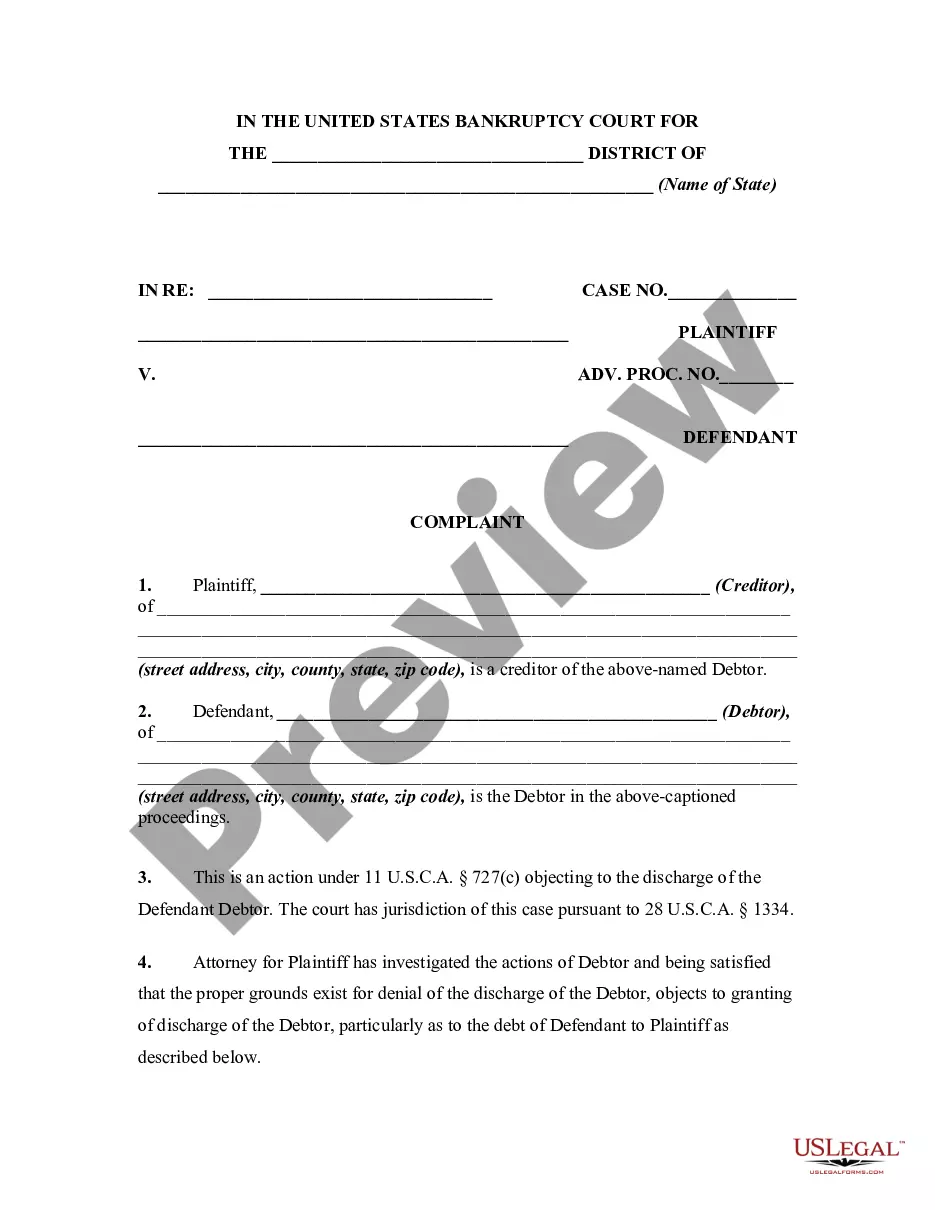
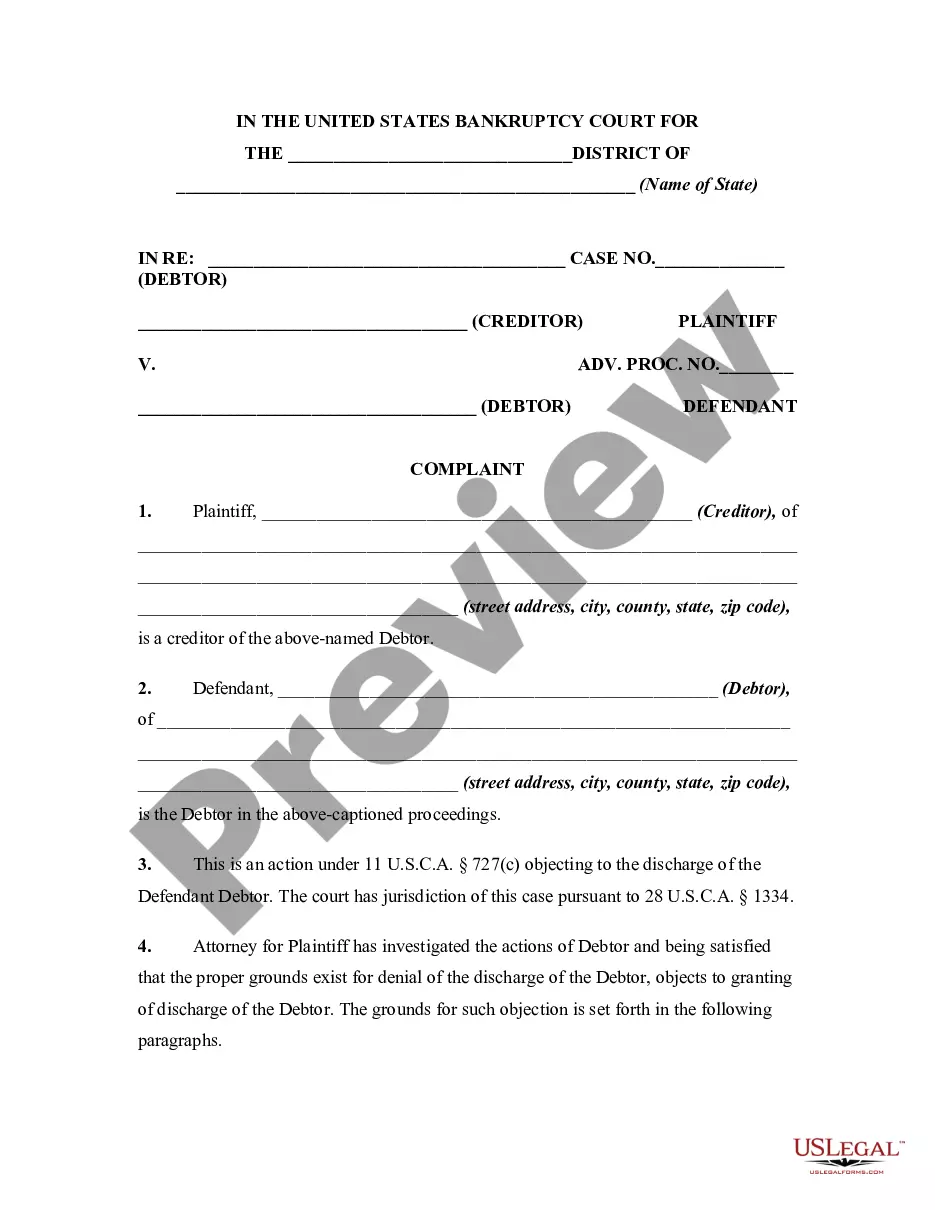
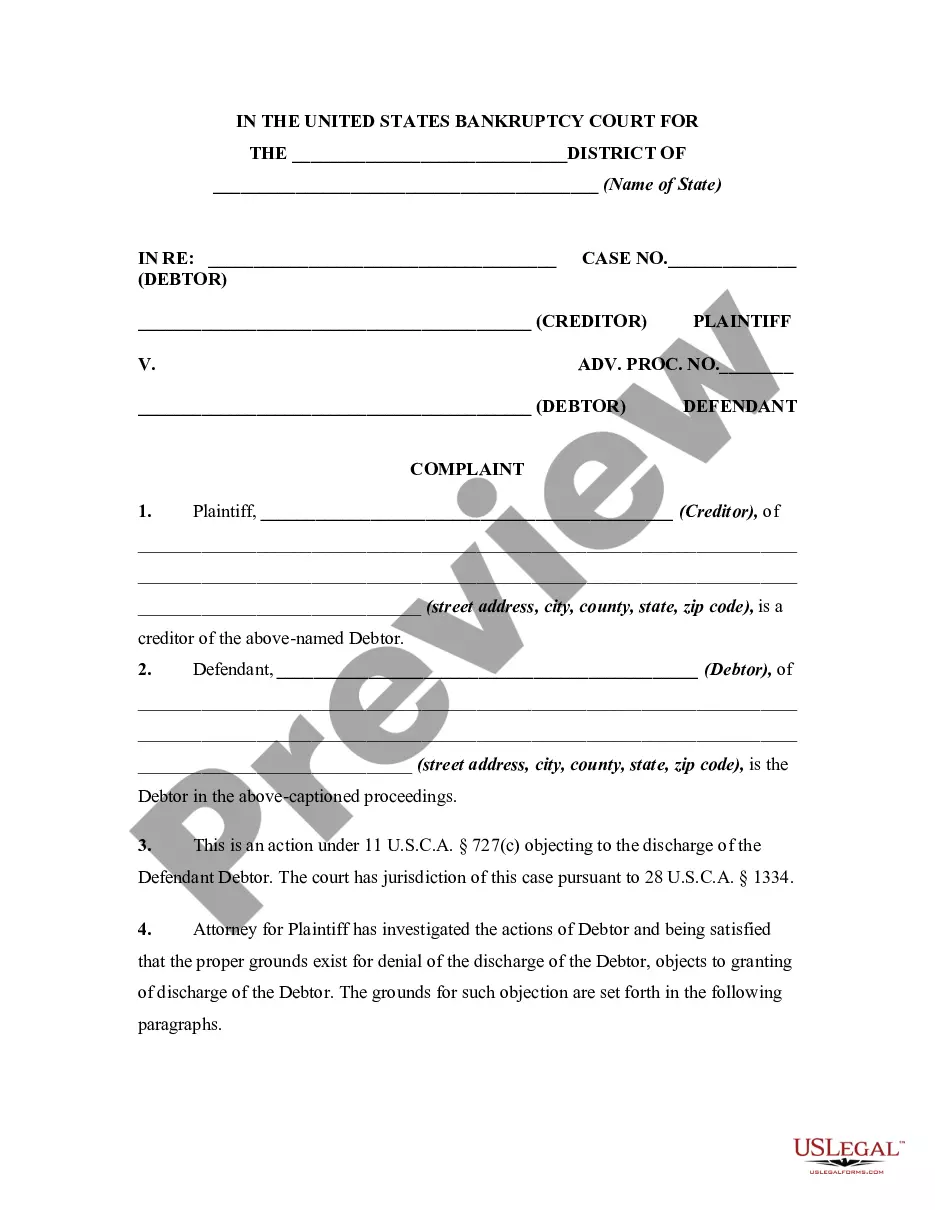
Get your form ready online
Our built-in tools help you complete, sign, share, and store your documents in one place.
Make edits, fill in missing information, and update formatting in US Legal Forms—just like you would in MS Word.
Download a copy, print it, send it by email, or mail it via USPS—whatever works best for your next step.
Sign and collect signatures with our SignNow integration. Send to multiple recipients, set reminders, and more. Go Premium to unlock E-Sign.
If this form requires notarization, complete it online through a secure video call—no need to meet a notary in person or wait for an appointment.
We protect your documents and personal data by following strict security and privacy standards.

Make edits, fill in missing information, and update formatting in US Legal Forms—just like you would in MS Word.

Download a copy, print it, send it by email, or mail it via USPS—whatever works best for your next step.

Sign and collect signatures with our SignNow integration. Send to multiple recipients, set reminders, and more. Go Premium to unlock E-Sign.

If this form requires notarization, complete it online through a secure video call—no need to meet a notary in person or wait for an appointment.

We protect your documents and personal data by following strict security and privacy standards.
Looking for another form?









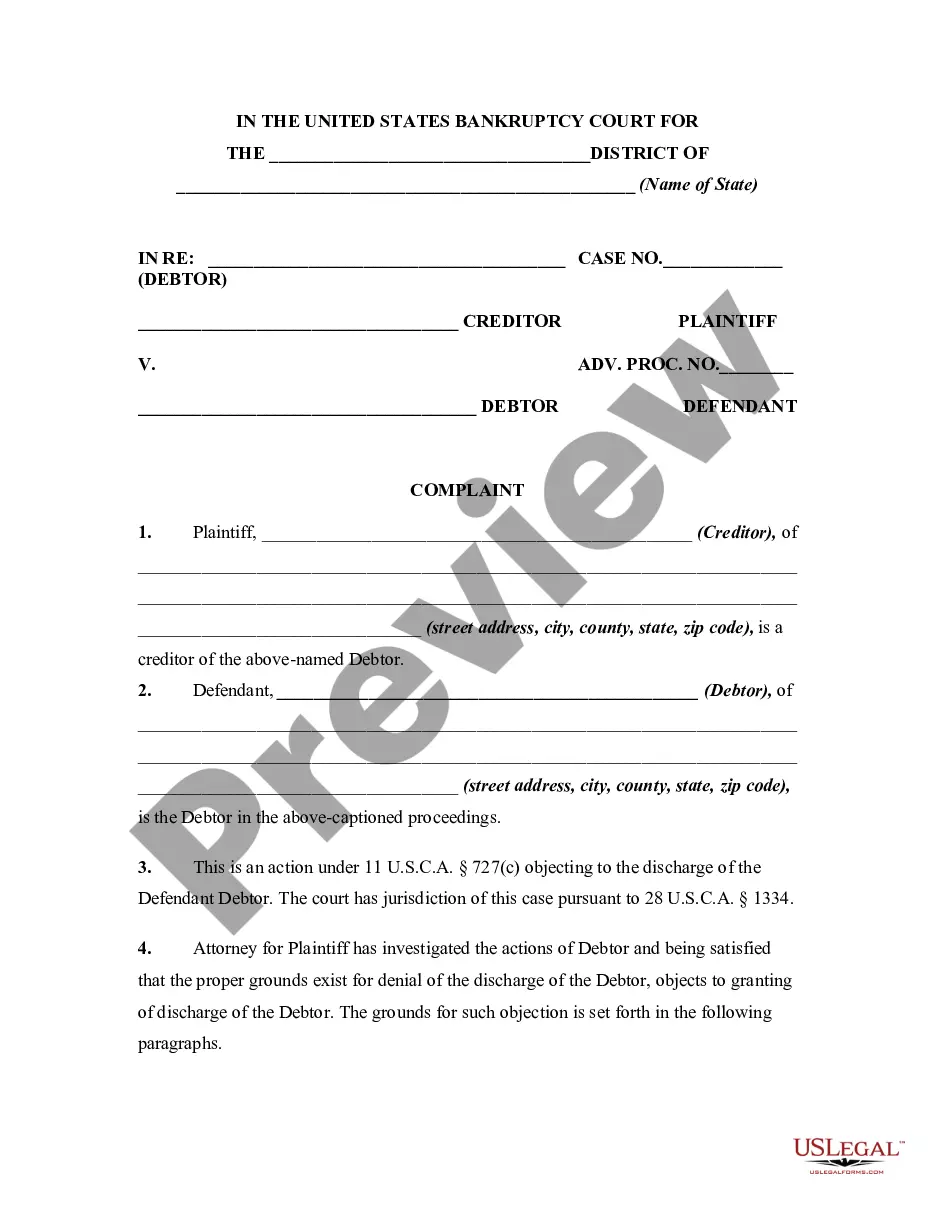
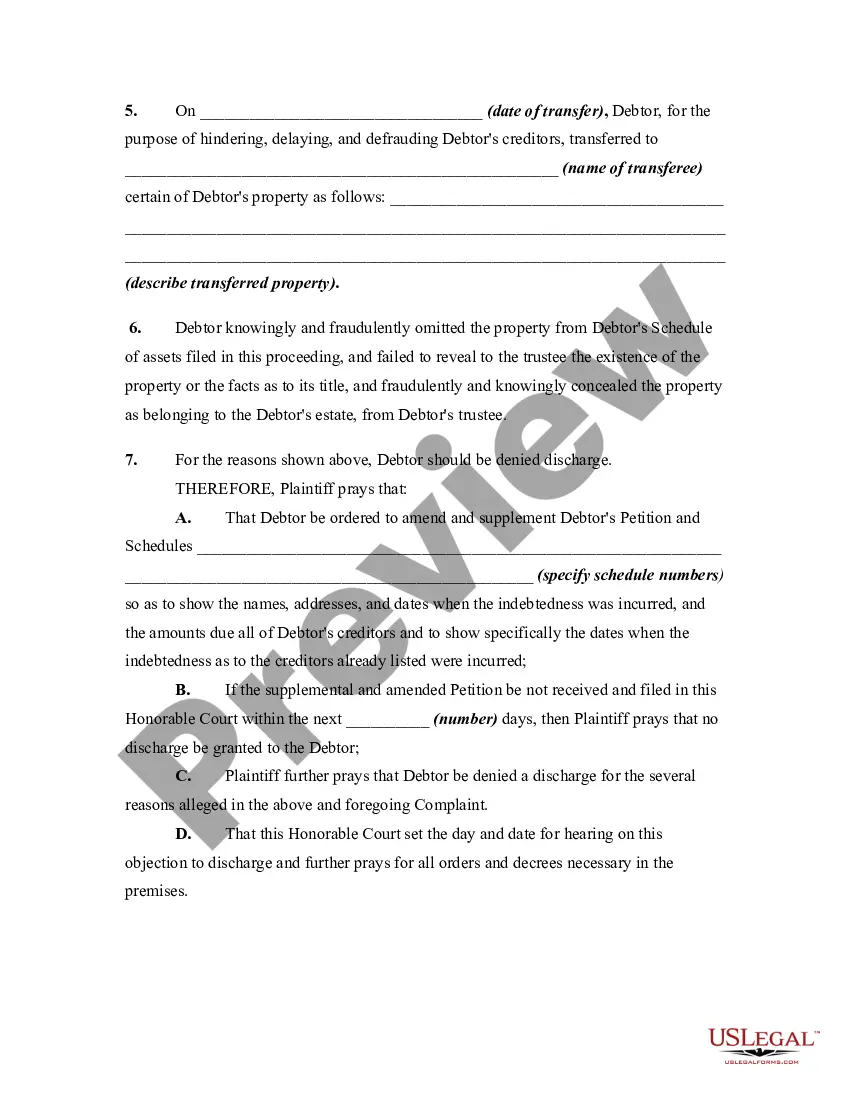
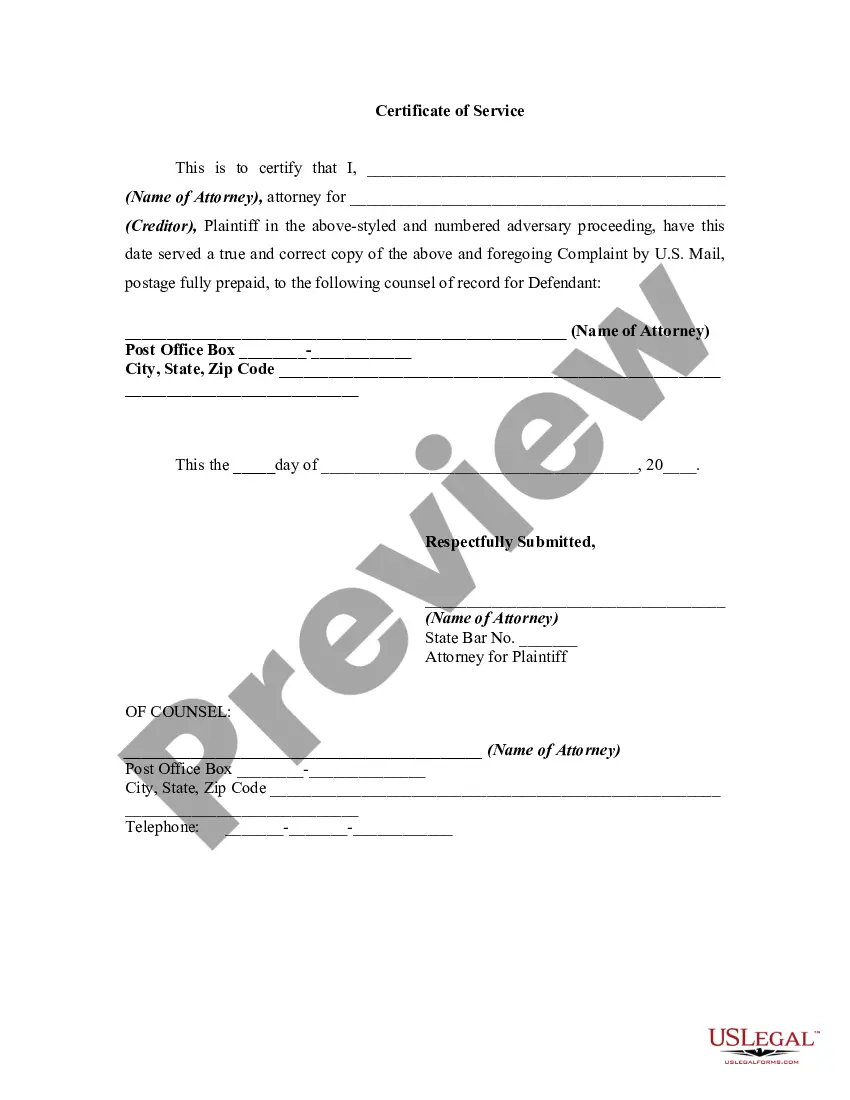
How to fill out Complaint Objecting To Discharge In Bankruptcy Proceedings For Concealment By Debtor And Omitting From Schedules Fraudulently Transferred Property?
The unlawfully conveyed Withholding displayed on this page is a reusable formal document created by experienced attorneys in accordance with national and local statutes and regulations.
For over 25 years, US Legal Forms has supplied individuals, businesses, and legal practitioners with more than 85,000 validated, state-specific documents for any professional and personal circumstances. It is the fastest, easiest, and most trustworthy method to acquire the necessary paperwork, as the service assures the utmost level of data protection and anti-malware safeguards.
Enroll in US Legal Forms to have authenticated legal documents for every circumstance in life at your disposal.
- Search for the document you require and review it.
- Browse through the file you searched and view it or verify the form description to ensure it meets your requirements. If it doesn't, utilize the search bar to find the correct one. Click Buy Now once you have located the document you need.
- Choose and Log In.
- Pick the pricing option that works for you and create an account. Use PayPal or a credit card for a swift transaction. If you already possess an account, Log In and review your subscription to proceed.
- Obtain the editable document.
- Select the format you want for your unlawfully conveyed Withholding (PDF, DOCX, RTF) and store the sample on your device.
- Complete and sign the documents.
- Print the template to fill it out manually. Alternatively, use an online multifunctional PDF editor to quickly and correctly complete and sign your form with a legally-binding electronic signature.
- Redownload your documents as needed.
- Use the same document again whenever required. Access the My documents tab in your account to redownload any previously retrieved forms.
Form popularity
FAQ
Call the bank's hot line, usually printed on the back of your bank card, and report the incident. If you have transferred money to a phisher, report the incident to your local police. Inspect your statements carefully for signs of account misuse. Determine if you want to put a lock on your credit records.
What should I do if there are unauthorized charges on my credit card account? Contact your bank right away. To limit your liability, it is important to notify the bank promptly upon discovering any unauthorized charge(s). You may notify the bank in person, by telephone, or in writing.
Once you notify your bank or credit union about an unauthorized transaction (that is, a charge or withdrawal you didn't make or allow), it generally has ten business days to investigate the issue. The bank or credit union must correct an error within one business day after determining that an error has occurred.
What should you do if you think you've been a victim of mobile phone contract fraud? Contact your network provider on the official number showing on their website. ... Let your bank know about the transaction and cancel your card as the fraudster will have these details.
What should I do if there are unauthorized charges on my credit card account? Contact your bank right away. To limit your liability, it is important to notify the bank promptly upon discovering any unauthorized charge(s). You may notify the bank in person, by telephone, or in writing.