Discharged Bankruptcy On Credit Report
Description
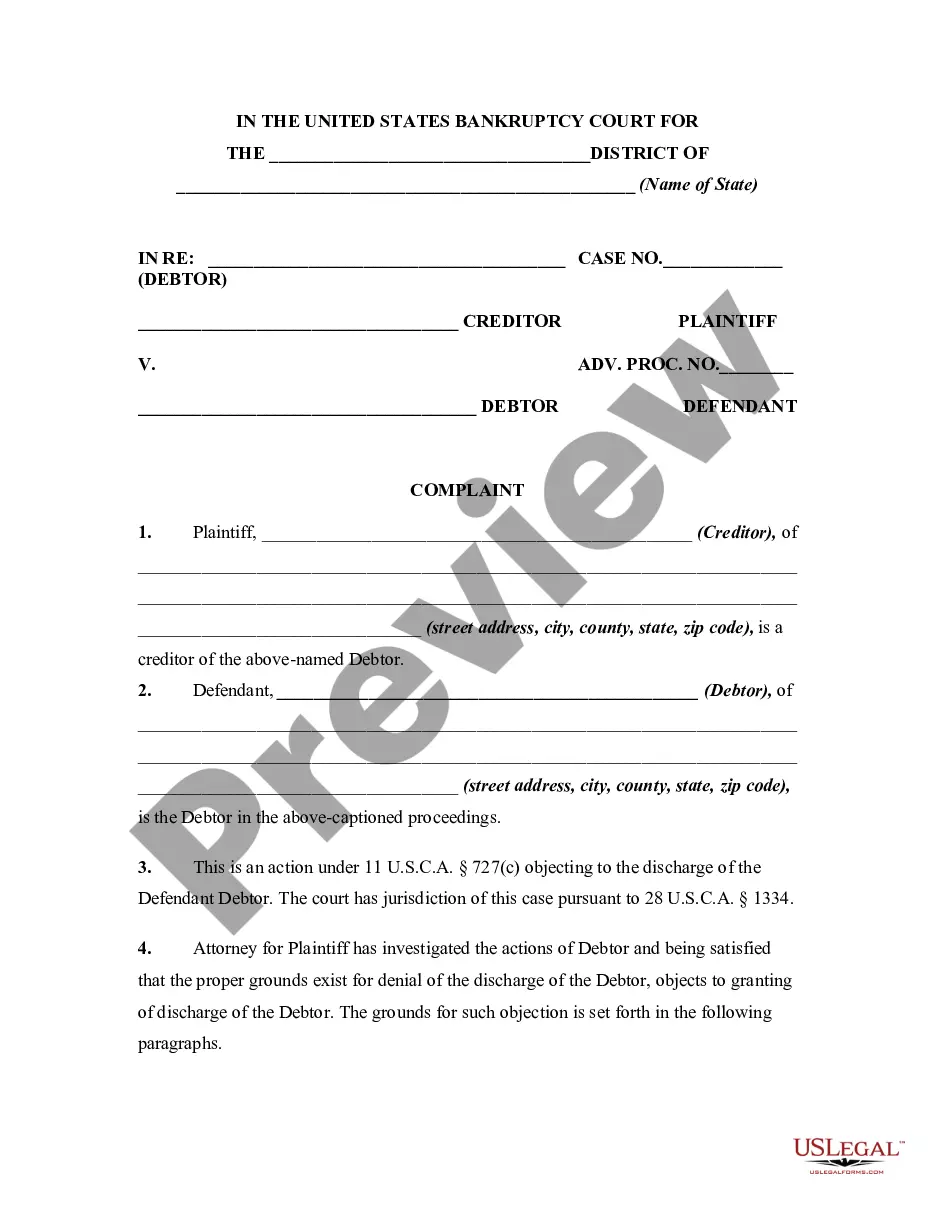
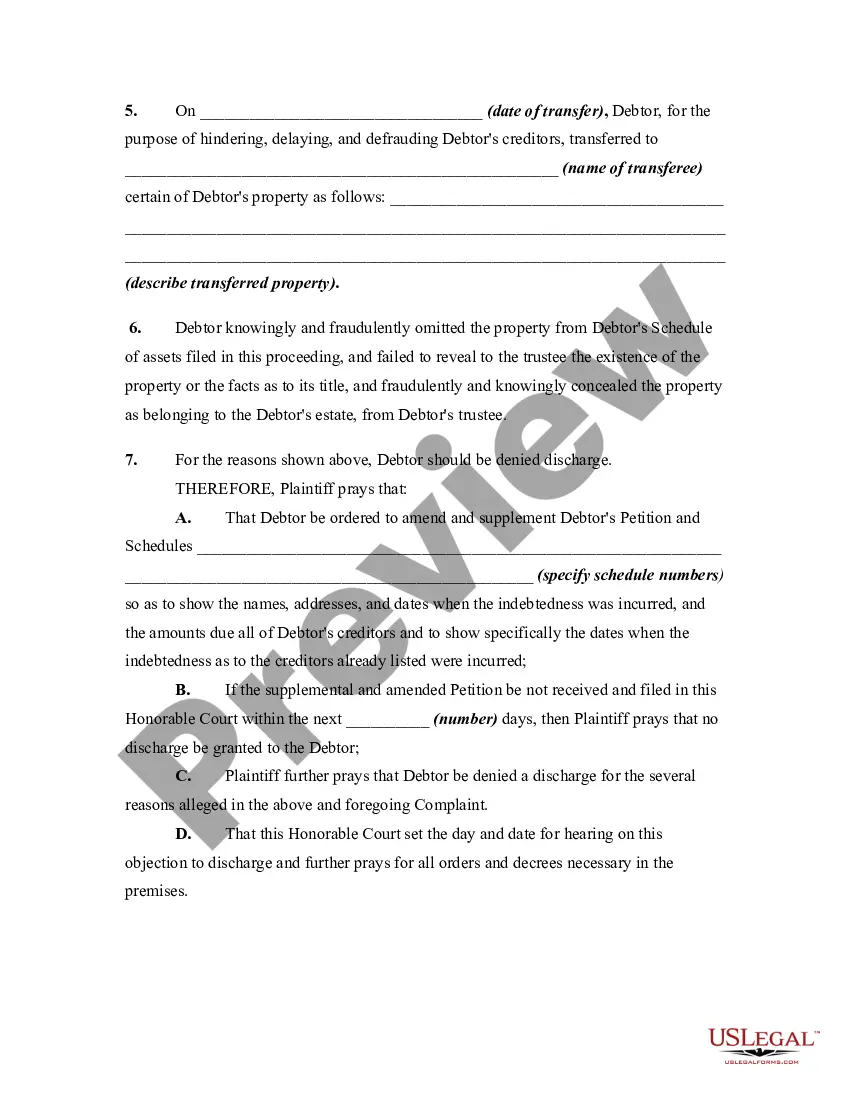
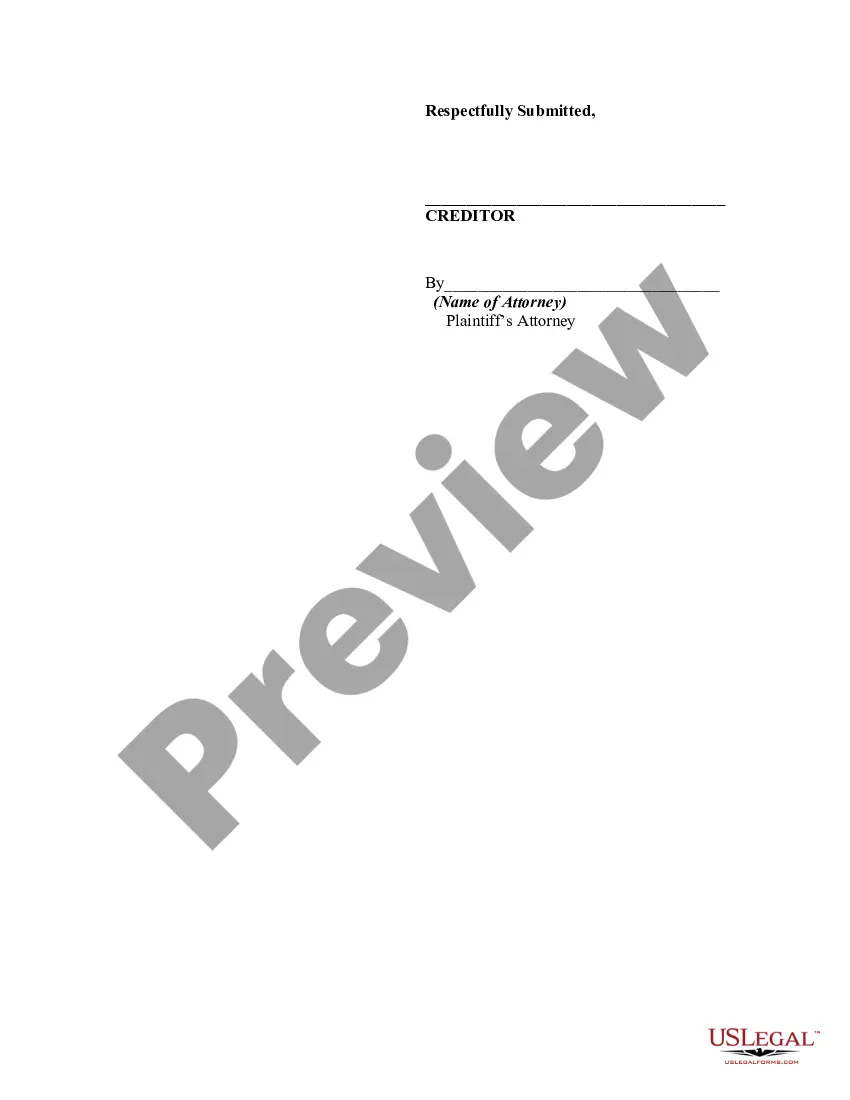
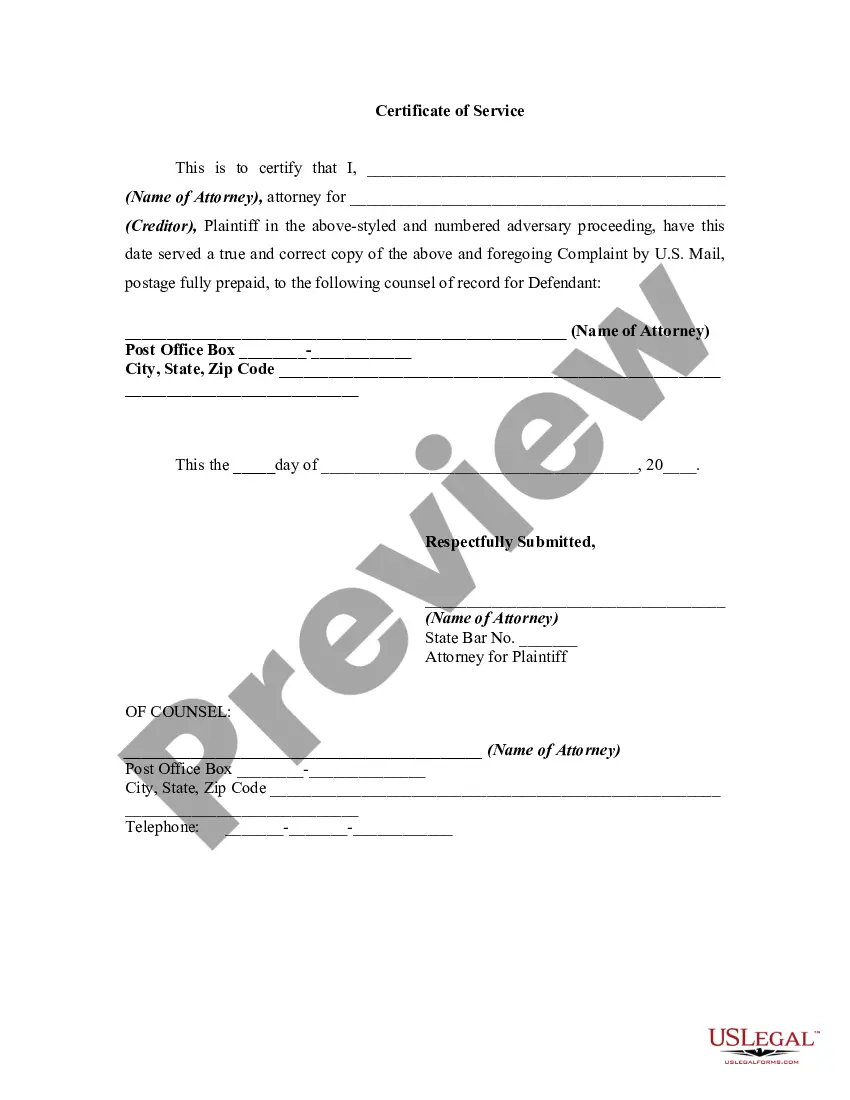
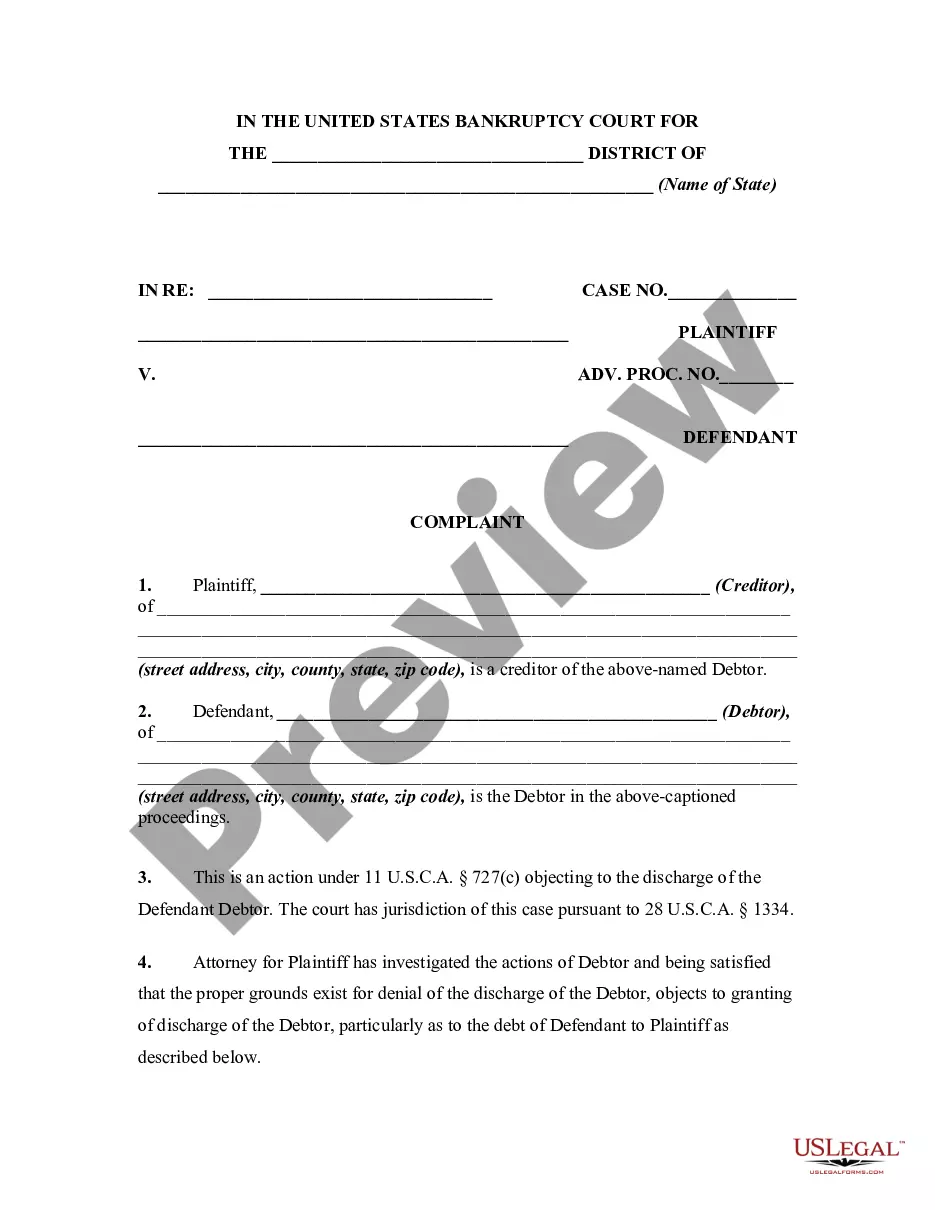
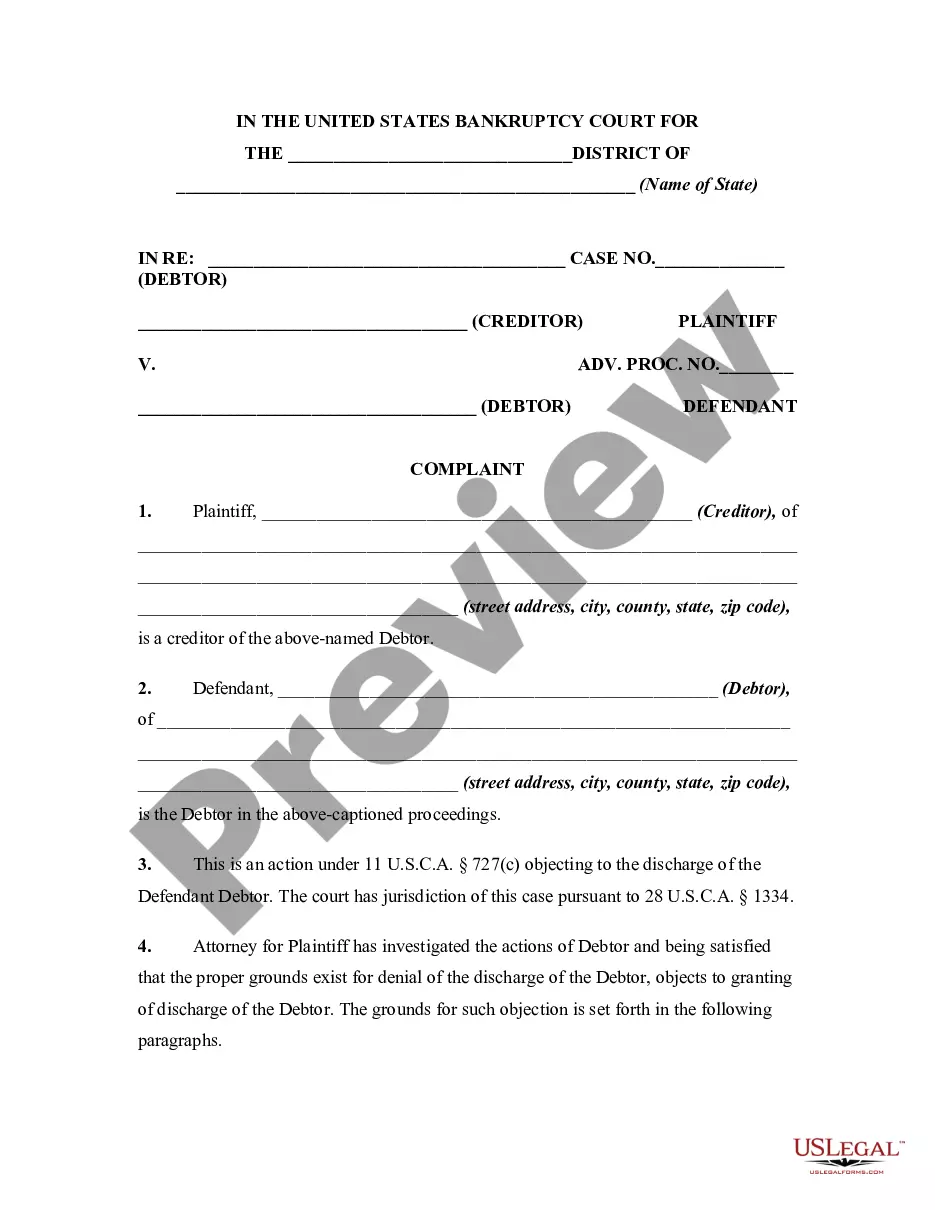
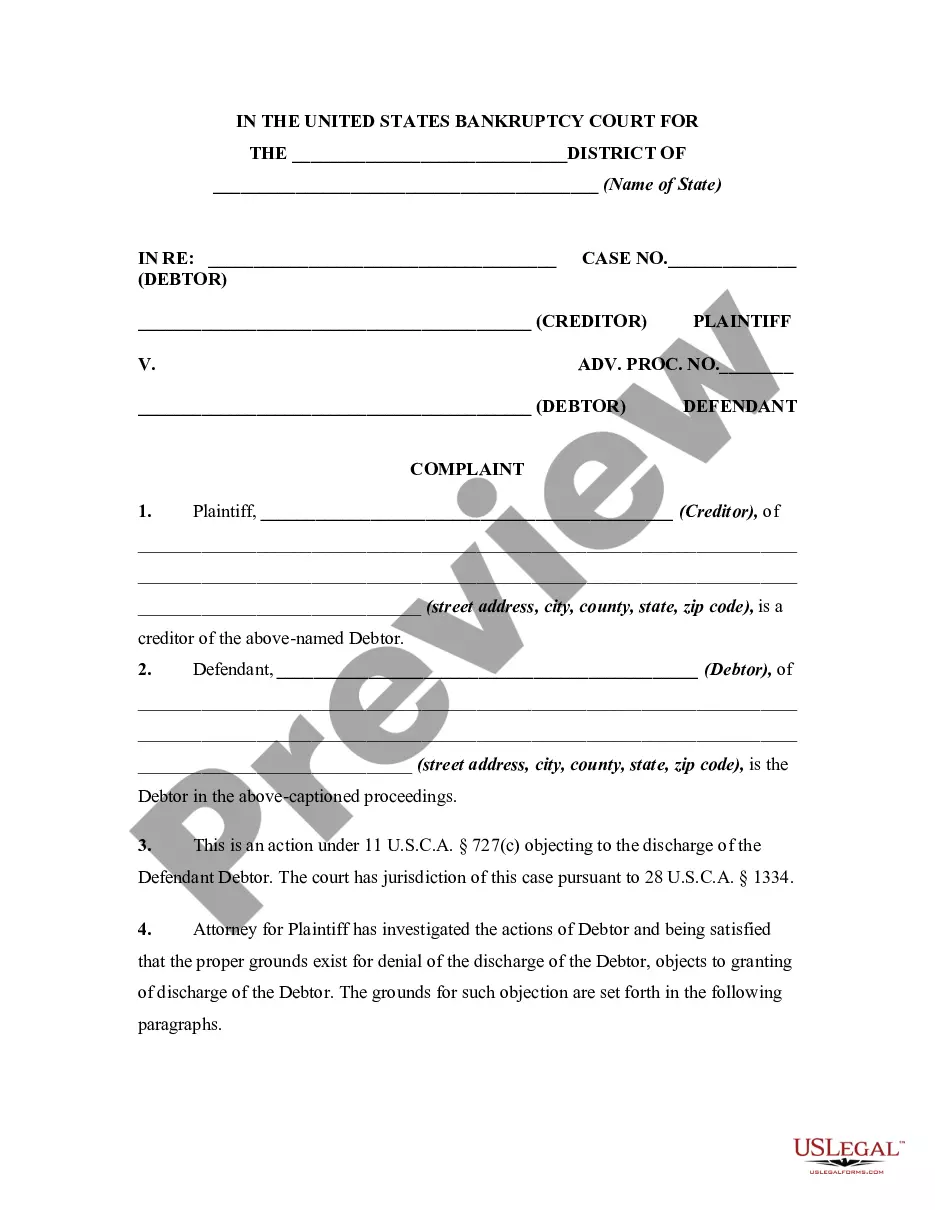

How to fill out Complaint Objecting To Discharge In Bankruptcy Proceedings For Concealment By Debtor And Omitting From Schedules Fraudulently Transferred Property?
- If you're a returning user, log in to your account and download the needed form template by clicking the Download button, ensuring your subscription is active.
- For first-time users, start by browsing the extensive library and check the Preview mode to confirm you have the correct form for your jurisdiction.
- If your initial choice isn’t suitable, leverage the Search tab to locate a more fitting template.
- Once you find the correct form, click the Buy Now button and select your preferred subscription plan, after registering for an account.
- Proceed with the payment by entering your credit card information or using your PayPal account.
- Finally, download the completed form to your device and find it anytime in the My Forms section of your profile.
US Legal Forms provides a comprehensive array of over 85,000 editable legal documents, making it the market leader in legal form accessibility. Their robust support from premium experts ensures you receive precise guidance.
Take the first step towards a clearer credit future today. Visit US Legal Forms and empower yourself with the legal documents you need.
Form popularity
FAQ
To remove a discharged bankruptcy from your credit report, you usually need to wait for the designated time frame, which is typically 7 to 10 years. However, if you identify any inaccuracies in how the discharged bankruptcy is reported, you can dispute it. The US Legal Forms platform offers guidance on how to file disputes effectively. Taking proactive steps can help you manage your credit report better.
Yes, a discharged bankruptcy does appear on your credit report. Typically, it remains visible for up to 10 years from the date of filing. This means potential lenders can see your financial history, including the discharged bankruptcy. However, with time and good financial habits, you can rebuild your credit score.
A discharged bankruptcy generally remains on your credit report for up to 10 years. During this time, it may affect your credit score and your ability to secure new credit. However, once the bankruptcy is discharged, you are no longer responsible for the discharged debts. If you need assistance managing your credit report after a discharged bankruptcy, US Legal Forms can provide the resources and tools necessary to help you understand your options.
To remove a discharged bankruptcy from your credit report, it often involves time, as the entry will automatically fall off after seven to ten years. However, if you find inaccuracies, you can dispute the information with the credit reporting agency. If you're unsure how to navigate this process, platforms like USLegalForms offer resources and guidance to address credit report issues effectively. Being proactive in managing your credit can lead to a healthier financial future.
When a discharged bankruptcy falls off your credit report, you may see a significant increase in your credit score. Many individuals report gains of 50 to 150 points, depending on their specific financial situation. Removing the discharged bankruptcy from credit report signals to creditors that you are managing your credit better. To optimize this process, consider monitoring your credit and addressing any existing issues.
Yes, your credit score can improve after a discharged bankruptcy on credit report. Once the bankruptcy is discharged, it shows that you have taken steps to manage your debt. This positive change can help enhance your creditworthiness over time. However, the exact increase in your score depends on your overall credit profile and how you manage your finances moving forward.
Generally, a discharged bankruptcy cannot be removed from your credit report until the ten-year mark has passed, as mandated by law. However, if you believe there are errors related to your bankruptcy on your report, you can dispute these inaccuracies. Regularly reviewing your credit report for mistakes can help ensure that it reflects your financial situation accurately. The uslegalforms platform can assist you in understanding how to address any discrepancies effectively.
You can often get new credit shortly after your bankruptcy has been discharged. Many lenders are willing to extend credit to individuals with a discharged bankruptcy, especially if you demonstrate responsible financial behavior. Start with small credit lines or secured cards to build your credit history. Using the resources from the uslegalforms platform can help you understand the best options available for obtaining credit post-bankruptcy.
The increase in your credit score after a discharged bankruptcy can vary significantly based on your individual credit profile. Typically, many people may see an immediate improvement as the bankruptcy no longer negatively impacts their credit report. However, full recovery may take time, as rebuilding your credit depends on responsible credit activity going forward. Utilize tools available on the uslegalforms platform to track your progress and develop a solid credit rebuilding plan.
Yes, in rare cases, a bankruptcy discharge can be revoked. This may happen if a debtor engages in fraudulent behavior, fails to disclose important information, or violates the terms of the bankruptcy agreement. It's crucial to adhere strictly to all requirements during your bankruptcy proceedings to avoid complications. If you have concerns about your discharged bankruptcy, consulting with legal experts can provide clarity.