Discharge Papers For Bankruptcy
Description
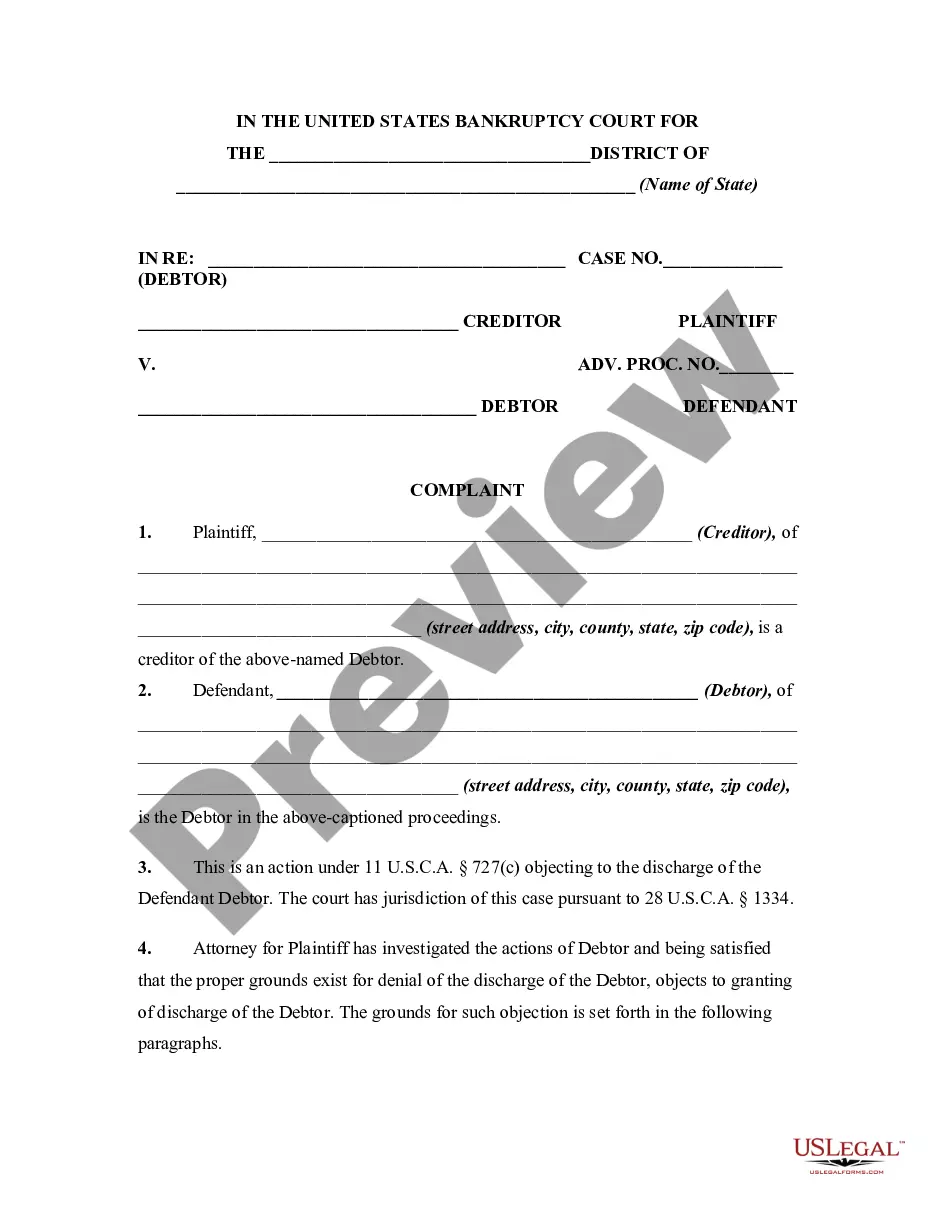
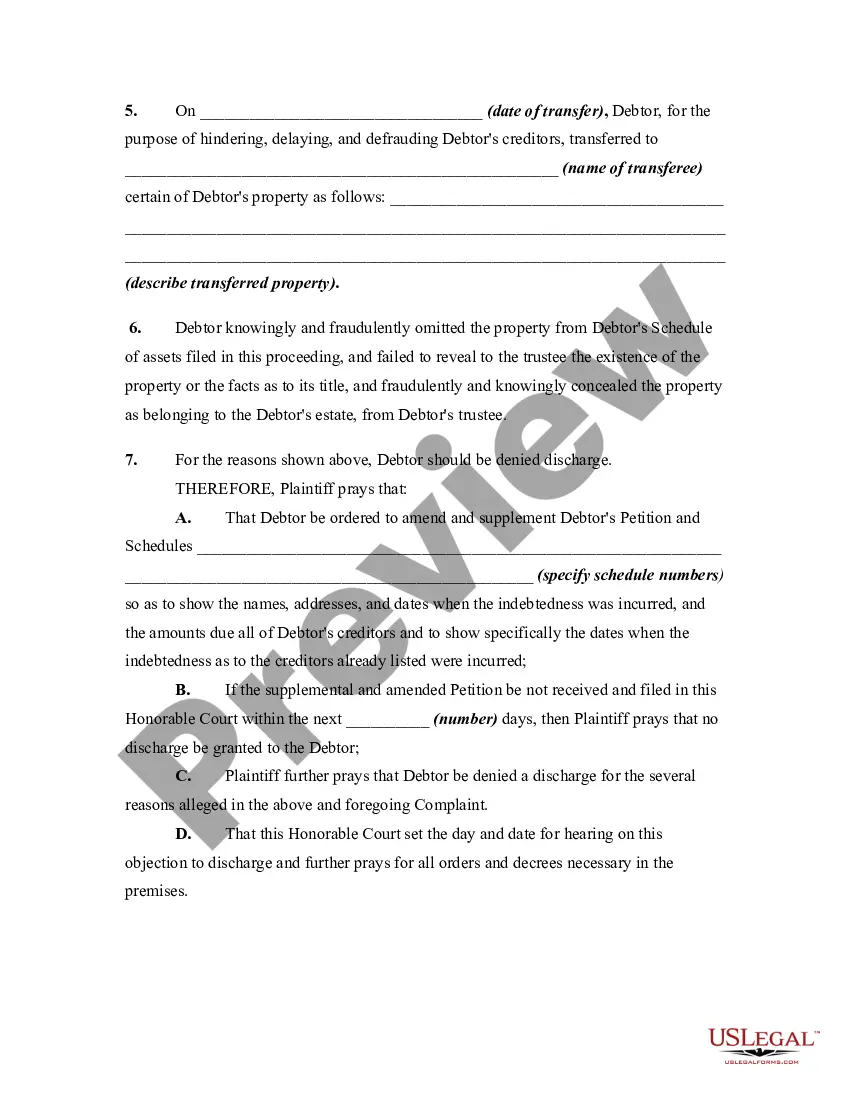
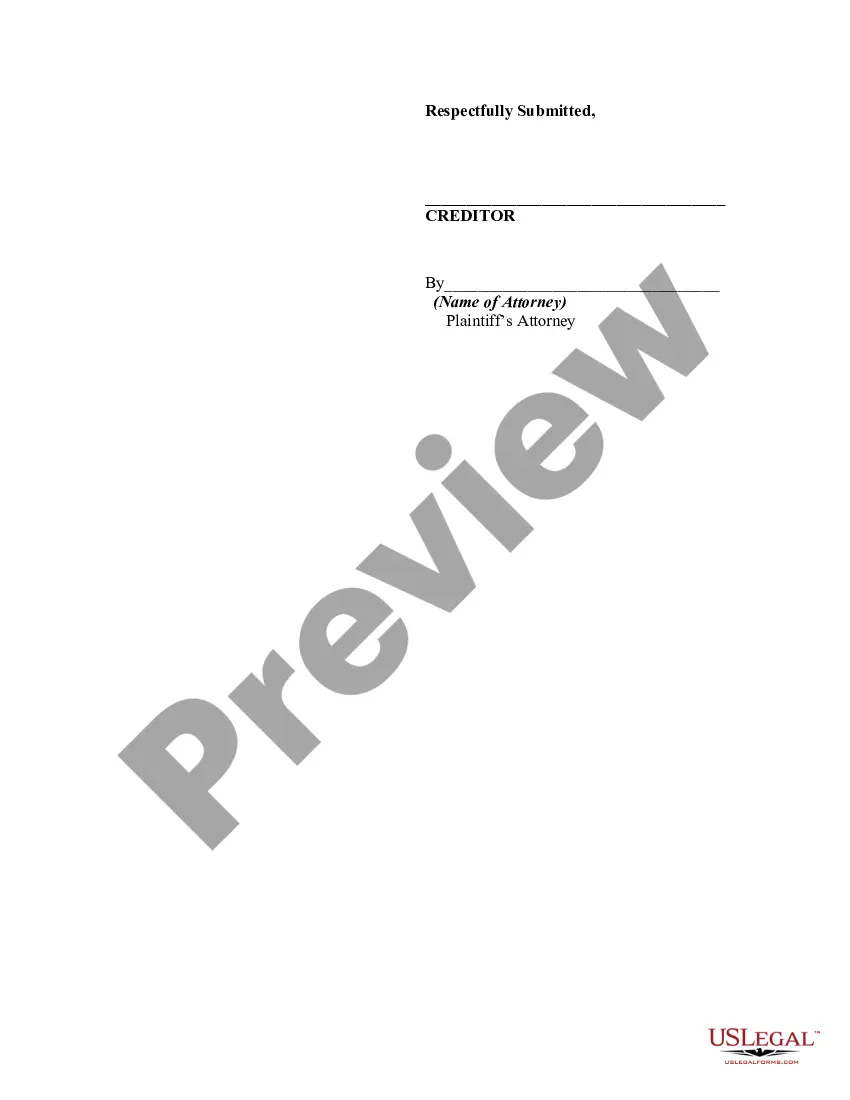
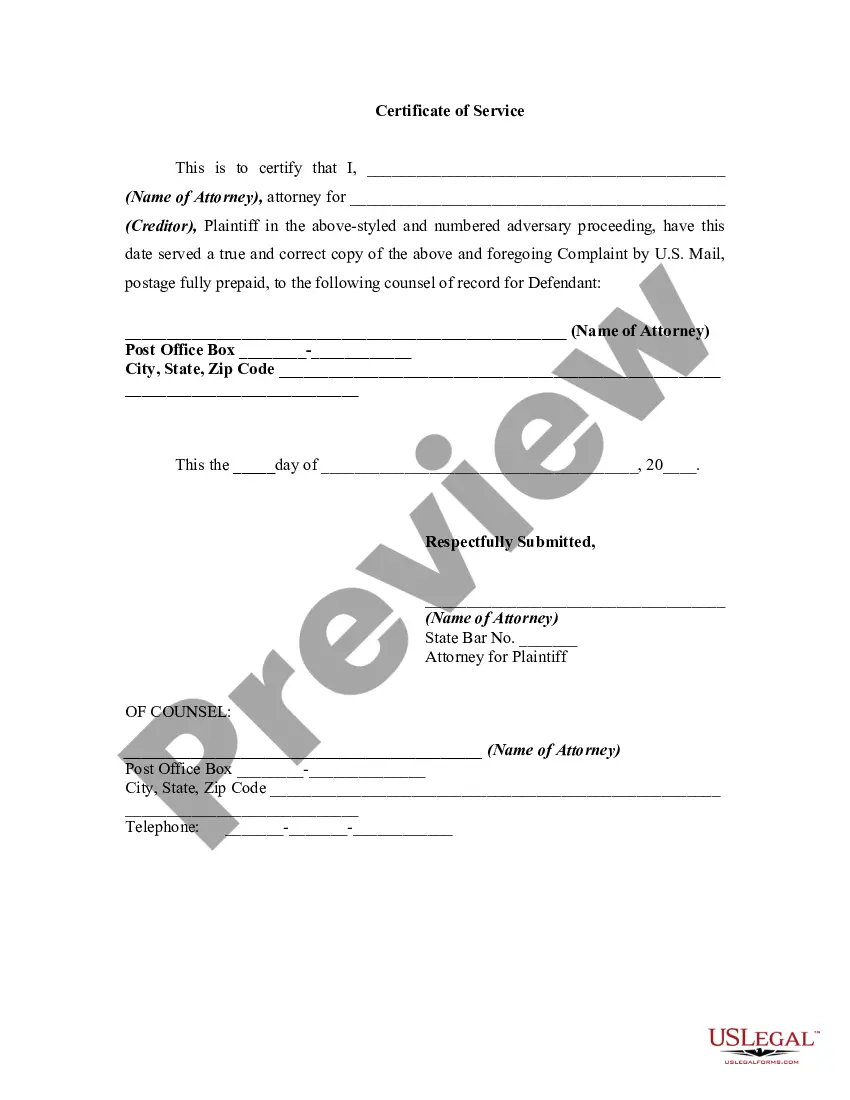
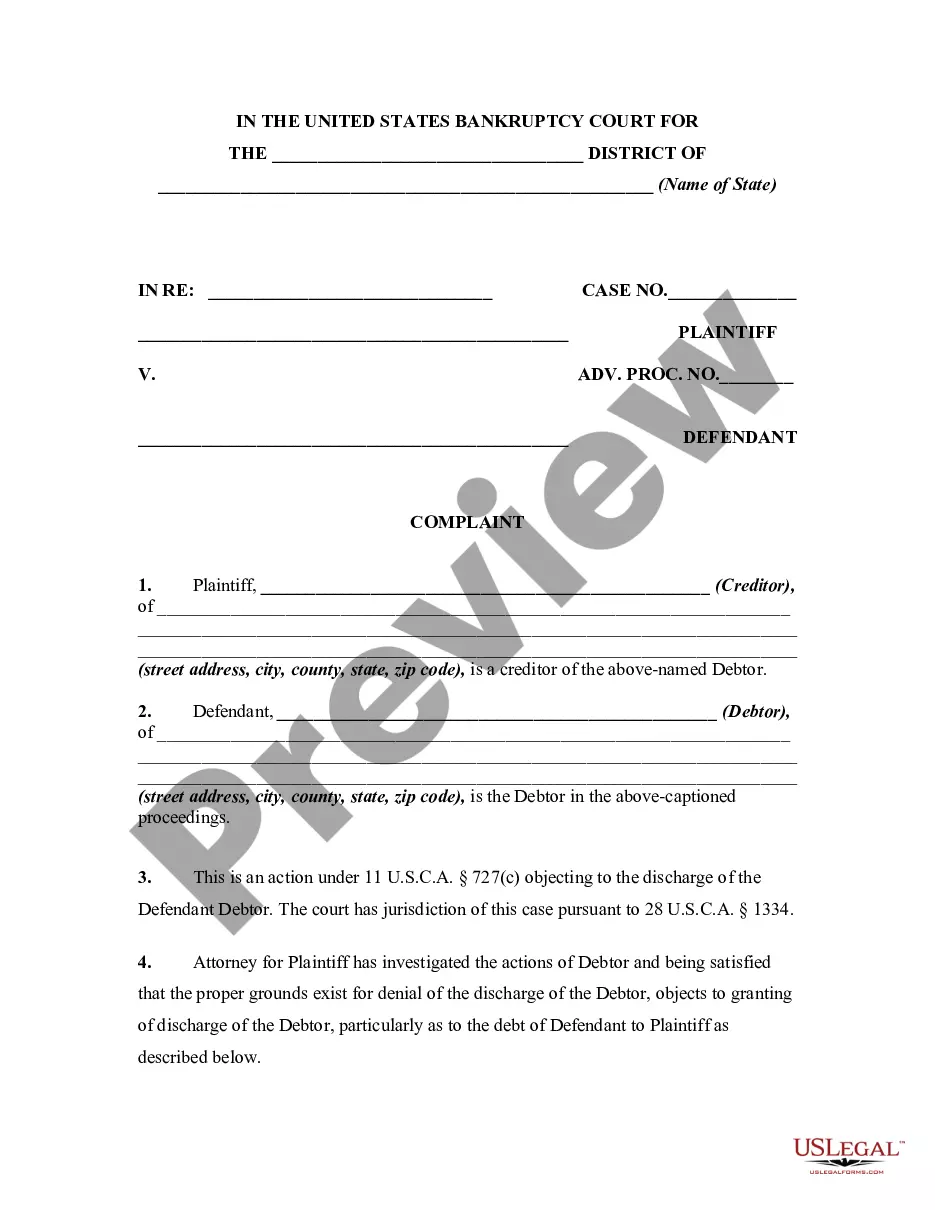
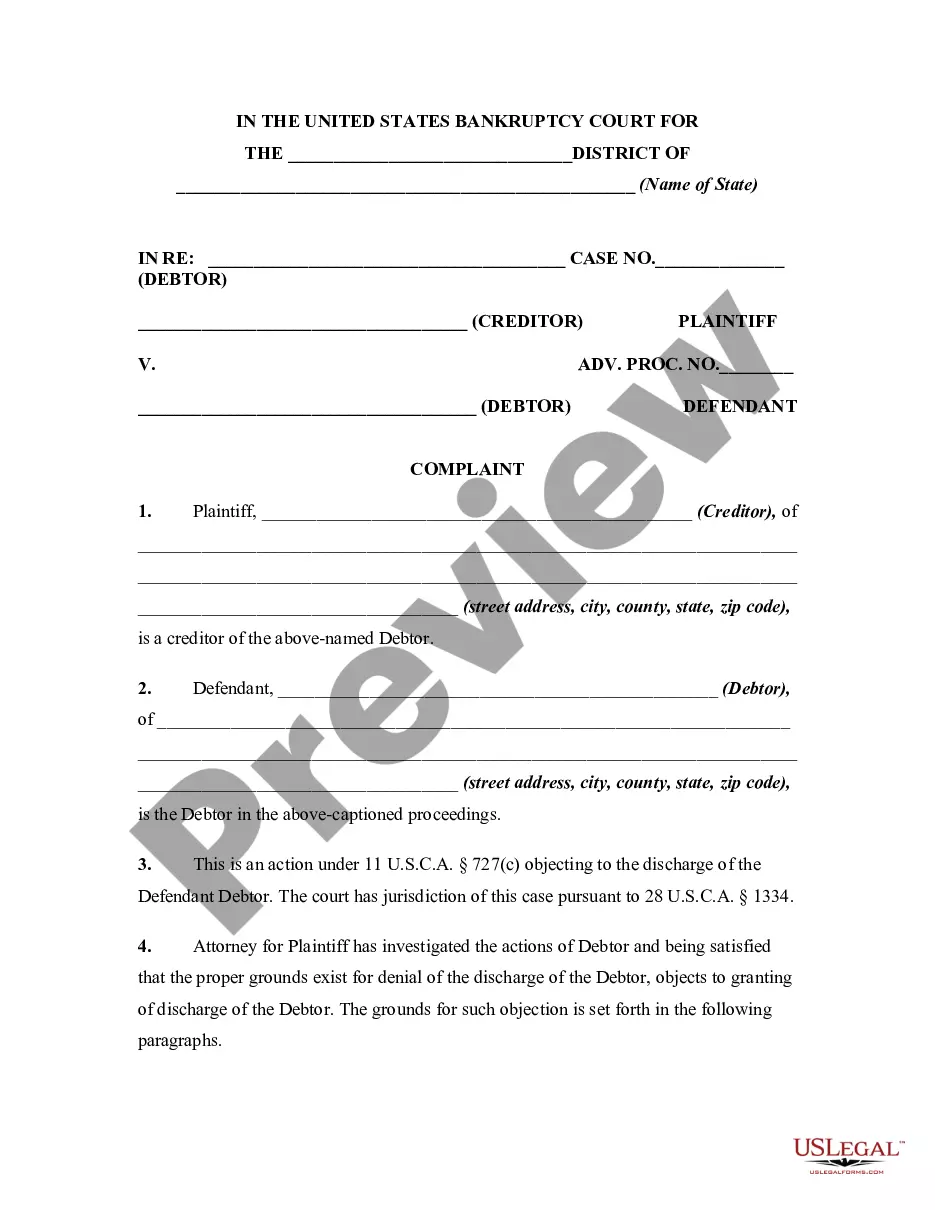
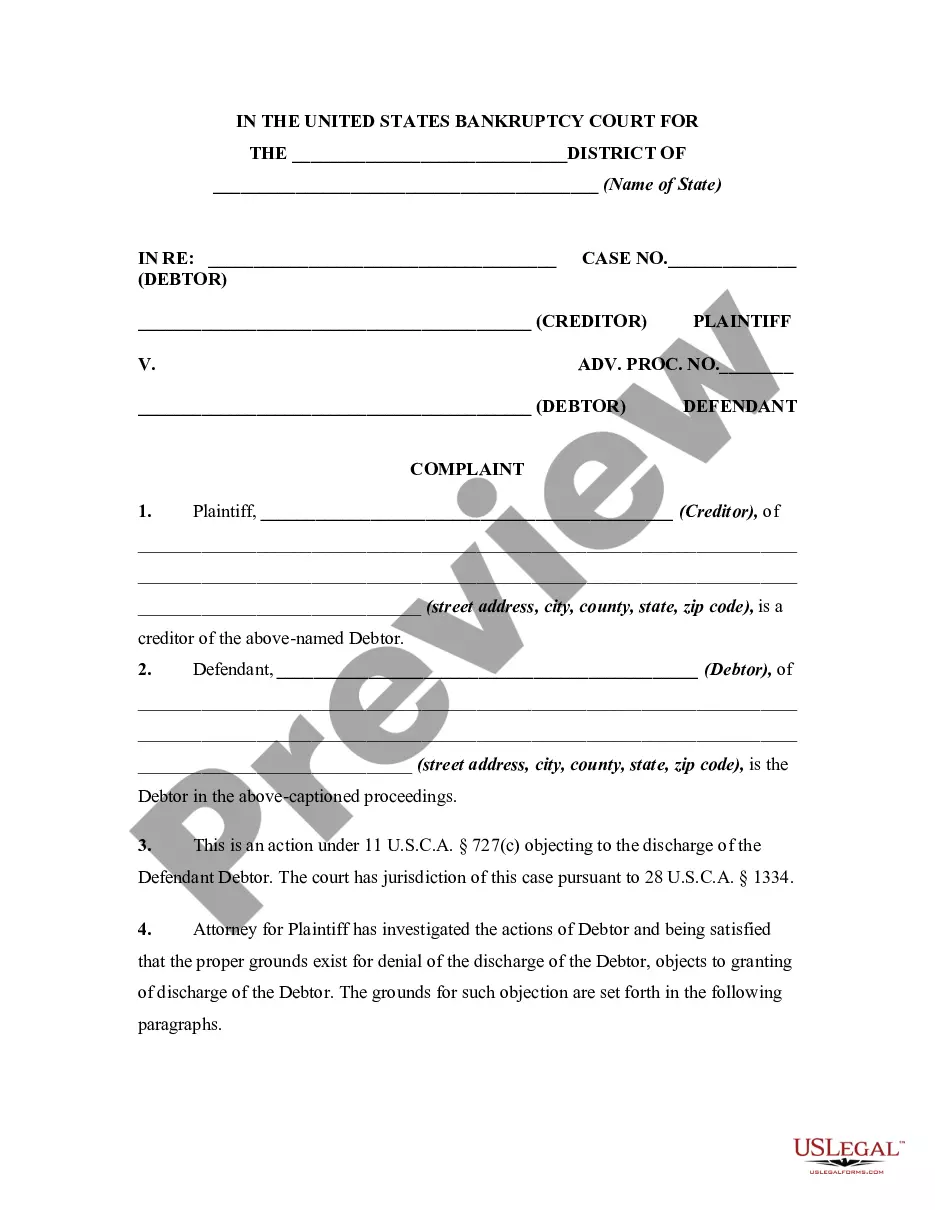
Get your form ready online
Our built-in tools help you complete, sign, share, and store your documents in one place.
Make edits, fill in missing information, and update formatting in US Legal Forms—just like you would in MS Word.
Download a copy, print it, send it by email, or mail it via USPS—whatever works best for your next step.
Sign and collect signatures with our SignNow integration. Send to multiple recipients, set reminders, and more. Go Premium to unlock E-Sign.
If this form requires notarization, complete it online through a secure video call—no need to meet a notary in person or wait for an appointment.
We protect your documents and personal data by following strict security and privacy standards.

Make edits, fill in missing information, and update formatting in US Legal Forms—just like you would in MS Word.

Download a copy, print it, send it by email, or mail it via USPS—whatever works best for your next step.

Sign and collect signatures with our SignNow integration. Send to multiple recipients, set reminders, and more. Go Premium to unlock E-Sign.

If this form requires notarization, complete it online through a secure video call—no need to meet a notary in person or wait for an appointment.

We protect your documents and personal data by following strict security and privacy standards.
Looking for another form?


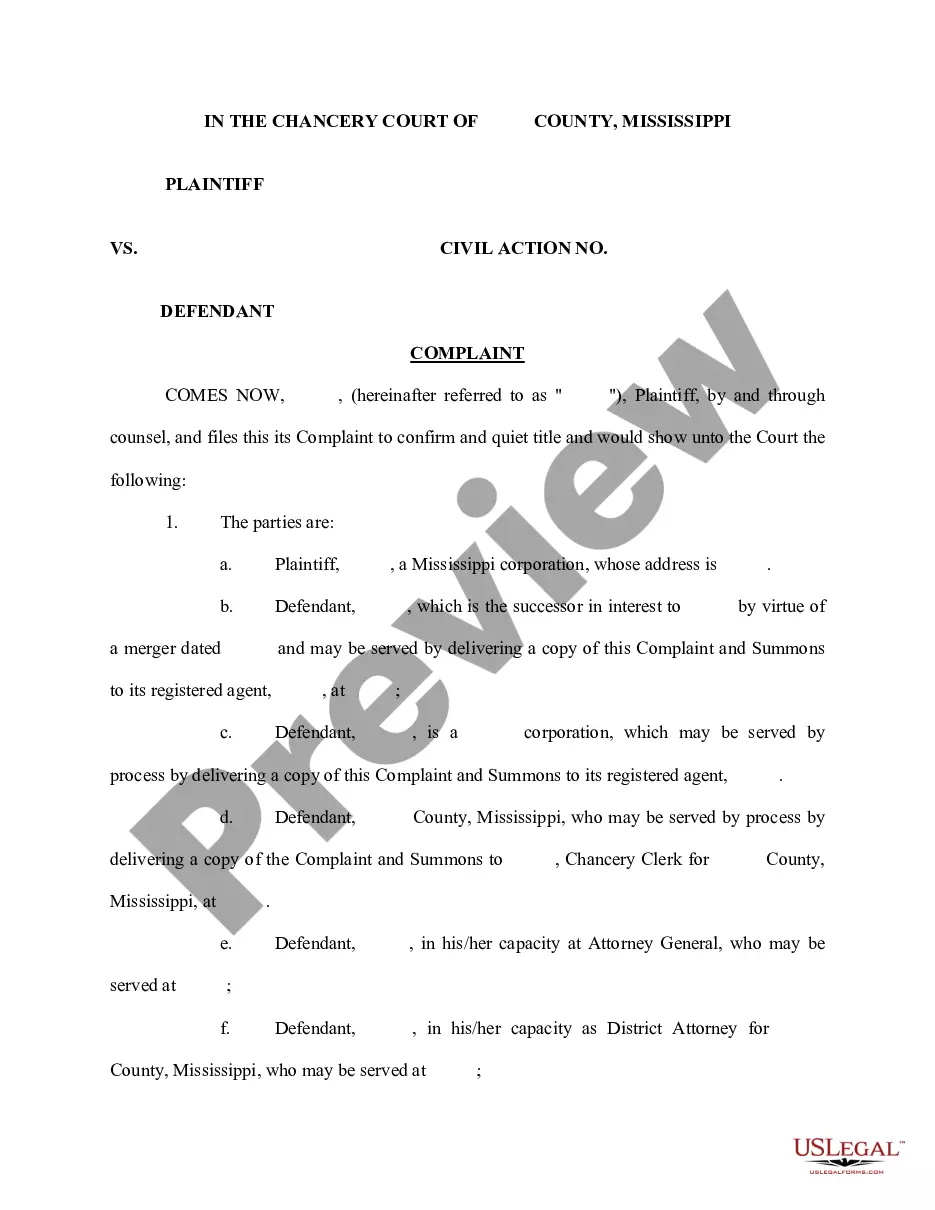






How to fill out Complaint Objecting To Discharge In Bankruptcy Proceedings For Concealment By Debtor And Omitting From Schedules Fraudulently Transferred Property?
- If you're an existing user, log into your account and download the necessary form by clicking the Download button. Confirm your subscription is active; renew if required.
- For first-time users, start by reviewing the form preview and descriptions. Ensure the selected template aligns with your needs and meets local jurisdictional requirements.
- If the initial form doesn’t fit, utilize the Search tab at the top to find the appropriate document.
- After identifying the correct form, click on the Buy Now button and select your preferred subscription plan. Create an account to unlock full access to our library.
- Proceed with your purchase by entering your credit card information or using your PayPal account for payment.
- Download your form and save it to your device. Access it anytime in the My Forms section of your profile.
With over 85,000 fillable and editable forms, US Legal Forms empowers users to efficiently complete legal documentation. Our extensive collection surpasses competitors in value and availability.
In conclusion, obtaining discharge papers for bankruptcy has never been easier with US Legal Forms. Take advantage of our services today and ensure your legal papers are accurate and compliant!
Form popularity
FAQ
Generally, court costs cannot be discharged in bankruptcy. While many types of debts can be wiped out, fees associated with the court process are usually not included. If you're uncertain about which debts are dischargeable, consult with a platform like US Legal Forms, which can help clarify the specifics of your situation and guide you through obtaining your discharge papers for bankruptcy.
Yes, receiving your bankruptcy discharge papers means your case is officially closed. This document signifies that you have fulfilled the obligations of your bankruptcy filing and your debts have been addressed. However, keep in mind that while your case is closed, you should keep your discharge documents in a safe place for future reference.
The order of discharge in bankruptcy is a formal declaration from the court that releases you from responsibility for certain debts. This document signifies the completion of your bankruptcy case and often provides peace of mind, knowing that creditors can no longer pursue you for the discharged debts. It is crucial to secure your discharge papers for bankruptcy to validate this release.
After receiving your discharge papers for bankruptcy, you typically must wait eight years before filing for Chapter 7 bankruptcy again. However, if you opt for Chapter 13 bankruptcy, you may only need to wait two years after your last discharge. Understanding these timelines is crucial, as they affect your financial opportunities moving forward.
Several factors can disqualify you from filing for bankruptcy, such as failing to complete credit counseling or having been discharged from a previous bankruptcy too recently. Additionally, if you have committed bankruptcy fraud or generally fall outside the guidelines set by the bankruptcy code, you may find yourself ineligible. Always consider consulting legal professionals who can guide you through the requirements to ensure your eligibility for discharge papers for bankruptcy.
The discharge document for bankruptcy is a legal order that releases you from personal liability for most debts. Once you receive this document, creditors can no longer attempt to collect these debts from you. It’s essential to secure your discharge papers for bankruptcy, as they officially mark the end of your bankruptcy process, allowing you to start fresh financially.
Three key types of debt that bankruptcy cannot discharge include child support obligations, certain tax debts, and student loans, unless you meet the strict criteria for undue hardship. Understanding these exceptions can significantly impact your financial planning post-bankruptcy. By utilizing the right resources, such as uslegalforms, you can navigate the complexities of discharge papers for bankruptcy more effectively.
Certain debts cannot be erased or reduced in a bankruptcy process. These include secured debts tied to property, such as mortgages and car loans, unless you surrender the asset. Moreover, debts for personal injury caused by driving under the influence are also non-dischargeable. Recognizing the limitations of discharge papers for bankruptcy can help you plan better.
Several types of debts are not dischargeable through bankruptcy. These include child support, alimony, and most tax debts. Additionally, debts incurred through false pretenses or fraud may remain after bankruptcy. When you explore discharge papers for bankruptcy, it's crucial to know which debts will not be eliminated.
Discharging certain types of debt through bankruptcy can be challenging. Generally, debts associated with student loans are often cited as the most difficult to discharge. To have student loans discharged, you must prove undue hardship, which is a high bar to meet. Therefore, if you are dealing with bankruptcy, understanding how discharge papers for bankruptcy work is essential.