Chapter 13 Bankrupcty
Description
Get your form ready online
Our built-in tools help you complete, sign, share, and store your documents in one place.
Make edits, fill in missing information, and update formatting in US Legal Forms—just like you would in MS Word.
Download a copy, print it, send it by email, or mail it via USPS—whatever works best for your next step.
Sign and collect signatures with our SignNow integration. Send to multiple recipients, set reminders, and more. Go Premium to unlock E-Sign.
If this form requires notarization, complete it online through a secure video call—no need to meet a notary in person or wait for an appointment.
We protect your documents and personal data by following strict security and privacy standards.

Make edits, fill in missing information, and update formatting in US Legal Forms—just like you would in MS Word.

Download a copy, print it, send it by email, or mail it via USPS—whatever works best for your next step.

Sign and collect signatures with our SignNow integration. Send to multiple recipients, set reminders, and more. Go Premium to unlock E-Sign.

If this form requires notarization, complete it online through a secure video call—no need to meet a notary in person or wait for an appointment.

We protect your documents and personal data by following strict security and privacy standards.
Looking for another form?

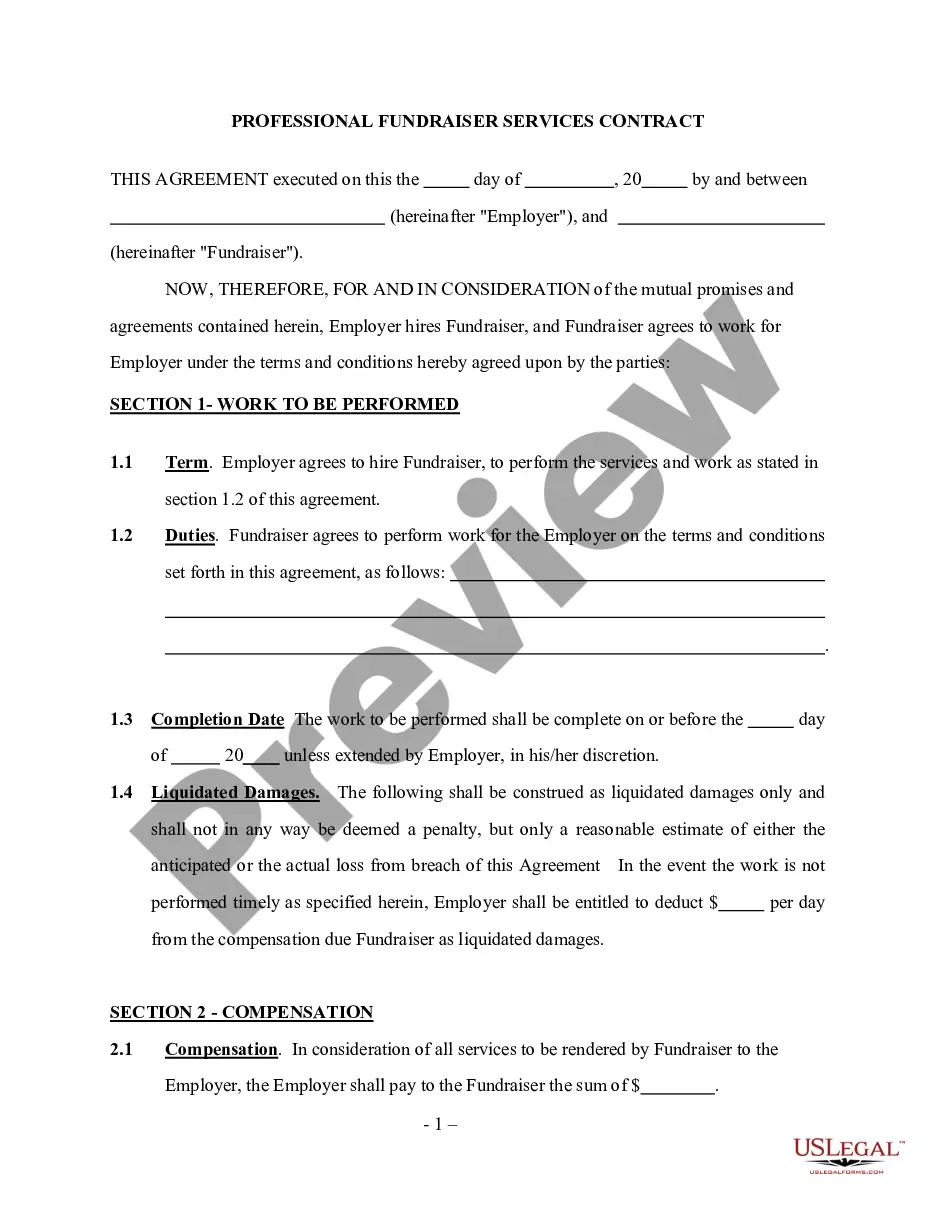
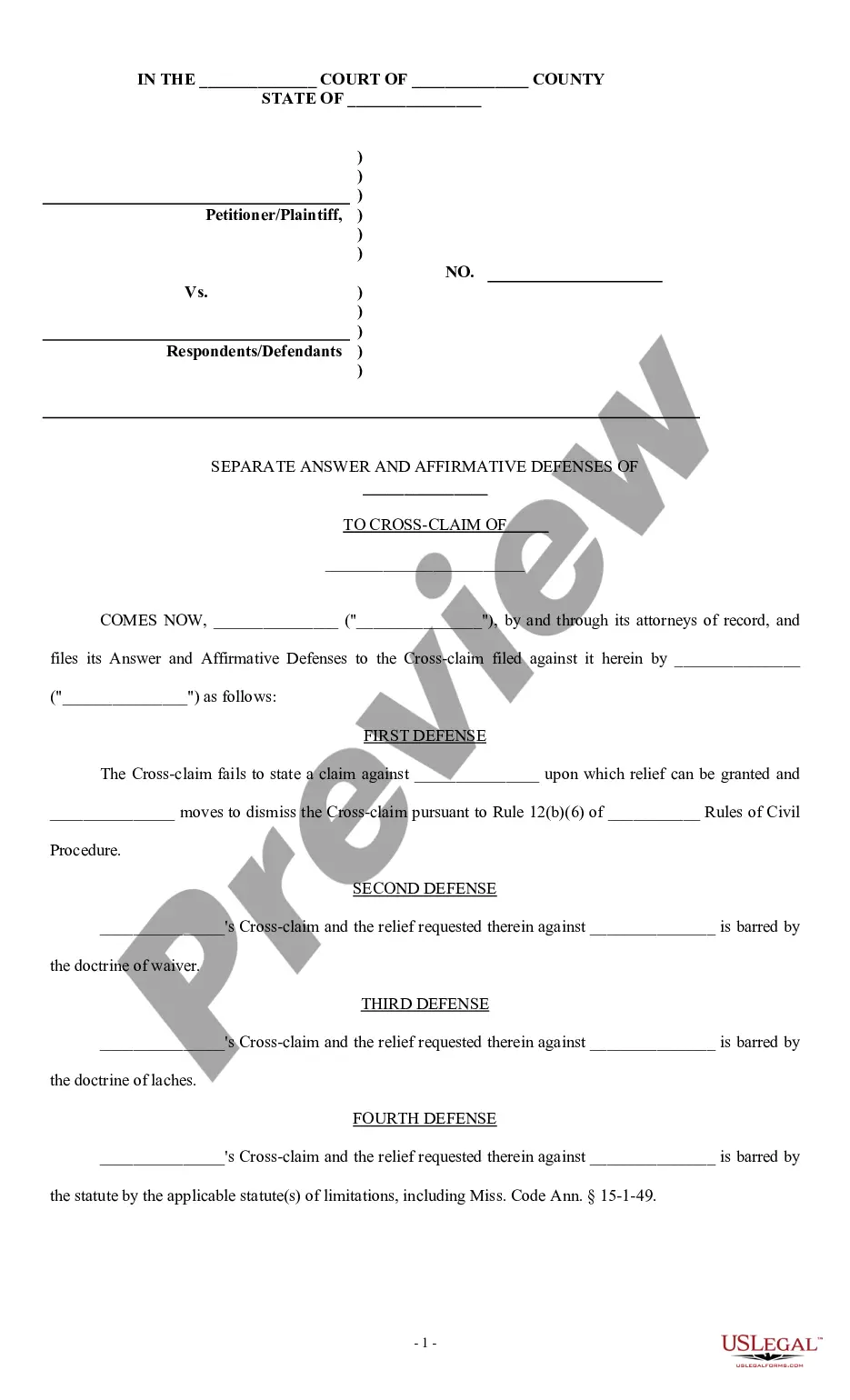



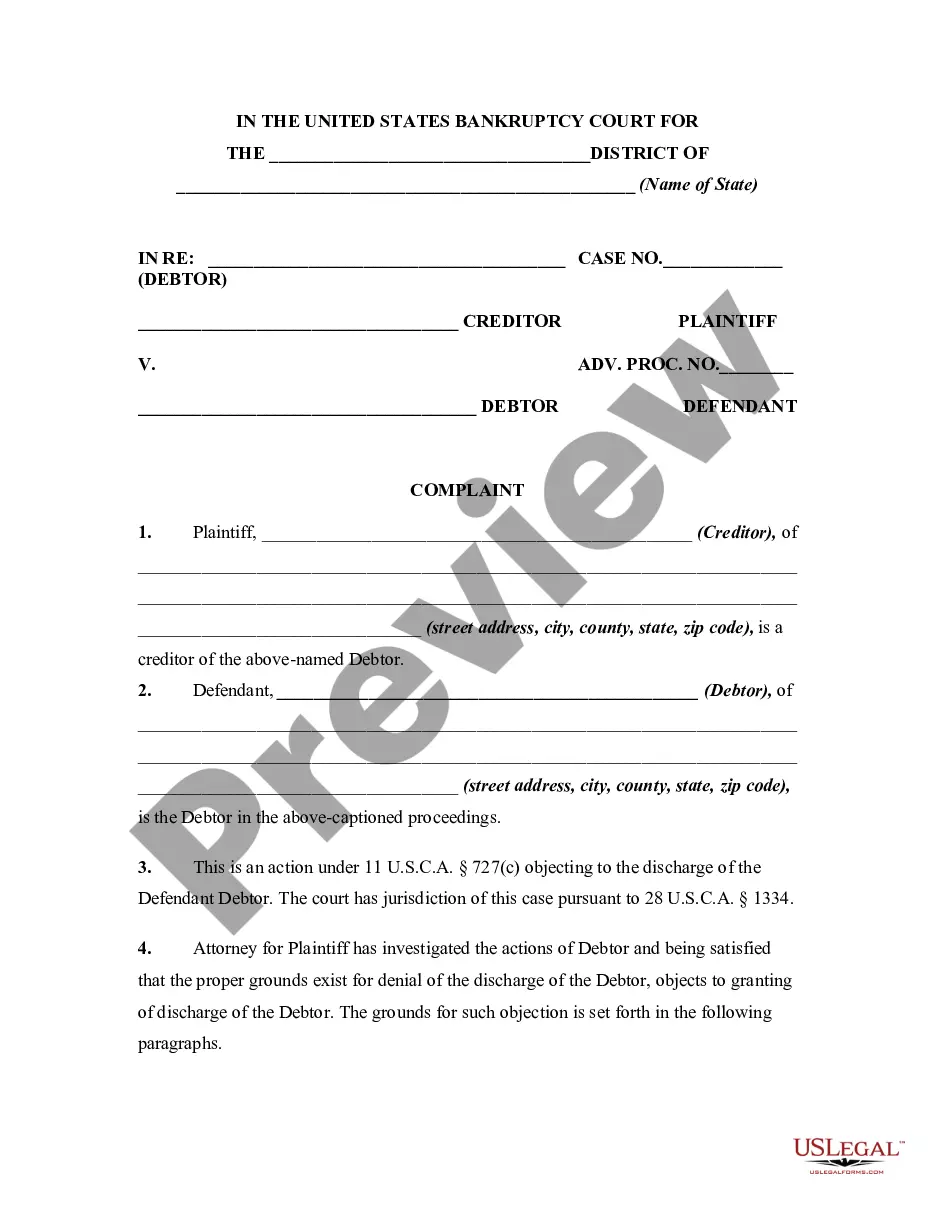
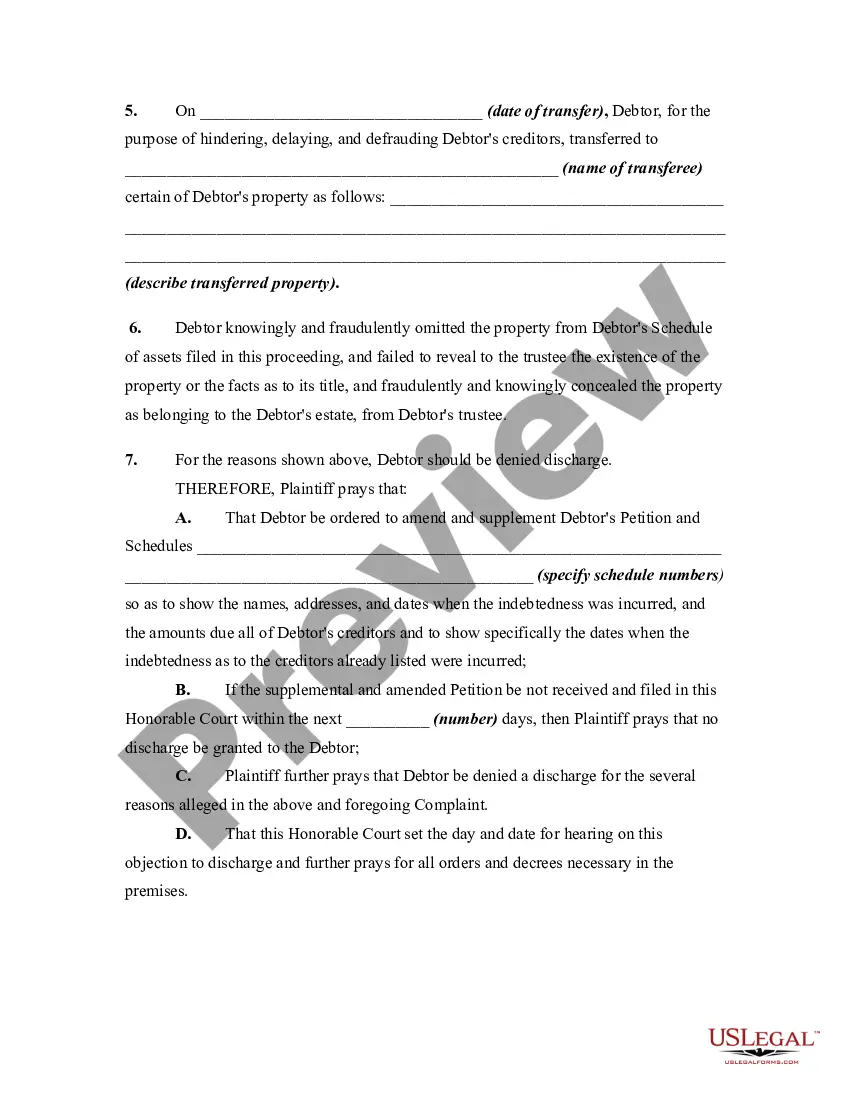
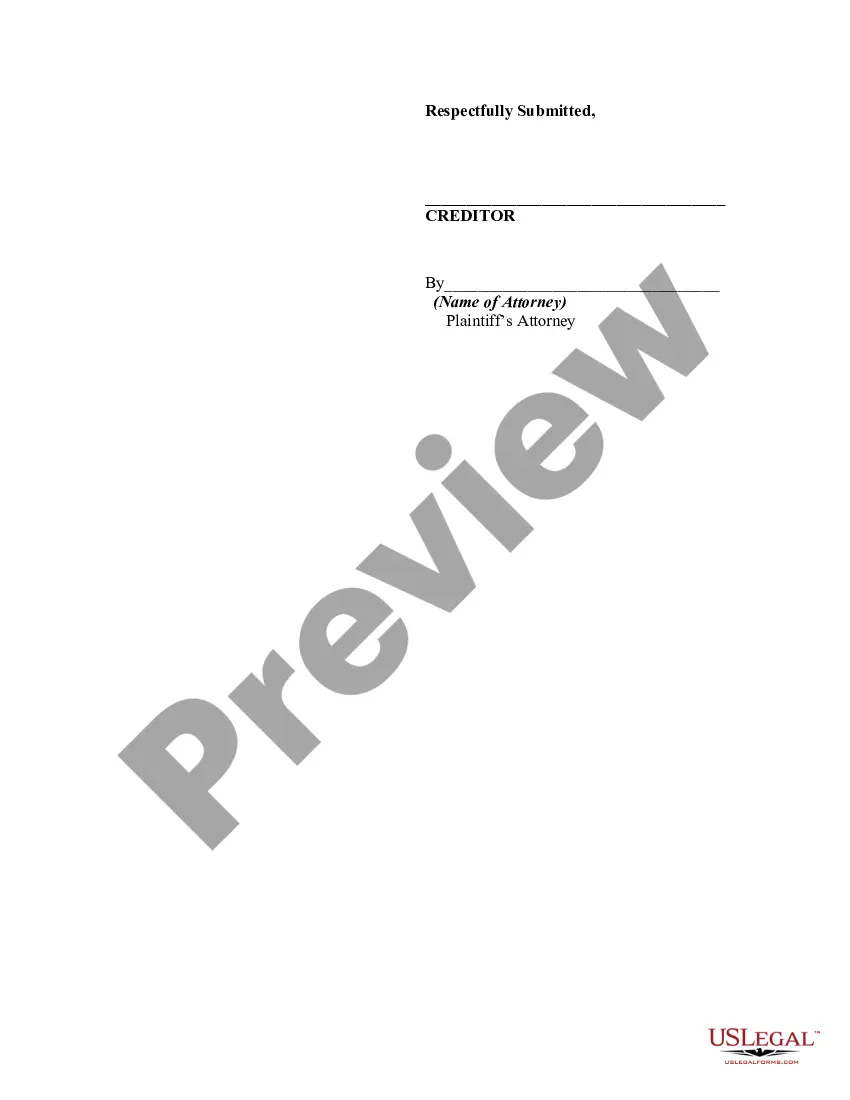
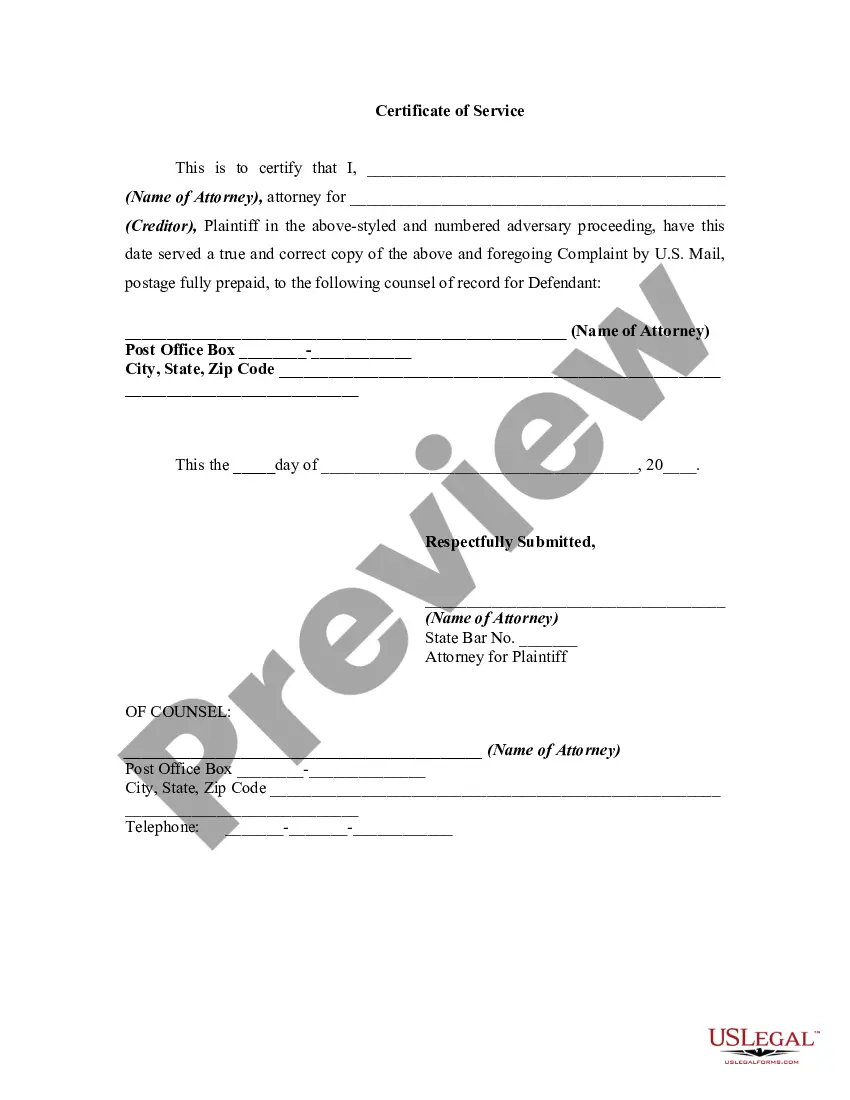
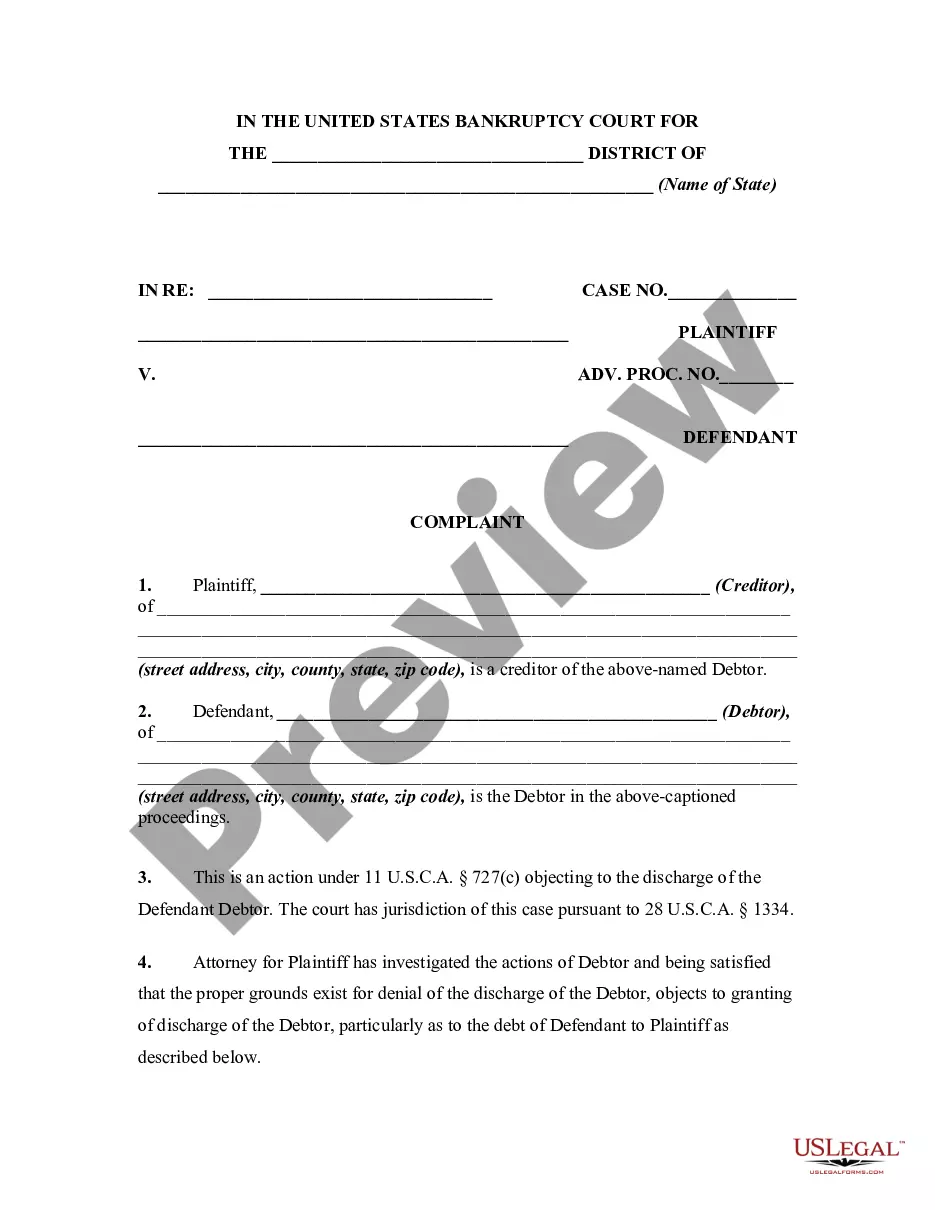
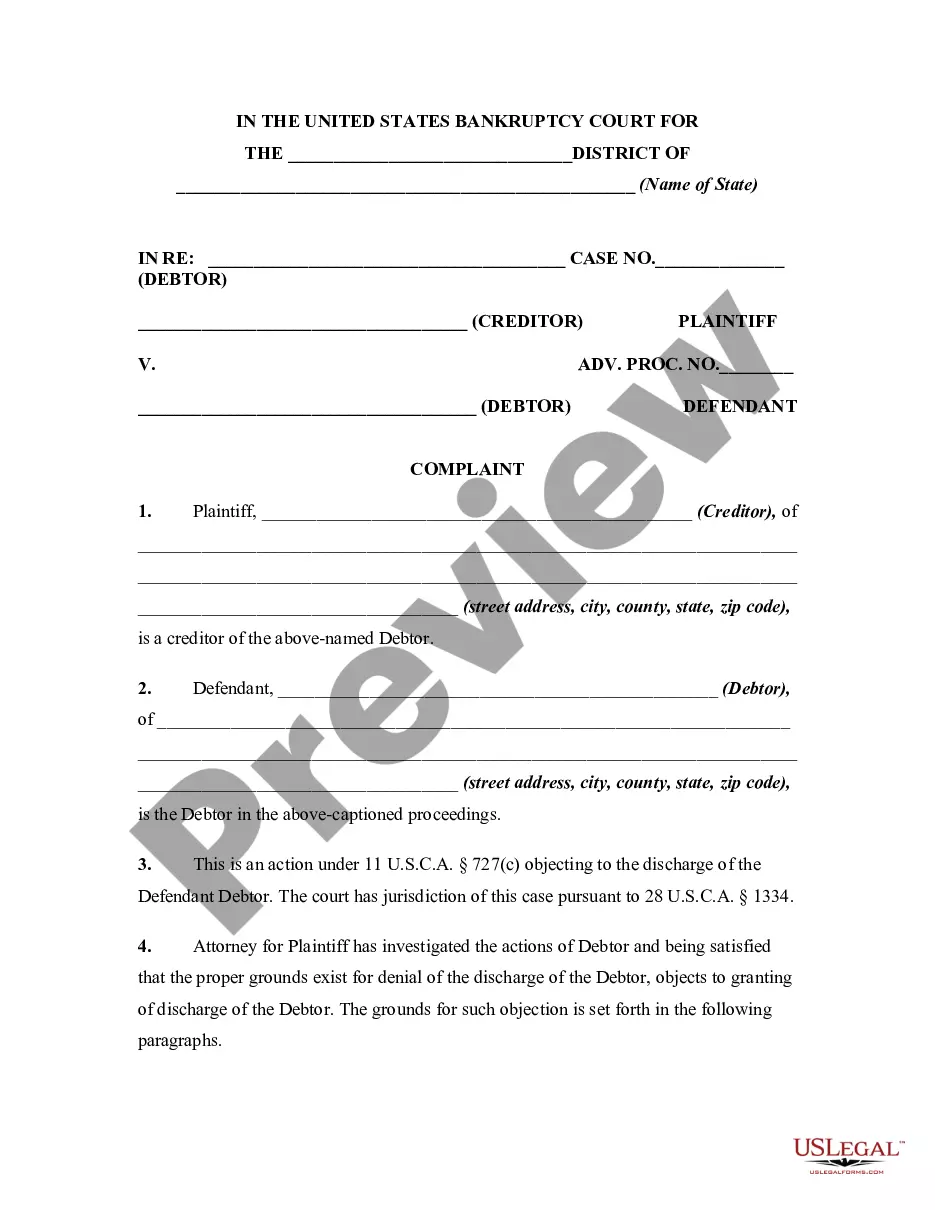
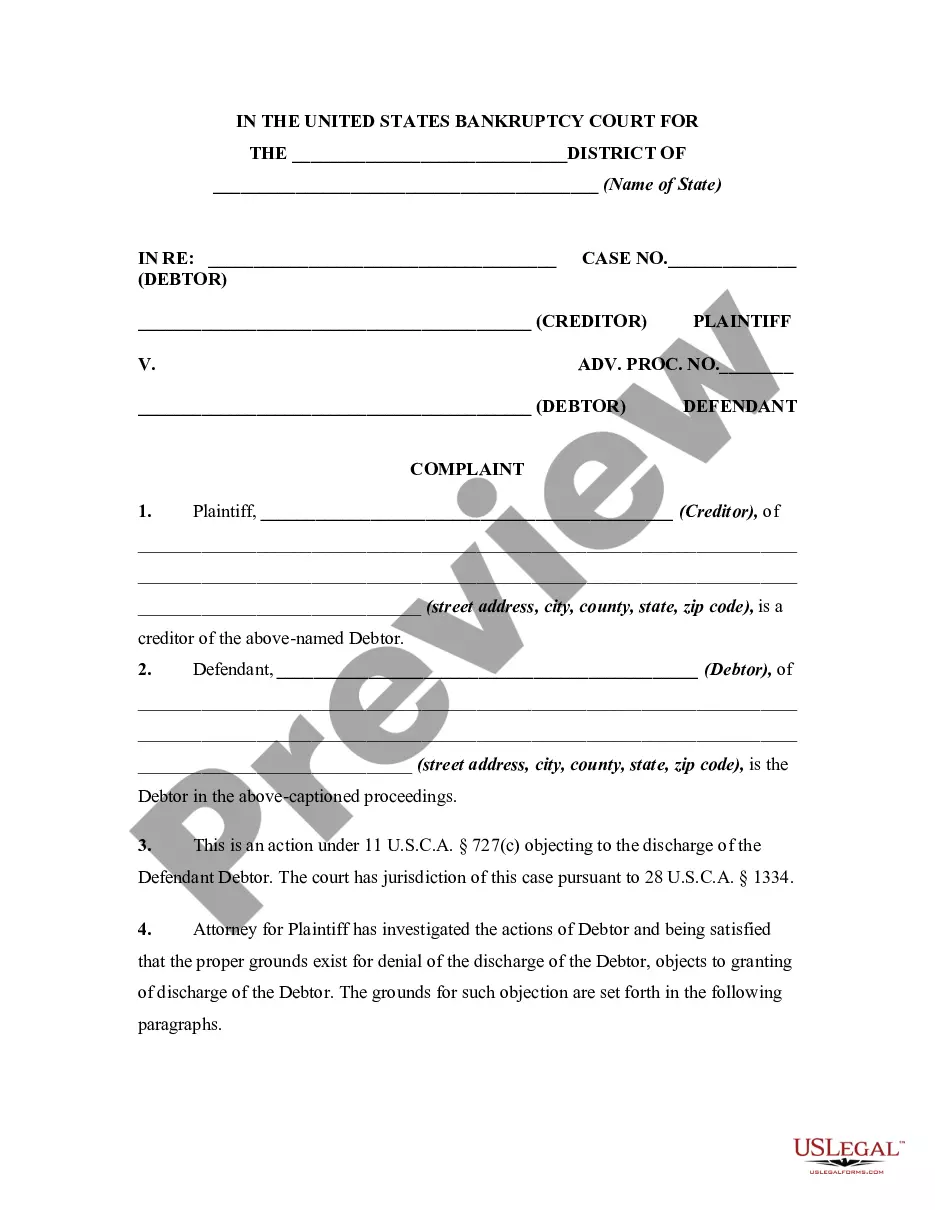
How to fill out Complaint Objecting To Discharge In Bankruptcy Proceedings For Concealment By Debtor And Omitting From Schedules Fraudulently Transferred Property?
- Log into your US Legal Forms account. If you haven’t used our service before, register to create a new account.
- Search for Chapter 13 bankruptcy templates in the extensive library. Ensure the selected form meets your local jurisdiction's requirements.
- Preview the form. Check the description and compatibility with your needs before proceeding.
- Select the appropriate document. If you find any discrepancies, use our search feature for an alternative template.
- Choose your subscription plan by clicking the Buy Now button, and register if you haven’t already.
- Complete your purchase by entering your payment information, whether via credit card or PayPal.
- Download the completed form to your device for easy access and editing. You can always find it later in the My Forms section.
By following these straightforward steps, you can effectively secure the legal documents you need. US Legal Forms not only simplifies the process but also ensures you have access to expert assistance, making it easier to manage your bankruptcy filings.
Start your journey to financial recovery today—visit US Legal Forms and explore our extensive collection of legal forms for all your needs!
Form popularity
FAQ
To file Chapter 13 bankruptcy by yourself, begin by gathering all necessary financial documents, including your income information, debts, and assets. Next, complete the required forms, such as the bankruptcy petition, and submit them to the bankruptcy court in your area. Remember to attend the required credit counseling course before filing, as this is a crucial step in the Chapter 13 bankruptcy process. If you need assistance or want a smoother experience, consider using US Legal Forms to access tailored templates and guides that can simplify your filing.
Whether it is better to file Chapter 7 or 13 depends on your individual circumstances. Chapter 7 can offer quicker debt discharge but often entails asset liquidation, while Chapter 13 allows for debt repayment and asset retention. Evaluating your income, debt types, and financial goals is critical in deciding the most suitable option for your situation. Consulting resources like uslegalforms can clarify your choices.
Chapter 13 bankruptcy is a legal process designed to help individuals reorganize their debts while retaining their assets. It allows borrowers to create a repayment plan that fits their financial situation and lasts typically between three to five years. This flexible approach helps people avoid liquidation of assets while repaying creditors over time. Exploring uslegalforms can provide you with tools and guidance for your Chapter 13 journey.
No, you do not lose everything when filing Chapter 13 bankruptcy. Unlike Chapter 7, where many assets can be liquidated, Chapter 13 allows you to keep your property while making repayment arrangements. You may need to negotiate the terms of your repayment plan to safeguard your essential assets. This feature makes Chapter 13 a more appealing option for many.
One downside of Chapter 13 bankruptcy is that you must adhere to a strict repayment plan, which can be challenging. You might also have limited access to credit during this period, making it difficult to manage unexpected expenses. Furthermore, to qualify, you must have a regular income and meet specific debt limits. Evaluating this carefully is vital.
The average monthly payment for Chapter 13 bankruptcy varies based on several factors, such as your income and the amount of debt you owe. Generally, payments can range from a few hundred to over a thousand dollars per month. It’s important to develop a plan that you can realistically afford while also meeting your obligations. Consulting platforms like uslegalforms can help you determine your average monthly payment better.
Several factors can disqualify you from filing Chapter 13 bankruptcy. If your secured or unsecured debts exceed the statutory limits, or if you have not completed credit counseling, you may not qualify. Additionally, filing for bankruptcy multiple times in short intervals can also hinder your eligibility. Consulting knowledgeable professionals can clarify your status and options related to Chapter 13 bankruptcy.
The amount of debt needed to file Chapter 13 varies based on federal guidelines. Your total unsecured debts must not exceed $419,275, while your secured debts should remain below $1,257,850. This framework is designed to help individuals reorganize their debts effectively and retain their assets. For tailored advice, consider utilizing platforms that specialize in Chapter 13 bankruptcy.
Yes, Chapter 13 bankruptcy can be denied under certain circumstances. If a debtor does not meet the eligibility criteria or fails to propose a feasible repayment plan, the court may reject the filing. Furthermore, if you have filed for bankruptcy multiple times in a short period, this can also lead to a denial. Consulting with professionals on Chapter 13 bankruptcy can help improve your chances of approval.
To file Chapter 13 bankruptcy, there is no specific minimum amount of debt required. However, your debts must fall within the limits set by the bankruptcy code. This includes both secured and unsecured debts, which should not exceed $1,257,850 and $419,275, respectively. It's best to consult with a financial advisor or an expert on Chapter 13 bankruptcy for personalized guidance.