Nunc Pro Tunc Order Form For Uscis
Description
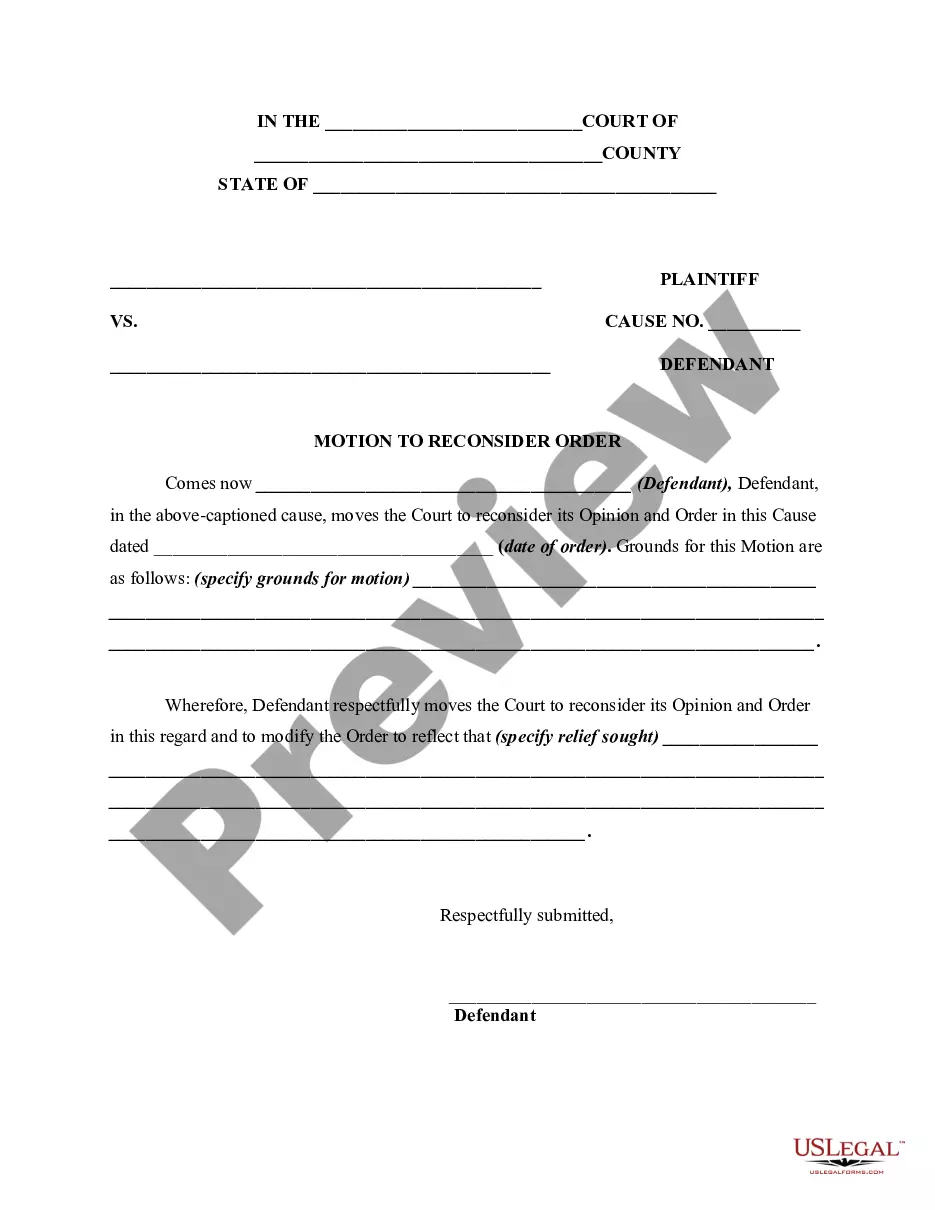
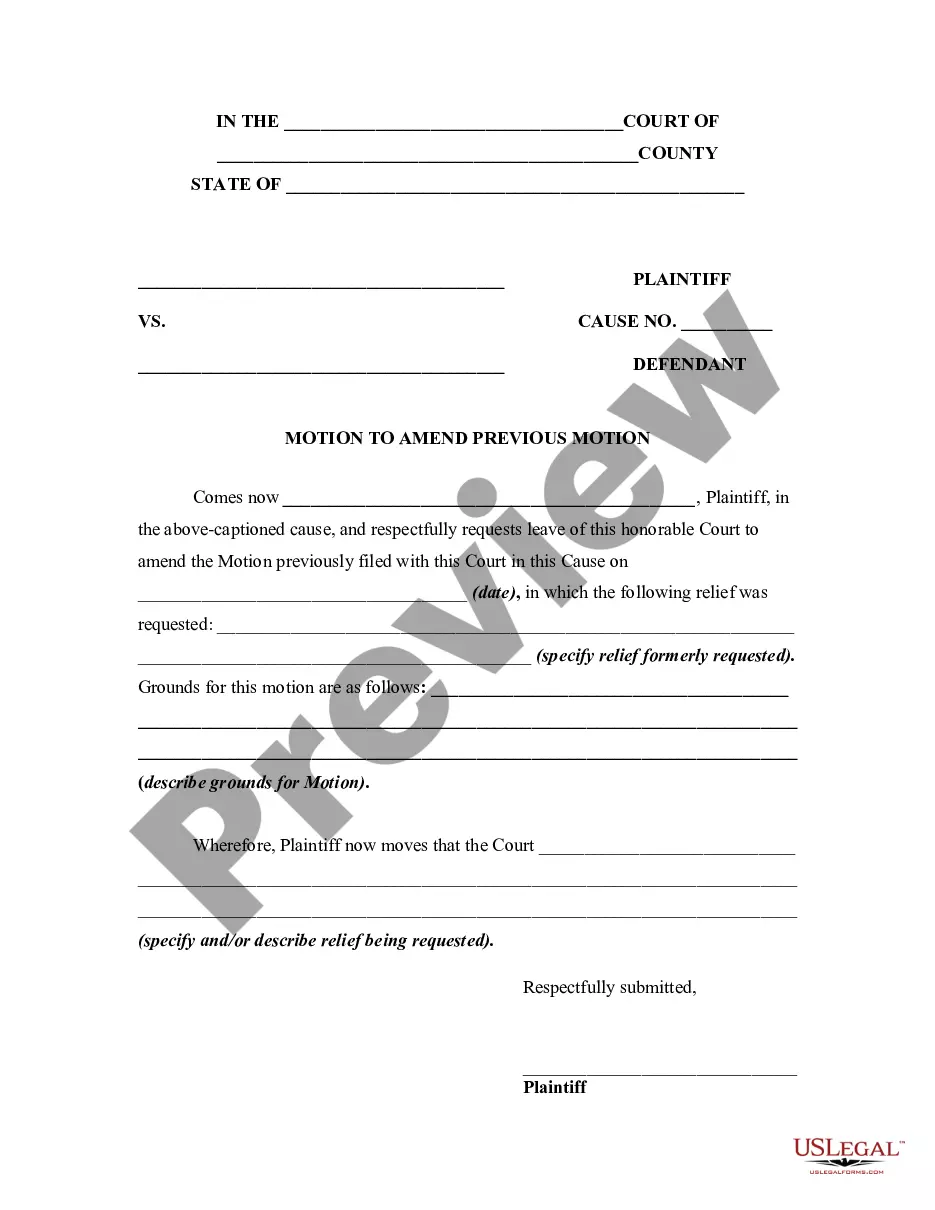
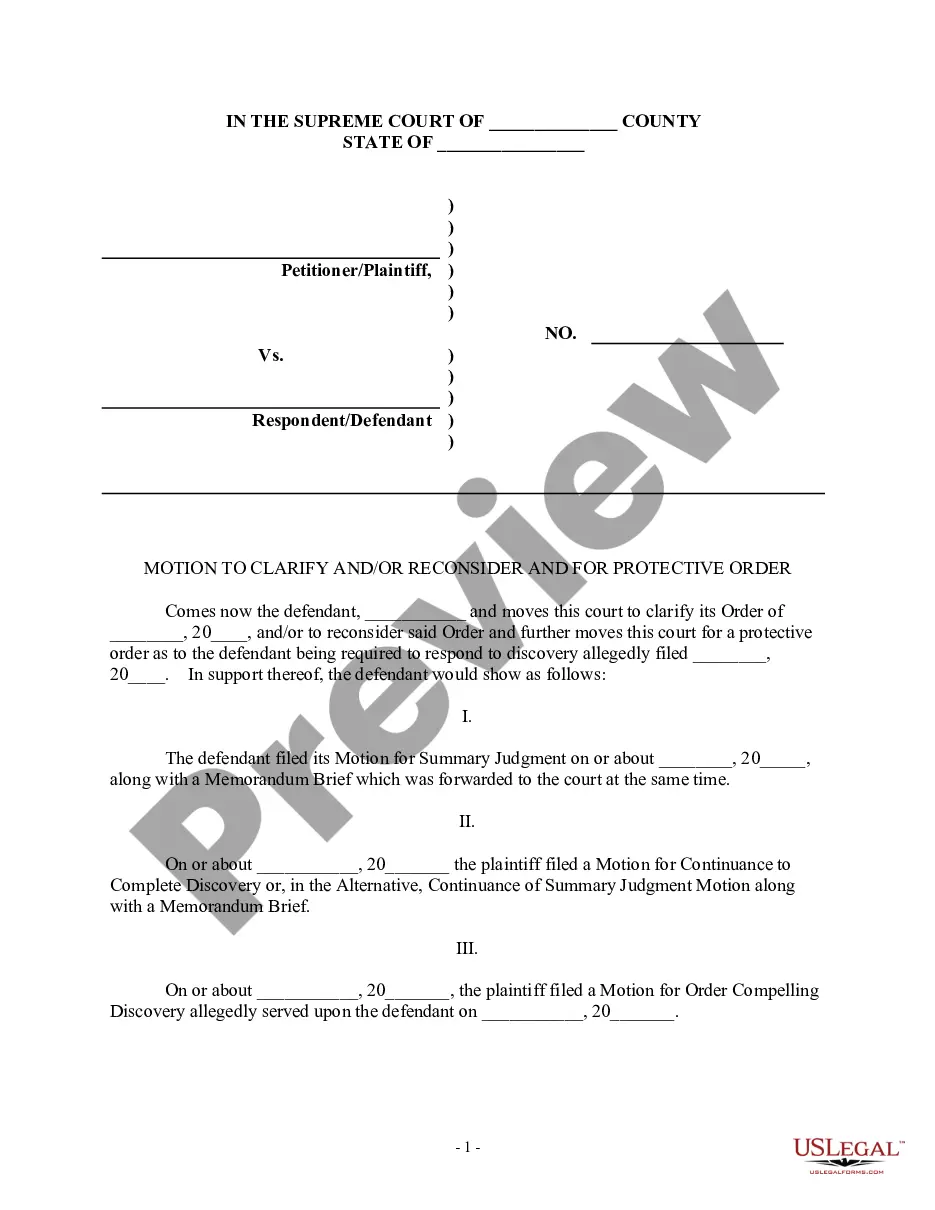

Get your form ready online
Our built-in tools help you complete, sign, share, and store your documents in one place.
Make edits, fill in missing information, and update formatting in US Legal Forms—just like you would in MS Word.
Download a copy, print it, send it by email, or mail it via USPS—whatever works best for your next step.
Sign and collect signatures with our SignNow integration. Send to multiple recipients, set reminders, and more. Go Premium to unlock E-Sign.
If this form requires notarization, complete it online through a secure video call—no need to meet a notary in person or wait for an appointment.
We protect your documents and personal data by following strict security and privacy standards.

Make edits, fill in missing information, and update formatting in US Legal Forms—just like you would in MS Word.

Download a copy, print it, send it by email, or mail it via USPS—whatever works best for your next step.

Sign and collect signatures with our SignNow integration. Send to multiple recipients, set reminders, and more. Go Premium to unlock E-Sign.

If this form requires notarization, complete it online through a secure video call—no need to meet a notary in person or wait for an appointment.

We protect your documents and personal data by following strict security and privacy standards.
Looking for another form?





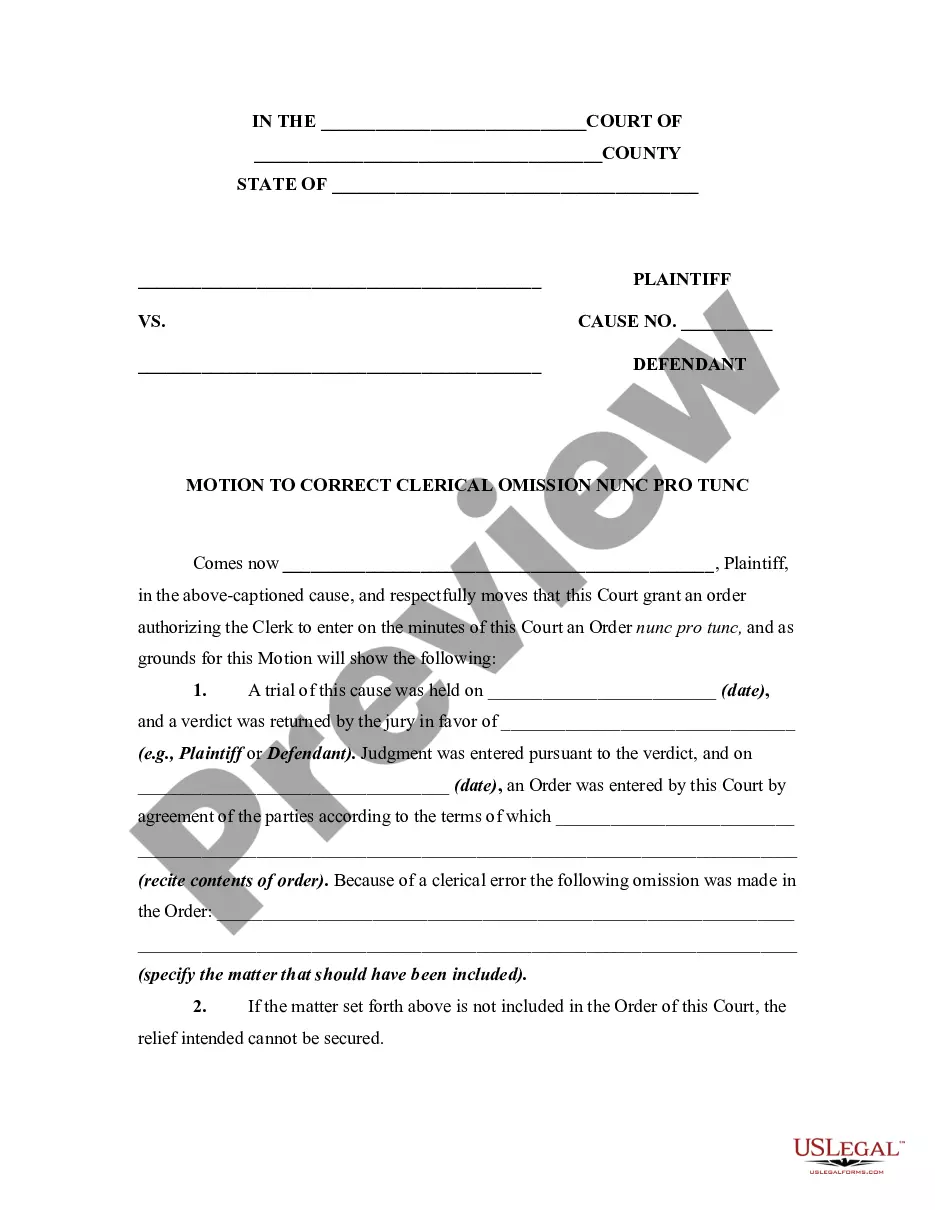
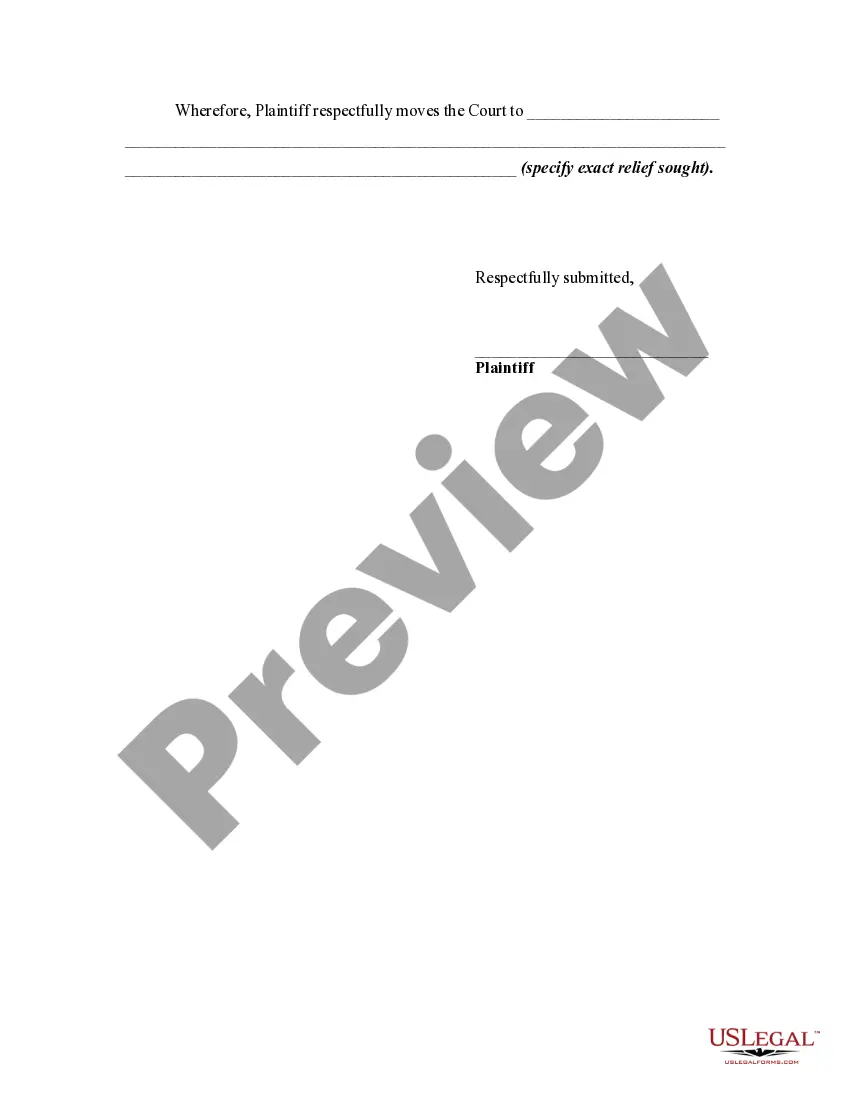
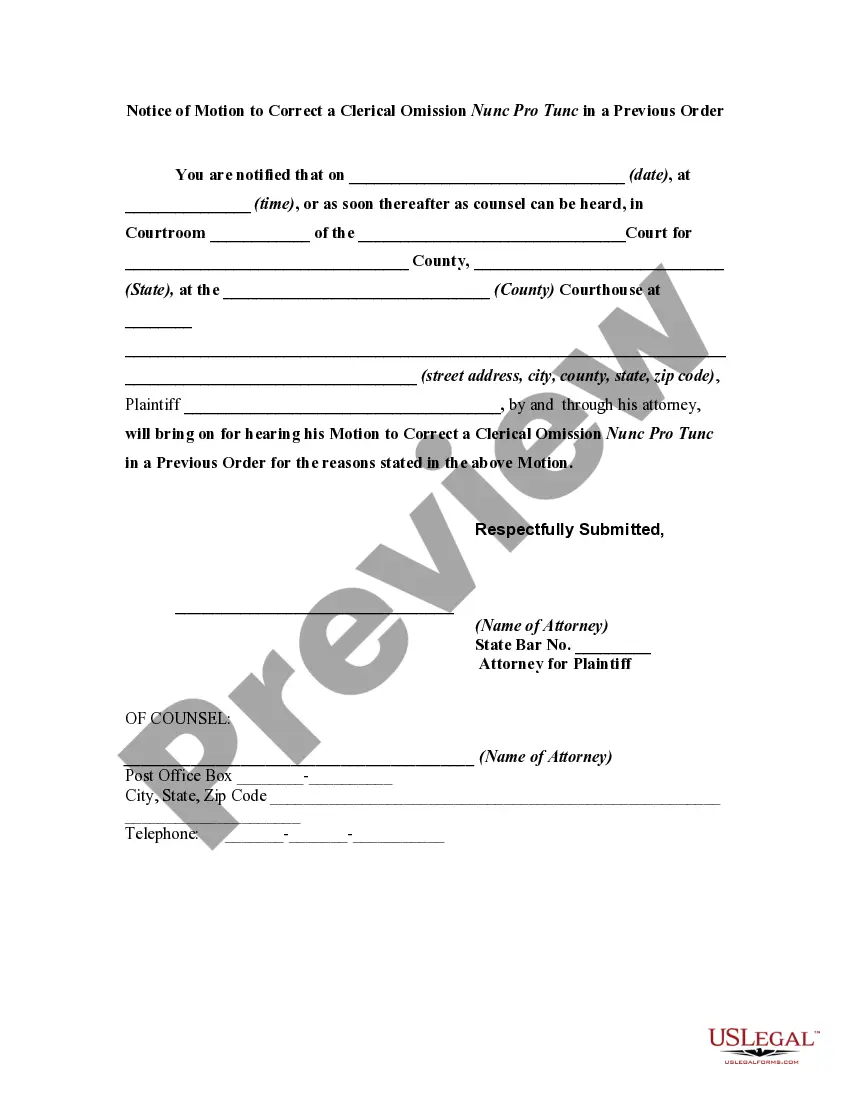
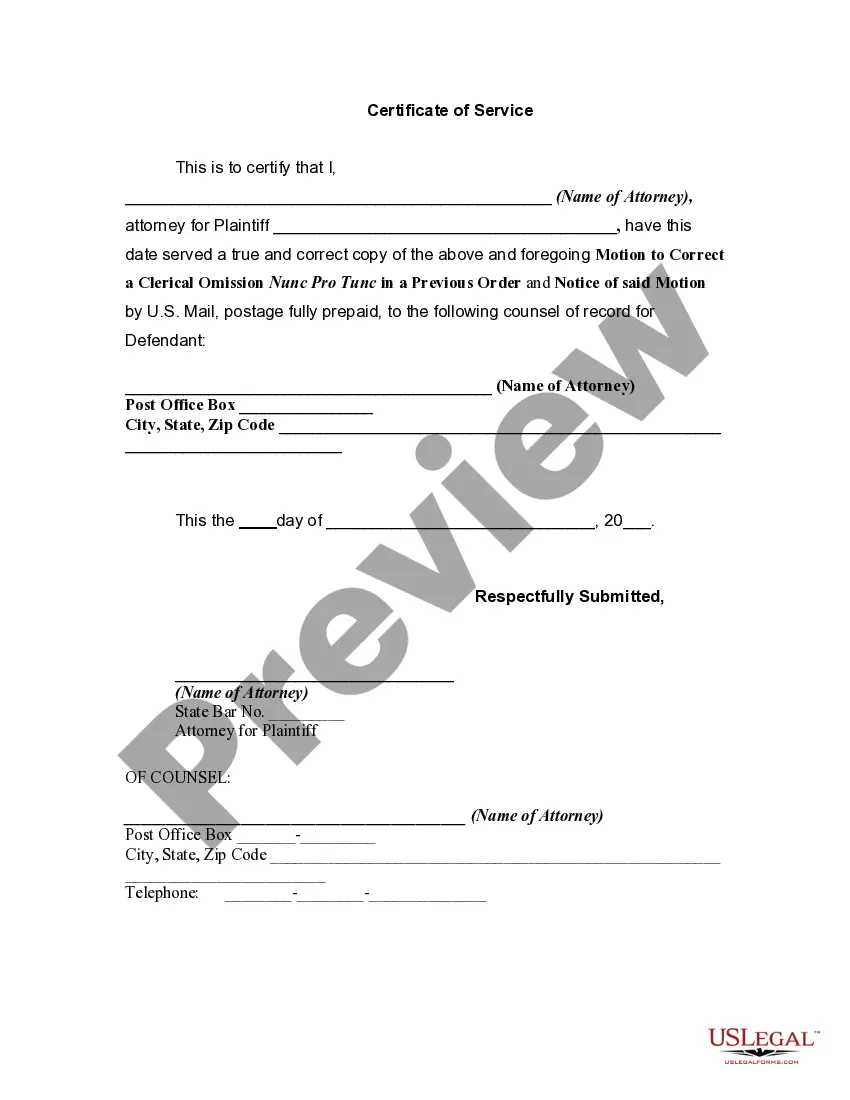
How to fill out Motion To Correct A Clerical Omission Nunc Pro Tunc In A Previous Order?
Creating legal documents from the ground up can frequently feel a bit daunting.
Certain situations may require extensive research and potentially cost a significant amount.
If you’re seeking a simpler and more budget-friendly approach to preparing the Nunc Pro Tunc Order Form For Uscis or any other forms without the hassle, US Legal Forms is readily available for you.
Our online repository of more than 85,000 current legal documents covers nearly every aspect of your financial, legal, and personal affairs.
However, before you proceed to download the Nunc Pro Tunc Order Form For Uscis, consider these suggestions: Verify the document preview and descriptions to ensure you have located the form you are looking for. Confirm that the form you choose aligns with the regulations of your state and county. Select the appropriate subscription option to obtain the Nunc Pro Tunc Order Form For Uscis. Download the form, then complete, sign, and print it out. US Legal Forms enjoys a solid reputation and over 25 years of expertise. Join us today and simplify the document preparation process!
- With just a few clicks, you can swiftly access state- and county-compliant templates meticulously assembled by our legal professionals.
- Utilize our site whenever you require a dependable and trustworthy service through which you can quickly locate and retrieve the Nunc Pro Tunc Order Form For Uscis.
- If you’re familiar with our services and have previously registered an account with us, simply Log In to your account, find the template and download it, or re-download it anytime later in the My documents section.
- Don’t possess an account? No worries. It takes just a few moments to create one and explore the catalog.
Form popularity
FAQ
In the U.S. immigration system, a nunc pro tunc request can be filed with USCIS for various reasons. In general, nunc pro tunc requests can be filed in order to restore lawful immigration status if it lapses or an applicant fails to renew or extend their existing visa status before it expires.
You can call USCIS, tell them about the error, and ask them to correct it. You may want to work with an immigration attorney before attempting to correct your application.
Nunc pro tunc is a Latin term meaning "now for then." Generally, this refers to an action taken by a court that applies retroactively to correct an earlier ruling.
USCIS may approve a nunc pro tunc request under certain conditions, including: The applicant or petitioner must demonstrate that the delay in filing was caused by exceptional circumstances beyond their control, such as illness or a family emergency, and the length of the delay is reasonable given the circumstances.
Latin for "now for then." A doctrine that permits a court to change records so that they show what actually happened. For example, if a party filed his motion on January 5, but the clerk's office had erroneously treated it as filed on January 6, the judge could correct the records to show the right date.