Generation-skipping Trusts
Description






Get your form ready online
Our built-in tools help you complete, sign, share, and store your documents in one place.
Make edits, fill in missing information, and update formatting in US Legal Forms—just like you would in MS Word.
Download a copy, print it, send it by email, or mail it via USPS—whatever works best for your next step.
Sign and collect signatures with our SignNow integration. Send to multiple recipients, set reminders, and more. Go Premium to unlock E-Sign.
If this form requires notarization, complete it online through a secure video call—no need to meet a notary in person or wait for an appointment.
We protect your documents and personal data by following strict security and privacy standards.

Make edits, fill in missing information, and update formatting in US Legal Forms—just like you would in MS Word.

Download a copy, print it, send it by email, or mail it via USPS—whatever works best for your next step.

Sign and collect signatures with our SignNow integration. Send to multiple recipients, set reminders, and more. Go Premium to unlock E-Sign.

If this form requires notarization, complete it online through a secure video call—no need to meet a notary in person or wait for an appointment.

We protect your documents and personal data by following strict security and privacy standards.
Looking for another form?
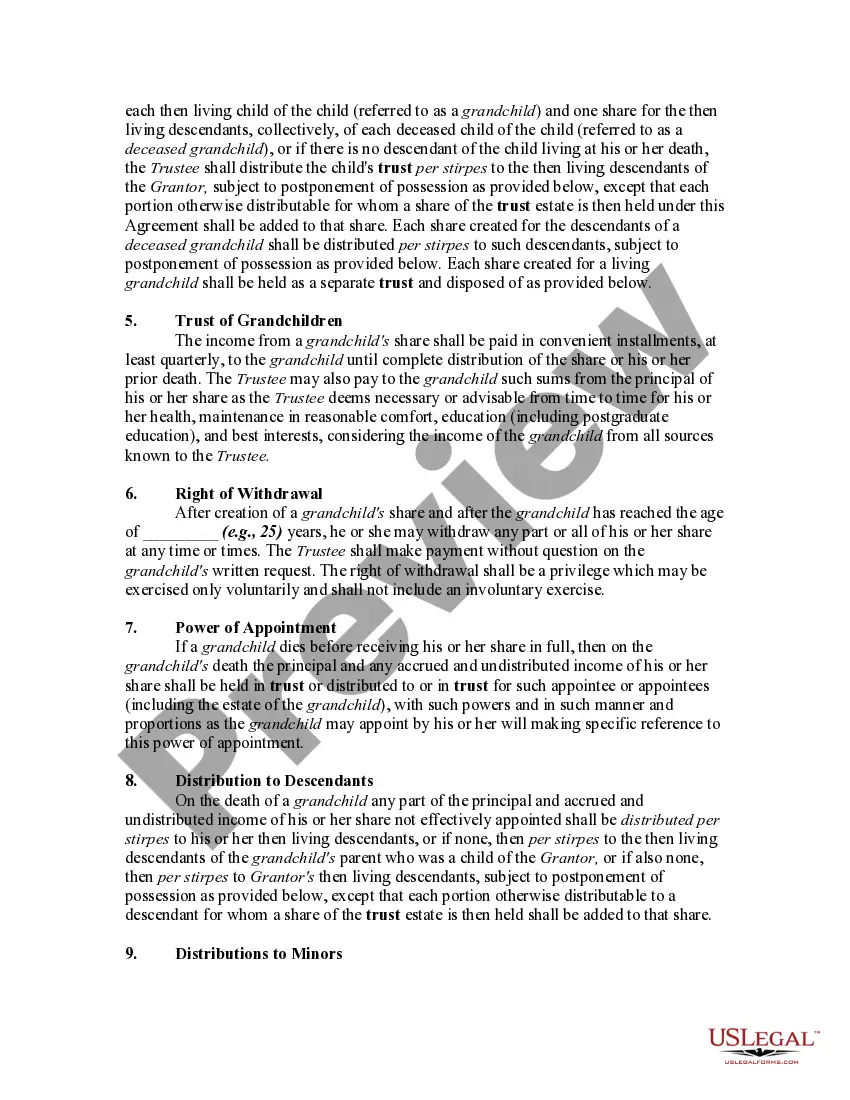
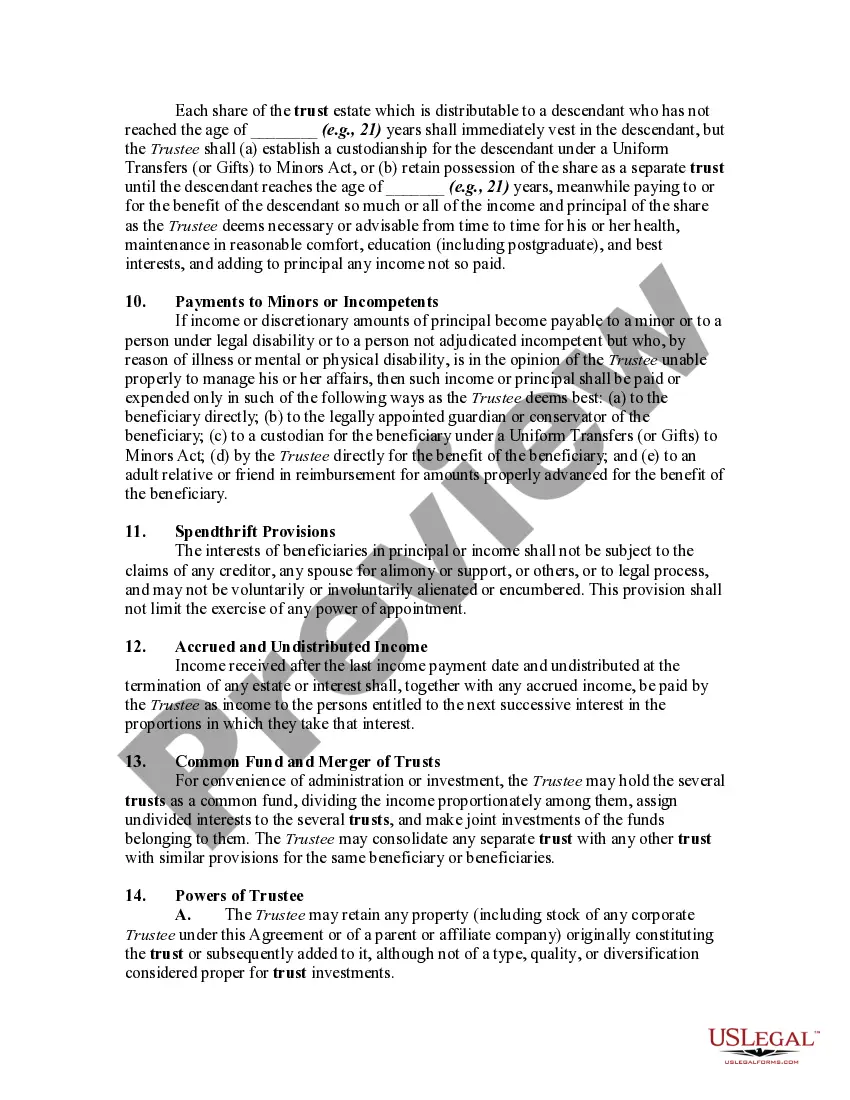
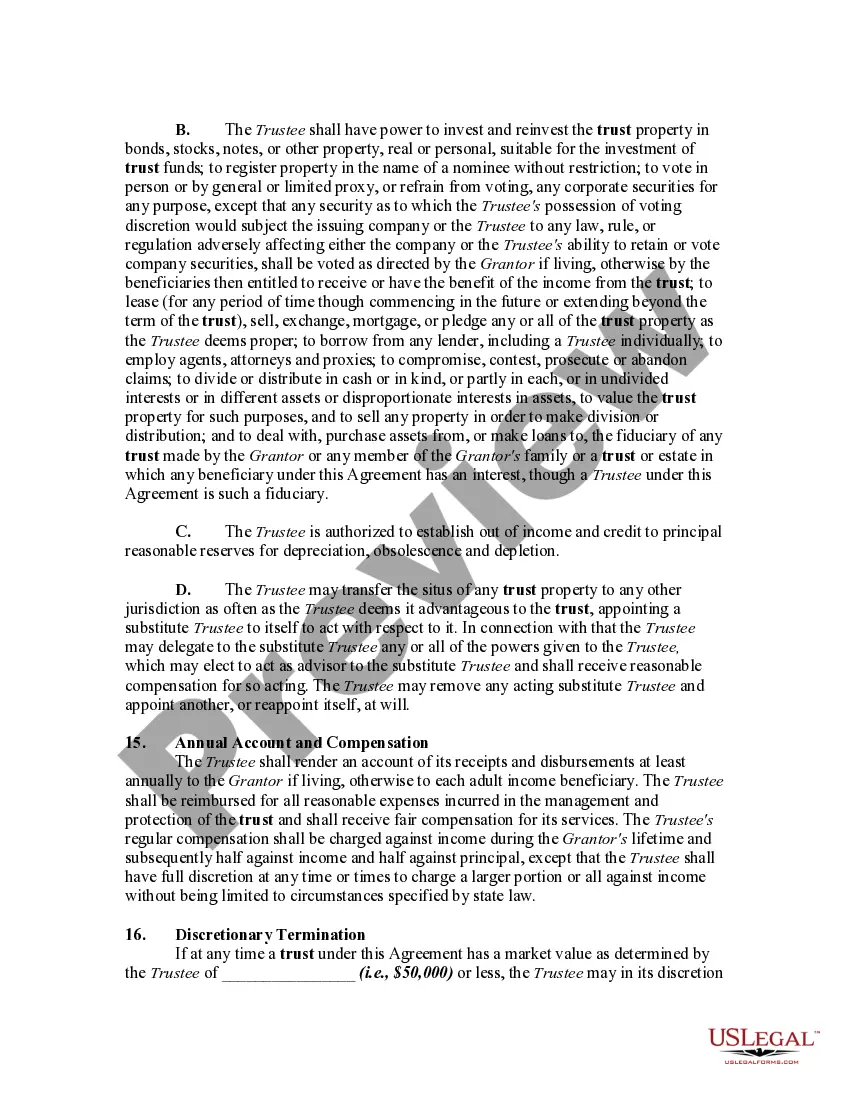
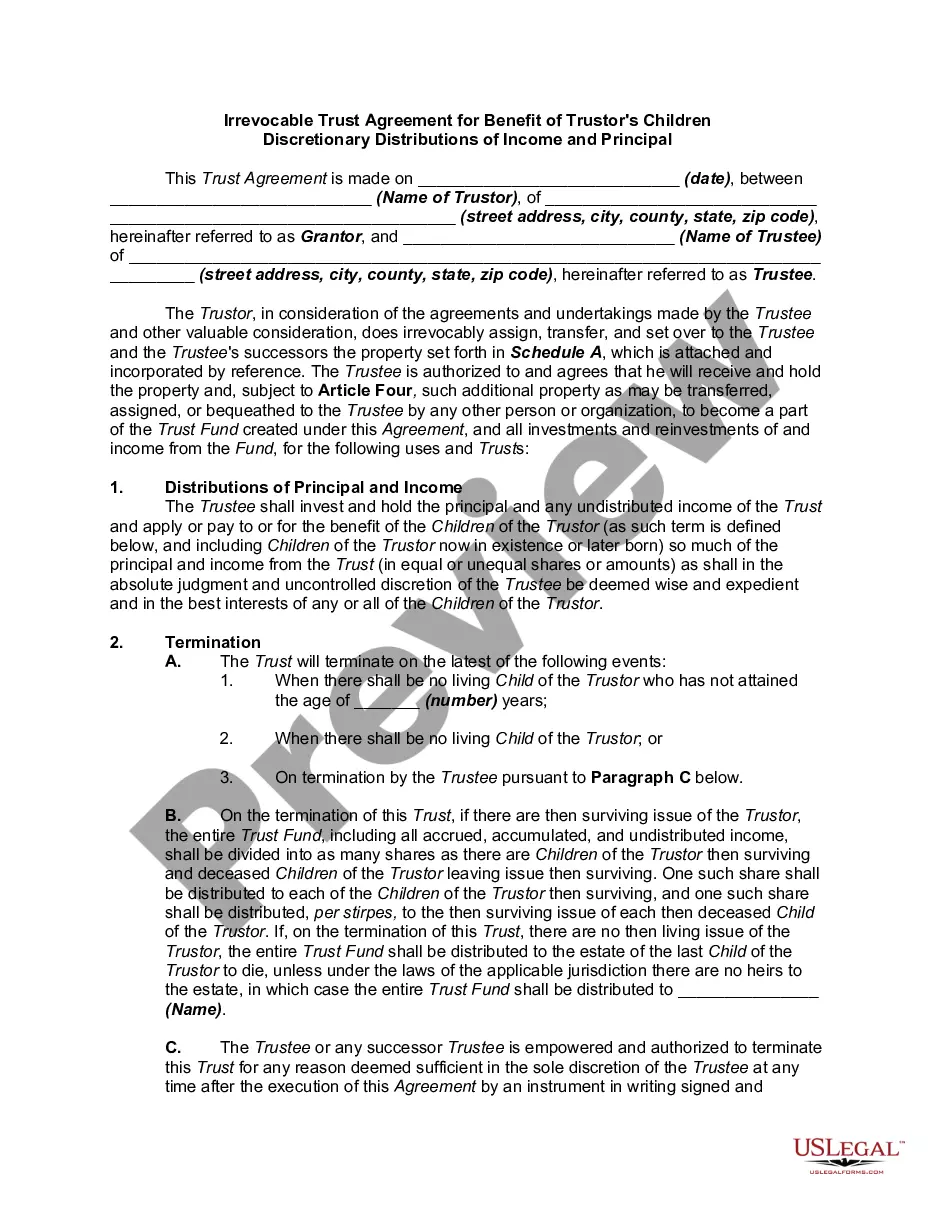
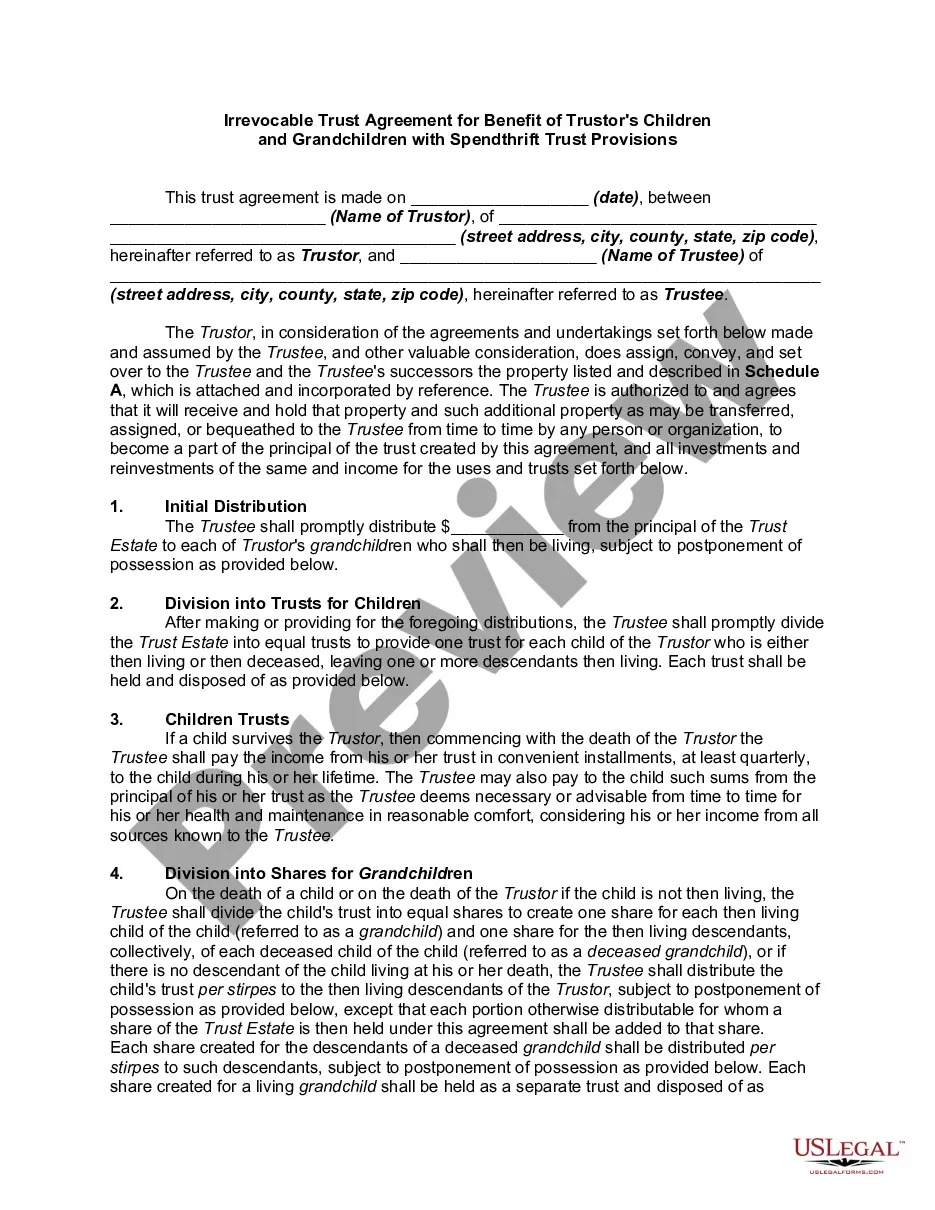
How to fill out Irrevocable Generation Skipping Or Dynasty Trust Agreement For Benefit Of Trustor's Children And Grandchildren?
- If you are a returning user, log in to your account and select the required template for download. Confirm the validity of your subscription; if it has expired, renew it based on your chosen payment plan.
- For first-time users, start by reviewing the Preview mode and form descriptions to ensure you select the appropriate document that meets your specific needs and adheres to local regulations.
- If the selected template doesn't suit your requirements, utilize the Search feature at the top to find a more suitable option. Once you locate the right document, proceed to the next step.
- Purchase the template by clicking the Buy Now button and selecting your preferred subscription plan. You will need to create an account to access the comprehensive library of forms.
- Complete your payment by entering your credit card details or selecting your PayPal account for a secure transaction.
- Download the form and save it to your device. Access the template anytime through the My Forms section of your profile.
In conclusion, US Legal Forms enhances your estate planning process with a vast array of Generation-skipping trusts templates. Enjoy easy document retrieval and expert assistance for completing your forms accurately.
Start your journey today and secure your legacy with our efficient legal solutions!
Form popularity
FAQ
The IRS has introduced updated regulations regarding the taxation of trusts, which can affect generation-skipping trusts. These changes may impact how distributions are taxed and the reporting requirements for trust income. Staying informed about these updates is essential, and platforms like US Legal Forms can assist you in navigating these regulations effectively.
Income generated from a generation-skipping trust is generally taxed to the trust itself, unless distributed to beneficiaries. This approach can help preserve the wealth within the trust while potentially reducing tax burdens on beneficiaries. It's wise to consult a tax professional to understand the implications specific to your situation and to strategize accordingly.
The 5 by 5 rule allows beneficiaries to withdraw either $5,000 or 5% of the trust’s value annually without incurring additional taxes. This rule is particularly useful in generation-skipping trusts, allowing flexibility for beneficiaries while enhancing the trust’s longevity. It ensures that the beneficiaries maintain access to some funds while the principal remains intact for future generations.
To establish a generation-skipping trust, you must clearly define the beneficiaries, which can include grandchildren or others two generations below you. Additionally, it's essential to properly fund the trust with assets and comply with specific legal formalities set forth in the IRS guidelines. Consulting an estate planning attorney can ensure your trust meets all legal requirements while maximizing its benefits.
One significant mistake parents often make when creating a trust fund is failing to clearly communicate their intentions to their heirs. This lack of communication can lead to misunderstandings or disputes about the trust's purpose. It’s crucial to document the terms thoroughly and discuss the details with your family to ensure everyone understands the benefits of generation-skipping trusts.
To sidestep inheritance taxes, consider establishing generation-skipping trusts that distribute assets to grandchildren or other descendants. By using these trusts, you can minimize or eliminate the taxable estate of a parent. Additionally, engaging with estate planning experts can help tailor your trust to best utilize tax advantages, ensuring your beneficiaries receive more of your estate.
The 5 by 5 rule is a provision that allows beneficiaries to access a limited amount of trust principal without triggering generation-skipping transfer taxes. Specifically, this rule permits beneficiaries to withdraw the greater of $5,000 or 5% of the trust’s value each year. This feature provides flexibility and can help beneficiaries manage their needs while keeping the trust intact.
A generation-skipping trust often helps bypass a direct inheritance from grandparents to grandchildren. For instance, if a grandparent creates a trust that benefits their grandchild, the assets can skip the parent's inheritance altogether. This arrangement can provide substantial tax benefits and ensure that the grandchild has financial support without the parents directly receiving the assets.
Typically, the grantor of a generation-skipping trust is responsible for paying the income tax on the trust's earnings. However, beneficiaries may also incur tax obligations depending on distributions received. Adhering to tax regulations is essential to avoid complications. Leveraging resources like US Legal Forms can help you navigate these tax responsibilities effectively.
Dissolving a trust can vary in difficulty based on the trust's complexity and the terms outlined within it. In many cases, straightforward trusts may dissolve easily in accordance with the grantor's wishes or beneficiary agreements. However, for generation-skipping trusts, legal guidance is often necessary to ensure compliance with all legal requirements. Utilizing dedicated legal services can simplify this process significantly.