Generation-skipping Transfer Tax For 529
Description




Get your form ready online
Our built-in tools help you complete, sign, share, and store your documents in one place.
Make edits, fill in missing information, and update formatting in US Legal Forms—just like you would in MS Word.
Download a copy, print it, send it by email, or mail it via USPS—whatever works best for your next step.
Sign and collect signatures with our SignNow integration. Send to multiple recipients, set reminders, and more. Go Premium to unlock E-Sign.
If this form requires notarization, complete it online through a secure video call—no need to meet a notary in person or wait for an appointment.
We protect your documents and personal data by following strict security and privacy standards.

Make edits, fill in missing information, and update formatting in US Legal Forms—just like you would in MS Word.

Download a copy, print it, send it by email, or mail it via USPS—whatever works best for your next step.

Sign and collect signatures with our SignNow integration. Send to multiple recipients, set reminders, and more. Go Premium to unlock E-Sign.

If this form requires notarization, complete it online through a secure video call—no need to meet a notary in person or wait for an appointment.

We protect your documents and personal data by following strict security and privacy standards.
Looking for another form?








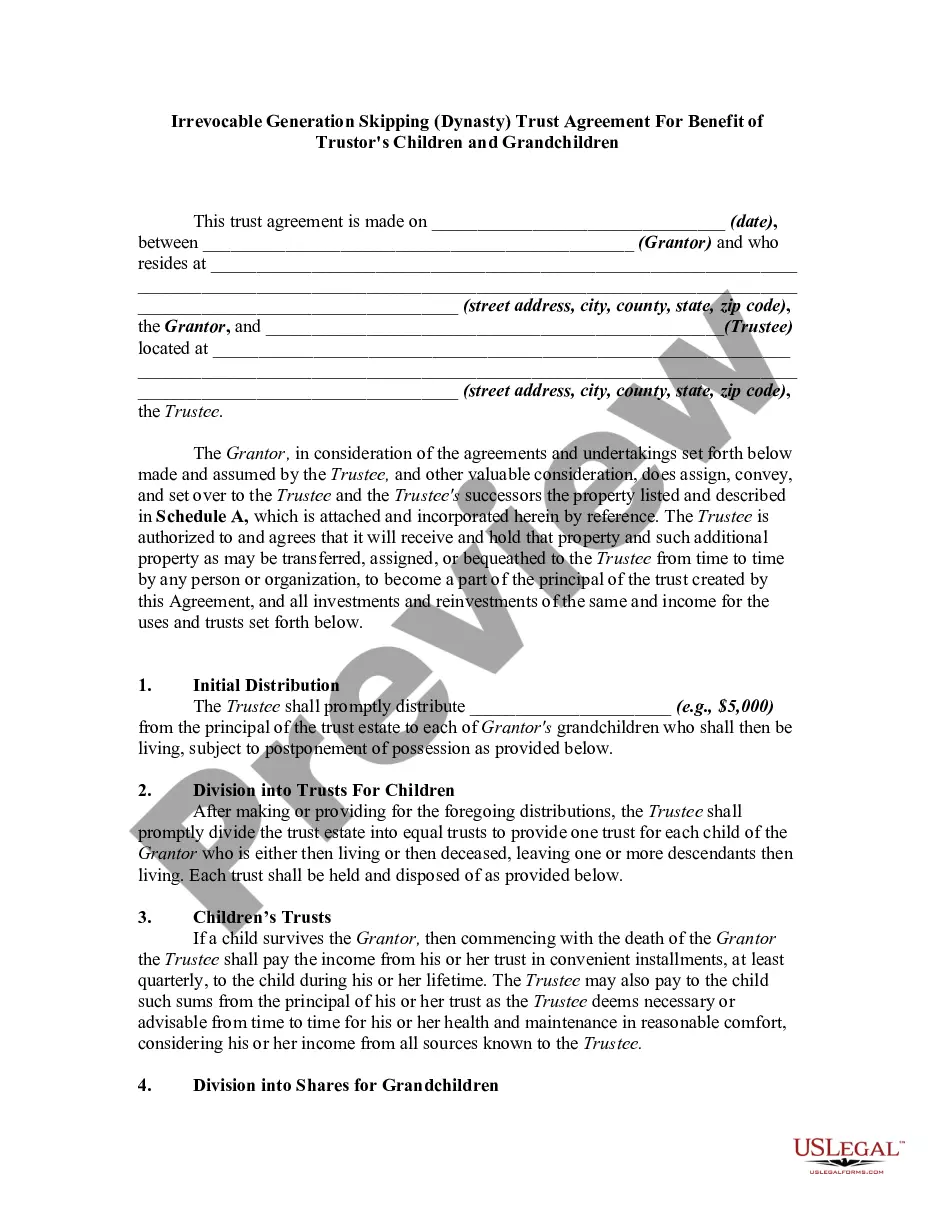
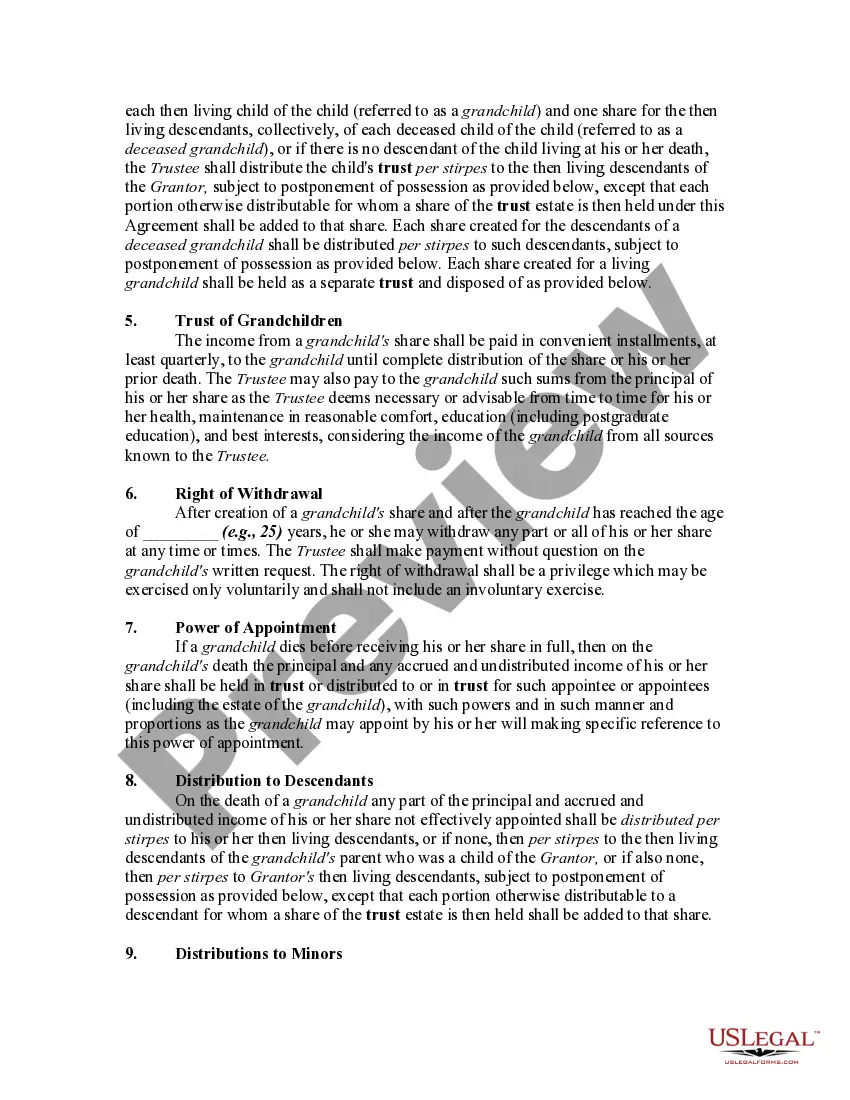
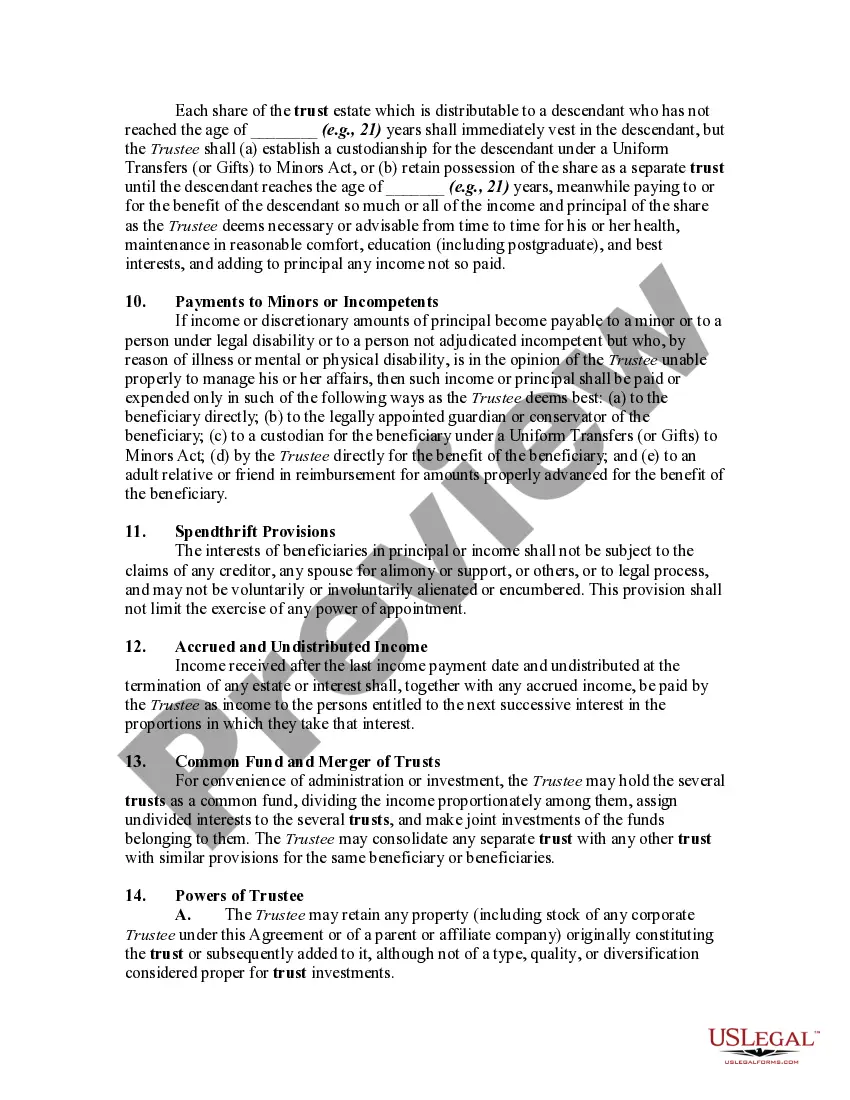
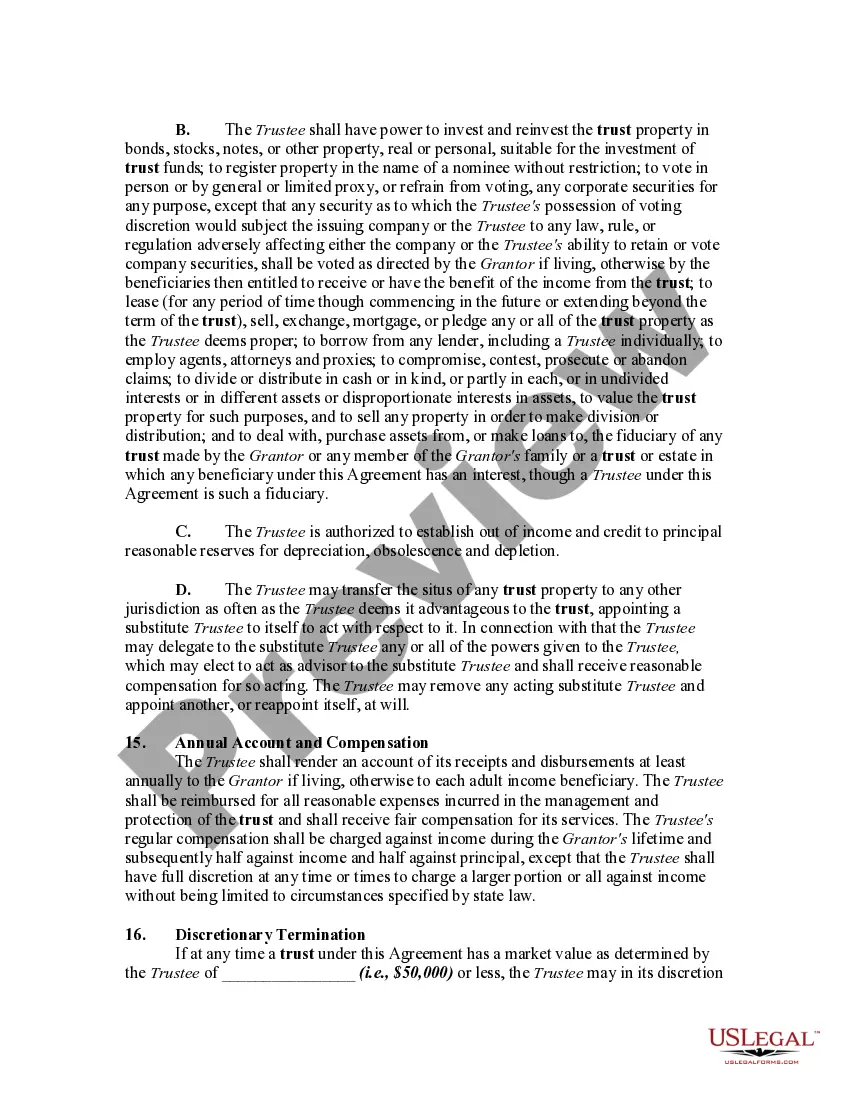
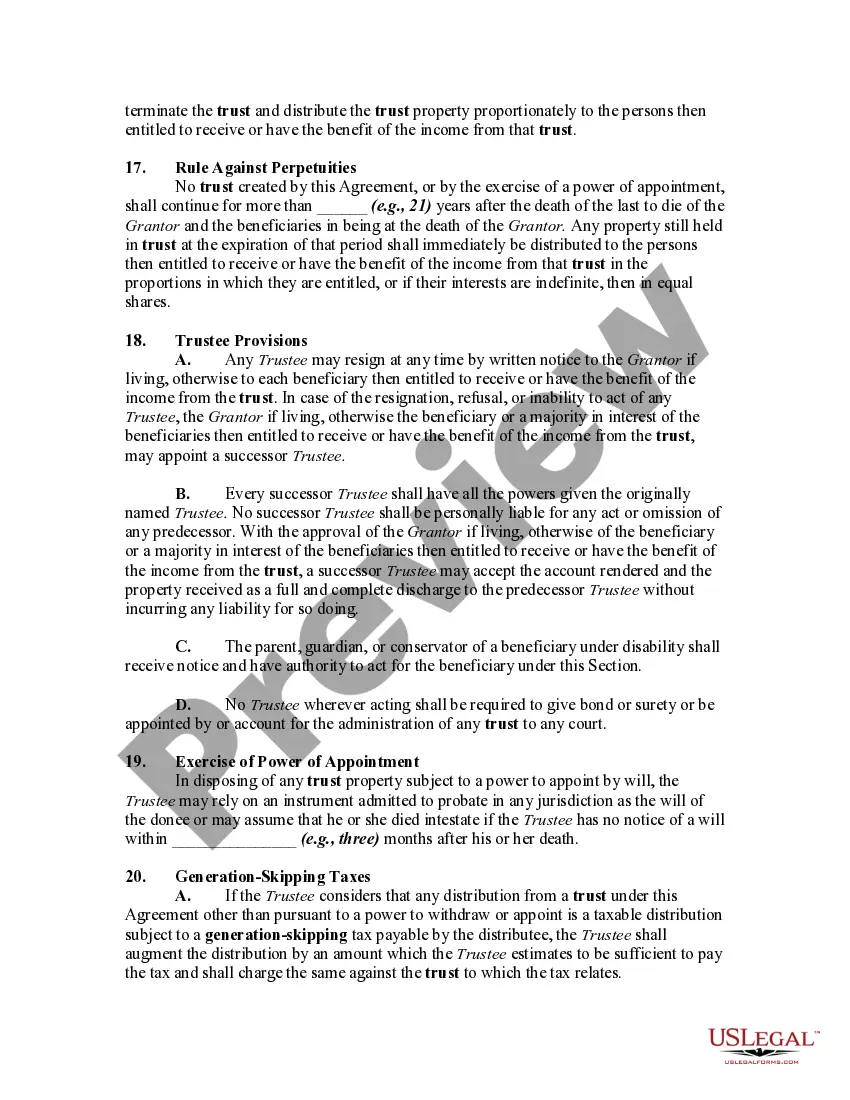
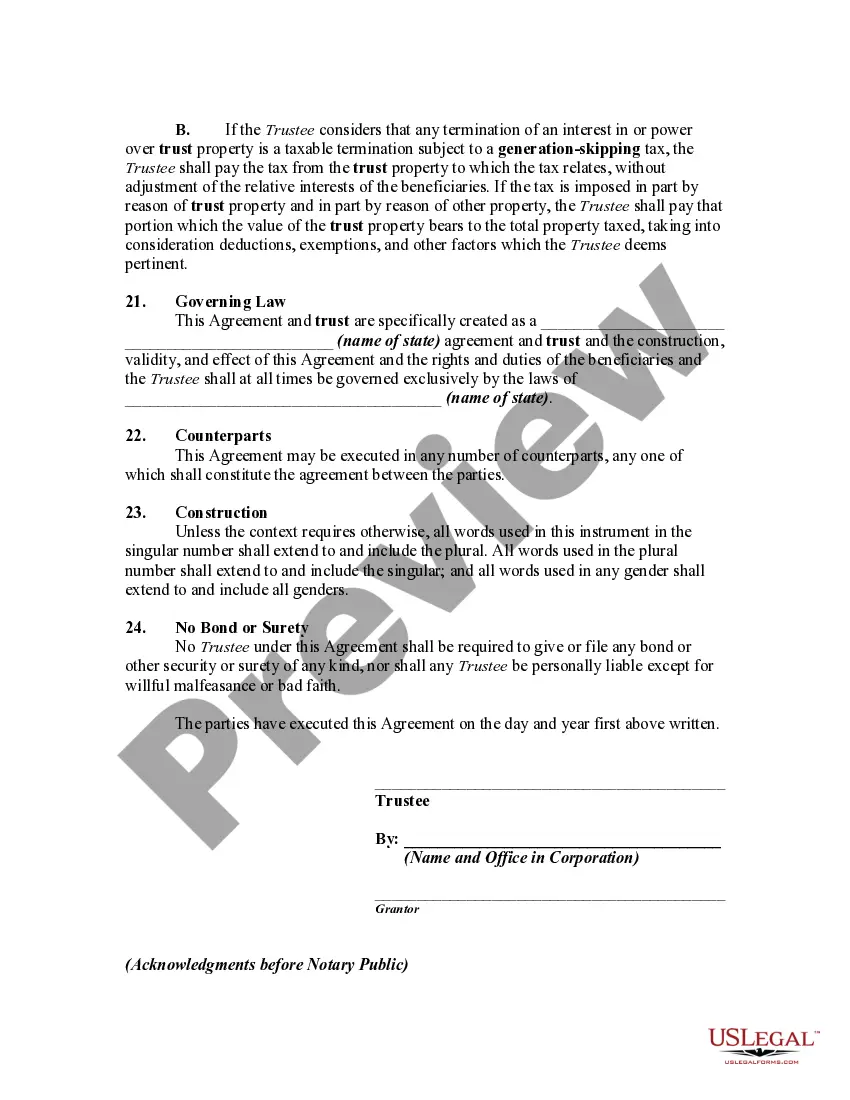
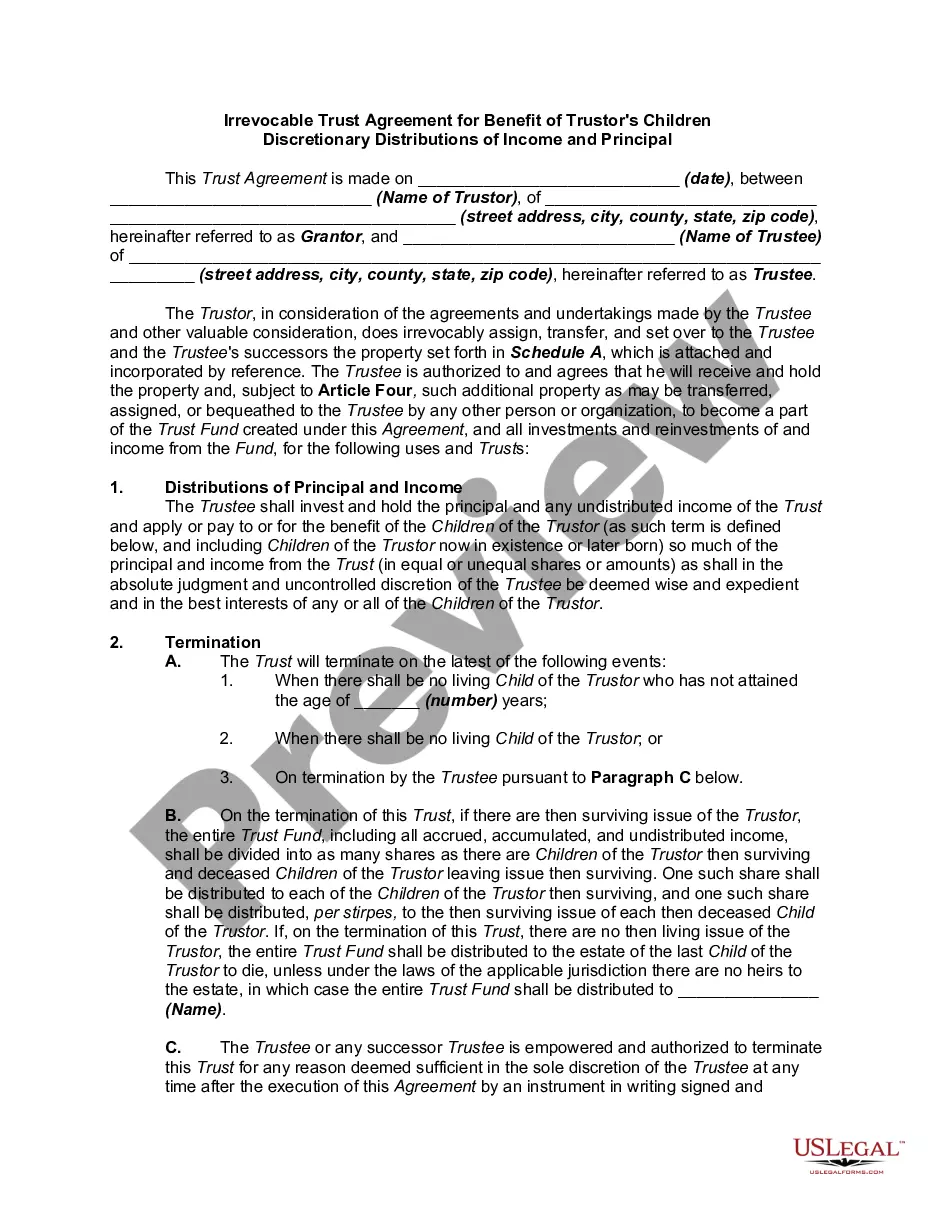
How to fill out Irrevocable Generation Skipping Or Dynasty Trust Agreement For Benefit Of Trustor's Children And Grandchildren?
It’s well known that you cannot transform into a legal expert instantly, nor can you master the swift preparation of Generation-skipping Transfer Tax For 529 without possessing a distinct set of competencies.
Compiling legal documents is an exhausting task that demands particular education and talents. Therefore, why not entrust the preparation of the Generation-skipping Transfer Tax For 529 to the experts.
With US Legal Forms, one of the most extensive legal template repositories, you can discover anything from court documents to templates for corporate internal communications.
Select Buy now. After the payment is processed, you can acquire the Generation-skipping Transfer Tax For 529, fill it out, print it, and either deliver it in person or mail it to the appropriate individuals or organizations.
You can regain access to your documents from the My documents section at any time. If you are an existing client, simply Log In, and find and download the template from the same section.
- Initiate your journey with our platform and obtain the document you require in just a few minutes.
- Find the form you are looking for by utilizing the search bar at the top of the page.
- Preview it (if this option is available) and review the accompanying description to ascertain whether Generation-skipping Transfer Tax For 529 is what you need.
- If you require any other template, restart your search.
- Create a free account and choose a subscription plan to purchase the template.
Form popularity
FAQ
Yes, changing ownership of a 529 plan can count as a gift, especially under the Generation-skipping transfer tax for 529 guidelines. If the new owner is a family member or is not the original owner, this change may trigger gift tax implications. It’s vital to be aware of the current tax laws and filing requirements to avoid any surprises. Consulting uslegalforms can provide additional insights and help you understand the legal requirements of this process.
A trustee to trustee transfer of a 529 plan is generally not taxable. This means that as long as you adhere to the regulations surrounding this process, the Generation-skipping transfer tax for 529 should not apply. It’s simpler because the funds go directly from one trustee to another without passing through the beneficiary’s hands. However, proper documentation is essential to ensure compliance and avoid potential challenges.
If your 529 contributions exceed the annual exclusion amount, you will need to file a gift tax return using Form 709. This filing relates closely to the Generation-skipping transfer tax for 529. Even if you owe no tax, reporting your contributions helps maintain clarity in your financial records. For detailed processes and exceptions, a tax advisor or resources like uslegalforms can be beneficial.
Yes, transferring ownership of a 529 plan may lead to gift tax considerations, especially connected to the Generation-skipping transfer tax for 529. If the new owner is considered a different taxpayer, this may count as a taxable gift. Consequently, it’s advisable to document the transfer properly and report it on your gift tax returns if necessary. Seeking advice from a tax professional can provide more tailored guidance.
A 529 rollover involves moving funds from one 529 plan to another for the same beneficiary, while a transfer changes the beneficiary of the existing plan and stays within the same account. Regarding the Generation-skipping transfer tax for 529, both processes can have unique tax implications. Rollover typically requires less scrutiny than changing beneficiaries, so understanding these distinctions is crucial for effective planning.
Changing the owner of a 529 plan may have tax implications, particularly regarding the Generation-skipping transfer tax for 529. If the change is viewed as a gift, it may require filing Form 709. However, transferring ownership under certain conditions may not trigger taxes. Always consult a tax advisor to understand the full impact on your financial strategy.
Yes, you can file Form 709, which handles your gift tax obligations, separately from your tax return. This is important because the Generation-skipping transfer tax for 529 impacts how you report contributions to such plans. Be sure to complete Form 709 by the deadline to avoid penalties. If you're unsure, consulting a tax professional may help clarify your specific situation.
Yes, a 529 account can be passed down through generations. For instance, a parent can transfer their 529 plan to their child or grandchild, allowing for continued educational funding. However, it's essential to consider the generation-skipping transfer tax for 529 when making such transfers. USLegalForms offers resources to simplify the transfer process and ensure compliance with tax regulations.
Yes, a 529 plan can skip a generation when a grandparent directly funds the account for their grandchild. This type of funding may trigger the generation-skipping transfer tax for 529 if the contribution surpasses the annual exemption limit. Understanding this possibility will prepare you for any tax implications. Planning ahead ensures that you maximize educational funding while minimizing tax burdens.
An example of generation skipping tax occurs when a parent leaves assets to their child, but those assets are instead passed directly to a grandchild. This circumvents the parent and incurs generation-skipping transfer tax. Recognizing such scenarios can help you better plan your estate. Properly utilizing a 529 plan can also help mitigate some tax liabilities.