Dynasty Trusts For The World
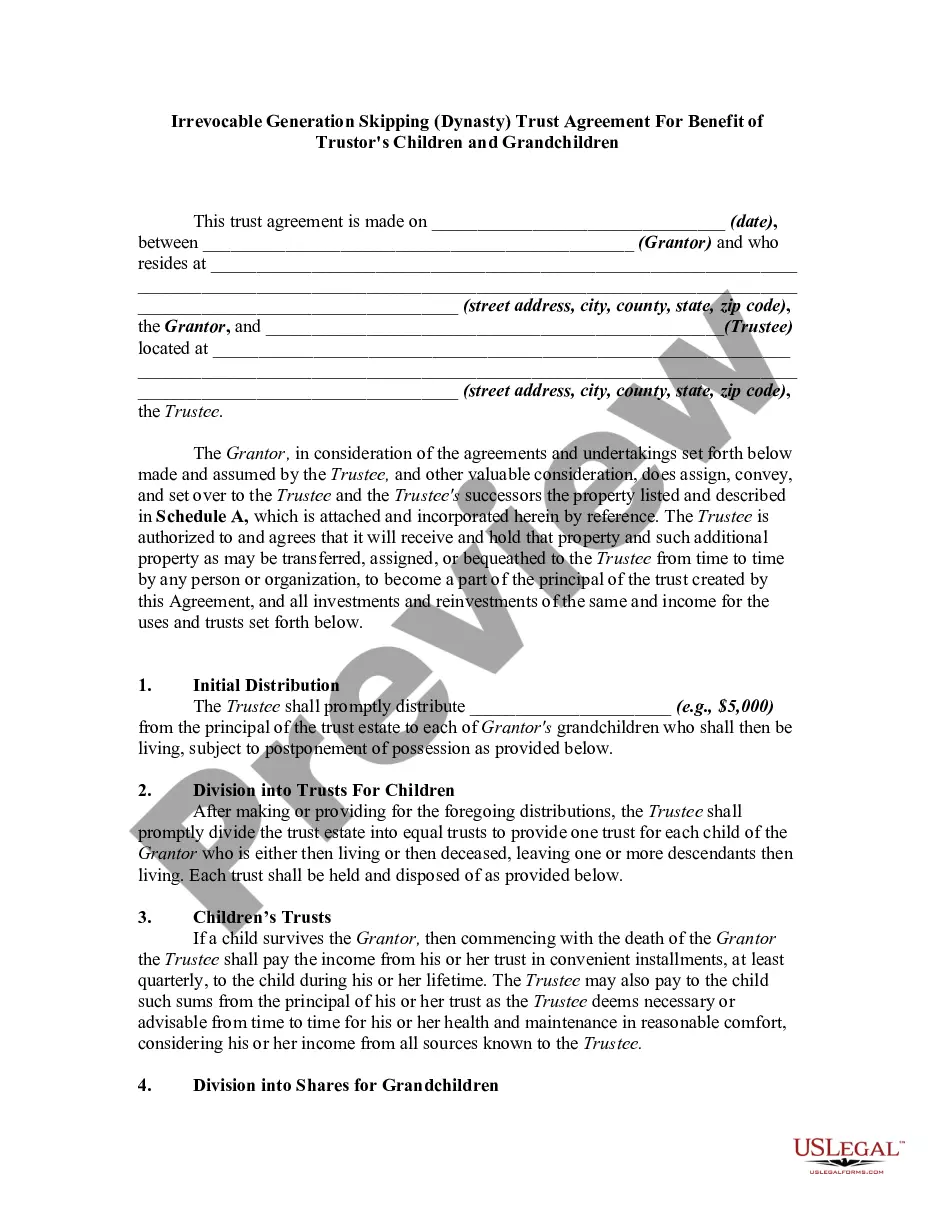
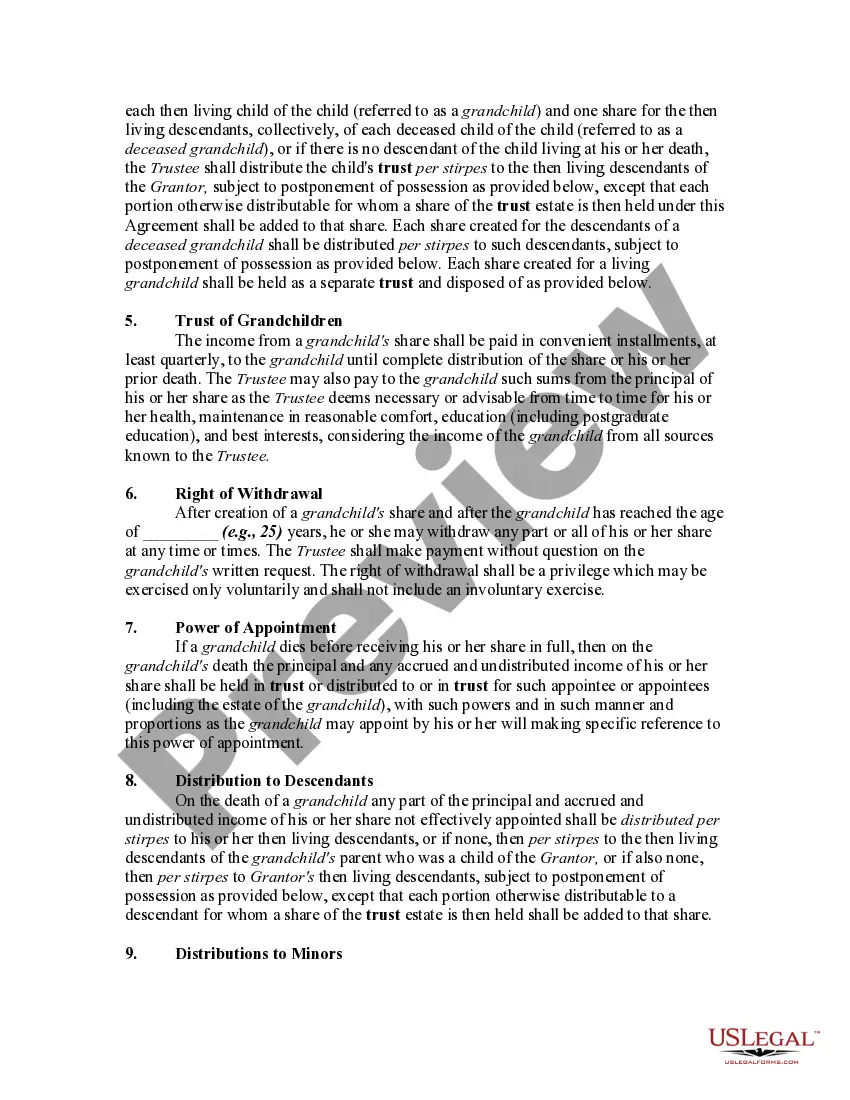
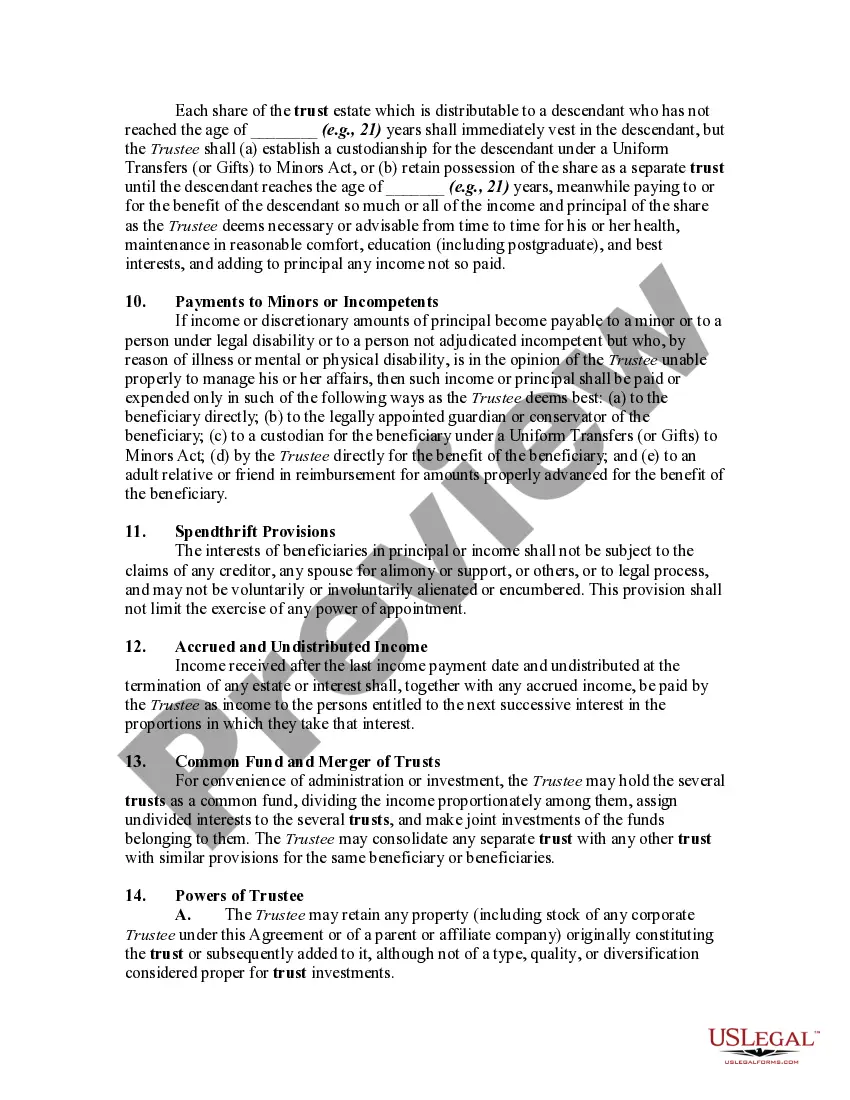
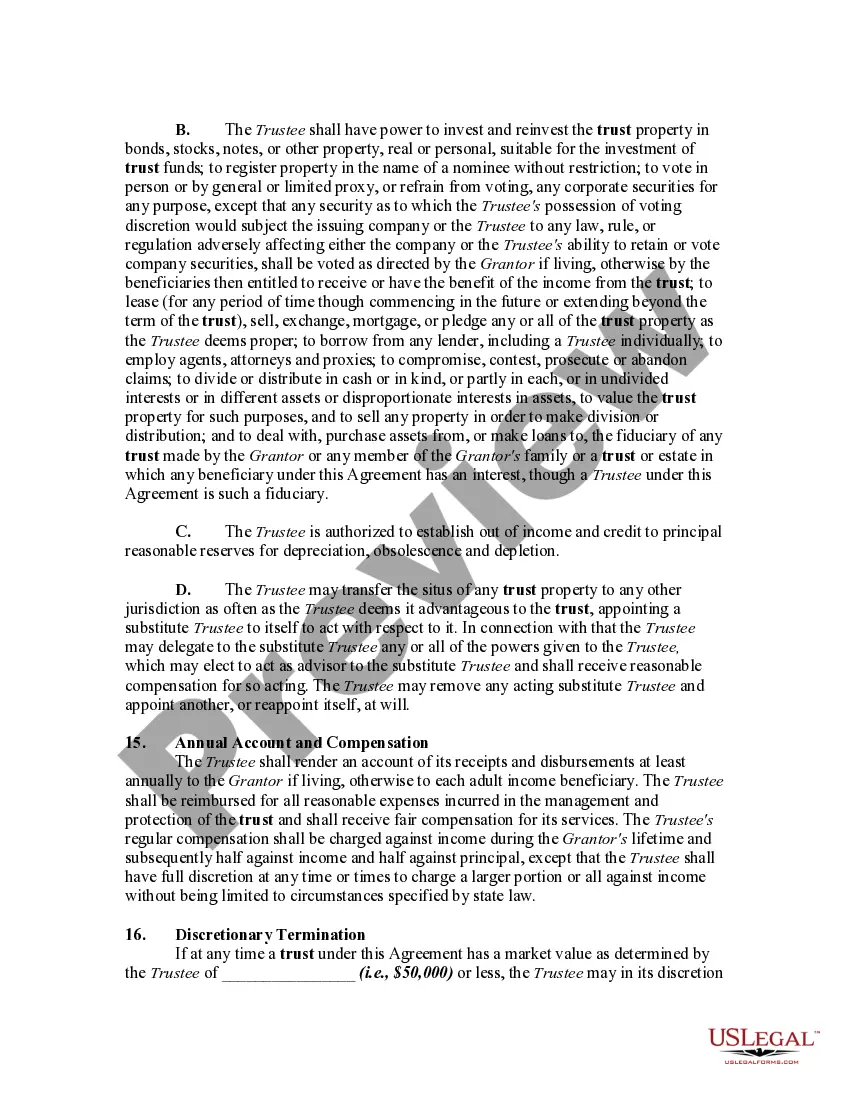
Description


Get your form ready online
Our built-in tools help you complete, sign, share, and store your documents in one place.
Make edits, fill in missing information, and update formatting in US Legal Forms—just like you would in MS Word.
Download a copy, print it, send it by email, or mail it via USPS—whatever works best for your next step.
Sign and collect signatures with our SignNow integration. Send to multiple recipients, set reminders, and more. Go Premium to unlock E-Sign.
If this form requires notarization, complete it online through a secure video call—no need to meet a notary in person or wait for an appointment.
We protect your documents and personal data by following strict security and privacy standards.

Make edits, fill in missing information, and update formatting in US Legal Forms—just like you would in MS Word.

Download a copy, print it, send it by email, or mail it via USPS—whatever works best for your next step.

Sign and collect signatures with our SignNow integration. Send to multiple recipients, set reminders, and more. Go Premium to unlock E-Sign.

If this form requires notarization, complete it online through a secure video call—no need to meet a notary in person or wait for an appointment.

We protect your documents and personal data by following strict security and privacy standards.
Looking for another form?


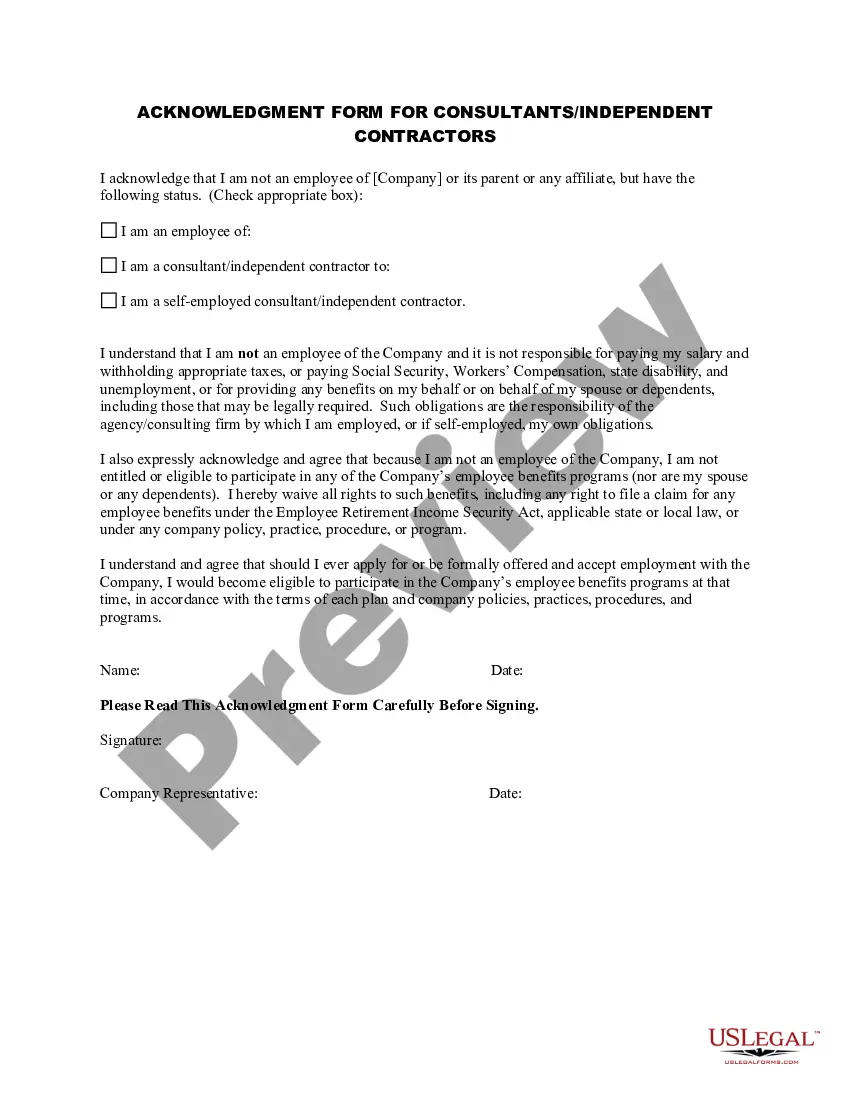


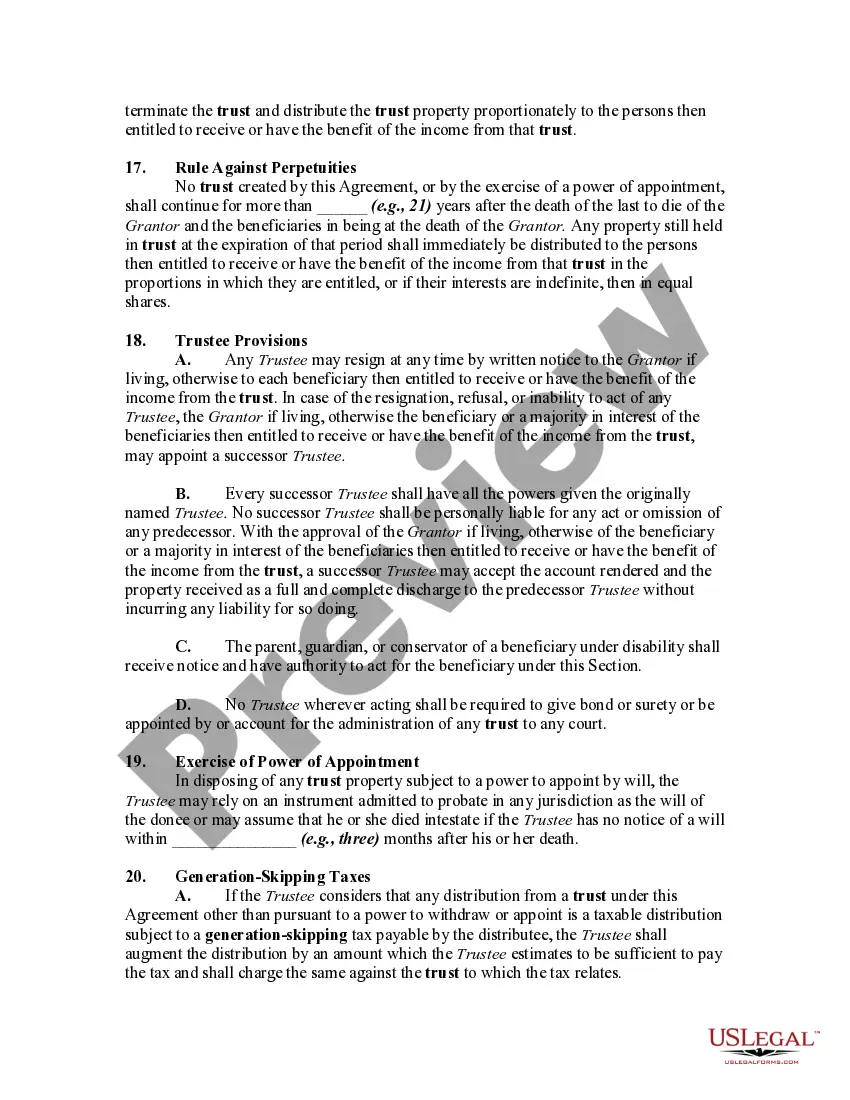
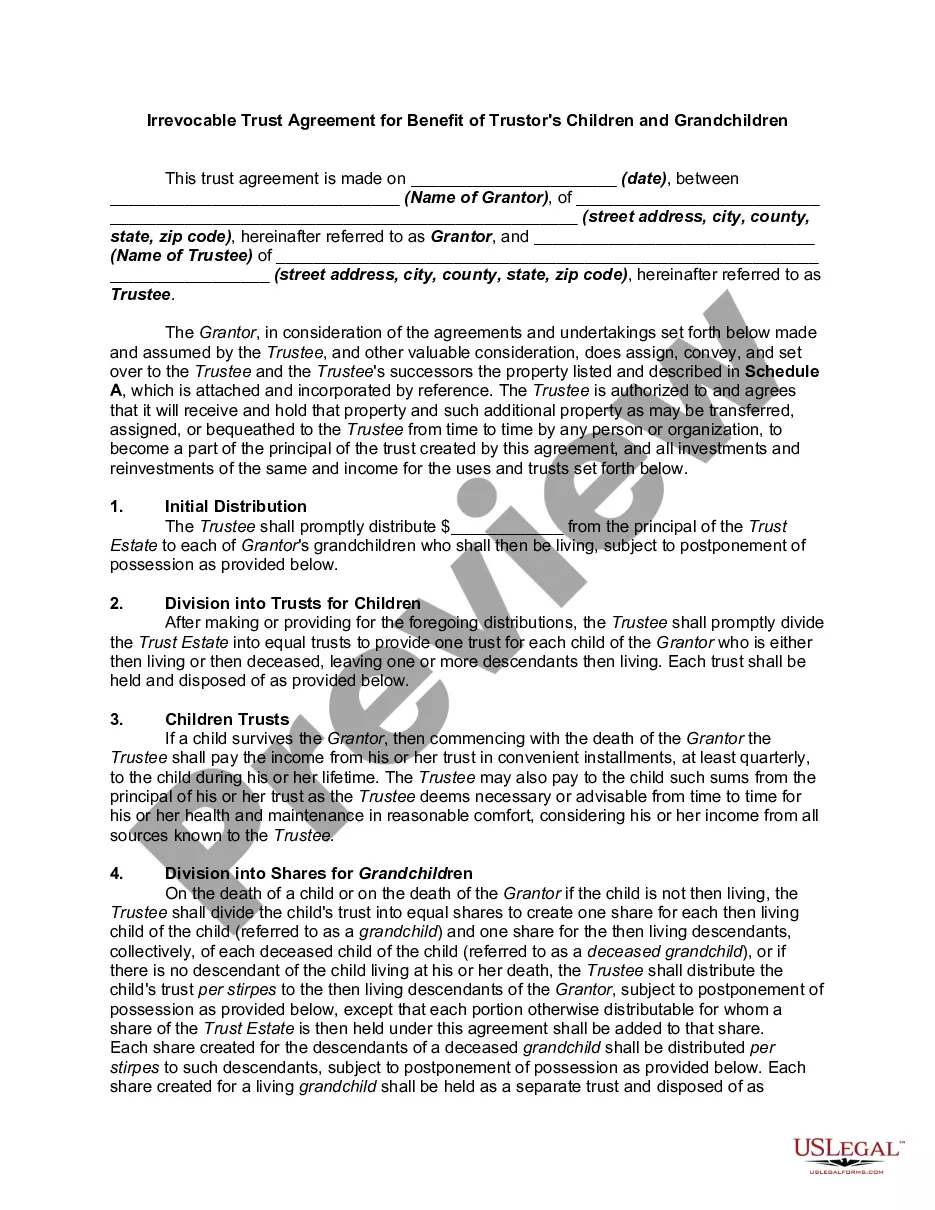
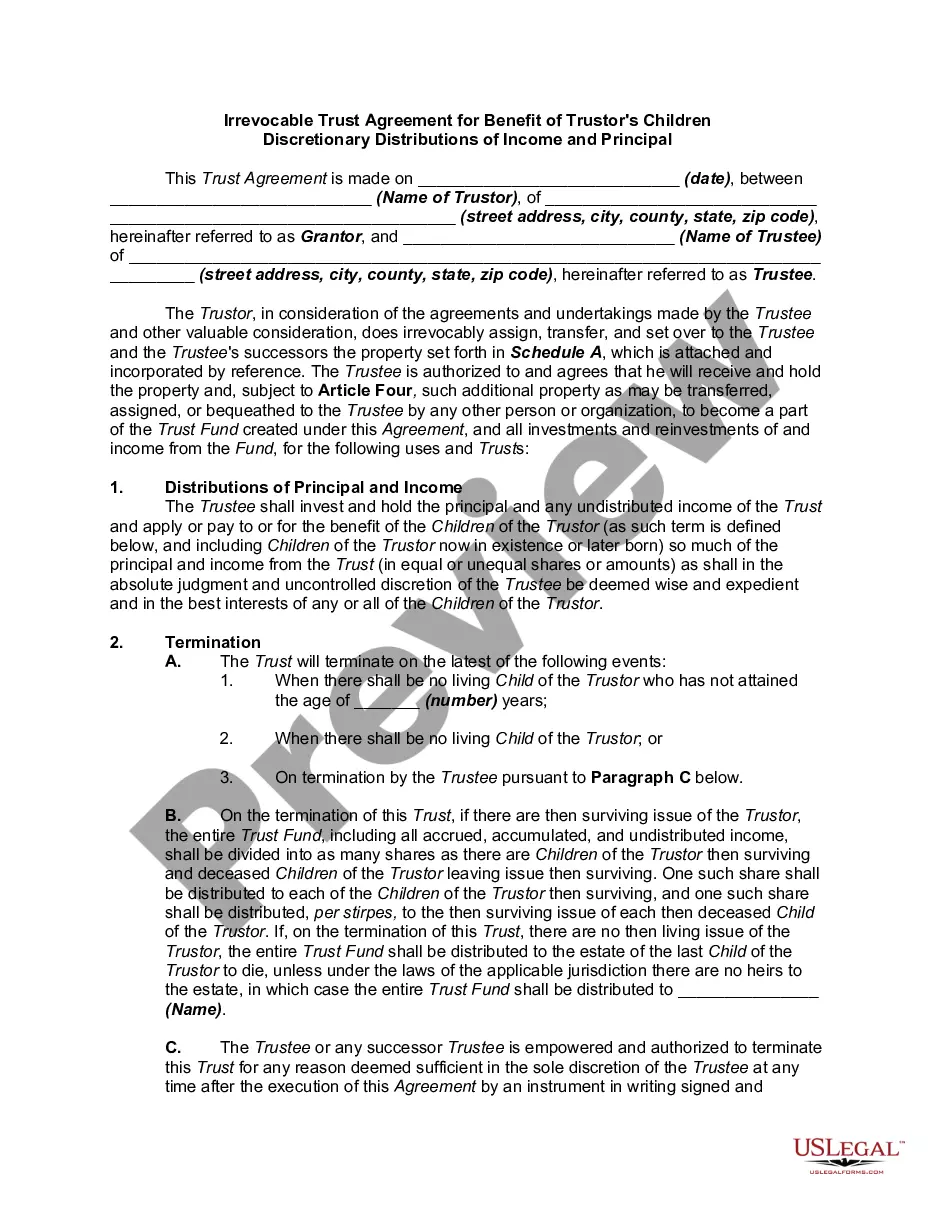
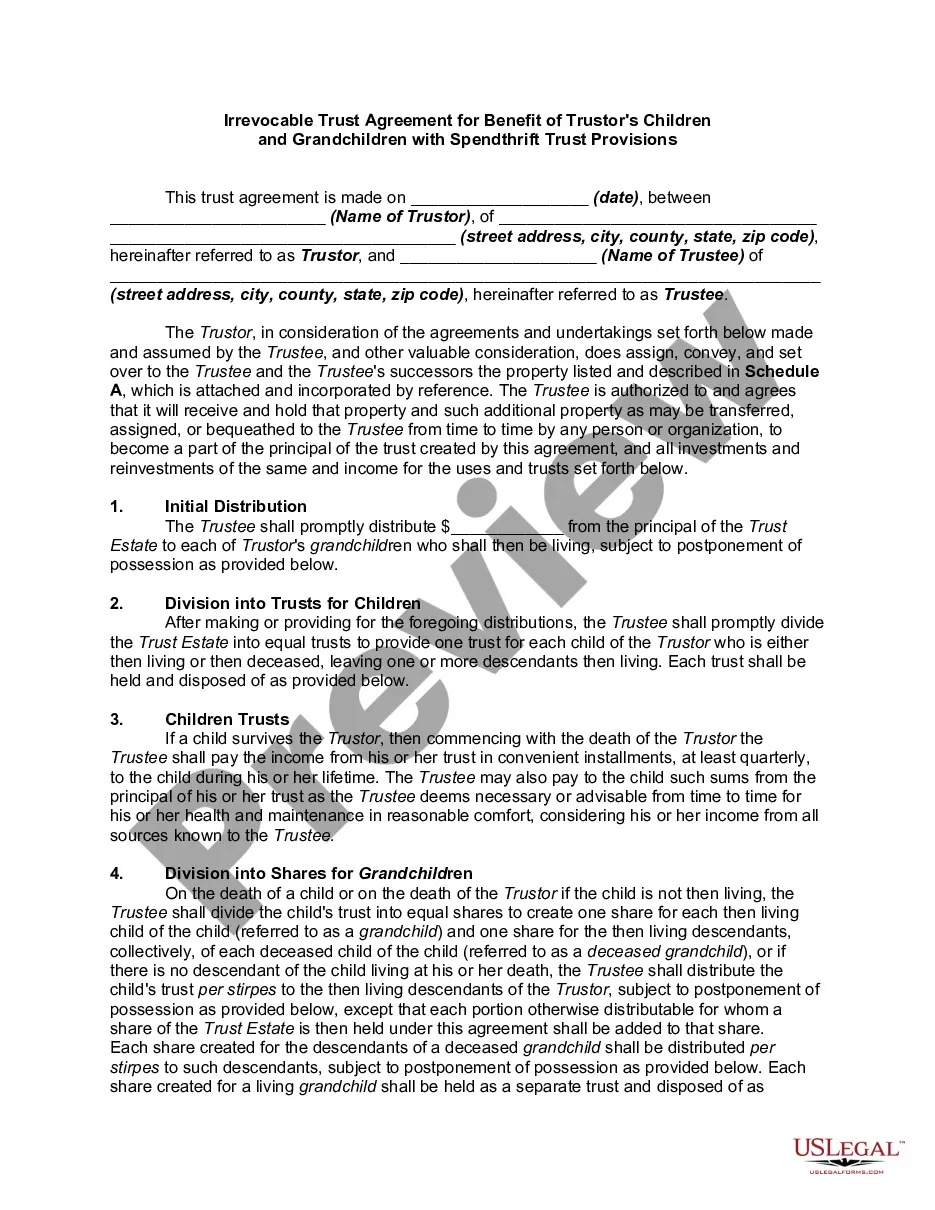
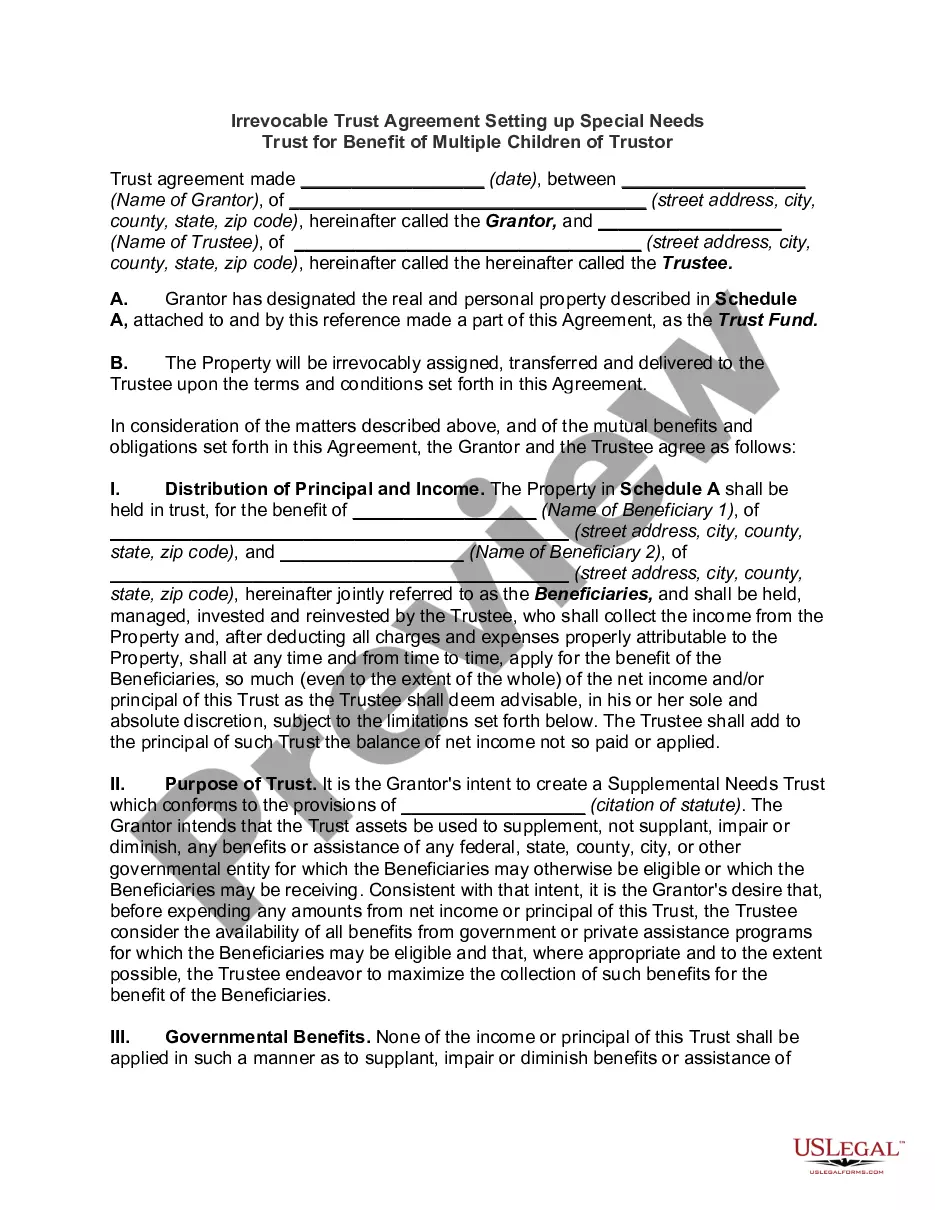
How to fill out Irrevocable Generation Skipping Or Dynasty Trust Agreement For Benefit Of Trustor's Children And Grandchildren?
- If you’re a returning user, log into your account and directly download the necessary form template by clicking the Download button. Ensure your subscription is active; if not, renew it as per your payment plan.
- For first-time users, begin by reviewing the preview mode and form descriptions. Confirm that the selected document fits your needs and complies with local jurisdiction requirements.
- If you find any discrepancies, utilize the Search tab to locate an alternative template. Proceed if it meets your requirements.
- Purchase the document by clicking on the Buy Now button and select your preferred subscription plan. You will need to create an account to access the library's resources.
- Complete your payment using either your credit card or PayPal account to finalize the subscription.
- Download your chosen form and save it to your device. You can easily access it later in the My Forms section of your profile.
By following these straightforward steps, you can efficiently access the legal forms you need. US Legal Forms offers a vast collection of over 85,000 fillable forms, making the process easier than ever.
Start your legal documentation journey today and experience the benefits of US Legal Forms for yourself!
Form popularity
FAQ
The primary difference lies in how long the trust can last and its intended purpose. A dynasty trust can last for many generations, allowing wealth to be preserved over time, while a regular trust usually has a specified termination date. Furthermore, dynasty trusts address tax advantages that benefit future generations, making them ideal for long-term planning. For more detailed options, explore US Legal Forms.
Typically, a dynasty trust pays its own taxes on income generated within the trust. If the trust earns income that is not distributed, the trust itself files and pays taxes. However, if the trust makes distributions to beneficiaries, they may need to report that income on their tax returns. For tailored guidance on this, US Legal Forms provides helpful resources to assist you.
In general, the trust itself is responsible for paying taxes on any income it generates. This means that if you establish a dynasty trust, the trust will report its income to the IRS. However, beneficiaries also have tax responsibilities when they receive distributions from the trust. Consulting US Legal Forms can help clarify these obligations and ensure compliance.
While dynasty trusts offer long-term benefits, they can come with downsides. For instance, they might incur significant setup costs and require ongoing management and oversight. Additionally, if not structured properly, they can lead to complications with tax laws and regulations. It’s essential to understand all implications, and using a resource like US Legal Forms can help you navigate these potential issues effectively.
The Rockefellers believed in the importance of philanthropy, family cohesion, and financial stewardship. They emphasized the significance of responsible wealth management and its impact on future generations. This philosophy led to the establishment of trusts that effectively safeguarded their financial legacy. By adopting such principles, modern families can similarly secure their wealth and values for the coming years.
The Rockefeller trust's worth has grown immensely since its inception, now holding billions of dollars in assets. This growth illustrates the power of dynasty trusts in preserving and increasing family wealth over time. While the specific value can fluctuate with market changes, its historical significance is undeniable. Families looking to learn from such examples can explore establishing their dynasty trusts for the world.
Rockefeller primarily established irrevocable trusts, which are a form of dynasty trust. These trusts ensured that the wealth could not be altered or revoked, providing stability for future generations. The structure of such trusts allowed him to effectively manage resources while minimizing his estate tax obligations. It illustrates how families can strategically approach their wealth management.
Dynasty trusts can be exceptionally worth it for families seeking to preserve wealth over generations. They help to protect assets from taxes, divorce, and creditors, creating a secure financial environment. Additionally, they offer flexibility in distributing funds and assets according to the family's wishes. For those looking to establish long-term financial security, considering dynasty trusts for the world is an intelligent move.
The Rockefellers utilized a dynasty trust to maintain their wealth across multiple generations. This type of trust allowed them to manage their assets while minimizing taxes and maximizing their legacy. Such structures are integral for families aiming to secure their financial future. If you're interested in similar options, exploring dynasty trusts for the world is a great starting point.
Yes, dynasty trusts are still legal in many states across the United States. They provide significant benefits for preserving wealth across generations. Many families use these trusts to avoid estate taxes and protect assets from creditors. Understanding the laws in your state is essential, as regulations can vary.