Dynasty Trust Explained Foreign
Description
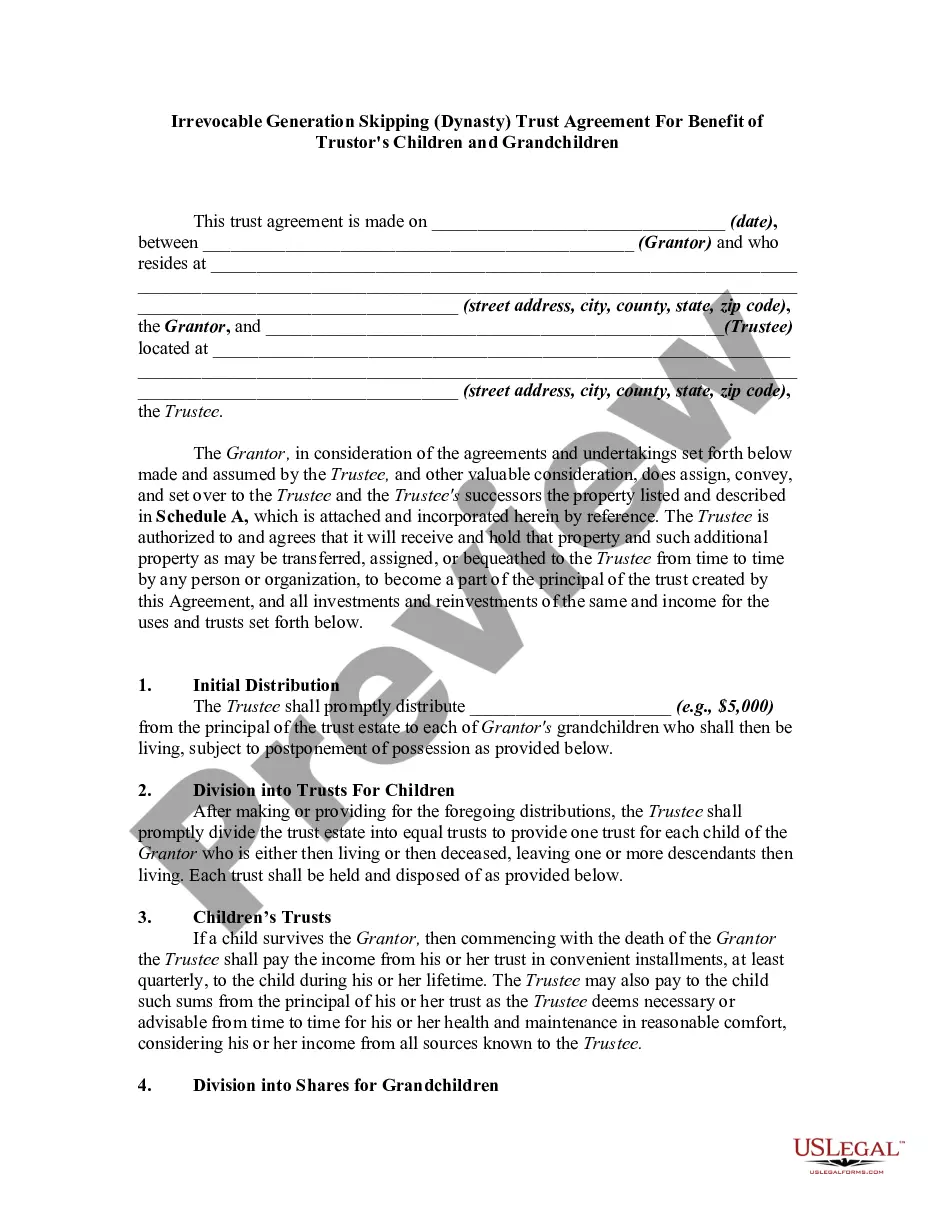
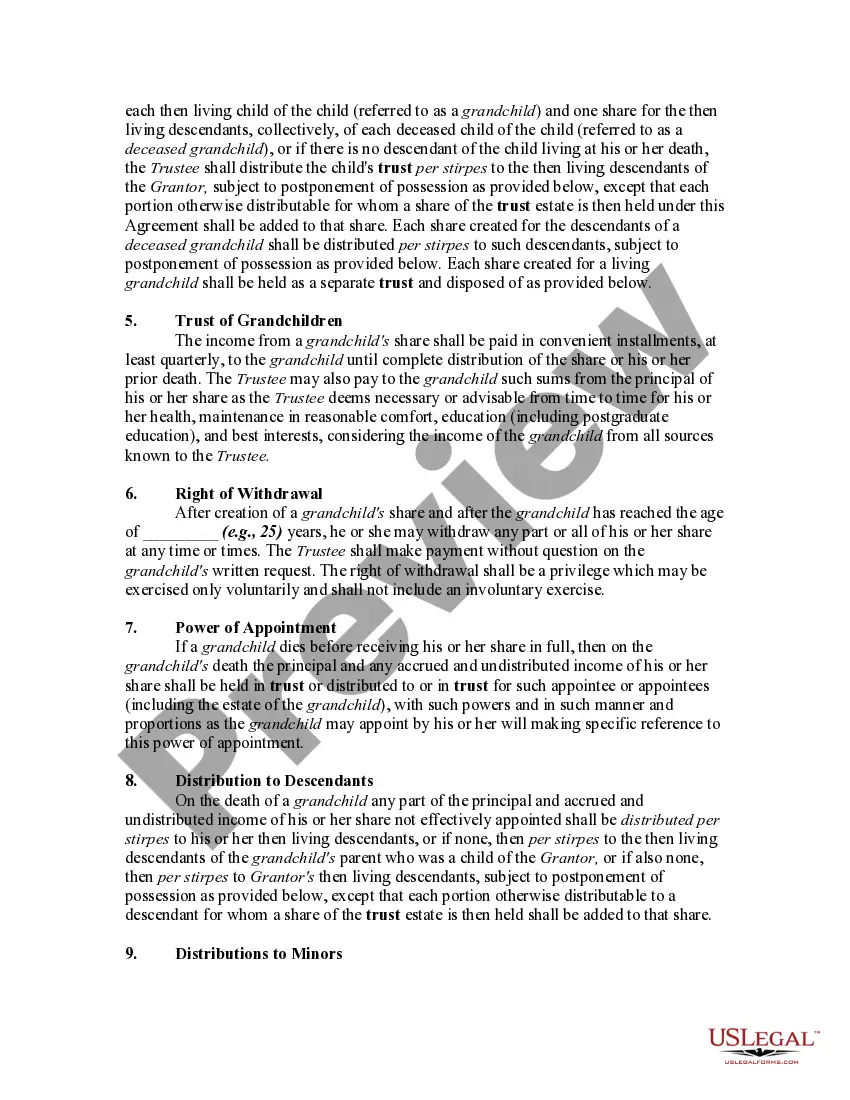
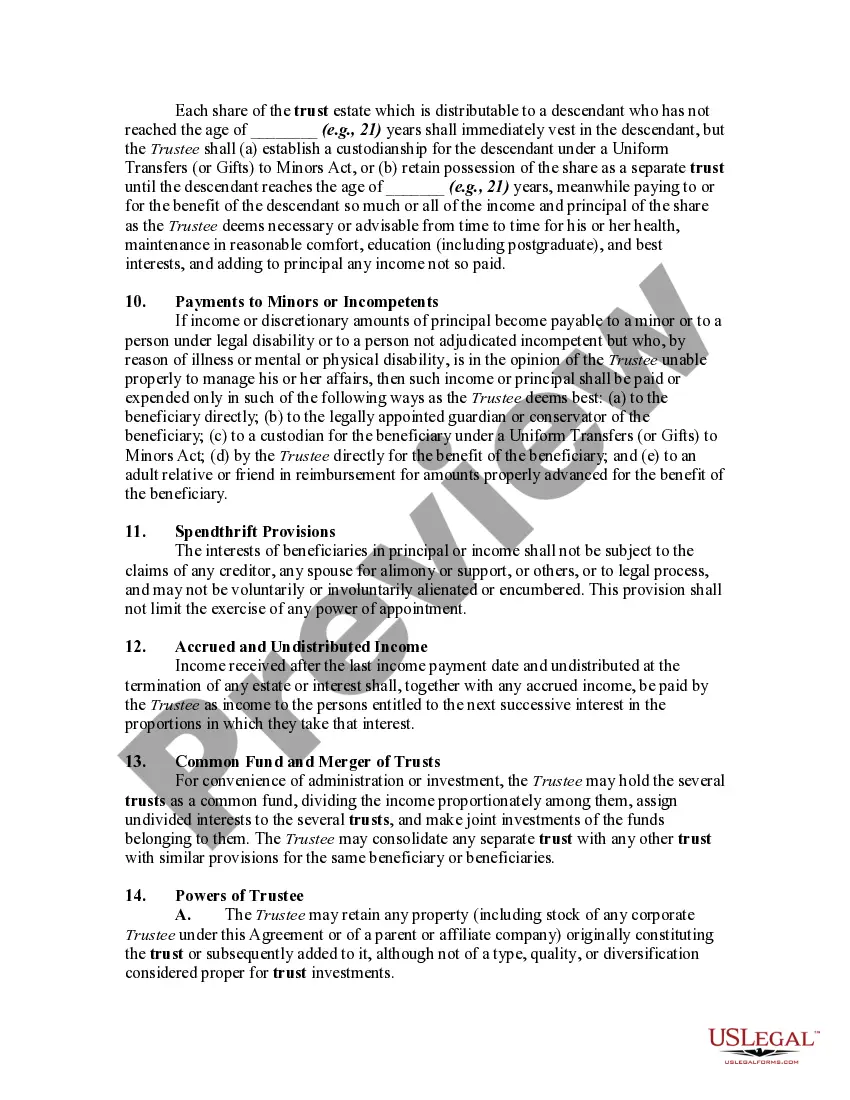
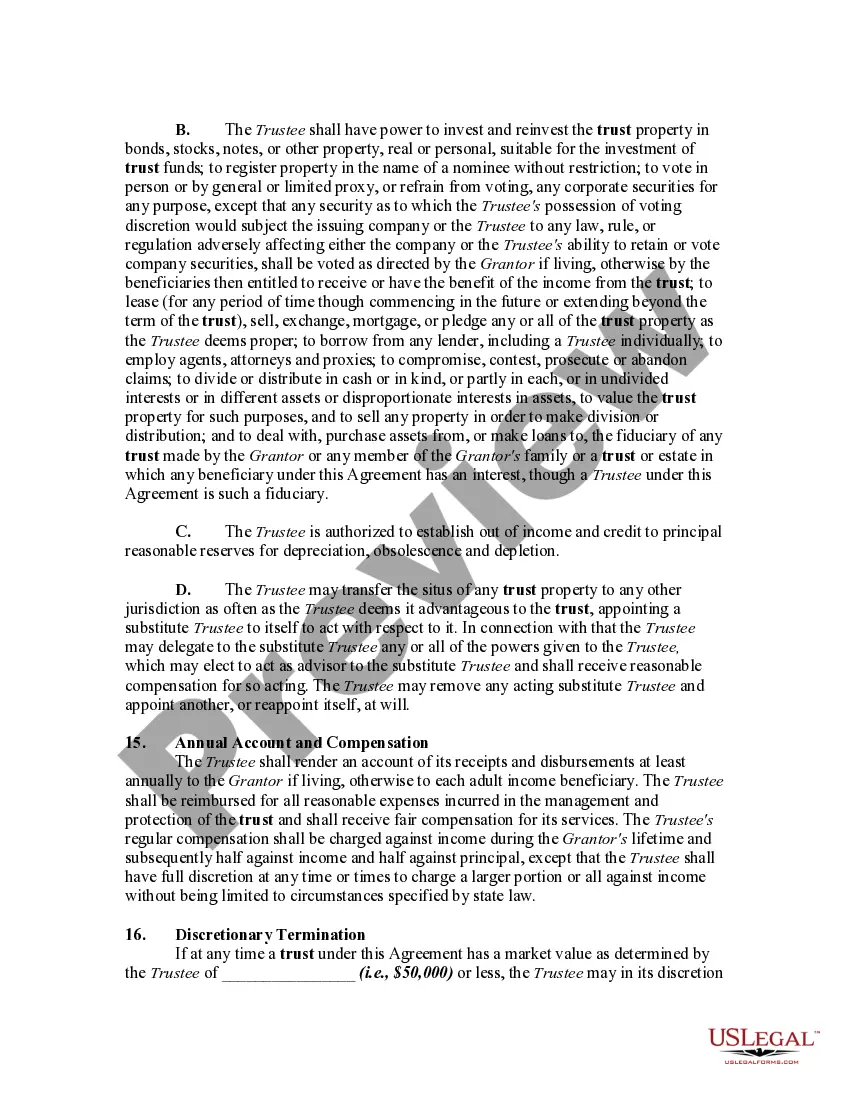
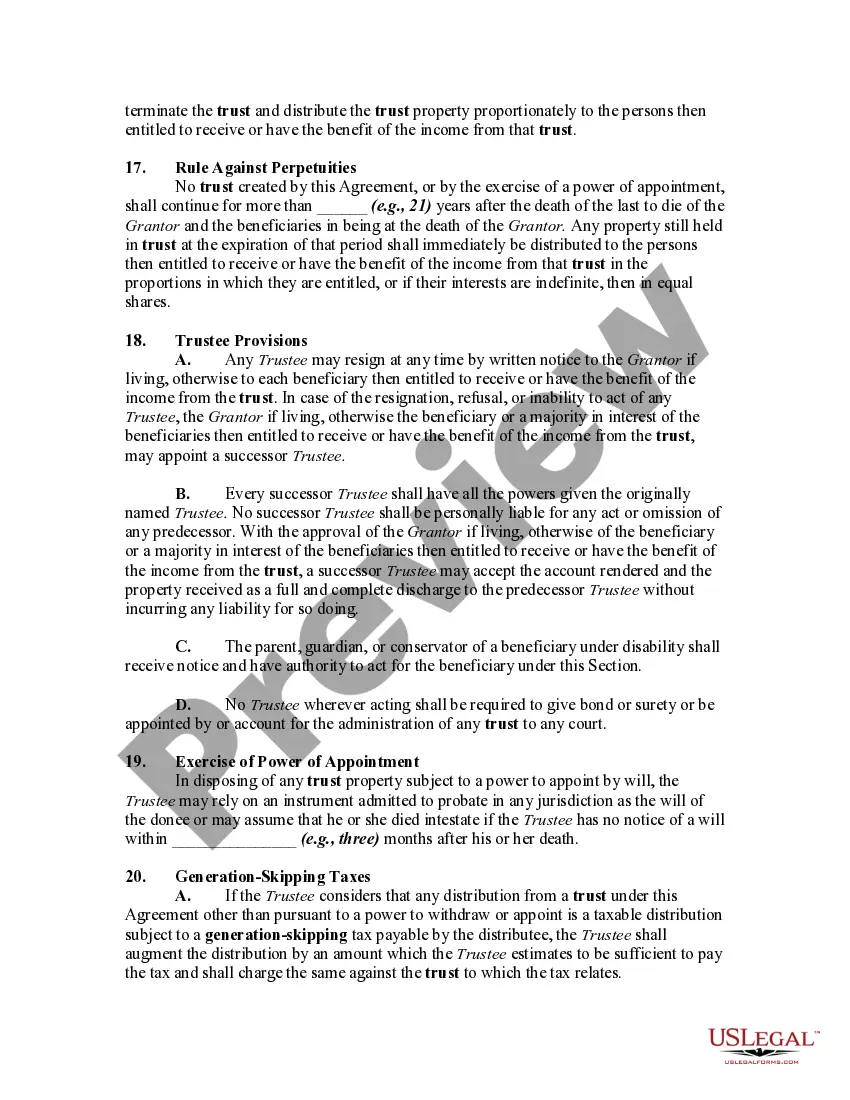
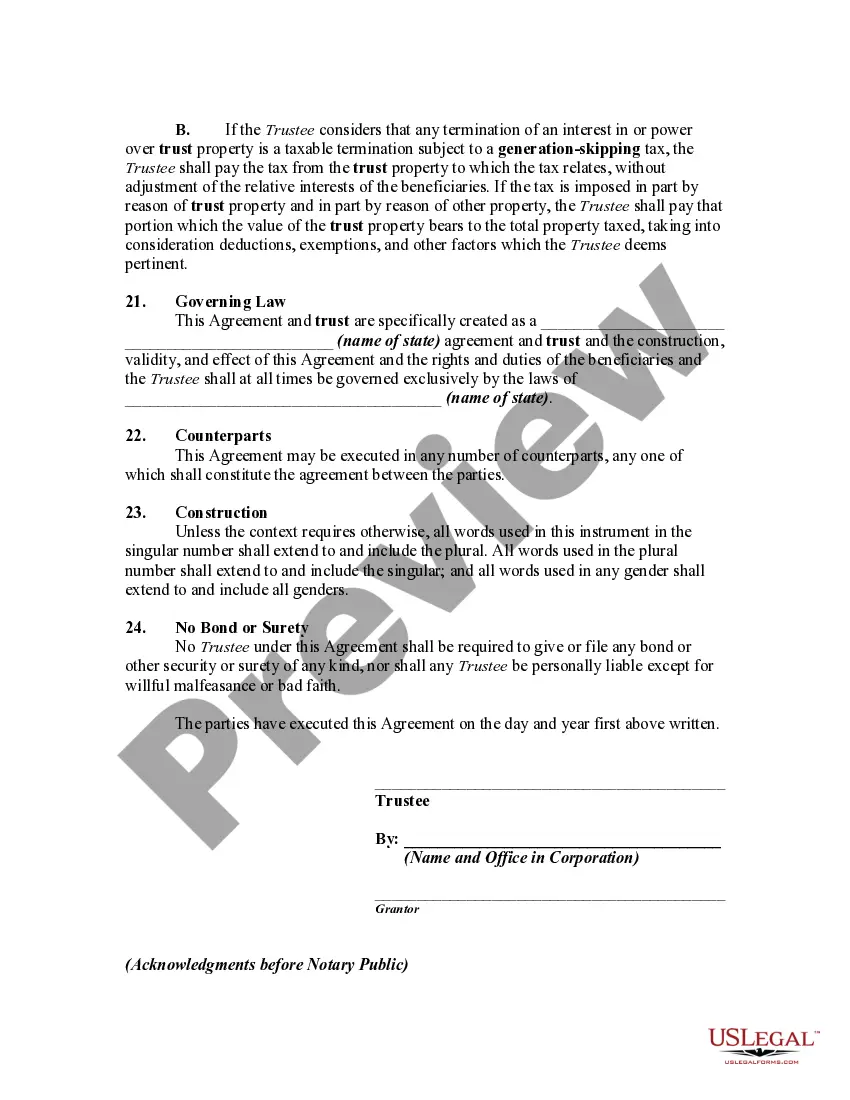


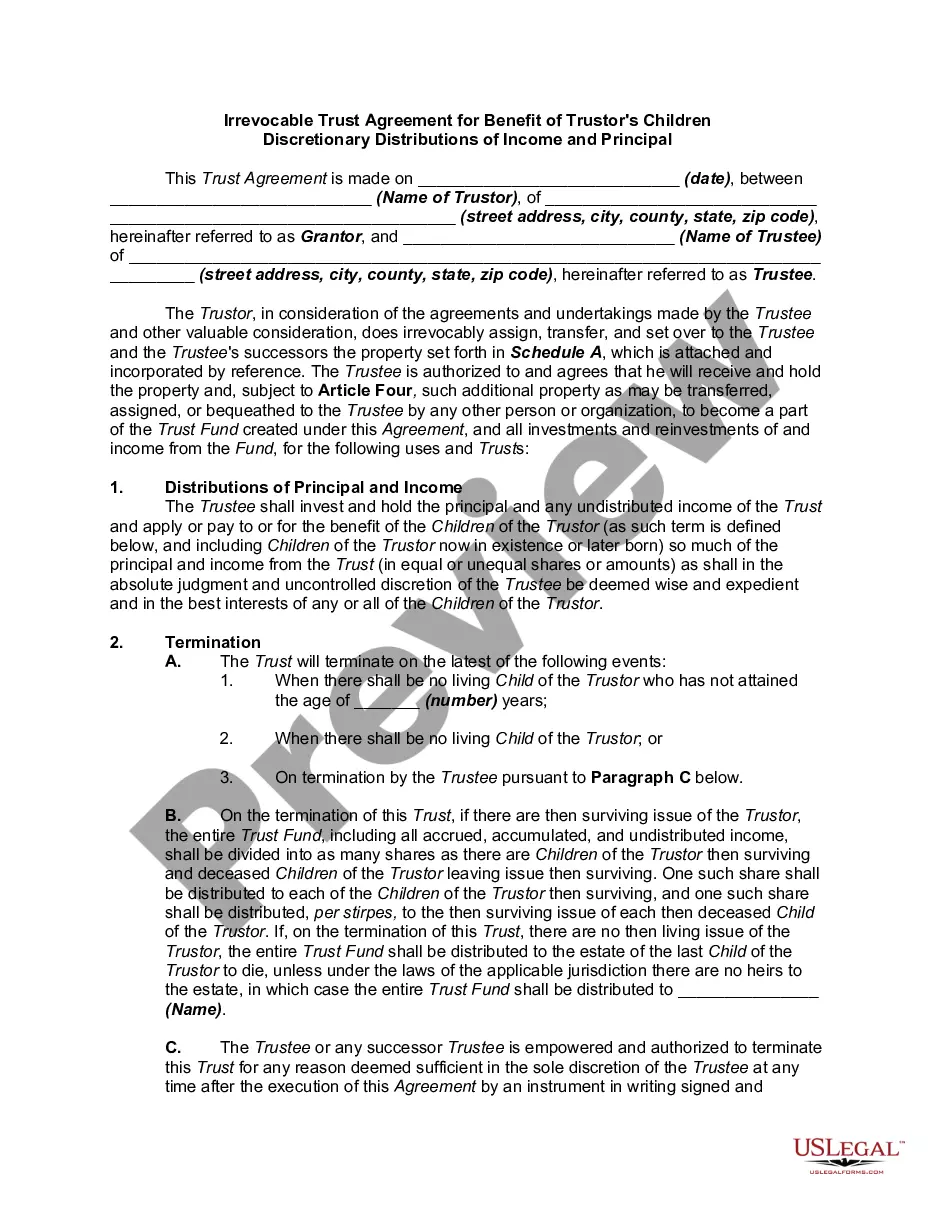
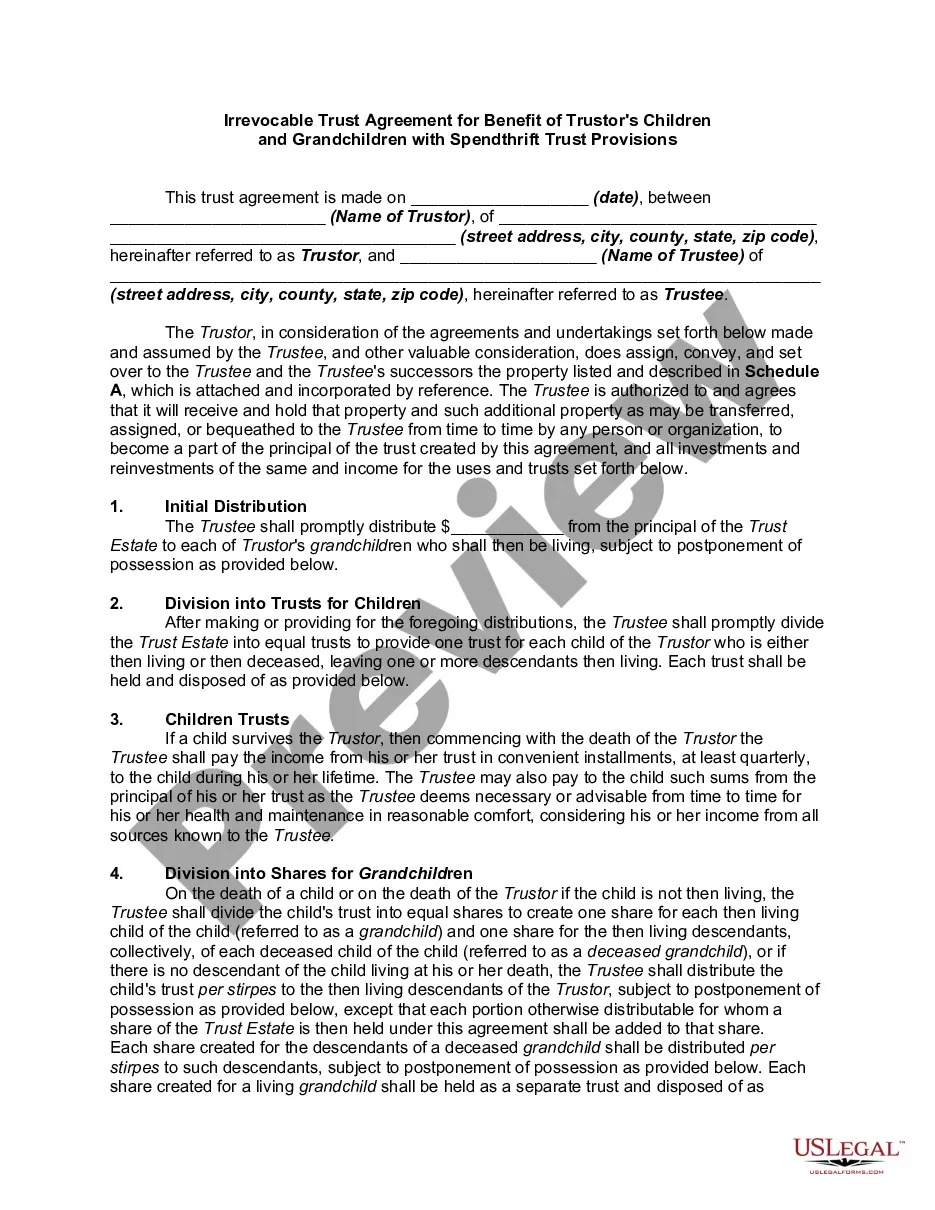

Get your form ready online
Our built-in tools help you complete, sign, share, and store your documents in one place.
Make edits, fill in missing information, and update formatting in US Legal Forms—just like you would in MS Word.
Download a copy, print it, send it by email, or mail it via USPS—whatever works best for your next step.
Sign and collect signatures with our SignNow integration. Send to multiple recipients, set reminders, and more. Go Premium to unlock E-Sign.
If this form requires notarization, complete it online through a secure video call—no need to meet a notary in person or wait for an appointment.
We protect your documents and personal data by following strict security and privacy standards.

Make edits, fill in missing information, and update formatting in US Legal Forms—just like you would in MS Word.

Download a copy, print it, send it by email, or mail it via USPS—whatever works best for your next step.

Sign and collect signatures with our SignNow integration. Send to multiple recipients, set reminders, and more. Go Premium to unlock E-Sign.

If this form requires notarization, complete it online through a secure video call—no need to meet a notary in person or wait for an appointment.

We protect your documents and personal data by following strict security and privacy standards.
Looking for another form?

How to fill out Irrevocable Generation Skipping Or Dynasty Trust Agreement For Benefit Of Trustor's Children And Grandchildren?
Dealing with legal documentation and processes can be a lengthy addition to your whole day.
Dynasty Trust Clarified Foreign and similar forms typically necessitate you to look for them and comprehend how to fill them out correctly.
Therefore, whether you are managing financial, legal, or personal issues, utilizing a comprehensive and user-friendly online repository of forms at your disposal will significantly help.
US Legal Forms is the leading online platform for legal documents, providing over 85,000 state-specific templates and various resources that will assist you in completing your paperwork with ease.
Is this your first time using US Legal Forms? Register and create your account in a matter of minutes and you will gain access to the form library and Dynasty Trust Clarified Foreign. After that, follow the steps outlined below to finalize your form.
- Browse the library of pertinent documents accessible with just one click.
- US Legal Forms supplies you with state- and county-specific forms available for download at any time.
- Protect your document management procedures by using a premium service that allows you to create any form in minutes without extra or hidden charges.
- Just Log In to your account, find Dynasty Trust Clarified Foreign and download it instantly in the My documents section.
- You can also retrieve previously downloaded forms.
Form popularity
FAQ
A trust is typically considered foreign if it is established under the laws of a country other than the United States, or if its governing law is that of another jurisdiction. This distinction can have important implications for tax purposes and for how the trust assets are treated legally. Understanding the nuances of trust classifications can be intricate, especially in relation to a dynasty trust explained foreign. Employing a reliable platform or professional expertise can help clarify these complexities for you.
The primary benefit of a dynasty trust lies in its ability to preserve family wealth across generations without a significant tax burden. This structure protects the assets from creditors and provides a controlled manner for distributing resources to beneficiaries. As you think about long-term financial strategies, this approach not only fosters family legacy but also navigates complex tax laws effectively. To explore the advantages further, consider resources that delve into a dynasty trust explained foreign.
A dynasty trust works by allowing you to transfer wealth across multiple generations while avoiding estate taxes each time a new generation inherits. Essentially, once you establish this type of trust, assets remain in the trust for as long as the law allows. This long-term arrangement can grow your assets without being diminished by taxes, ensuring your family retains financial security. For a comprehensive understanding of a dynasty trust explained foreign, it is advisable to consult trustworthy sources or professionals.
To structure a dynasty trust effectively, you should start by defining its terms, including how assets will be distributed over generations. In the context of a dynasty trust explained foreign, you’ll want to consider the tax implications and the inclusion of foreign beneficiaries. Collaborating with a financial advisor or estate planner can help create a robust structure. This approach ensures the trust is designed to last for many generations while meeting legal requirements.
Yes, a trust can have a foreign beneficiary, and this can influence the reporting requirements significantly. When a dynasty trust explained foreign includes beneficiaries living abroad, specific tax implications may arise. Proper reporting becomes essential to ensure compliance with IRS regulations. Maintaining clear records will benefit both you and the trust's beneficiaries.
The 5 year rule for foreign trusts pertains to the reporting requirements for distributions. Under this rule, if you receive distributions from a foreign trust within five years, certain tax implications may follow. Understanding this rule is vital, especially when managing a dynasty trust explained foreign, to avoid unexpected tax liabilities. Staying informed will allow you to plan your finances better.
You can report a foreign trust by filling out the necessary IRS forms, including Form 3520 and, if applicable, Form 3520-A. Submit these forms along with your annual tax return to ensure compliance. When dealing with the intricacies of a dynasty trust explained foreign, clarity in reporting is crucial to prevent misinterpretations. Consider seeking professional guidance to navigate this process effectively.
To report a foreign trust, you need to gather essential information such as the trust's name, its assets, and the beneficiaries involved. Additionally, you will require specific forms like IRS Form 3520 and Form 3520-A for accurate reporting. Learning about the specifics of a dynasty trust explained foreign will prepare you for these requirements. Accurate documentation will help avoid potential issues with the IRS.
An owner of a foreign trust is generally the person who exercises control over the trust's assets. This control could result from directing the trust, receiving income from it, or being a beneficiary. Understanding ownership in the context of a dynasty trust explained foreign is essential for accurate reporting and complying with IRS regulations. Clear ownership can simplify future tax obligations.
To report a foreign inheritance, you will typically need to complete IRS Form 3520. This form facilitates the reporting of transactions with foreign trusts or the receipt of certain foreign gifts. While dealing with a dynasty trust explained foreign context, it is crucial to ensure compliance to avoid penalties. Consider consulting with a tax professional to ensure proper handling.