Dynasty Trust Explained For Dummies
Description
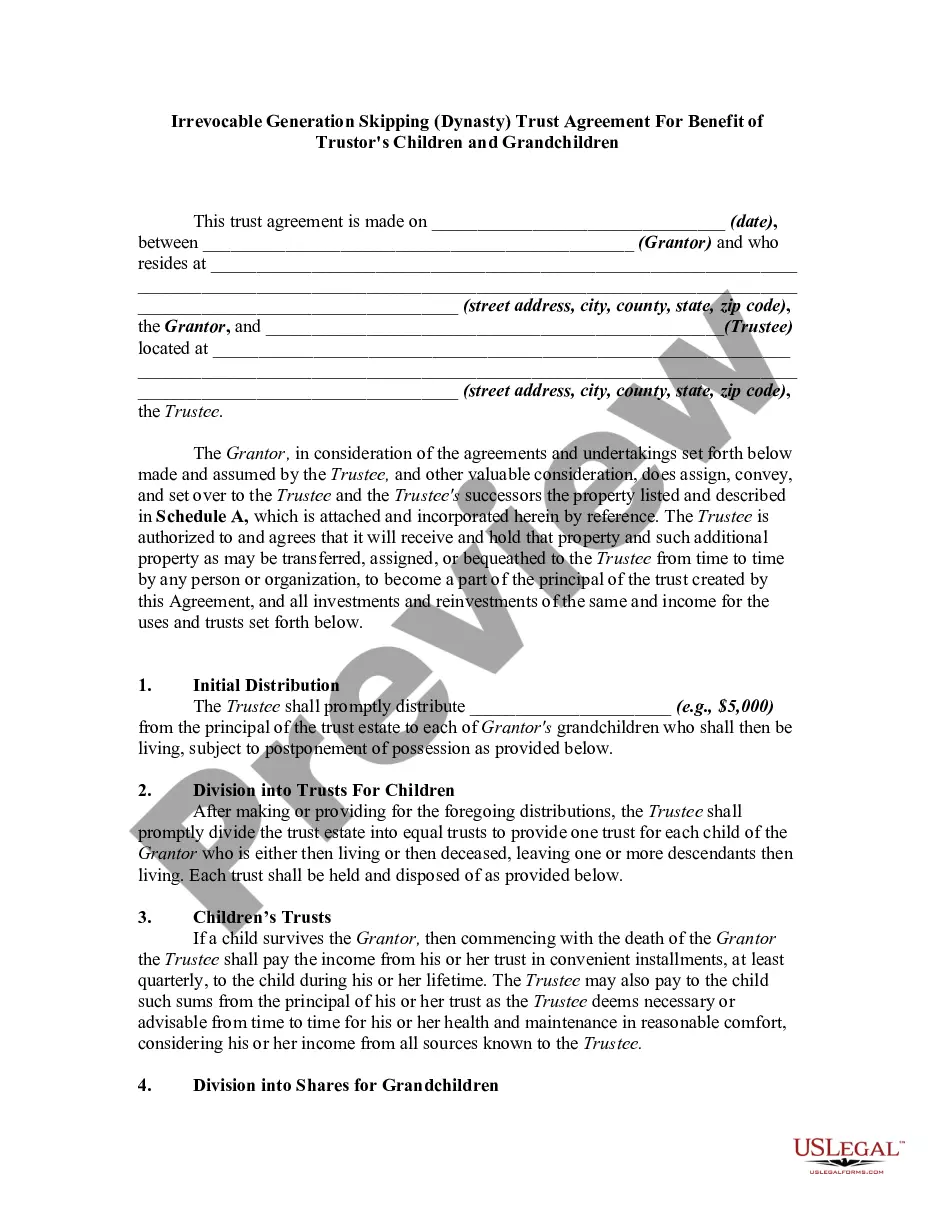
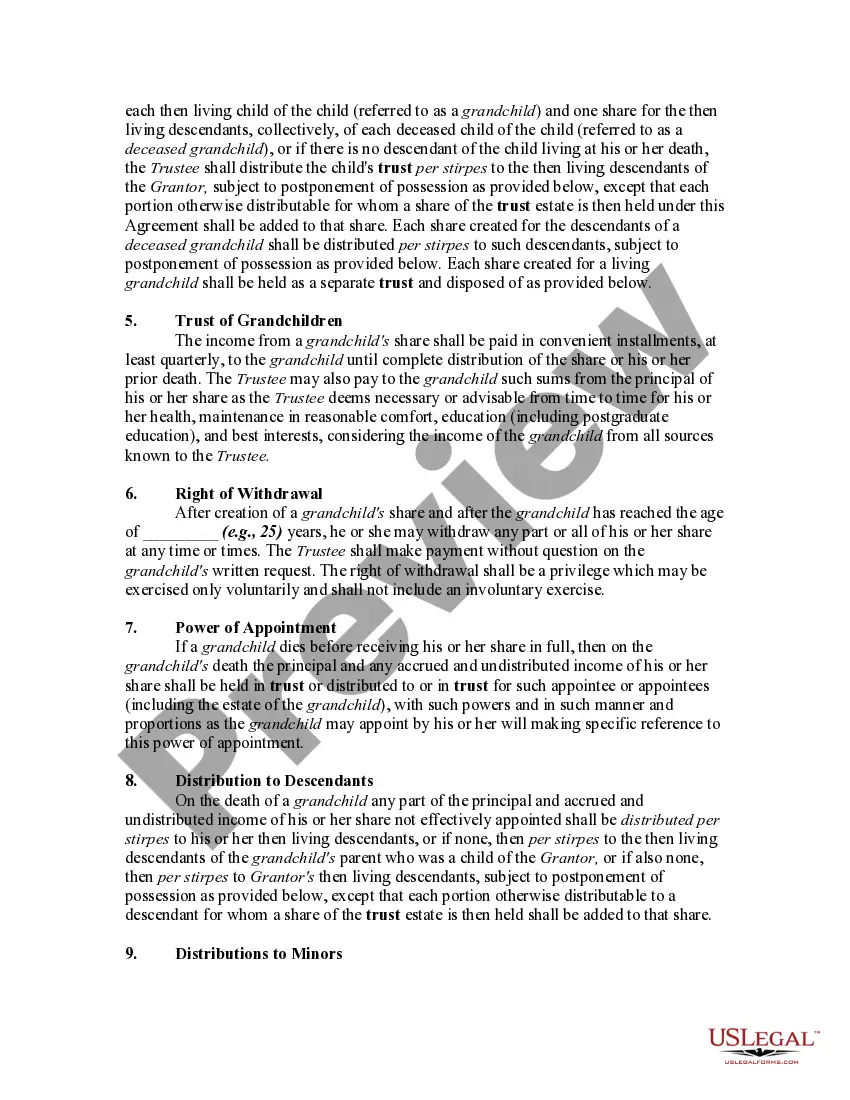
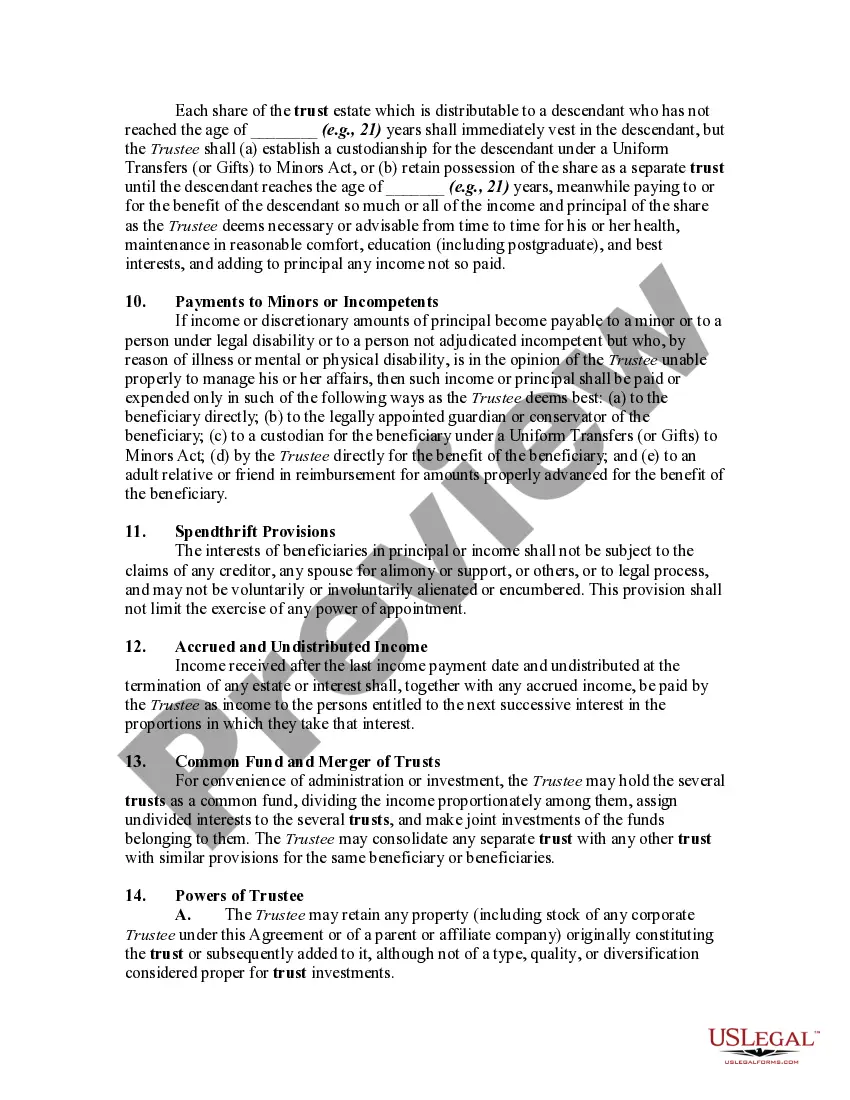
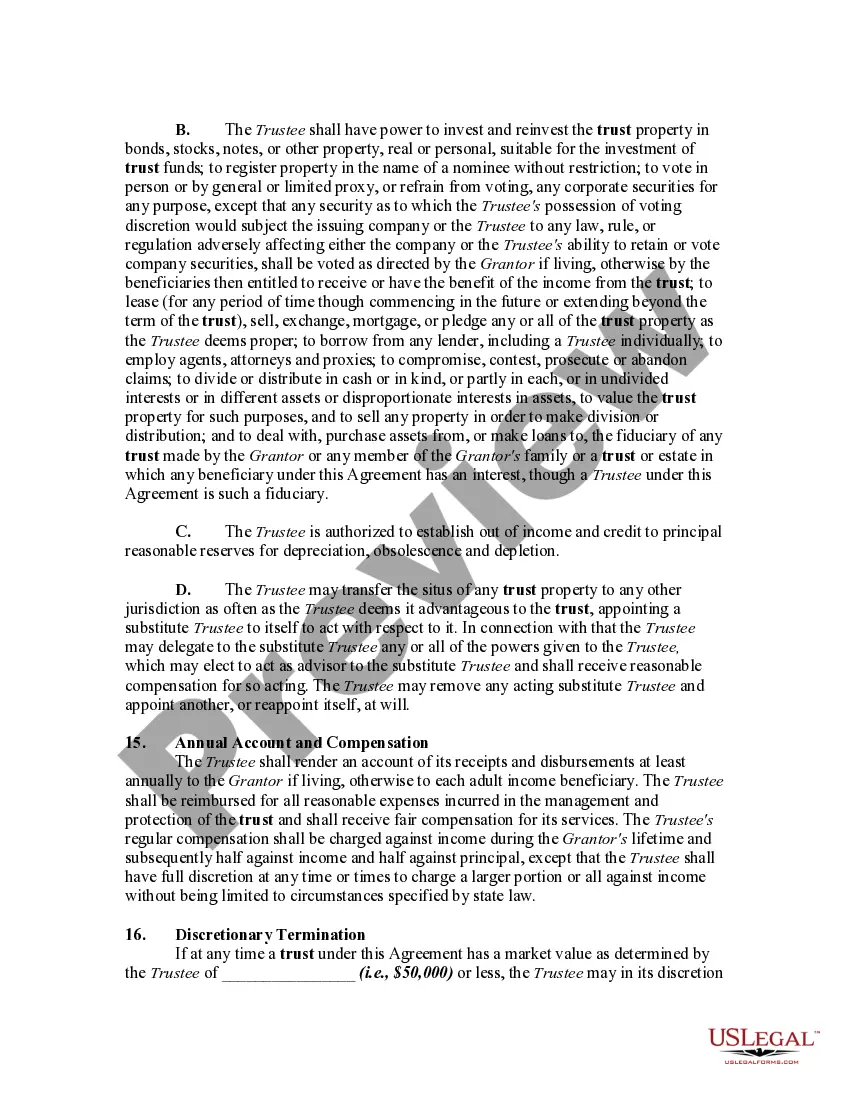
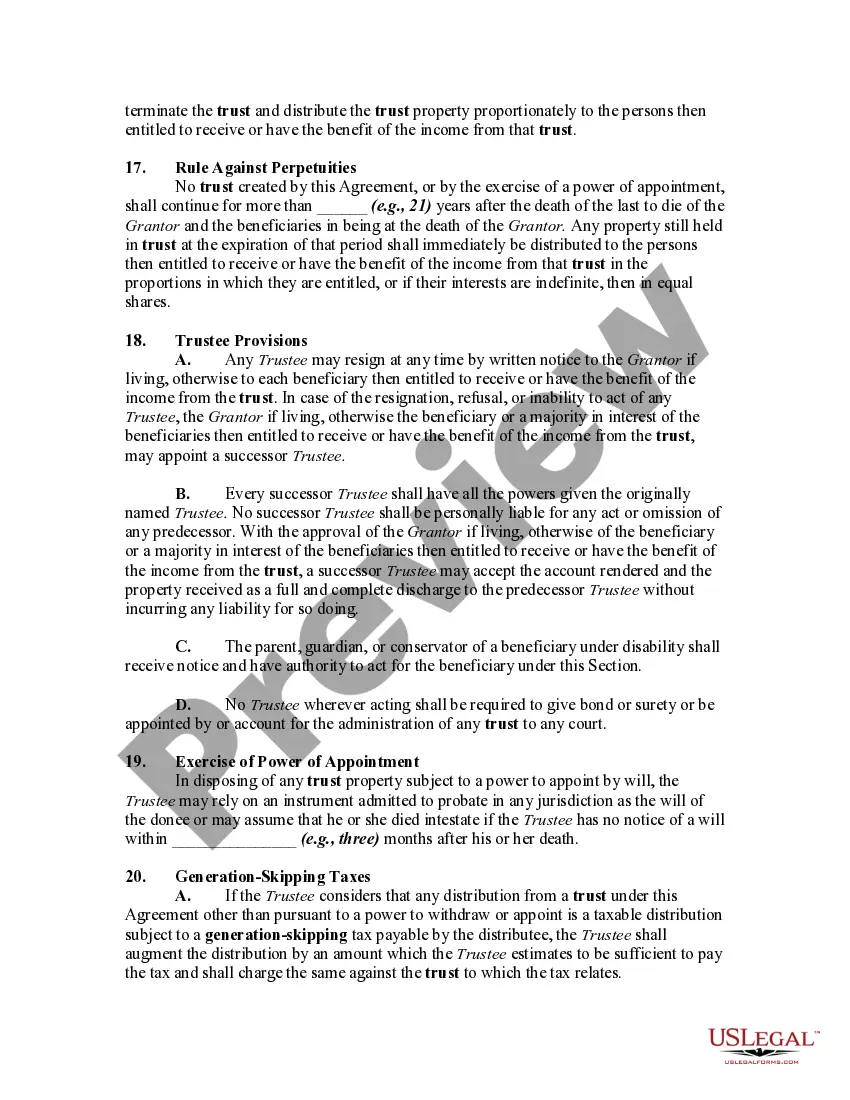
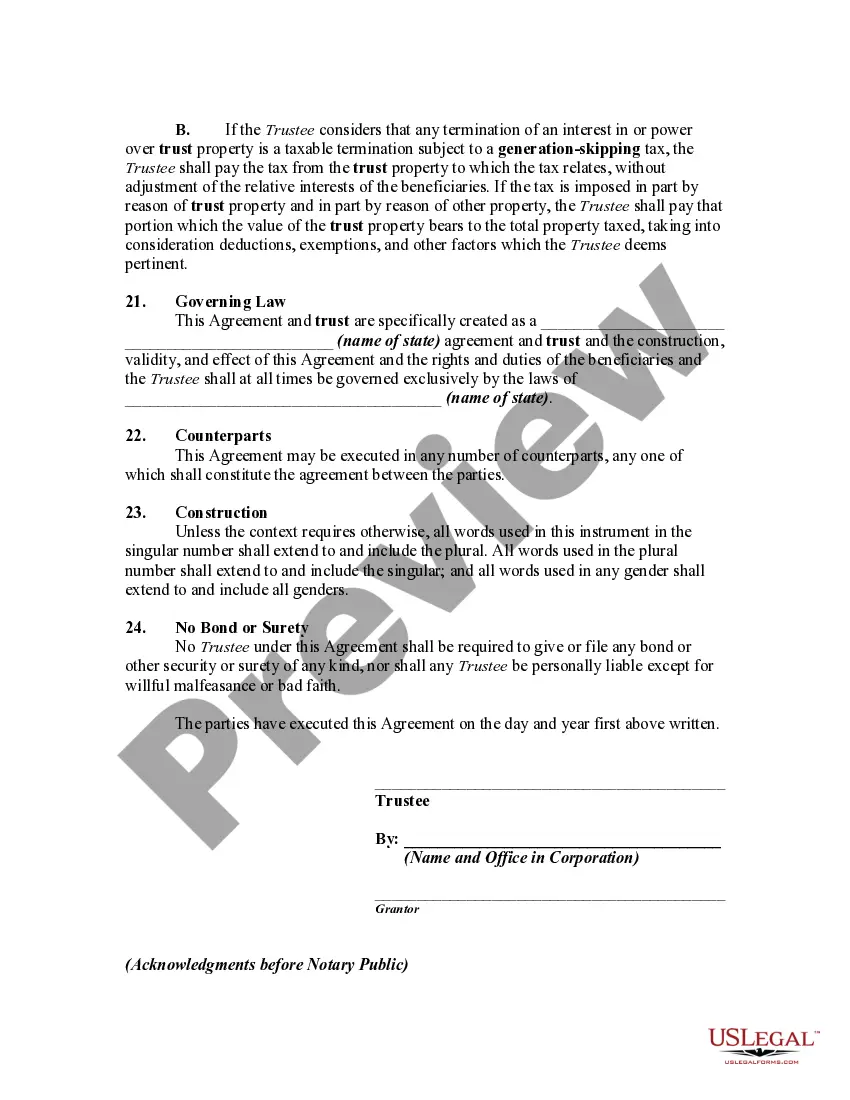


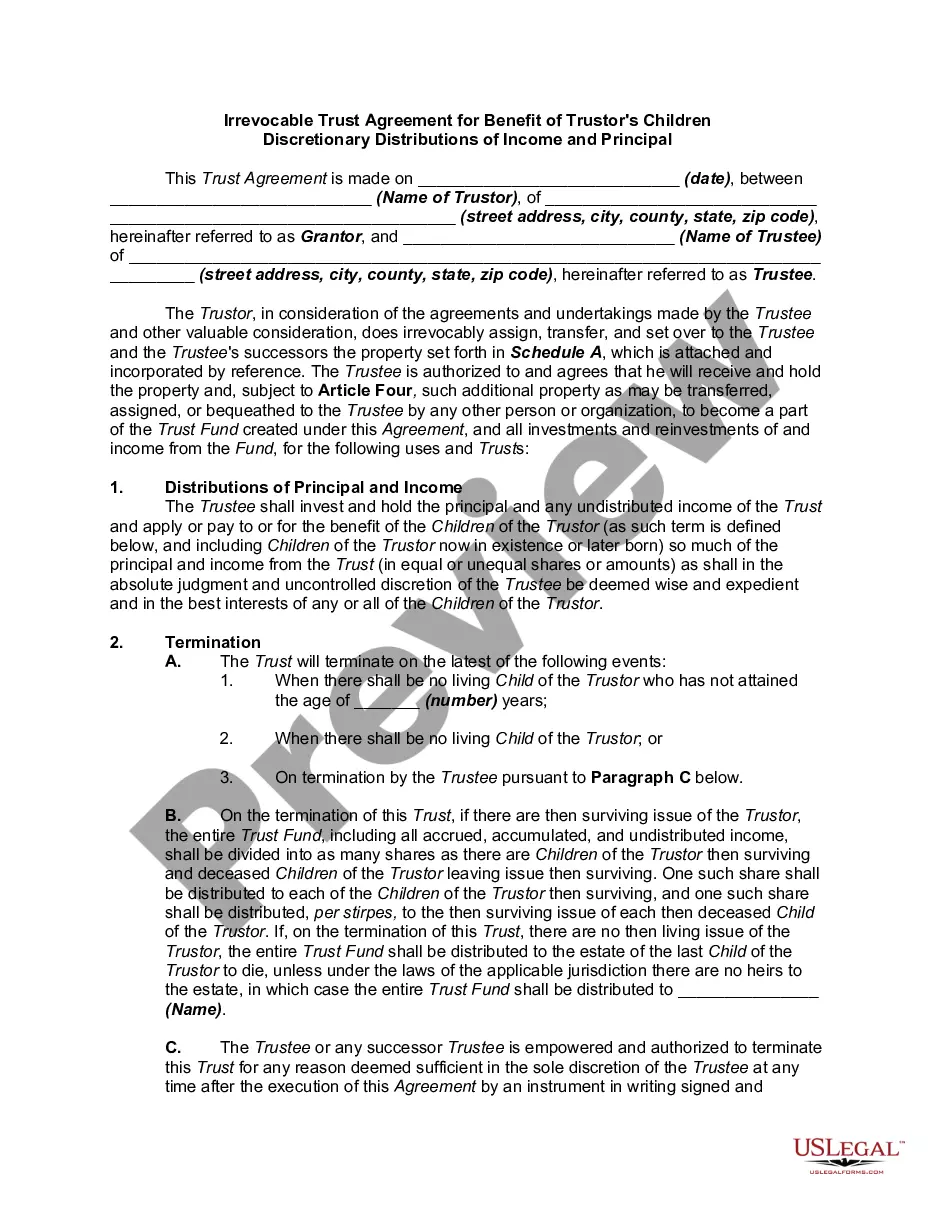
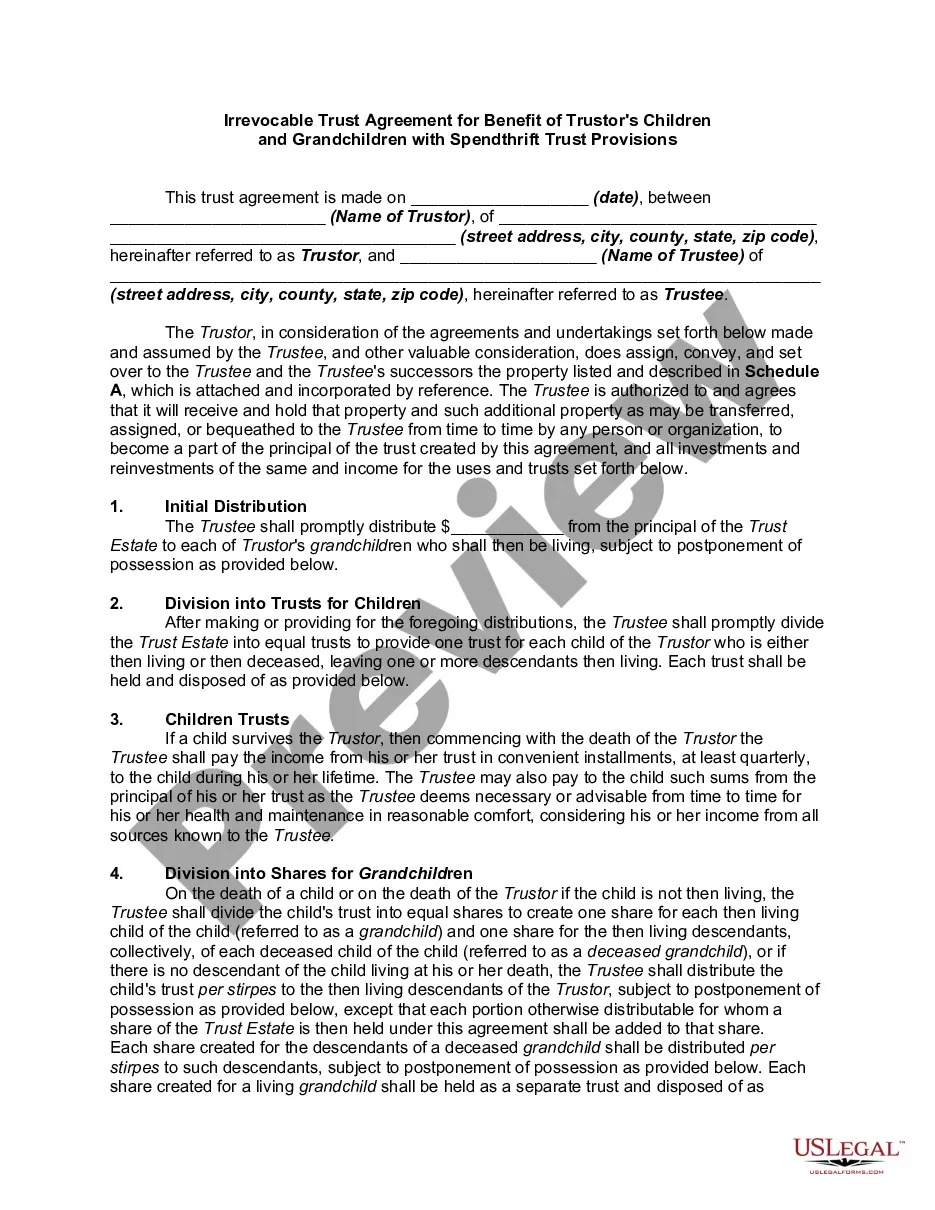
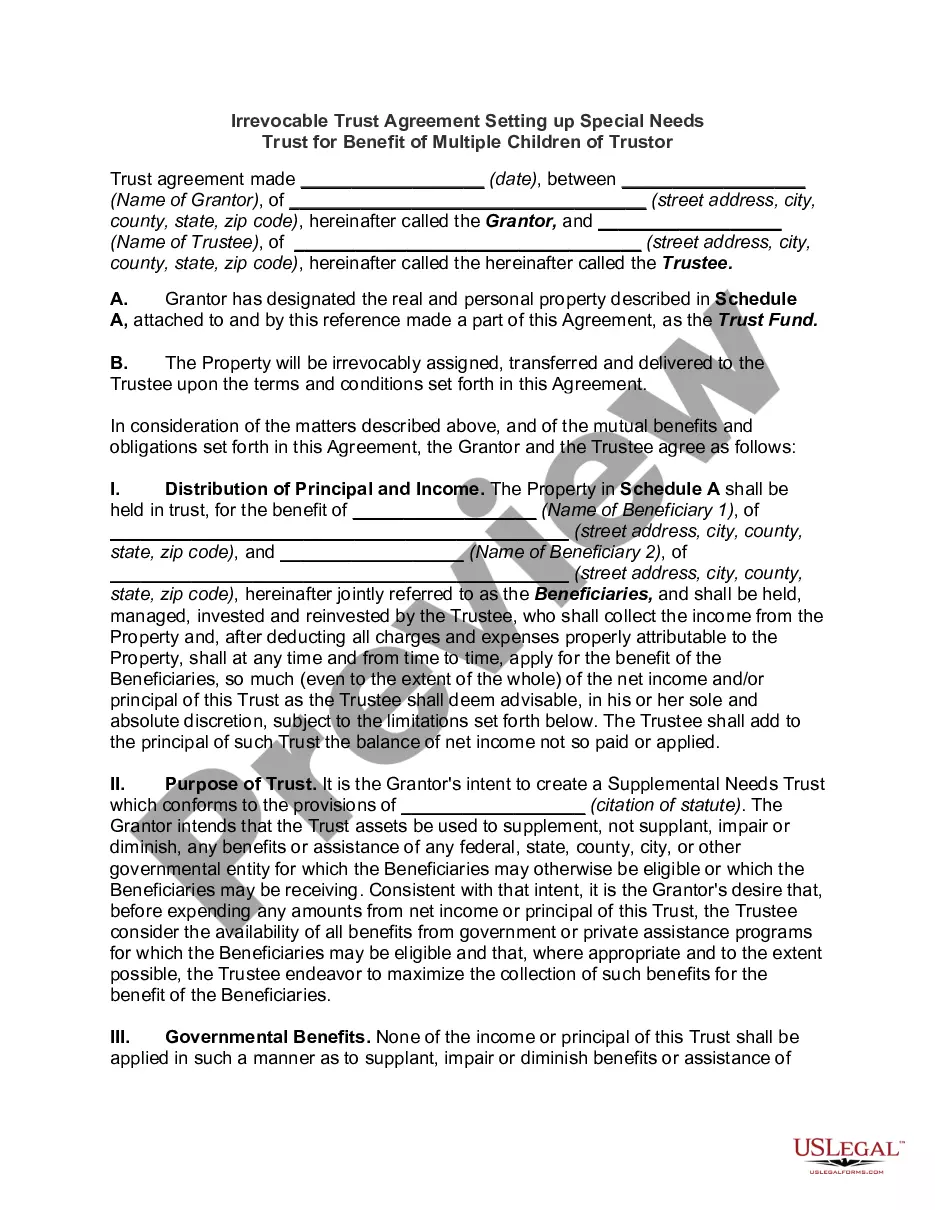
Get your form ready online
Our built-in tools help you complete, sign, share, and store your documents in one place.
Make edits, fill in missing information, and update formatting in US Legal Forms—just like you would in MS Word.
Download a copy, print it, send it by email, or mail it via USPS—whatever works best for your next step.
Sign and collect signatures with our SignNow integration. Send to multiple recipients, set reminders, and more. Go Premium to unlock E-Sign.
If this form requires notarization, complete it online through a secure video call—no need to meet a notary in person or wait for an appointment.
We protect your documents and personal data by following strict security and privacy standards.

Make edits, fill in missing information, and update formatting in US Legal Forms—just like you would in MS Word.

Download a copy, print it, send it by email, or mail it via USPS—whatever works best for your next step.

Sign and collect signatures with our SignNow integration. Send to multiple recipients, set reminders, and more. Go Premium to unlock E-Sign.

If this form requires notarization, complete it online through a secure video call—no need to meet a notary in person or wait for an appointment.

We protect your documents and personal data by following strict security and privacy standards.
Looking for another form?



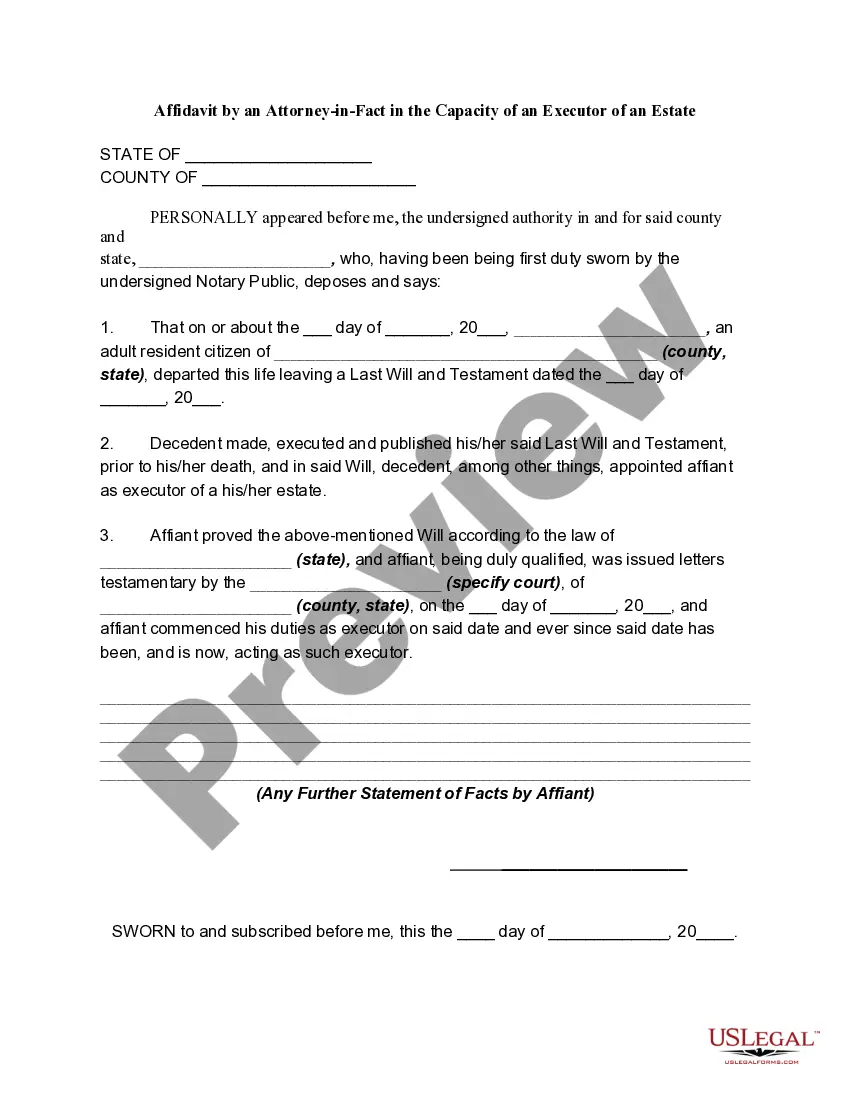


How to fill out Irrevocable Generation Skipping Or Dynasty Trust Agreement For Benefit Of Trustor's Children And Grandchildren?
Whether for commercial reasons or personal affairs, everyone eventually has to confront legal matters at some point in their lives.
Completing legal documents requires meticulous care, starting with choosing the appropriate form example.
With a vast US Legal Forms catalog available, you won’t have to waste time searching for the appropriate template across the internet. Utilize the library’s straightforward navigation to discover the suitable form for any circumstance.
- Locate the template you require by utilizing the search bar or browsing the catalog.
- Review the document's details to ensure it aligns with your circumstances, state, and county.
- Click on the document’s preview to examine it.
- If it is not the correct form, return to the search tool to find the sample of the Dynasty Trust Explained For Dummies that you need.
- Obtain the file once it satisfies your requirements.
- If you already possess a US Legal Forms account, simply click Log in to access previously saved templates in My documents.
- If you have not yet created an account, you can download the form by clicking Buy now.
- Choose the appropriate pricing option.
- Fill out the account registration form.
- Select your payment method: use a credit card or PayPal account.
- Choose the document format you prefer and download the Dynasty Trust Explained For Dummies.
- Once downloaded, you can either complete the form using editing software or print it and fill it out manually.
Form popularity
FAQ
A classic example of a dynasty trust is a trust established by wealthy families to preserve their wealth across generations. For instance, a grandparent might create a trust allowing their children and grandchildren to benefit from the trust's assets while protecting them from creditors. This arrangement often provides financial security and stability for future generations. If you're looking for a clear explanation of these concepts, 'Dynasty trust explained for dummies' can help illuminate the topic.
Setting up a dynasty trust begins with defining your intentions and identifying the assets you want to include. You'll then need to choose a qualified trustee who will manage the trust according to your wishes. It’s also important to work closely with legal experts to draft the trust document correctly, ensuring it meets all legal requirements. For a step-by-step guide on this process, 'Dynasty trust explained for dummies' serves as a great starting point.
Structuring a dynasty trust involves several key components, including appointing a trustee, selecting beneficiaries, and specifying distribution rules. You want to ensure that the trust aligns with your long-term goals, allowing future generations to benefit without incurring unnecessary taxes. It’s essential to include provisions that allow for flexibility as circumstances change over time. To dive deeper into this topic, you might want to check out 'Dynasty trust explained for dummies' for straightforward guidance.
One major mistake parents often make is failing to clearly define their goals for the trust fund. Without clear objectives, it can be challenging to structure the trust effectively, which leads to confusion later. Additionally, not involving the right financial advisor can result in overlooking key tax implications. Understanding how a dynasty trust works can simplify this process; this is why resources like 'Dynasty trust explained for dummies' can be incredibly beneficial.
When considering a dynasty trust explained for dummies, one key downside is the potential for legal complexity. These trusts can be intricate to set up and manage, which may require ongoing legal assistance and higher costs. Another concern is the possibility of family disputes arising over control and distribution of trust assets. Additionally, long-term asset growth may lead to restrictions imposed by state laws, impacting beneficiaries in unforeseen ways.
In simple terms, a trust is an arrangement where one person (the trustee) holds and manages assets for the benefit of another (the beneficiary). This setup helps ensure that the assets are distributed according to your wishes. Trusts can provide financial security and manage how your assets are used over time. For a straightforward approach, resources titled 'dynasty trust explained for dummies' can clarify many related concepts.
While dynasty trusts can be advantageous, they also come with potential downsides, like ongoing administrative costs and complexity in management. Additionally, changes in tax laws could affect the benefits of your trust over time. Moreover, improper execution can lead to unforeseen issues regarding tax liabilities or compliance. If you seek clearer insights, the US Legal Forms platform can provide valuable guidance.
A trust is a legal arrangement where one party holds property for the benefit of another. Simply put, it's a way to manage and protect assets for your heirs or beneficiaries. Trusts come in various forms, including revocable and irrevocable trusts, and can be tailored to fit your needs. To learn more simply, resources that offer 'dynasty trust explained for dummies' can be quite helpful.
A dynasty trust is a long-term trust designed to pass wealth across multiple generations without incurring estate taxes. This type of trust protects assets from creditors and ensures that they benefit your descendants for a prolonged period. Typically, the trust's assets continue to grow, allowing future generations to enjoy financial security. For a more detailed explanation, look into 'dynasty trust explained for dummies' for an easy-to-understand breakdown.
While trusts offer many benefits, they can also have downsides, such as setup costs and ongoing management responsibilities. Some trusts require legal assistance, which can add to expenses. Furthermore, if not correctly set up, a trust can lead to issues with asset distribution or tax liabilities. For clarity, consider looking into the resources at US Legal Forms, which can guide you through the complexities of trusts.