Sample Injunction Order With Injunction
Description

Get your form ready online
Our built-in tools help you complete, sign, share, and store your documents in one place.
Make edits, fill in missing information, and update formatting in US Legal Forms—just like you would in MS Word.
Download a copy, print it, send it by email, or mail it via USPS—whatever works best for your next step.
Sign and collect signatures with our SignNow integration. Send to multiple recipients, set reminders, and more. Go Premium to unlock E-Sign.
If this form requires notarization, complete it online through a secure video call—no need to meet a notary in person or wait for an appointment.
We protect your documents and personal data by following strict security and privacy standards.

Make edits, fill in missing information, and update formatting in US Legal Forms—just like you would in MS Word.

Download a copy, print it, send it by email, or mail it via USPS—whatever works best for your next step.

Sign and collect signatures with our SignNow integration. Send to multiple recipients, set reminders, and more. Go Premium to unlock E-Sign.

If this form requires notarization, complete it online through a secure video call—no need to meet a notary in person or wait for an appointment.

We protect your documents and personal data by following strict security and privacy standards.
Looking for another form?




How to fill out Sample Brief - Injunction?
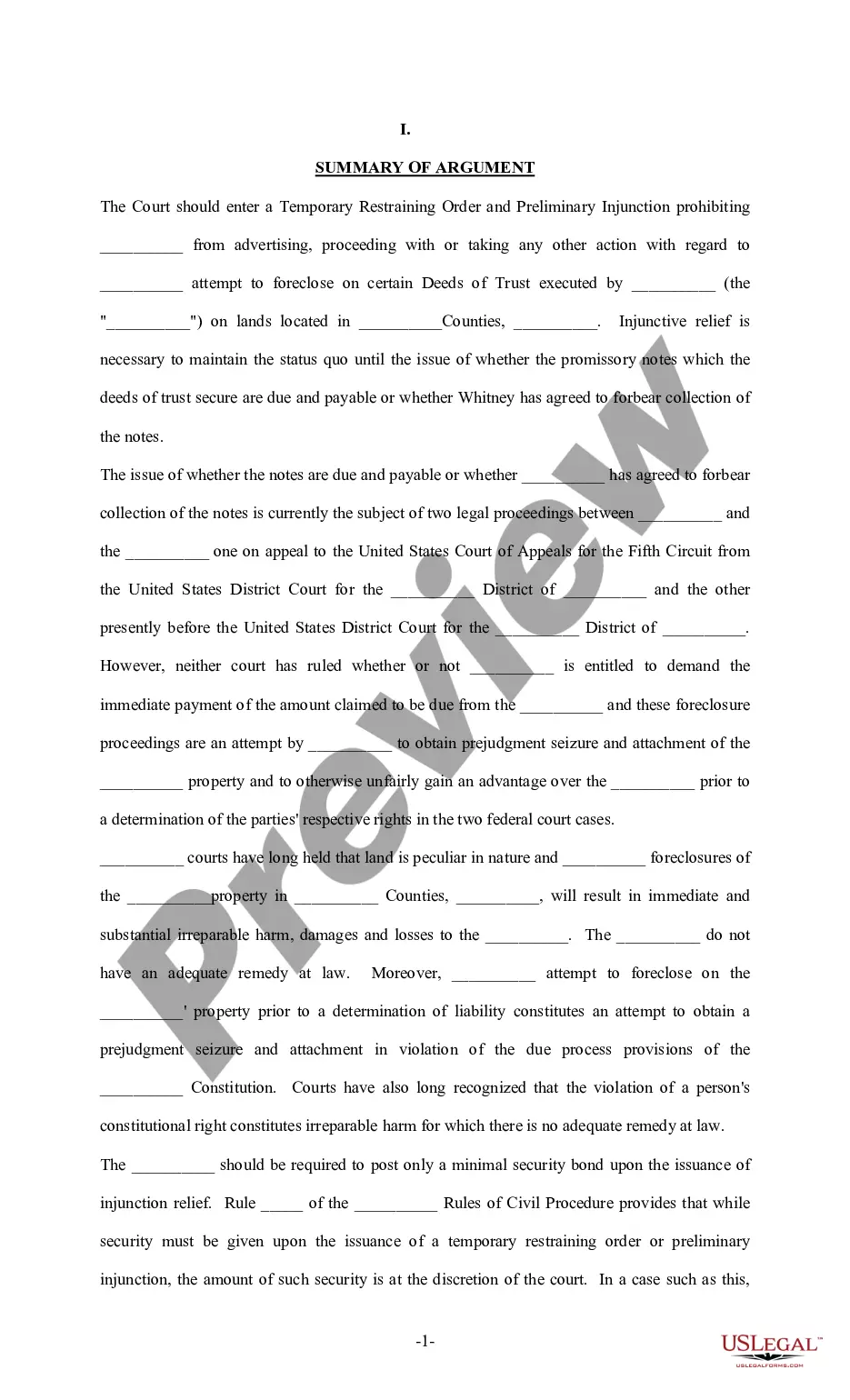
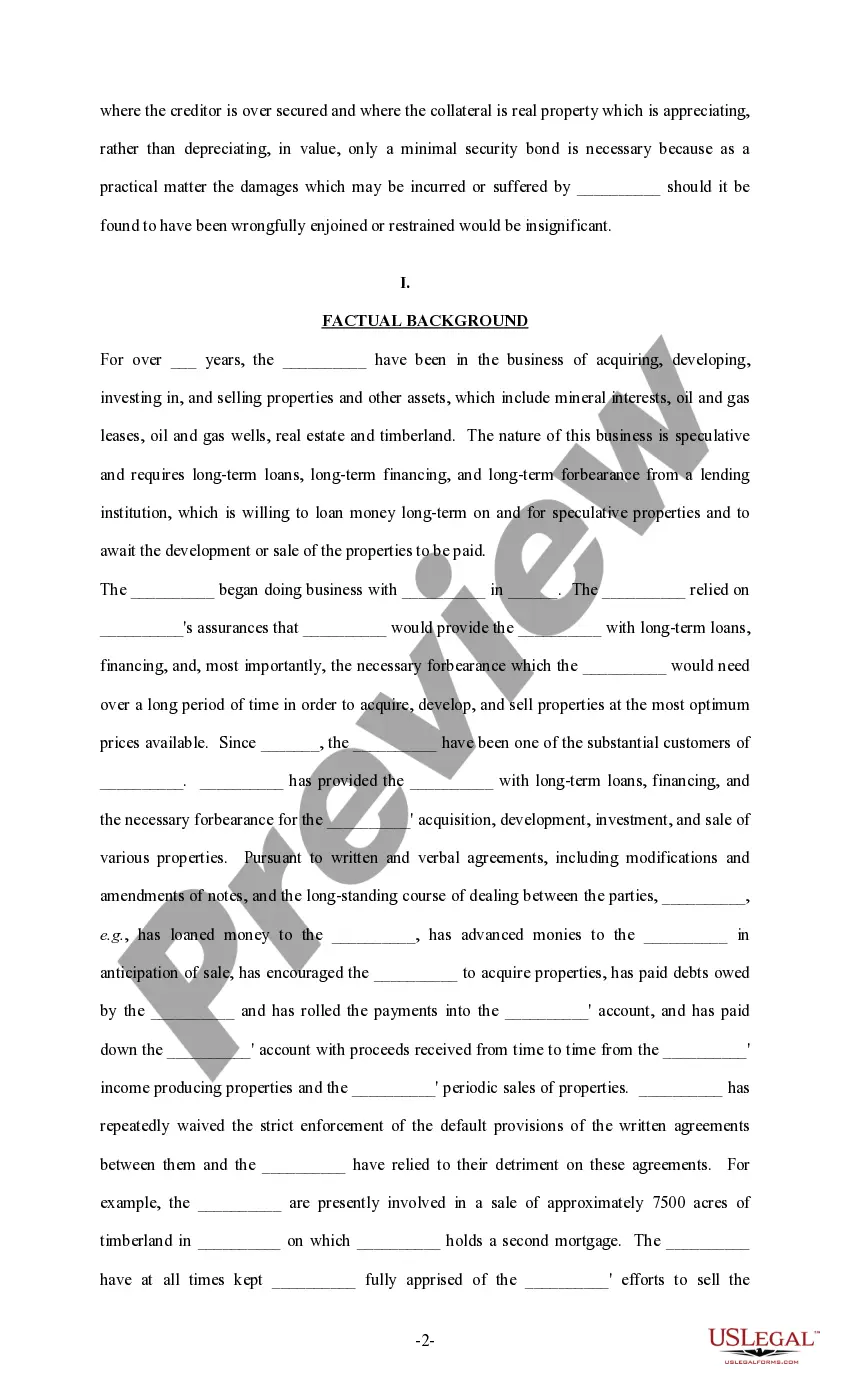
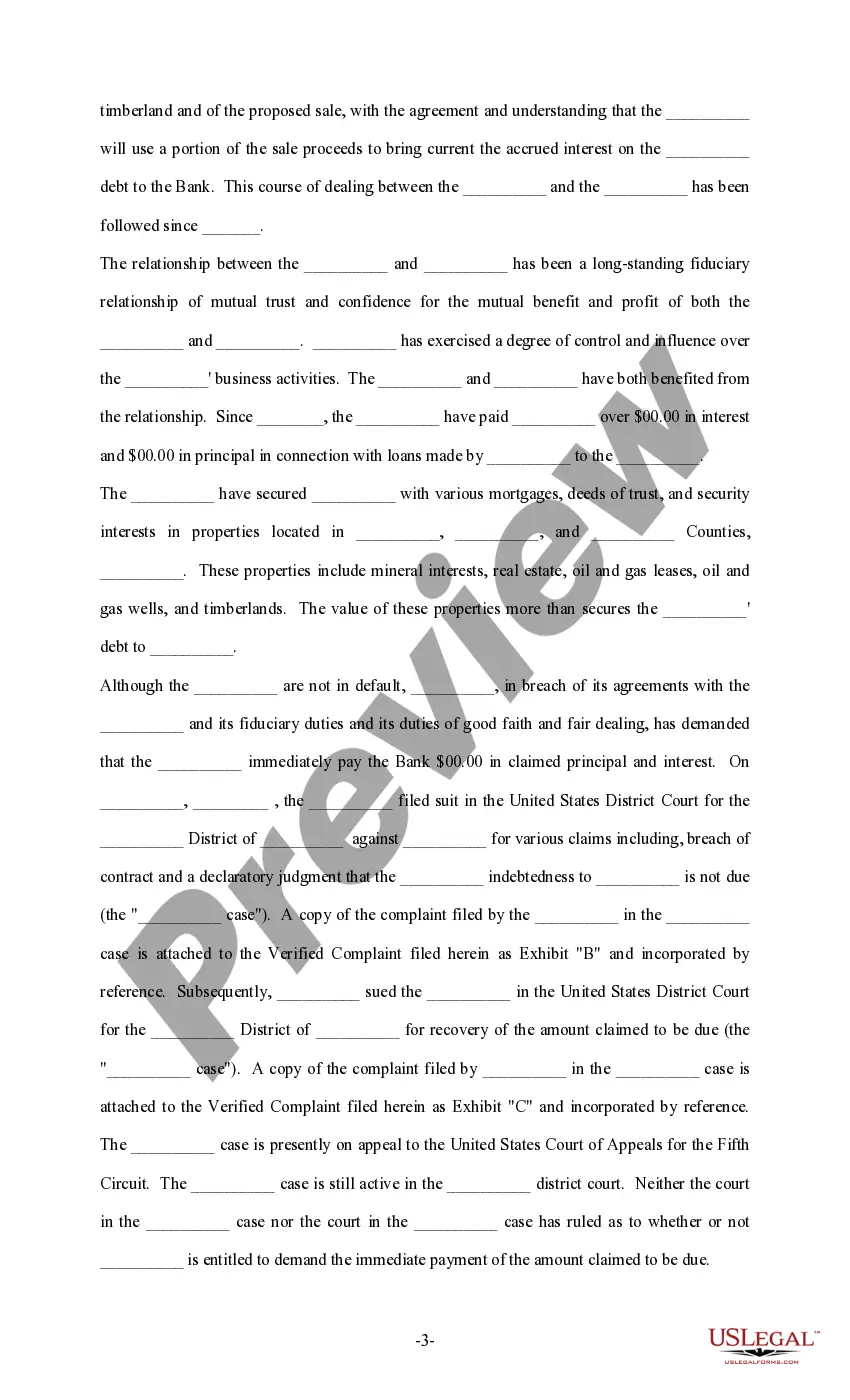
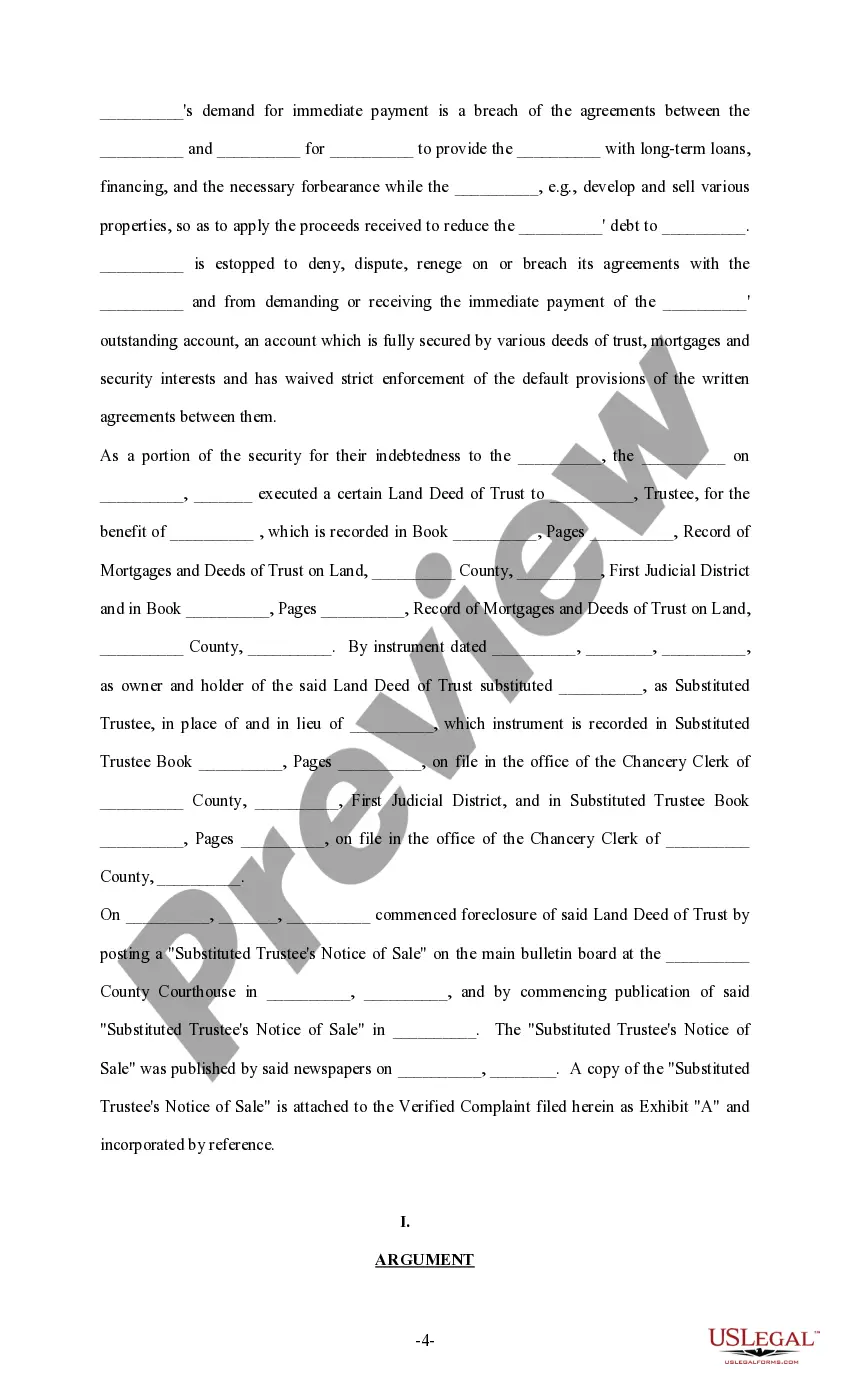
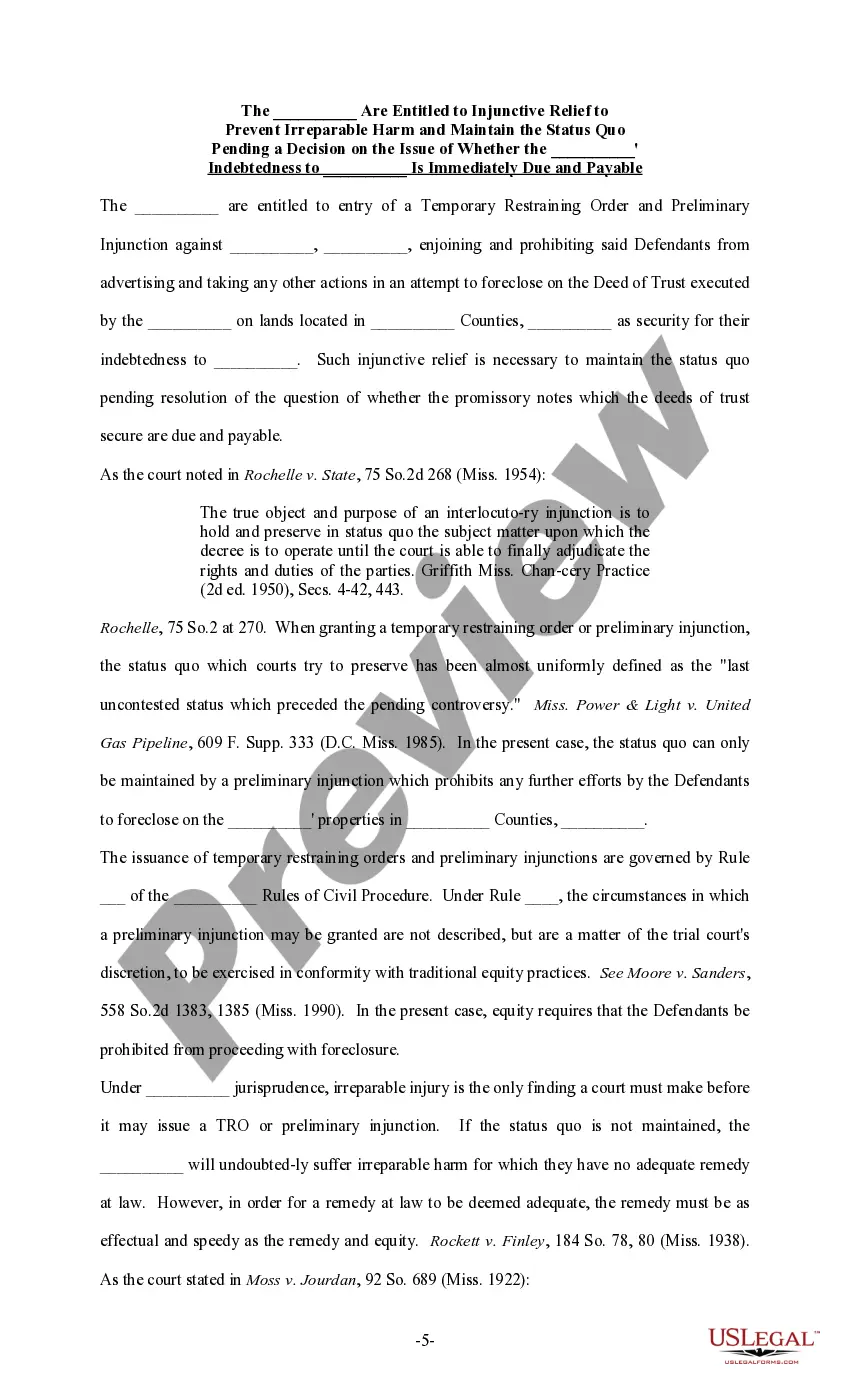
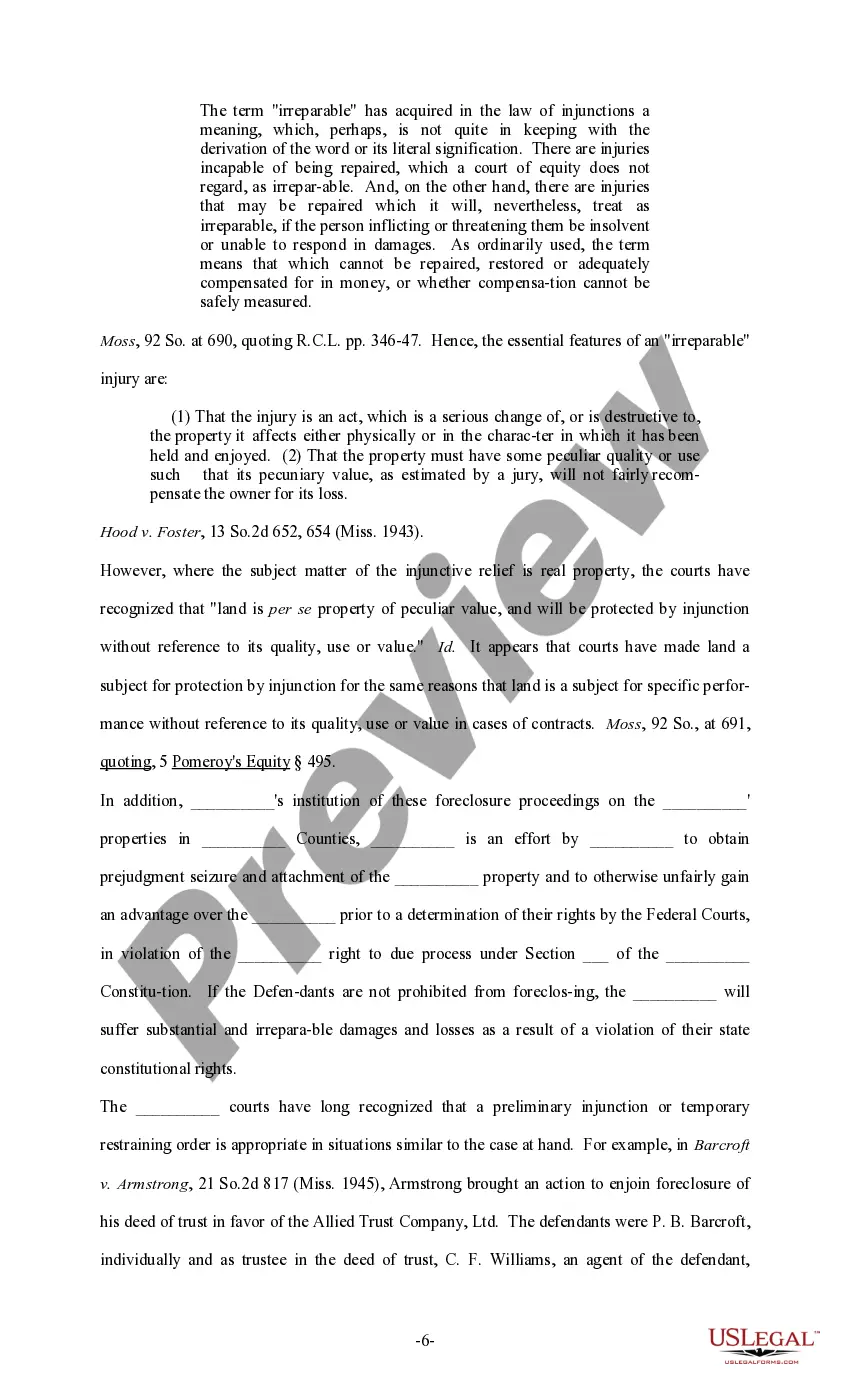
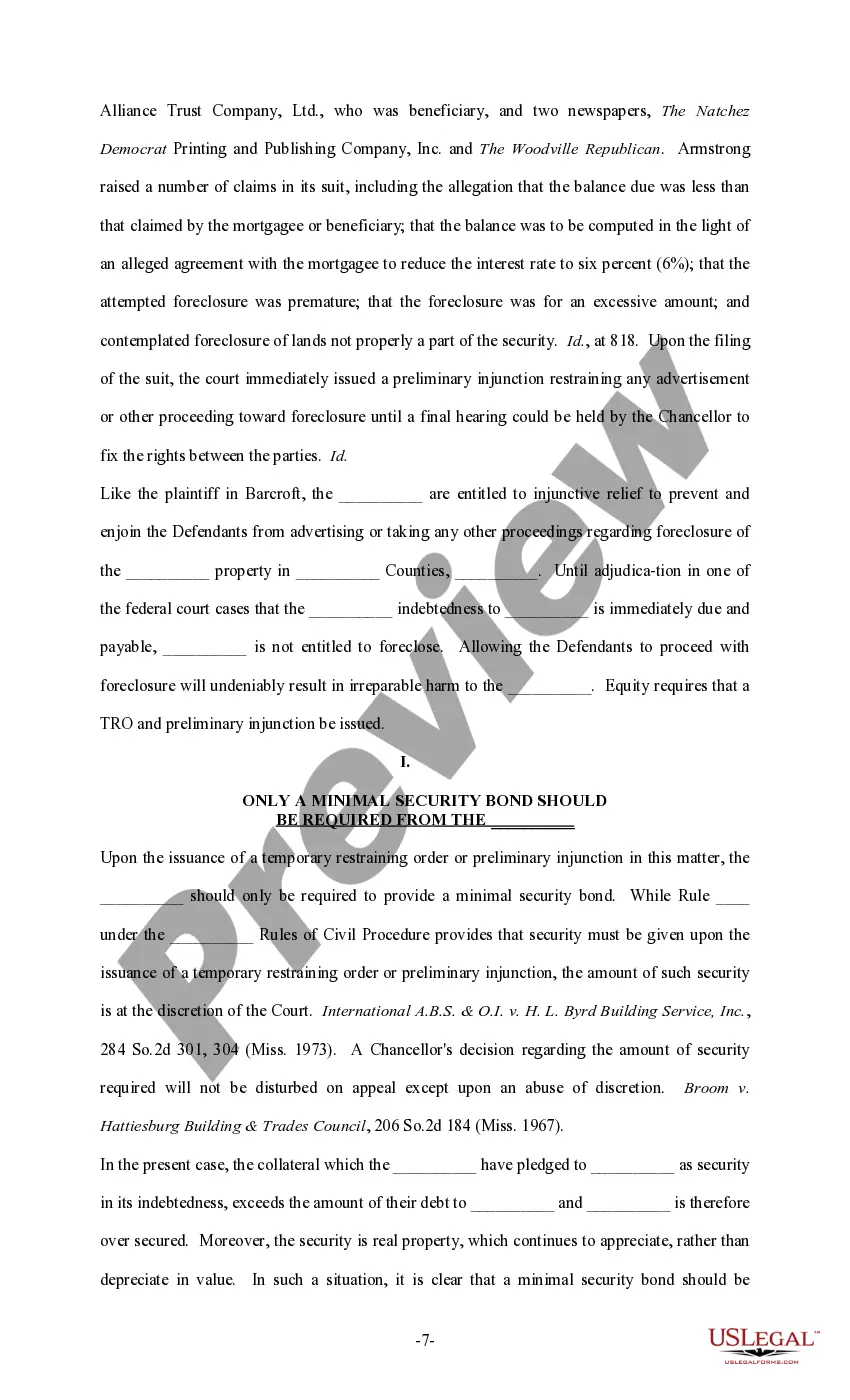
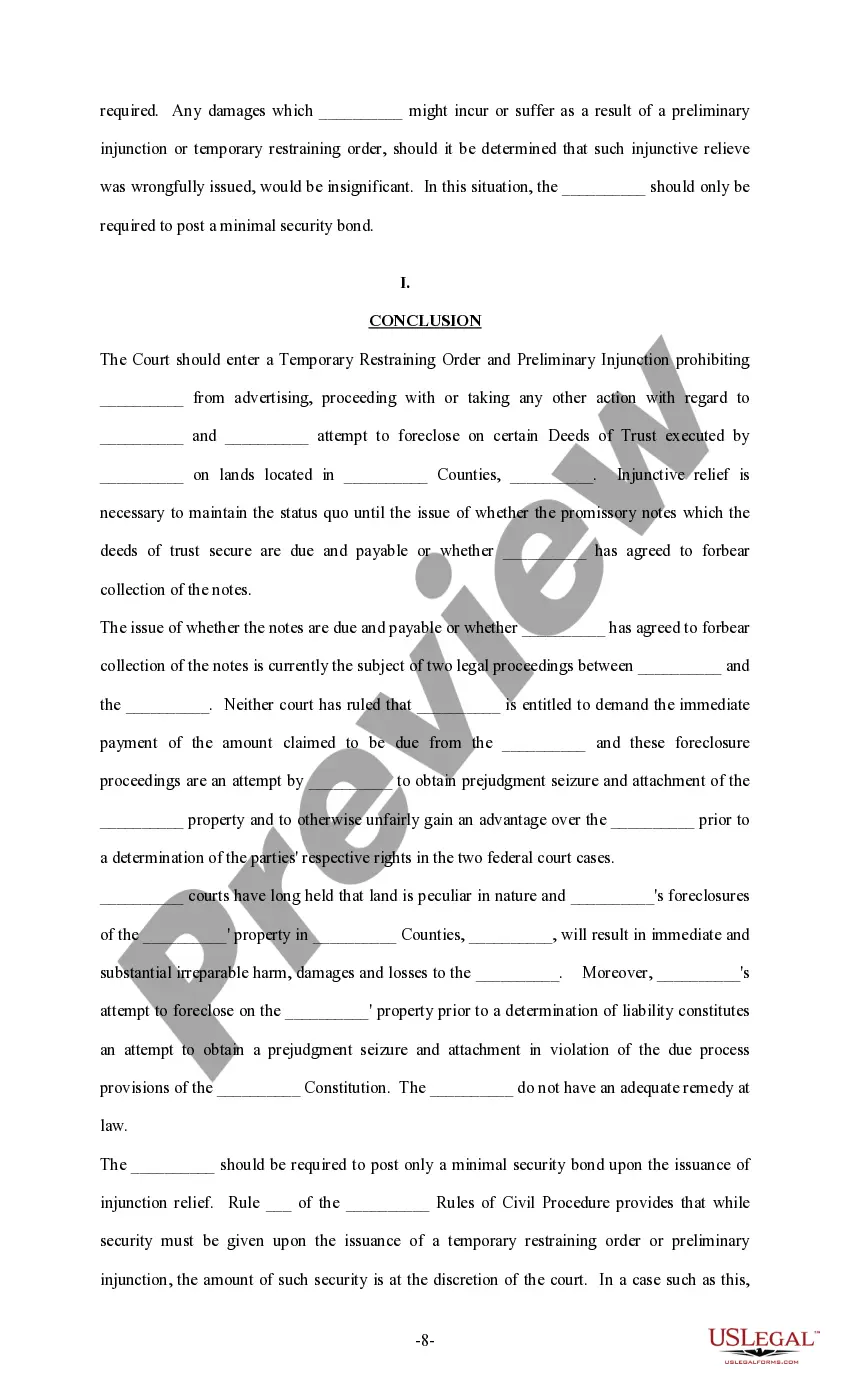
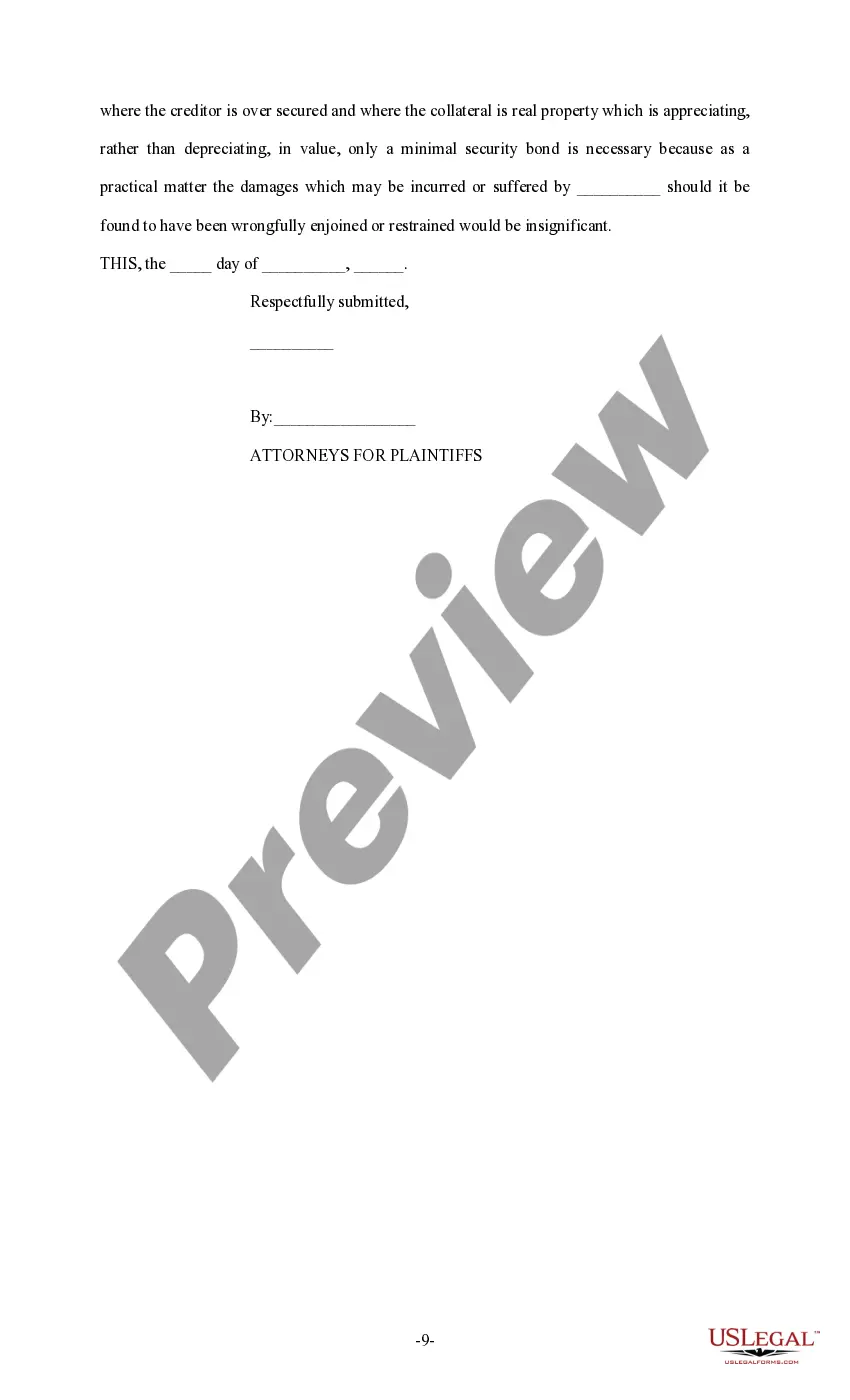
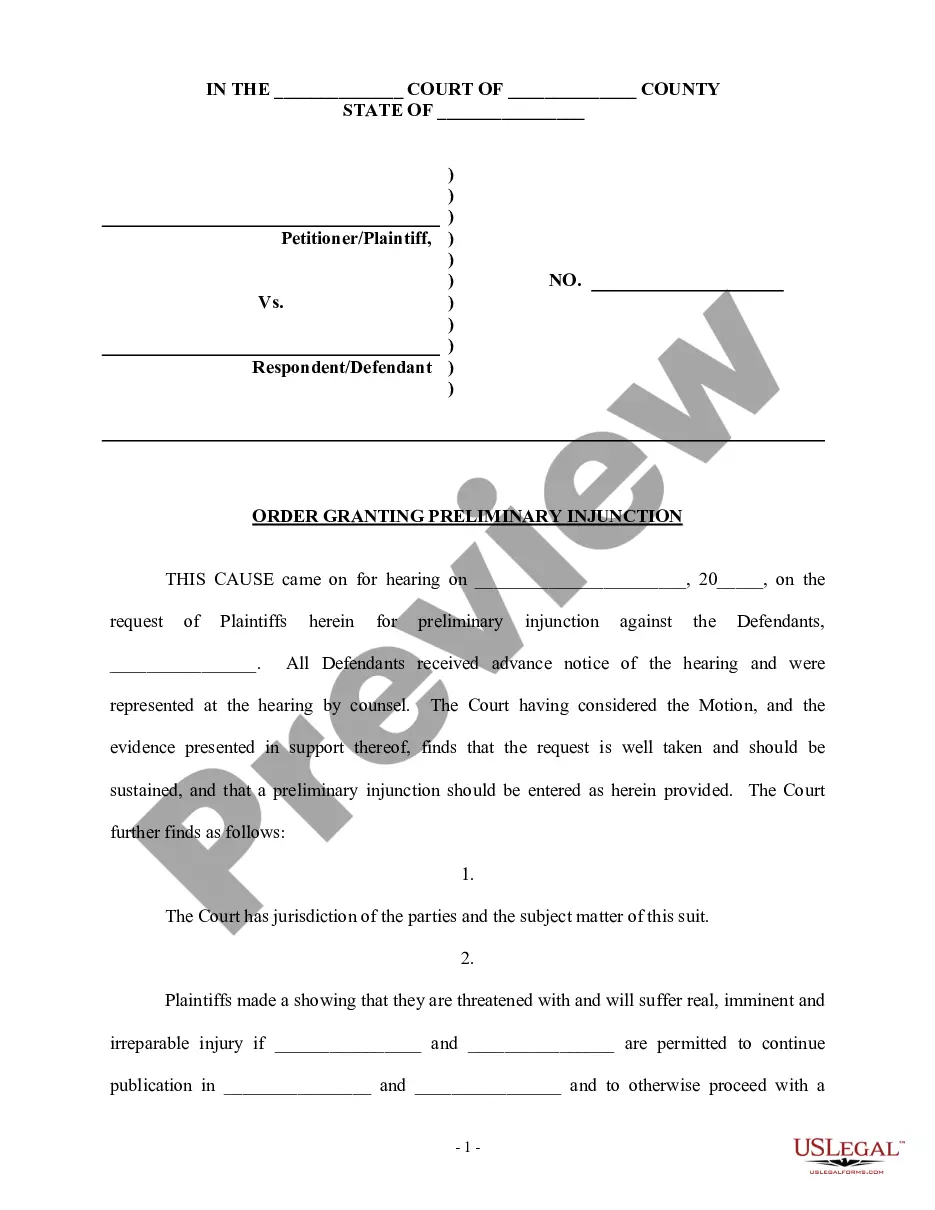
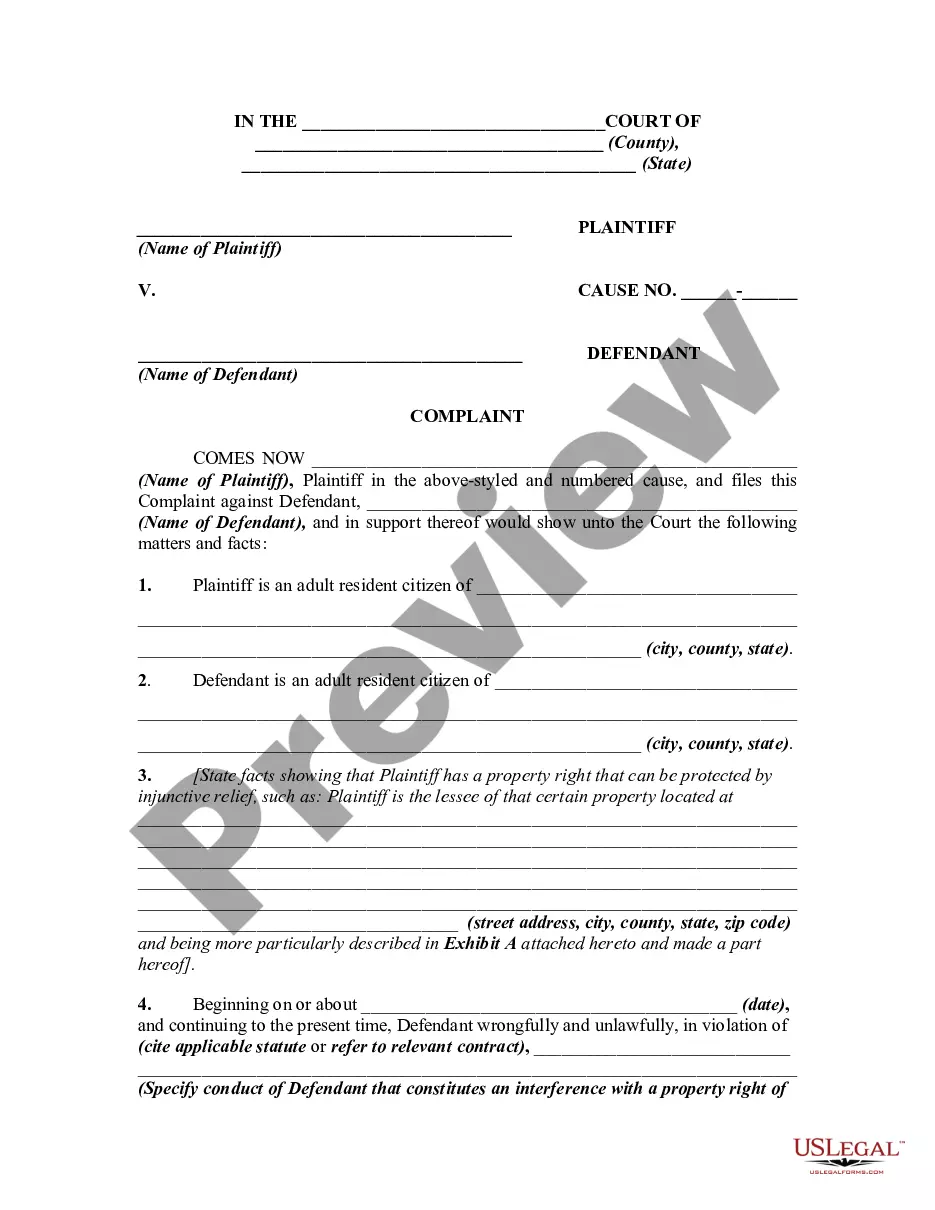
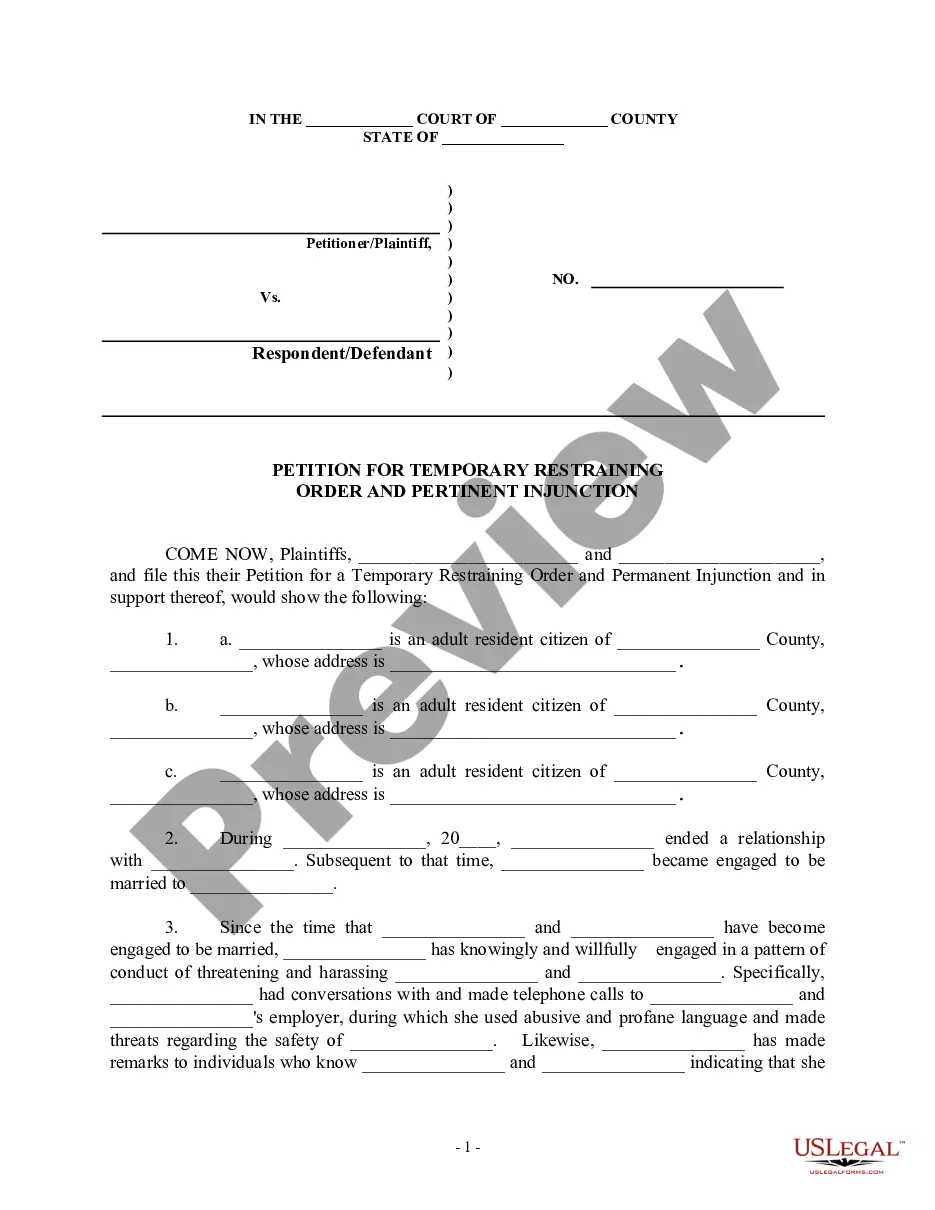
The Exemplary Injunction Directive With Injunction you see on this page is a reusable formal framework crafted by skilled attorneys following federal and local laws.
For over 25 years, US Legal Forms has supplied individuals, companies, and legal experts with more than 85,000 verified, state-specific documents for any business and personal scenario. It is the quickest, most uncomplicated, and most dependable method to secure the paperwork you require, as the service ensures the highest level of data safety and anti-malware measures.
Register for US Legal Forms to have verified legal templates for all of life's situations at your fingertips.
- Browse for the document you require and review it.
- Examine the sample you searched for and preview it or review the form description to confirm it meets your needs. If it does not, use the search bar to find the correct one. Click Buy Now when you have found the template you want.
- Subscribe and Log In.
- Select the pricing option that works best for you and create an account. Utilize PayPal or a credit card to make an instant payment. If you already have an account, Log In and check your subscription to continue.
- Obtain the editable template.
- Choose the format you want for your Exemplary Injunction Directive With Injunction (PDF, DOCX, RTF) and save the document on your device.
- Complete and sign the paperwork.
- Print the template to fill it out by hand. Alternatively, use an online multifunctional PDF editor to quickly and accurately fill out and sign your form with a valid signature.
- Download your documents again.
- Use the same document again whenever necessary. Open the My documents tab in your profile to redownload any previously obtained forms.
Form popularity
FAQ
Can a Divorce Decree be Changed? Ensure that a change in circumstances has occurred. Seek the services of an experienced lawyer. Provide a clear statement on what you would like amended and why. Complete the legal paperwork. File the motion paperwork with the court and serve your ex-spouse. Go to court on your court date.
What are the grounds for divorce in Minnesota? A judge can grant you a divorce if s/he finds that there was an ?irretrievable breakdown? of your marriage, which means your marriage cannot be saved. Unlike in many other states, there are no fault-based grounds for divorce in Minnesota.
Equitable distribution of marital wealth Minnesota is an equitable distribution state. This does not necessarily mean a 50-50 settlement of everything. But the law presumes that all assets and debts acquired during the marriage will be divided equitably, including: Your house and other real estate.
Plain copies of recent divorce records may be found using the Minnesota Court Records Online (MCRO). Certified copies of a divorce decree may be obtained from the county courthouse where the divorce was granted. Please see the MN Judicial Branch page, Copy Requests, for more information and links to request forms.
In Minnesota, you do not have to be separated before you get divorced. The process to get a legal separation takes as long as a divorce, and may cost as much as or more than a divorce. The courts do not publish forms for legal separation.
Summary Dissolution in Minnesota Summary dissolution is a streamlined, expedited process in Minnesota that allows you to get a divorce within 30 days after you file a divorce petition?without ever appearing in a courtroom?if you meet the strict requirements.
Under Minnesota law, there is no waiting period or mandatory separation period necessary before filing for divorce. However, like many other states across the country, there are requirements about how long a person needs to be a Minnesota resident before filing for divorce.
Equitable distribution of marital wealth Minnesota is an equitable distribution state. This does not necessarily mean a 50-50 settlement of everything. But the law presumes that all assets and debts acquired during the marriage will be divided equitably, including: Your house and other real estate.