Answer To Plaintiff Interrogatories
Description
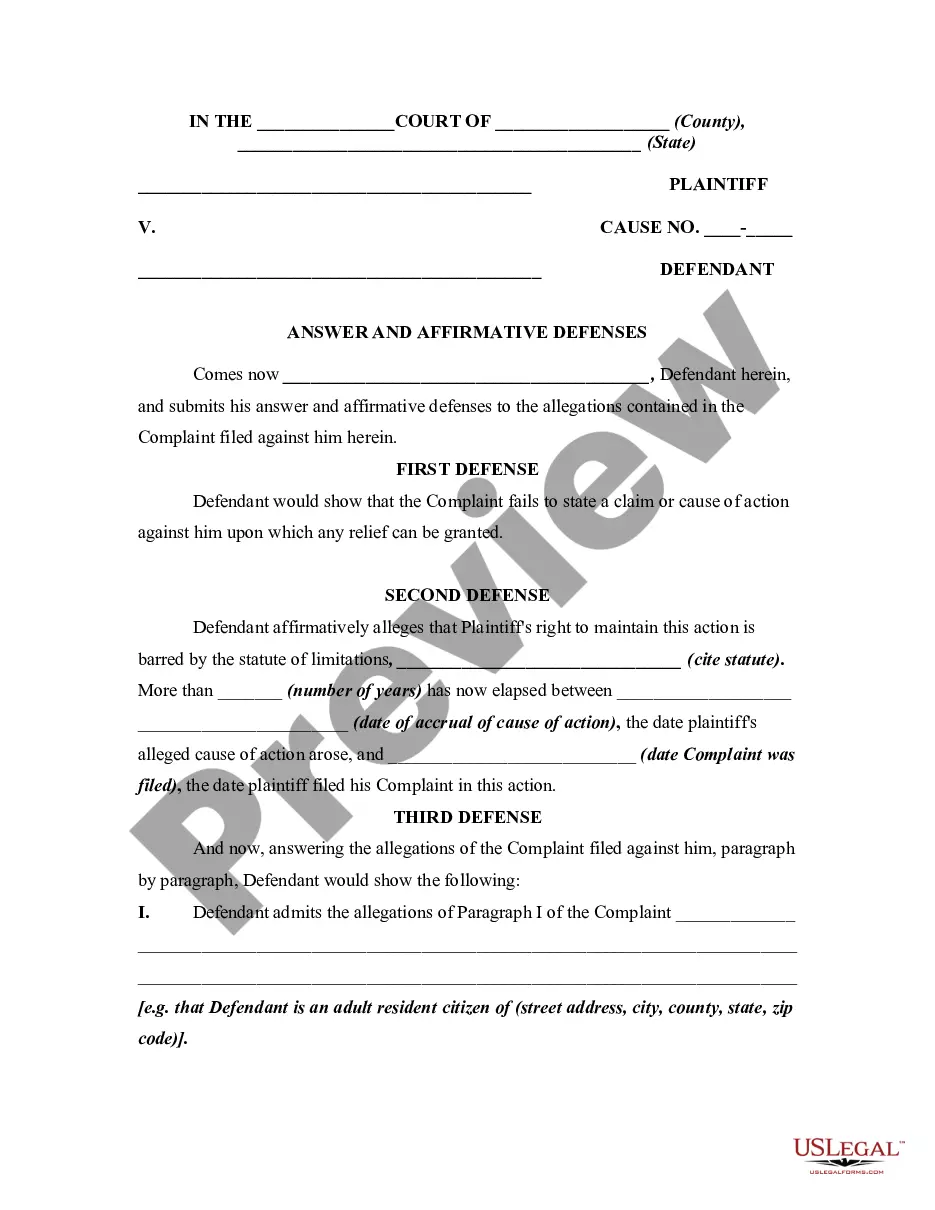
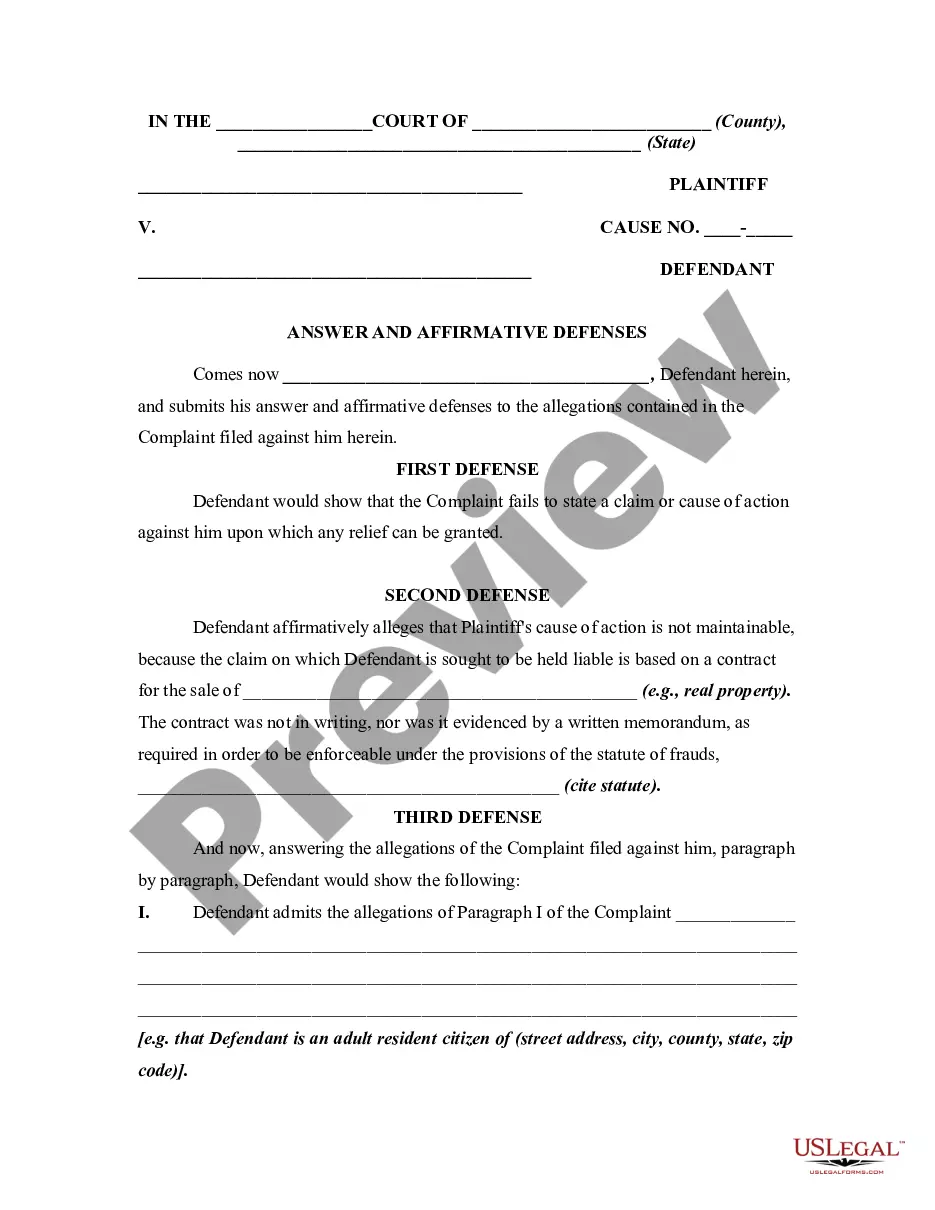
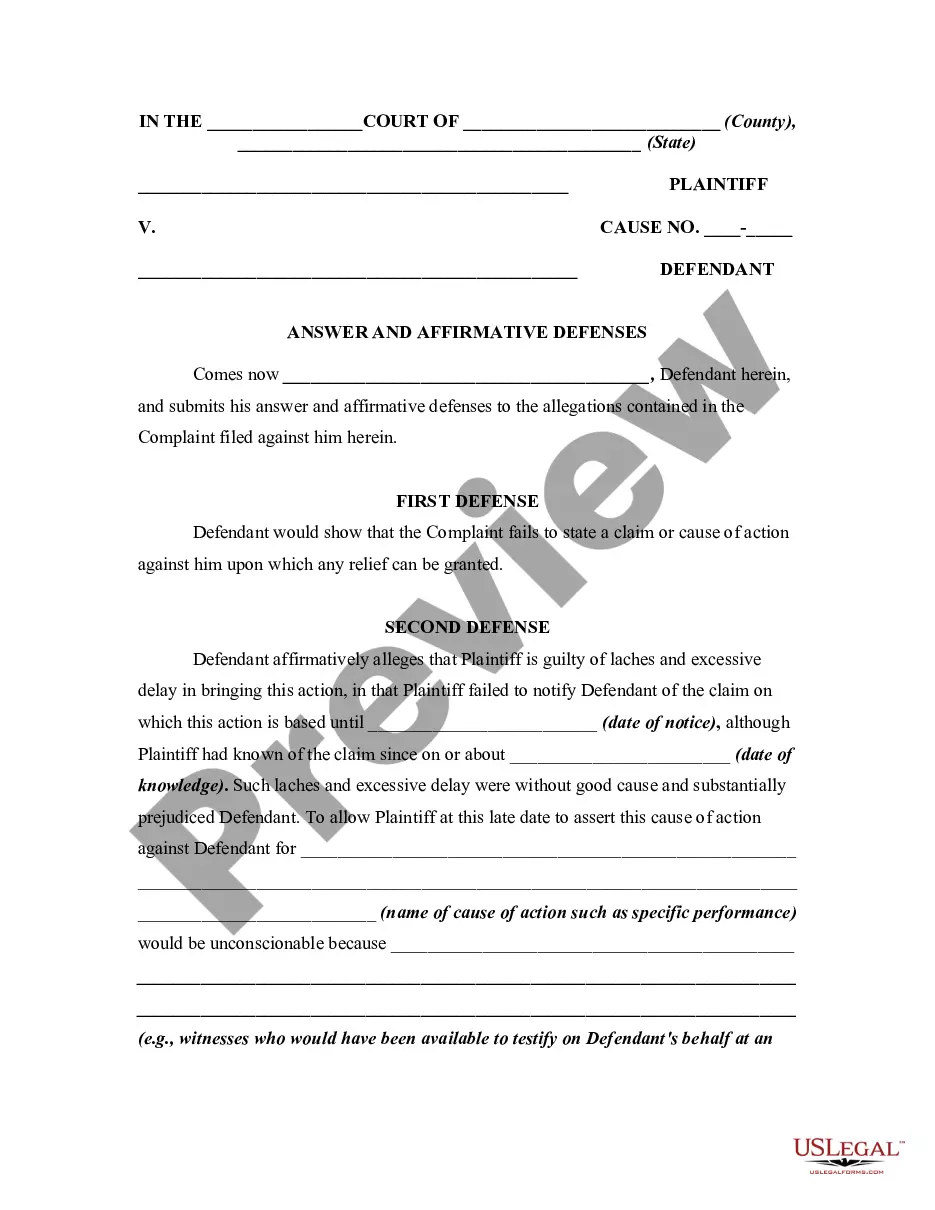
Get your form ready online
Our built-in tools help you complete, sign, share, and store your documents in one place.
Make edits, fill in missing information, and update formatting in US Legal Forms—just like you would in MS Word.
Download a copy, print it, send it by email, or mail it via USPS—whatever works best for your next step.
Sign and collect signatures with our SignNow integration. Send to multiple recipients, set reminders, and more. Go Premium to unlock E-Sign.
If this form requires notarization, complete it online through a secure video call—no need to meet a notary in person or wait for an appointment.
We protect your documents and personal data by following strict security and privacy standards.

Make edits, fill in missing information, and update formatting in US Legal Forms—just like you would in MS Word.

Download a copy, print it, send it by email, or mail it via USPS—whatever works best for your next step.

Sign and collect signatures with our SignNow integration. Send to multiple recipients, set reminders, and more. Go Premium to unlock E-Sign.

If this form requires notarization, complete it online through a secure video call—no need to meet a notary in person or wait for an appointment.

We protect your documents and personal data by following strict security and privacy standards.
Looking for another form?
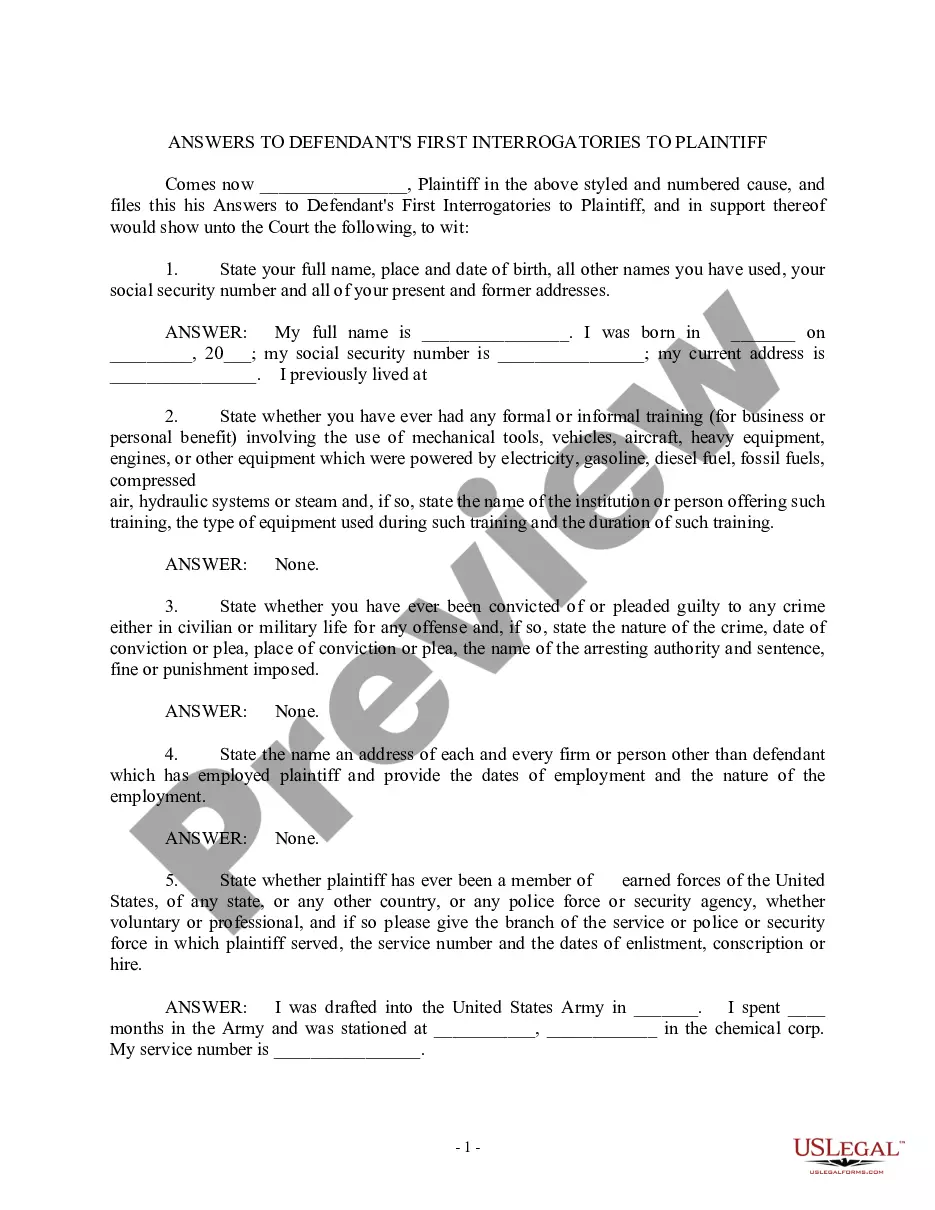
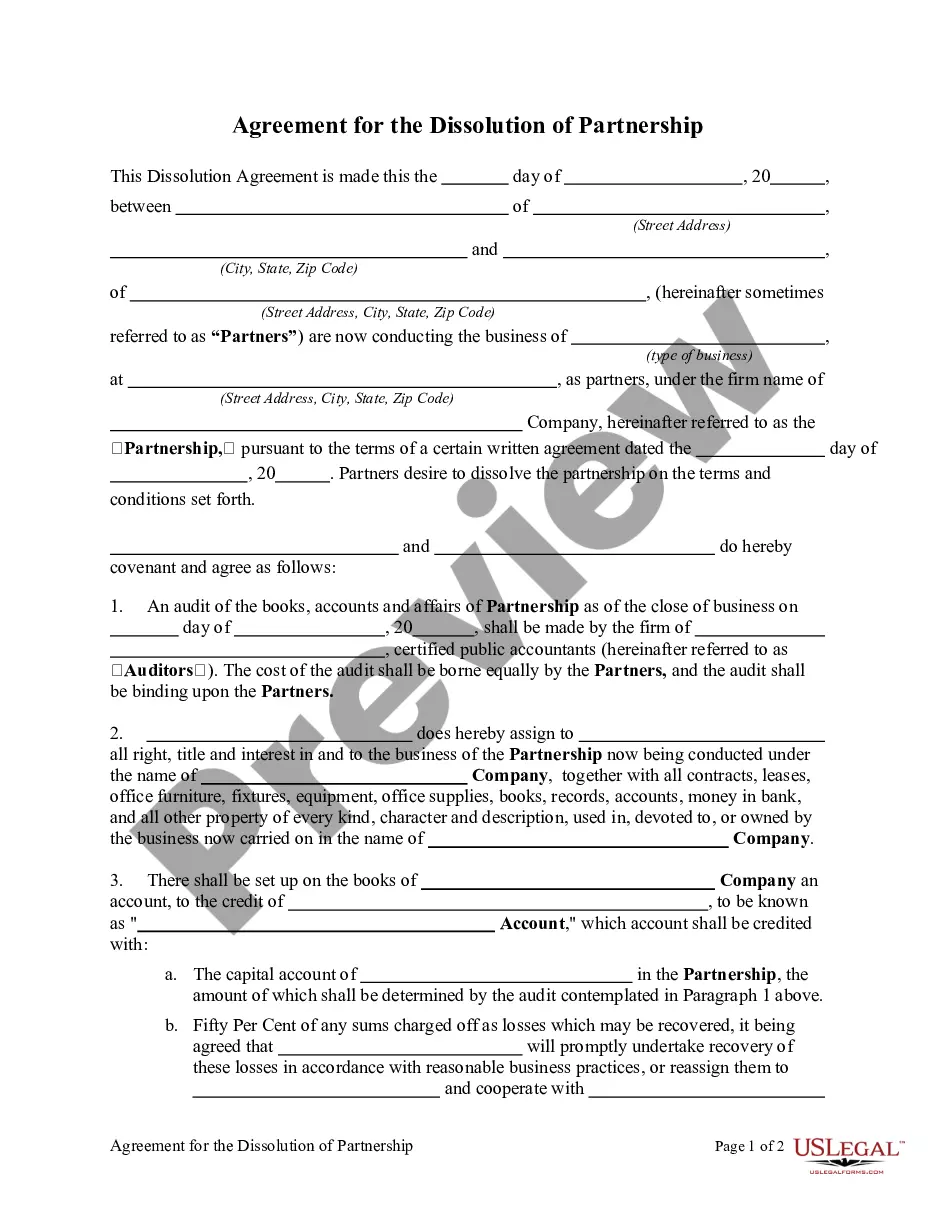



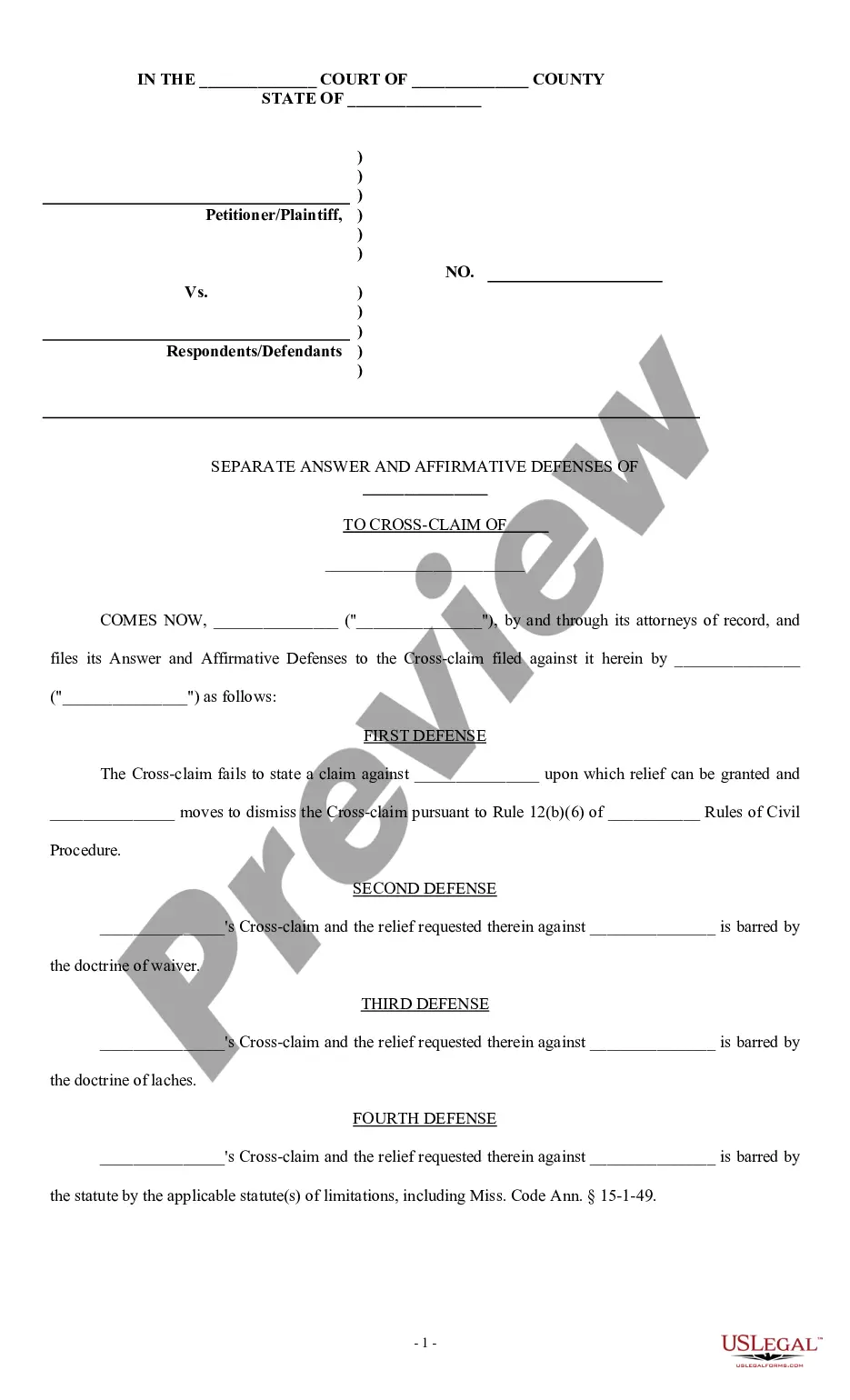


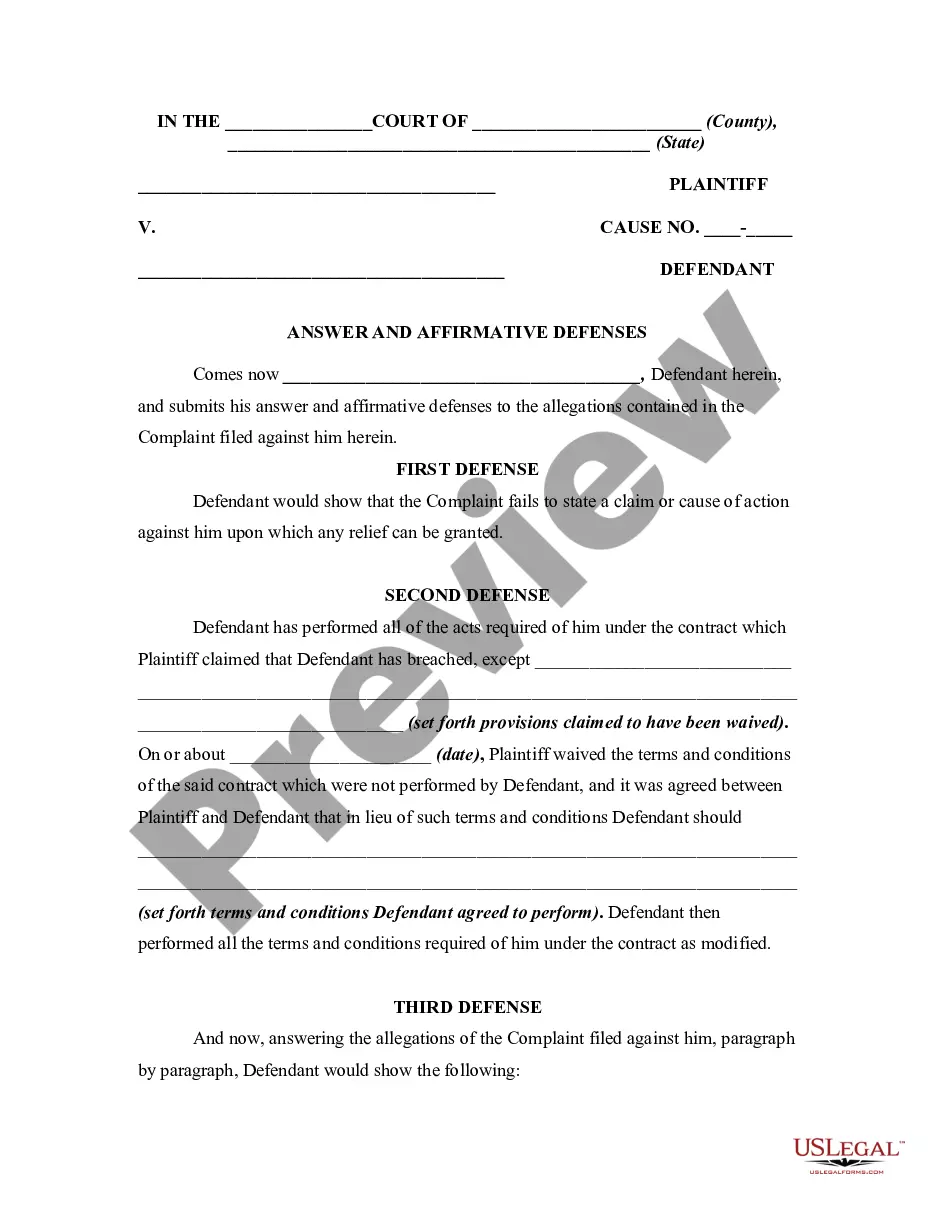
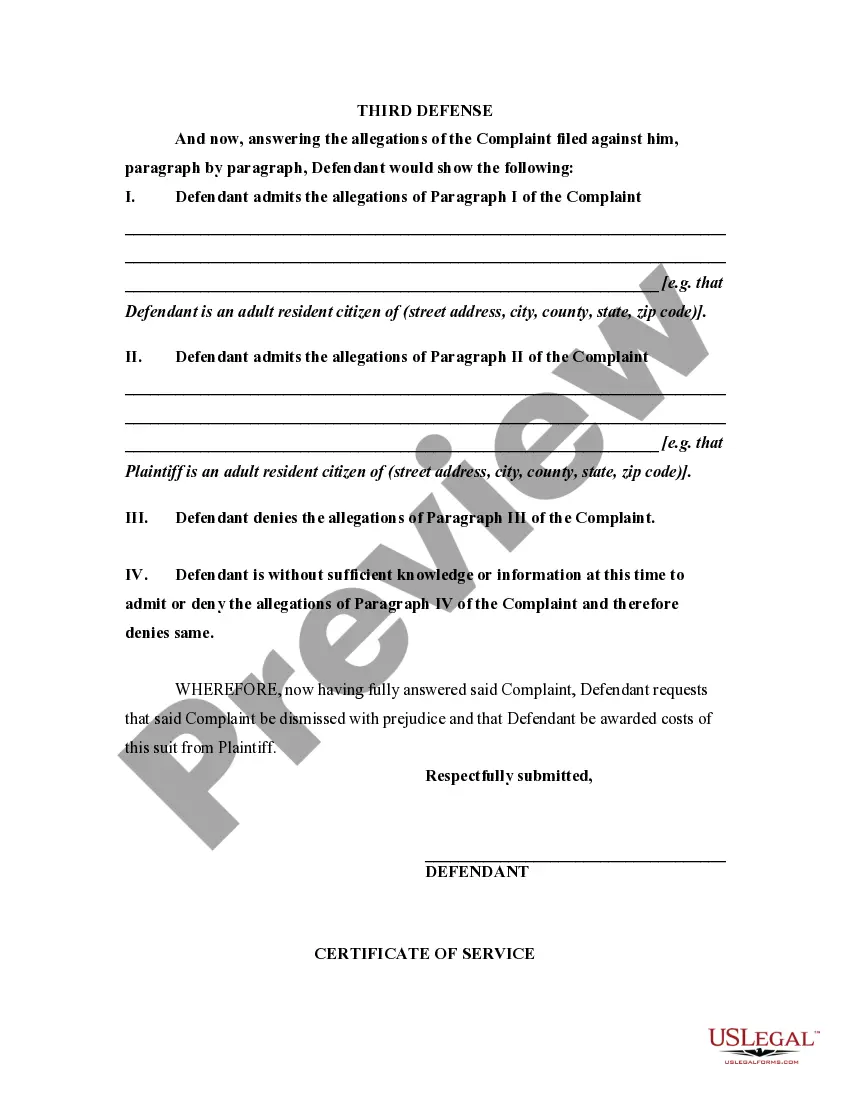
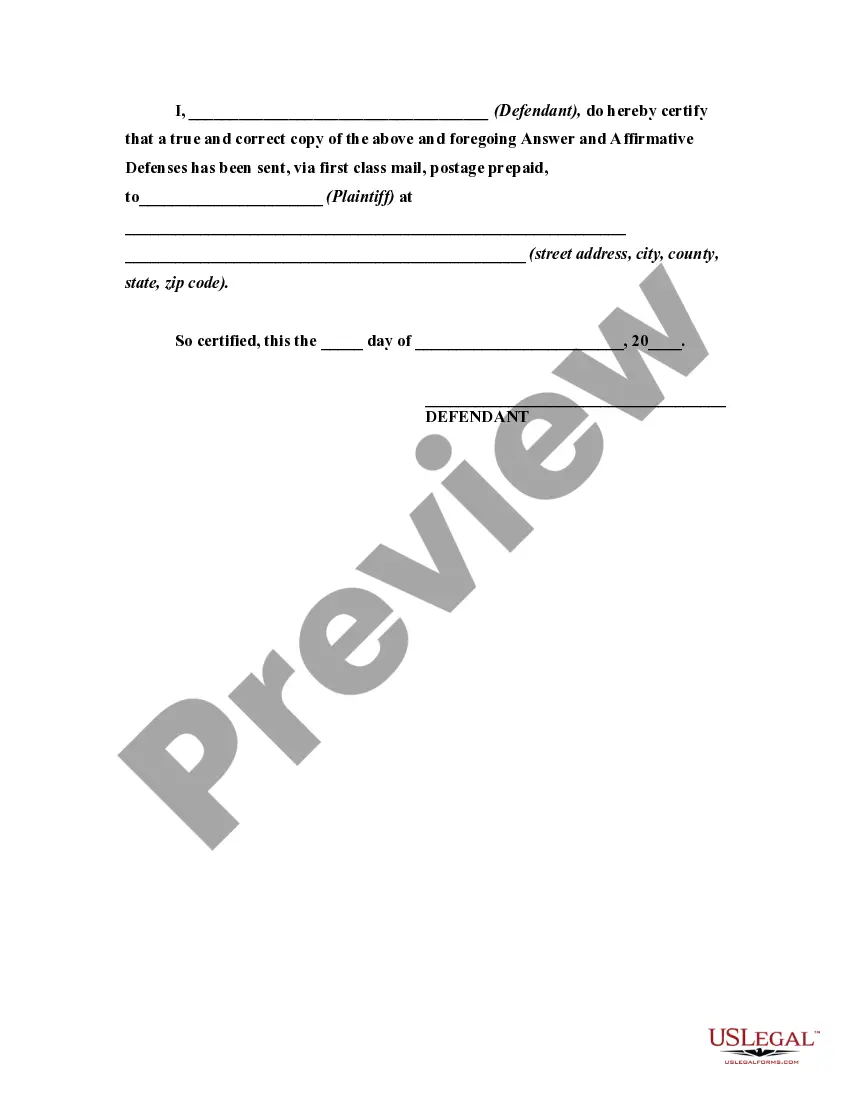
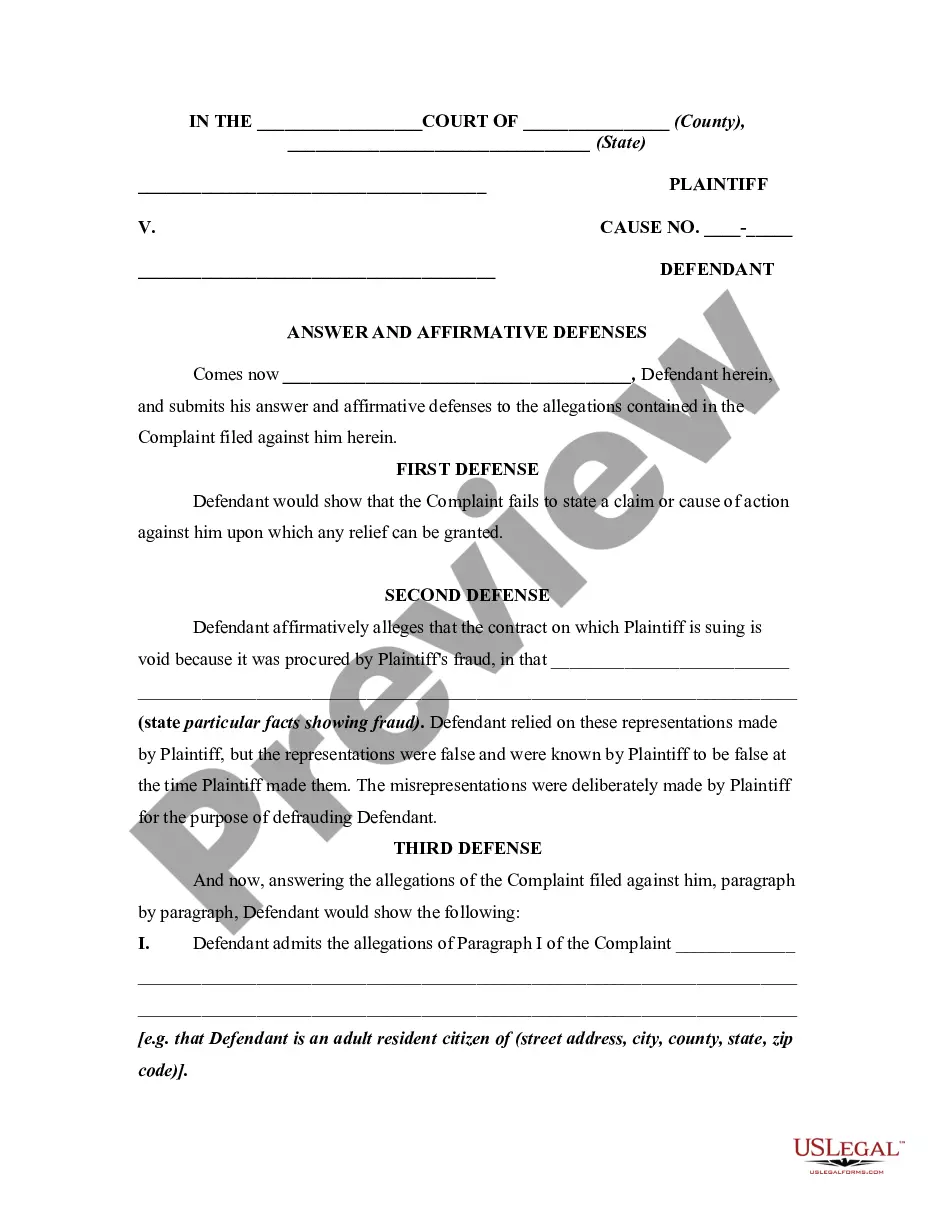
How to fill out Answer By Defendant In A Civil Lawsuit Alleging The Affirmative Defense Of The Cause Of Action Being Barred By Waiver Of Terms Of Contract By Plaintiff?
Whether for professional reasons or for personal matters, everyone must confront legal issues at some stage in their life.
Filling out legal documents requires meticulous attention, starting with selecting the appropriate form template.
With an extensive US Legal Forms catalog available, you do not have to waste time searching for the right template online. Utilize the library’s simple navigation to discover the proper form for any circumstance.
- For example, if you choose an incorrect version of a Response to Plaintiff Interrogatories, it will be denied upon submission.
- Thus, it is crucial to acquire a reliable source of legal forms like US Legal Forms.
- If you need a Response to Plaintiff Interrogatories template, follow these straightforward instructions.
- Obtain the template you require by utilizing the search box or navigation catalog.
- Review the form’s details to ensure it corresponds with your case, jurisdiction, and district.
- Click on the form’s preview to inspect it.
- If it is the incorrect document, return to the search function to locate the Response to Plaintiff Interrogatories template you need.
- Acquire the file when it satisfies your requirements.
- If you have a US Legal Forms account, simply click Log in to access previously saved forms in My documents.
- If you do not yet possess an account, you may acquire the form by clicking Buy now.
- Choose the suitable pricing option.
- Complete the account registration form.
- Select your payment method: you can utilize a credit card or PayPal account.
- Choose the document format you desire and download the Response to Plaintiff Interrogatories.
- Once it is saved, you can fill out the form using editing tools or print it and complete it manually.
Form popularity
FAQ
You can use interrogatories to find out facts about a case but they cannot be used for questions that draw a legal conclusion.
Rule 33(b), Federal Rules of Civil Procedure, requires the respondent to answer an interrogatory separately and fully in writing and under oath, unless the respondent objects, in which event the party objecting shall state with specificity the reasons for objection and shall answer to the extent the interrogatory is ...
You must answer the questions or file objections to certain questions or the entire set of interrogatories. For example, you might not want to answer a question because it contains incorrect information like asking you to state who treated your broken leg, but you did not break your leg.
Read each question (interrogatory) very carefully. Answer only the question that is asked, and avoid the temptation to over-explain your answer. If the question contains several parts, you may break your answer into parts as well. It is also possible that you might object to the question.
Interrogatories are written questions; The receiving party must respond in writing to the interrogatories and may assert any applicable objections; Responses to interrogatories must be truthful and complete (and are made under oath); and.