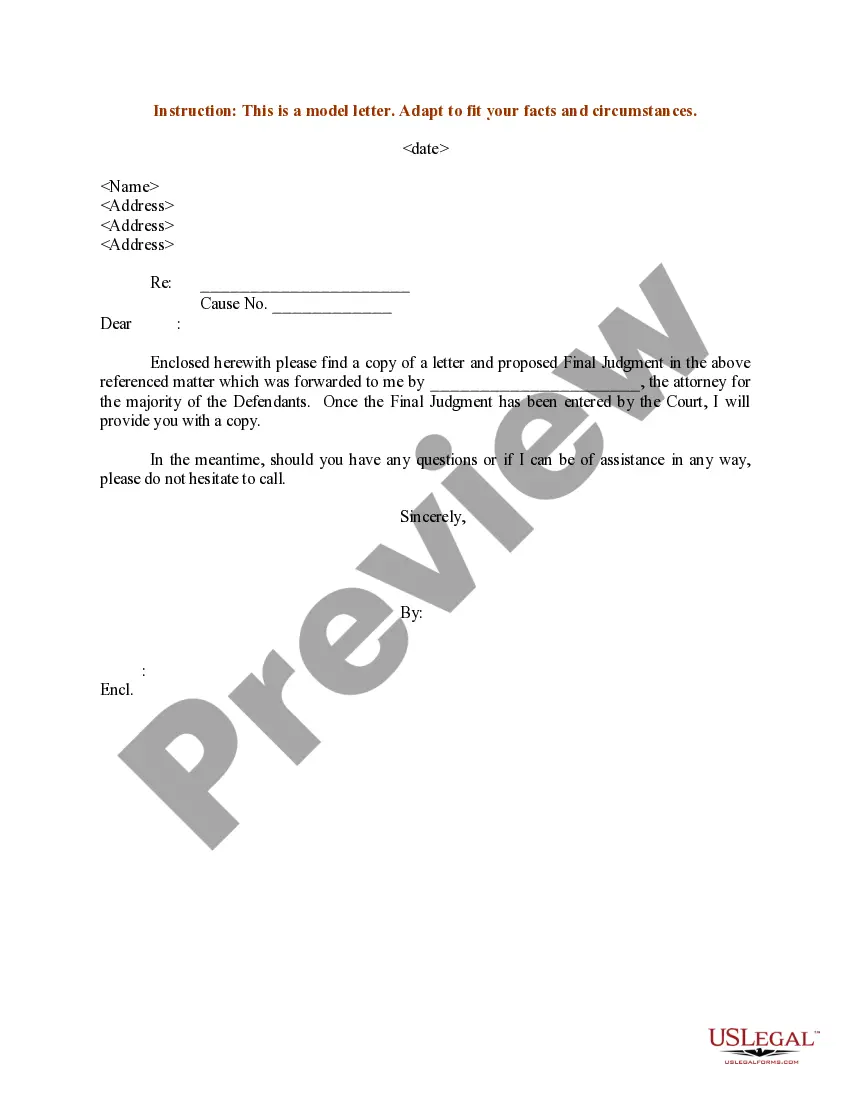
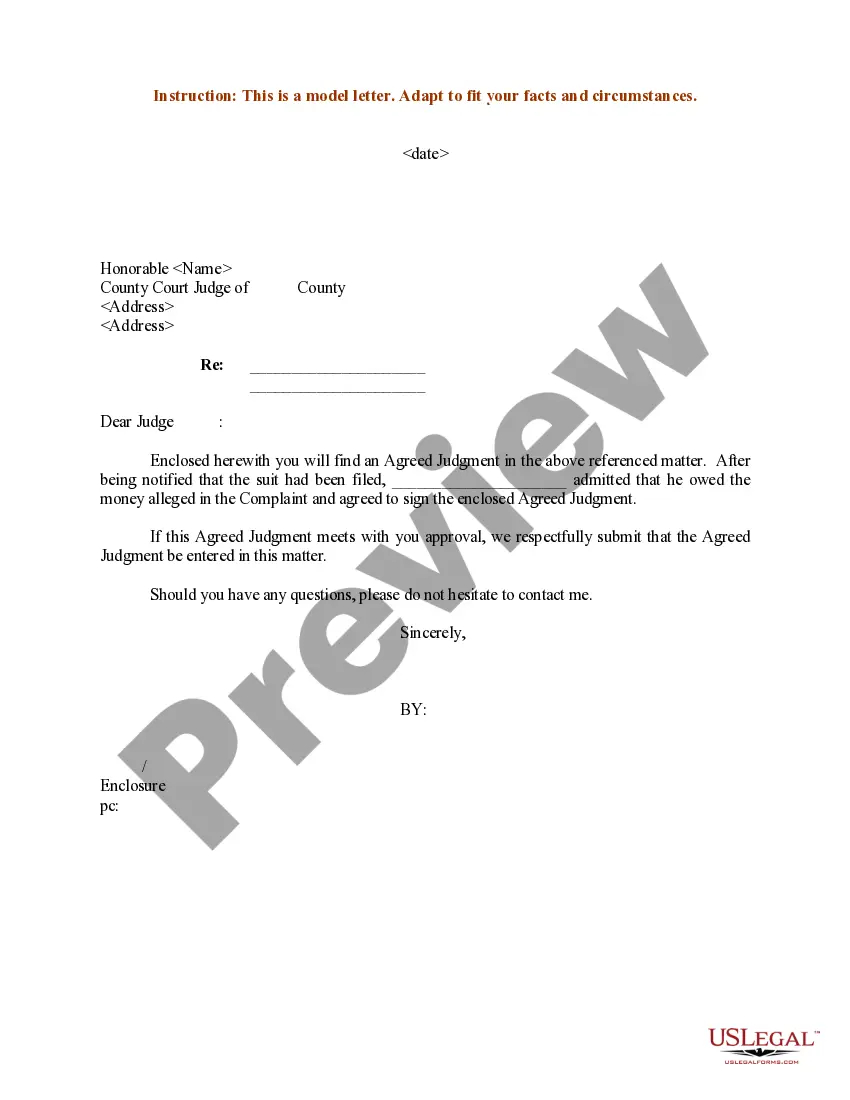
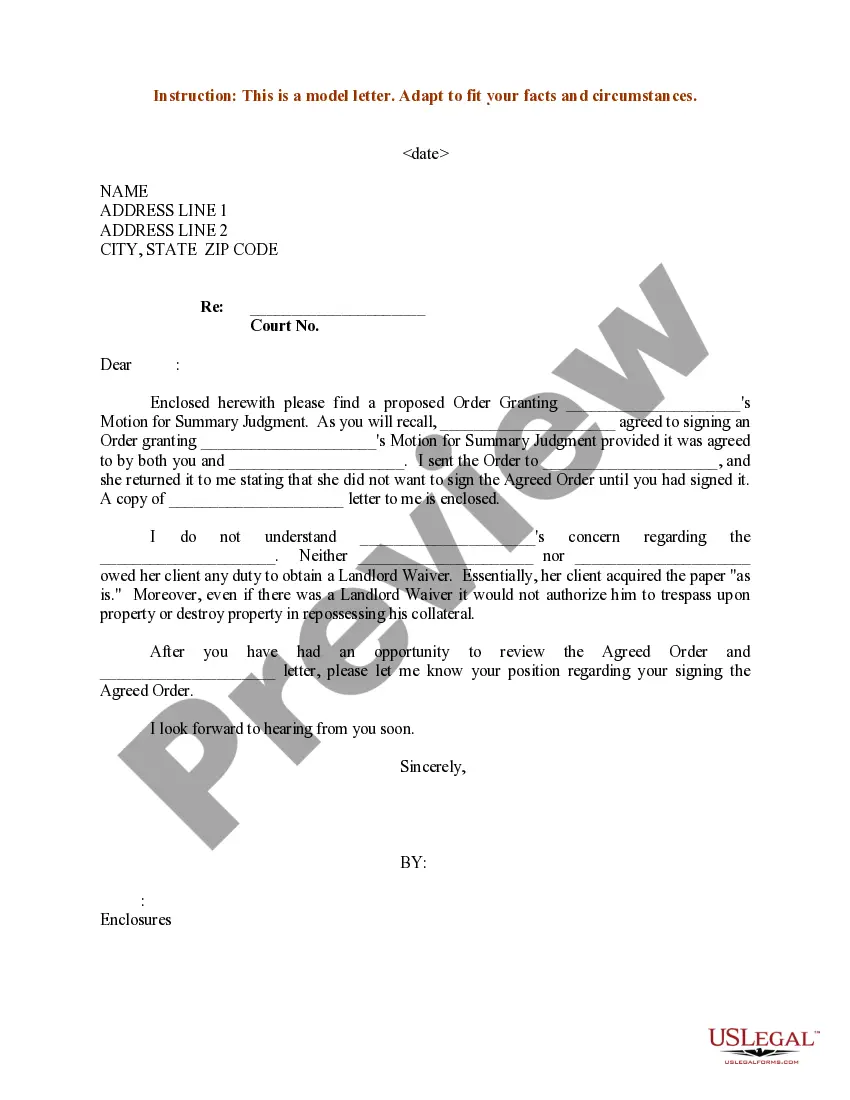
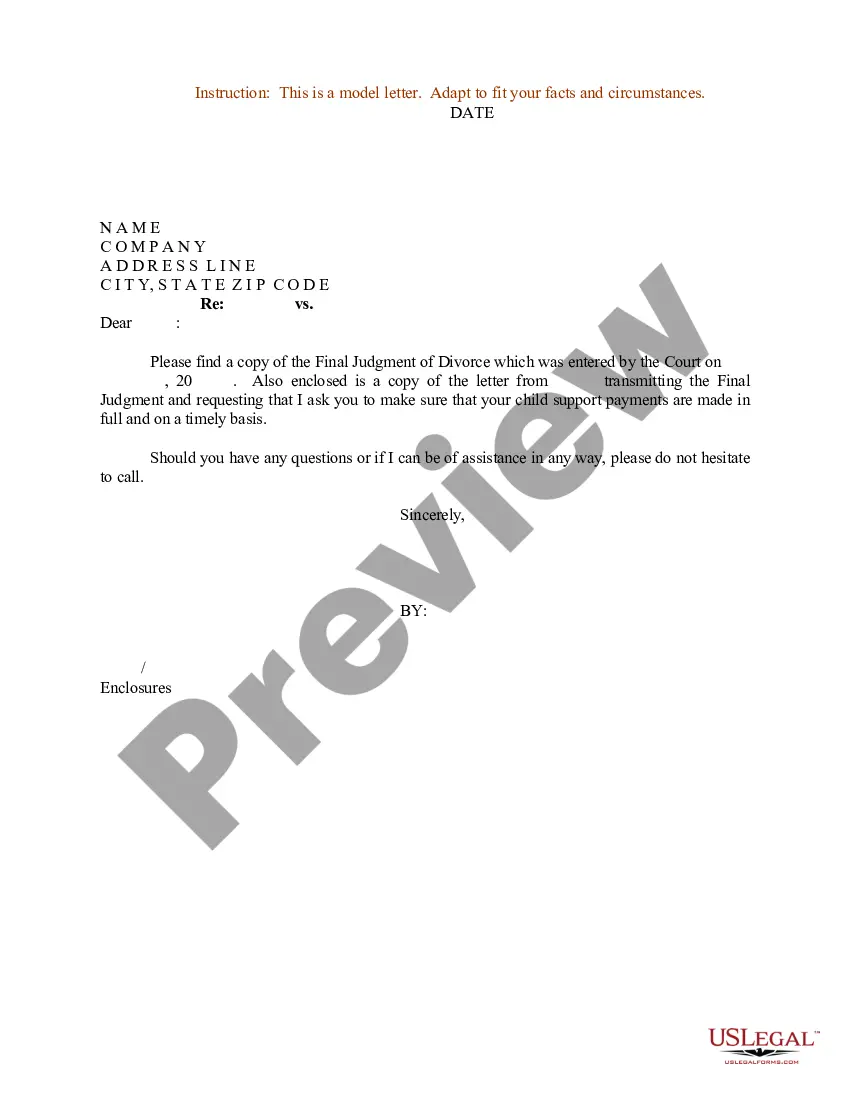
Proposed Judgment Sample With Notice
Description
Get your form ready online
Our built-in tools help you complete, sign, share, and store your documents in one place.
Make edits, fill in missing information, and update formatting in US Legal Forms—just like you would in MS Word.
Download a copy, print it, send it by email, or mail it via USPS—whatever works best for your next step.
Sign and collect signatures with our SignNow integration. Send to multiple recipients, set reminders, and more. Go Premium to unlock E-Sign.
If this form requires notarization, complete it online through a secure video call—no need to meet a notary in person or wait for an appointment.
We protect your documents and personal data by following strict security and privacy standards.

Make edits, fill in missing information, and update formatting in US Legal Forms—just like you would in MS Word.

Download a copy, print it, send it by email, or mail it via USPS—whatever works best for your next step.

Sign and collect signatures with our SignNow integration. Send to multiple recipients, set reminders, and more. Go Premium to unlock E-Sign.

If this form requires notarization, complete it online through a secure video call—no need to meet a notary in person or wait for an appointment.

We protect your documents and personal data by following strict security and privacy standards.
Looking for another form?
How to fill out Sample Letter For Proposed Final Judgment?
Securing a reliable resource for obtaining the most up-to-date and suitable legal documents is a significant part of dealing with bureaucracy.
Locating appropriate legal files requires accuracy and careful consideration, which is why it's essential to obtain samples of Proposed Judgment Sample With Notice solely from credible sources, such as US Legal Forms.
Once the form is on your device, you can modify it using the editor or print it out to complete by hand. Eliminate the hassle associated with your legal documentation. Browse the extensive US Legal Forms library where you can discover legal templates, assess their applicability to your circumstance, and download them immediately.
- Use the catalog navigation or search bar to find your document.
- Check the form’s description to ensure it meets the requirements of your state and location.
- If available, review the form preview to confirm the template is indeed the one you need.
- If the Proposed Judgment Sample With Notice doesn't fulfill your needs, continue searching for the correct template.
- Once you are confident about the form’s applicability, download it.
- If you are a registered user, click Log in to verify and access your chosen forms in My documents.
- If you do not have an account yet, click Buy now to acquire the document.
- Choose the payment plan that fits your requirements.
- Complete the registration to finalize your order.
- Finalize your purchase by selecting a payment option (credit card or PayPal).
- Select the download format for Proposed Judgment Sample With Notice.
Form popularity
FAQ
Filing a motion for judgment involves preparing a written request to a court, explaining why you believe a judgment should be granted in your favor. You need to include evidence, relevant laws, and a proposed judgment sample with notice to support your claim. Using a platform like US Legal Forms can simplify the process by providing templates and guidance for your specific situation.
A notice of judgment is a formal communication that informs parties involved about the court's decision regarding a legal case. This notice typically outlines the specifics of the ruling, including any obligations or penalties. Understanding a proposed judgment sample with notice can help you prepare for what to expect after a judgment is issued.
In California, you usually have 14 days to respond to a motion for summary judgment after it is served. This is a critical window for presenting any evidence that contradicts the claims made in the motion. Utilizing a proposed judgment sample with notice can assist you in formulating your response accurately. Adhering to this deadline can be vital for a favorable decision.
In California, you generally have 60 days from the date of service of the notice of entry of judgment to file an appeal. This period is critical for preserving your right to contest the judgment made against you. If you need clarification, reviewing a proposed judgment sample with notice may help you understand the implications. Taking timely action is essential in the appeals process.
A notice of judgment is a formal notification that informs parties about the outcome of a legal action. It acts as a record of the court's decision and can serve various purposes in ongoing legal matters, especially when linked to a proposed judgment sample with notice. Understanding this document can help you respond appropriately and protect your interests in subsequent legal proceedings.
In California, you typically have 15 days to respond to a proposed judgment after it is served on you. This timeframe is crucial to ensure you have an opportunity to present objections or corrections. If you're unfamiliar with the process, consulting a proposed judgment sample with notice can be incredibly helpful. Make sure to comply with the court's rules to avoid unfavorable outcomes.
A ballpark fee for preparation of the affidavit is between $750 for a very simple estate with few heirs to several thousand dollars for a more complicated estate with many heirs. The filing fees to record the affidavit in each county where the real property is located usually run about $50 to $75 in Texas.
An affidavit of heirship must be signed and sworn to before a notary public by a person who knew the decedent and the decedent's family history. This person can be a friend of the decedent, an old friend of the family, or a neighbor, for example.
The form is fairly straightforward and requires the following information: Name, address, and date of death of the decedent. Whether the deceased person was ever married. Names of the surviving heirs. Statement that the deceased did not leave a will. Statement that you are an heir under your state intestacy law.
Fortunately, there are some methods heirs can use to receive the decedent's property without going through probate. A Texas affidavit of heirship is one such method.