Civil Actions
Description
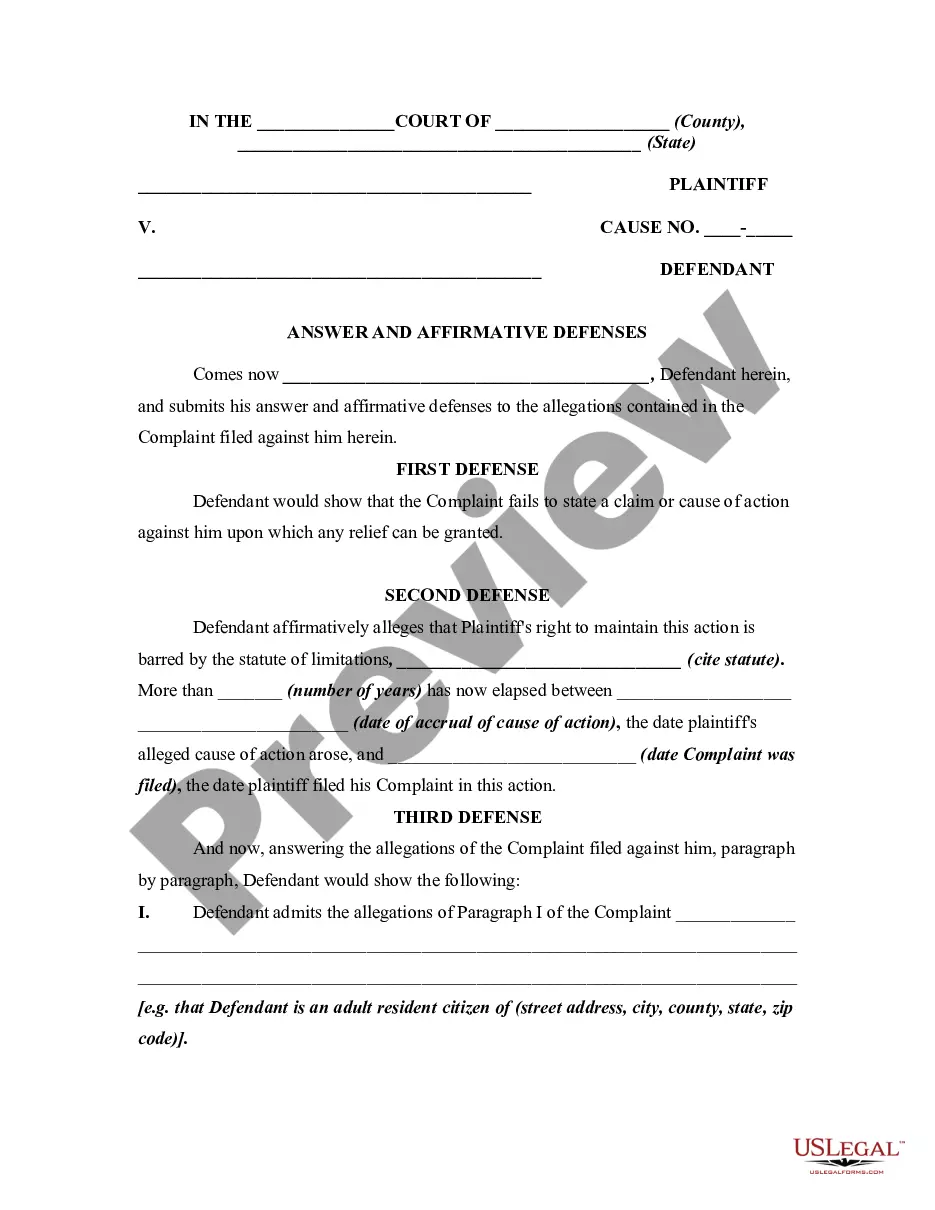
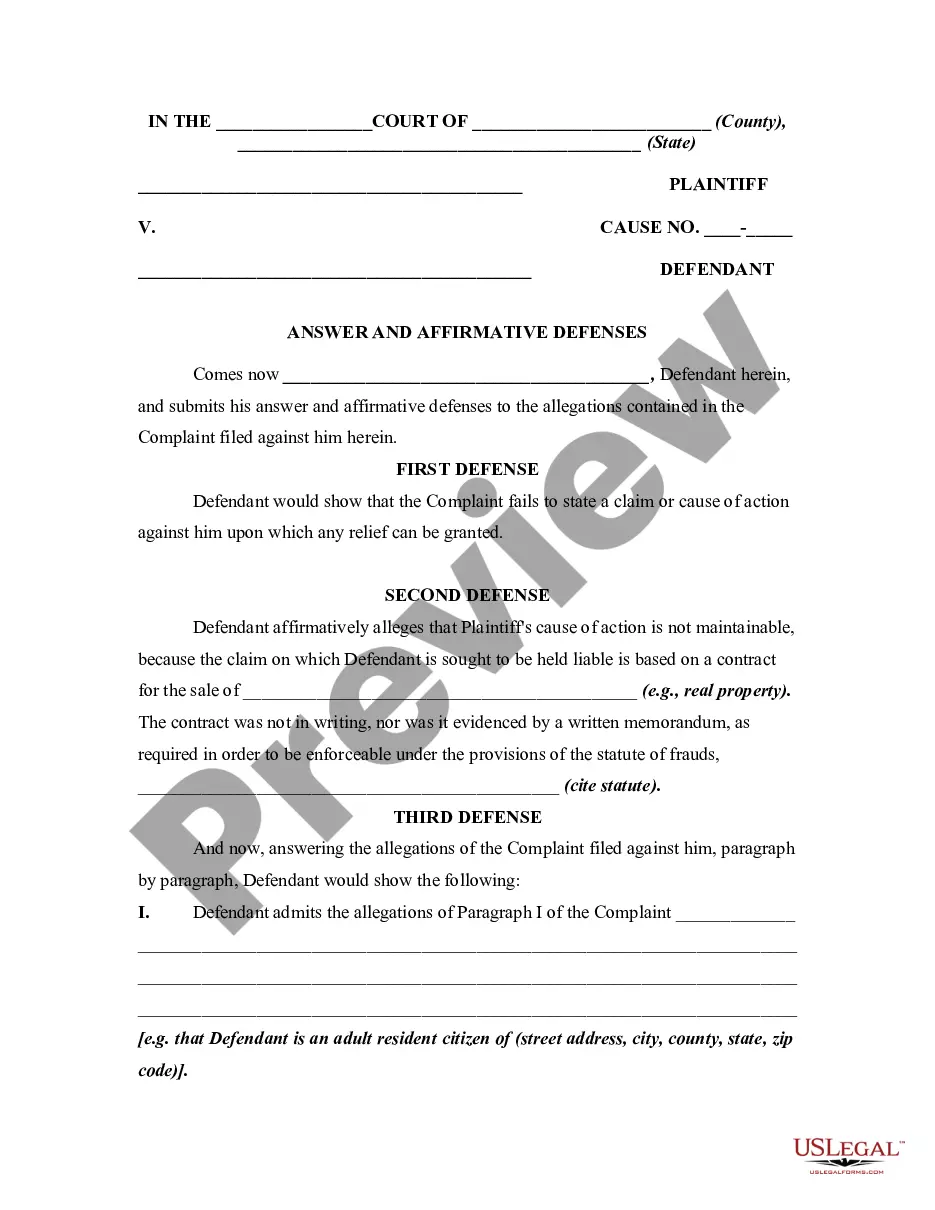
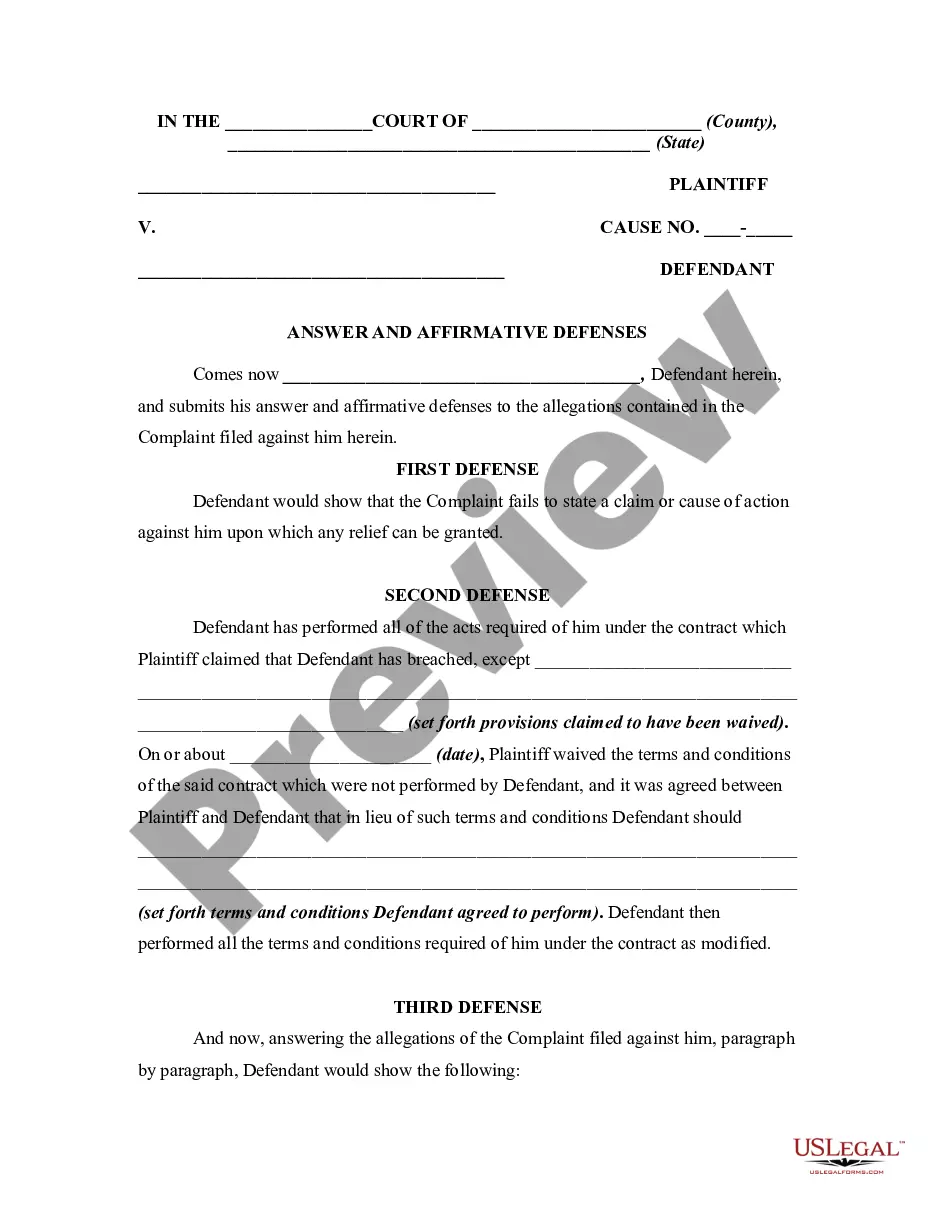
Get your form ready online
Our built-in tools help you complete, sign, share, and store your documents in one place.
Make edits, fill in missing information, and update formatting in US Legal Forms—just like you would in MS Word.
Download a copy, print it, send it by email, or mail it via USPS—whatever works best for your next step.
Sign and collect signatures with our SignNow integration. Send to multiple recipients, set reminders, and more. Go Premium to unlock E-Sign.
If this form requires notarization, complete it online through a secure video call—no need to meet a notary in person or wait for an appointment.
We protect your documents and personal data by following strict security and privacy standards.

Make edits, fill in missing information, and update formatting in US Legal Forms—just like you would in MS Word.

Download a copy, print it, send it by email, or mail it via USPS—whatever works best for your next step.

Sign and collect signatures with our SignNow integration. Send to multiple recipients, set reminders, and more. Go Premium to unlock E-Sign.

If this form requires notarization, complete it online through a secure video call—no need to meet a notary in person or wait for an appointment.

We protect your documents and personal data by following strict security and privacy standards.
Looking for another form?


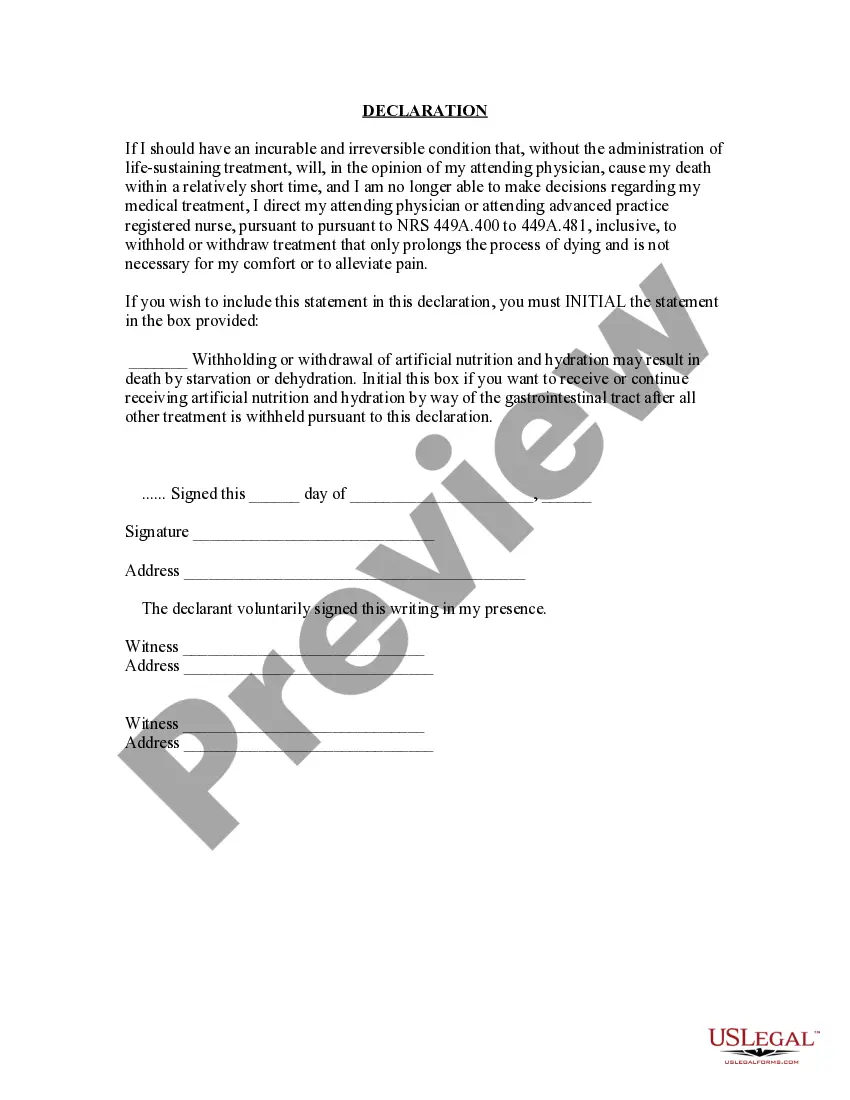




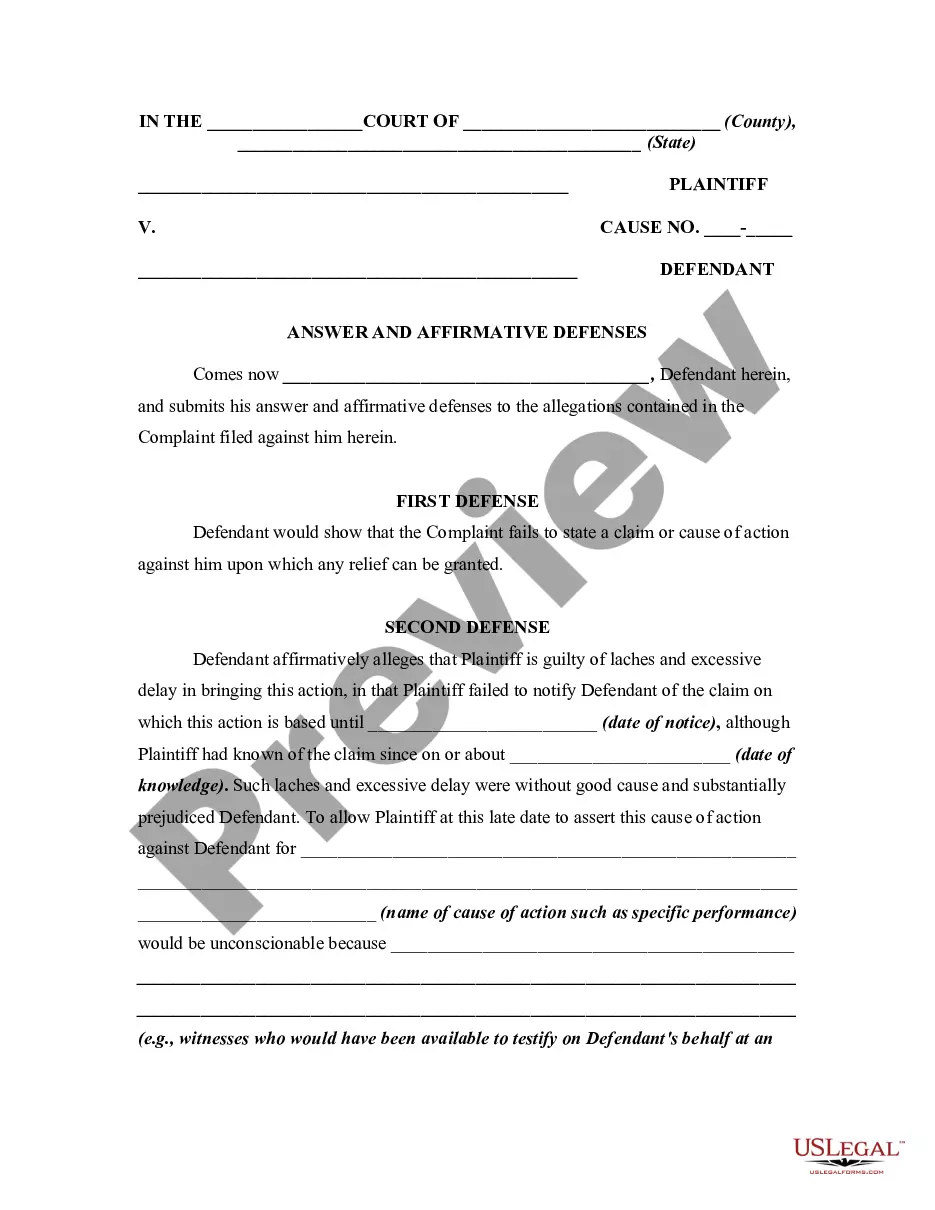
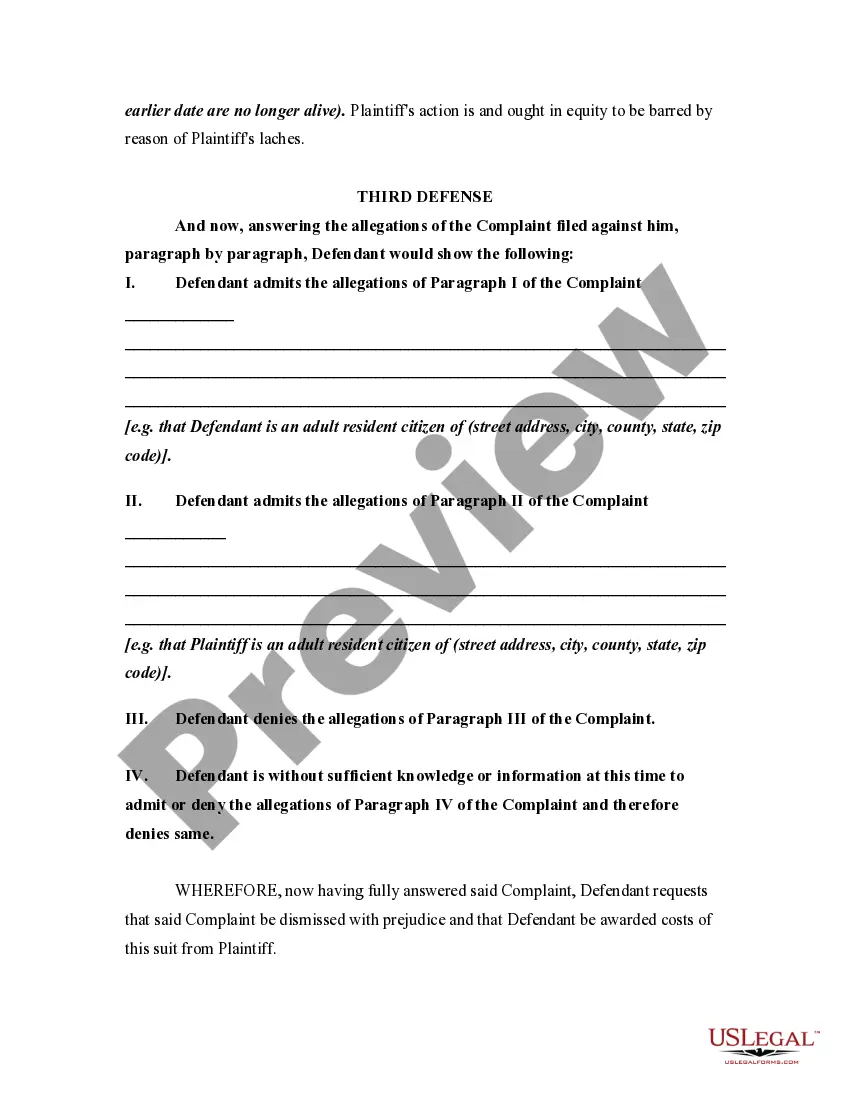
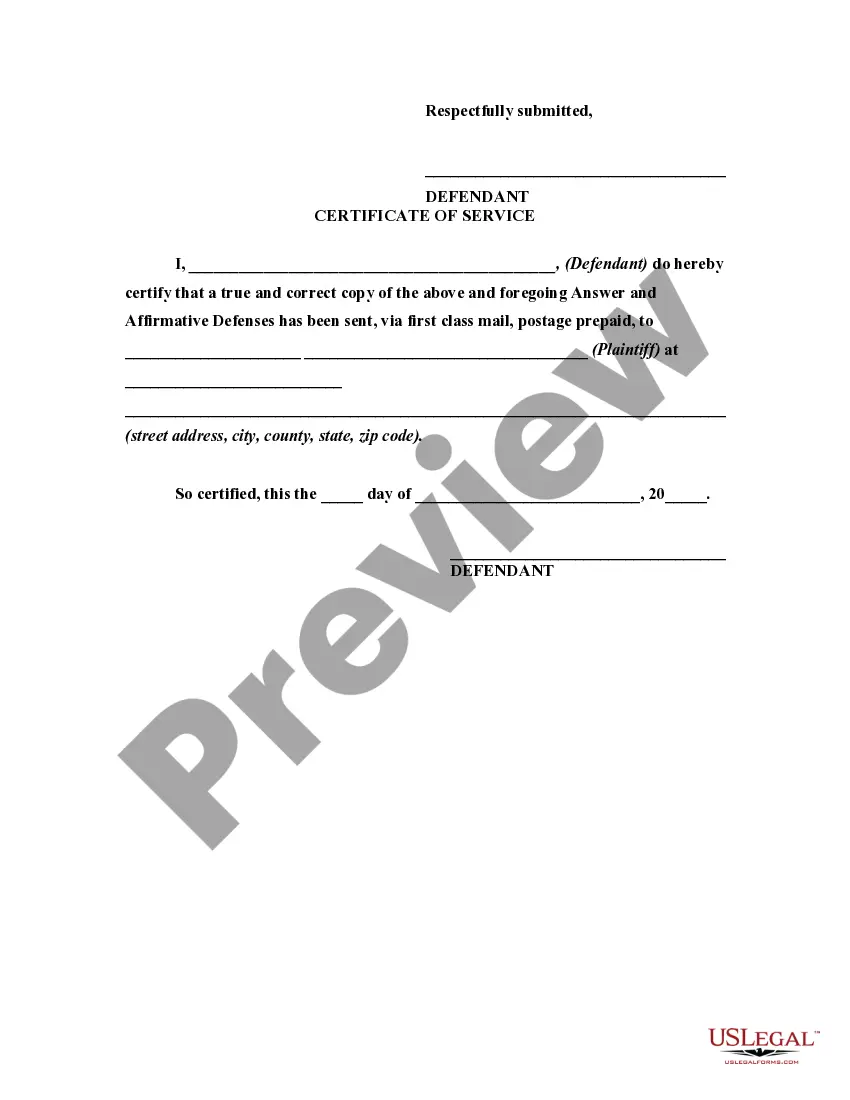
How to fill out Answer By Defendant In A Civil Lawsuit Alleging The Affirmative Defense Of The Cause Of Action Being Barred By Laches?
- Start by logging into your US Legal Forms account if you have previously used their service. Ensure your subscription is valid to avoid any interruptions.
- If it's your first visit, explore the Preview mode and verify that the form you selected aligns with your specific requirements and jurisdiction.
- Should you require a different document, employ the Search tab to find the appropriate template.
- Once you've found the right form, click the 'Buy Now' button and select your desired subscription plan. Registration for an account is necessary to unlock the full library.
- Complete your purchase using your credit card information or PayPal account.
- After payment, download your document to your device for easy access, and it will also be available in the 'My Forms' section of your profile.
By following these straightforward steps, you can efficiently access the legal documents needed for civil actions.
Don't hesitate—visit US Legal Forms today and experience the convenience of managing your legal needs effortlessly!
Form popularity
FAQ
When civil actions are filed, the court assigns a case number and sets a timeline for the proceedings. The defendant receives the complaint and must respond, which may lead to negotiations or a request for dismissal. If the case proceeds, both parties engage in discovery, thus preparing for a potential trial. Ultimately, the court issues a judgment based on the evidence presented.
To start civil actions, you need to follow a structured process. First, prepare and file a complaint with the court that lays out your claims. After filing, you must serve the defendant with a copy of the complaint and a summons to inform them of the legal action. This ensures that all parties understand the nature of the dispute as the case moves forward.
Civil actions typically involve five key steps: filing the complaint, serving the defendant, discovery, trial, and judgment. Initially, the plaintiff files a complaint to outline the dispute. Then, they serve the defendant with this complaint, prompting a response. Afterward, both parties gather evidence and share information during discovery, leading to a trial where a judge or jury makes a decision, resulting in a judgment.
A common example of a civil action is a dispute over a breach of contract, where one party fails to fulfill their obligations. The harmed party may file a lawsuit seeking damages for the losses incurred. Such cases illustrate the importance of understanding your rights and remedies when involved in civil actions. Tools like uslegalforms can streamline the documentation process effectively.
A civil action case is a legal dispute between individuals or entities that typically involves seeking compensation or enforcing rights. Unlike criminal cases, civil actions resolve issues related to contracts, property, and personal injury. The outcome often involves payment or specific performance rather than imprisonment. Clarifying these distinctions is essential when engaging in civil actions.
The most common civil lawsuit involves personal injury claims, which arise from accidents or negligence. In these cases, one party seeks compensation from another for damages caused. Understanding the nuances of personal injury cases can help you navigate civil actions more effectively. Familiarizing yourself with trusted resources or legal platforms, like uslegalforms, can assist you.
To write a civil motion, begin by clearly stating the purpose of the motion in the title. Next, outline the facts and legal grounds supporting your request. Include a section for the relief you seek from the court. For a smooth civil action process, ensure you follow proper formatting and court rules specific to your jurisdiction.
The first step in a civil action is filing a complaint with the appropriate court. This document outlines your claims and the basis for the court's jurisdiction. After filing, you must serve the complaint to the defendant, which formally notifies them of the lawsuit. Understanding this process is crucial to effectively pursuing civil actions.
To bring a civil action means to initiate a lawsuit in a civil court to resolve a dispute or seek compensation. This process involves filing legal documents that outline your claims, gathering evidence, and arguing your case in front of a judge. It is essential to understand this process, as it can lead to meaningful outcomes in resolving civil actions effectively. Platforms like USLegalForms can assist you with the necessary documentation and guidance.
Civil actions can be categorized into tort actions and breach of contract actions. Tort actions involve claims where one party seeks compensation for harm caused by another's actions. Breach of contract actions arise when one party does not fulfill their obligations as per an agreement. Understanding these civil actions is crucial for navigating legal disputes successfully.