Civil Action Lawsuit
Description
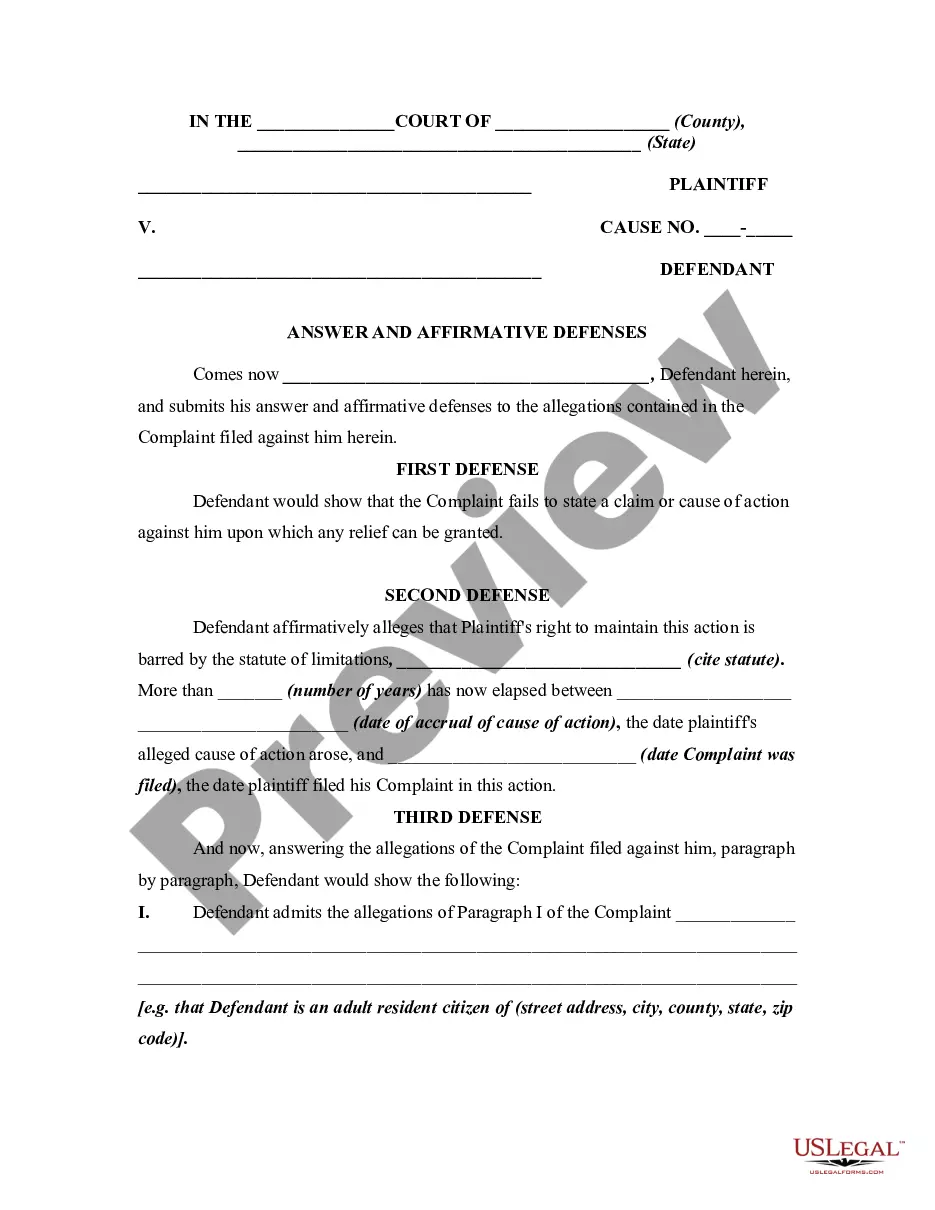
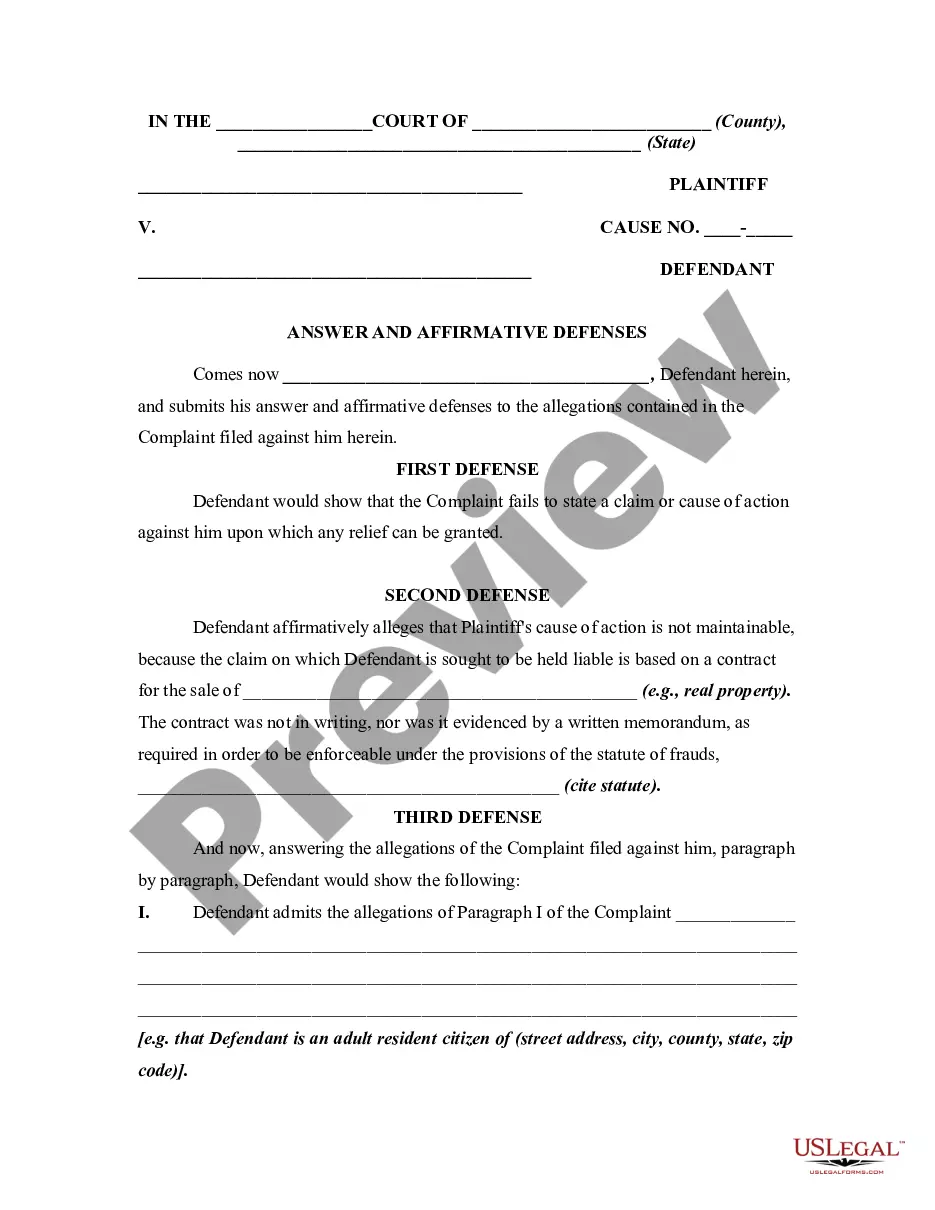
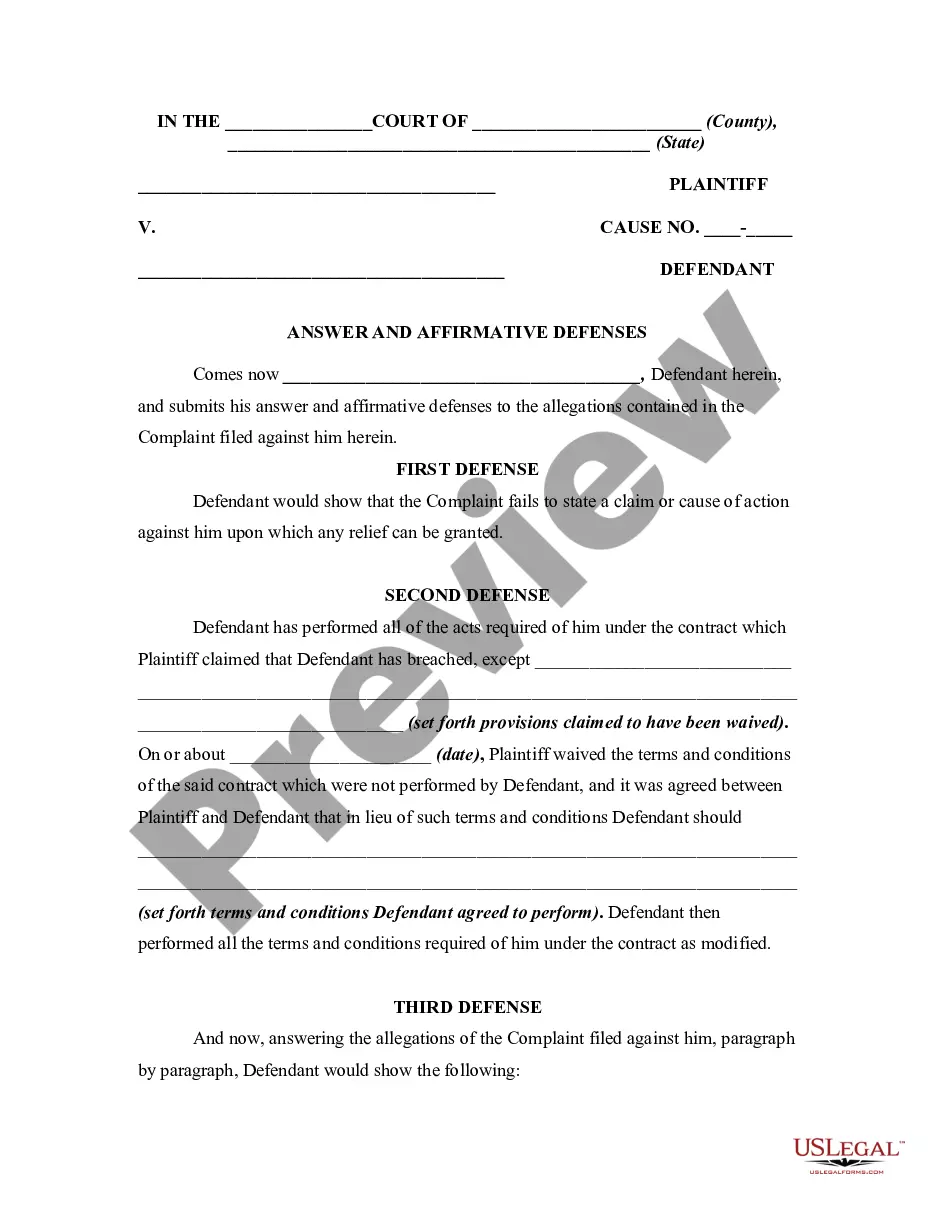
Get your form ready online
Our built-in tools help you complete, sign, share, and store your documents in one place.
Make edits, fill in missing information, and update formatting in US Legal Forms—just like you would in MS Word.
Download a copy, print it, send it by email, or mail it via USPS—whatever works best for your next step.
Sign and collect signatures with our SignNow integration. Send to multiple recipients, set reminders, and more. Go Premium to unlock E-Sign.
If this form requires notarization, complete it online through a secure video call—no need to meet a notary in person or wait for an appointment.
We protect your documents and personal data by following strict security and privacy standards.

Make edits, fill in missing information, and update formatting in US Legal Forms—just like you would in MS Word.

Download a copy, print it, send it by email, or mail it via USPS—whatever works best for your next step.

Sign and collect signatures with our SignNow integration. Send to multiple recipients, set reminders, and more. Go Premium to unlock E-Sign.

If this form requires notarization, complete it online through a secure video call—no need to meet a notary in person or wait for an appointment.

We protect your documents and personal data by following strict security and privacy standards.
Looking for another form?






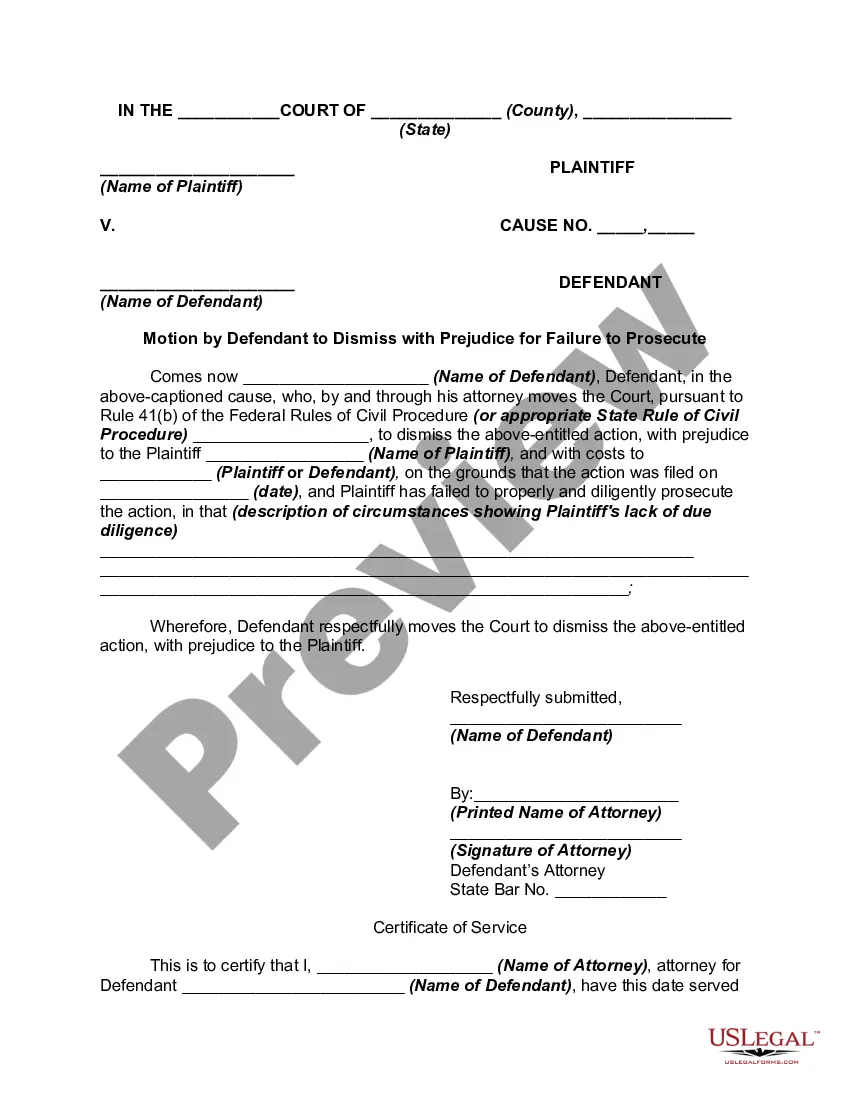

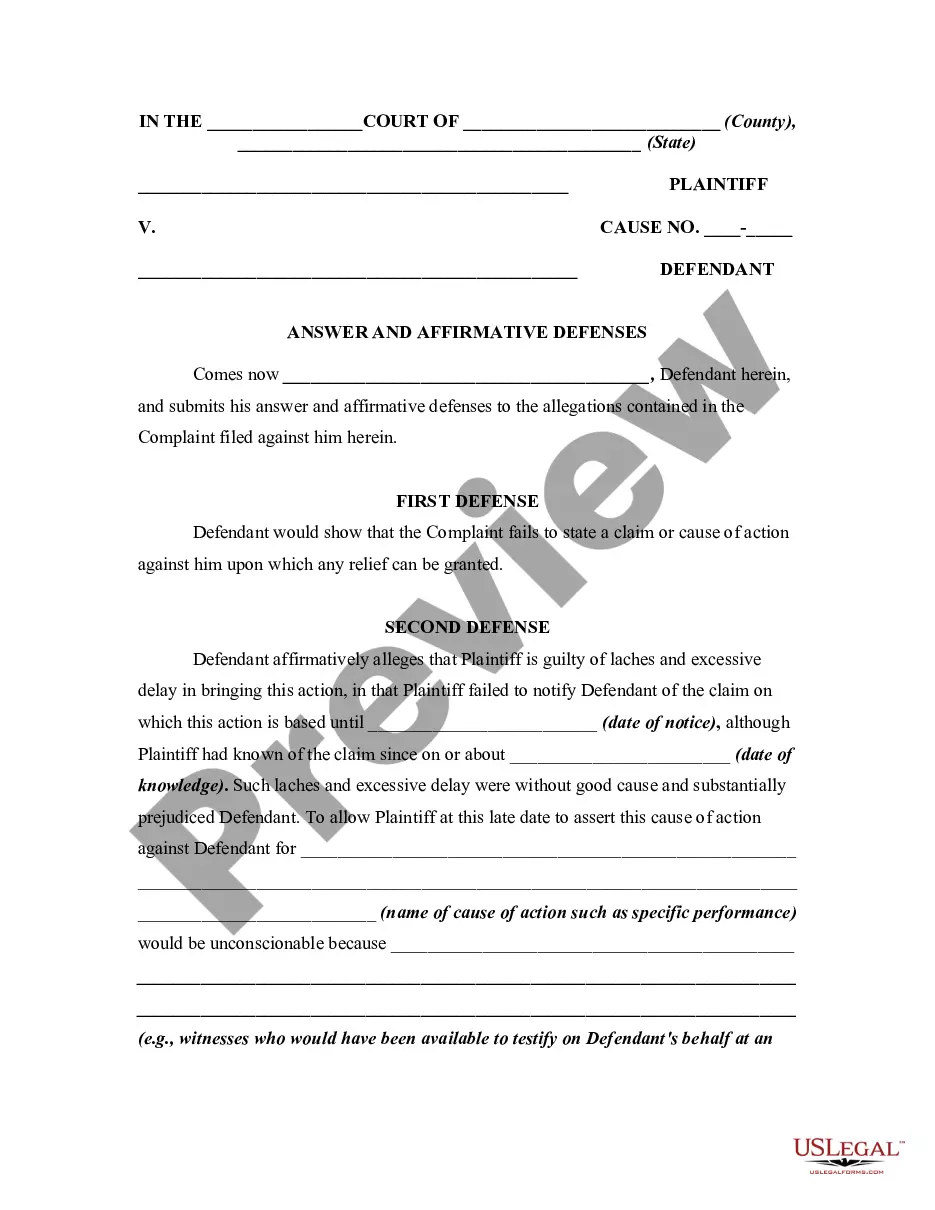
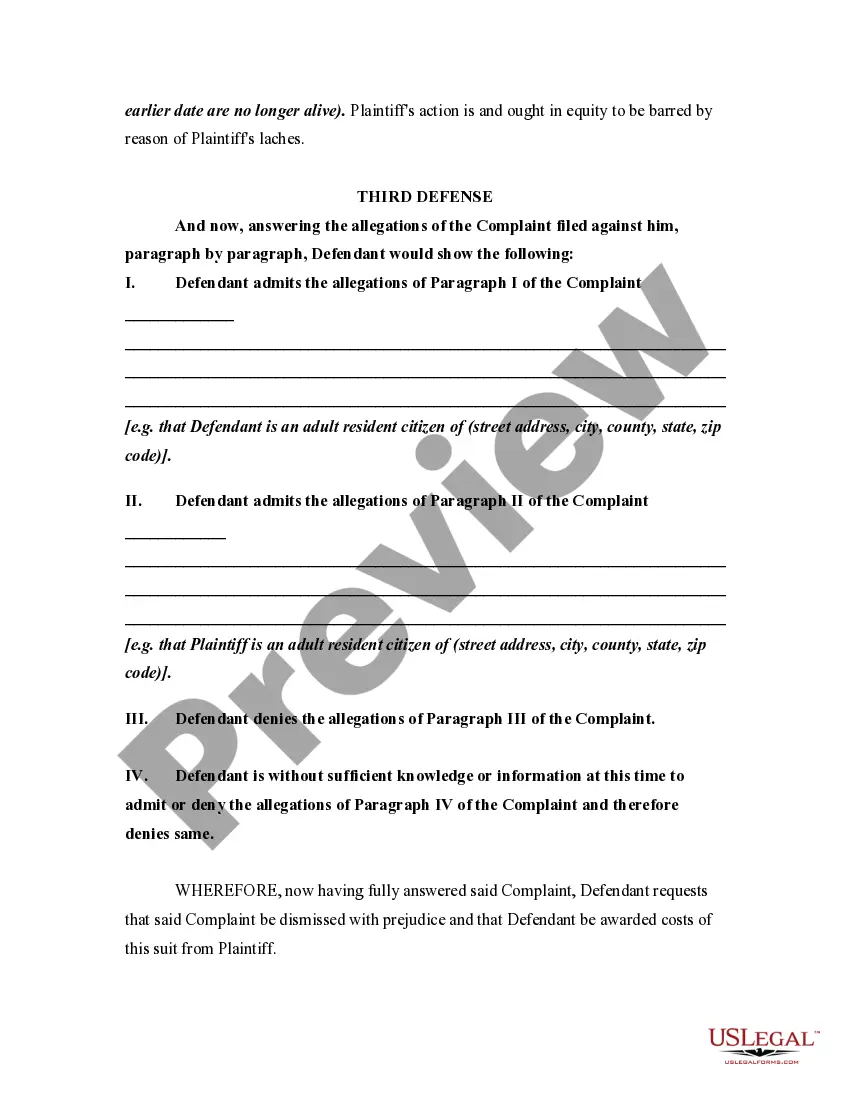
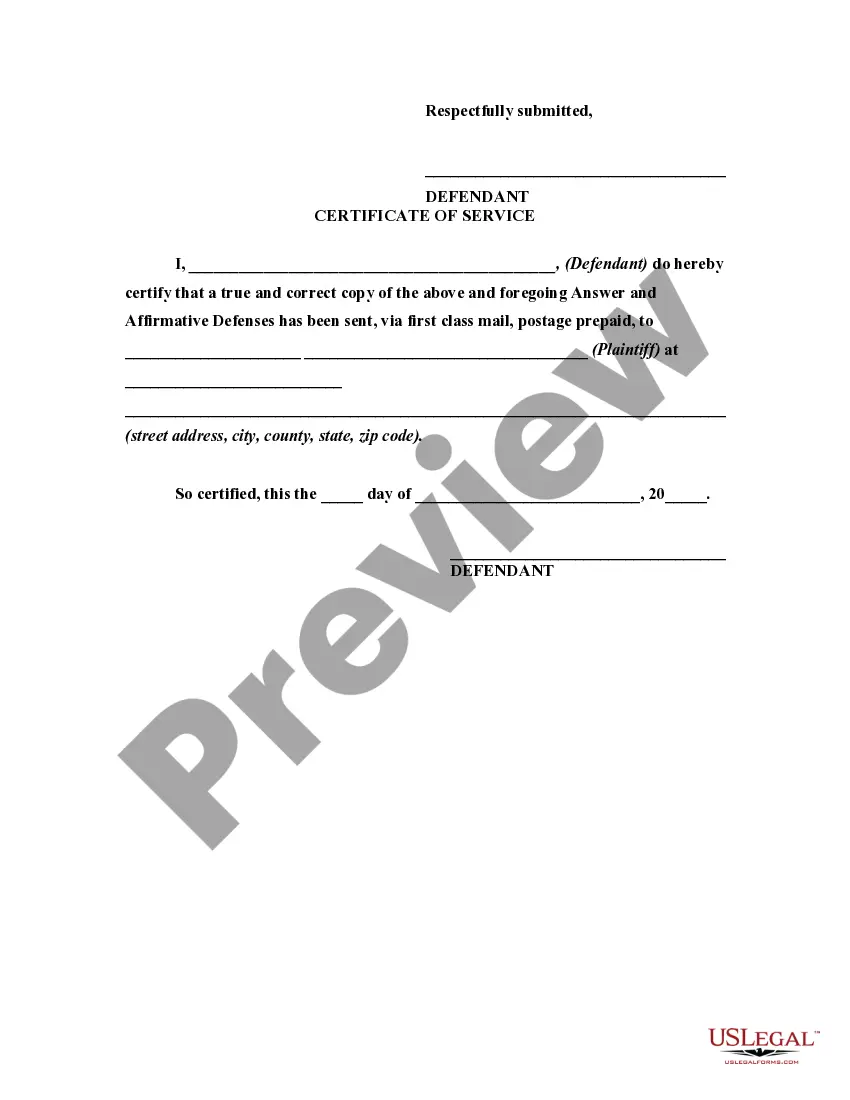
How to fill out Answer By Defendant In A Civil Lawsuit Alleging The Affirmative Defense Of The Cause Of Action Being Barred By Laches?
- If you're a returning user, log into your account to retrieve your previous forms. Ensure your subscription is active; renew it if necessary.
- For new users, start by exploring the extensive library to find the document that fits your needs. Use the Preview mode to review details and confirm it meets your jurisdiction's requirements.
- If you can’t find the right template, utilize the search functionality to discover additional options that might be more suitable.
- Once you select your document, click 'Buy Now' to choose your preferred subscription plan. Creating an account will provide access to a variety of resources.
- Proceed to payment by entering your credit card information or using your PayPal account to complete the purchase securely.
- Download the form to your device, allowing for easy completion. You can access it anytime through the My Forms section of your profile.
By leveraging US Legal Forms, individuals are not only streamlining their document preparation but also ensuring accuracy and legal compliance.
Ready to begin? Start your journey with US Legal Forms today and simplify your civil action lawsuit preparations!
Form popularity
FAQ
Filing a civil action lawsuit on your own starts with understanding the legal requirements in your state. Begin by researching the proper court where you should file your case and gather the necessary documents. Next, you will need to complete the required forms that outline your claims and the relief you seek. To simplify this process, consider using platforms like US Legal Forms, which can provide you with the right templates and guidance for filing your civil action lawsuit accurately.
Yes, you can file your own civil action lawsuit without an attorney, known as representing yourself or proceeding pro se. However, this process can be complicated, as it requires understanding legal procedures and documentation. Resources like US Legal Forms provide essential tools and templates to assist you in filing effectively. It's advisable to explore these options to ensure a smooth litigation process.
In civil court, the amount you can sue for depends on state laws and the nature of the claim. Generally, there is no absolute cap, but some courts may have limits on small claims. In contrast, more extensive claims can seek significant amounts in compensation. Consulting a legal expert through platforms like US Legal Forms can clarify these limits for your specific case.
The order of a civil action lawsuit generally follows a set sequence. First, the plaintiff files a complaint, followed by the defendant's answer. Afterward, both parties engage in discovery, where they gather evidence. Then, pre-trial motions may take place, leading to trial if necessary. Understanding this order helps you navigate the legal process more effectively.
Most civil action lawsuits settle during the discovery phase or right before trial. This is often due to the growing costs associated with a trial and the uncertainty of the outcome. Settling allows both parties to reach an agreement without further strain on their resources. It is wise to consider a settlement, as it often results in a satisfactory resolution.
A civil action lawsuit typically involves five key steps. First, you must file a complaint to initiate the case. Then, the defendant responds with an answer. After that, both parties enter the discovery phase, where they exchange evidence. Following discovery, you may enter the pre-trial phase to discuss settlement options. Finally, the case proceeds to trial if no agreement is reached.
A civil action is a type of lawsuit specifically focused on resolving disputes between private parties rather than addressing criminal behavior. While all civil actions are lawsuits, not all lawsuits fall into the civil category. Civil action lawsuits deal primarily with rights, obligations, and liabilities in various situations. Understanding this distinction can help you better navigate legal processes.
A civil lawsuit is a legal dispute between parties seeking a remedy for a wrong committed. Examples include cases of personal injury, property disputes, and contract breaches. In each instance, the aggrieved party may file a civil action lawsuit to pursue compensation or specific remedies. Individuals can explore options through platforms like USLegalForms to get the appropriate forms and guidance.
An example of civil action is a lawsuit filed for breach of contract when one party fails to fulfill agreed-upon terms. In this case, the injured party may seek compensation for damages incurred as a result of the breach. Such civil action lawsuits are crucial in upholding agreements and ensuring accountability in business dealings. Using resources like USLegalForms can help individuals prepare the necessary documentation for these actions.
The two main types of civil actions are equitable actions and legal actions. Equitable actions seek non-monetary remedies, such as injunctions or specific performances, while legal actions primarily focus on monetary compensation. Both types of civil action lawsuits address disputes that do not involve criminal laws. Knowing the difference supports individuals in choosing the right path for their specific cases.