Civil Action
Description
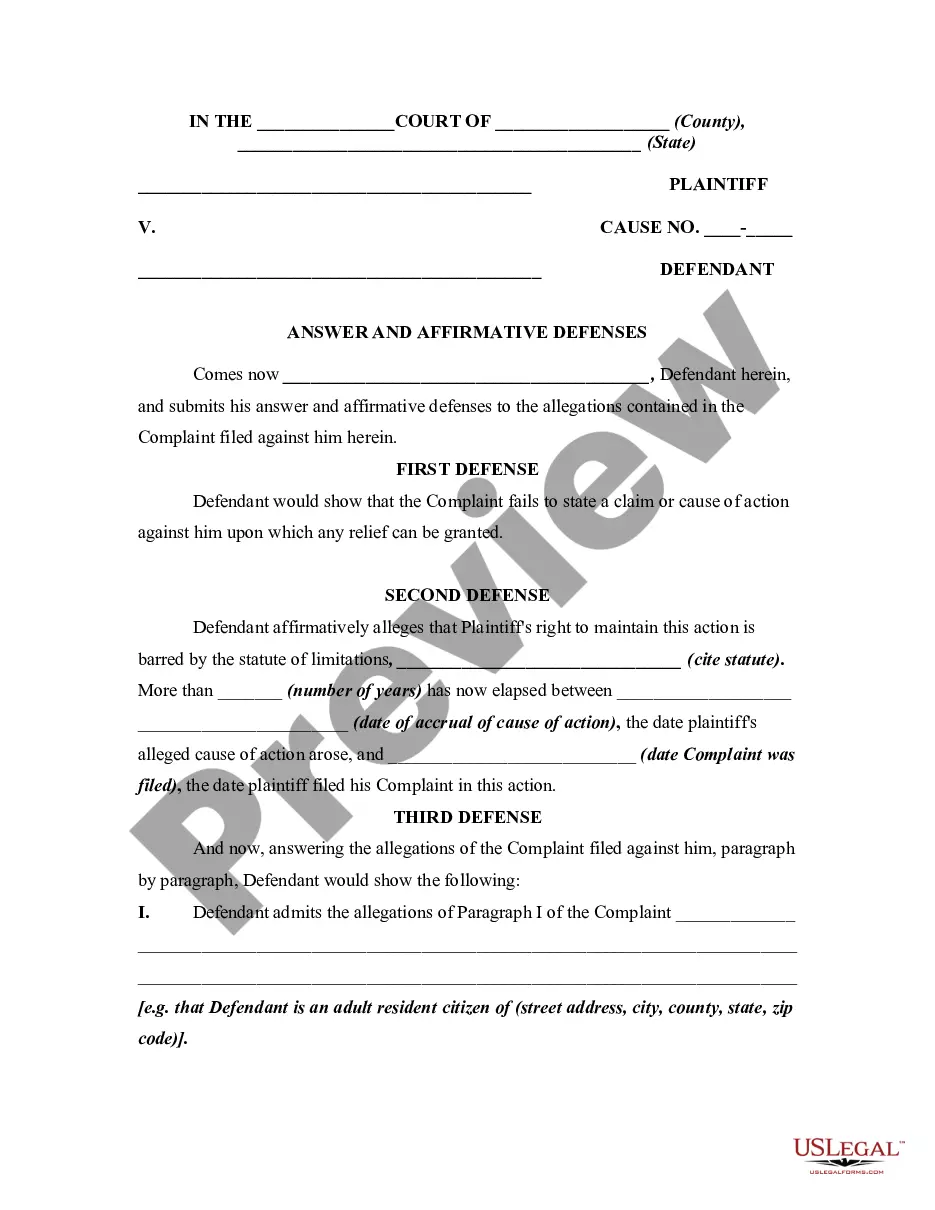
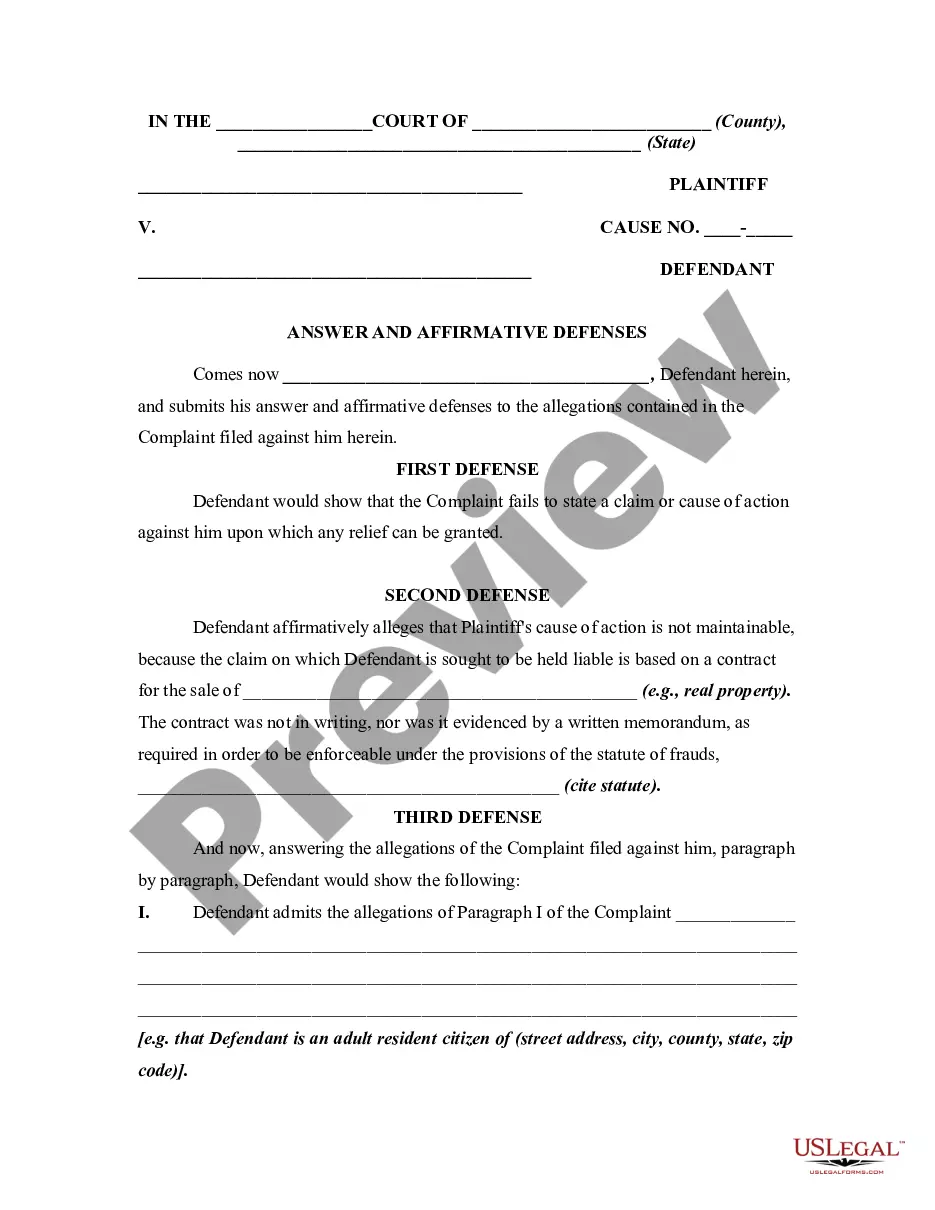
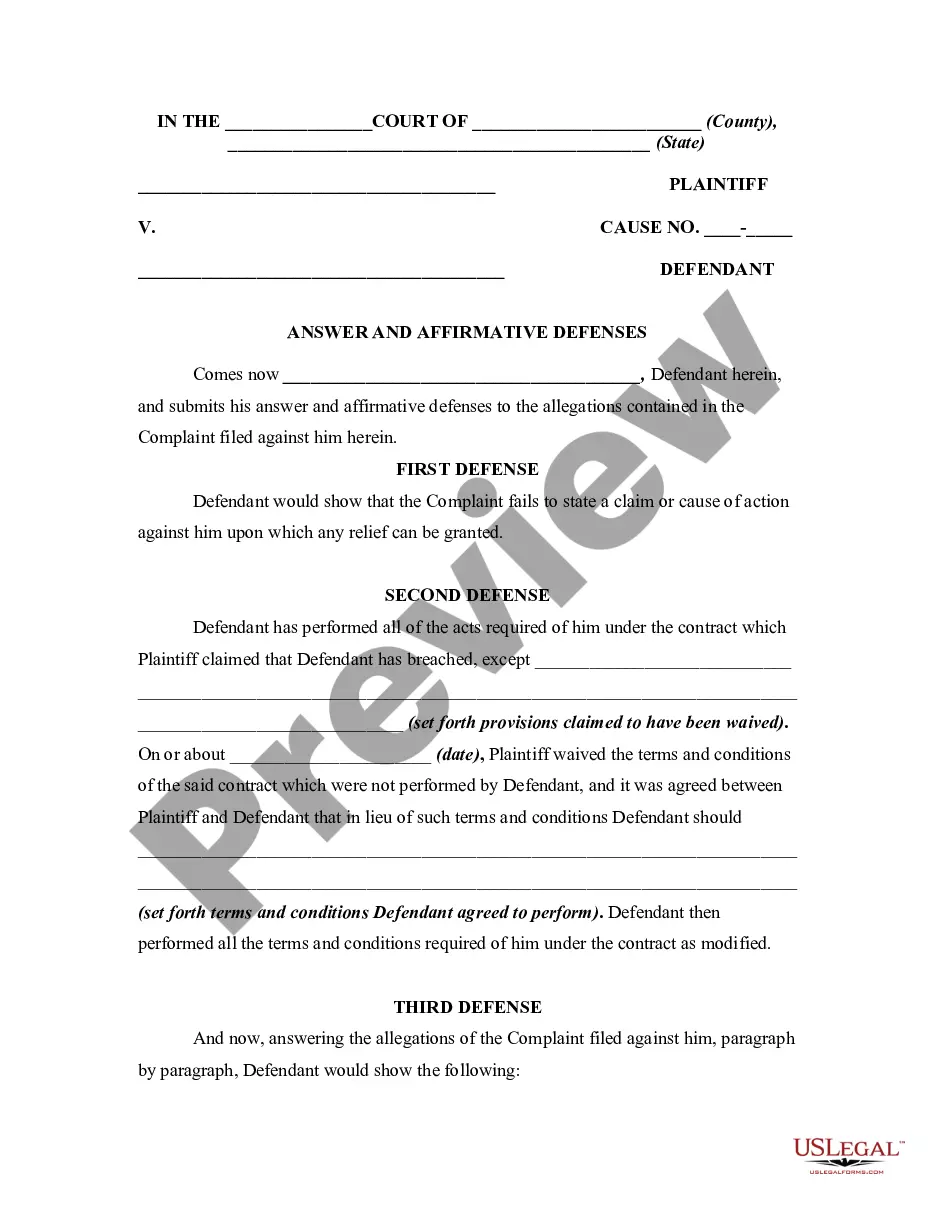
Get your form ready online
Our built-in tools help you complete, sign, share, and store your documents in one place.
Make edits, fill in missing information, and update formatting in US Legal Forms—just like you would in MS Word.
Download a copy, print it, send it by email, or mail it via USPS—whatever works best for your next step.
Sign and collect signatures with our SignNow integration. Send to multiple recipients, set reminders, and more. Go Premium to unlock E-Sign.
If this form requires notarization, complete it online through a secure video call—no need to meet a notary in person or wait for an appointment.
We protect your documents and personal data by following strict security and privacy standards.

Make edits, fill in missing information, and update formatting in US Legal Forms—just like you would in MS Word.

Download a copy, print it, send it by email, or mail it via USPS—whatever works best for your next step.

Sign and collect signatures with our SignNow integration. Send to multiple recipients, set reminders, and more. Go Premium to unlock E-Sign.

If this form requires notarization, complete it online through a secure video call—no need to meet a notary in person or wait for an appointment.

We protect your documents and personal data by following strict security and privacy standards.
Looking for another form?
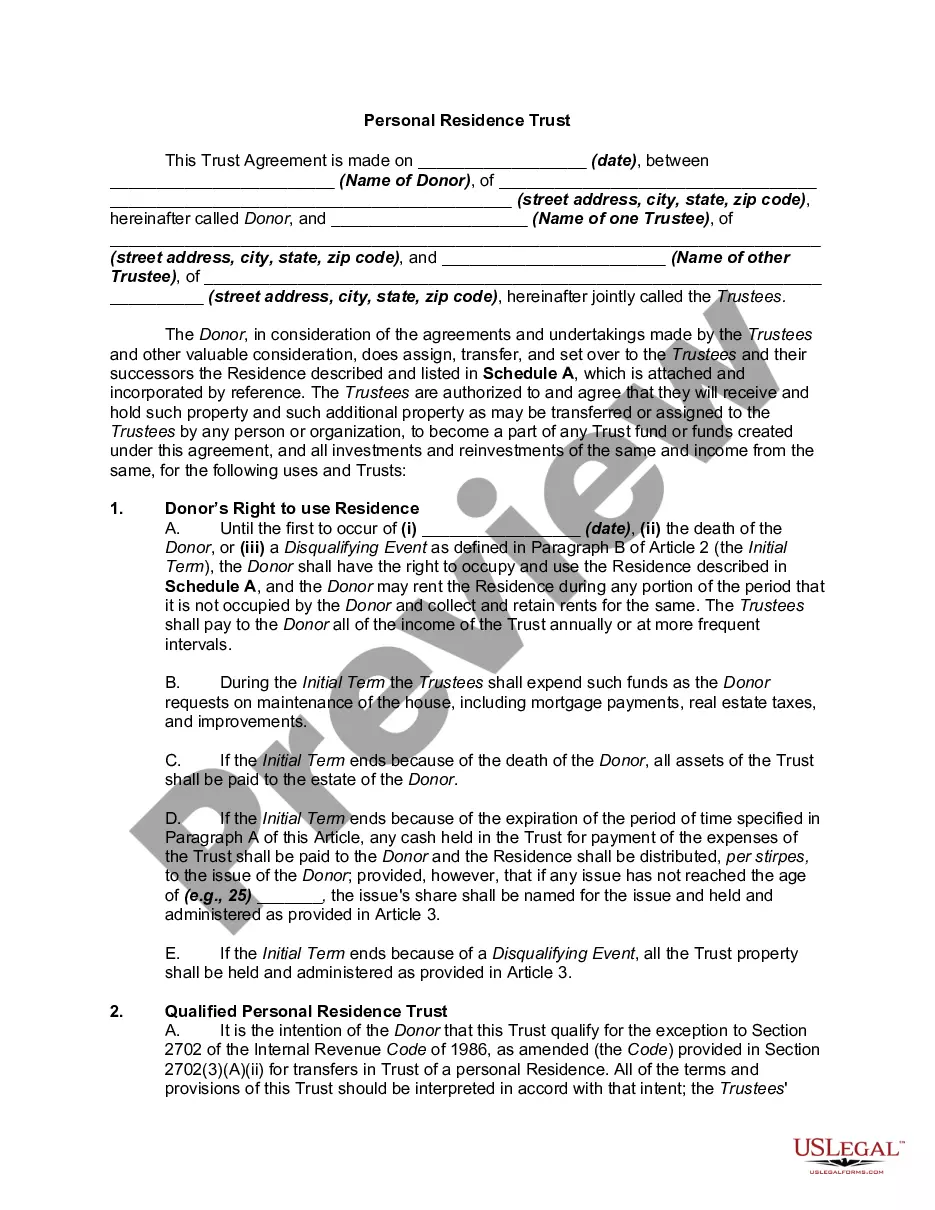

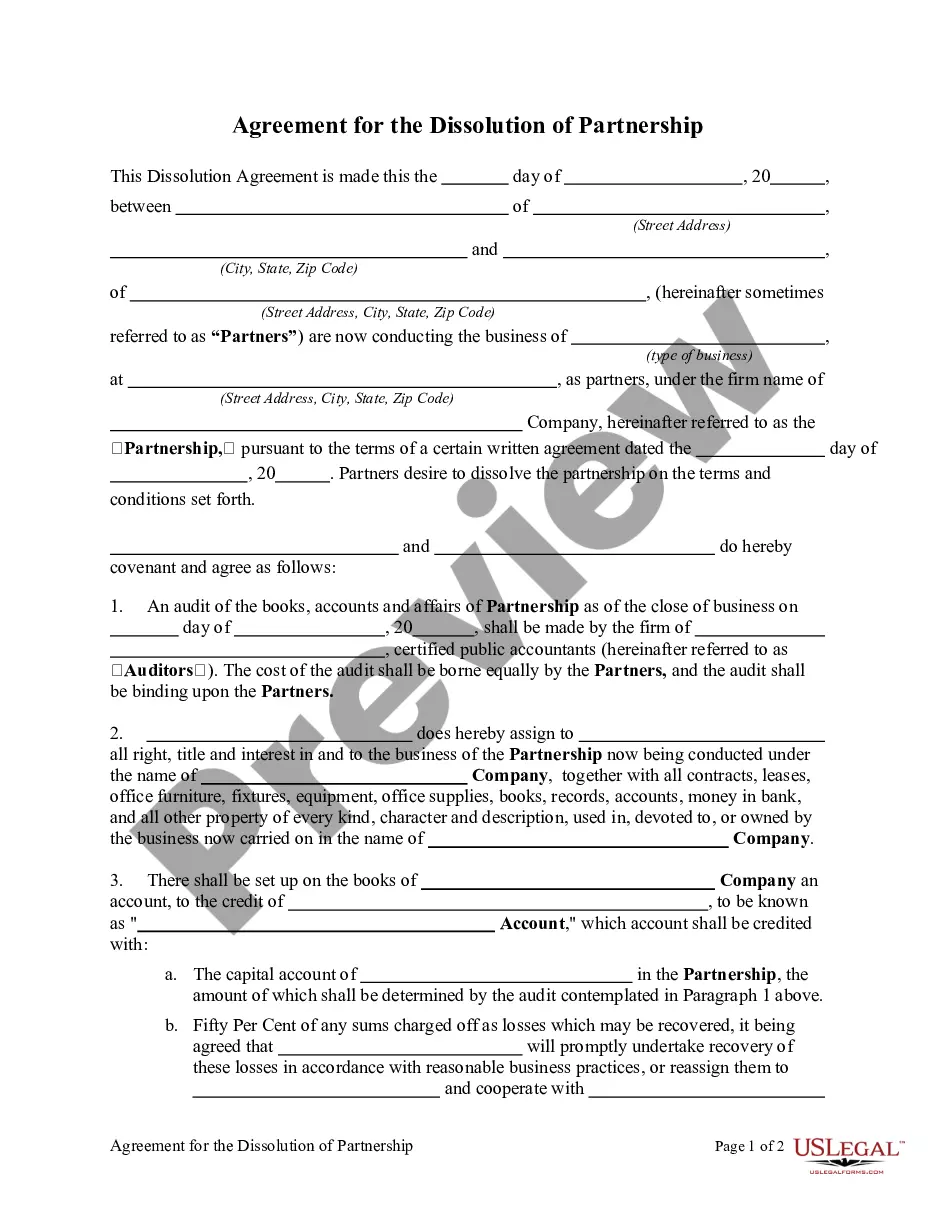


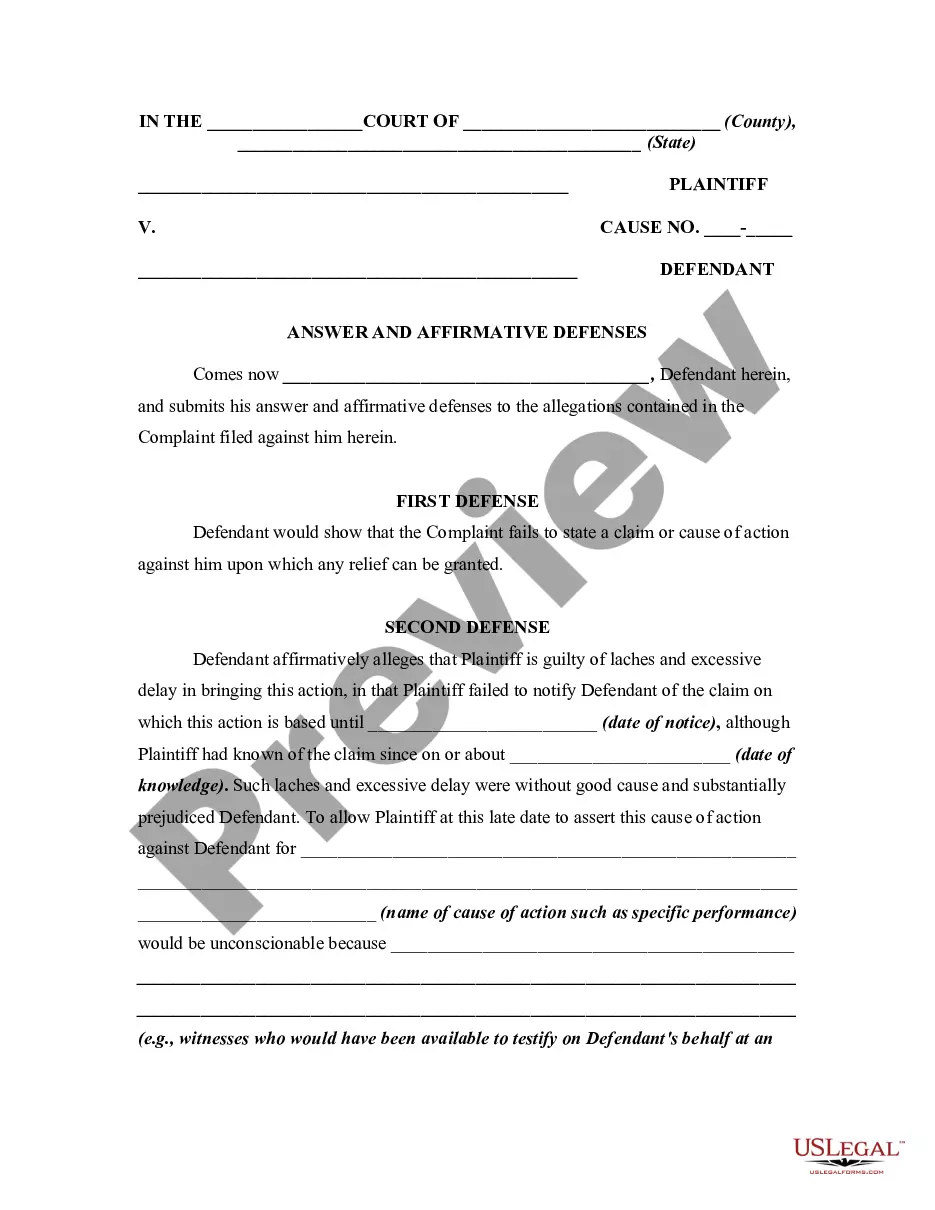
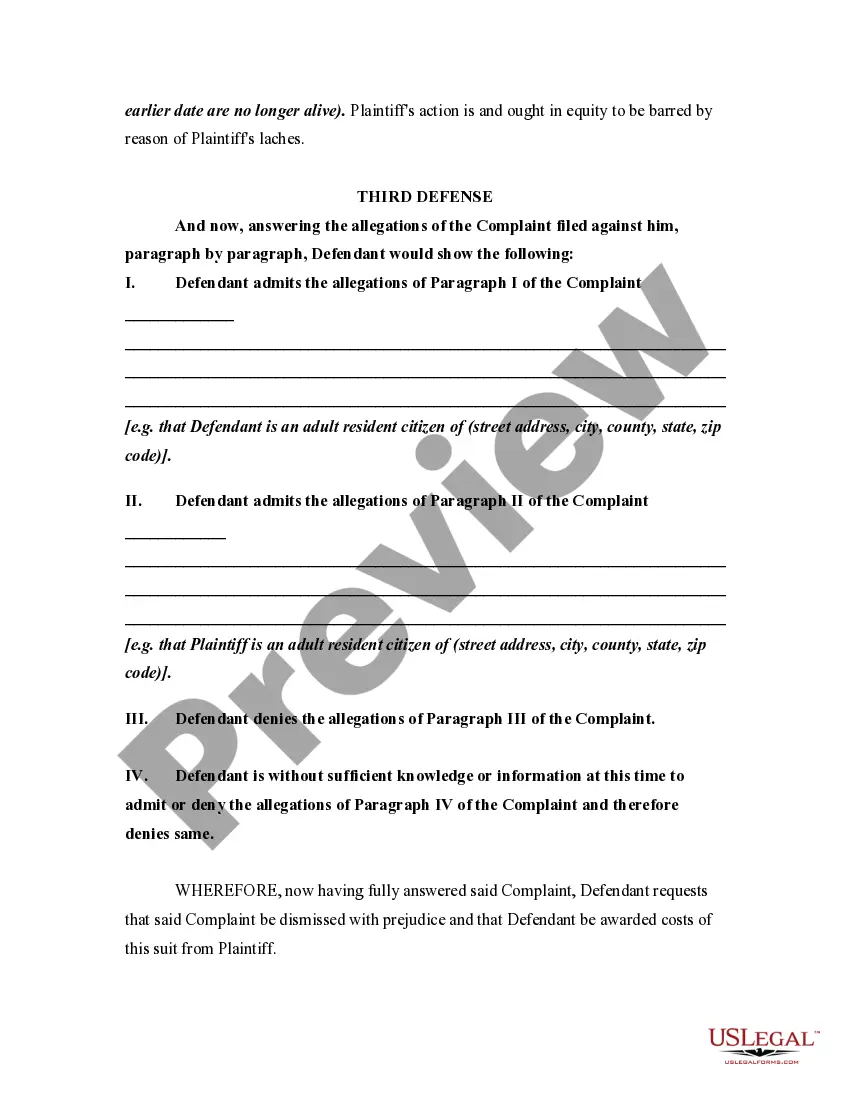
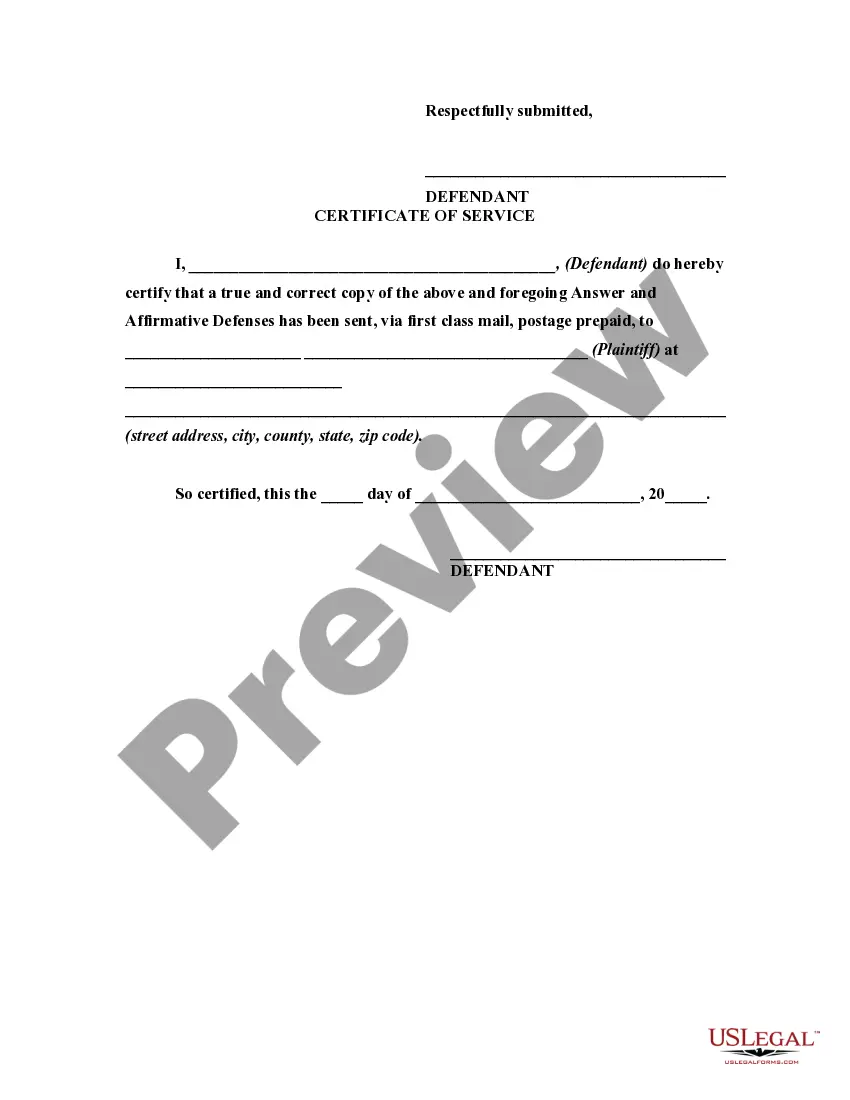
How to fill out Answer By Defendant In A Civil Lawsuit Alleging The Affirmative Defense Of The Cause Of Action Being Barred By Laches?
- Log in to your US Legal Forms account if you are a returning user. Ensure your subscription is active; if it isn't, renew as needed.
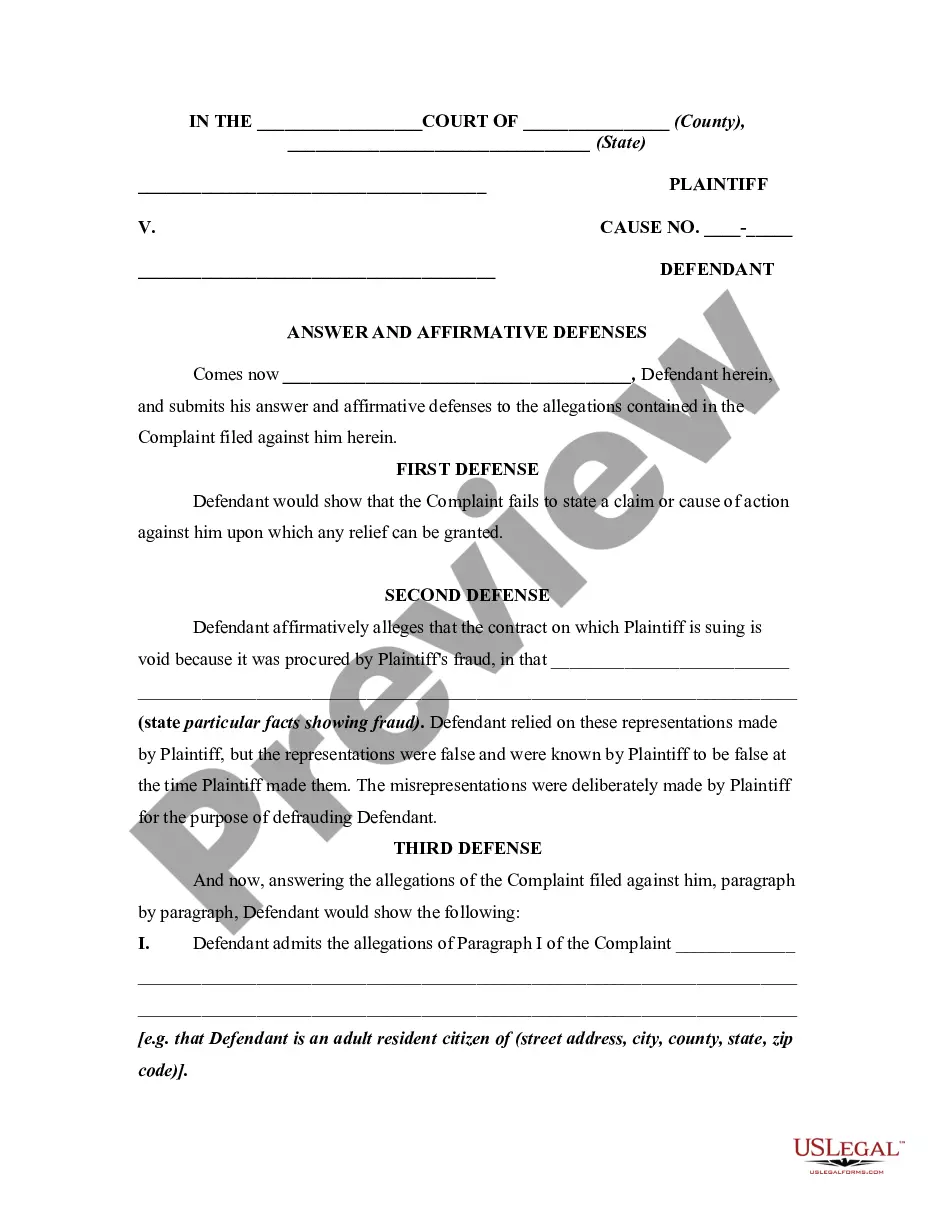
- Begin by reviewing the preview mode and description of the form to confirm it matches your requirements for a civil action.
- If the form doesn't meet your needs, use the search function to explore alternative templates relevant to your jurisdiction.
- Once you find the right document, click 'Buy Now' and select your preferred subscription plan, creating an account for access to the library.
- Complete your purchase by entering your payment information via credit card or PayPal and finalizing the transaction.
- Download the form directly to your device for completion and access it anytime from the 'My Forms' section in your profile.
US Legal Forms stands out by providing a comprehensive selection of legal documents, exceeding competitors in both quantity and quality. With expert guidance available for form completion, users can ensure their legal documents are accurate and compliant.
In conclusion, leveraging US Legal Forms can simplify the sometimes daunting task of managing civil action paperwork. Start your journey today and take advantage of easy access to essential legal forms!
Form popularity
FAQ
An example of a civil action is a personal injury lawsuit, where an individual sues another party for damages resulting from an accident. This could involve motor vehicle accidents, slip and fall incidents, or medical malpractice claims. Such cases aim to compensate the injured party for their losses. Understanding these examples is essential for anyone contemplating a civil action.
The five steps in a civil lawsuit typically include filing a complaint, serving the defendant, the defendant’s response, discovery, and trial. Initially, the plaintiff files a complaint outlining their grievances. Following this, the defendant receives a notice and must respond. The discovery phase allows both parties to gather evidence before presenting their case at trial, which is key in any civil action.
Civil causes of action refer to legal claims individuals or entities bring in court to resolve disputes. These actions arise from violations of rights or duties, leading to harm or damage. Common examples include breach of contract, negligence, and property disputes. Understanding civil causes of action can help you navigate potential legal challenges effectively.
Writing a civil motion requires clarity and attention to detail. Start by clearly stating the purpose of the motion, the parties involved, and the legal grounds for your request. Include relevant facts, citations from legal statutes or cases, and a summary of what you seek from the court. Platforms like US Legal Forms can guide you in drafting a professional and effective civil motion tailored to your needs.
A typical example of a civil action is a dispute over a breach of contract, where one party fails to fulfill their obligations under an agreement. In such cases, the aggrieved party may file a lawsuit seeking damages or enforcement of the contract. This type of civil action underlines the importance of adhering to agreements in business and personal relationships. By addressing these issues legally, you can seek resolution and justice.
The most common civil lawsuit involves personal injury claims, where an individual seeks compensation for harm caused by the negligence of another. These cases often arise from car accidents, slips and falls, or medical malpractice. Individuals filing a civil action in such cases must demonstrate that the other party failed to meet a reasonable standard of care. Knowing this can empower you to take appropriate legal steps if you find yourself in a similar situation.
A civil action case refers to a lawsuit in which one party seeks compensation or another form of legal relief from another party. Unlike criminal cases, civil actions focus on disputes between individuals or organizations. They typically involve issues such as contracts, property ownership, or personal injury. Understanding civil actions can help you determine the right course of legal action.
A civil cause of action arises when a person or entity claims another party has wronged them, causing harm or loss. Examples include breach of contract, negligence, and defamation. Each cause of action has specific elements that must be proven in court. For individuals looking for guidance, US Legal Forms offers templates and resources tailored to various civil actions.
The odds of winning a civil action depend on various factors, including the strength of your case and the quality of your evidence. While some statistics suggest that plaintiffs win a significant percentage of cases, each situation is unique. Engaging an experienced attorney can also substantially influence your chances of success. Consider using US Legal Forms to access resources that enhance your legal strategy.
To win a civil action, you must present sufficient evidence to support your claims. This typically means demonstrating by a preponderance of the evidence that your version of events is more likely true than not. Documentary evidence, witness testimony, and expert opinions can all play crucial roles. Gathering the right evidence is imperative, and US Legal Forms can assist you in creating the necessary legal documents.