A Civil Action Trailer
Description
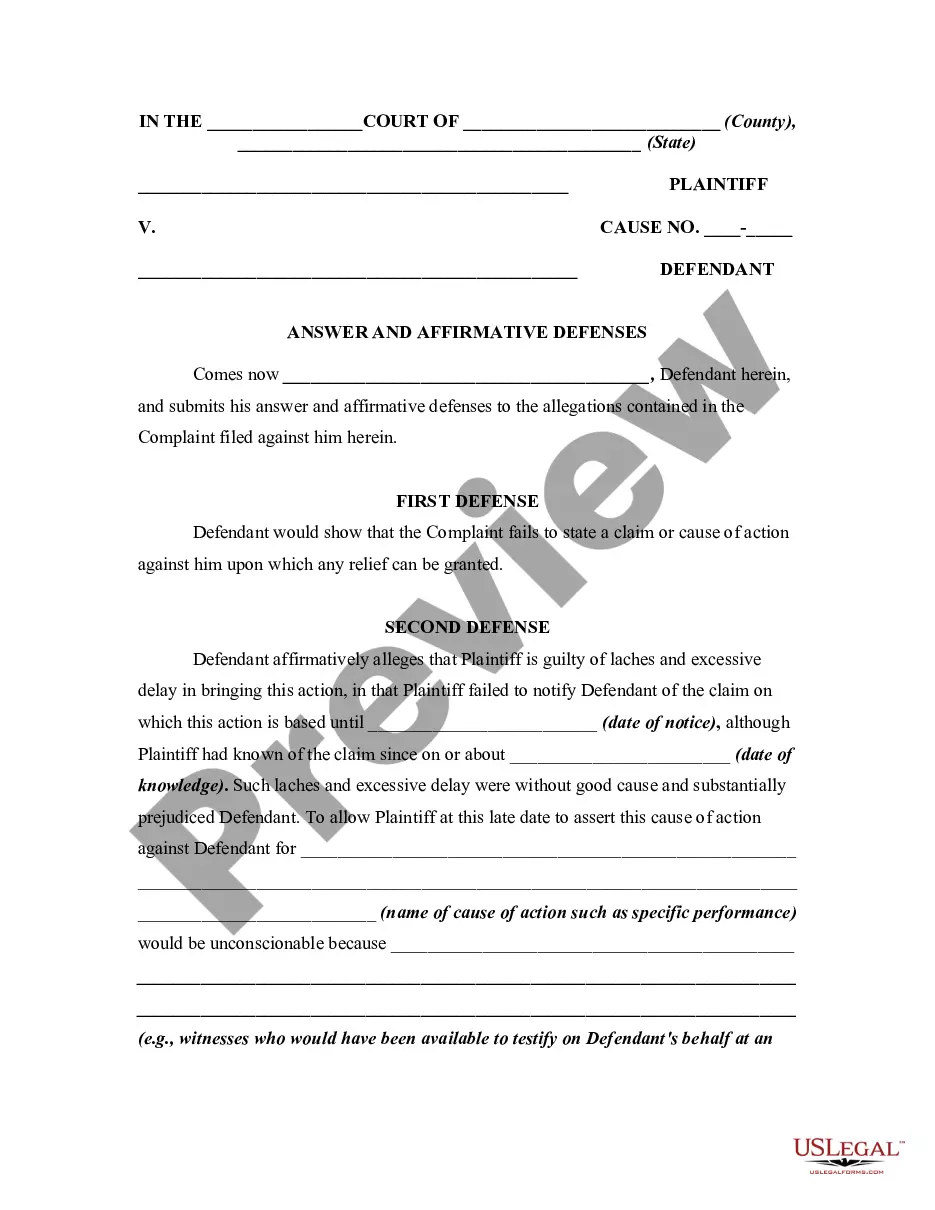
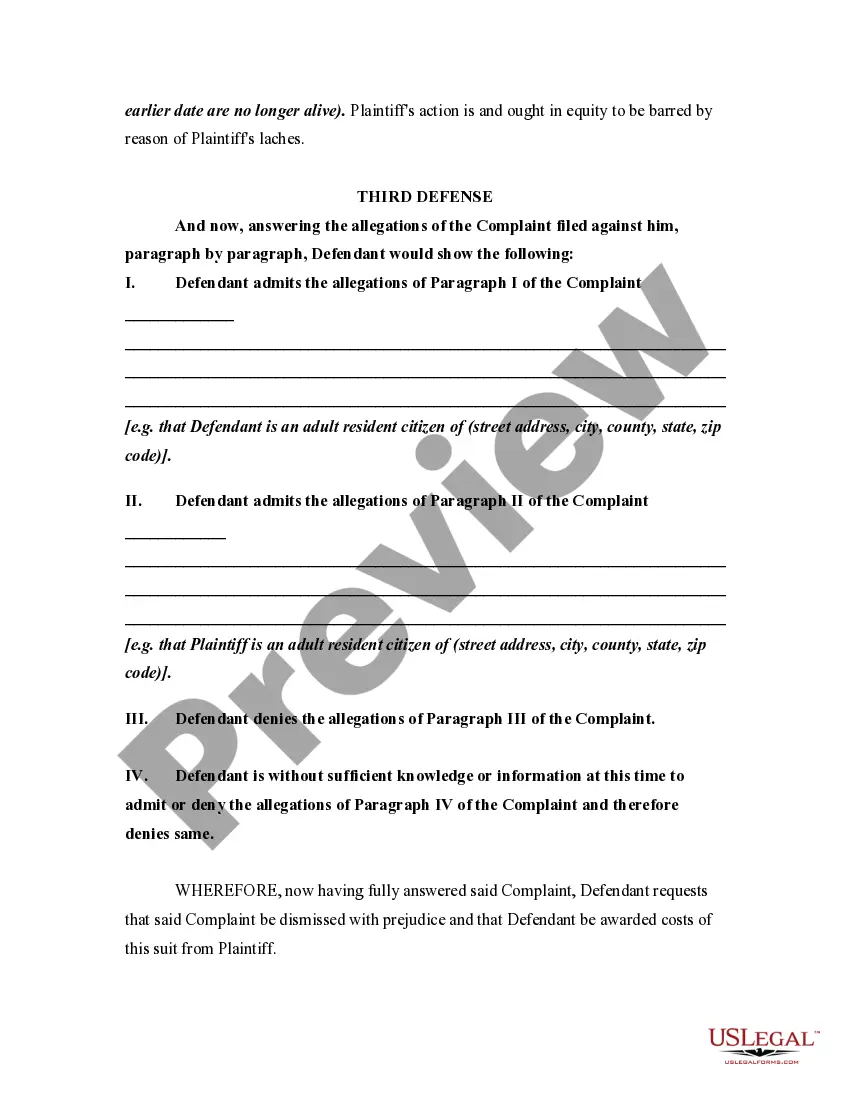
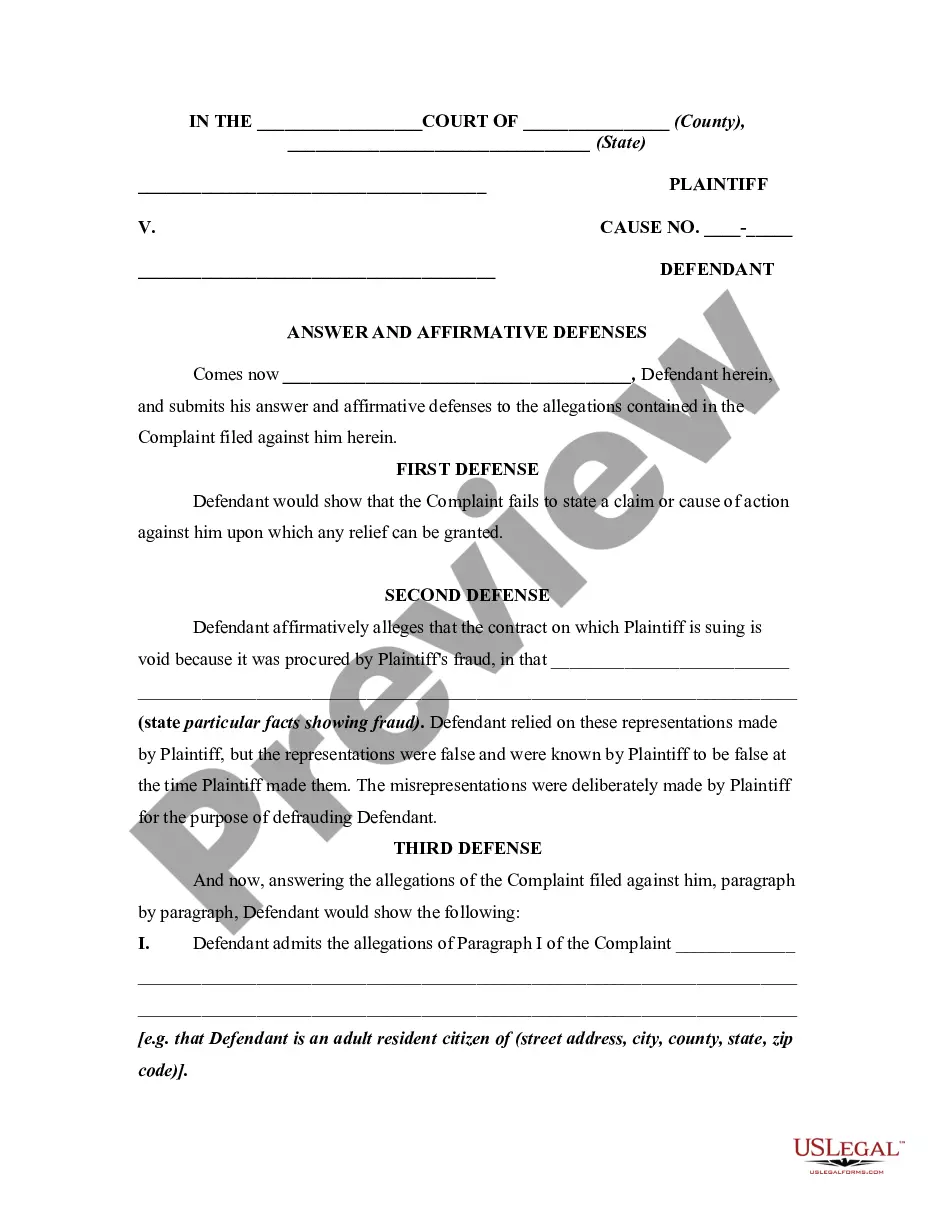
Get your form ready online
Our built-in tools help you complete, sign, share, and store your documents in one place.
Make edits, fill in missing information, and update formatting in US Legal Forms—just like you would in MS Word.
Download a copy, print it, send it by email, or mail it via USPS—whatever works best for your next step.
Sign and collect signatures with our SignNow integration. Send to multiple recipients, set reminders, and more. Go Premium to unlock E-Sign.
If this form requires notarization, complete it online through a secure video call—no need to meet a notary in person or wait for an appointment.
We protect your documents and personal data by following strict security and privacy standards.

Make edits, fill in missing information, and update formatting in US Legal Forms—just like you would in MS Word.

Download a copy, print it, send it by email, or mail it via USPS—whatever works best for your next step.

Sign and collect signatures with our SignNow integration. Send to multiple recipients, set reminders, and more. Go Premium to unlock E-Sign.

If this form requires notarization, complete it online through a secure video call—no need to meet a notary in person or wait for an appointment.

We protect your documents and personal data by following strict security and privacy standards.
Looking for another form?










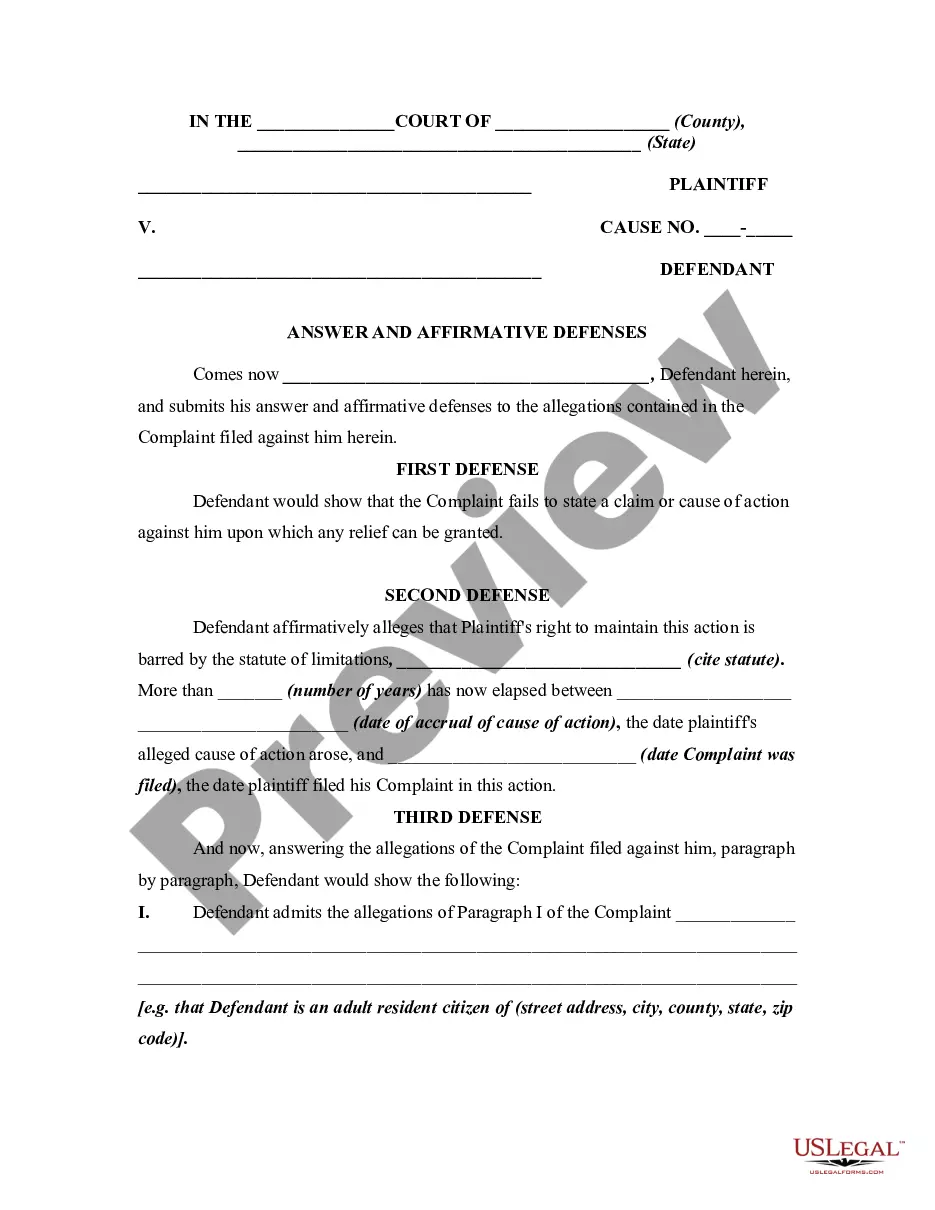
How to fill out Answer By Defendant In A Civil Lawsuit Alleging The Affirmative Defense Of The Cause Of Action Being Barred By Laches?
- Log into your account if you're an existing user and ensure your subscription is active. If it has lapsed, renew it via your payment plan.
- For new users, visit the US Legal Forms homepage and explore the previews of various templates to find the one suitable for your needs.
- If you don’t find the perfect document, utilize the search bar to locate alternative templates that correspond with your jurisdiction.
- Once you find the correct template, click on the 'Buy Now' button and select a subscription plan that fits your requirements.
- Proceed to payment by entering your credit card details or using PayPal, then complete your purchase to unlock access.
- Download the document directly to your device and store it safely. You can also revisit it anytime through the 'My Forms' section.
With US Legal Forms, you have access to over 85,000 fillable legal documents, ensuring you meet all necessary legal requirements. If you need help, our premium experts are available to guarantee accurate completion.
Take charge of your legal matters today! Start exploring US Legal Forms for all your document needs.
Form popularity
FAQ
Uploading movies without proper rights or permissions is generally considered illegal and can lead to copyright infringement issues. If you are considering sharing a movie, ensure that you have either created the content or received permission from the copyright owner. When it comes to sharing A civil action trailer, always check the copyright rules to avoid legal repercussions.
Bringing A civil action means initiating a formal legal process to resolve disputes between individuals or entities. This typically involves seeking compensation or a specific outcome from the court. Understanding this term can help you navigate legal complexities, and resources like uslegalforms can provide further assistance in your civil action journey.
Filing a civil lawsuit on your own involves preparing necessary documents, such as the complaint, and submitting them to the appropriate court. Ensure you know your rights and the specifics of your case. For assistance, you can explore resources from platforms like uslegalforms, which can guide you through the process, particularly if you are referencing a civil action trailer.
To upload movie trailers without copyright issues, you should use trailers that are in the public domain or those for which you own the rights. Alternatively, you can seek permission from the copyright holder for specific trailers. For A civil action trailer, ensure you follow fair use guidelines and provide necessary citations.
Yes, you can post movie trailers on Facebook. However, ensure that you have the right to share the trailer, especially if it features copyrighted material. When sharing A civil action trailer, always give proper credit to the creators. This helps maintain respect for intellectual property while engaging your audience.
The structure of three acts breaks a story into a cohesive flow. The first act introduces the characters and their world, the second act presents the main conflict and challenges, while the third act offers resolution and closure. This three-act structure is vital for crafting an effective civil action trailer, captivating the audience from start to finish.
To write a movie trailer script, start by outlining the core themes and messages you want to convey. Structure the script to include an engaging opening, pivotal conflicts, and a satisfying conclusion that intrigues viewers. Always keep the tone in mind, ensuring that it reflects the mood of the story, especially if it revolves around tension in a civil action trailer.
The three acts of a trailer consist of the setup, confrontation, and resolution. In the setup, the trailer introduces the setting and characters, capturing viewers' interest. The confrontation reveals the primary conflict, while the resolution offers a teaser of the outcome. These three acts effectively convey the essence of a civil action trailer.
A Civil Action is based on a real-life legal case involving environmental issues and corporate negligence. The story follows a lawyer who struggles to hold powerful companies accountable for contaminating a community's water supply. This narrative serves as a compelling backdrop for a civil action trailer, showcasing the dramatic legal battles that ensue.
Trailers are structured to build excitement and anticipation. They usually start by presenting the main characters and setting, then transition to highlight key conflicts and turning points. This structure keeps viewers engaged while efficiently summarizing the key elements of a civil action trailer, ensuring they understand the story's stakes before deciding to watch the film.