Lawsuit Limitations For Ai
Description
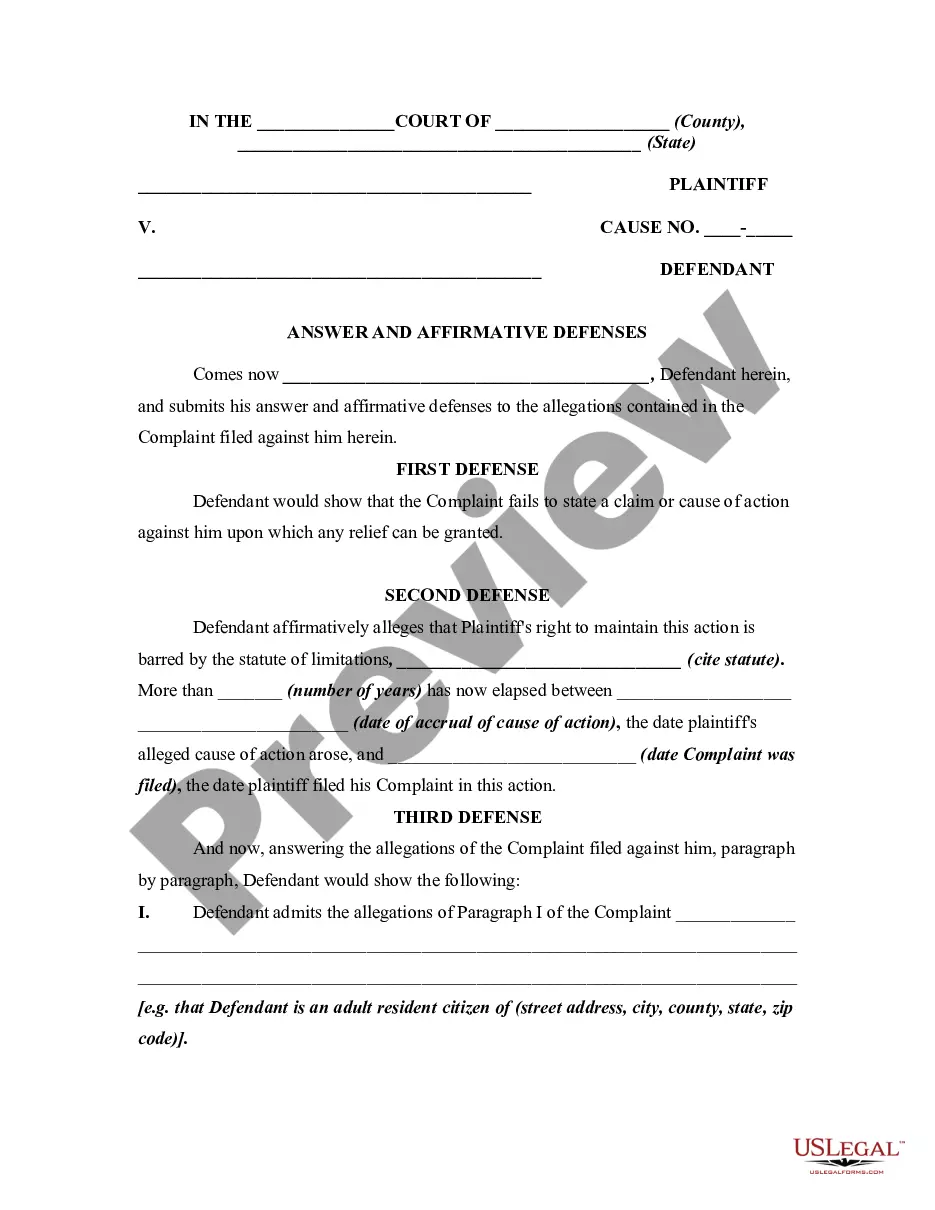
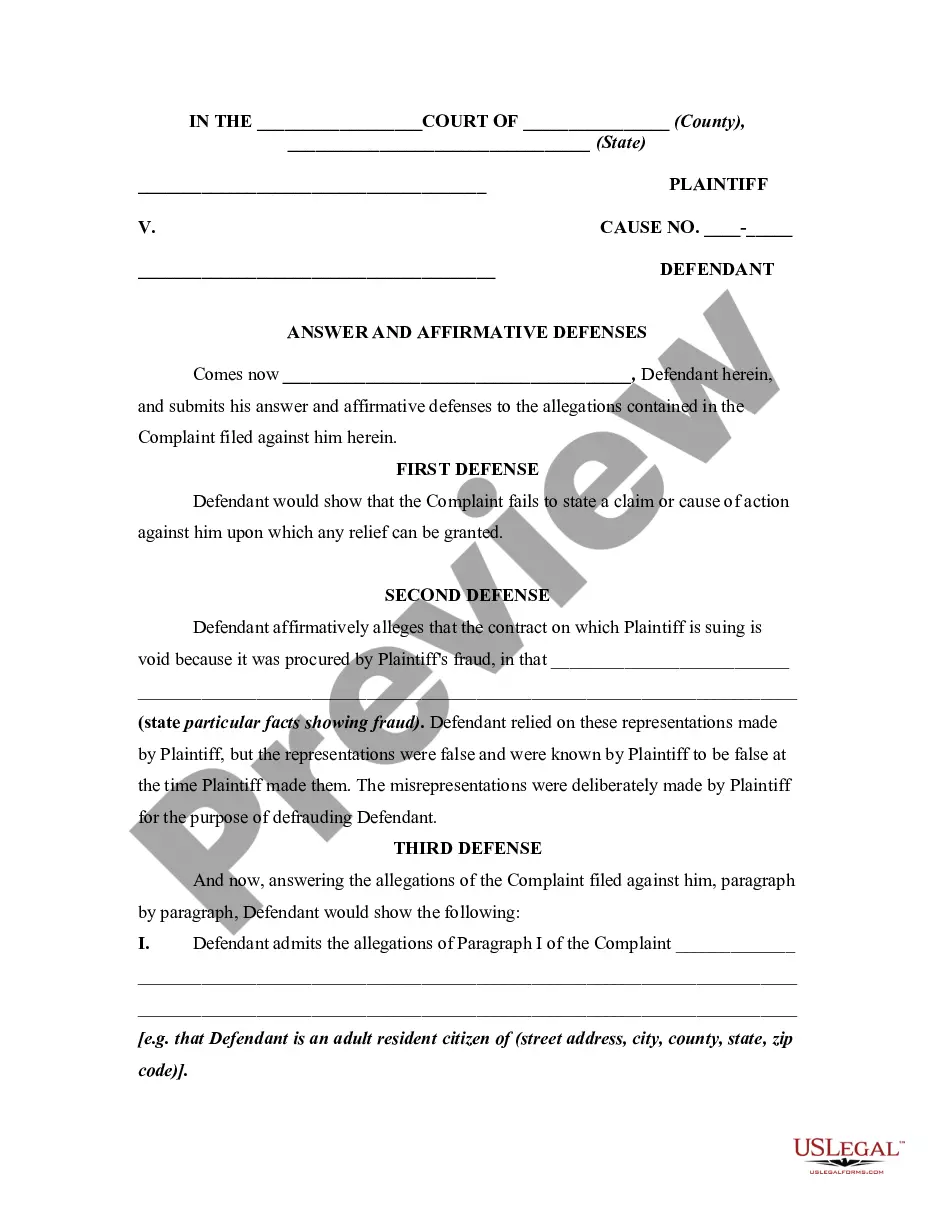
Get your form ready online
Our built-in tools help you complete, sign, share, and store your documents in one place.
Make edits, fill in missing information, and update formatting in US Legal Forms—just like you would in MS Word.
Download a copy, print it, send it by email, or mail it via USPS—whatever works best for your next step.
Sign and collect signatures with our SignNow integration. Send to multiple recipients, set reminders, and more. Go Premium to unlock E-Sign.
If this form requires notarization, complete it online through a secure video call—no need to meet a notary in person or wait for an appointment.
We protect your documents and personal data by following strict security and privacy standards.

Make edits, fill in missing information, and update formatting in US Legal Forms—just like you would in MS Word.

Download a copy, print it, send it by email, or mail it via USPS—whatever works best for your next step.

Sign and collect signatures with our SignNow integration. Send to multiple recipients, set reminders, and more. Go Premium to unlock E-Sign.

If this form requires notarization, complete it online through a secure video call—no need to meet a notary in person or wait for an appointment.

We protect your documents and personal data by following strict security and privacy standards.
Looking for another form?
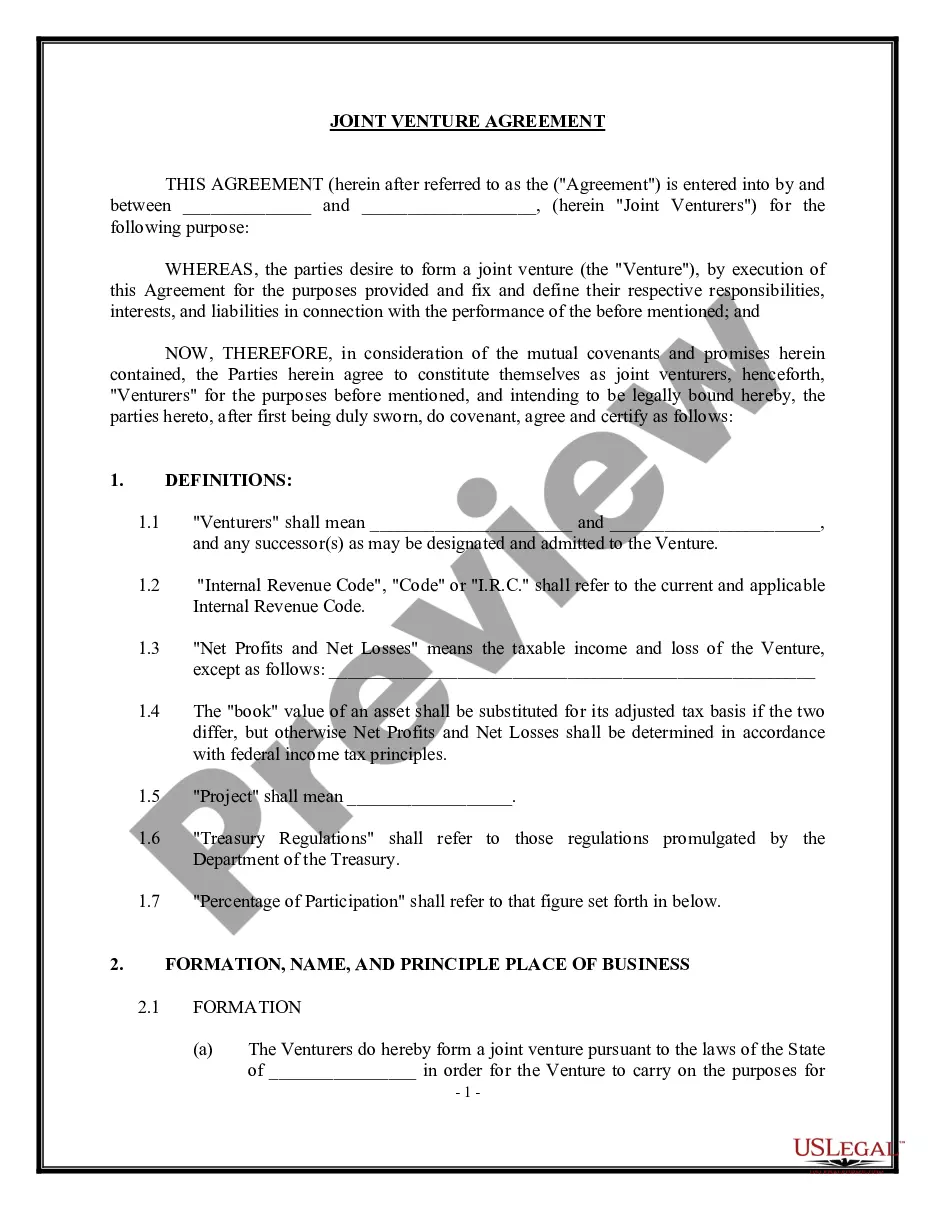






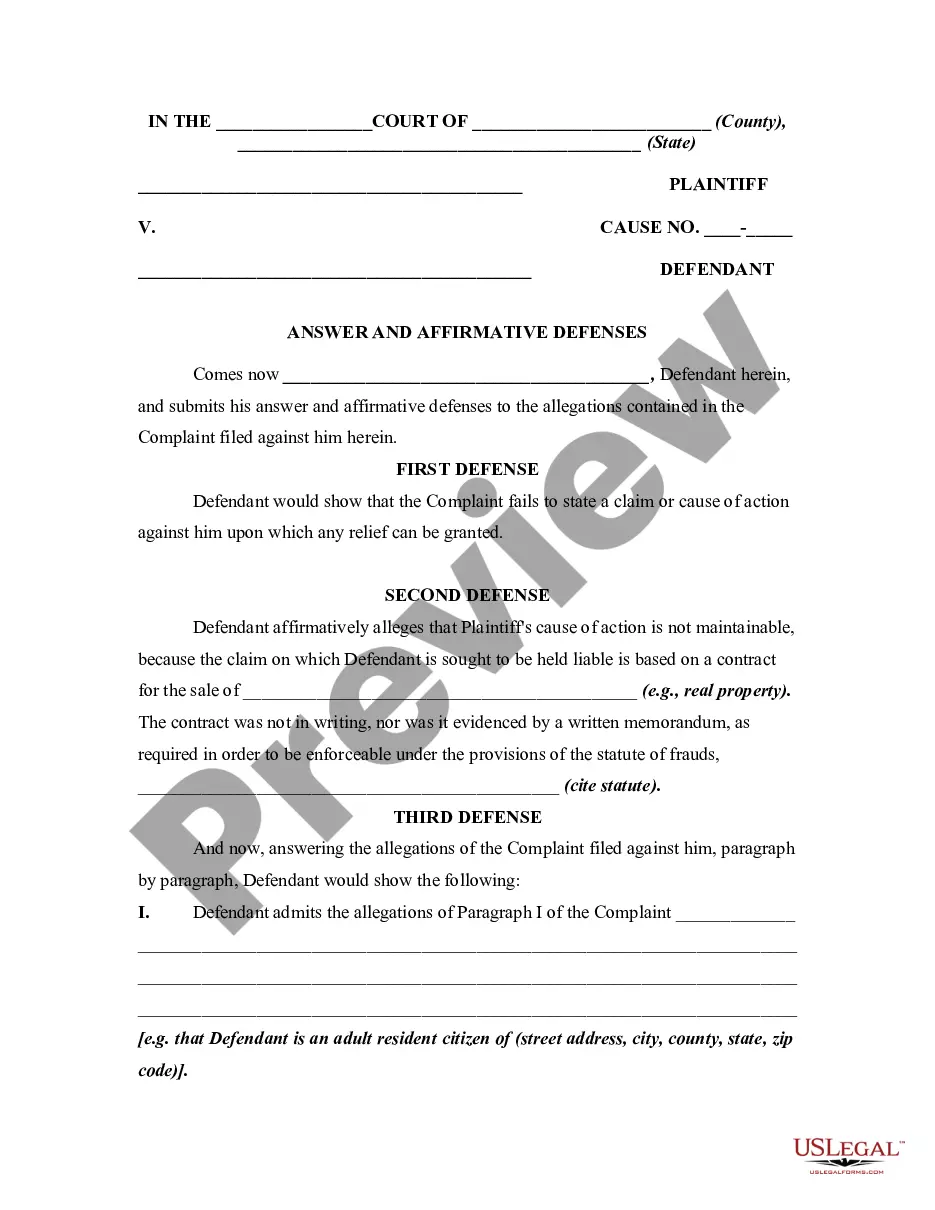
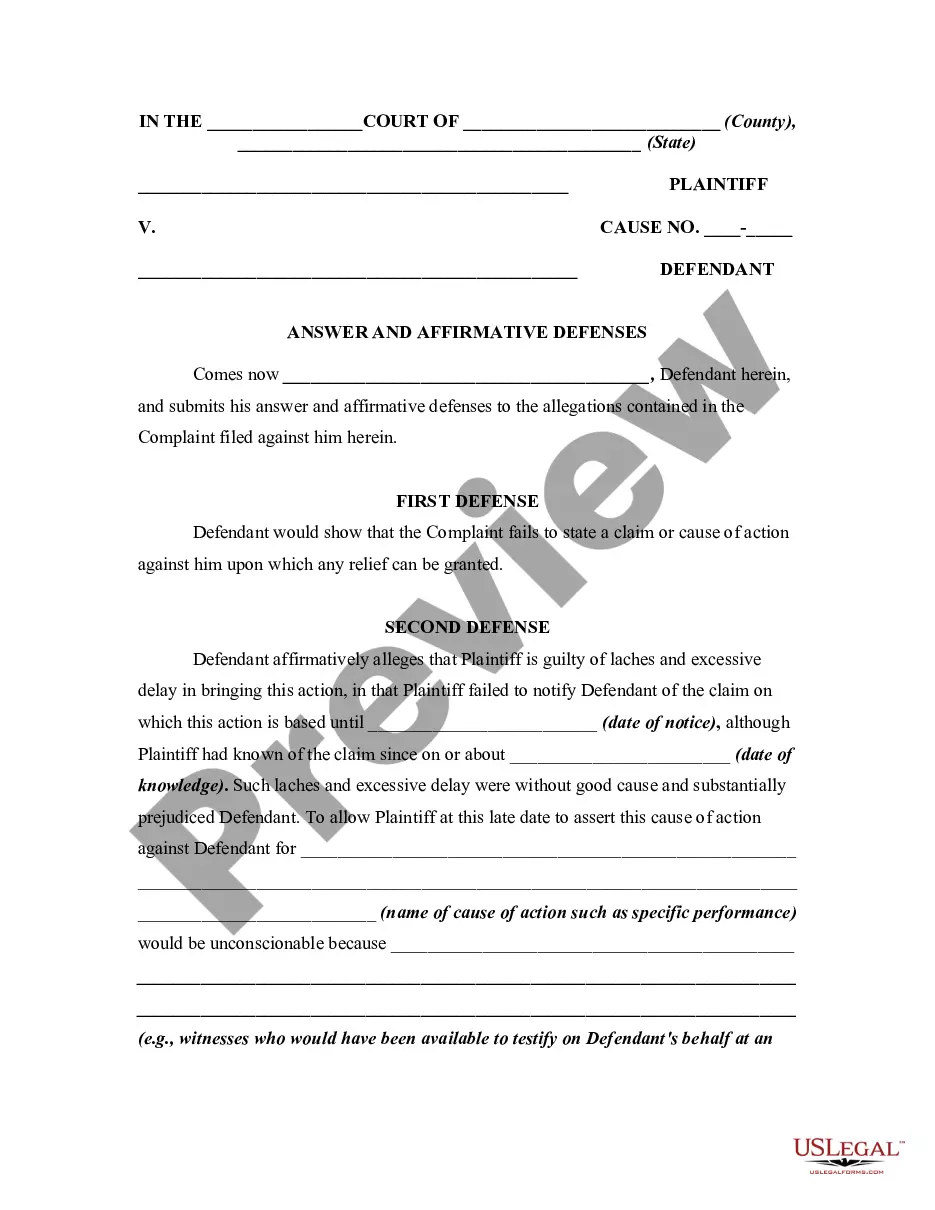
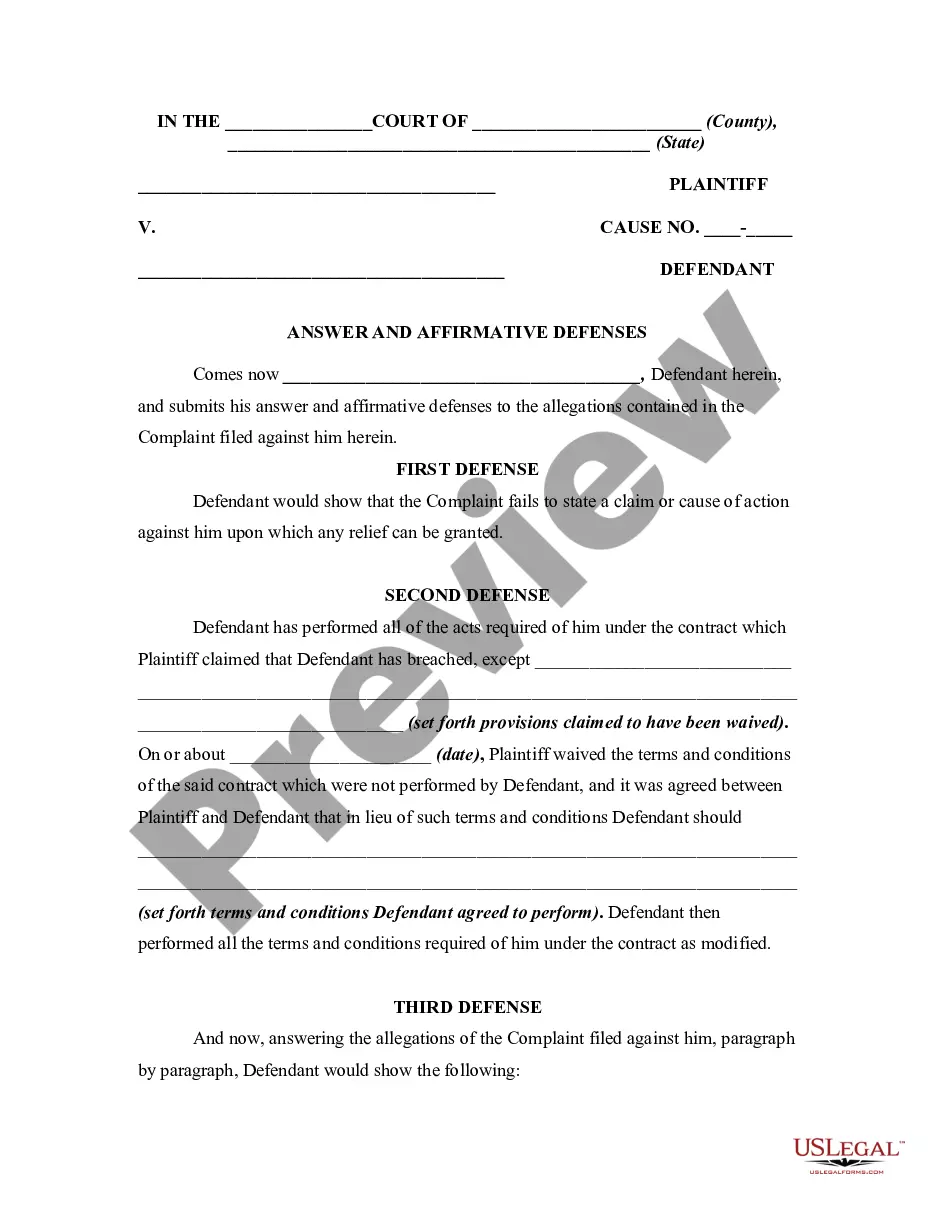
How to fill out Answer By Defendant In A Civil Lawsuit Alleging The Affirmative Defense Of The Cause Of Action Being Barred By The Appropriate Statute Of Limitations?
Acquiring legal document examples that conform to federal and state regulations is essential, and the internet provides numerous options to choose from.
However, what’s the purpose in spending time searching for the appropriate Lawsuit Limitations For Ai example online if the US Legal Forms digital library already has such templates gathered in one place.
US Legal Forms is the premier online legal repository with over 85,000 fillable templates created by attorneys for any professional and personal situation. They are easy to navigate with all documents categorized by state and purpose.
All templates you discover through US Legal Forms are reusable. To re-download and complete previously purchased forms, access the My documents tab in your profile. Enjoy the most comprehensive and user-friendly legal documentation service!
- Our experts stay updated with legislative changes, so you can always be assured your documents are current and compliant when obtaining a Lawsuit Limitations For Ai from our site.
- Acquiring a Lawsuit Limitations For Ai is swift and straightforward for both existing and new users.
- If you already possess an account with an active subscription, Log In and save the document example you require in the preferred format.
- If you are new to our platform, follow the instructions provided below.
- Examine the template using the Preview option or through the textual outline to confirm it meets your requirements.
Form popularity
FAQ
Disadvantages of Artificial Intelligence High Costs. The ability to create a machine that can simulate human intelligence is no small feat. ... No Creativity. A big disadvantage of AI is that it cannot learn to think outside the box. ... Unemployment. ... 4. Make Humans Lazy. ... No Ethics. ... Emotionless. ... No Improvement.
(Microsoft) alleging that OpenAI stole private and personal information belonging to millions of people by collecting publicly-available data from the Internet2 to develop and train its generative AI tools?including ChatGPT (an AI text generator), Dall-E (an AI image generator), and Vall-E (an AI speech generator).
The person operating an AI system could make an incorrect judgment call interpreting the AI's outputs, leading to errors. The operator could be held accountable for these errors, much like a driver would be held responsible for ignoring warning signals in a car.
The person operating an AI system could make an incorrect judgment call interpreting the AI's outputs, leading to errors. The operator could be held accountable for these errors, much like a driver would be held responsible for ignoring warning signals in a car.
Under U.S. case law, copyright owners may be able to show that such outputs infringe their copyrights if the AI program both (1) had access to their works and (2) created ?substantially similar? outputs.