Answer Debt Collector Lawsuit For Harassment
Description
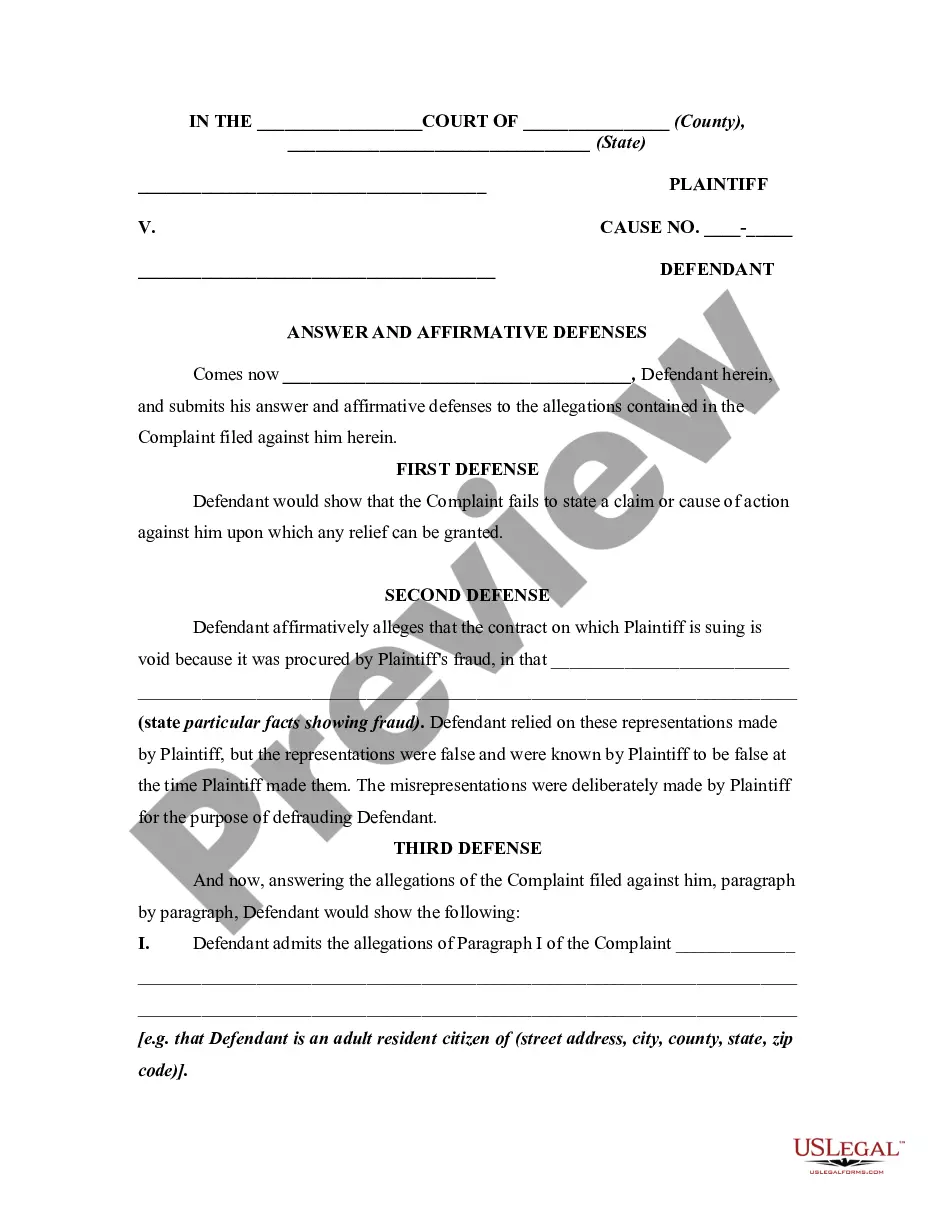
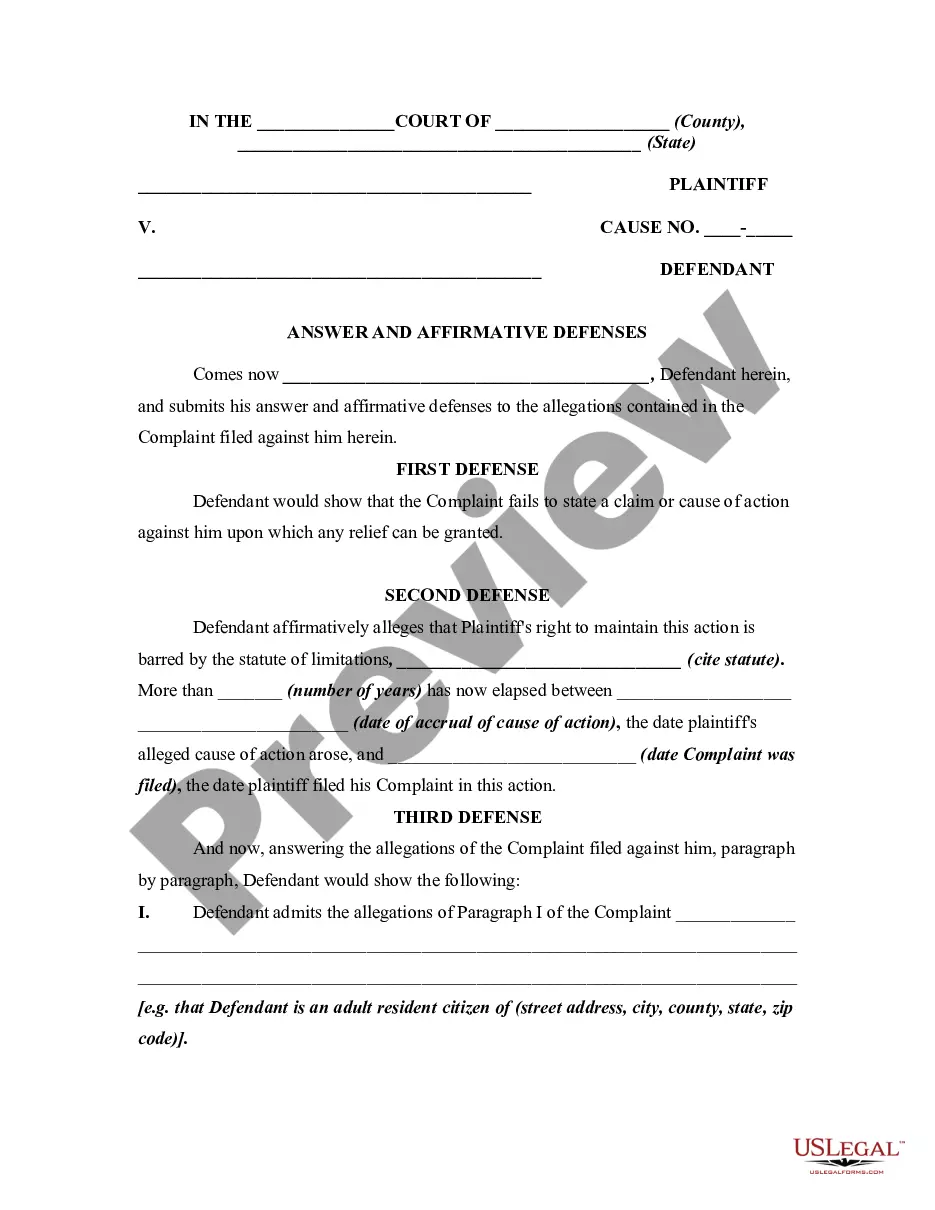
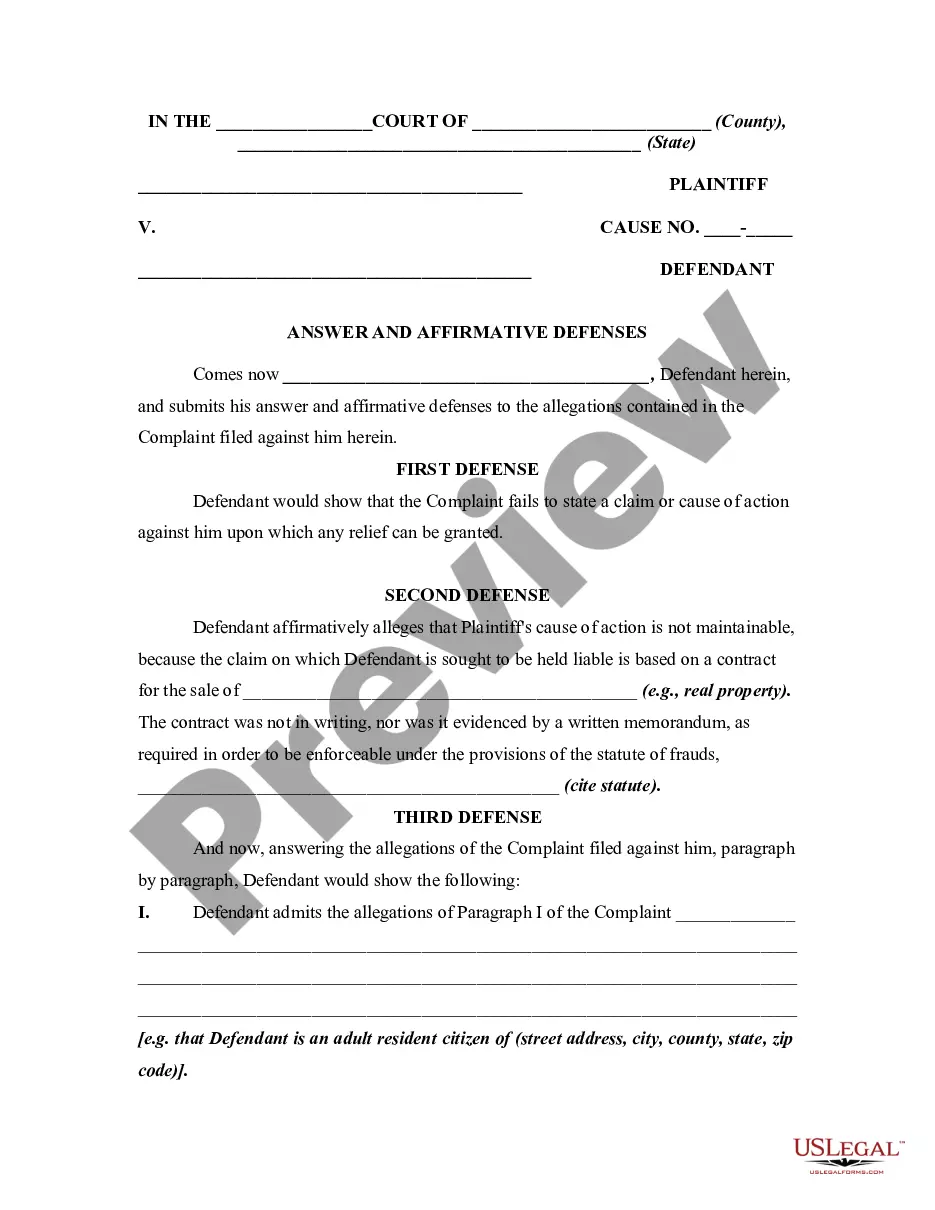
Get your form ready online
Our built-in tools help you complete, sign, share, and store your documents in one place.
Make edits, fill in missing information, and update formatting in US Legal Forms—just like you would in MS Word.
Download a copy, print it, send it by email, or mail it via USPS—whatever works best for your next step.
Sign and collect signatures with our SignNow integration. Send to multiple recipients, set reminders, and more. Go Premium to unlock E-Sign.
If this form requires notarization, complete it online through a secure video call—no need to meet a notary in person or wait for an appointment.
We protect your documents and personal data by following strict security and privacy standards.

Make edits, fill in missing information, and update formatting in US Legal Forms—just like you would in MS Word.

Download a copy, print it, send it by email, or mail it via USPS—whatever works best for your next step.

Sign and collect signatures with our SignNow integration. Send to multiple recipients, set reminders, and more. Go Premium to unlock E-Sign.

If this form requires notarization, complete it online through a secure video call—no need to meet a notary in person or wait for an appointment.

We protect your documents and personal data by following strict security and privacy standards.
Looking for another form?








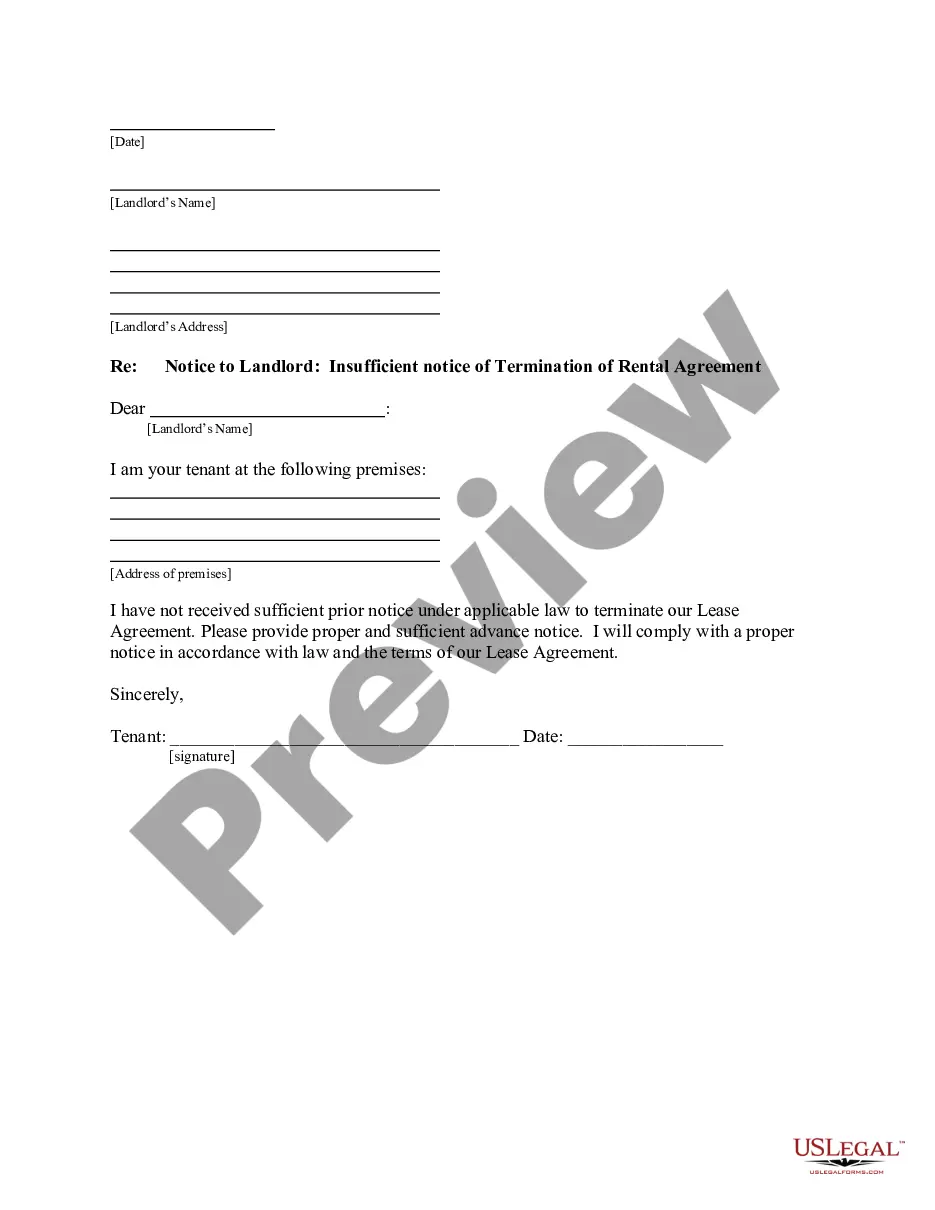

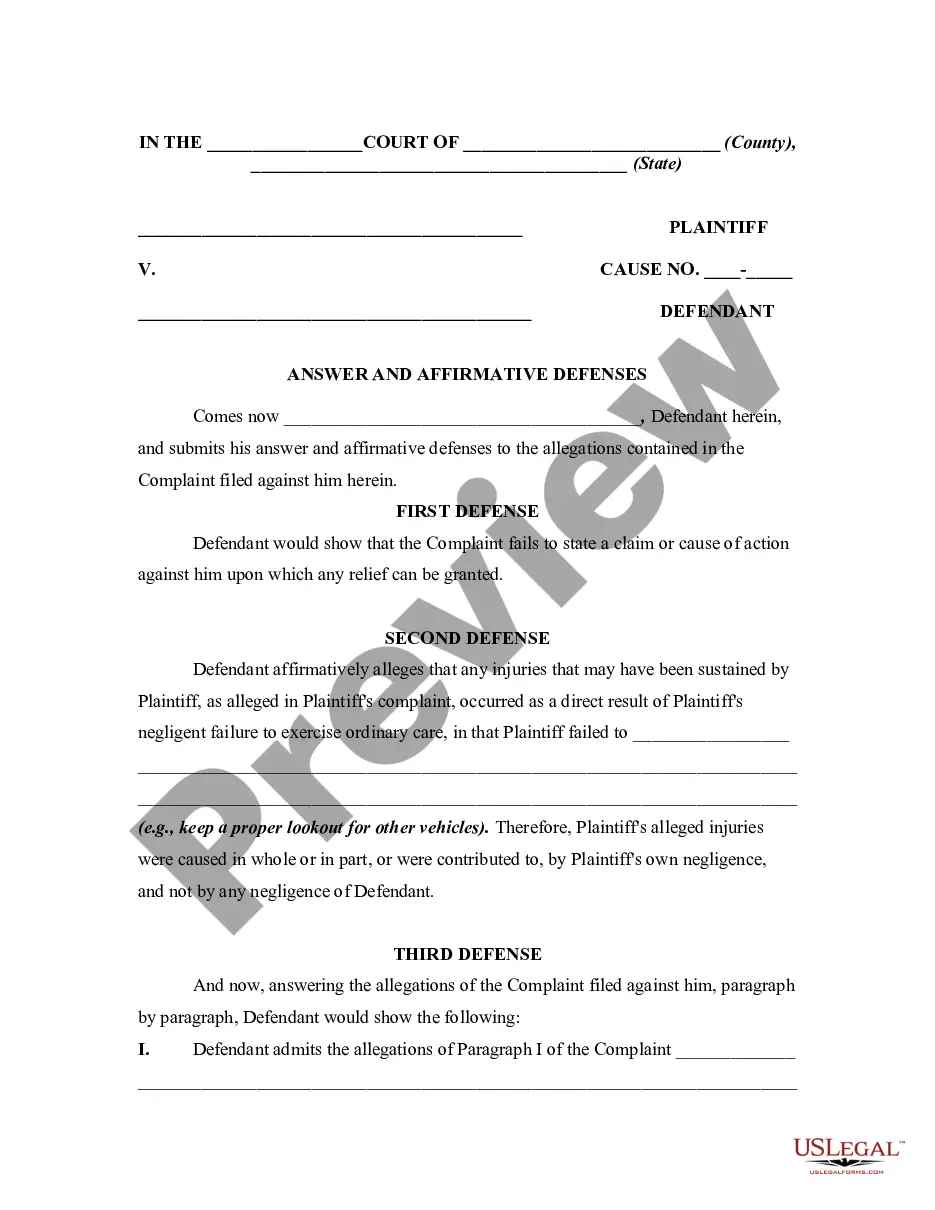
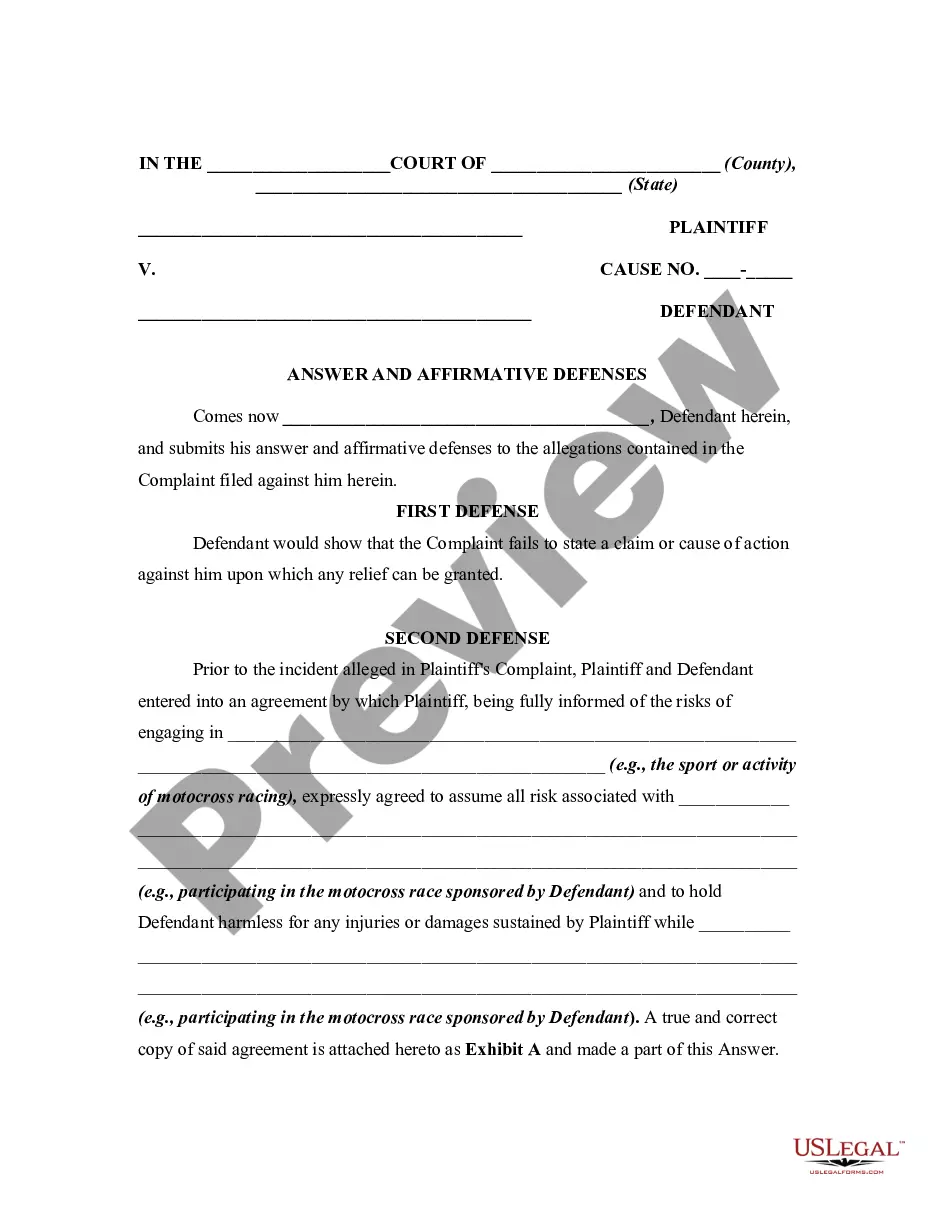
How to fill out Answer By Defendant In A Civil Lawsuit Alleging The Affirmative Defense Of Contributory Negligence?
Finding a reliable resource for the most up-to-date and suitable legal documents is a significant part of navigating bureaucracy.
Identifying the appropriate legal forms requires precision and meticulousness, which is why it is crucial to obtain samples of Answer Debt Collector Lawsuit For Harassment exclusively from trusted sources, like US Legal Forms.
Once you have the document on your device, you can modify it using the editor or print it out and complete it manually. Eliminate the hassle associated with your legal paperwork. Browse the extensive US Legal Forms collection where you can discover legal templates, verify their suitability for your situation, and download them immediately.
- Utilize the catalog browsing or search function to locate your template.
- Examine the form’s details to ensure it meets the criteria for your state and area.
- View the form preview, if accessible, to confirm that the template is the one you need.
- Return to the search and find the correct document if the Answer Debt Collector Lawsuit For Harassment does not fulfill your requirements.
- If you are confident in the form’s applicability, download it.
- If you hold a valid account, click Log in to verify and access your selected forms in My documents.
- If you haven't registered yet, click Buy now to acquire the template.
- Choose the payment plan that suits your needs.
- Proceed to the registration to complete your order.
- Finalize your transaction by choosing a payment method (credit card or PayPal).
- Select the document format for downloading Answer Debt Collector Lawsuit For Harassment.
Form popularity
FAQ
There are laws to prohibit debt collectors from placing repeated or continuous telephone calls to annoy, abuse, or harass you or others who share your phone number. They're also prohibited from communicating with you at times or places that are inconvenient for you.
You must fill out an Answer, serve the other side's attorney, and file your Answer form with the court within 30 days. If you don't, the creditor can ask for a default. If there's a default, the court won't let you file an Answer and can decide the case without you.
Debt collectors cannot harass or abuse you. They cannot swear, threaten to illegally harm you or your property, threaten you with illegal actions, or falsely threaten you with actions they do not intend to take. They also cannot make repeated calls over a short period to annoy or harass you.
Make sure to include all the necessary information, such as the debt owed, the settlement amount, the terms of the agreement, and the date. Include the contact information of both parties in the letter. Before you write, you should know what you want to accomplish with the settlement.
The first thing to do is to write the debt collector a letter telling them to stop calling you. You can use the sample letter language here. Under the FDCPA, they must follow your written request for no contact. If they do not, you can report them to the Federal Trade Commission (FTC).