Affirmative Defenses California Negligence
Description

Get your form ready online
Our built-in tools help you complete, sign, share, and store your documents in one place.
Make edits, fill in missing information, and update formatting in US Legal Forms—just like you would in MS Word.
Download a copy, print it, send it by email, or mail it via USPS—whatever works best for your next step.
Sign and collect signatures with our SignNow integration. Send to multiple recipients, set reminders, and more. Go Premium to unlock E-Sign.
If this form requires notarization, complete it online through a secure video call—no need to meet a notary in person or wait for an appointment.
We protect your documents and personal data by following strict security and privacy standards.

Make edits, fill in missing information, and update formatting in US Legal Forms—just like you would in MS Word.

Download a copy, print it, send it by email, or mail it via USPS—whatever works best for your next step.

Sign and collect signatures with our SignNow integration. Send to multiple recipients, set reminders, and more. Go Premium to unlock E-Sign.

If this form requires notarization, complete it online through a secure video call—no need to meet a notary in person or wait for an appointment.

We protect your documents and personal data by following strict security and privacy standards.
Looking for another form?


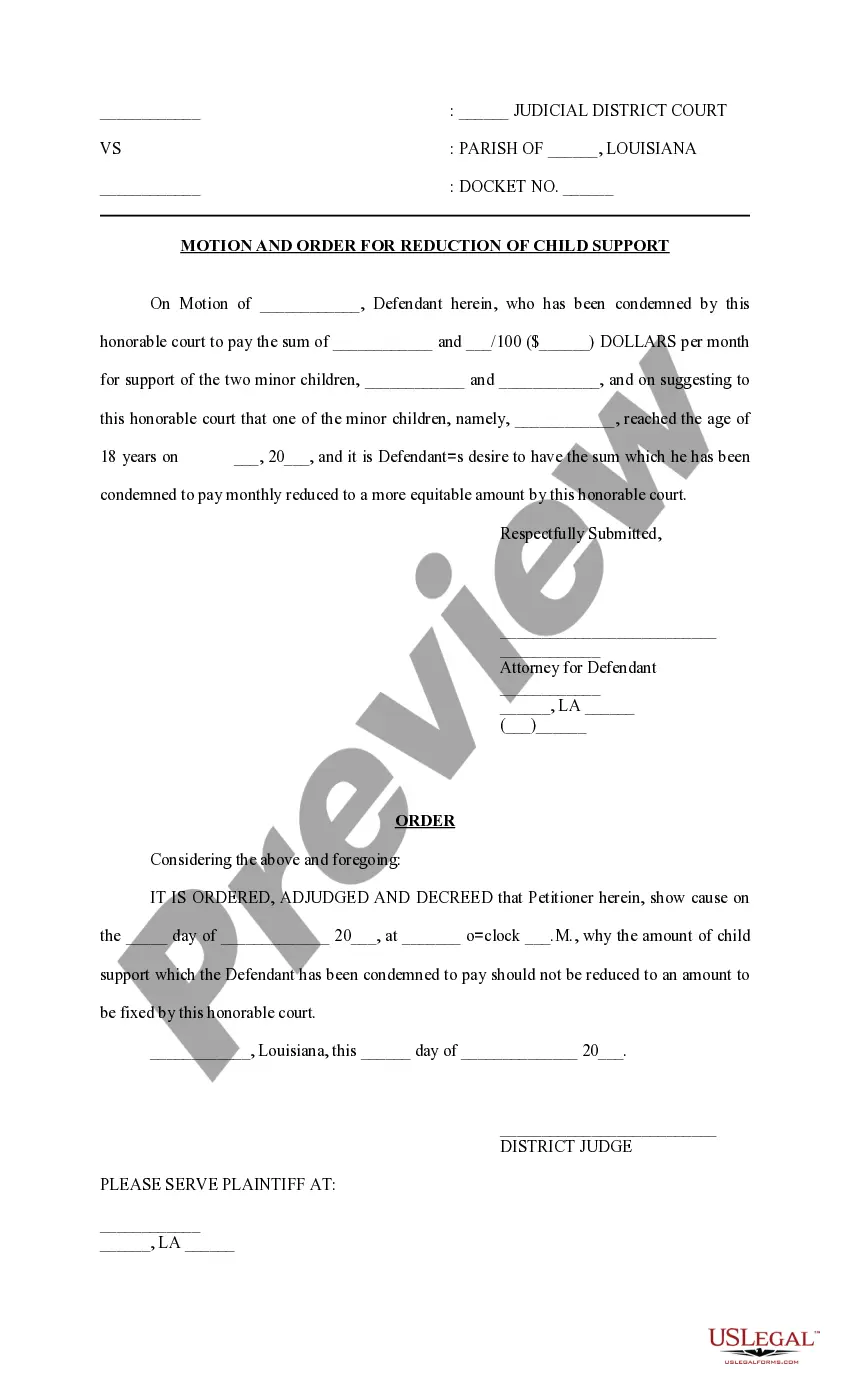



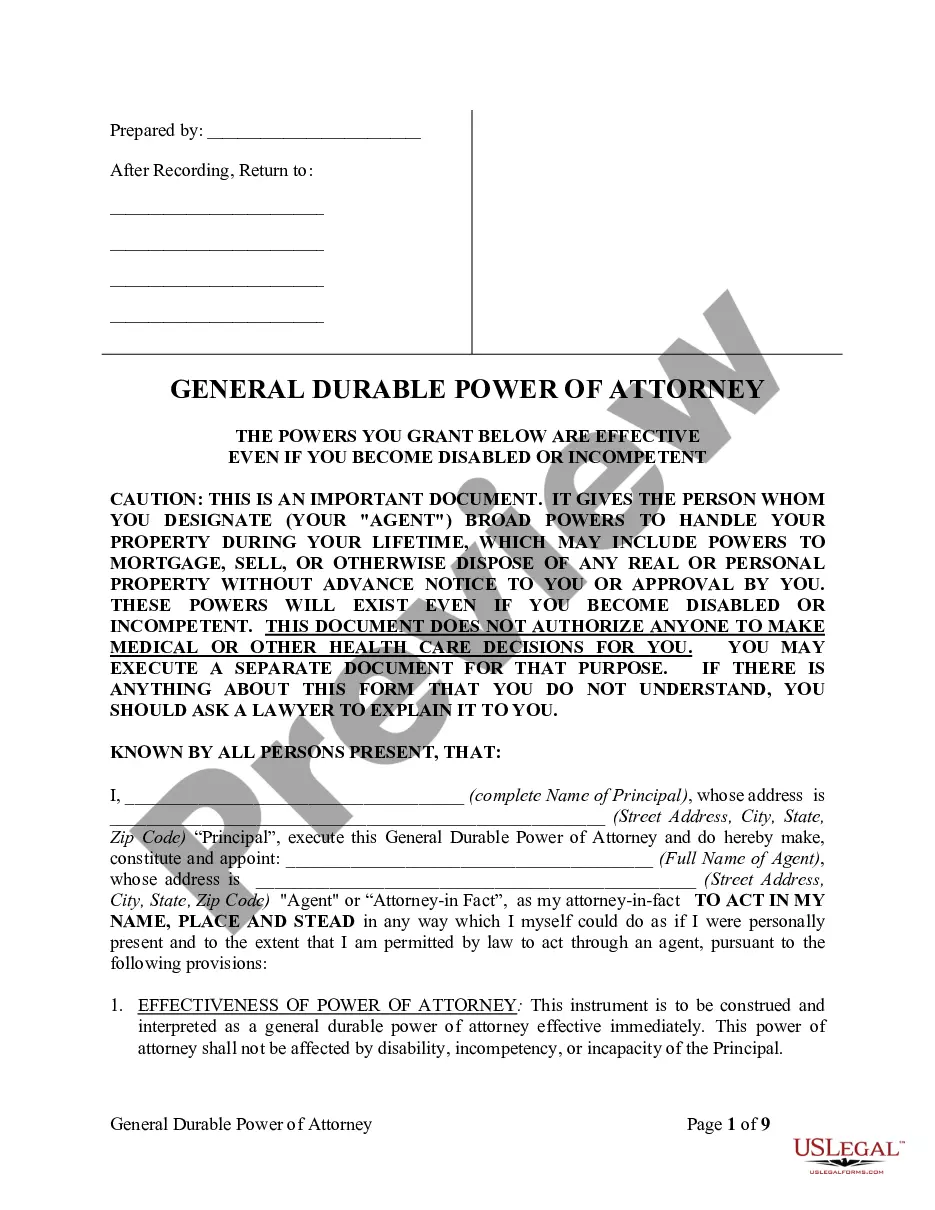
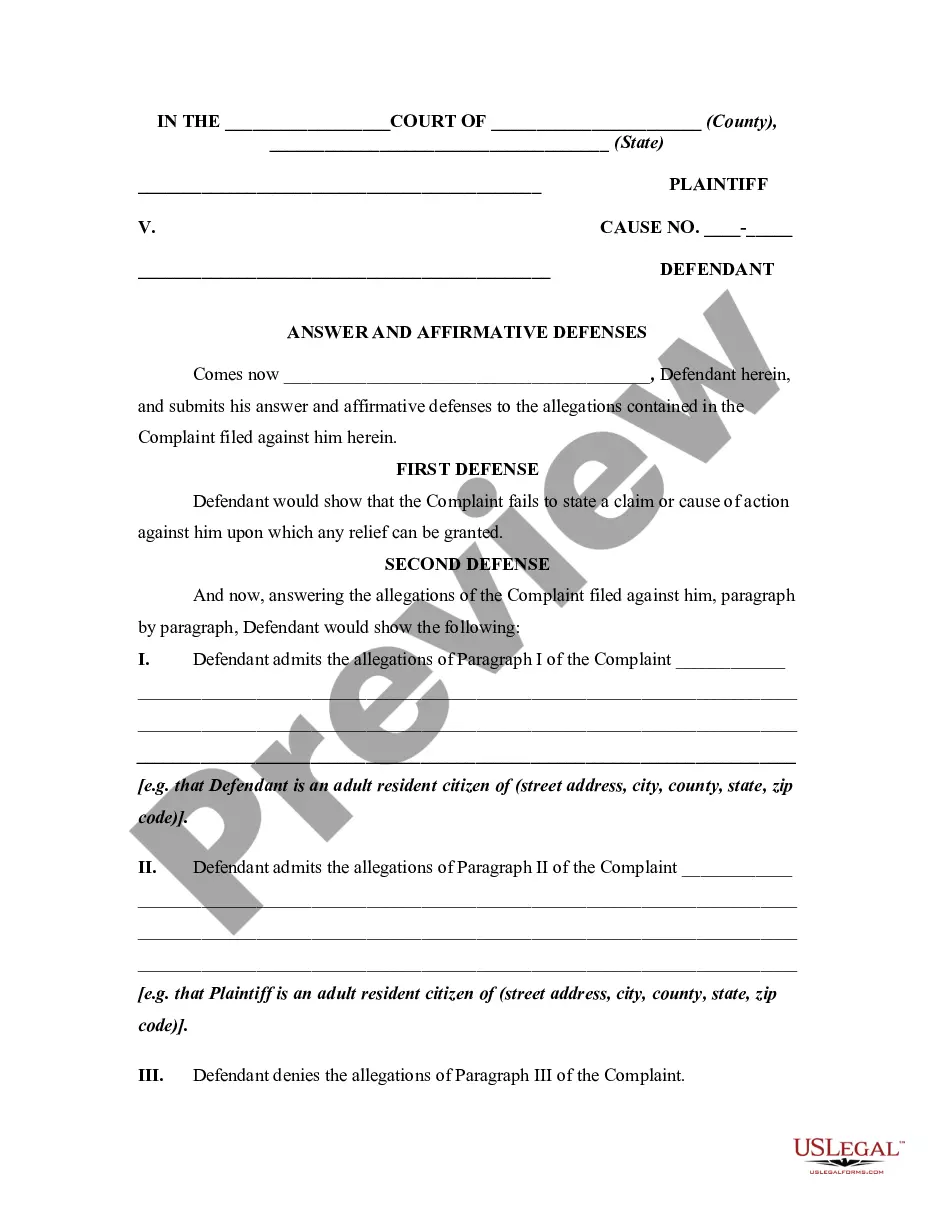
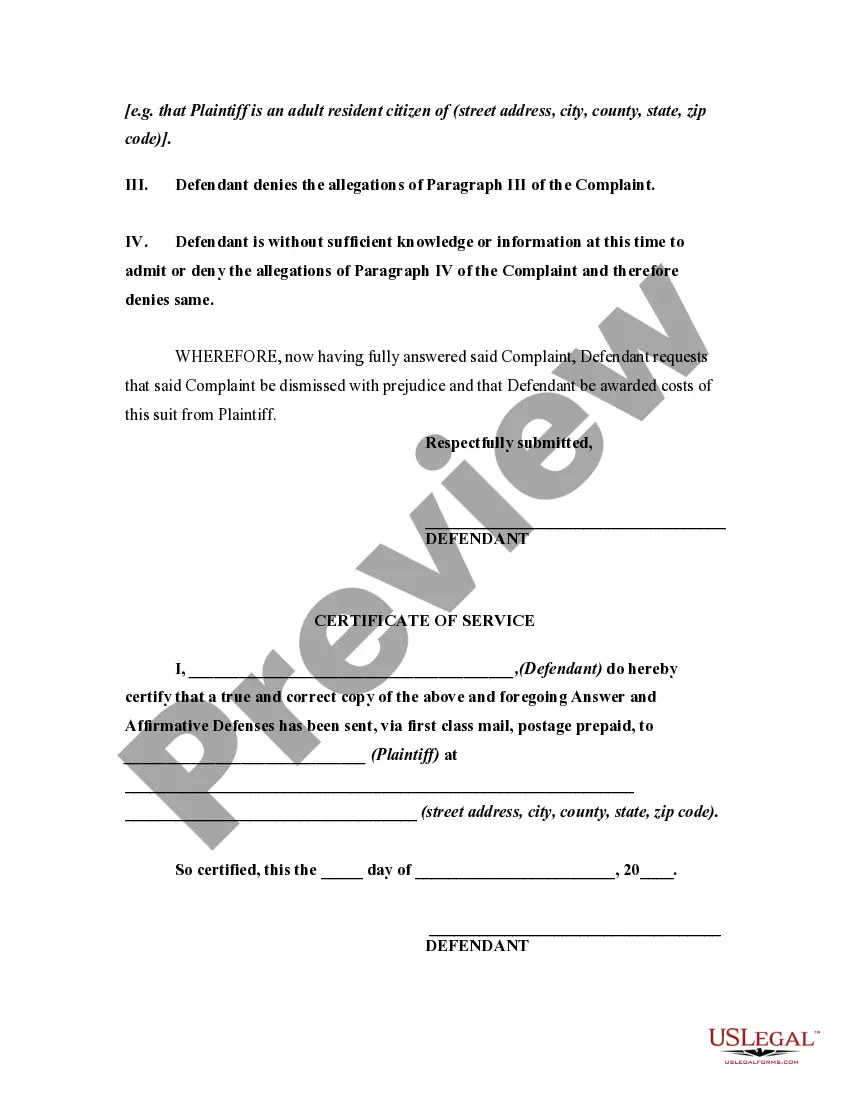
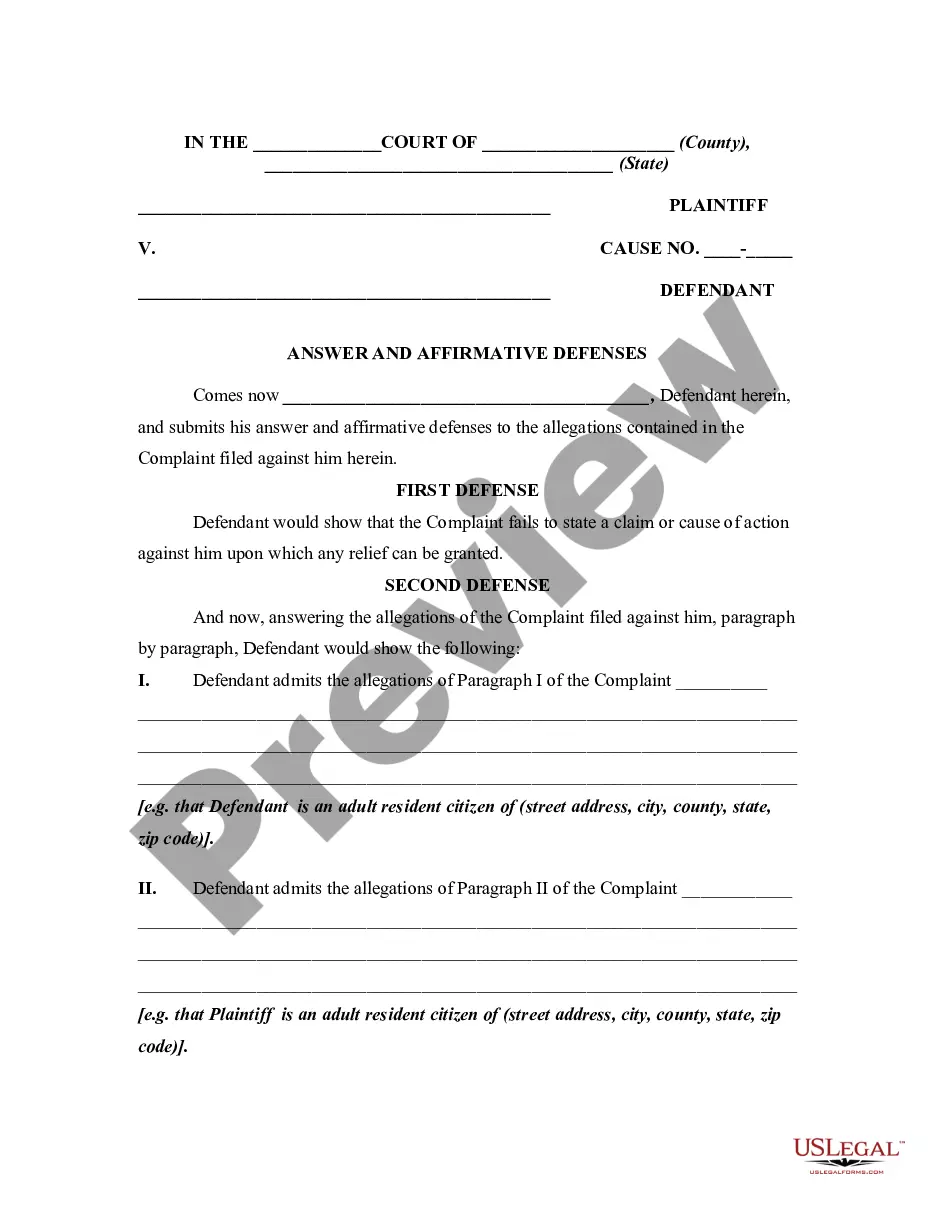
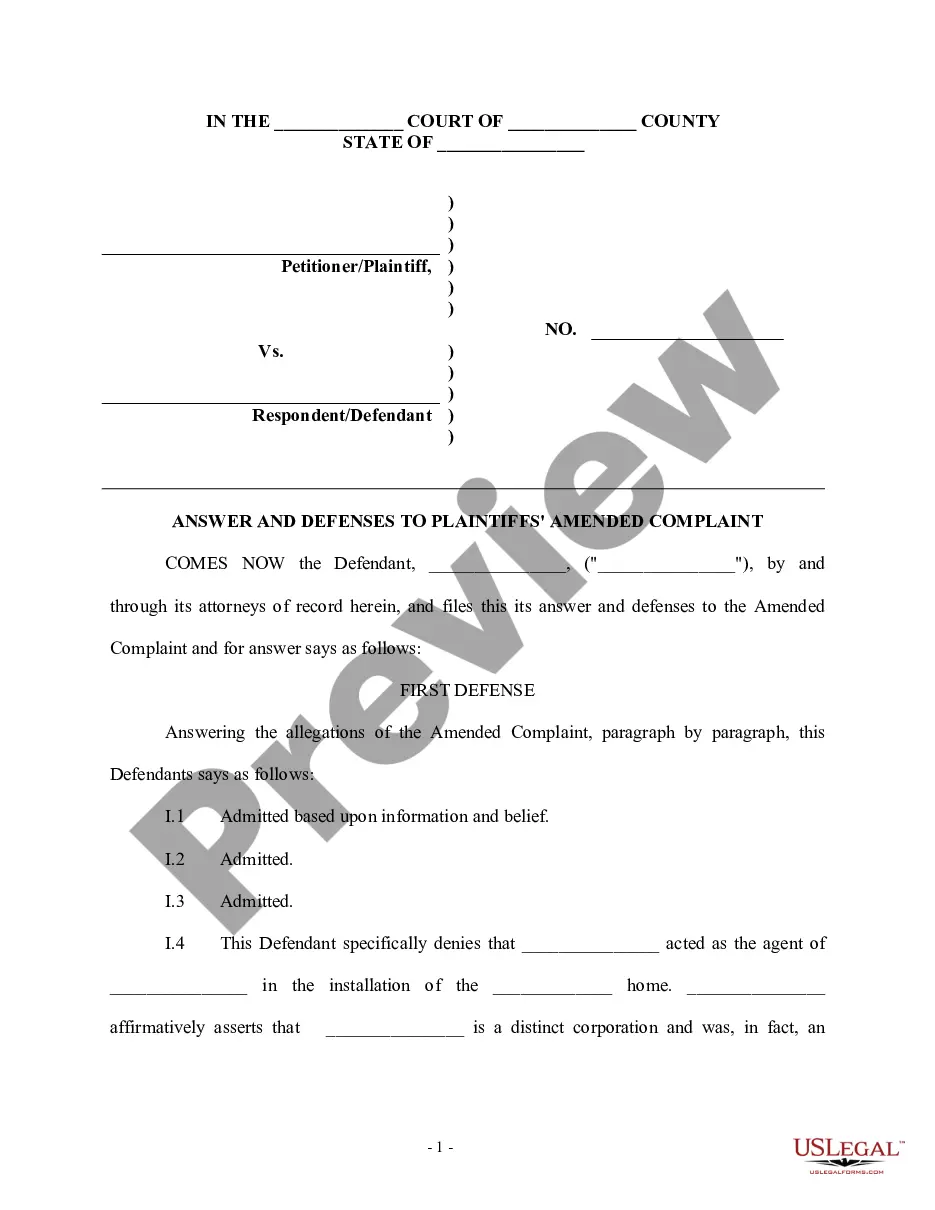
How to fill out Answer With Specific Denials And Admissions Along With Denial Of Sufficient Knowledge Or Information To Form A Belief As To Certain Allegations?
- If you're a returning user, simply log in to your account and download the necessary form template by clicking the Download button. Check that your subscription is active; if it's expired, please renew it as per your payment plan.
- For first-time users, start by reviewing the Preview mode and description of the forms to find one that meets your needs and aligns with local jurisdiction requirements.
- If you need another template, utilize the Search tab to find the correct form. Once satisfied, you can proceed.
- Purchase the selected document by clicking the Buy Now button and selecting your preferred subscription plan. You’ll need to create an account to access the extensive library.
- Complete your purchase by entering your credit card information or using your PayPal account for a seamless transaction.
- Finally, download your form to your device, ensuring easy access for completion. You can find it later in the My Forms section of your profile.
In conclusion, US Legal Forms provides a robust collection of over 85,000 customizable legal documents, making it an invaluable resource for both individuals and attorneys. With premium expert assistance available, you can be assured that your affirmative defenses will be precise and legally sound.
Start streamlining your legal document needs today with US Legal Forms!
Form popularity
FAQ
Including affirmative defenses in the answer is essential for setting the groundwork for your case. These defenses provide a roadmap for the court to understand your perspective, potentially minimizing liability. Moreover, presenting these defenses early on helps protect your rights and could lead to a favorable resolution. Utilizing platforms like US Legal Forms can streamline this process, ensuring you don't overlook any critical defenses.
Affirmative defenses to negligent entrustment often include showing that the person to whom the property was entrusted had the necessary competency and experience. Additionally, proving that the entrustment did not result in foreseeable harm can also serve as a strong defense. Understanding these defenses is crucial when facing claims of negligent entrustment under California negligence laws. Resources like US Legal Forms can assist you in navigating these complex issues.
Yes, in California negligence cases, if a defendant does not raise affirmative defenses in their initial answer, those defenses may be waived. This is important because it means that any argument not included in the answer cannot be presented later in court. To avoid pitfalls, defendants should diligently include all relevant affirmative defenses in their response. Using a platform like US Legal Forms can help ensure that your answer is comprehensive.
An example of an affirmative defense related to the statute of limitations is if the plaintiff files a negligence claim after the legally permitted time frame has expired. In California, the statute of limitations for personal injury cases is typically two years. If this timeline has passed, the defendant can argue this point as an affirmative defense. Understanding this concept is crucial when dealing with affirmative defenses in California negligence cases.
When writing affirmative defenses in an answer, clearly state each defense in a separate paragraph. Use straightforward language to outline the basis for each defense. Make sure to reference relevant facts and connect them to California negligence laws. This ensures that your affirmative defenses are well-defined and effectively communicated.
Affirmative defenses are filed by the defendant in response to a plaintiff's claims. This legal strategy allows the defendant to present reasons that negate liability, even if the plaintiff's allegations are true. It is essential for defendants to understand their rights and the potential complexities of affirmative defenses in California negligence cases. Utilizing resources from USLegalForms can help simplify this process.
To raise the defense of contributory negligence, you should include it in your response to the plaintiff's complaint. This defense asserts that the plaintiff’s own actions contributed to their injury, which can limit recovery. It is critical to present evidence supporting this claim during the trial. Familiarizing yourself with legal tools available on platforms like USLegalForms can aid in effectively raising this defense.
To strike an affirmative defense, you must file a motion to the court that requests the removal of that defense. This motion should clearly outline why the defense is legally insufficient. Courts will evaluate your motion based on established legal standards, considering whether the defense serves a valid purpose. Engaging with resources on platforms like USLegalForms can help you understand the procedure and enhance your chances of success.
In Florida, you generally have 20 days to file a motion to strike affirmative defenses after the defendant’s answer is served. This time frame is crucial, as it allows you to challenge defenses that may undermine your negligence claim. Timely action is vital to maintaining the integrity of your case. For those navigating legal challenges, using platforms like USLegalForms can provide necessary guidance during this process.
Affirmative defenses must be raised in your initial response to a complaint. Failing to do so may prevent you from using them later in the case. It is essential to address affirmative defenses promptly to ensure they are part of the legal proceedings. In California negligence cases, incorporating these defenses early can effectively shape the outcome of your case.