To File A Lawsuit
Description
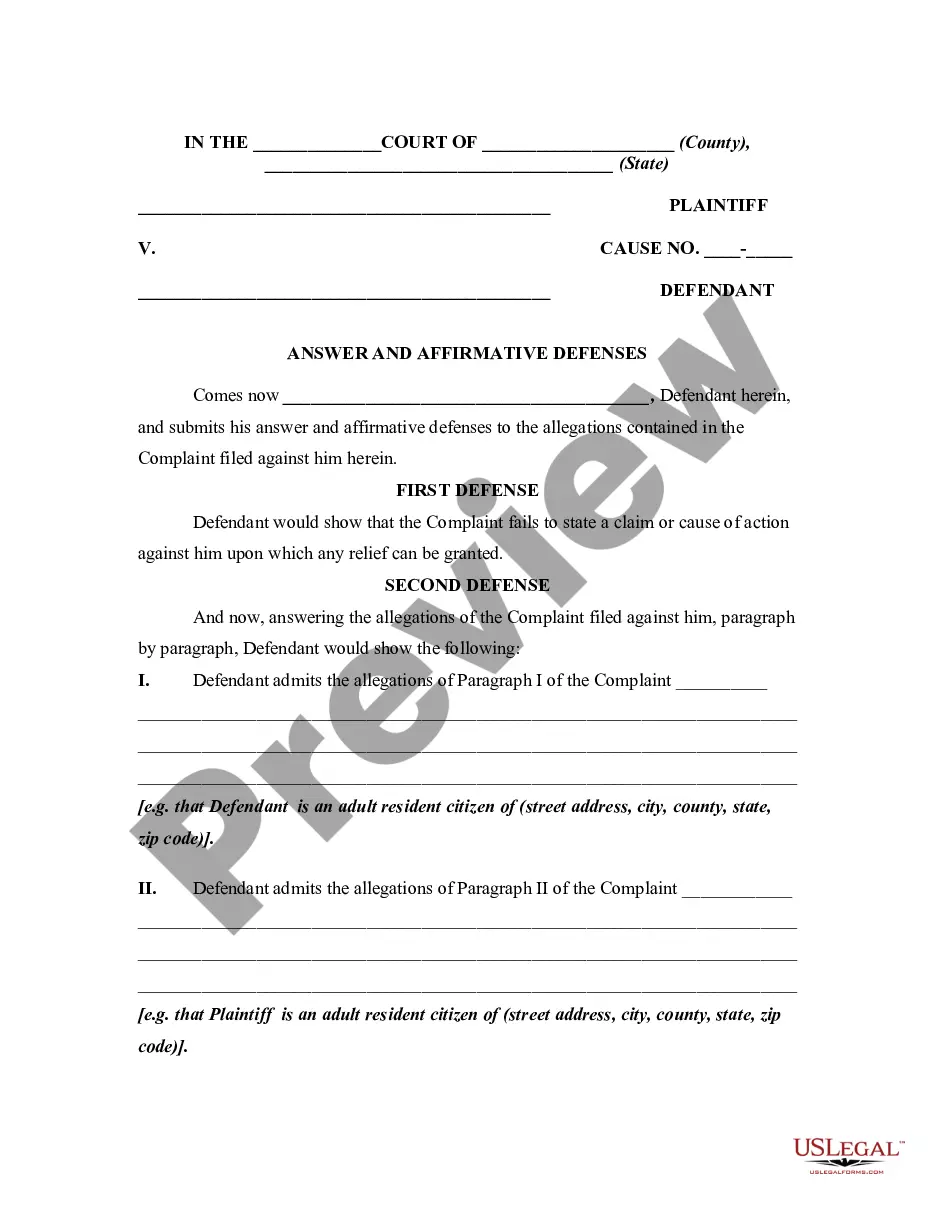
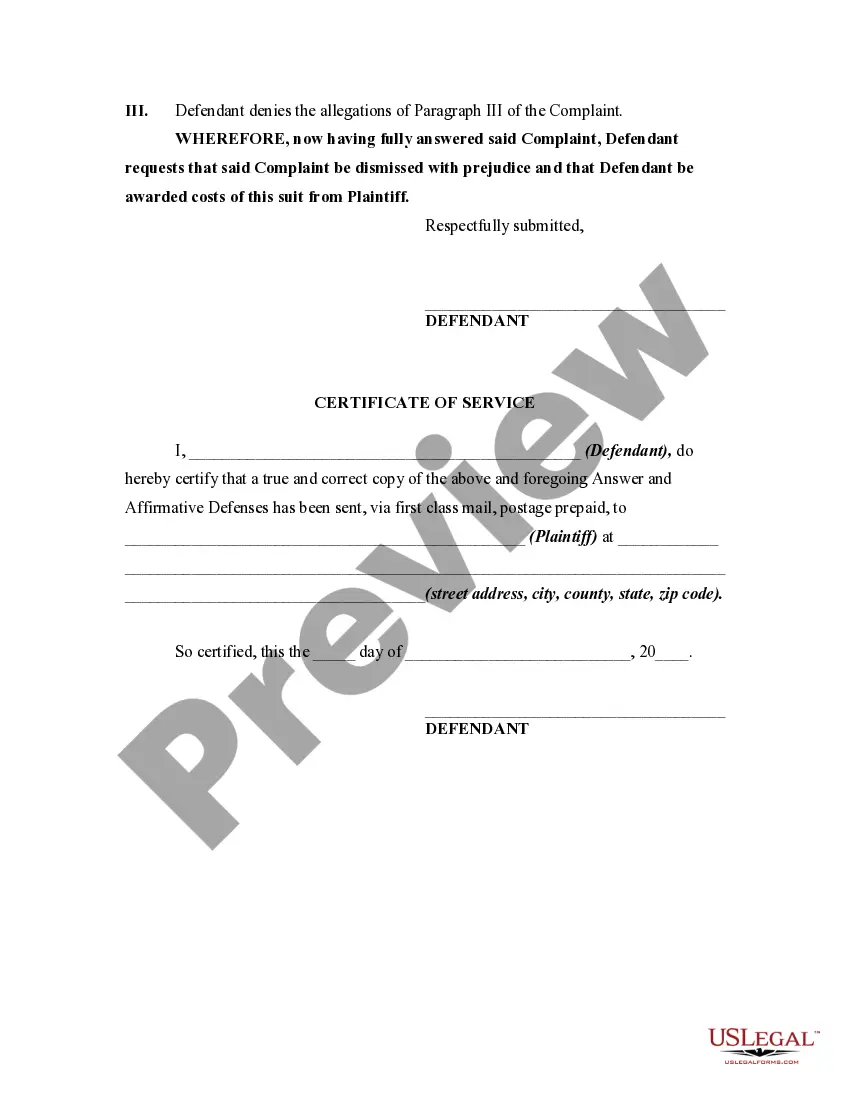
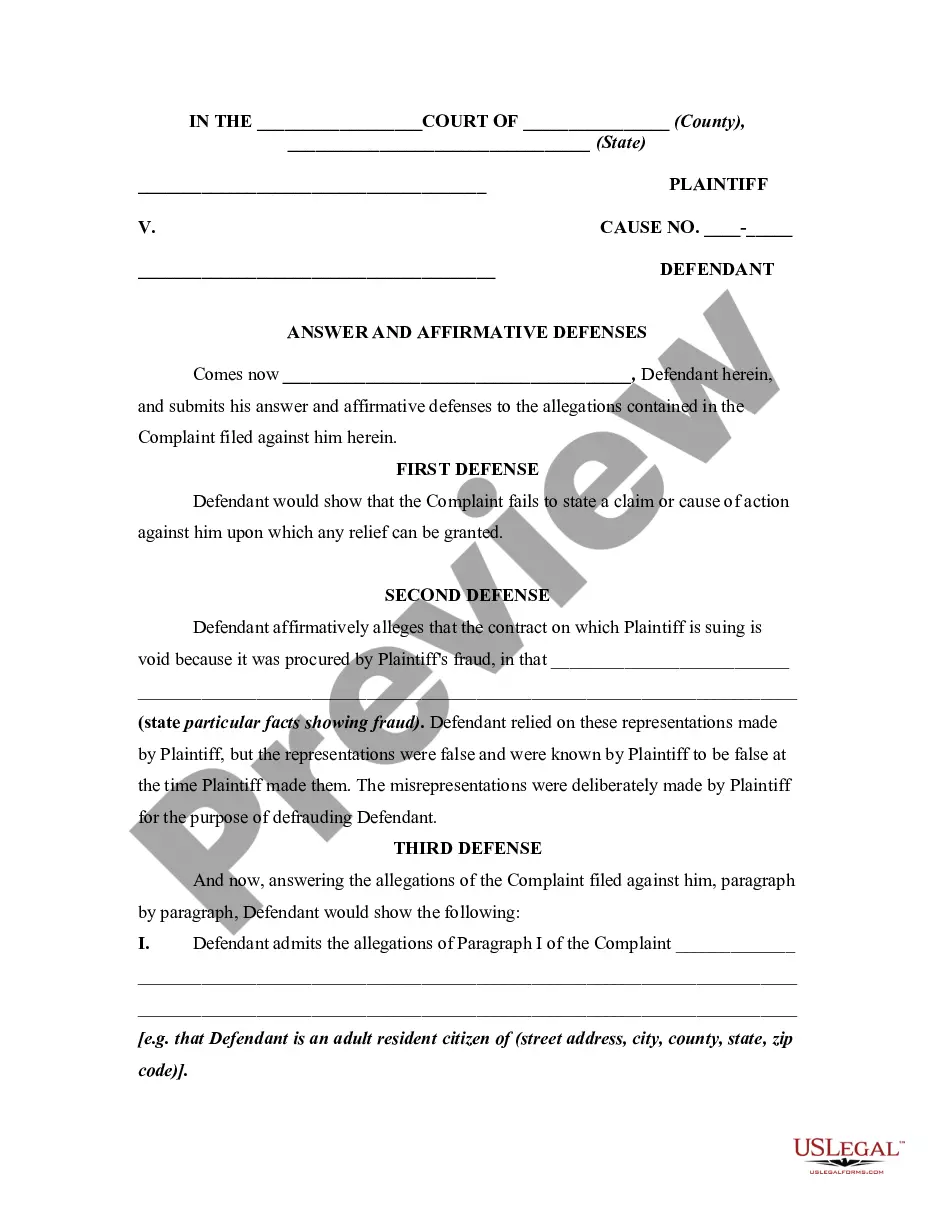
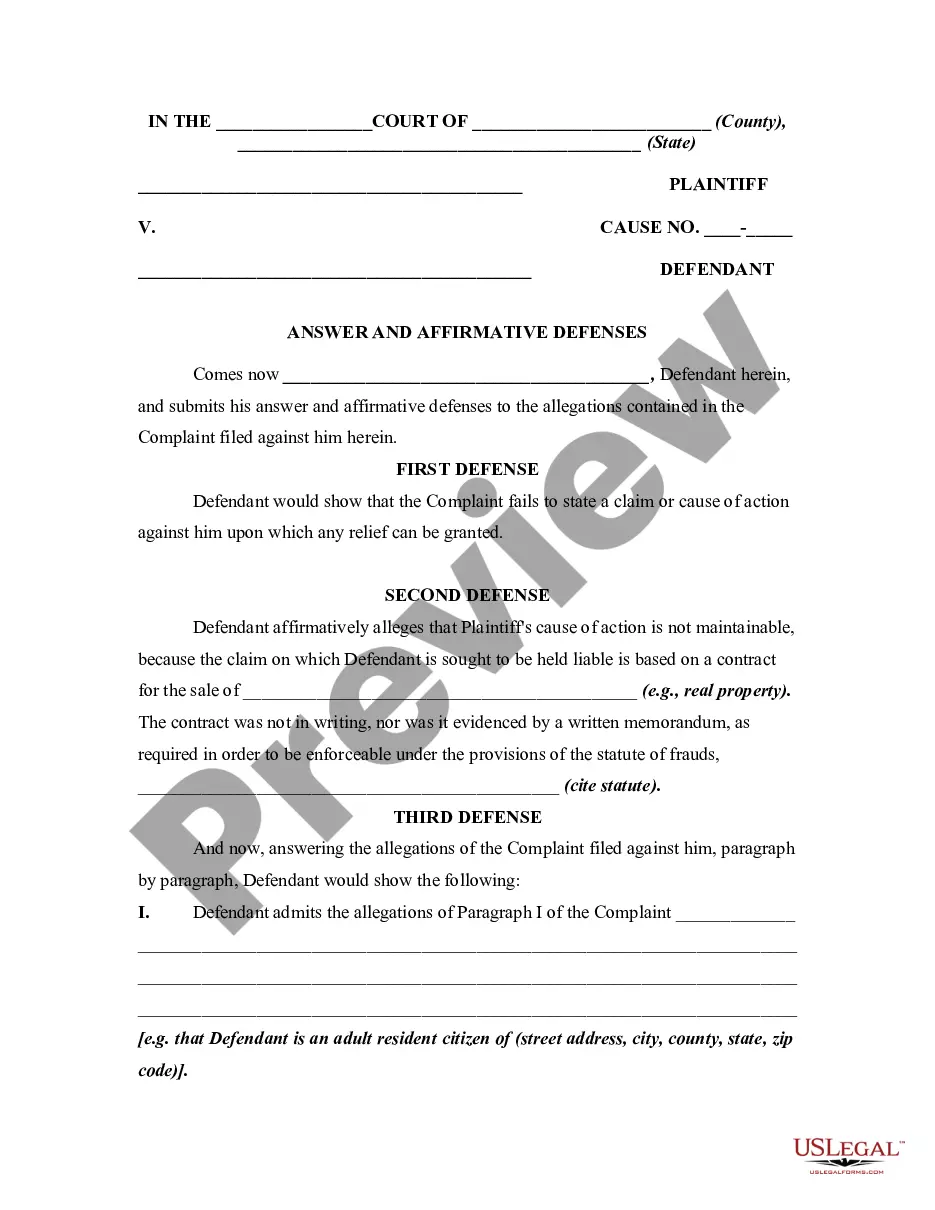
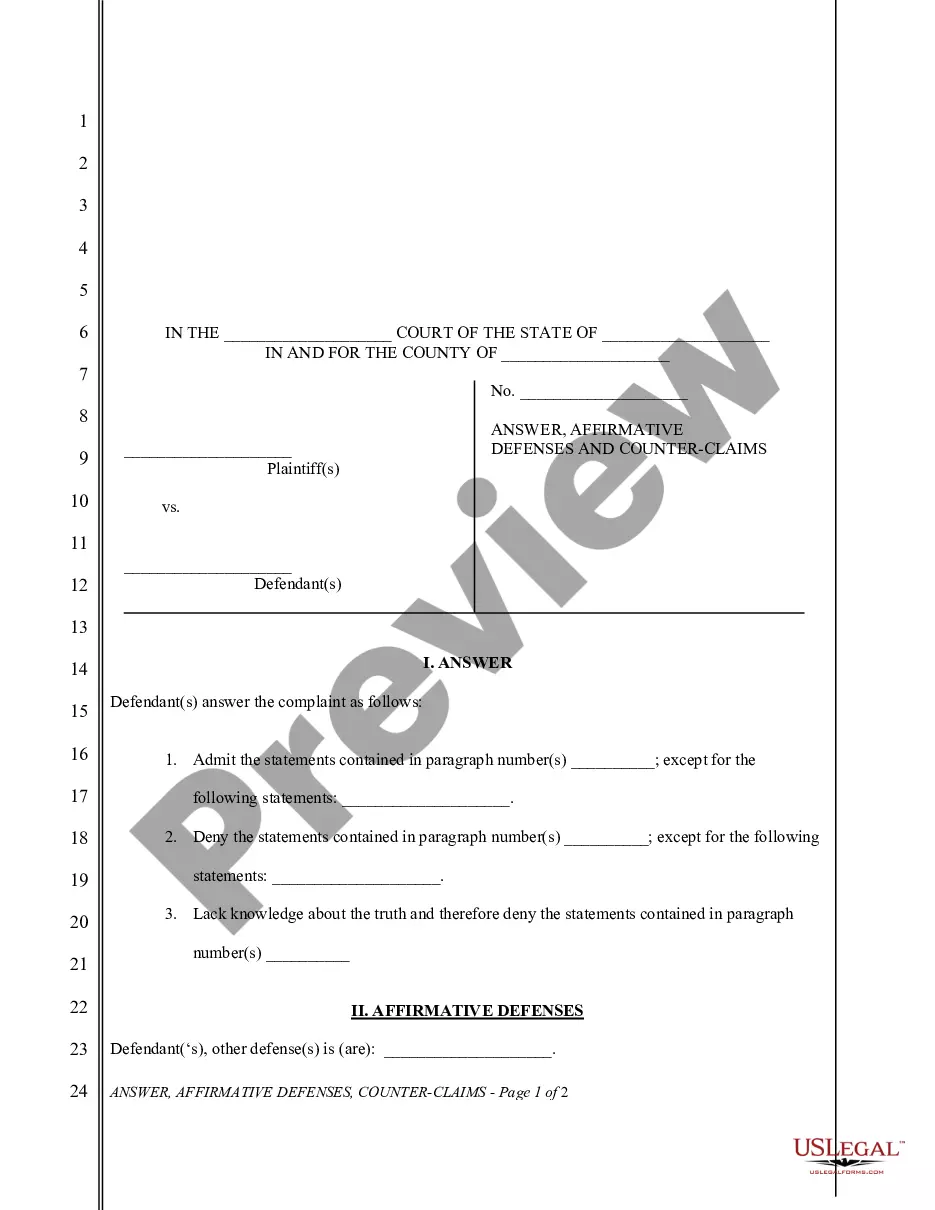
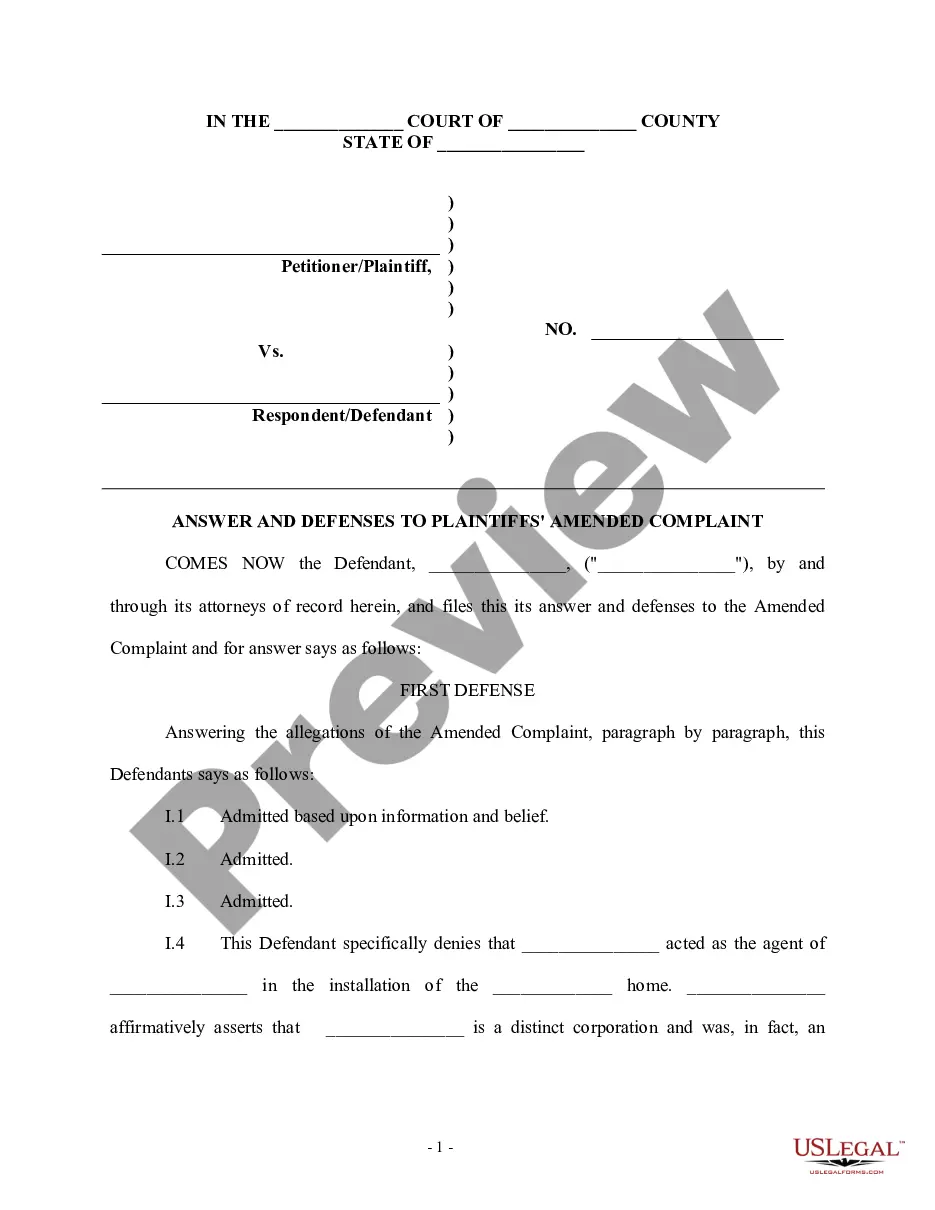
Get your form ready online
Our built-in tools help you complete, sign, share, and store your documents in one place.
Make edits, fill in missing information, and update formatting in US Legal Forms—just like you would in MS Word.
Download a copy, print it, send it by email, or mail it via USPS—whatever works best for your next step.
Sign and collect signatures with our SignNow integration. Send to multiple recipients, set reminders, and more. Go Premium to unlock E-Sign.
If this form requires notarization, complete it online through a secure video call—no need to meet a notary in person or wait for an appointment.
We protect your documents and personal data by following strict security and privacy standards.

Make edits, fill in missing information, and update formatting in US Legal Forms—just like you would in MS Word.

Download a copy, print it, send it by email, or mail it via USPS—whatever works best for your next step.

Sign and collect signatures with our SignNow integration. Send to multiple recipients, set reminders, and more. Go Premium to unlock E-Sign.

If this form requires notarization, complete it online through a secure video call—no need to meet a notary in person or wait for an appointment.

We protect your documents and personal data by following strict security and privacy standards.
Looking for another form?








How to fill out General Form Of An Answer By Defendant In A Civil Lawsuit?
- If you are a returning user, log in to your account and retrieve the needed form template by selecting the Download button. Ensure your subscription is active; if not, renew your plan accordingly.
- Preview the form description and specifications. Confirm it matches your requirements and is compliant with your jurisdiction's standards.
- If you need a different form, use the Search tab to find alternative templates. Once you select one that fits, proceed to the next step.
- Purchase the document by clicking the Buy Now button. Choose your preferred subscription plan and create an account for full access to the library.
- Complete your payment using your credit card or PayPal account to finalize the subscription.
- Download your form and save it on your device. You can access it anytime from the My Forms section in your profile.
Once you've downloaded your forms, you're well on your way to filing your lawsuit. If you encounter any difficulties, remember that US Legal Forms offers access to premium experts who can assist you with the completion of your documents.
Start your legal journey today with US Legal Forms and get the documents you need to take action!
Form popularity
FAQ
Beginning a lawsuit letter involves being clear and concise about your intentions. Start with a formal address, state the purpose, and outline the basis for your claim. Including all necessary details is important as you prepare to file a lawsuit. You can utilize US Legal Forms for templates that guide you in crafting an effective and professional lawsuit letter.
When contemplating a court case for $500, consider the time, effort, and potential legal fees involved. While it may seem like a small amount, the overall costs can outweigh the benefits. To file a lawsuit might be more worthwhile if the stakes are higher or if you seek wider principles at play. US Legal Forms offers tools to help determine whether pursuing legal action makes sense in your specific situation.
Deciding whether to sue someone involves evaluating various factors. Financial considerations, emotional stress, and the potential outcome of the case all play a role. To file a lawsuit can be a significant commitment, so it's essential to weigh the pros and cons carefully. Using a resource like US Legal Forms can simplify the process and help you make an informed choice.
When someone gets a lawsuit, they have been served legal papers indicating that another party is seeking redress or righting a wrong through the court system. This can lead to various outcomes, including negotiation, settlement, or trial. Knowing how to respond is essential, and as a resource, US Legal Forms provides guidance on navigating these situations.
To file a lawsuit means to formally assert a claim against someone in a court of law. This action involves providing evidence and arguments to support your case. It is important to understand the implications of filing a lawsuit, as it engages the legal system to resolve disputes and protect legal rights.
Once you file a lawsuit, the court will serve the complaint to the defendant, who must respond to your claims. This begins the legal process, which may include discovery, negotiations, and possibly a trial. It is crucial to effectively manage each step to ensure a strong case, and platforms like US Legal Forms can aid in this process.
When a person files a lawsuit, they are referred to as the plaintiff, and the action is called 'filing a complaint.' This step marks the beginning of a legal dispute where the plaintiff outlines their grievances and seeks justice. Understanding this terminology can help clarify the legal process involved.
When someone files a suit, they are formally requesting the court to intervene in a dispute. This means the individual believes they have a valid legal claim that needs resolution. Essentially, filing a suit is the starting point for a legal process that could lead to a court judgment or settlement.
To file a lawsuit means to initiate a legal action in court by submitting a formal complaint. This action allows the plaintiff to seek a resolution or remedy from the court. It is an essential step in pursuing legal rights and holding someone accountable for their actions.
To determine if you should file a lawsuit, consider the validity of your claim and the desired outcome. Analyze the costs, time, and whether alternative dispute resolution methods may resolve your issue more efficiently. If the legal grounds for your situation are clear, it may signal a path to file a lawsuit. Consulting a legal professional can provide clarity and help you make an informed decision.