Affirmative Verb
Description
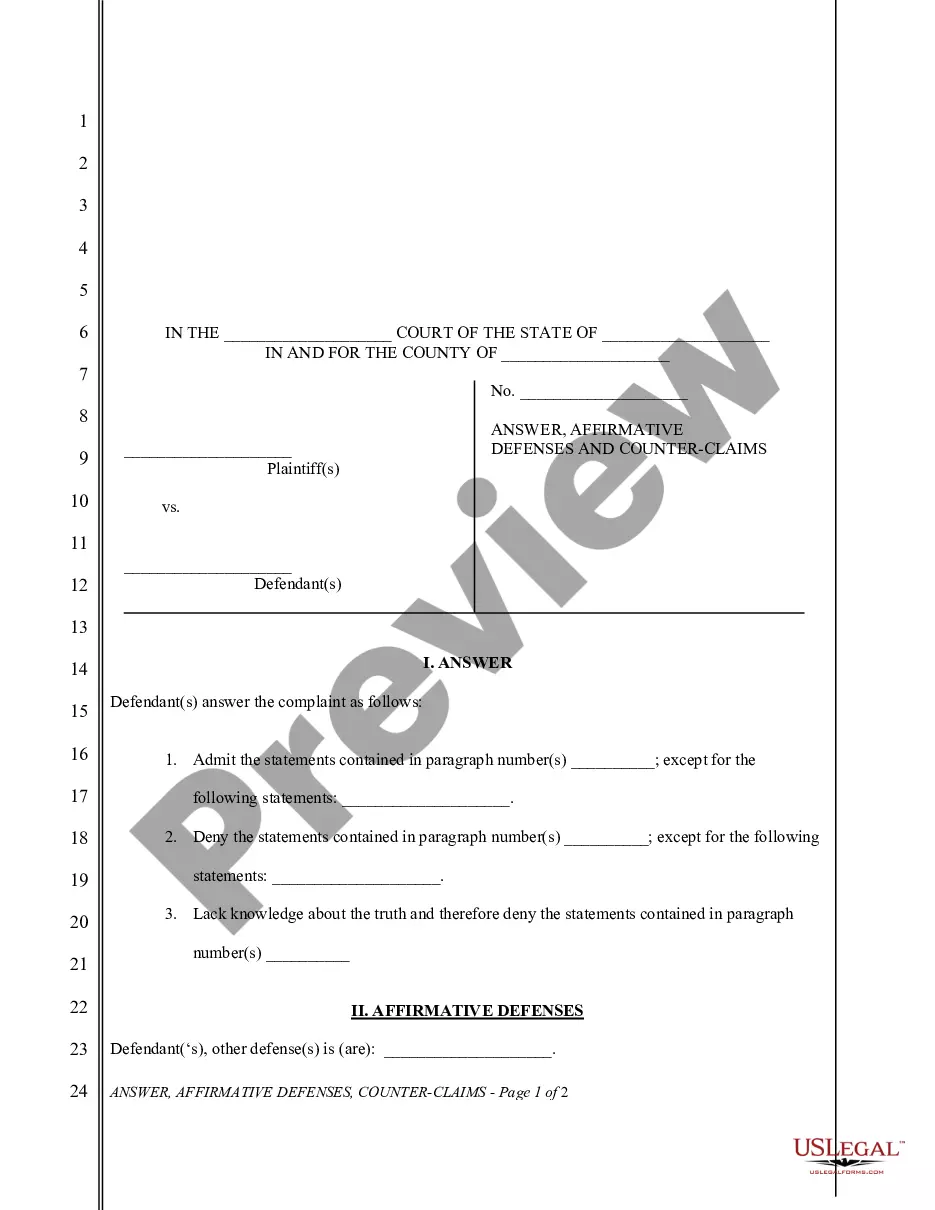
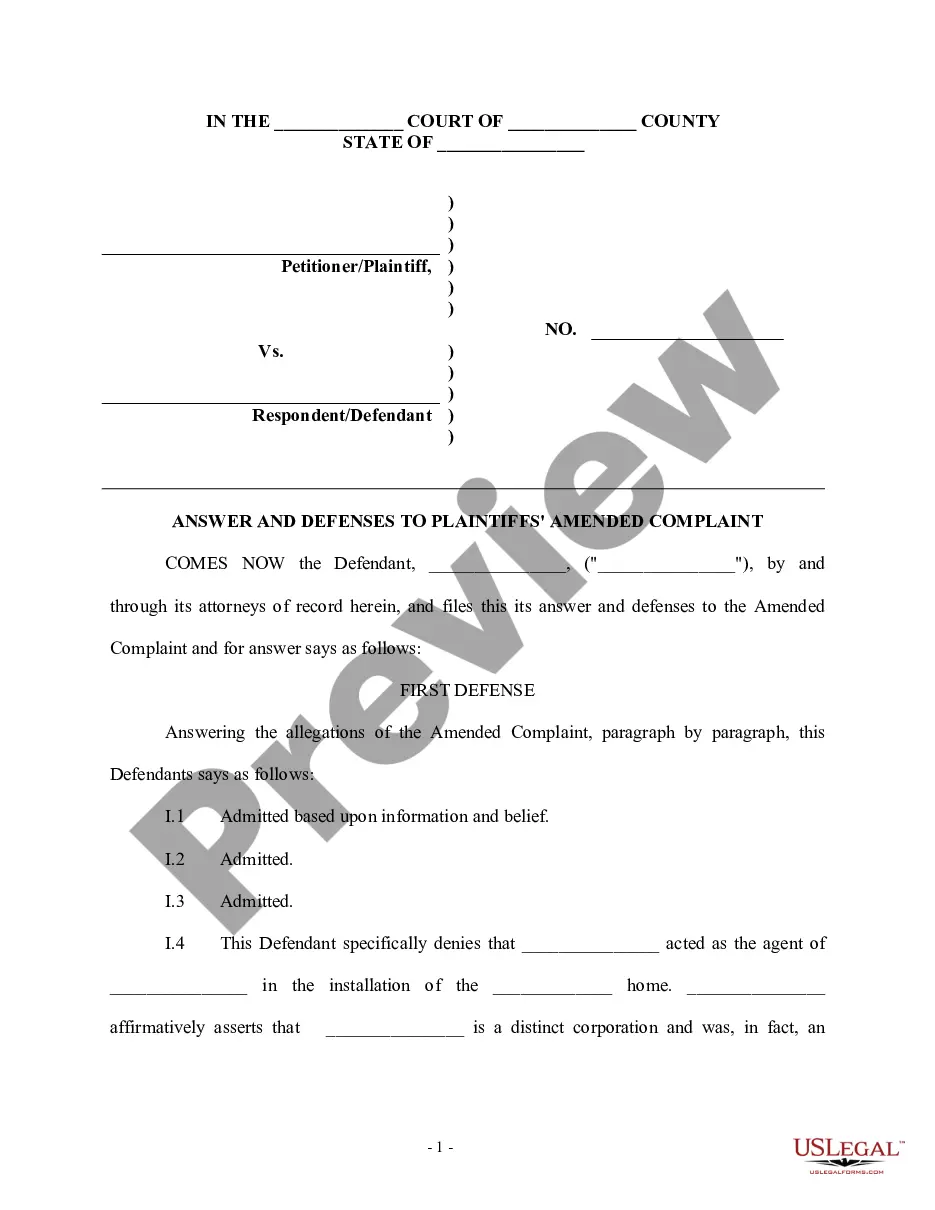
Get your form ready online
Our built-in tools help you complete, sign, share, and store your documents in one place.
Make edits, fill in missing information, and update formatting in US Legal Forms—just like you would in MS Word.
Download a copy, print it, send it by email, or mail it via USPS—whatever works best for your next step.
Sign and collect signatures with our SignNow integration. Send to multiple recipients, set reminders, and more. Go Premium to unlock E-Sign.
If this form requires notarization, complete it online through a secure video call—no need to meet a notary in person or wait for an appointment.
We protect your documents and personal data by following strict security and privacy standards.

Make edits, fill in missing information, and update formatting in US Legal Forms—just like you would in MS Word.

Download a copy, print it, send it by email, or mail it via USPS—whatever works best for your next step.

Sign and collect signatures with our SignNow integration. Send to multiple recipients, set reminders, and more. Go Premium to unlock E-Sign.

If this form requires notarization, complete it online through a secure video call—no need to meet a notary in person or wait for an appointment.

We protect your documents and personal data by following strict security and privacy standards.
Looking for another form?
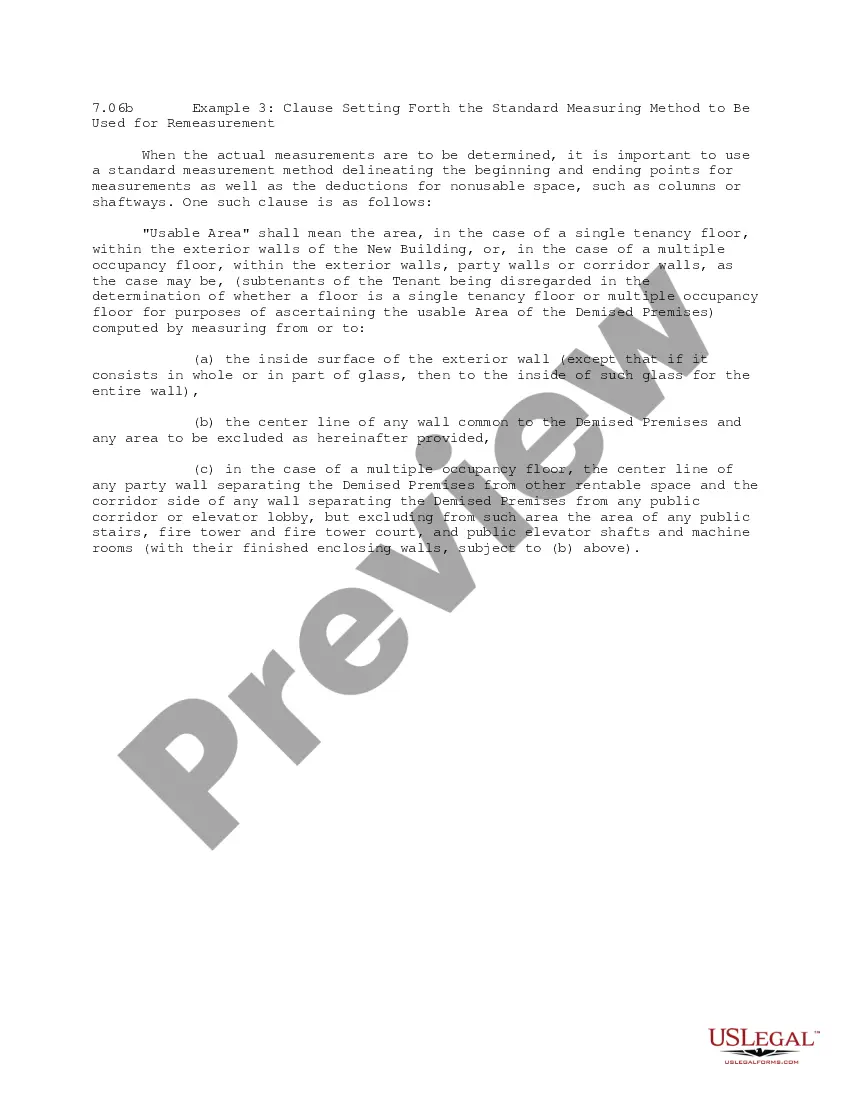
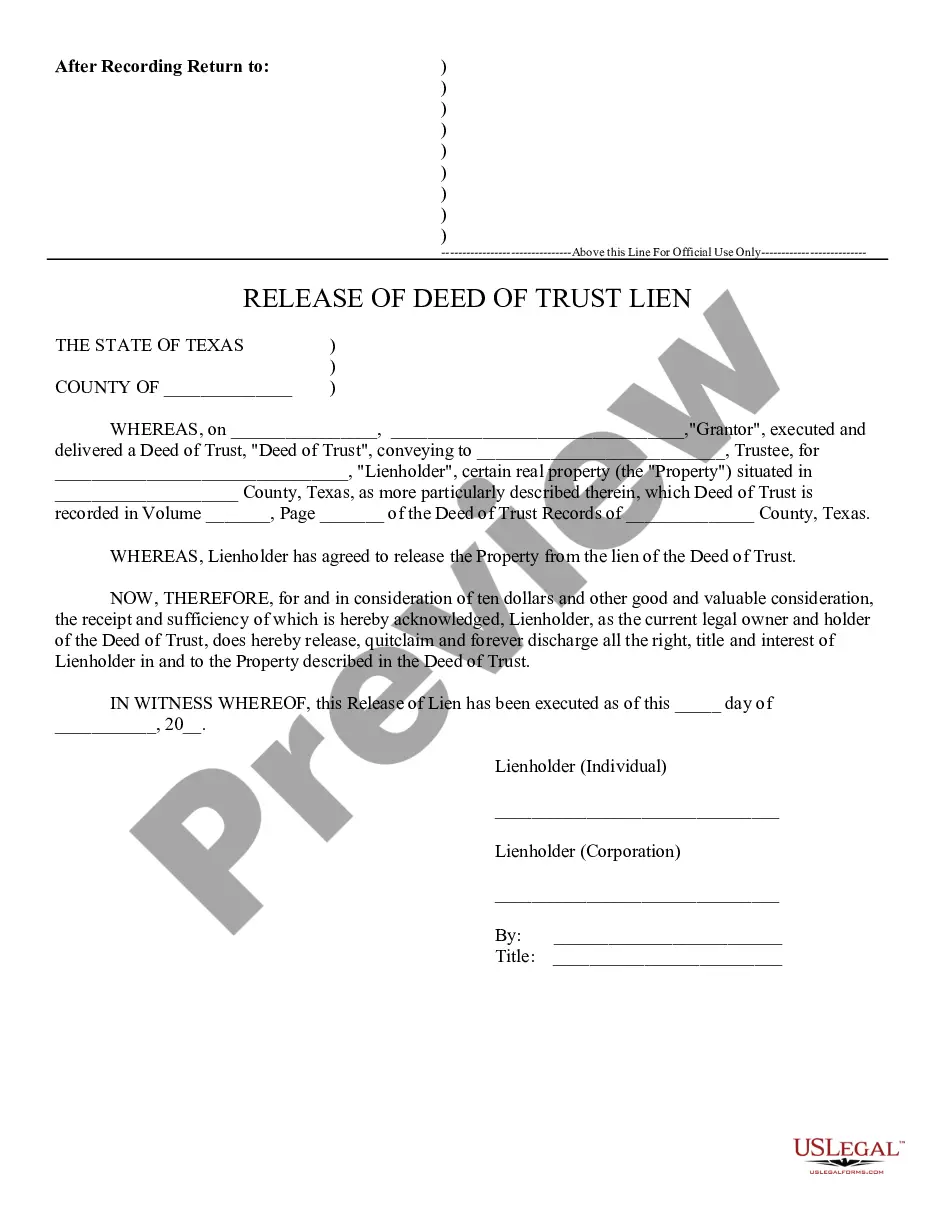
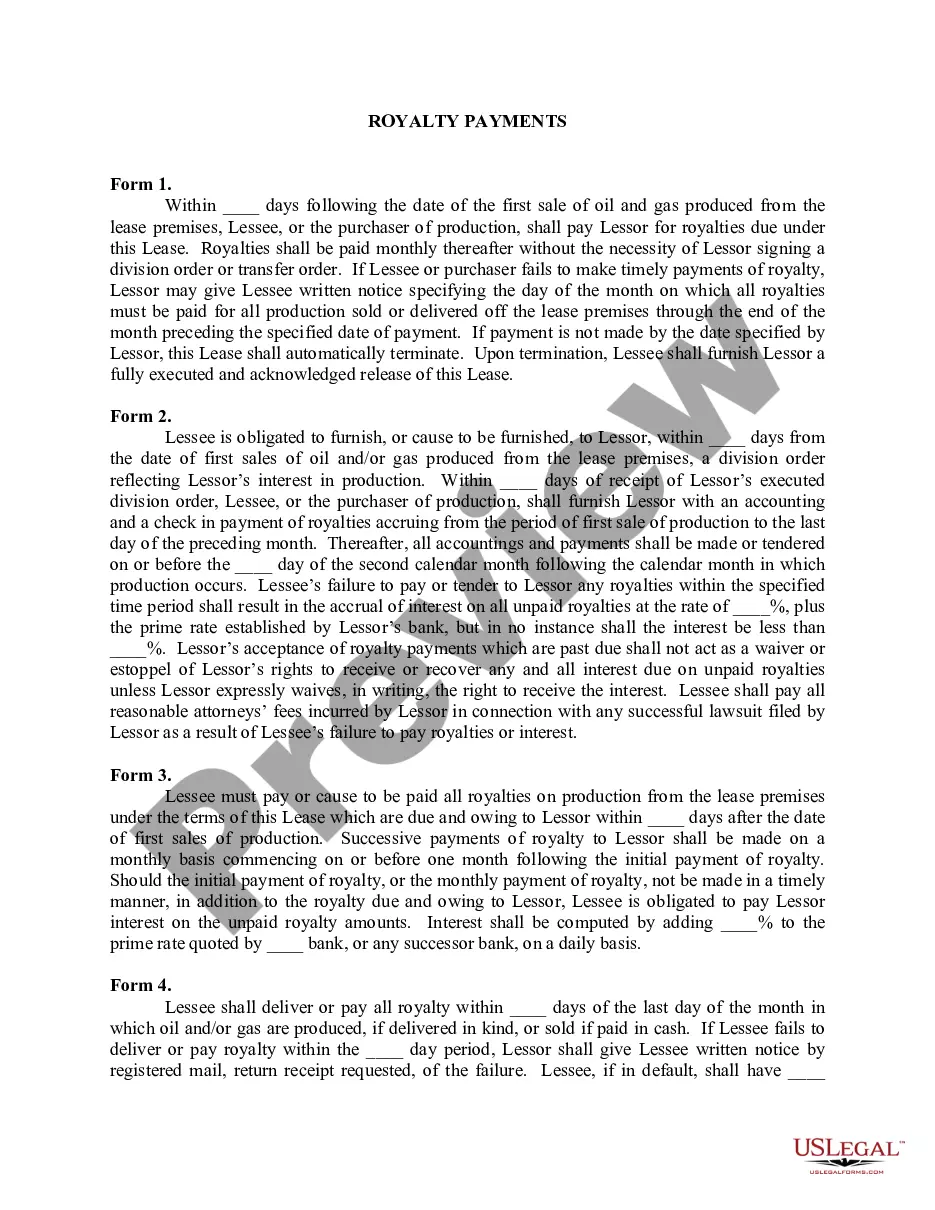
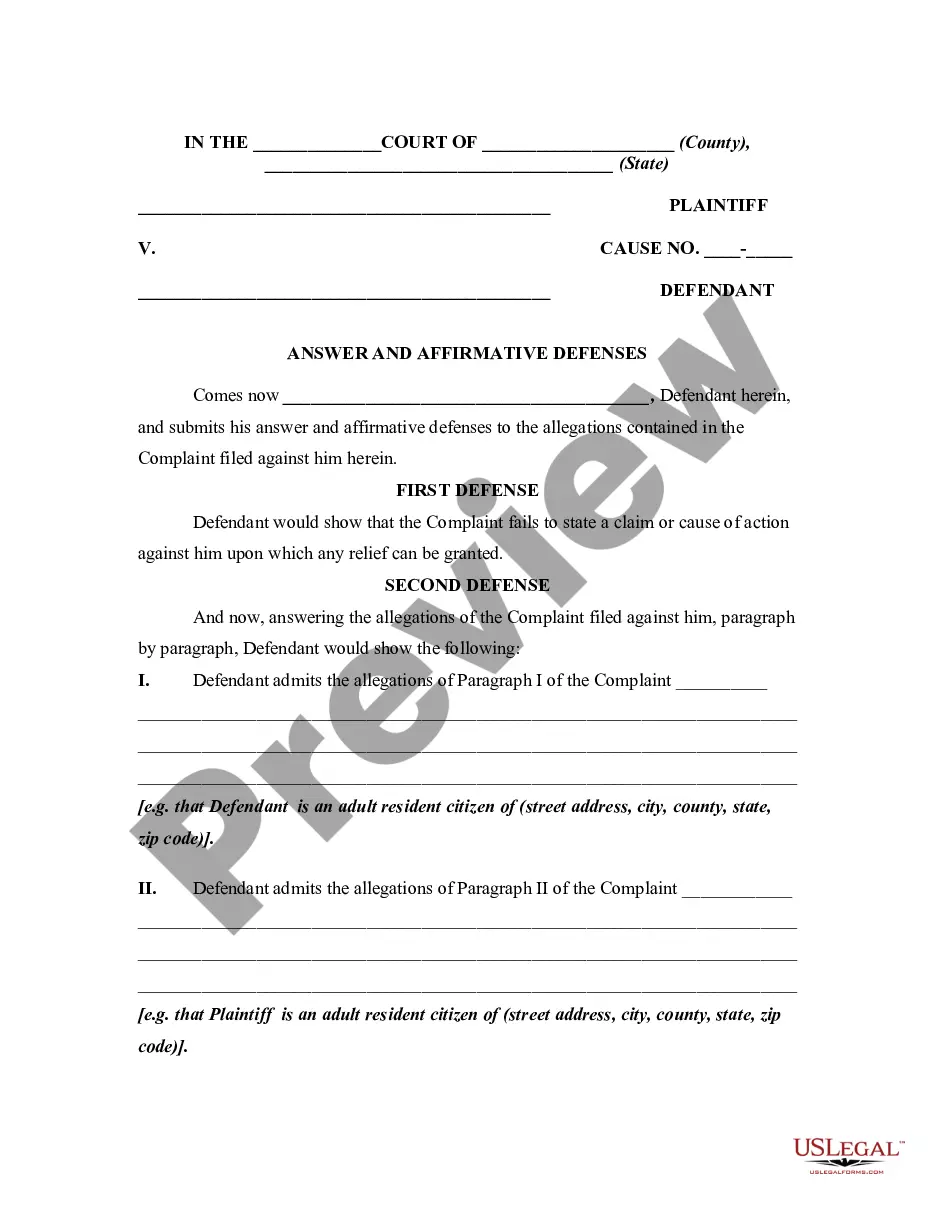
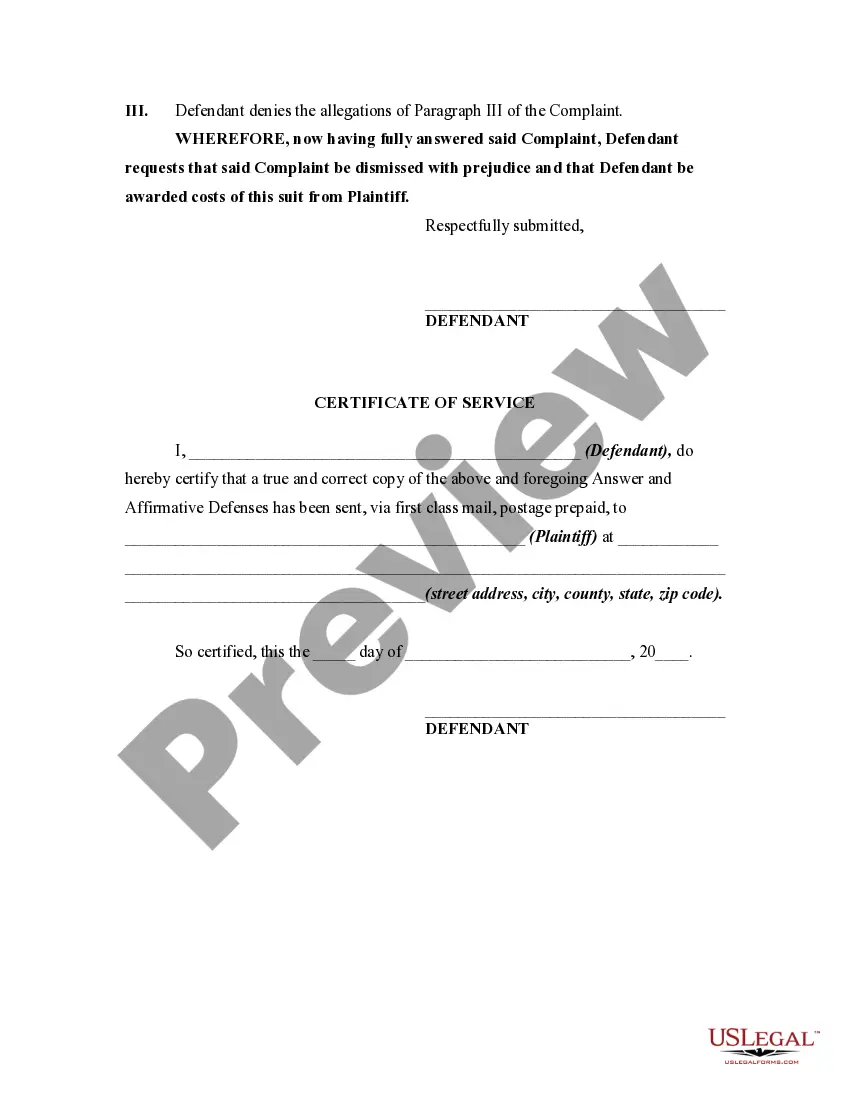
How to fill out General Form Of An Answer By Defendant In A Civil Lawsuit?
- Log in to your US Legal Forms account if you are a returning user. Make sure your subscription is active to access your documents.
- For first-time users, begin by exploring the form library. Check out the Preview mode and form description to select a document that aligns with your requirements.
- If the desired form isn’t found, use the Search tab to locate the perfect match for your local jurisdiction.
- Purchase the selected document by clicking the Buy Now button and choose your preferred subscription plan.
- Complete your transaction by entering payment details, either via credit card or PayPal.
- Finally, download the form directly to your device or access it later from the My Forms section of your account.
By following these simple steps, you can leverage US Legal Forms' extensive library to create well-structured legal documents that utilize affirmative verbs effectively.
Get started today and empower yourself with the legal forms you need. Visit US Legal Forms now!
Form popularity
FAQ
Affirmative words include 'yes,' 'certainly,' and 'definitely.' These words, often used alongside affirmative verbs, reinforce a positive message in your communication. They enhance clarity and provide assurance in interactions. Employing affirmative language can significantly improve the effectiveness of your written or spoken communication.
An example of an affirmative sentence is 'The sun rises in the east.' In this case, 'rises' serves as the affirmative verb, clearly expressing the action. Affirmative sentences provide straightforward information, making them essential for clear communication. Using affirmative verbs strengthens the clarity of your statements.
Writing an affirmative statement involves clearly expressing a positive idea or fact. Begin with a subject, choose an affirmative verb to convey the action, and finish with any additional details. By crafting sentences such as 'I will attend the meeting,' you establish a definitive and positive assertion. This clarity is essential for effective communication.
Examples of assertive sentences include 'He runs fast,' 'They will join us,' and 'She loves chocolate.' Each of these sentences uses an affirmative verb to convey a clear action or state. Additional examples are 'I enjoy reading,' 'We finished the project,' and 'You can trust him.' Using affirmative verbs enhances the clarity and impact of your messages.
To create an affirmative sentence, start with a subject followed by a verb and then complete the thought with necessary objects or modifiers. An affirmative verb expresses a clear action or state. For example, in the sentence 'The dog barks,' 'barks' is the affirmative verb that conveys what the subject does. This structure asserts a positive statement, leaving no doubt about the message.
Affirmative verbs in Spanish include words like 'sí' (yes) and 'haré' (I will do). These verbs express positivity and commitment, similar to their English equivalents. Understanding these verbs can enhance your language skills and communication effectiveness. Engaging with languages can provide valuable insights into the power of affirmative verbs.
An example of an affirmative expression is saying 'I believe in your ability to succeed.' This conveys support and assurance while inspiring confidence in others. Affirmative expressions like this contribute to a nurturing environment. Using such language can motivate and influence those around you positively through affirmative verbs.
An example of an affirmative act is volunteering to help at a local charity. This action not only benefits others but also reflects a positive attitude toward community involvement. Engaging in affirmative acts fuels personal growth and encourages collaboration. These acts embody the spirit of affirmative verbs in action.
An affirmative example can be a statement like 'I will complete the project.' This shows commitment and confidence in the action being described. Affirmative examples reinforce clarity and positivity in communication. You demonstrate your intentions clearly with such affirmative verbs, fostering a proactive approach.
An example of an affirmative word is 'yes.' It signals agreement and positivity in a conversation. Using affirmative words like 'yes' can encourage open communication and build rapport between individuals. This small but powerful word serves as a foundation for affirmative verbs that enhance your language.