Affirmative Negative
Description
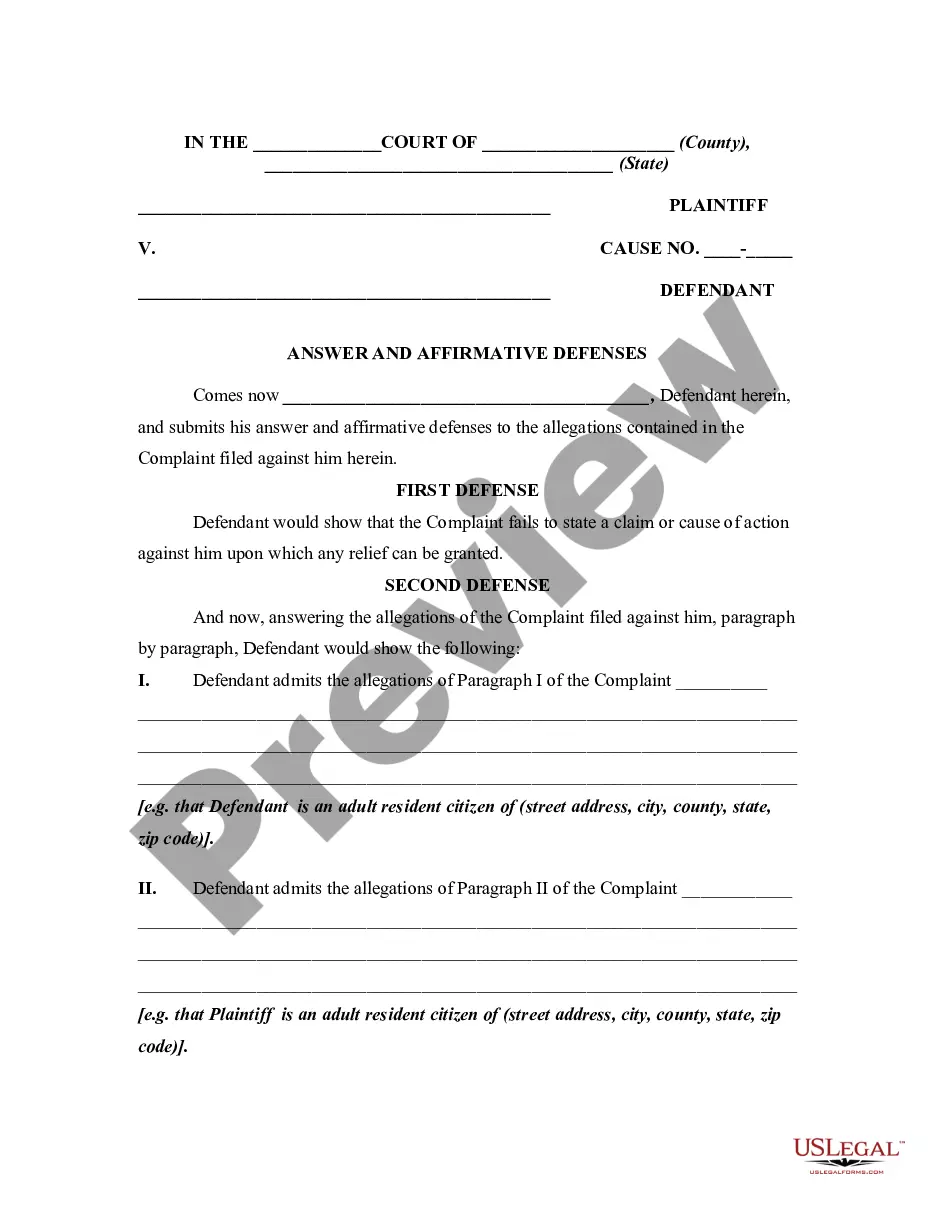
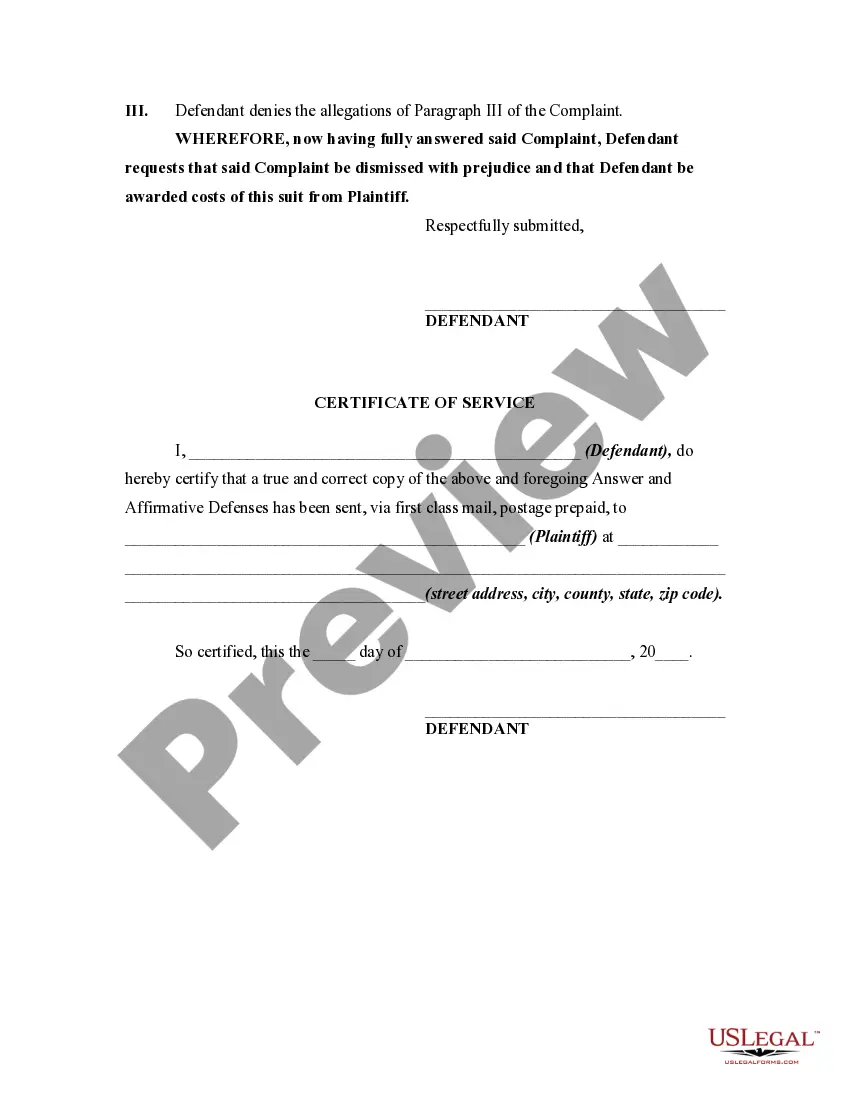
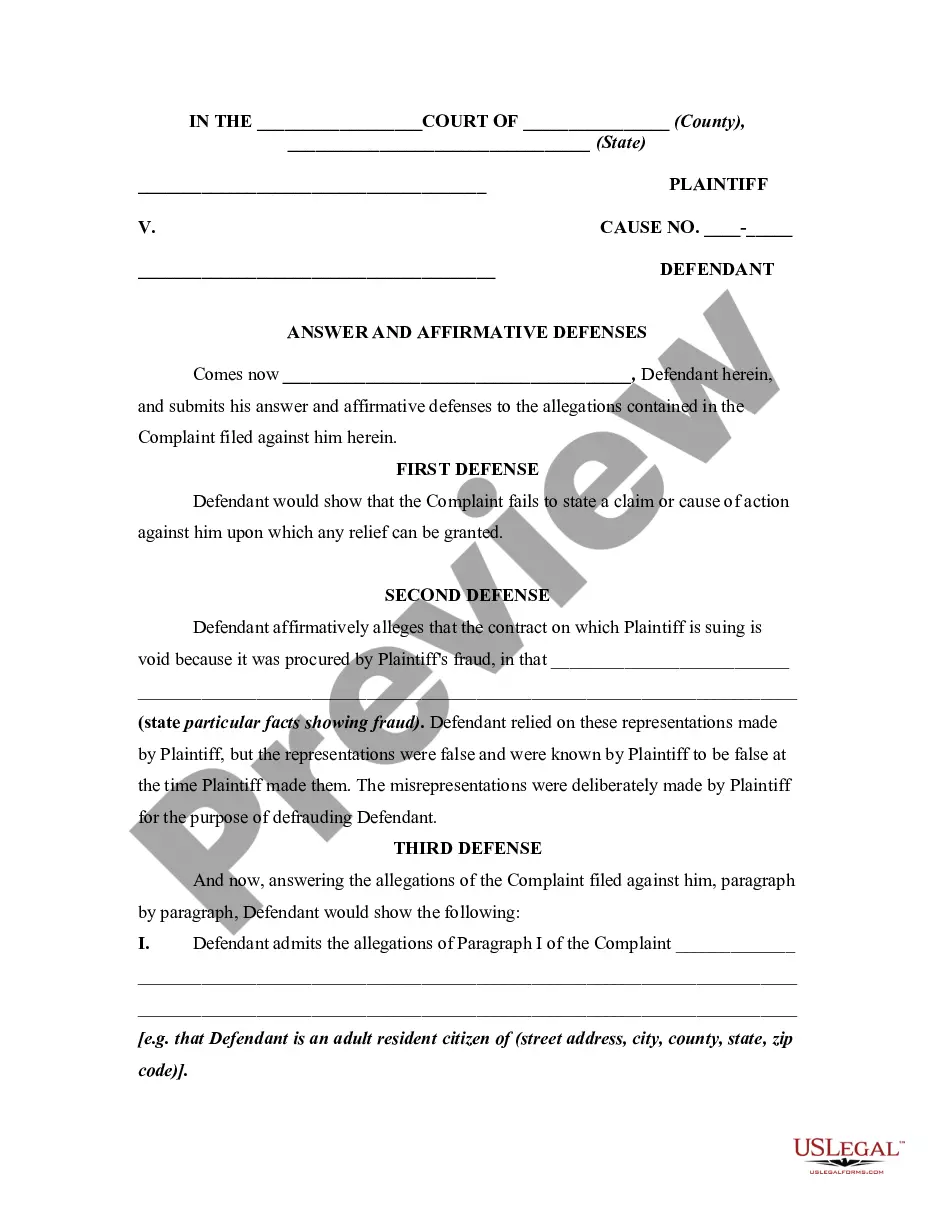
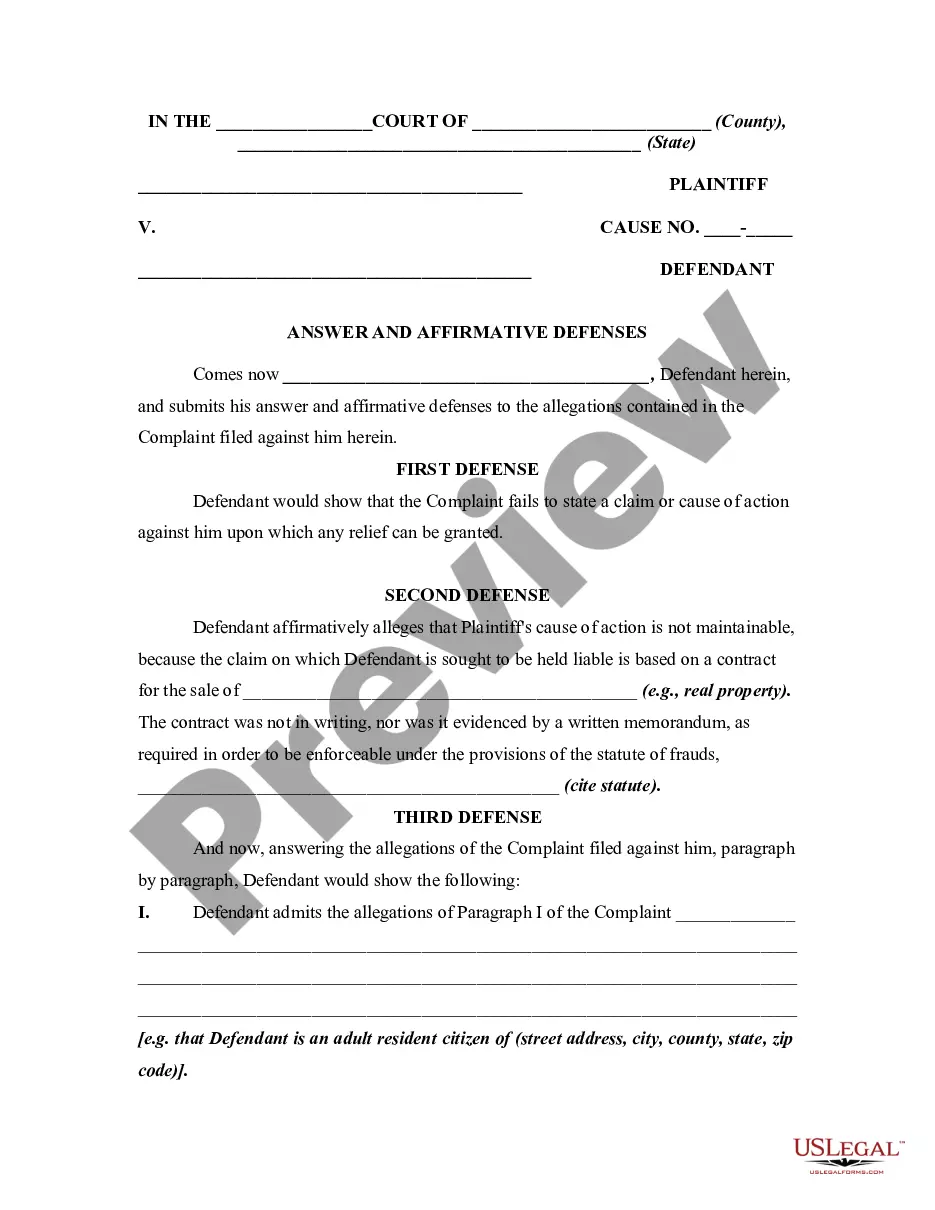
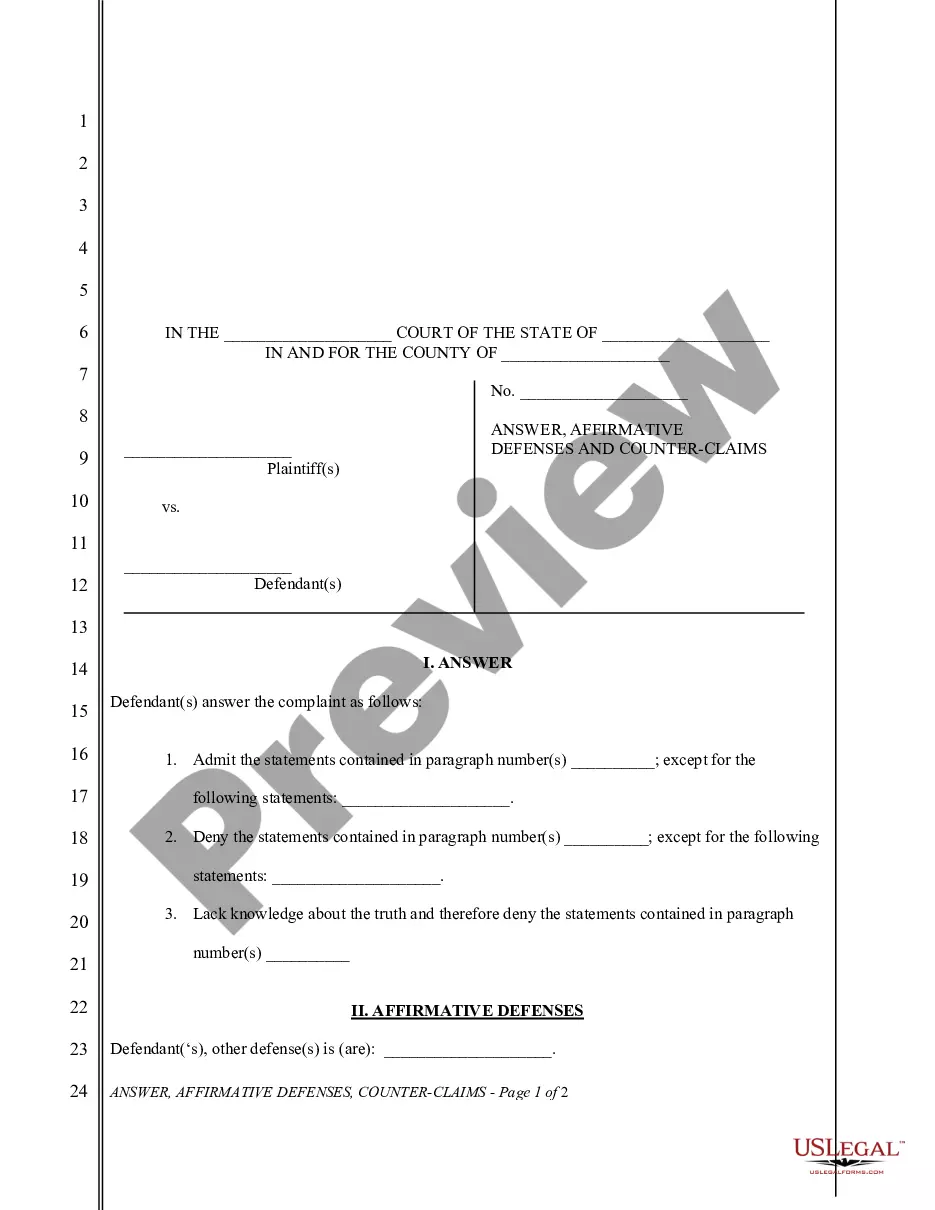
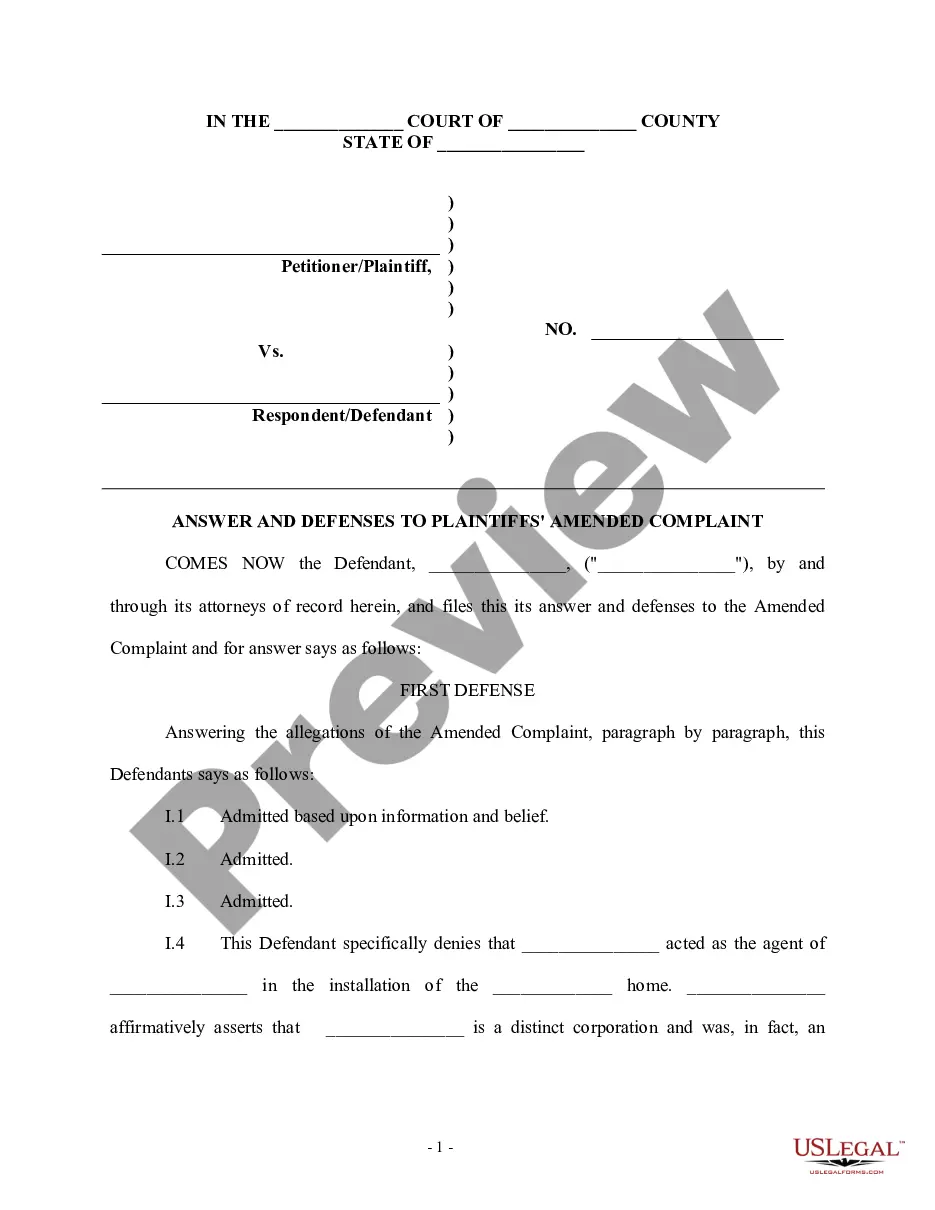
Get your form ready online
Our built-in tools help you complete, sign, share, and store your documents in one place.
Make edits, fill in missing information, and update formatting in US Legal Forms—just like you would in MS Word.
Download a copy, print it, send it by email, or mail it via USPS—whatever works best for your next step.
Sign and collect signatures with our SignNow integration. Send to multiple recipients, set reminders, and more. Go Premium to unlock E-Sign.
If this form requires notarization, complete it online through a secure video call—no need to meet a notary in person or wait for an appointment.
We protect your documents and personal data by following strict security and privacy standards.

Make edits, fill in missing information, and update formatting in US Legal Forms—just like you would in MS Word.

Download a copy, print it, send it by email, or mail it via USPS—whatever works best for your next step.

Sign and collect signatures with our SignNow integration. Send to multiple recipients, set reminders, and more. Go Premium to unlock E-Sign.

If this form requires notarization, complete it online through a secure video call—no need to meet a notary in person or wait for an appointment.

We protect your documents and personal data by following strict security and privacy standards.
Looking for another form?
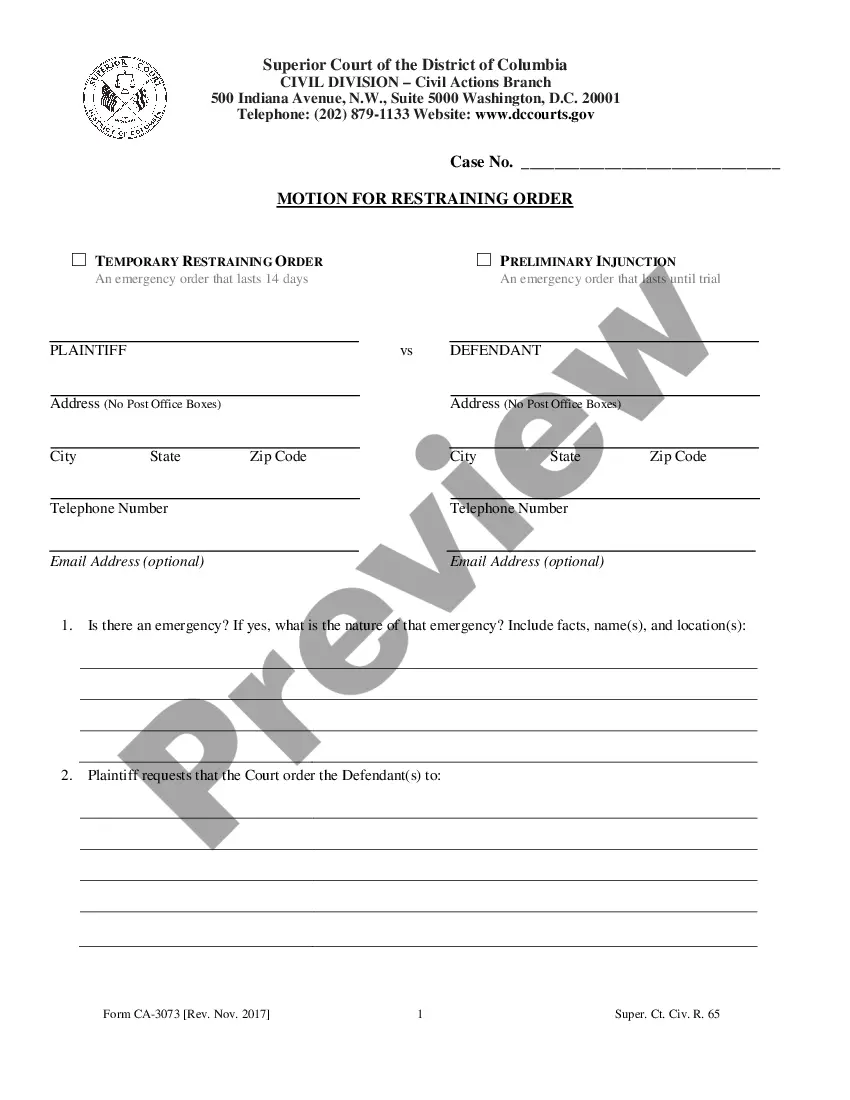
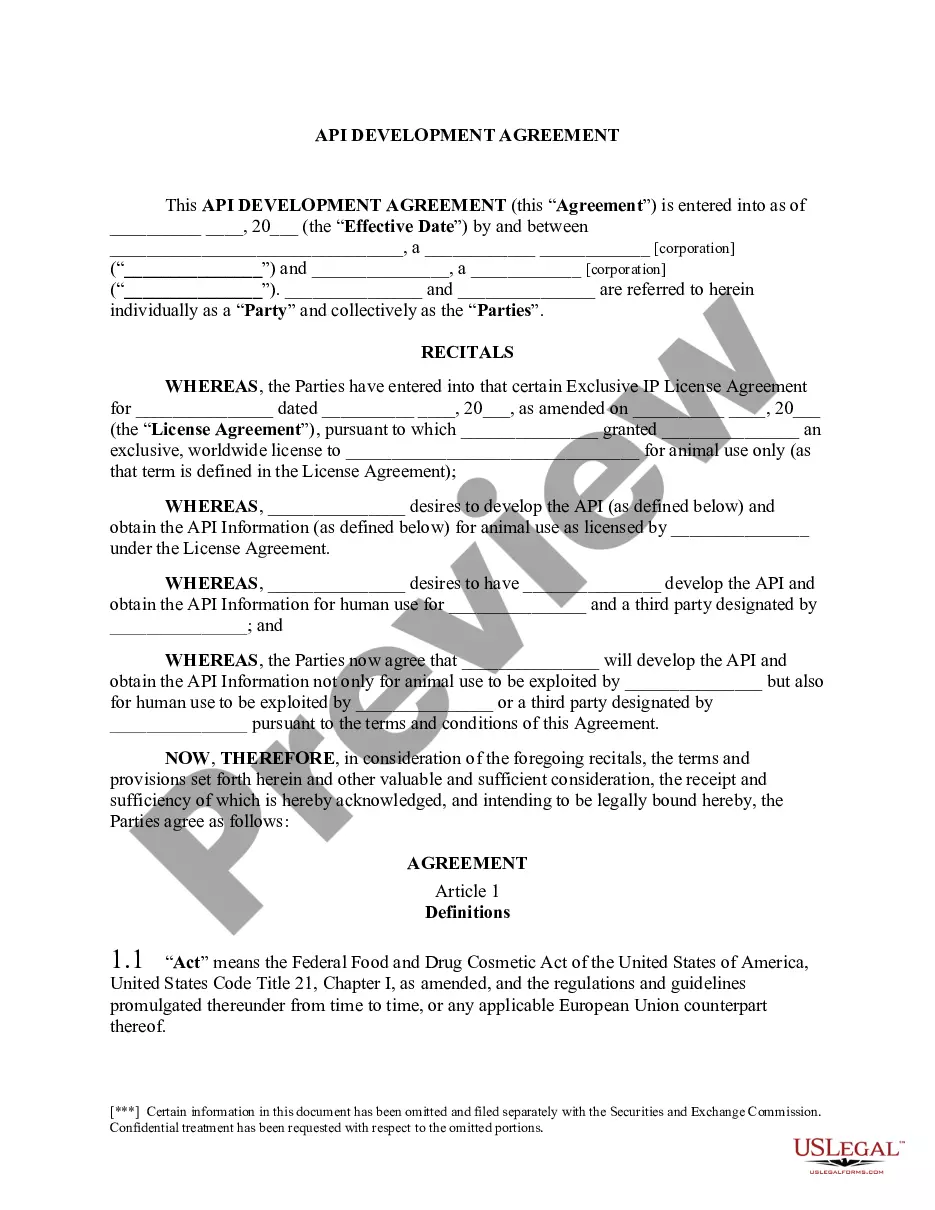






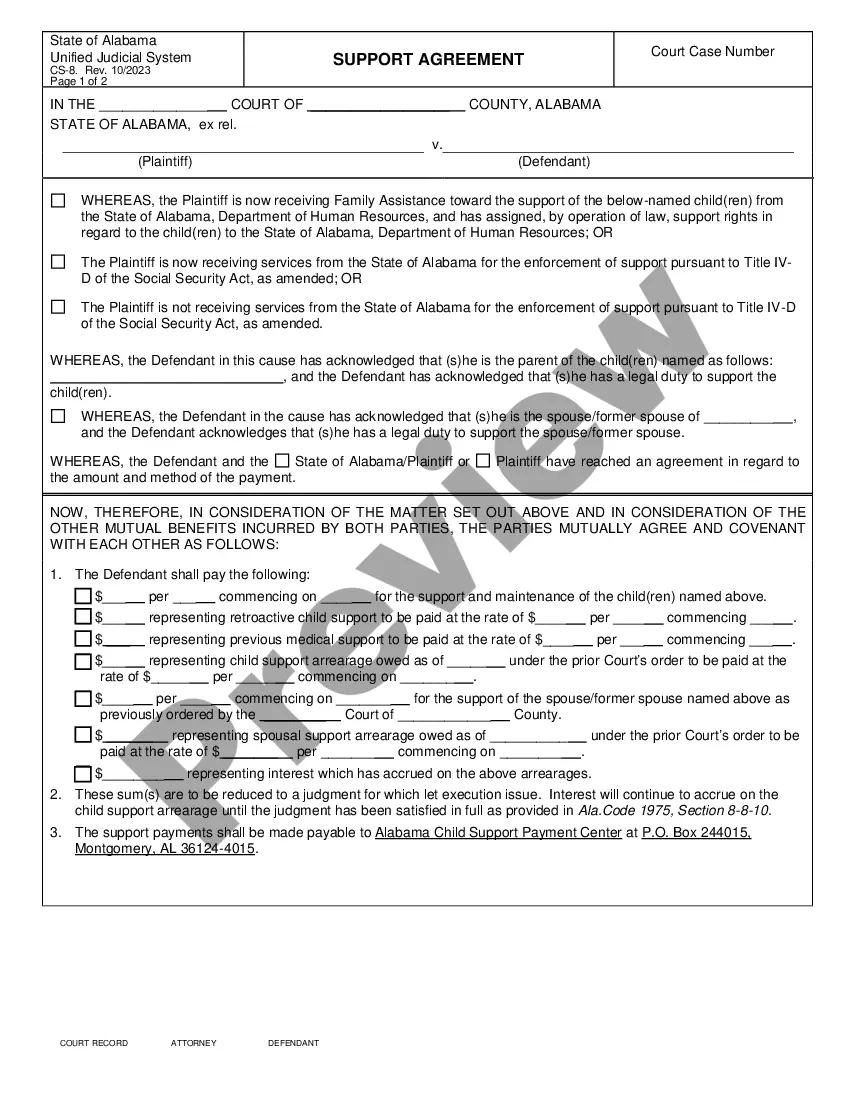
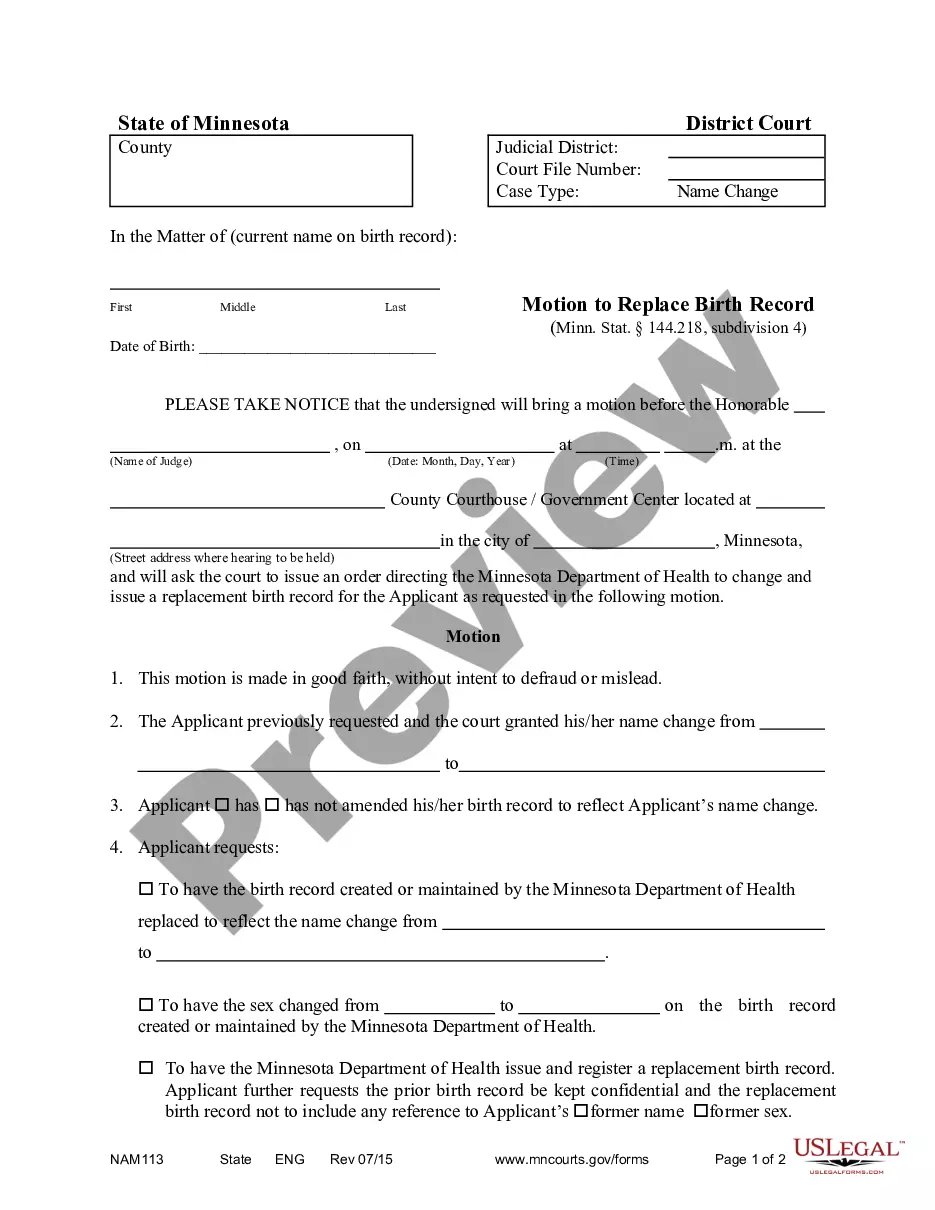
How to fill out General Form Of An Answer By Defendant In A Civil Lawsuit?
- If you are an existing user, log in and verify your subscription status before downloading the necessary form template by clicking the Download button.
- For new users, start by browsing the extensive form library. Check the preview and description to ensure you select the right form for your local jurisdiction.
- If the desired form isn’t available, utilize the search feature to find another template that suits your needs.
- Once you find the suitable form, click on the Buy Now button to choose your preferred subscription plan and create an account for unlimited access to the library.
- Complete your purchase by entering your payment details, either via credit card or PayPal. Ensure your agreement is in good standing for a seamless experience.
- Download your chosen form after purchase. You can save it on your device and easily access it anytime from the My Forms section.
By following these simple steps, you can leverage US Legal Forms' extensive offerings and expertise to ensure your documents are accurate and legally compliant.
Experience the convenience of US Legal Forms today and streamline your legal document creation process!
Form popularity
FAQ
To make an affirmative negative, incorporate both affirming and negating phrases in your sentence. A classic example is saying, 'I can understand, but I don’t agree.' This format allows you to express agreement with one part while negating another. It provides clarity and shows a balanced perspective in discussions.
To convert an assertive sentence to a negative sentence, focus on placing the word 'not' appropriately in the sentence structure. For example, take the assertive sentence 'They enjoy music' and turn it into 'They do not enjoy music.' This change alters the tone and meaning while maintaining the essential context. Utilizing this technique is an essential part of mastering sentence structure.
To change an affirmative sentence into a negative, simply add a negative word such as 'not' or 'never.' For example, the affirmative sentence 'She is happy' can be changed to 'She is not happy.' This technique allows you to alter the meaning effectively. By mastering this skill, you can communicate more precisely.
An affirmative negative combines both affirmative and negative elements in a statement. For instance, 'I do not disagree with your viewpoint' serves as an example, indicating both affirmation and negation. This type of sentence is useful in expressing subtlety in communication. Understanding how to use affirmative negatives can enhance your writing and conversations.
A negative affirmation is a statement that asserts something in a way that implies a negative meaning, such as saying 'I am not weak.' While it employs a negative, the essence of affirmation remains. Recognizing negative affirmations can help clarify intentions and meanings in legal contexts, ensuring that all parties understand the terms.
An example of converting affirmative to negative is transforming 'She enjoys reading' into 'She does not enjoy reading.' This shift changes the message while keeping the core structure intact. Understanding how to navigate between affirmative and negative forms enhances clarity in legal writing and discussions.
Affirmative examples include: 'I agree with the decision,' 'The report is accurate,' 'He completed the project,' and 'They will attend the hearing.' Each sentence confirms a fact or intention, supporting effective communication. This is particularly important for ensuring that legal agreements are understood by all parties involved.
Examples of assertive sentences include statements like 'The contract is valid,' 'The case was dismissed,' and 'You owe rent this month.' Each example clearly states a fact or opinion, which is essential in legal writing. Utilizing assertive language promotes clarity in communication, especially when dealing with legal matters.
To convert an affirmative sentence to a negative sentence, you typically add 'not' after the auxiliary verb or use a negative form of the main verb. For example, 'He eats apples' changes to 'He does not eat apples.' Mastering this skill is essential when drafting legal documents that require precise language.
Affirmative statements express a positive assertion, while negative statements denote denial or opposition. For instance, saying 'You can attend the meeting' is affirmative, while 'You cannot attend the meeting' is negative. Understanding these distinctions is crucial for creating explicit legal documents and agreements.