Test Employment Substance Formula
Description
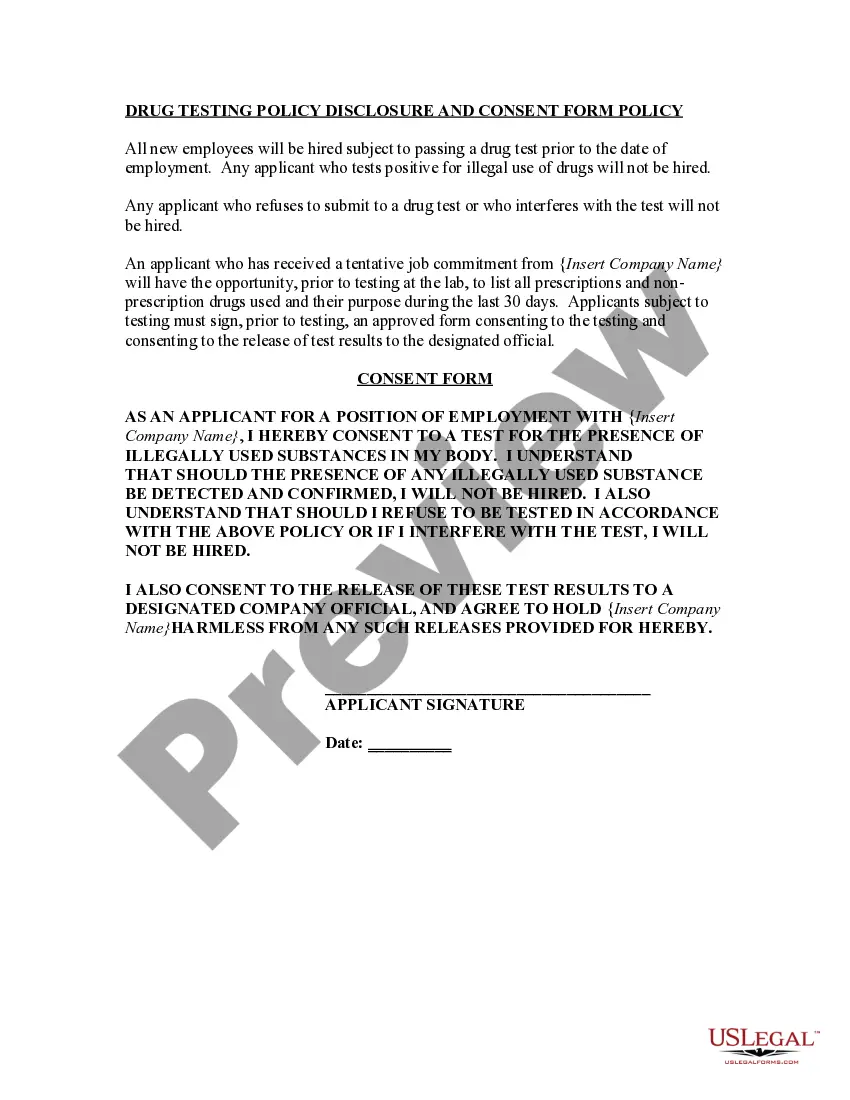
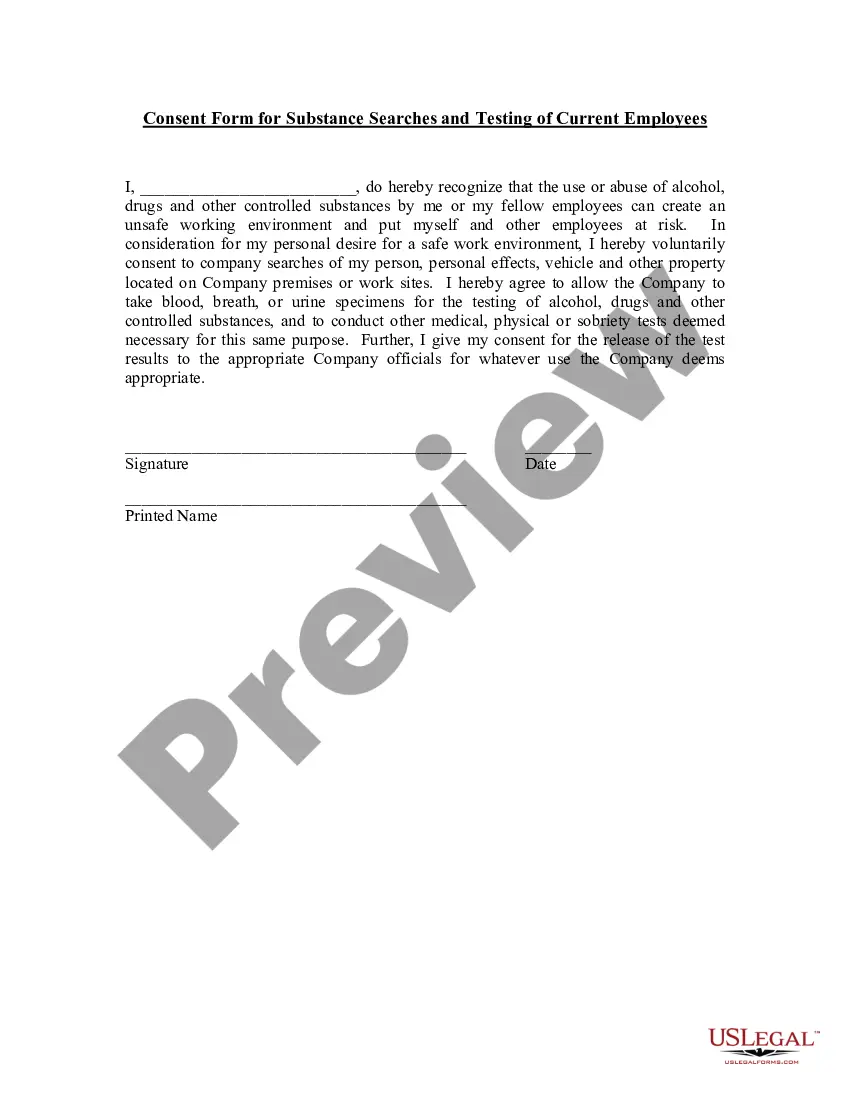
Get your form ready online
Our built-in tools help you complete, sign, share, and store your documents in one place.
Make edits, fill in missing information, and update formatting in US Legal Forms—just like you would in MS Word.
Download a copy, print it, send it by email, or mail it via USPS—whatever works best for your next step.
Sign and collect signatures with our SignNow integration. Send to multiple recipients, set reminders, and more. Go Premium to unlock E-Sign.
If this form requires notarization, complete it online through a secure video call—no need to meet a notary in person or wait for an appointment.
We protect your documents and personal data by following strict security and privacy standards.

Make edits, fill in missing information, and update formatting in US Legal Forms—just like you would in MS Word.

Download a copy, print it, send it by email, or mail it via USPS—whatever works best for your next step.

Sign and collect signatures with our SignNow integration. Send to multiple recipients, set reminders, and more. Go Premium to unlock E-Sign.

If this form requires notarization, complete it online through a secure video call—no need to meet a notary in person or wait for an appointment.

We protect your documents and personal data by following strict security and privacy standards.
Looking for another form?






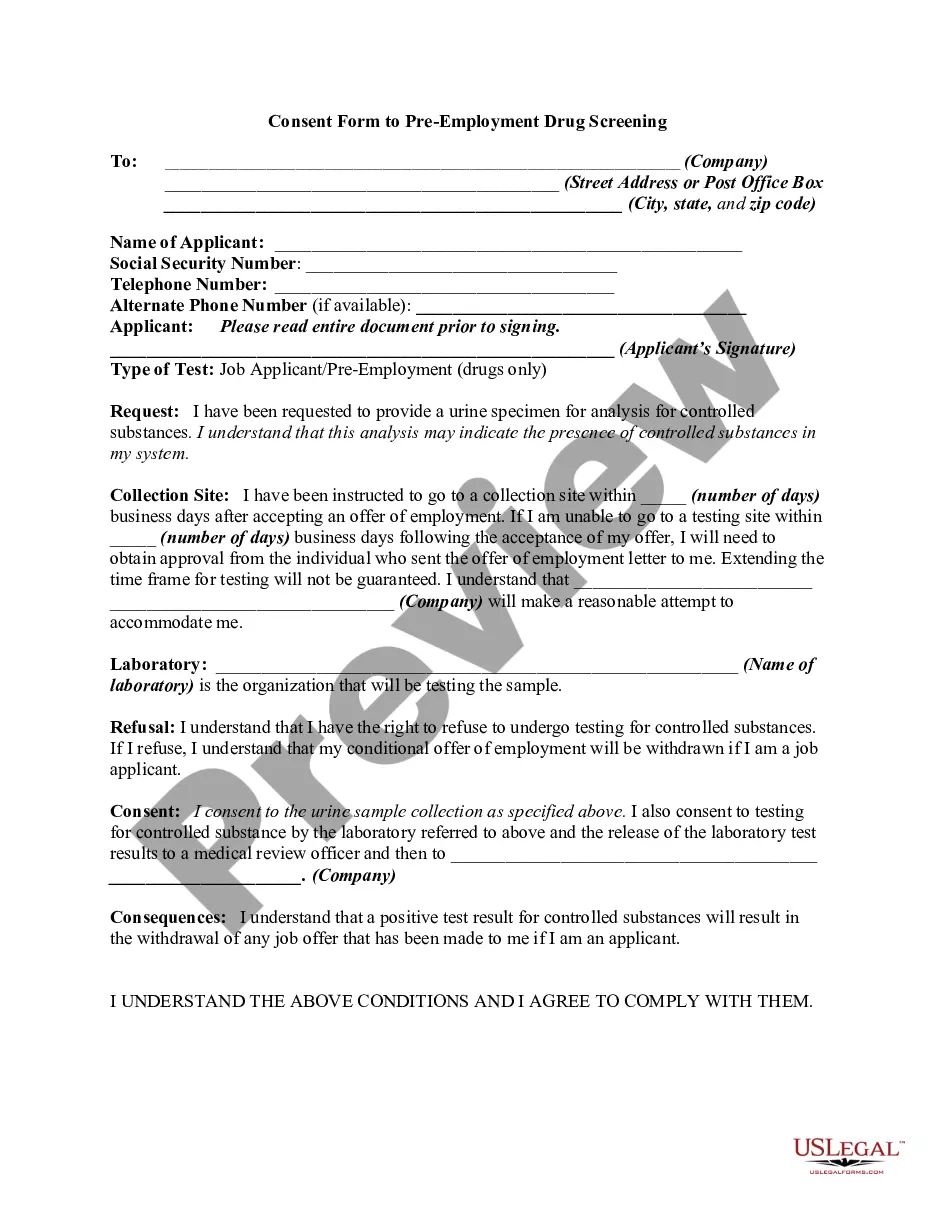
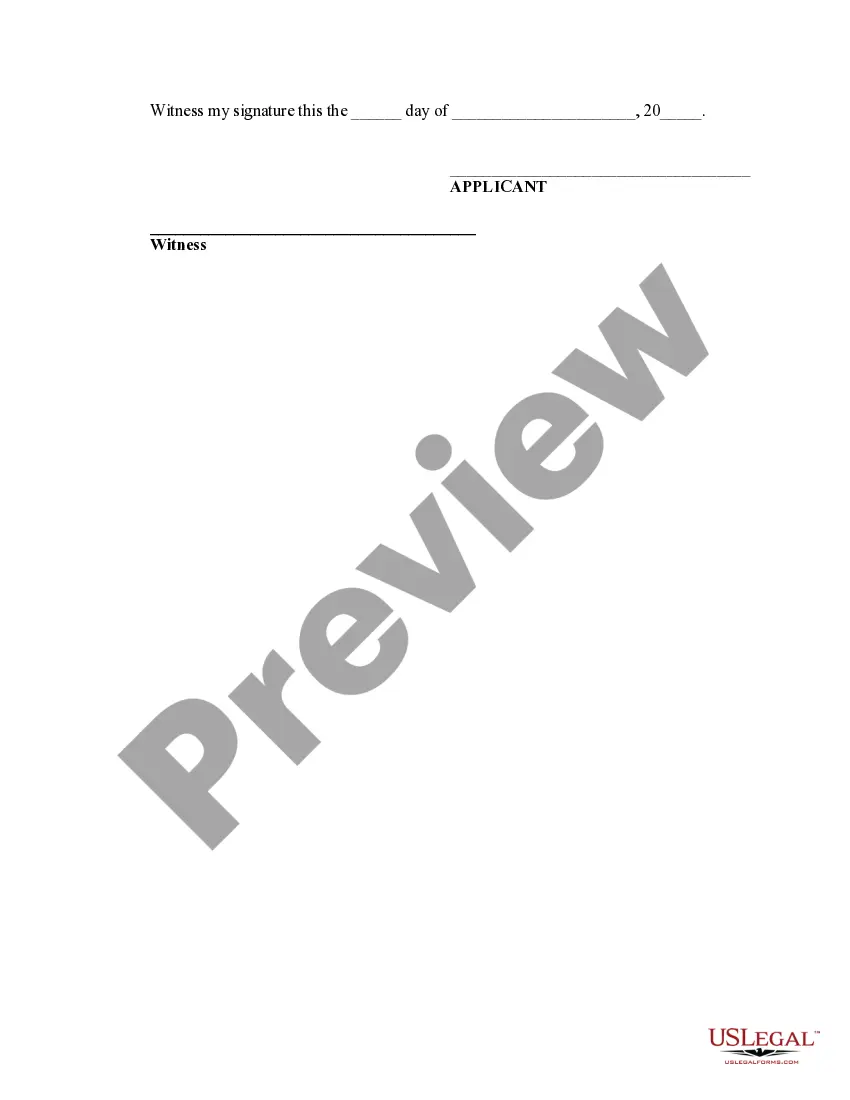
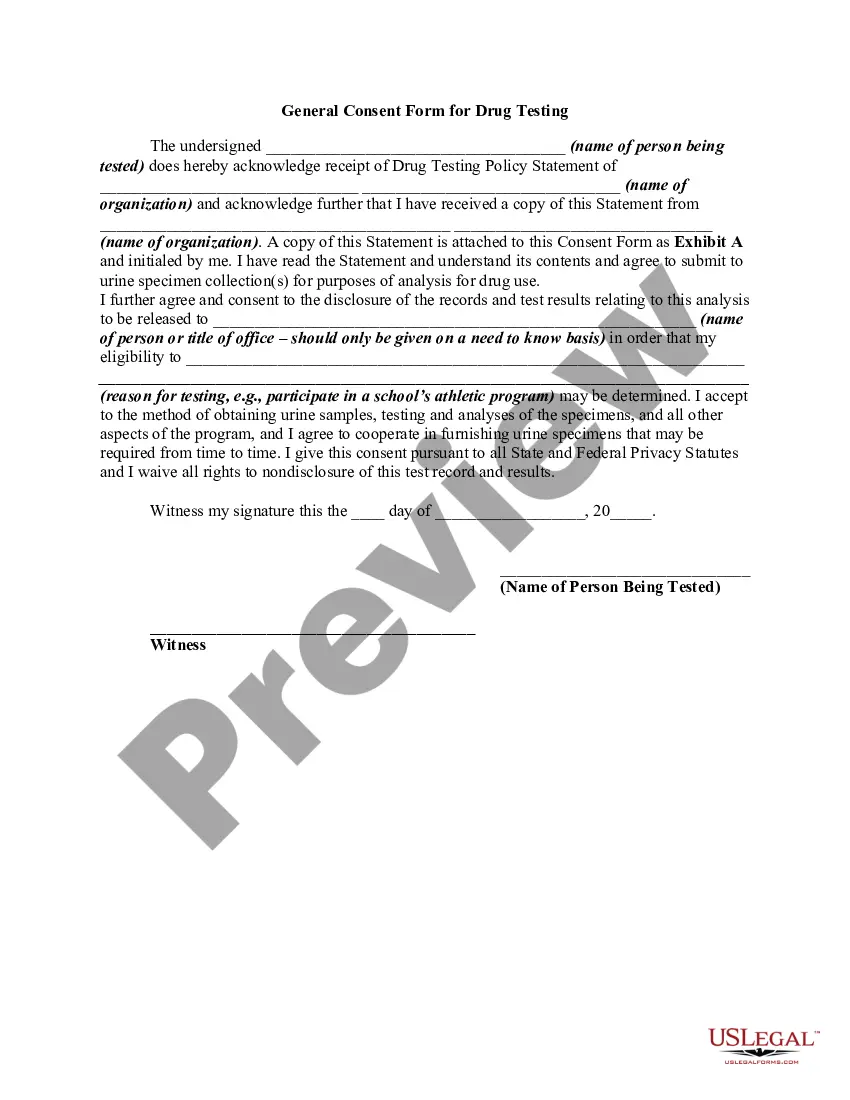
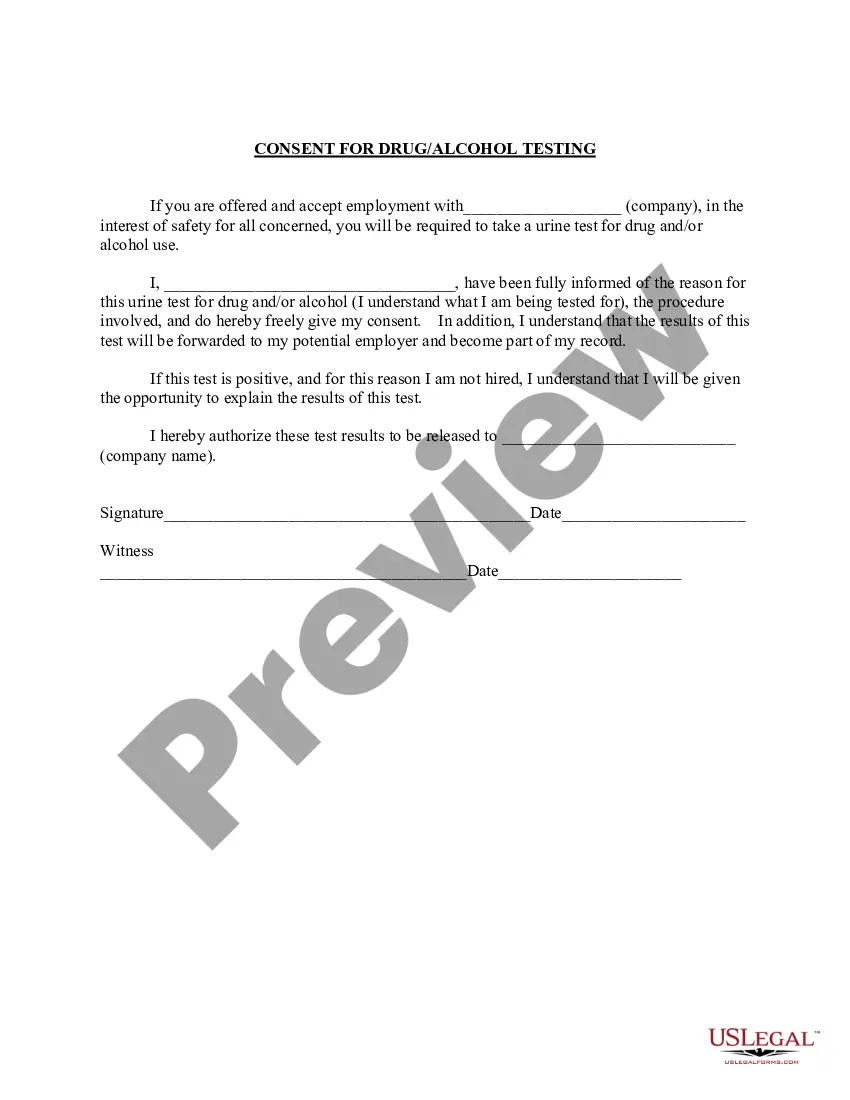
How to fill out Consent Form To Pre-Employment Drug Screening?
Whether for corporate reasons or personal affairs, everyone encounters legal circumstances at some stage in their existence.
Finalizing legal paperwork requires meticulous focus, starting from selecting the correct form sample.
With an extensive US Legal Forms collection available, you do not need to waste time searching for the correct template online. Take advantage of the library’s straightforward navigation to find the right template for any situation.
- Locate the template you require by utilizing the search field or catalog navigation.
- Review the form’s details to ensure it fits your circumstances, state, and region.
- Click on the form’s preview to examine it.
- If it is the incorrect document, return to the search tool to find the Test Employment Substance Formula sample you require.
- Download the template once it aligns with your needs.
- If you already possess a US Legal Forms account, click Log in to access previously saved documents in My documents.
- If you do not yet have an account, you can acquire the form by clicking Buy now.
- Choose the suitable payment option.
- Fill out the account registration form.
- Choose your payment method: use a credit card or PayPal account.
- Select the desired file format and download the Test Employment Substance Formula.
- Once it is downloaded, you can complete the form using editing software or print it and finish it by hand.
Form popularity
FAQ
To clean your system quickly for a drug test, focus on hydration and detoxification methods. Increase your water intake while avoiding substances that could interfere with the test. Remember, there’s no guaranteed method, but establishing a regimen can improve your chances when preparing to test employment substance formula.
Tests are commonly used for five categories of drugs: Amphetamines; Cocaine Marijuana; Opiates; and Phencyclidine (PCP). Additional categories may include barbiturates, Benzodiazepines, ethanol (alcohol), hydrocodone, MDMA, methadone, methaqualone, or propoxyphene.
If the initial drug test is positive, the MRO will contact the donor to see if they are on any medications or have any other legitimate medical explanation for the positive result (usually within 24 hours). If the donor does not answer, the MRO may leave up to three voicemails. The donor is given 72 hours to respond.
There are several types of drug tests you can use for your initial screening, including saliva, urine, hair follicle testing, and blood tests. Most employers use urine screens or saliva tests.
A drug test looks for signs of one or more illegal or prescription drugs in a sample of your urine (pee), blood, saliva (spit), hair, or sweat. The purpose of a drug test is to look for drug use and misuse, which includes: Using any illegal drugs, such as cocaine or club drugs.
Amphetamine (more on this below) and methamphetamine are the most commonly reported false positive.