Summary Judgement Vs Trial
Description
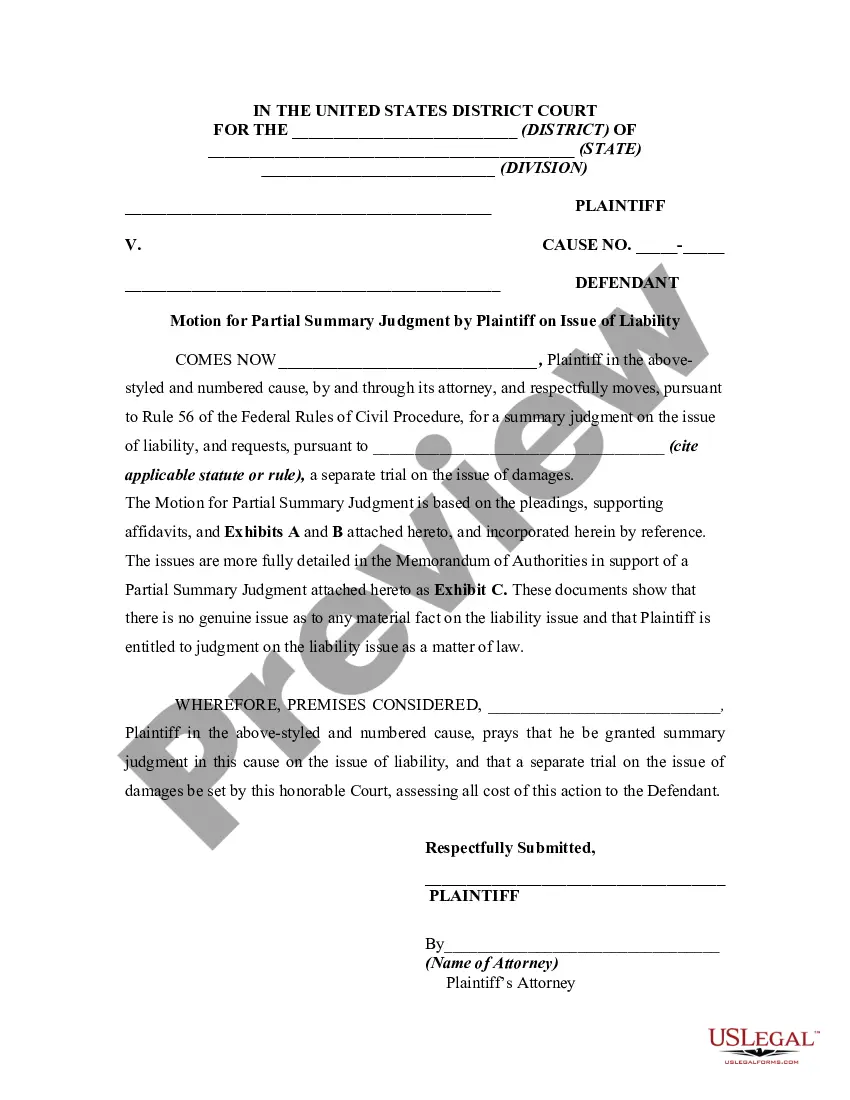
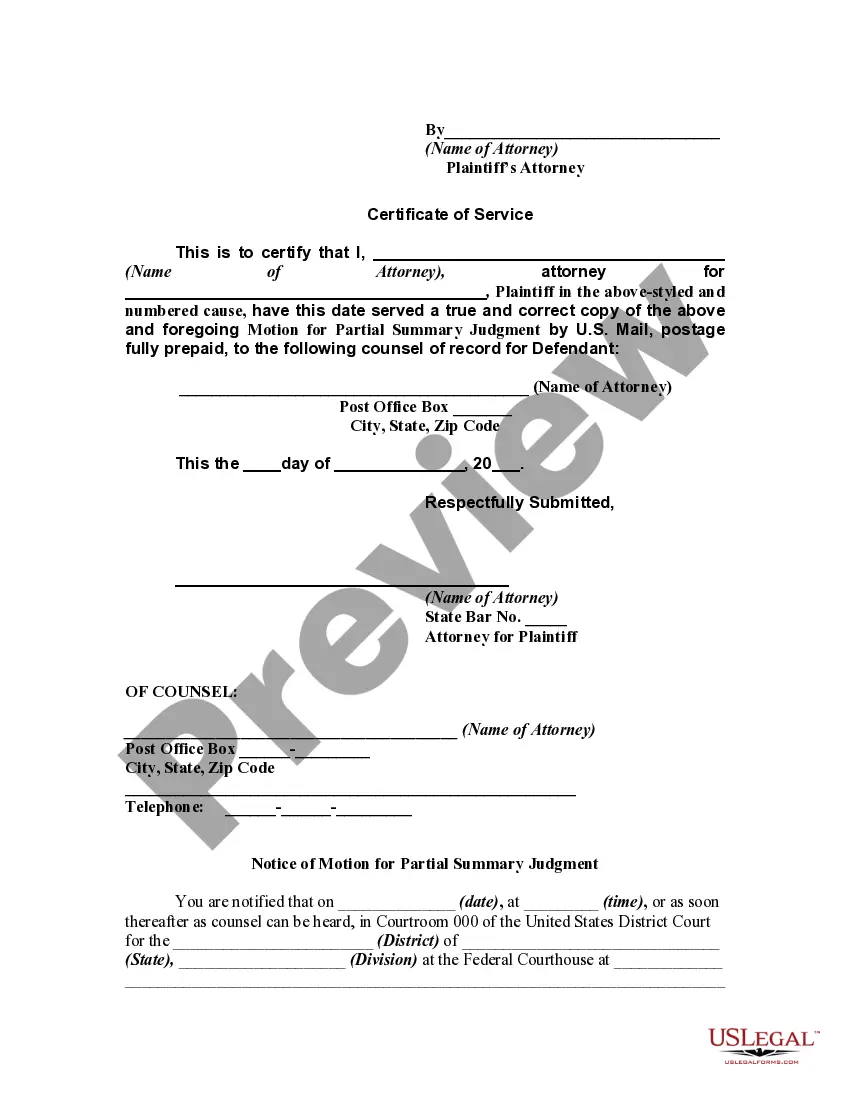
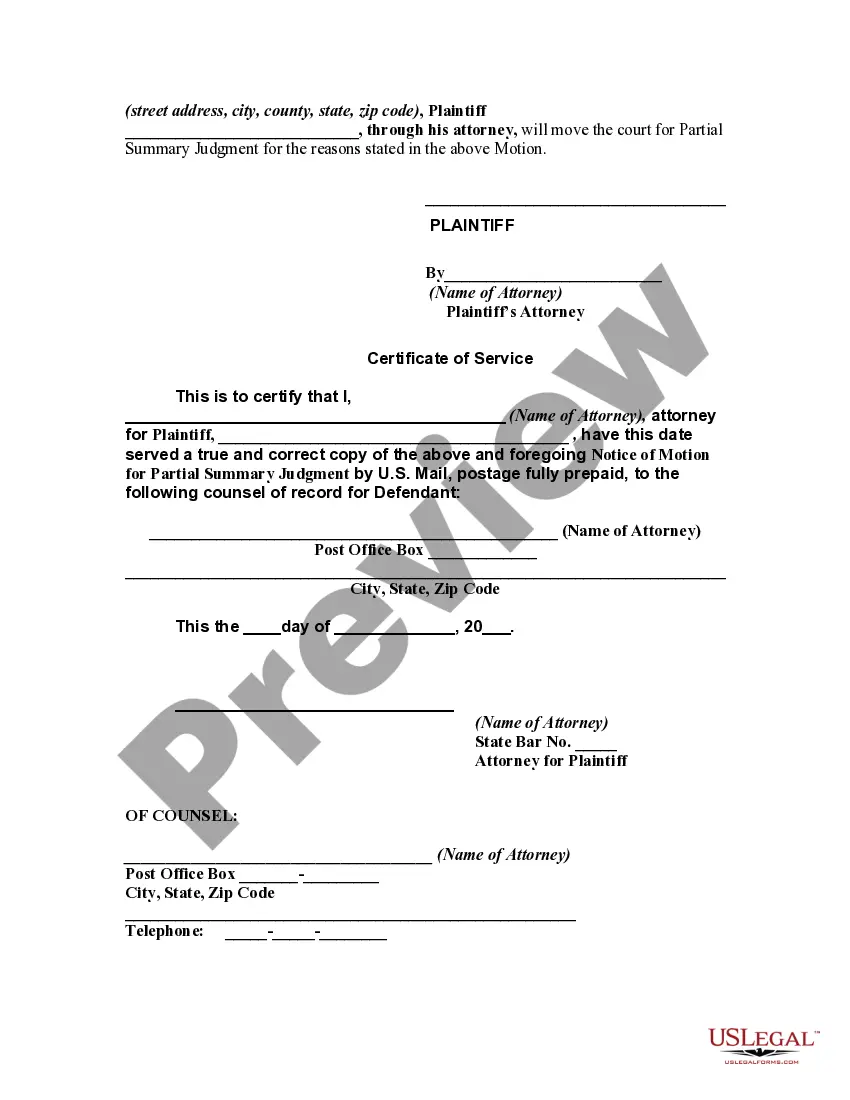
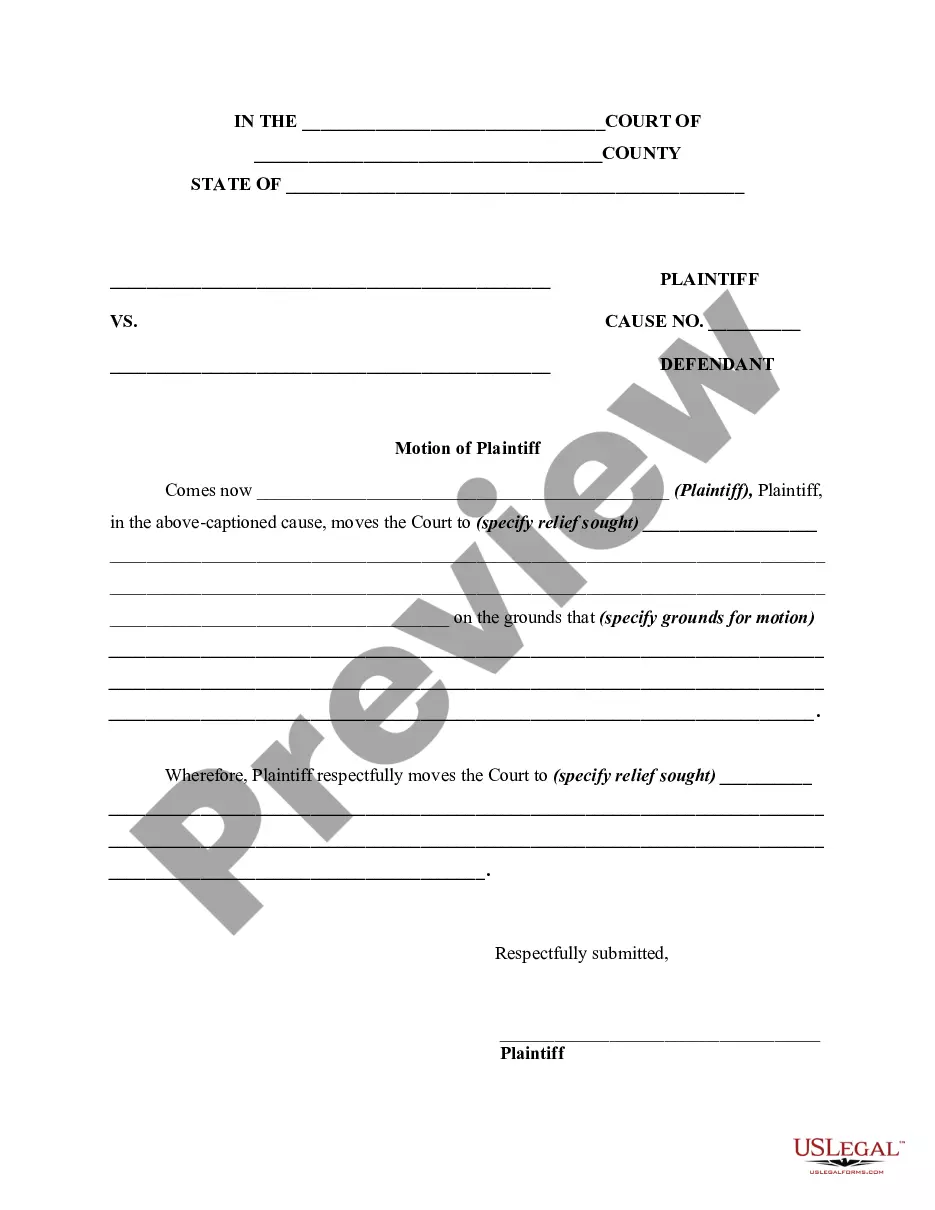
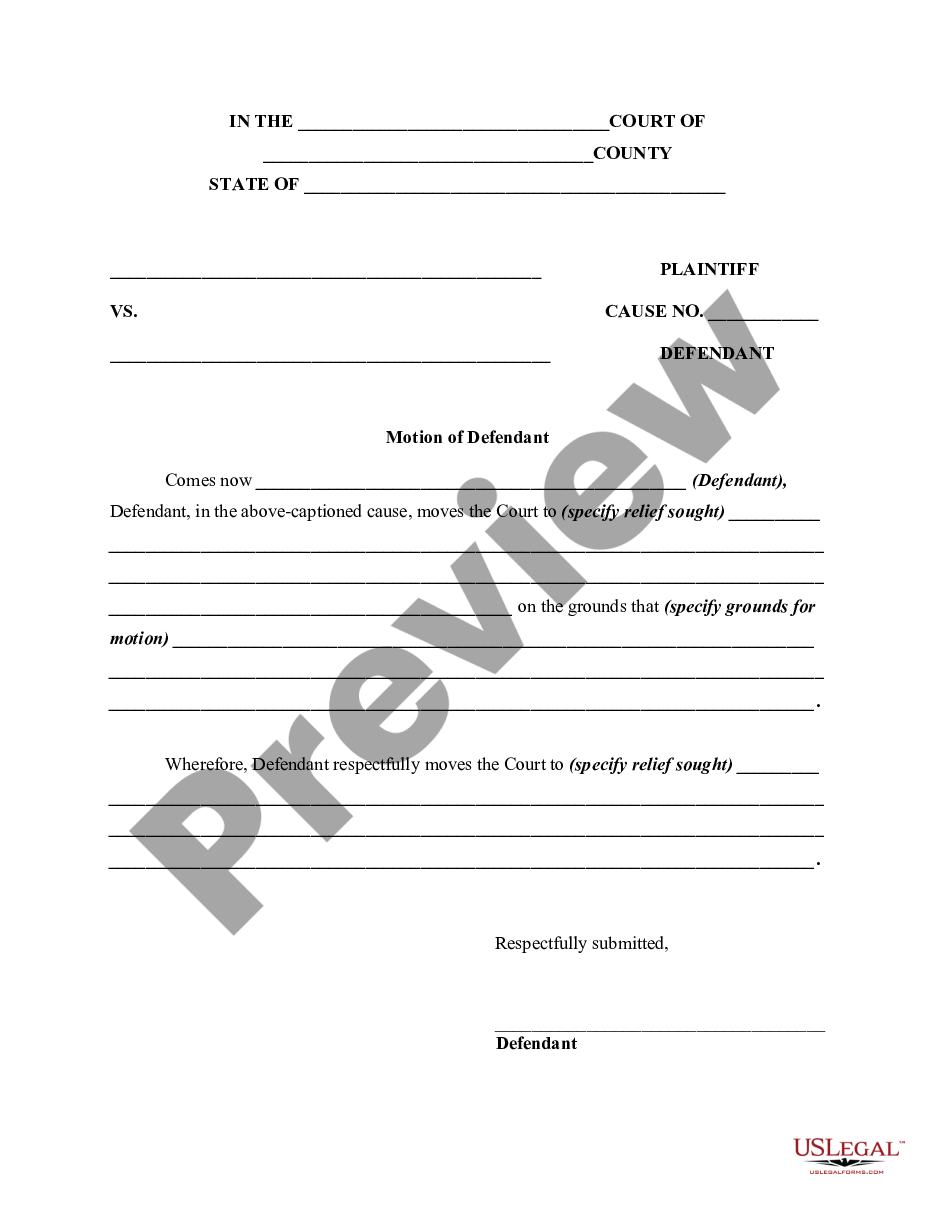
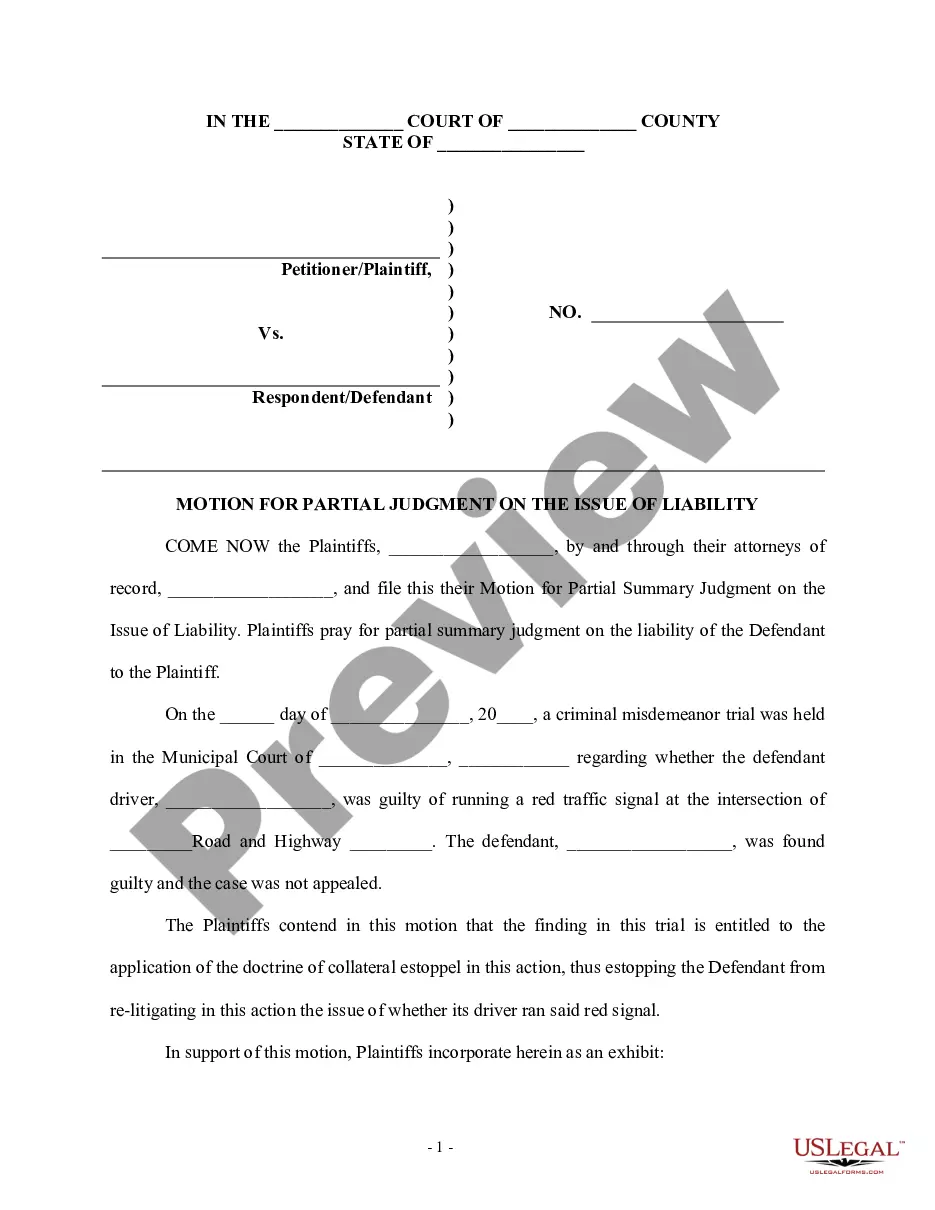
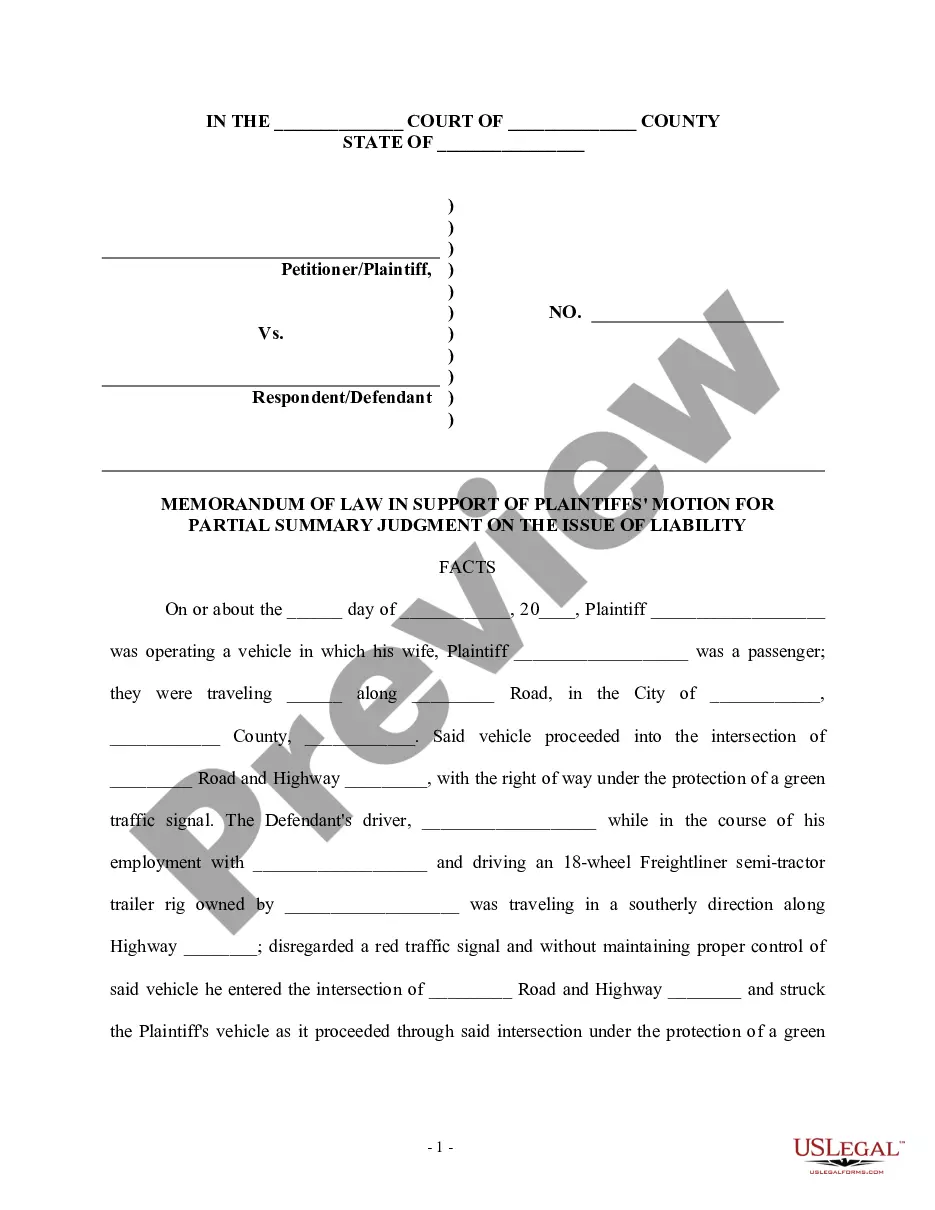
Get your form ready online
Our built-in tools help you complete, sign, share, and store your documents in one place.
Make edits, fill in missing information, and update formatting in US Legal Forms—just like you would in MS Word.
Download a copy, print it, send it by email, or mail it via USPS—whatever works best for your next step.
Sign and collect signatures with our SignNow integration. Send to multiple recipients, set reminders, and more. Go Premium to unlock E-Sign.
If this form requires notarization, complete it online through a secure video call—no need to meet a notary in person or wait for an appointment.
We protect your documents and personal data by following strict security and privacy standards.

Make edits, fill in missing information, and update formatting in US Legal Forms—just like you would in MS Word.

Download a copy, print it, send it by email, or mail it via USPS—whatever works best for your next step.

Sign and collect signatures with our SignNow integration. Send to multiple recipients, set reminders, and more. Go Premium to unlock E-Sign.

If this form requires notarization, complete it online through a secure video call—no need to meet a notary in person or wait for an appointment.

We protect your documents and personal data by following strict security and privacy standards.
Looking for another form?



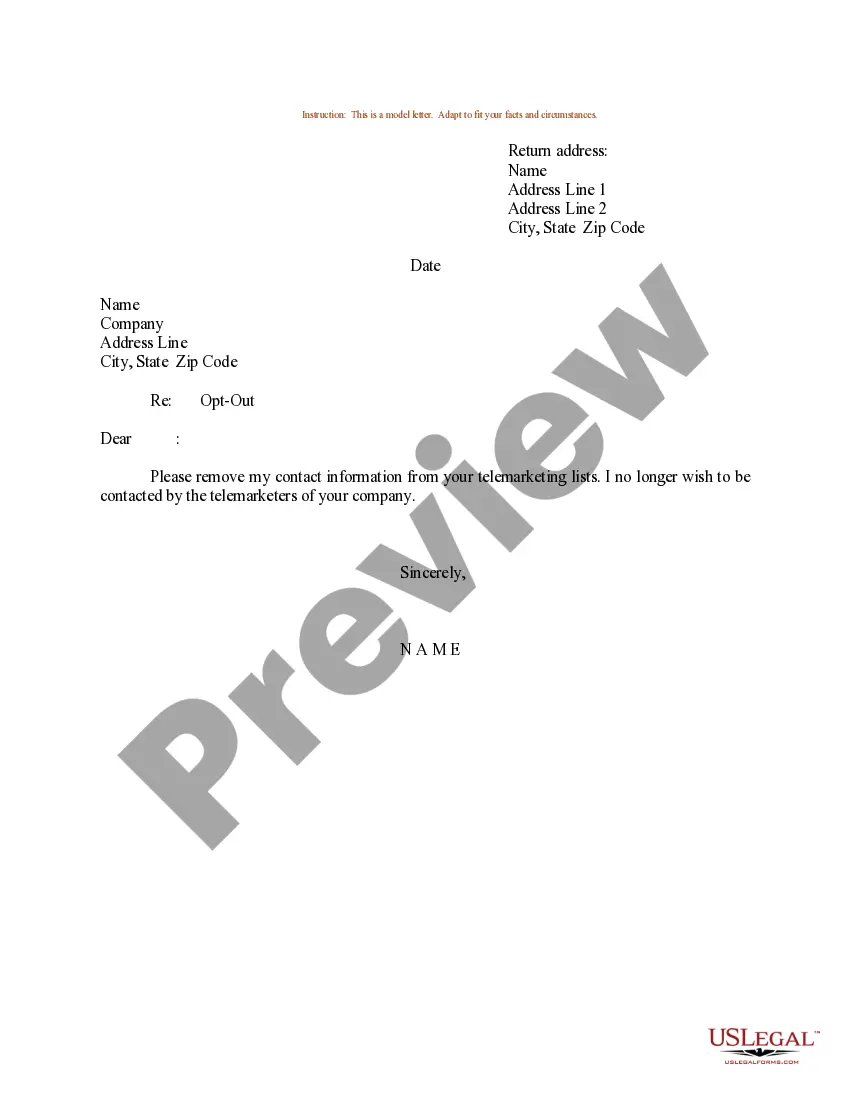



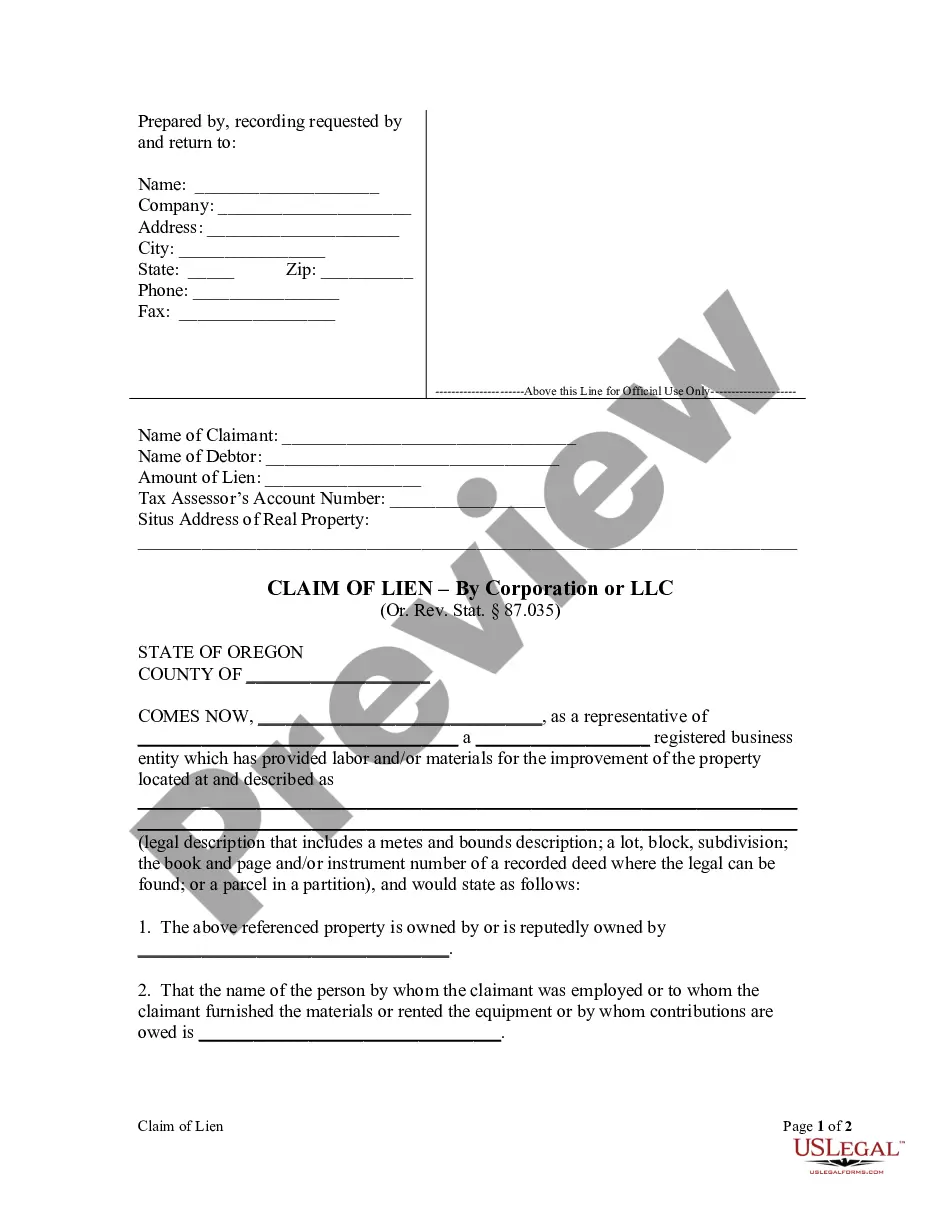

How to fill out General Form Of Partial Motion For Summary Judgment By Plaintiff On Issue Of Liability With Notice Of Motion And With Request For Separate Trial On Issue Of Damages?
It’s well known that you cannot transform into a legal expert instantly, nor can you swiftly master how to draft Summary Judgment Vs Trial without possessing a specific set of competencies.
Assembling legal documents is a lengthy undertaking that necessitates certain education and expertise. So why not entrust the creation of the Summary Judgment Vs Trial to the professionals.
With US Legal Forms, one of the most extensive repositories of legal templates, you can locate anything from court documents to templates for internal communication.
You can regain access to your documents from the My documents section at any moment.
If you’re a current customer, you can simply Log In, and find and download the template from the same section. No matter the aim of your documentation—be it financial and legal or personal—our platform has you covered. Give US Legal Forms a try now!
- Identify the form you require using the search bar at the top of the webpage.
- View it (if this option is available) and read the accompanying description to assess whether Summary Judgment Vs Trial is what you need.
- Restart your search if you require a different document.
- Sign up for a complimentary account and choose a subscription plan to acquire the template.
- Click Buy now. Once your payment is processed, you can download the Summary Judgment Vs Trial, complete it, print it, and send or mail it to the relevant individuals or organizations.
Form popularity
FAQ
The chance of success in these cases is less than 10% [1]. Another study found that summary judgment is mostly granted in Title VII cases, for example, cases involving equal pay or employment discrimination [2]. When it comes to federal cases, summary judgments are filed in 17% of total cases.
While a summary judgment motion is not a substitute for trial, it is a tool that allows courts to weed out cases that do not need a trial to be resolved. It also allows the court to simplify and streamline the case so that trial is more efficient and focused on the areas of actual dispute.
Although a summary judgment is a favorable result for the motioning party, it can be detrimental for the opponent.
And if a plaintiff can show that the defendant's evidence is irrelevant to their liability, then the plaintiff may win summary judgment. But if there is conflicting evidence, even if it is weak, the court usually considers it in the light most favorable to the non-moving party.