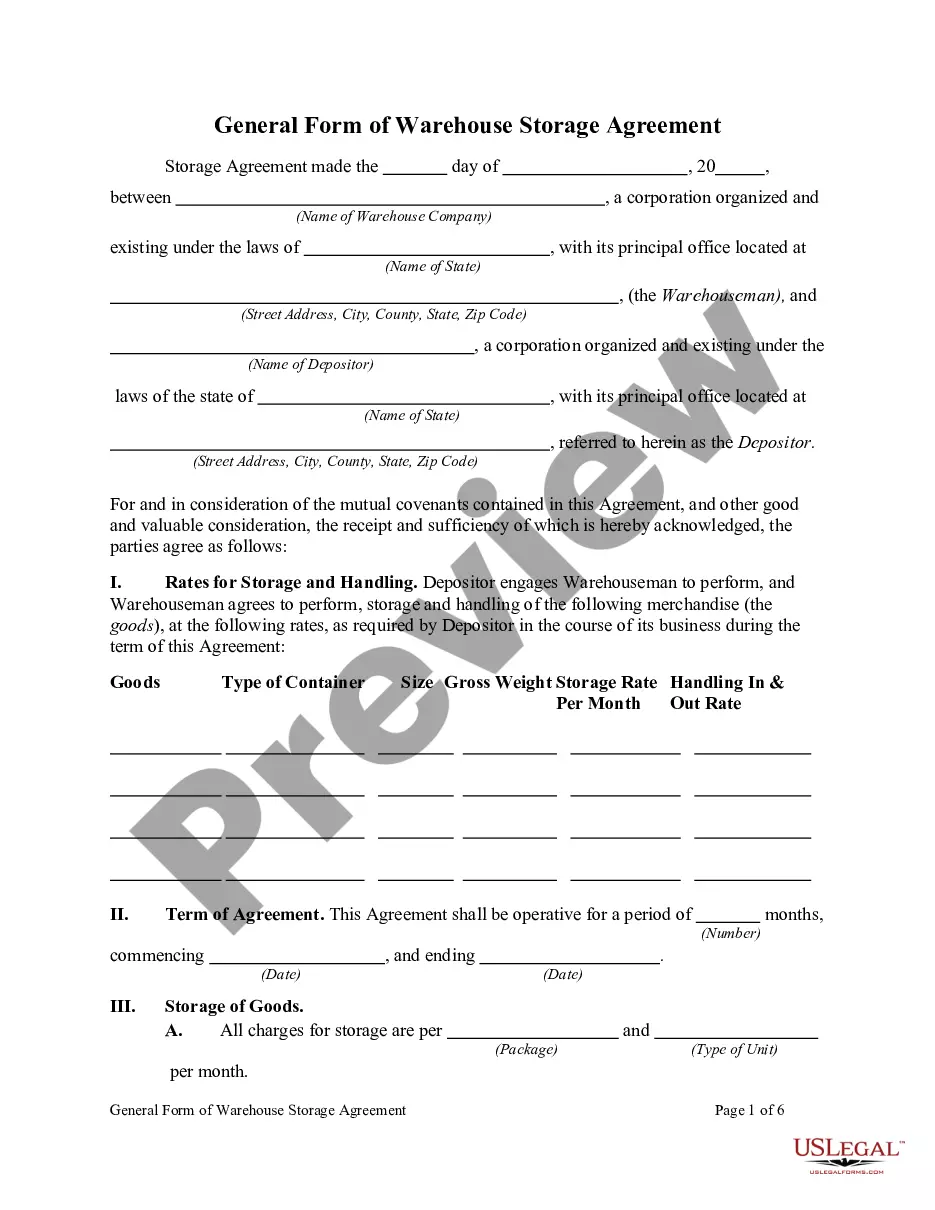
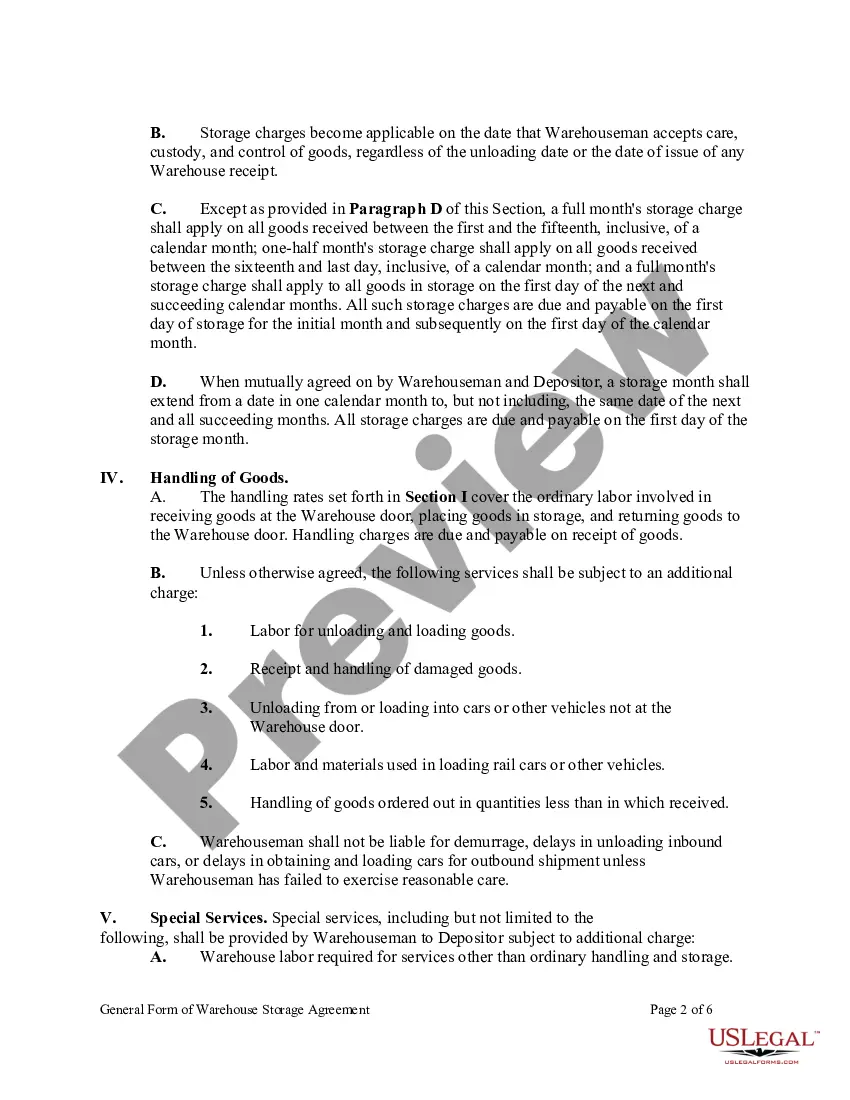
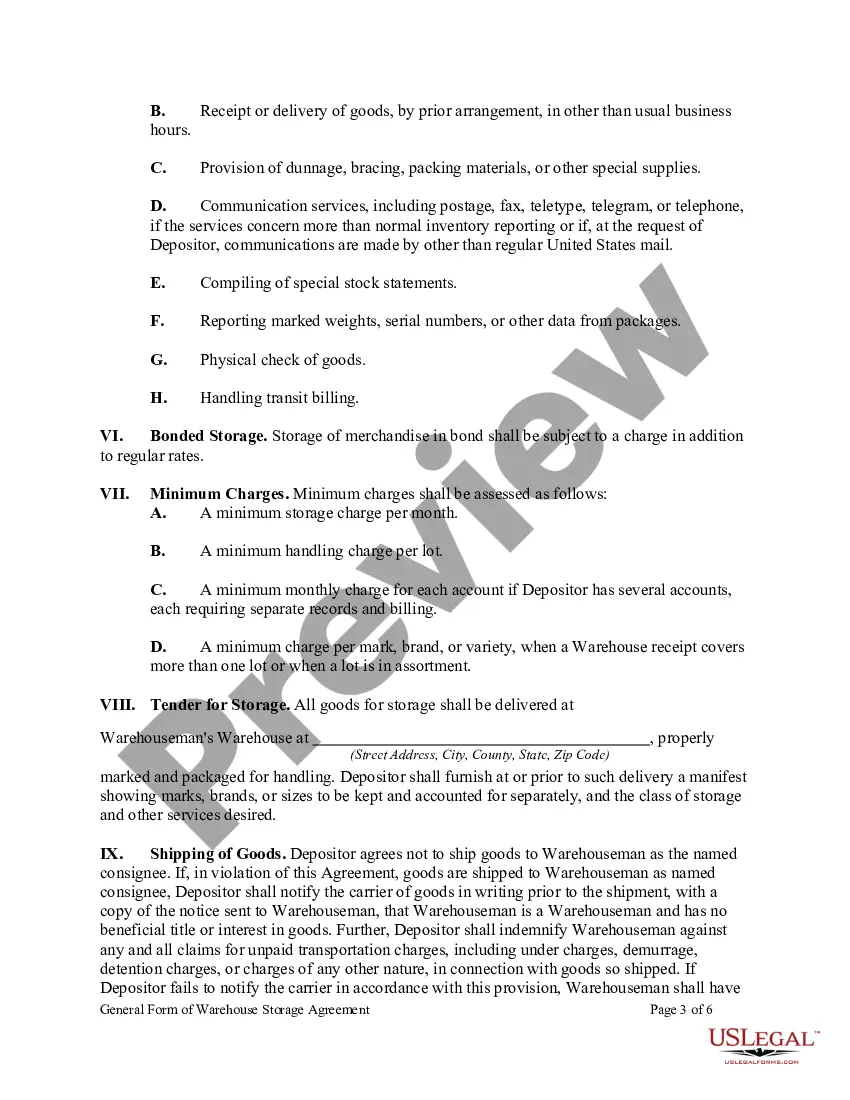
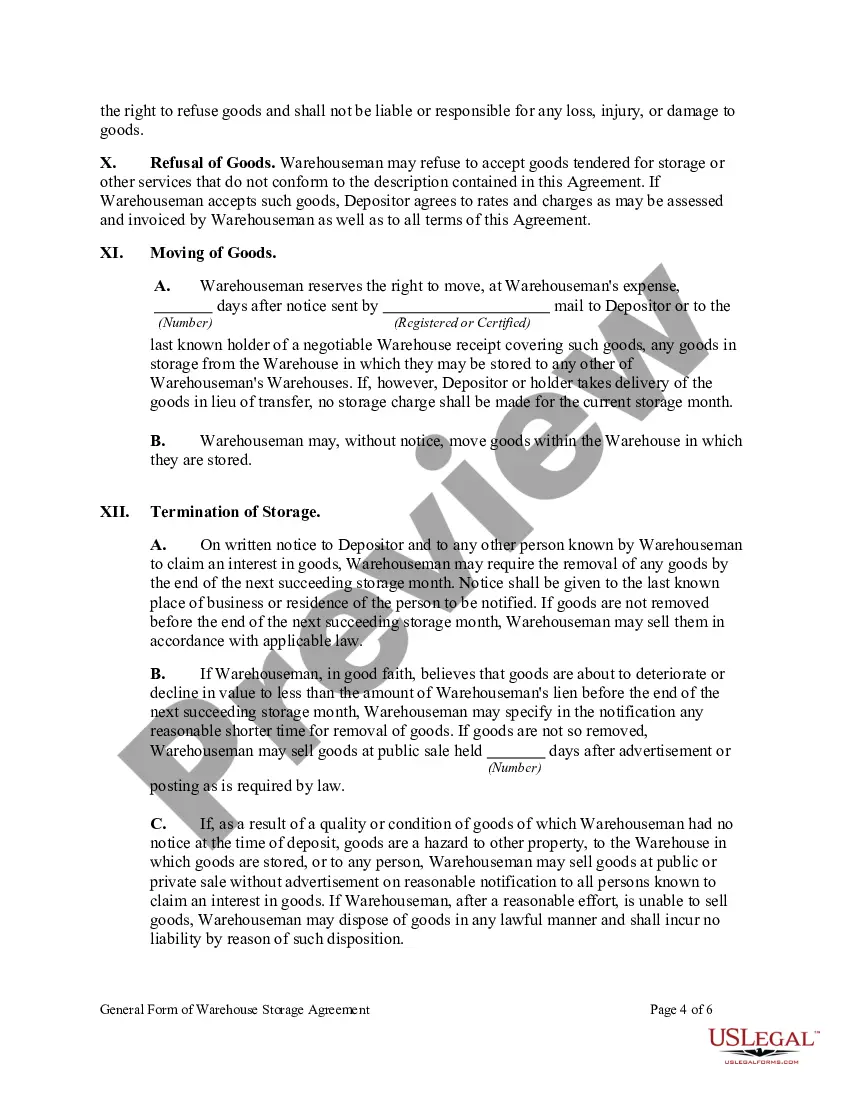
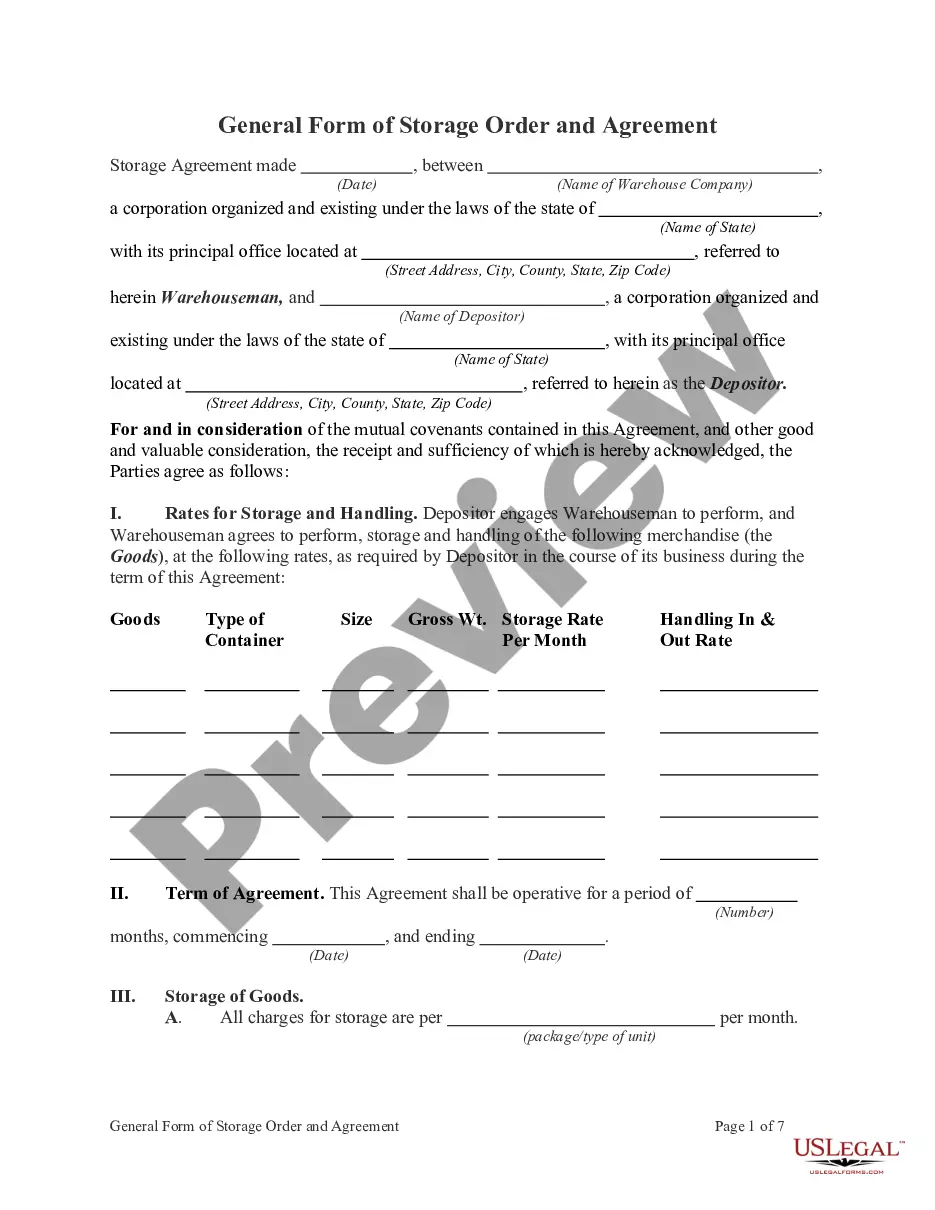
Warehouse Storage Agreement Template With Pricing
Description
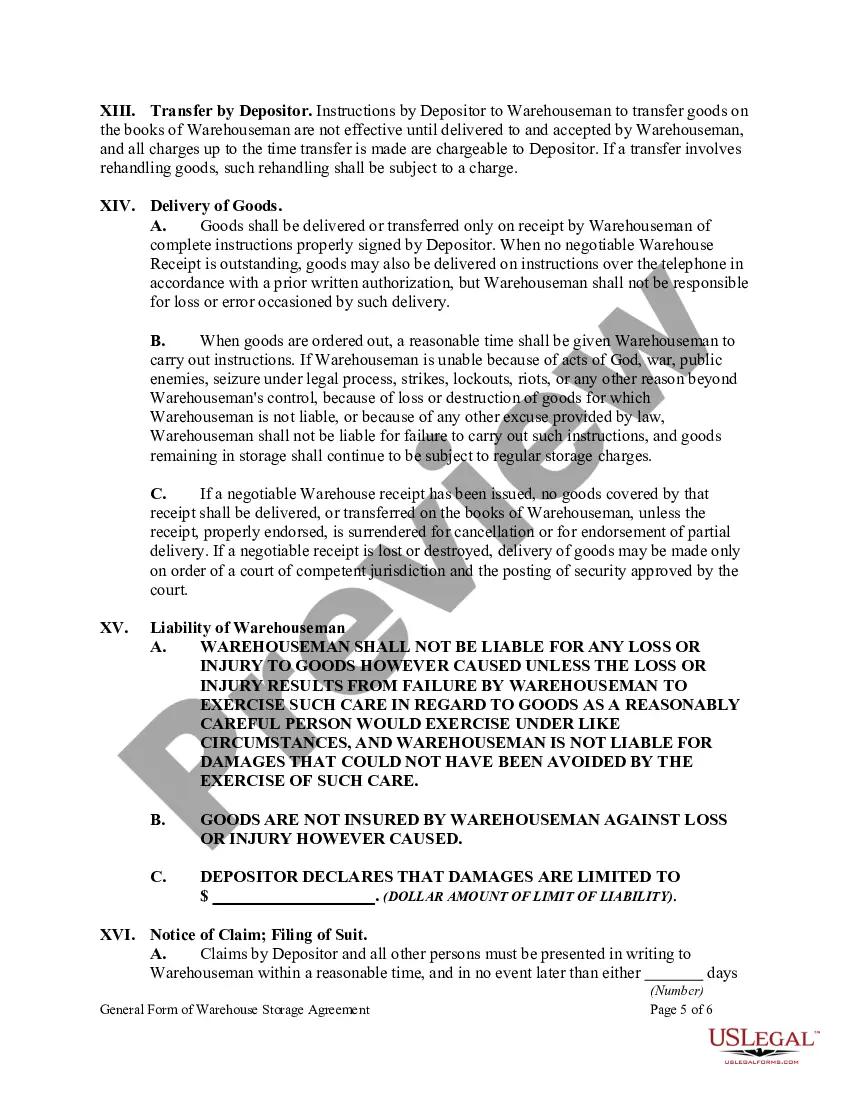
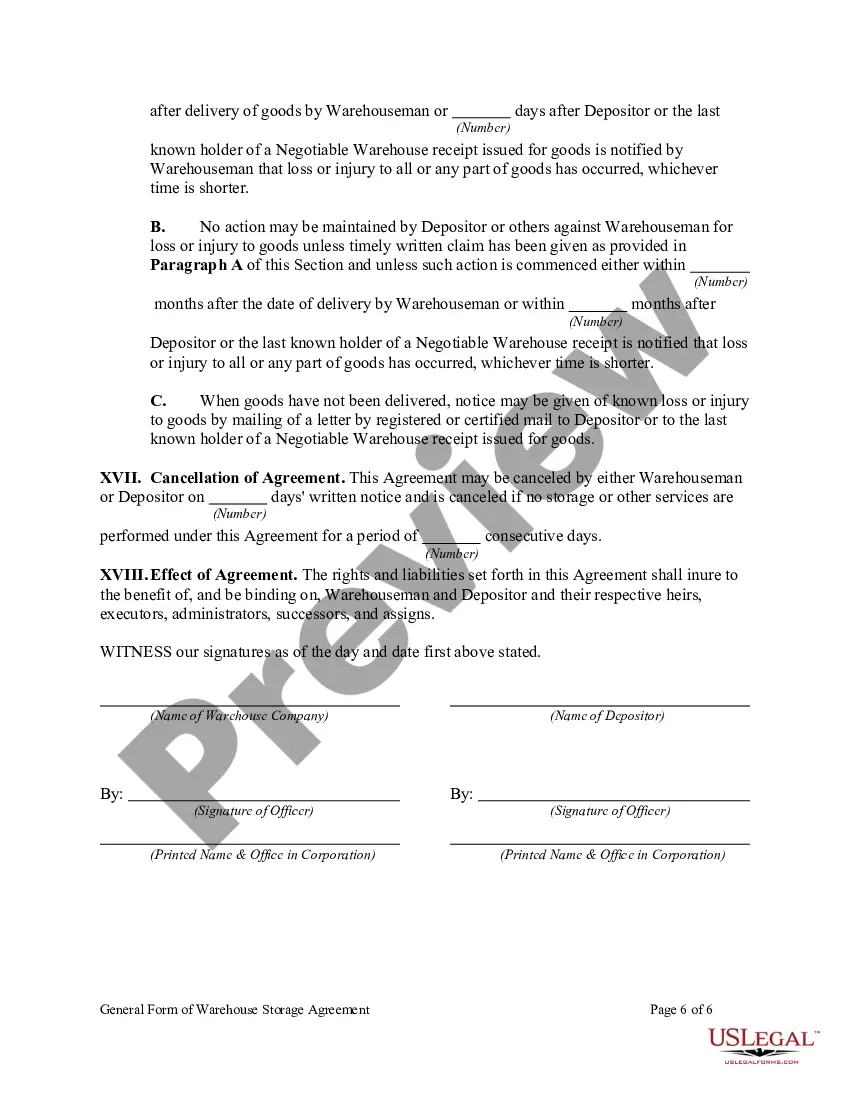
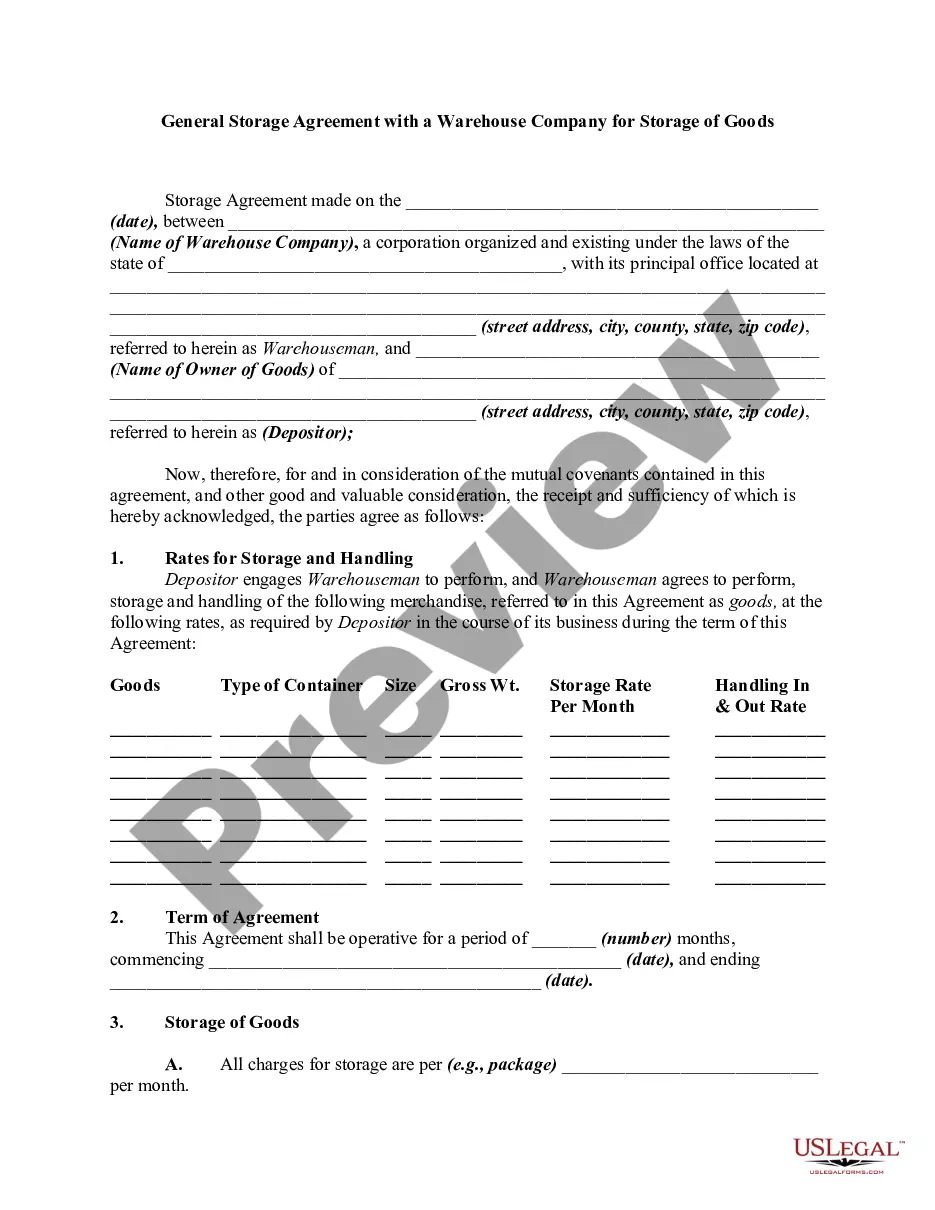
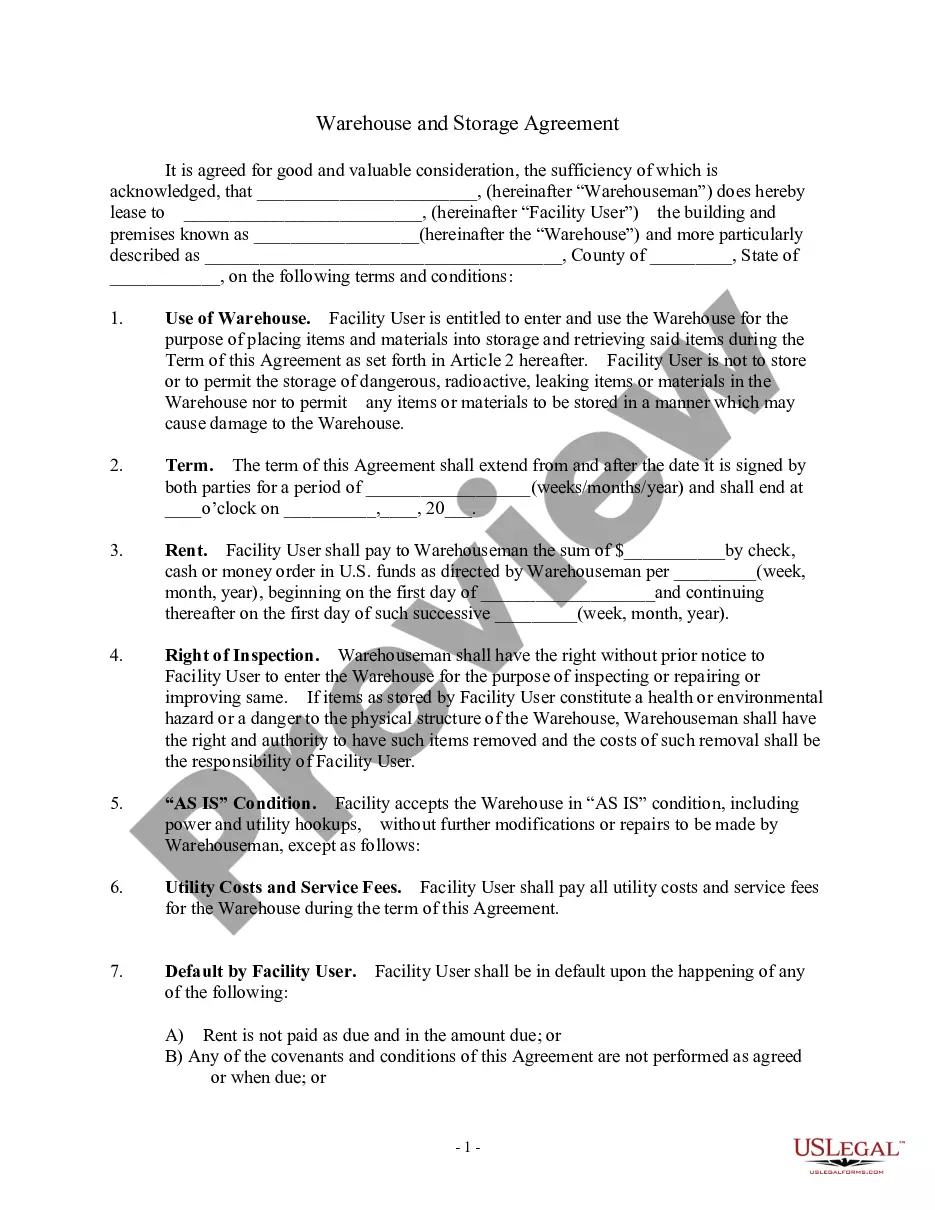
Get your form ready online
Our built-in tools help you complete, sign, share, and store your documents in one place.
Make edits, fill in missing information, and update formatting in US Legal Forms—just like you would in MS Word.
Download a copy, print it, send it by email, or mail it via USPS—whatever works best for your next step.
Sign and collect signatures with our SignNow integration. Send to multiple recipients, set reminders, and more. Go Premium to unlock E-Sign.
If this form requires notarization, complete it online through a secure video call—no need to meet a notary in person or wait for an appointment.
We protect your documents and personal data by following strict security and privacy standards.

Make edits, fill in missing information, and update formatting in US Legal Forms—just like you would in MS Word.

Download a copy, print it, send it by email, or mail it via USPS—whatever works best for your next step.

Sign and collect signatures with our SignNow integration. Send to multiple recipients, set reminders, and more. Go Premium to unlock E-Sign.

If this form requires notarization, complete it online through a secure video call—no need to meet a notary in person or wait for an appointment.

We protect your documents and personal data by following strict security and privacy standards.
Looking for another form?


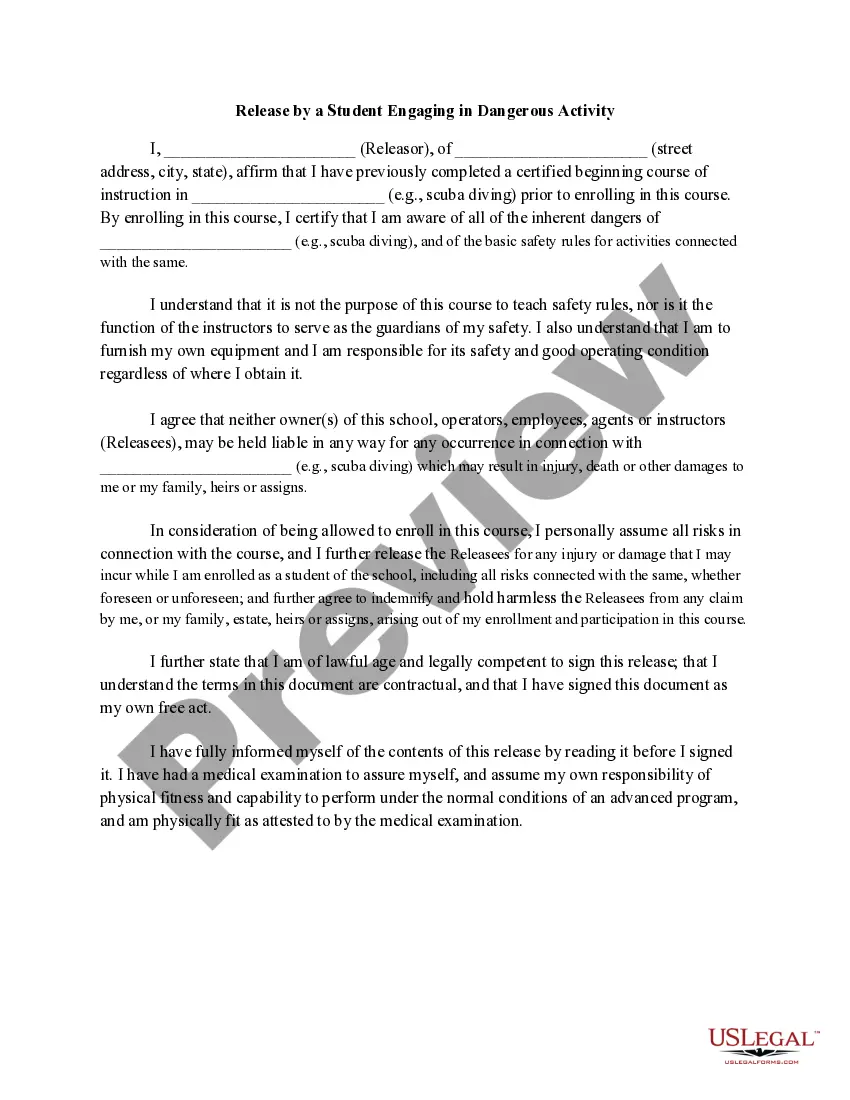



How to fill out General Form Of Warehouse Storage Agreement?
Legal documents handling can be annoying, even for seasoned professionals.
When you are looking for a Warehouse Storage Agreement Template With Pricing and don’t have the time to invest in finding the correct and updated version, the experience can be overwhelming.
With US Legal Forms, you can.
Access a valuable resource pool of articles, guides, and manuals pertinent to your situation and needs.
Confirm that the template is valid in your state or county, click Buy Now when you are prepared, select a monthly subscription plan, find the format you need, and Download, complete, eSign, print, and send your document. Take advantage of the US Legal Forms online catalog, backed by 25 years of experience and reliability. Streamline your daily document management into a smooth and user-friendly process today.
- Save time and effort in looking for the documents you require, and use US Legal Forms’ sophisticated search and Review tool to obtain Warehouse Storage Agreement Template With Pricing.
- If you have a subscription, Log In to your US Legal Forms account, search for the form, and acquire it.
- Check the My documents tab to see the documents you previously stored and manage your folders as needed.
- If this is your first experience with US Legal Forms, create an account and gain unlimited access to all features of the library.
- After accessing the form you need, ensure it is the correct form by previewing it and reviewing its description.
- A robust online form catalog could be transformative for anyone aiming to manage these situations effectively.
- US Legal Forms is a market leader in online legal documents, with more than 85,000 state-specific legal forms available to you at any time.
- Utilize cutting-edge tools to complete and manage your Warehouse Storage Agreement Template With Pricing.
Form popularity
FAQ
A contract warehouse space is different from a public warehouse space in that you will get a guaranteed amount of storage space in it every month. The company running the warehouse will not be able to give away the space you have reserved, and you can choose to either fill it or leave it empty.
Contract warehousing can also apply to just part of a warehouse. For example, a company may commit to a contract warehousing arrangement for 30,000 square feet out of a 130,000-square-foot warehouse. The 3PL can use the rest of the empty space for shared warehousing or even other contract arrangements.
Warehousing costs refer to the fees associated with operating a warehouse, such as rent, utilities, labor, insurance, maintenance, and taxes. It also includes the cost of goods stored in the warehouse, including the cost of inventory control, order fulfillment, and other related services.
A downfall to public warehousing compared to contract warehousing is that businesses may have less control over operational processes and inventory visibility. While the capability to scale inventory levels for fluctuating demand is appealing, storage space is not guaranteed.
Warehousing services offered by third-party logistics (3PL) companies tend to fall into one of two categories: general warehousing or contract warehousing. Broadly speaking, general warehousing offers the most flexibility and scalability, while contract warehousing provides more control and stable costs.