Storage Account
Description
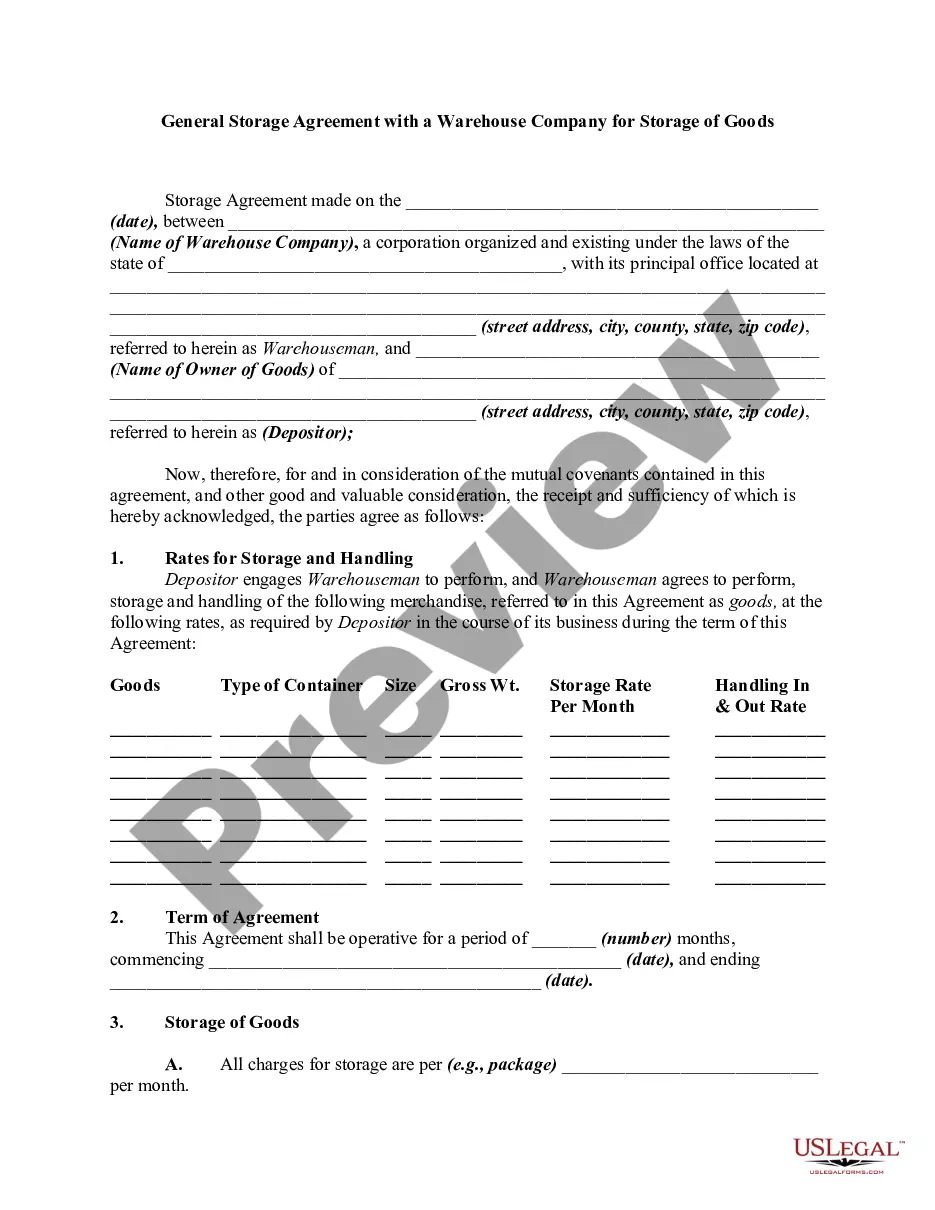
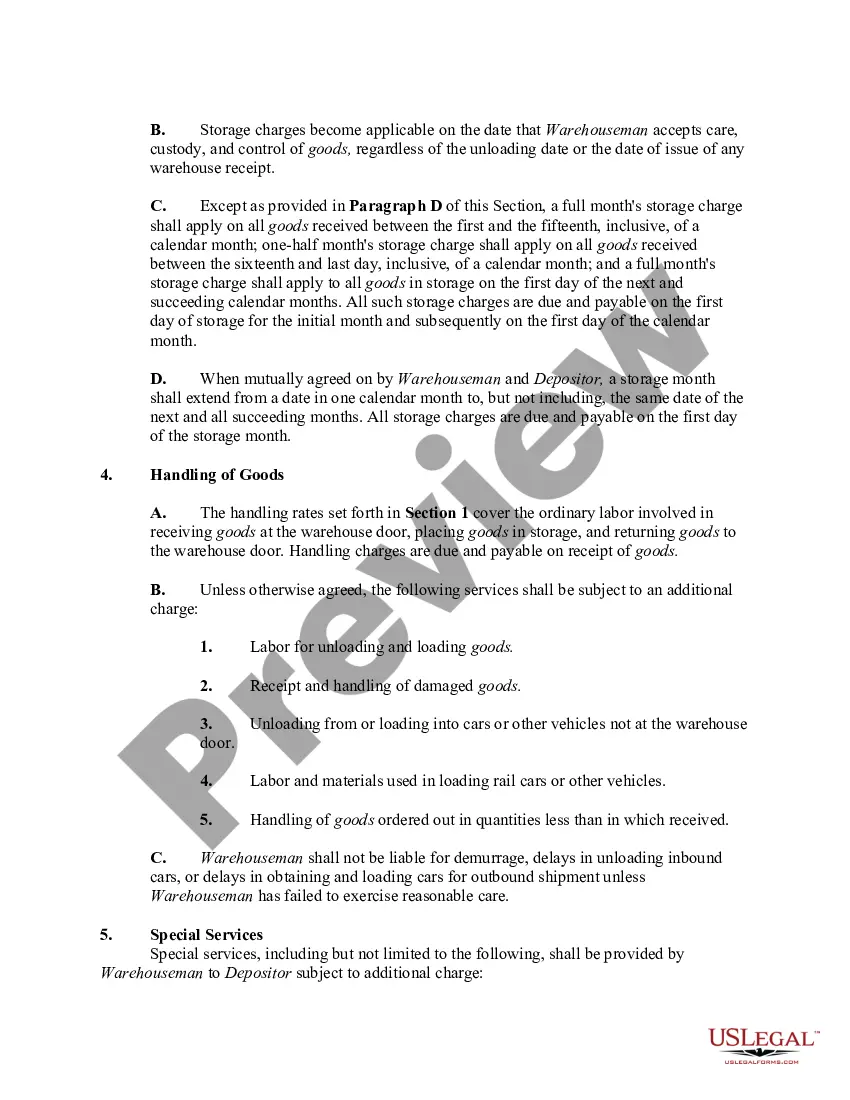
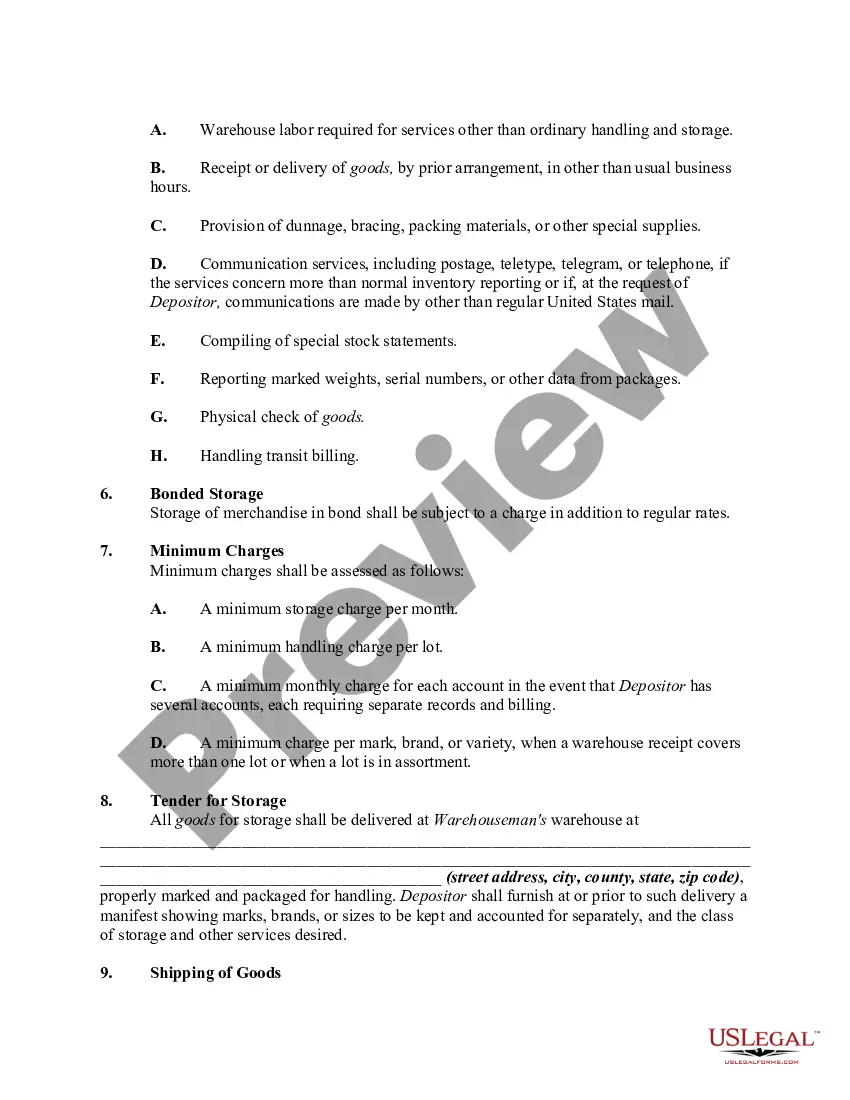
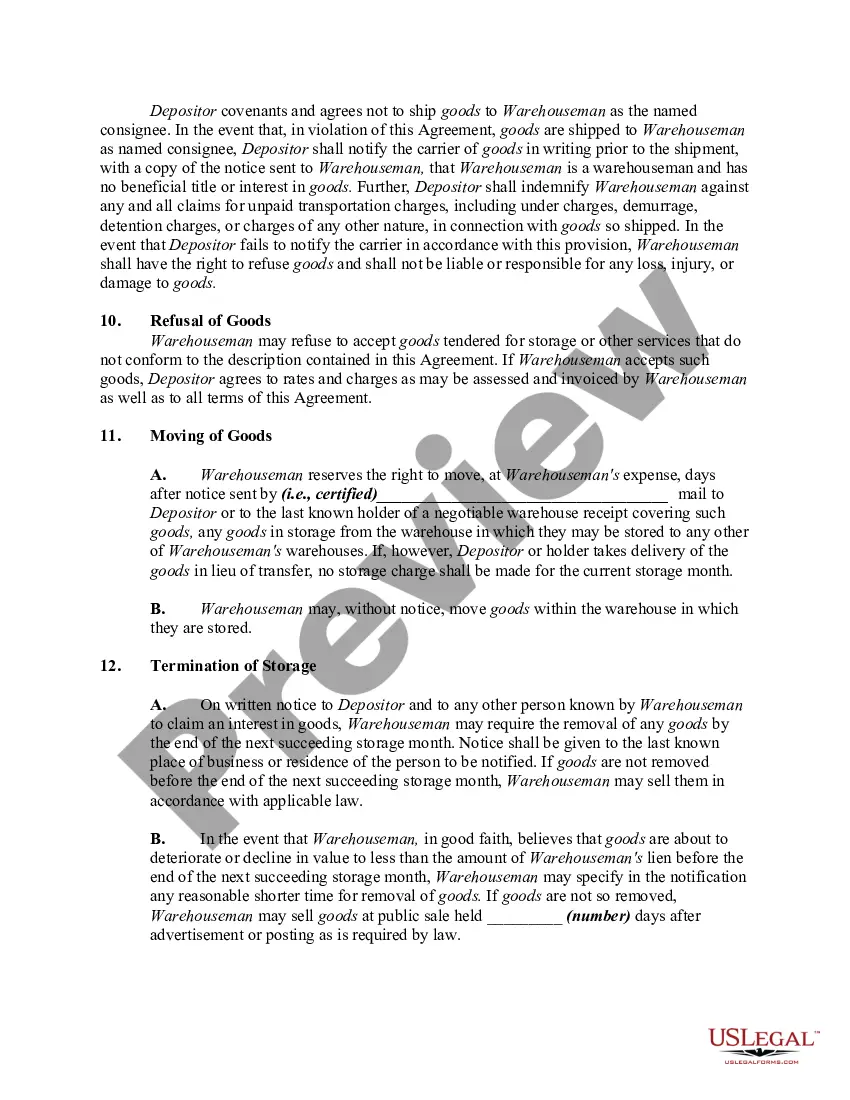
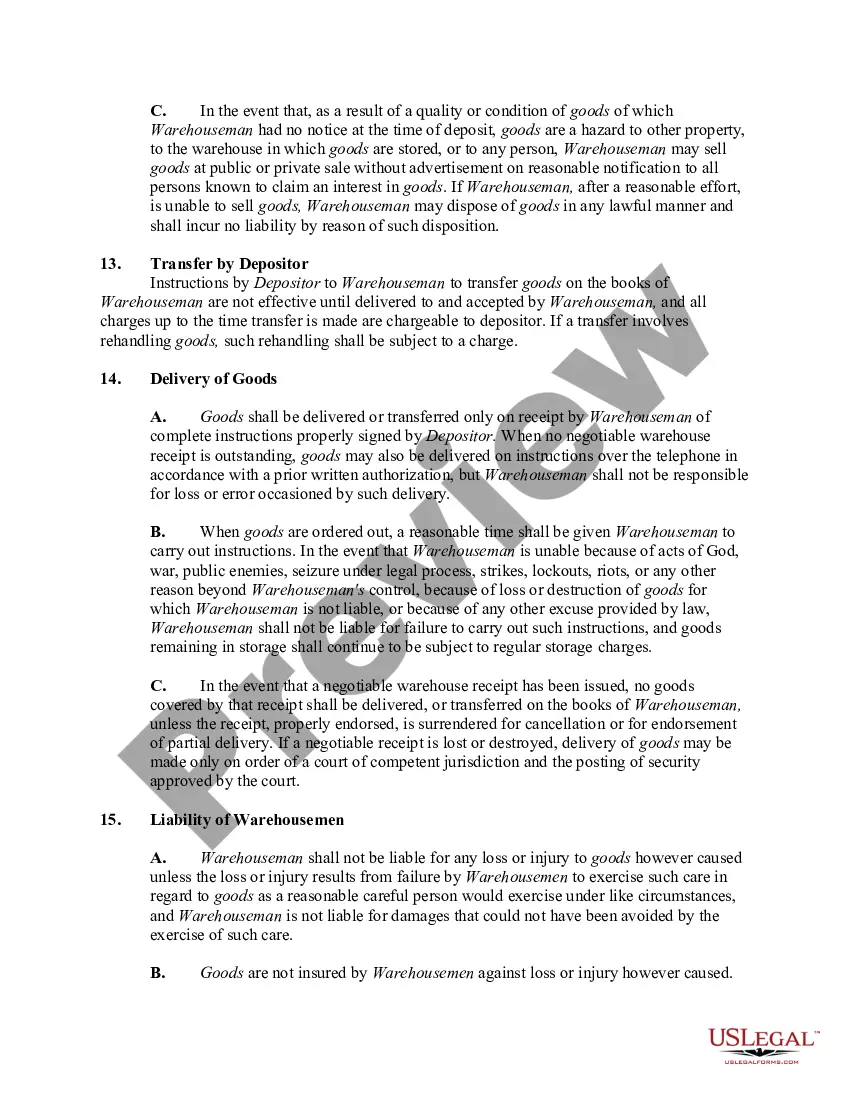
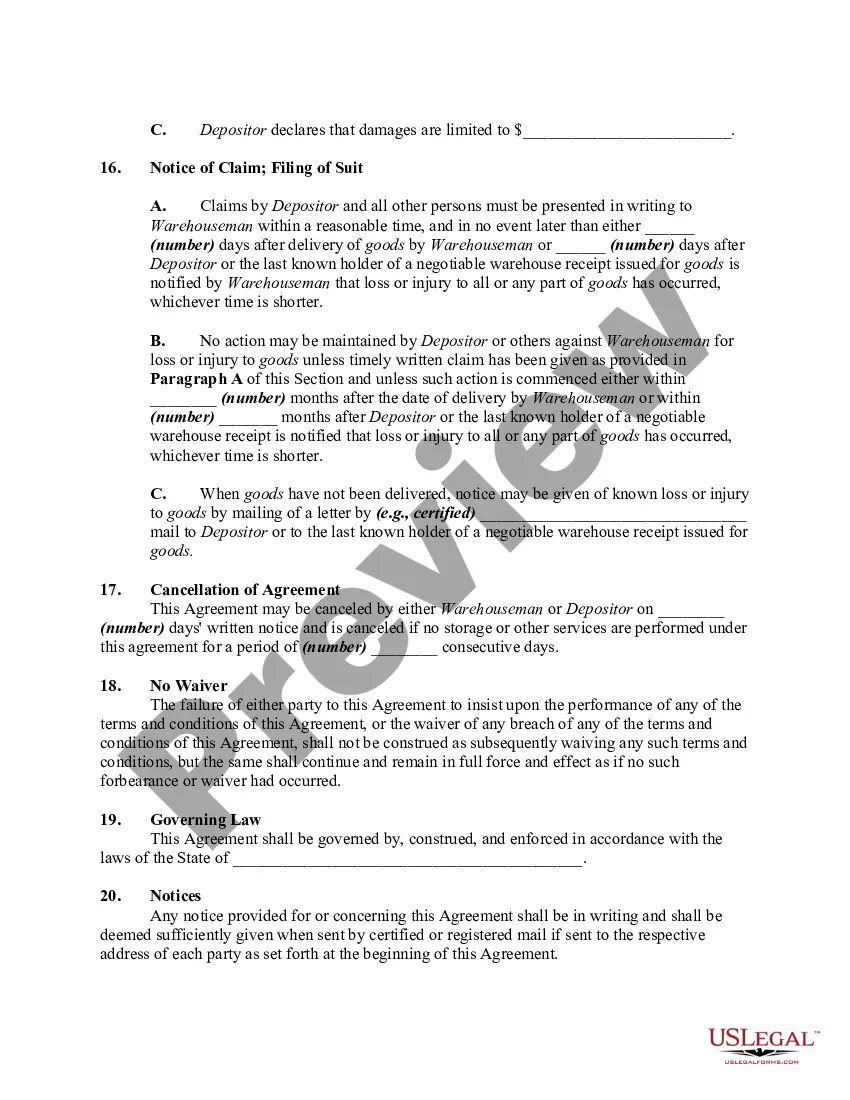
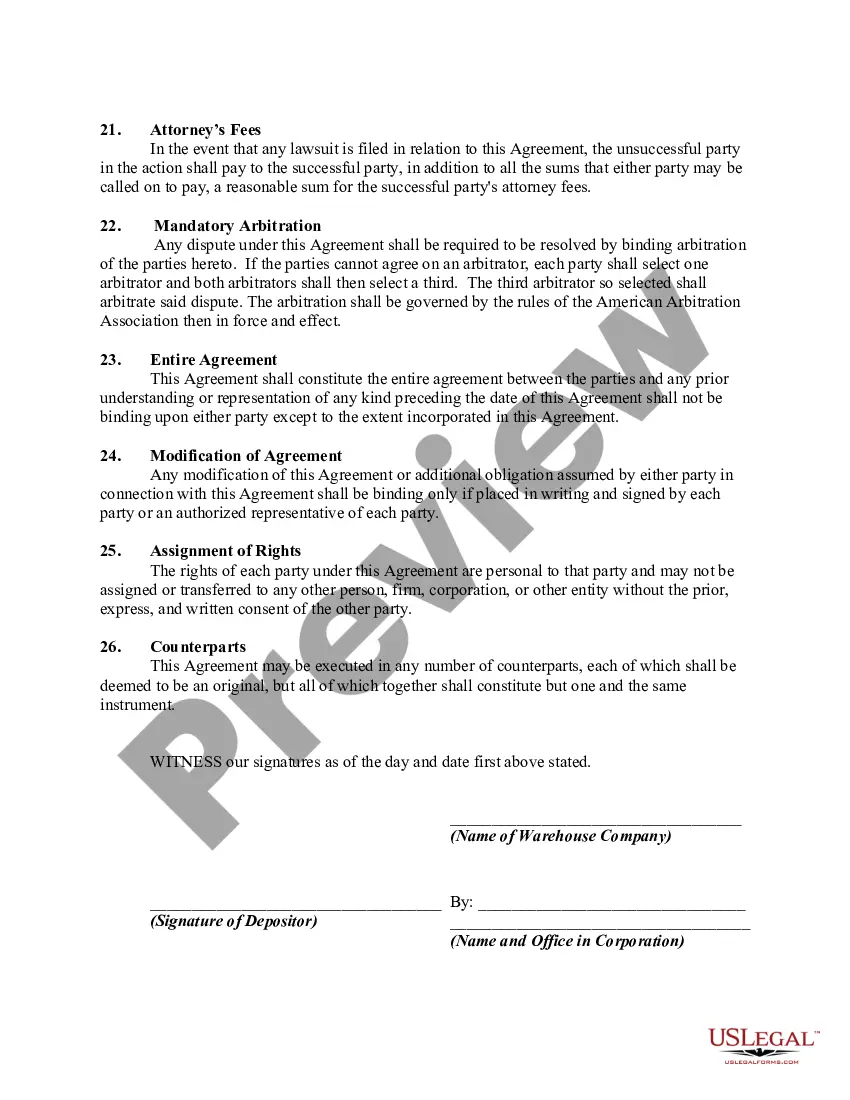
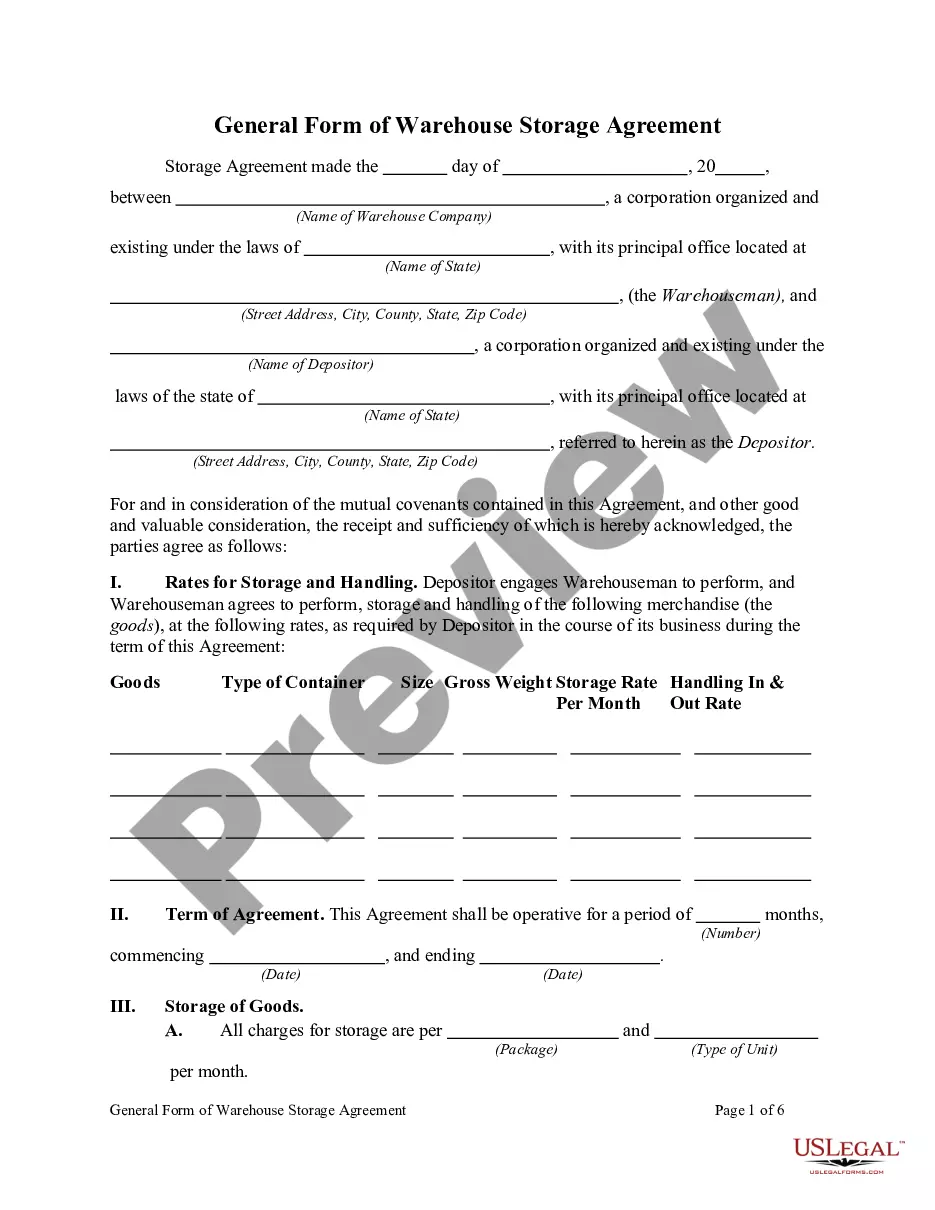
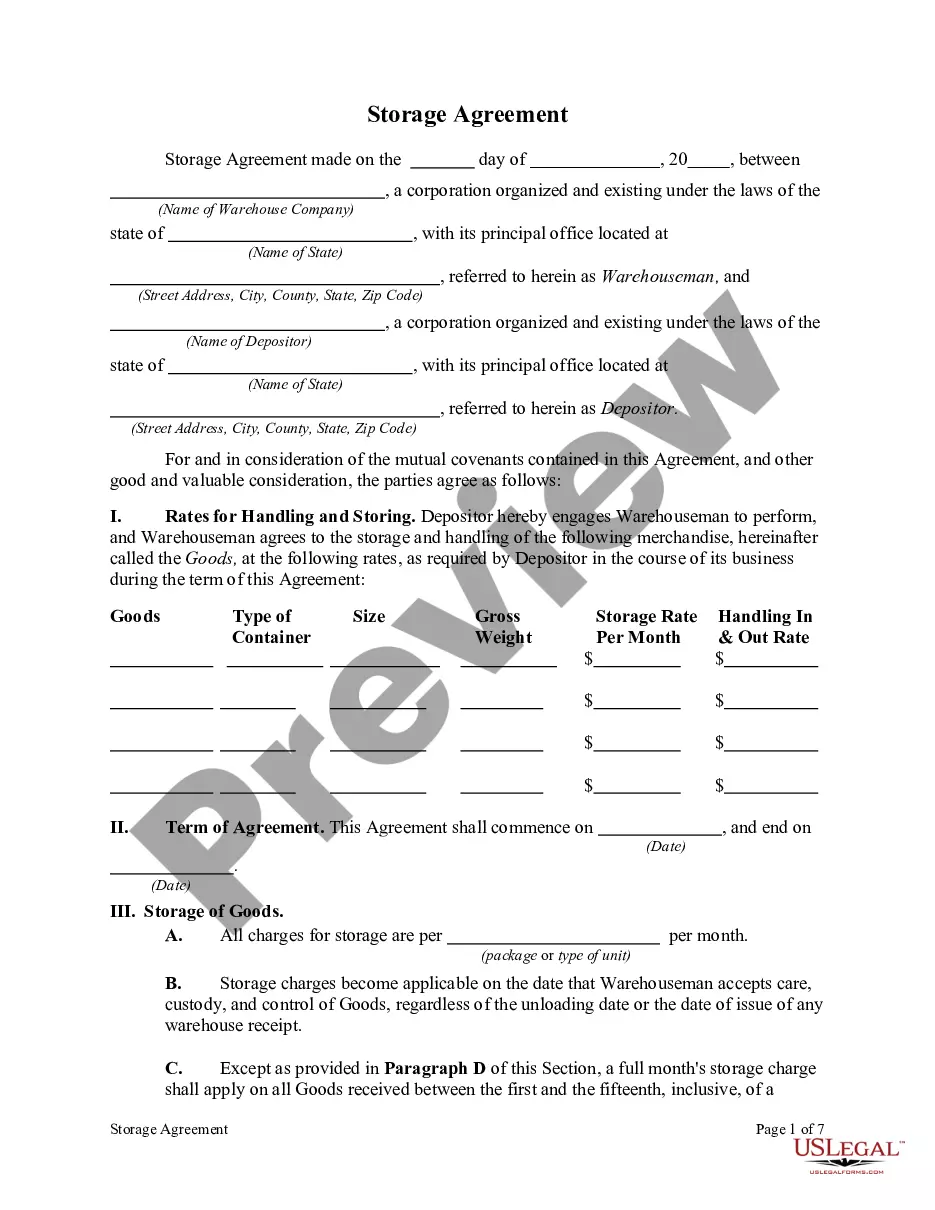
Get your form ready online
Our built-in tools help you complete, sign, share, and store your documents in one place.
Make edits, fill in missing information, and update formatting in US Legal Forms—just like you would in MS Word.
Download a copy, print it, send it by email, or mail it via USPS—whatever works best for your next step.
Sign and collect signatures with our SignNow integration. Send to multiple recipients, set reminders, and more. Go Premium to unlock E-Sign.
If this form requires notarization, complete it online through a secure video call—no need to meet a notary in person or wait for an appointment.
We protect your documents and personal data by following strict security and privacy standards.

Make edits, fill in missing information, and update formatting in US Legal Forms—just like you would in MS Word.

Download a copy, print it, send it by email, or mail it via USPS—whatever works best for your next step.

Sign and collect signatures with our SignNow integration. Send to multiple recipients, set reminders, and more. Go Premium to unlock E-Sign.

If this form requires notarization, complete it online through a secure video call—no need to meet a notary in person or wait for an appointment.

We protect your documents and personal data by following strict security and privacy standards.
Looking for another form?
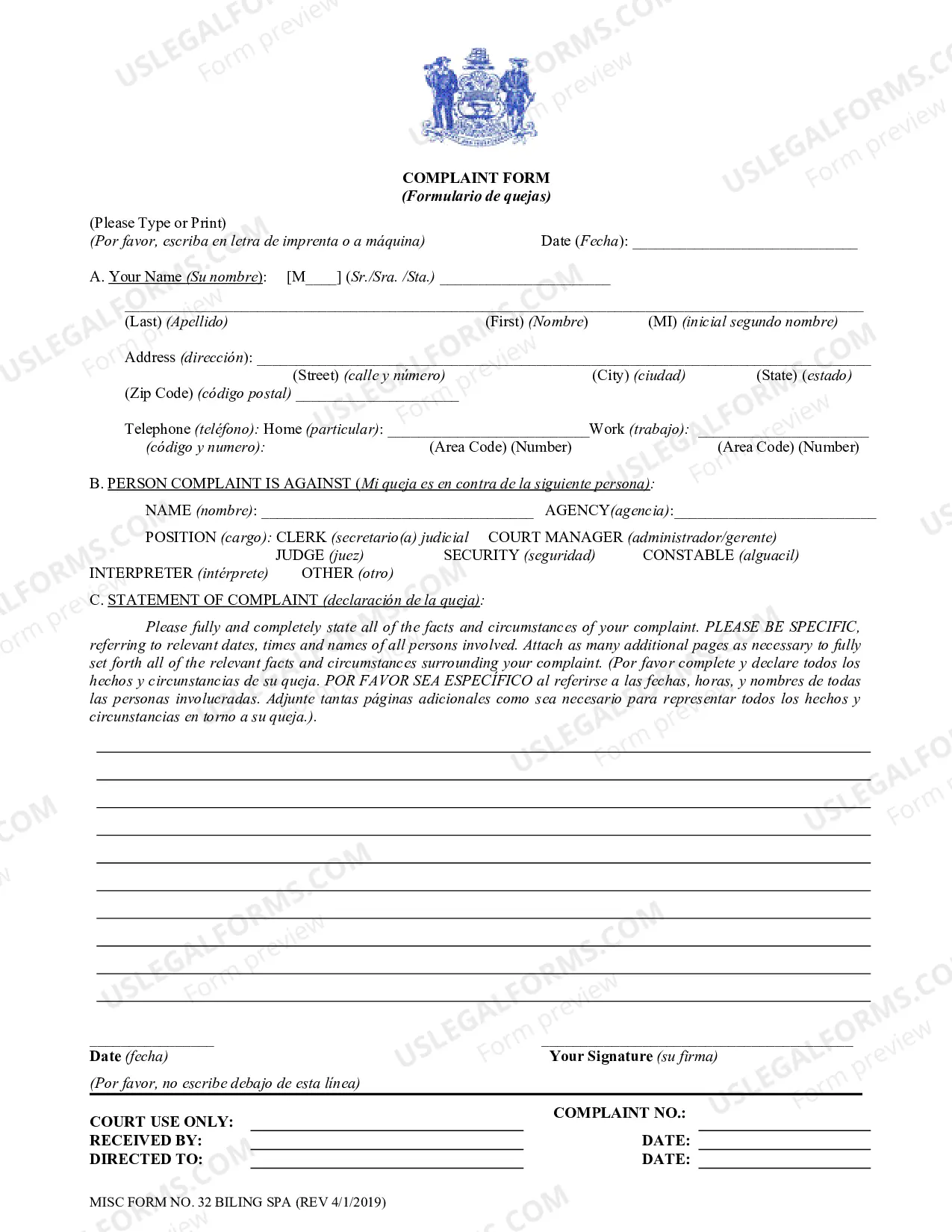



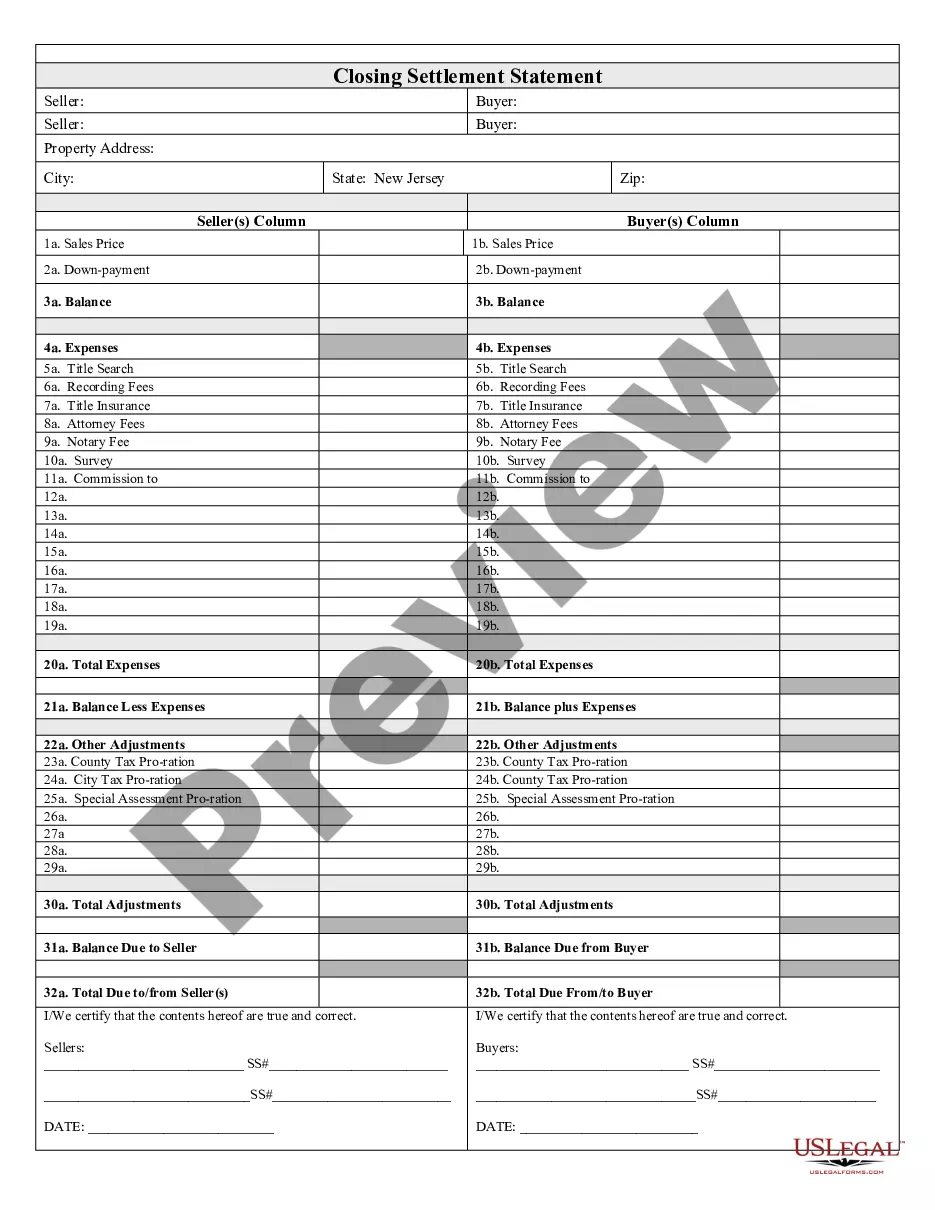



How to fill out General Storage Agreement With A Warehouse Company For Storage Of Goods?
- Log in to your US Legal Forms account. Ensure your subscription is active to access all features.
- Preview the forms. Check the description to confirm it fits your needs and complies with local laws.
- Search for alternatives if necessary. Use the search bar if you need a different form or find one that better suits your requirements.
- Purchase the document. Click the 'Buy Now' button and select a subscription plan that meets your needs.
- Complete your payment. Enter your credit card details or use PayPal to finalize your subscription.
- Download your legal form. Save it to your device, and find it later in the 'My Forms' section of your account.
By following these steps, you can easily access and utilize the vast resources available through US Legal Forms. Enjoy the benefits of a robust form collection and premium expert assistance for precision in your legal documentation.
Start exploring US Legal Forms today to make your legal processes simpler and more efficient!
Form popularity
FAQ
To connect a logic app to a storage account, start by creating or editing your logic app in the Azure portal. You will find an option to add a new action and search for 'Azure Storage' to select the appropriate connector. Once selected, you can configure the connection details, allowing your logic app to work with data stored in your storage account. This integration enhances your workflow and automates tasks effectively.
Finding the connection string for your storage account is simple. Go to the Azure portal and select your storage account, then navigate to the 'Access Keys' section. Here, you will find two connection strings, which you can choose from depending on your needs. Remember, this connection string allows you to securely link your applications with your storage account.
To access your storage account using Storage Explorer, you need to download and install the tool first. Then, open the application and sign in with your Azure account. Once you're in, you can easily locate your storage account and browse through blobs, files, and queues with ease. This method offers a user-friendly interface for managing your storage account efficiently.
Connecting your function app to a storage account is straightforward. First, navigate to the settings in your function app configuration. There, you will find an option to add the storage account connection string, establishing a link between the two. This integration allows your function app to trigger and manage events based on data in your storage account.
To mount a storage account, you generally need to start by configuring your storage account settings. You will use the Azure portal or CLI to create a mount point, specifying the desired options for your account. After you set it up, you can access your files and data seamlessly. If you are using platforms like uslegalforms, you can streamline this process with user-friendly guides.
To find your storage account on the function app, navigate to your function app in the Azure portal. Under the 'Settings' section, select 'Configuration', and look for the 'Storage Account Connection String' setting. This connection string will indicate which storage account your function app is using, allowing you to ensure the right resources are in place.
To get the Azure resource ID, you can access the Azure portal and select the specific resource you're interested in, such as your storage account. The resource ID will be displayed in the resource properties under the 'Properties' tab. This ID is essential for making API calls and configuring role-based access control for your Azure resources.
You can connect to your Azure storage account using various methods, including Azure SDKs, Azure PowerShell, or the Azure CLI. These tools allow you to establish a connection by providing your storage account name and access key. Additionally, you can use connection strings to connect applications directly to your storage account for data operations.
To retrieve your storage account resource ID, navigate to your storage account in the Azure portal. You'll find the resource ID listed on the storage account's properties page, which follows this format: '/subscriptions/{subscription-id}/resourceGroups/{resource-group-name}/providers/Microsoft.Storage/storageAccounts/{storage-account-name}'. This unique identifier is crucial for managing access and permissions effectively.
A storage account is a foundational element in Azure that provides a secure place to store and manage your data in the cloud. It enables users to store different types of data, including unstructured data through blobs, file shares for sharing between applications, and tables for structured data storage. With Azure's storage account, you can leverage advanced features like redundancy and data access tiers to meet your specific needs.