Terminate Child Support In California
Description
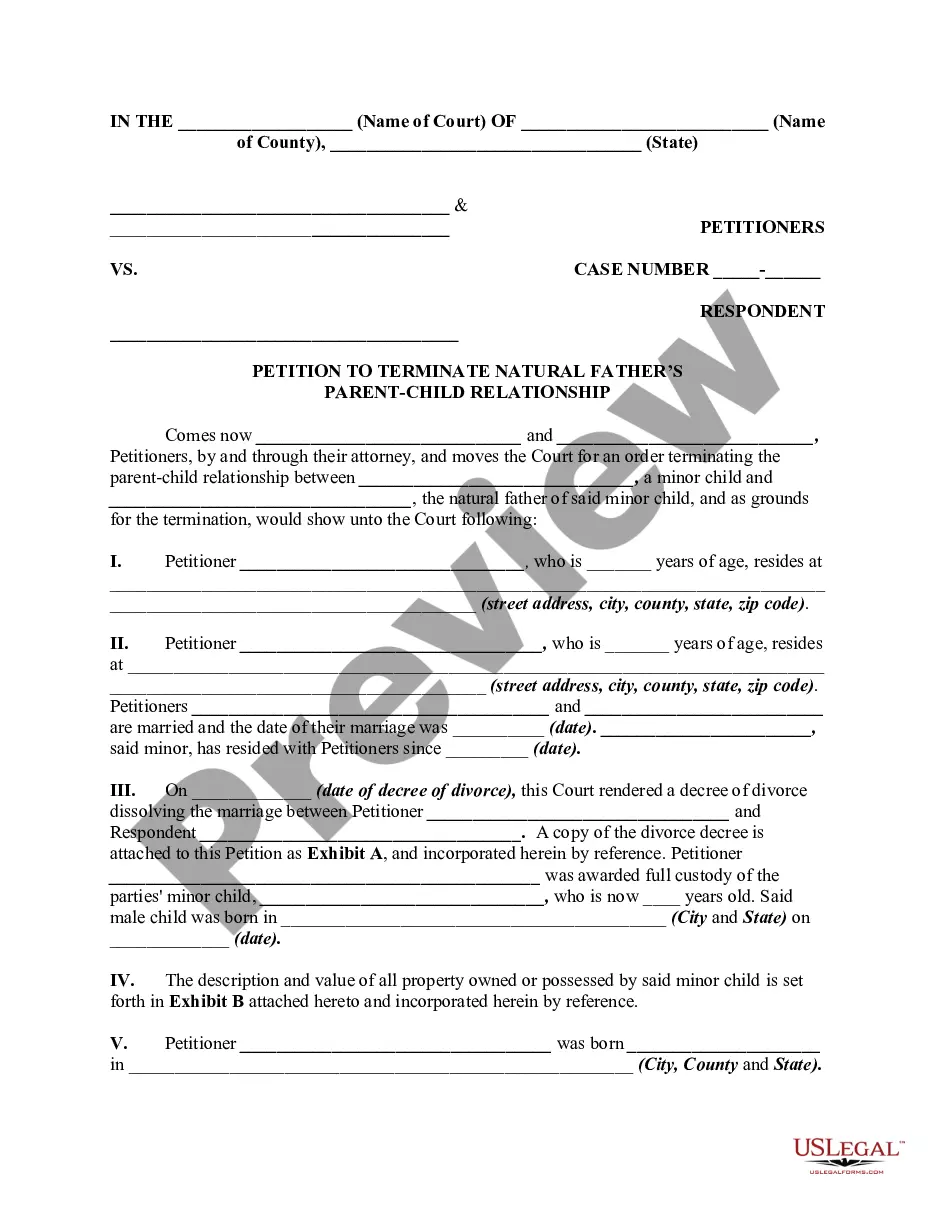
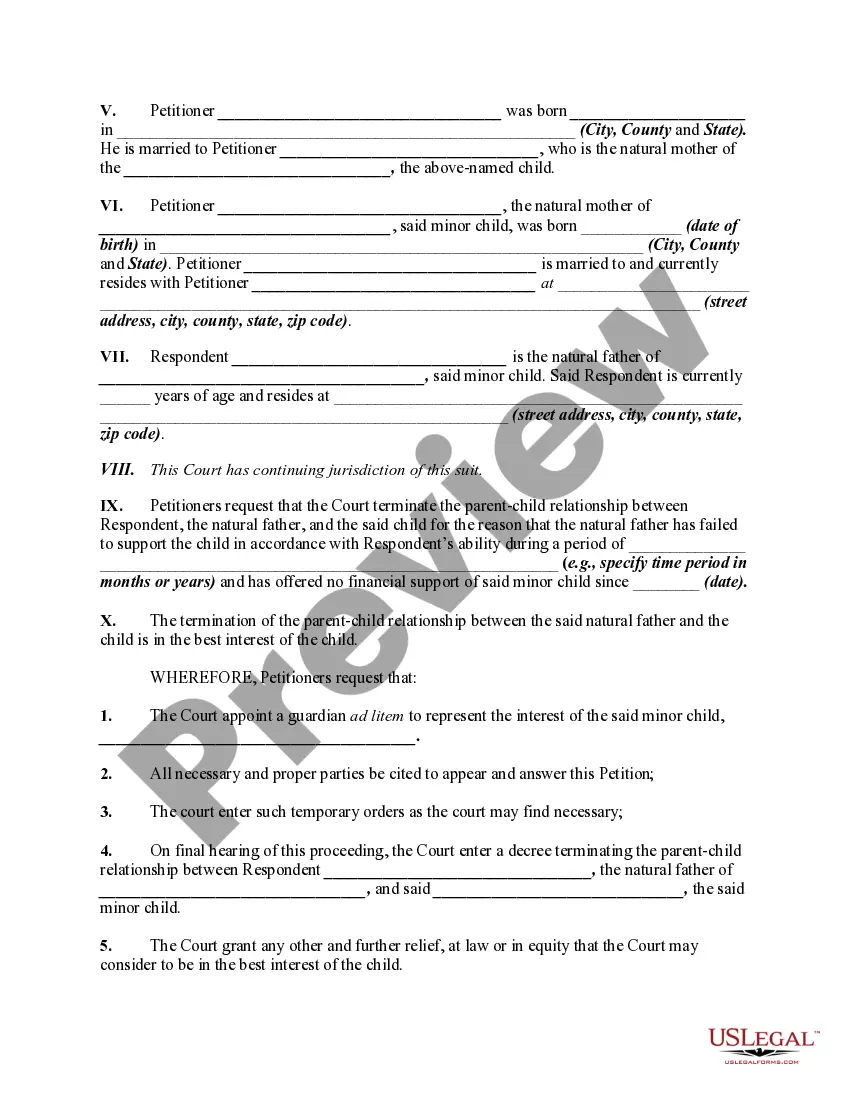
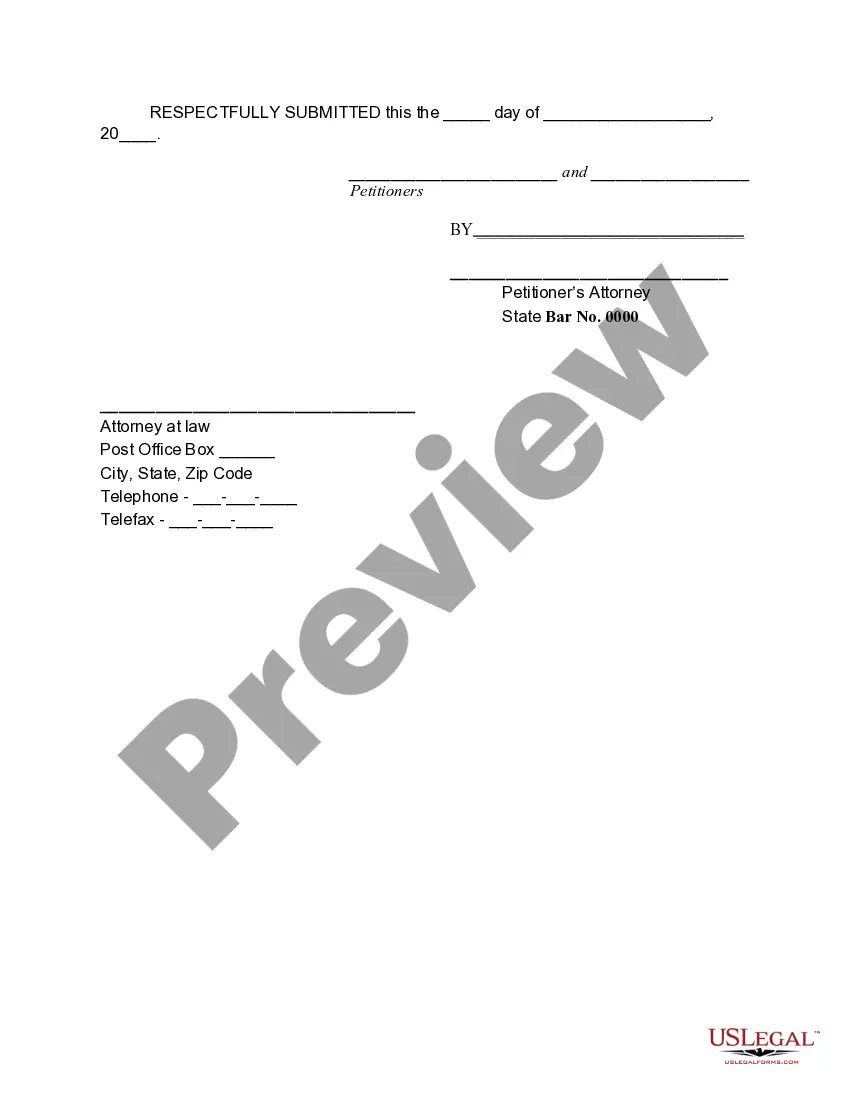
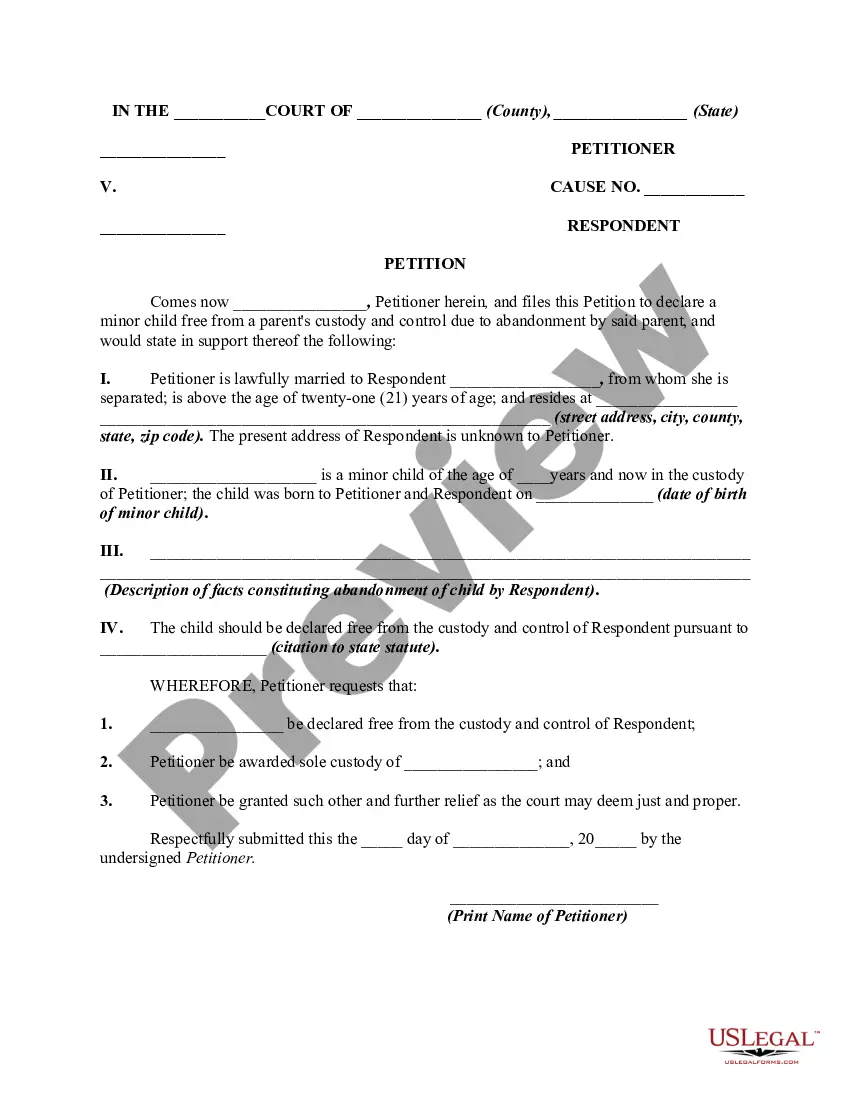
Get your form ready online
Our built-in tools help you complete, sign, share, and store your documents in one place.
Make edits, fill in missing information, and update formatting in US Legal Forms—just like you would in MS Word.
Download a copy, print it, send it by email, or mail it via USPS—whatever works best for your next step.
Sign and collect signatures with our SignNow integration. Send to multiple recipients, set reminders, and more. Go Premium to unlock E-Sign.
If this form requires notarization, complete it online through a secure video call—no need to meet a notary in person or wait for an appointment.
We protect your documents and personal data by following strict security and privacy standards.

Make edits, fill in missing information, and update formatting in US Legal Forms—just like you would in MS Word.

Download a copy, print it, send it by email, or mail it via USPS—whatever works best for your next step.

Sign and collect signatures with our SignNow integration. Send to multiple recipients, set reminders, and more. Go Premium to unlock E-Sign.

If this form requires notarization, complete it online through a secure video call—no need to meet a notary in person or wait for an appointment.

We protect your documents and personal data by following strict security and privacy standards.
Looking for another form?








How to fill out Petition By Stepfather And Natural Mother To Terminate Natural Fathers Parent / Child Relationship For Failure To Support Child - Release Of Parental Rights?
It’s no secret that you can’t become a law professional overnight, nor can you figure out how to quickly draft Terminate Child Support In California without having a specialized set of skills. Creating legal forms is a time-consuming process requiring a certain education and skills. So why not leave the preparation of the Terminate Child Support In California to the pros?
With US Legal Forms, one of the most comprehensive legal document libraries, you can access anything from court papers to templates for internal corporate communication. We know how important compliance and adherence to federal and state laws are. That’s why, on our website, all forms are location specific and up to date.
Here’s how you can get started with our platform and get the form you need in mere minutes:
- Discover the document you need by using the search bar at the top of the page.
- Preview it (if this option provided) and check the supporting description to determine whether Terminate Child Support In California is what you’re searching for.
- Start your search again if you need any other template.
- Set up a free account and select a subscription option to buy the template.
- Choose Buy now. Once the transaction is through, you can get the Terminate Child Support In California, fill it out, print it, and send or mail it to the designated individuals or organizations.
You can re-access your documents from the My Forms tab at any time. If you’re an existing client, you can simply log in, and find and download the template from the same tab.
Regardless of the purpose of your forms-be it financial and legal, or personal-our platform has you covered. Try US Legal Forms now!
Form popularity
FAQ
How long do I have to pay child support? Under California law, you pay child support until the child turns 18, or 19 if the child is unmarried and still attending high school full time. Under special circumstances, the court may order child support to continue after the child is an adult.
Q: How do I end child support? A: In general, you have to file a request in court to end the child support. This request is called a motion. If you have a case with the local child support agency, you may be able to get your child support ended without having to go to court.
The new child support law in California, enacted in 2023, introduces updates to the existing child support calculation methods. It emphasizes the importance of both parents contributing to their child's financial needs while considering their income, time spent with the child, and other relevant factors.
General Information. Termination of parental rights is a court order that permanently ends the legal parent-child relationship. This type of order terminates rights such as inheritance, custody, and visitation, as well as responsibilities regarding child support and liability for the child's misconduct.