Default Judgement In Texas Child Custody
Description
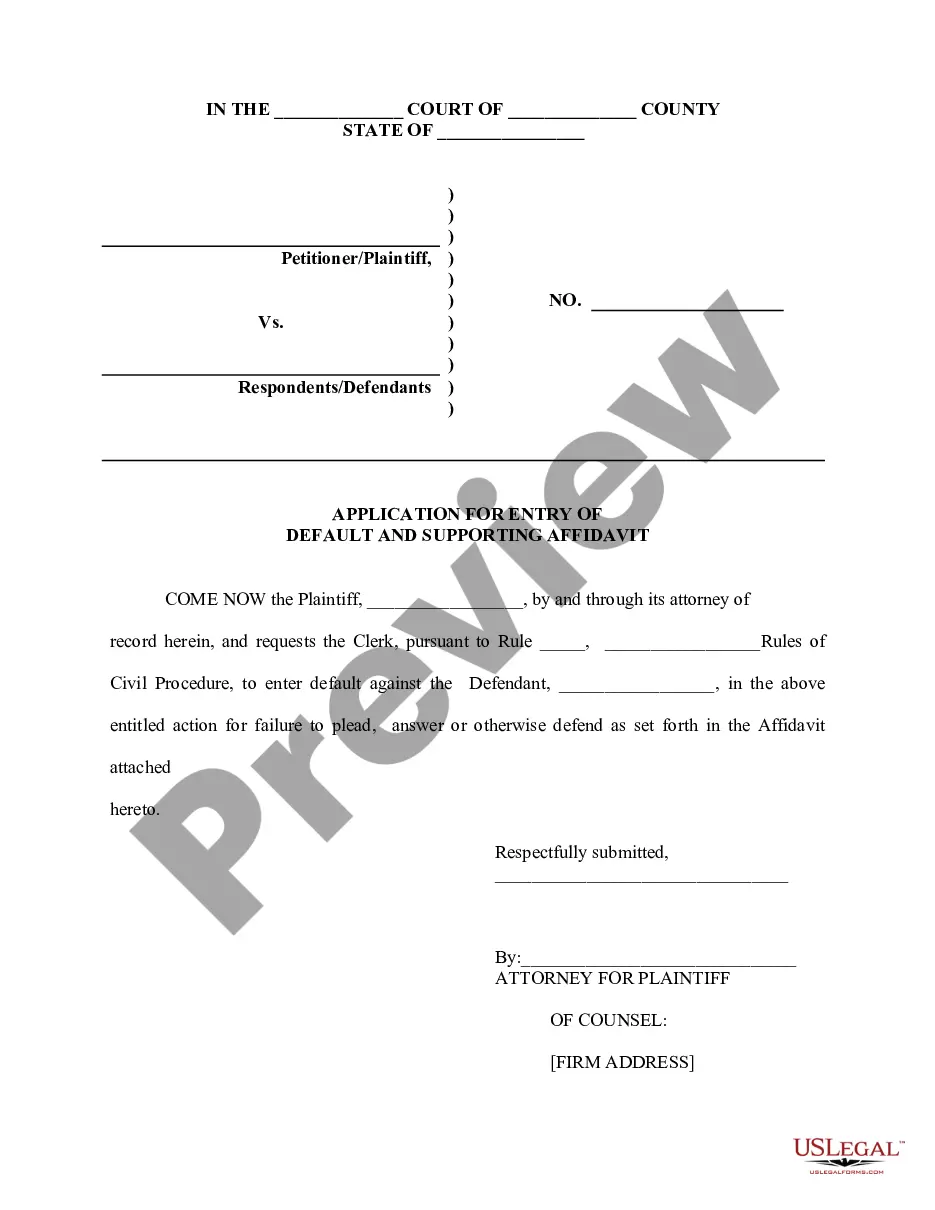
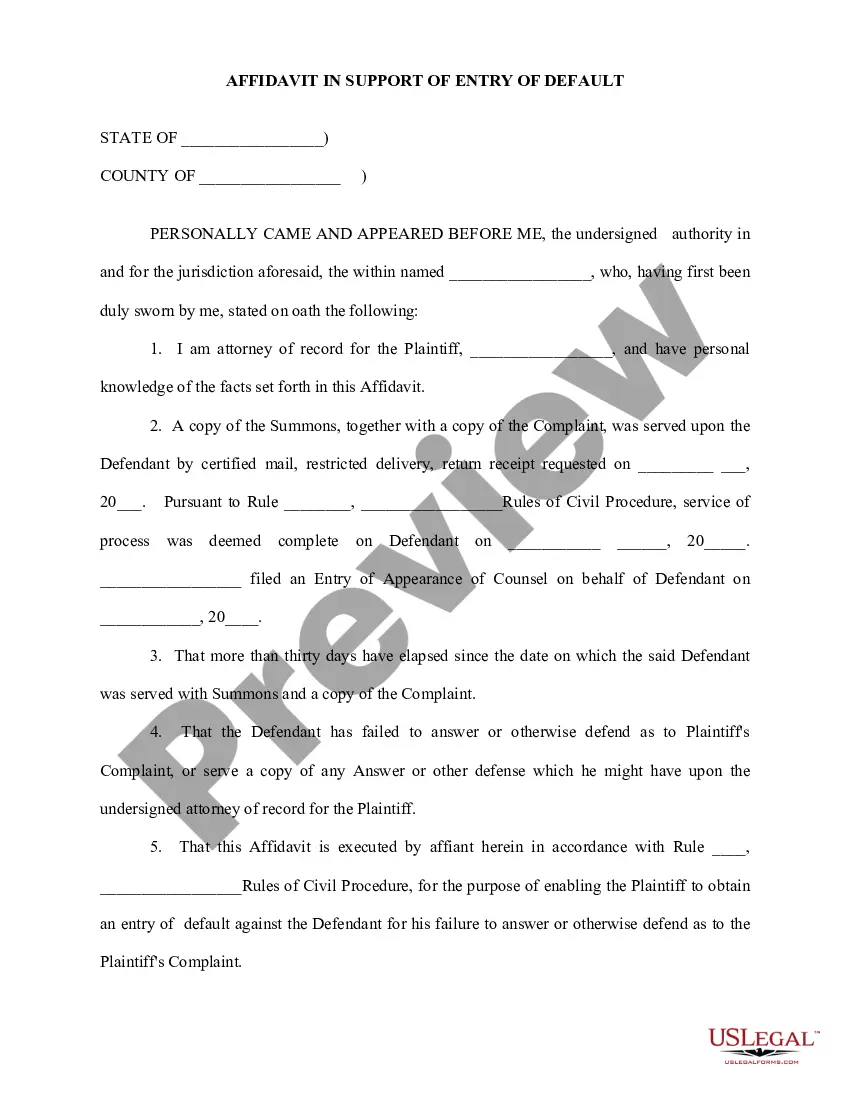
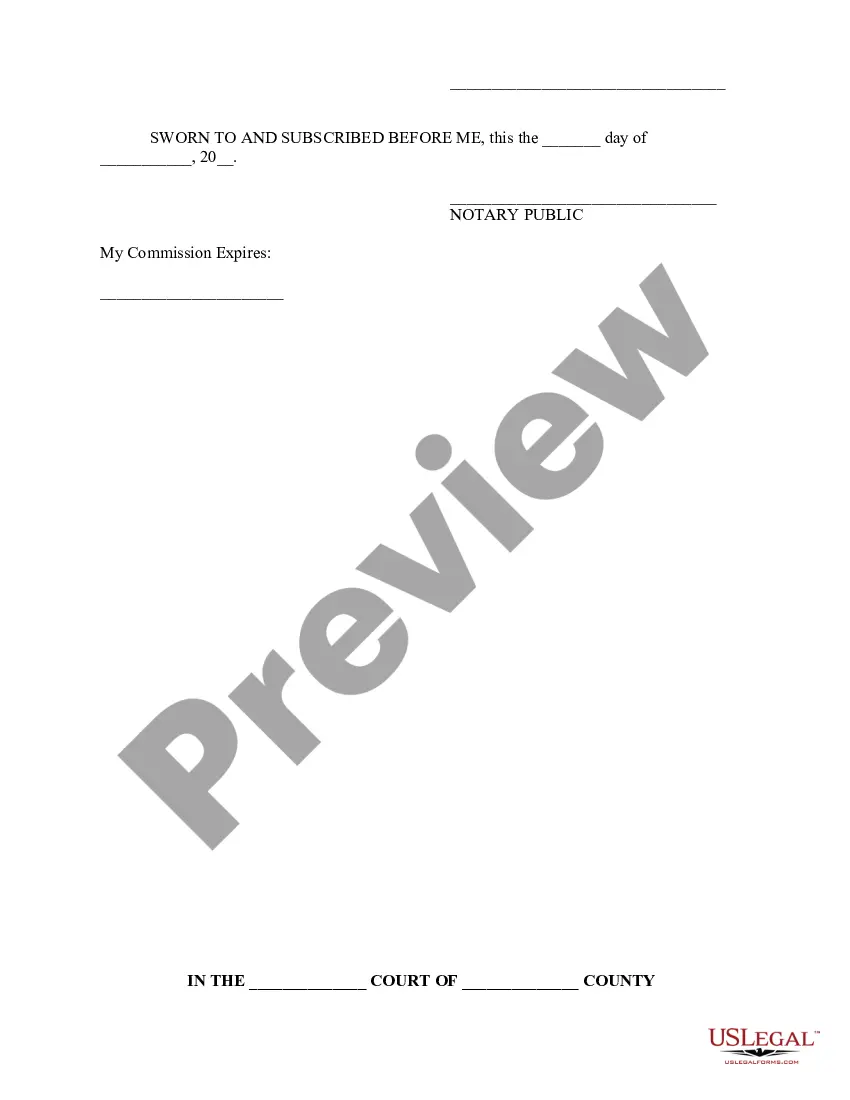
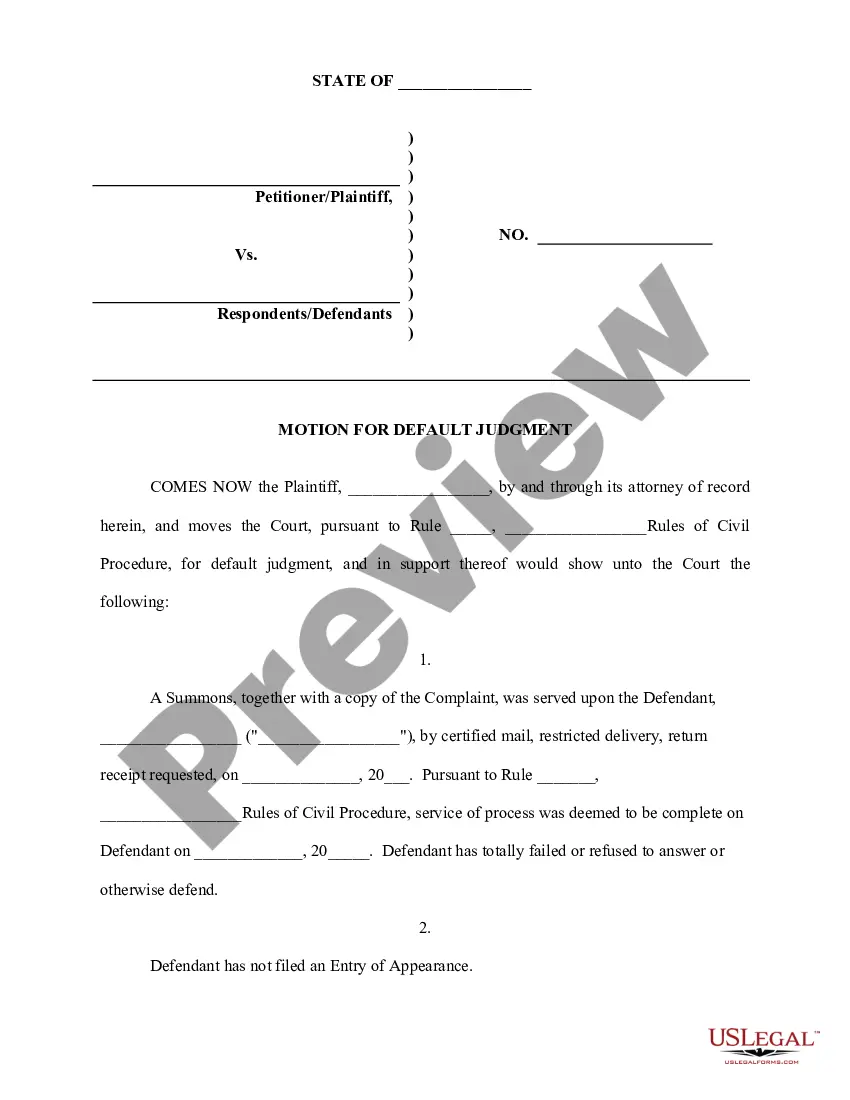
Get your form ready online
Our built-in tools help you complete, sign, share, and store your documents in one place.
Make edits, fill in missing information, and update formatting in US Legal Forms—just like you would in MS Word.
Download a copy, print it, send it by email, or mail it via USPS—whatever works best for your next step.
Sign and collect signatures with our SignNow integration. Send to multiple recipients, set reminders, and more. Go Premium to unlock E-Sign.
If this form requires notarization, complete it online through a secure video call—no need to meet a notary in person or wait for an appointment.
We protect your documents and personal data by following strict security and privacy standards.

Make edits, fill in missing information, and update formatting in US Legal Forms—just like you would in MS Word.

Download a copy, print it, send it by email, or mail it via USPS—whatever works best for your next step.

Sign and collect signatures with our SignNow integration. Send to multiple recipients, set reminders, and more. Go Premium to unlock E-Sign.

If this form requires notarization, complete it online through a secure video call—no need to meet a notary in person or wait for an appointment.

We protect your documents and personal data by following strict security and privacy standards.
Looking for another form?
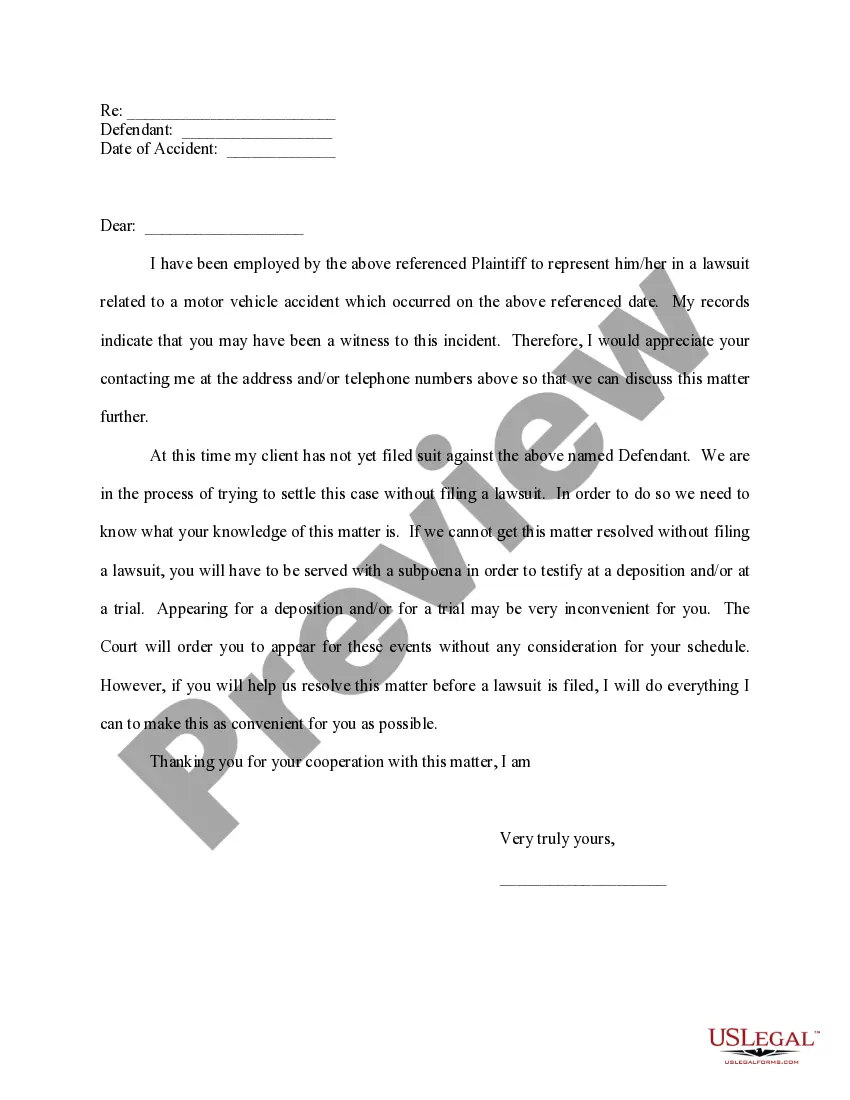
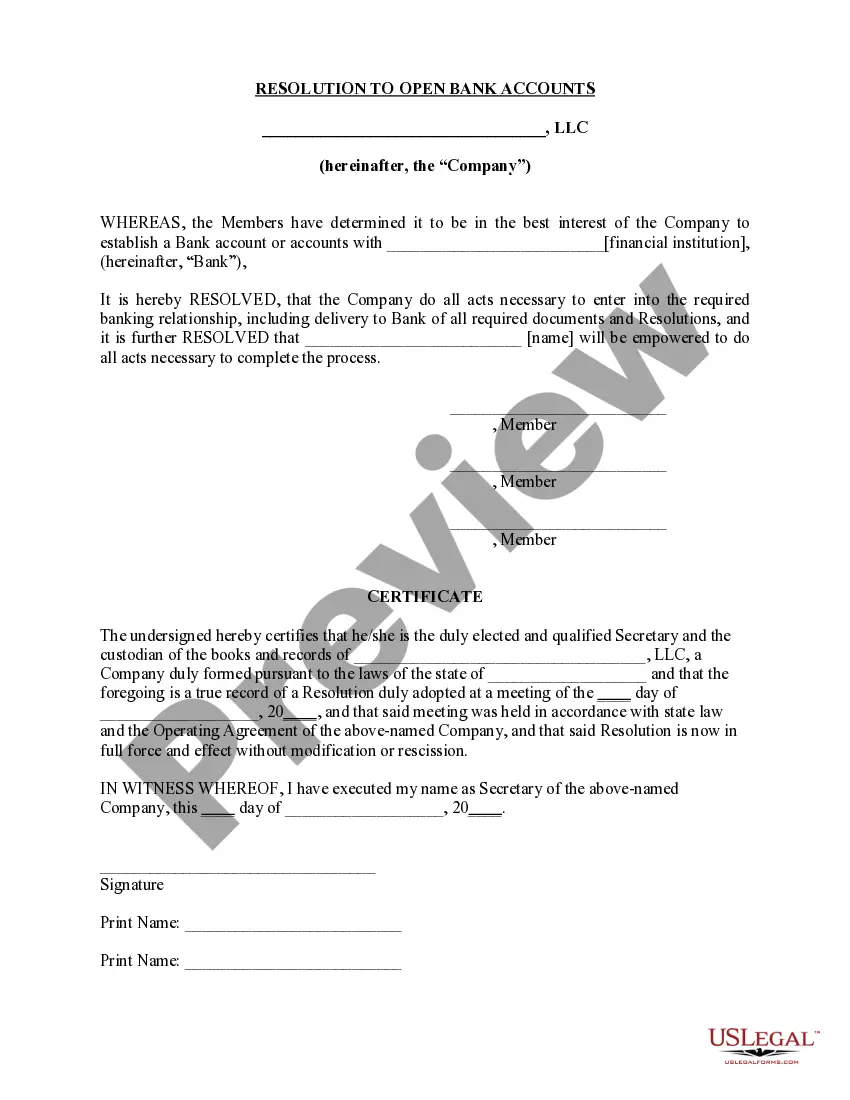
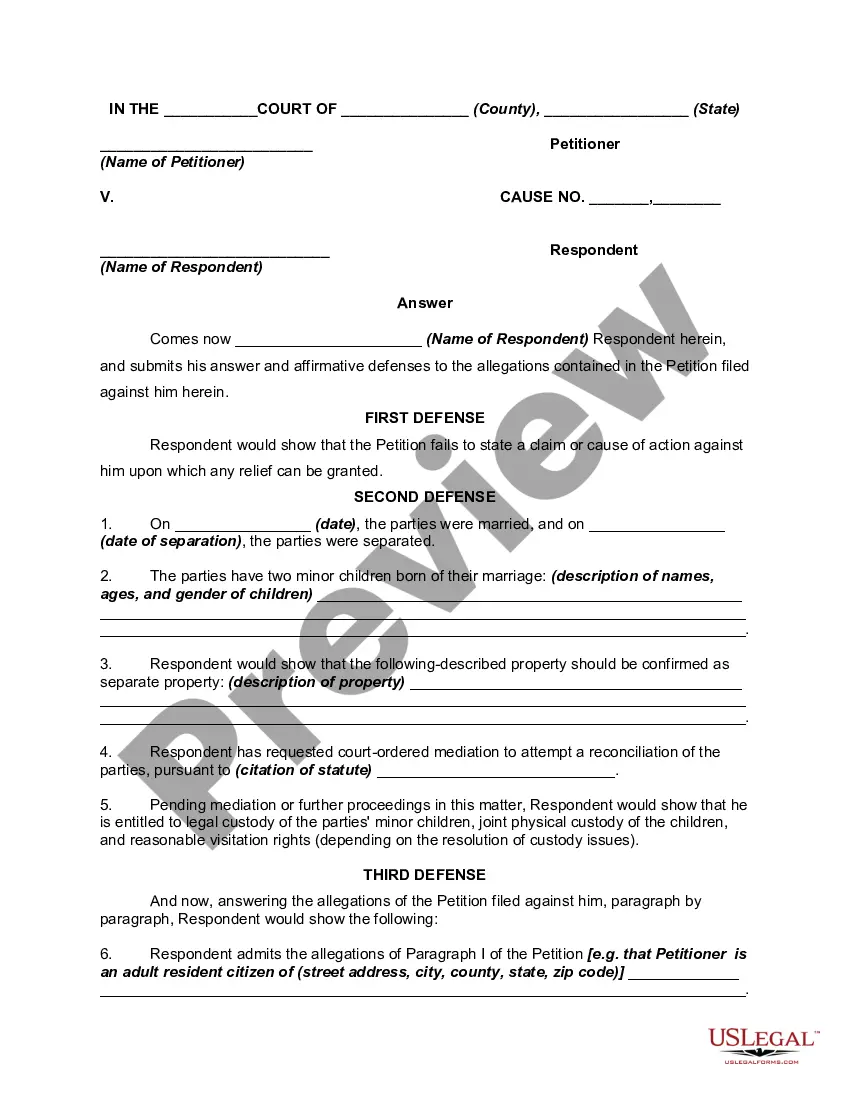

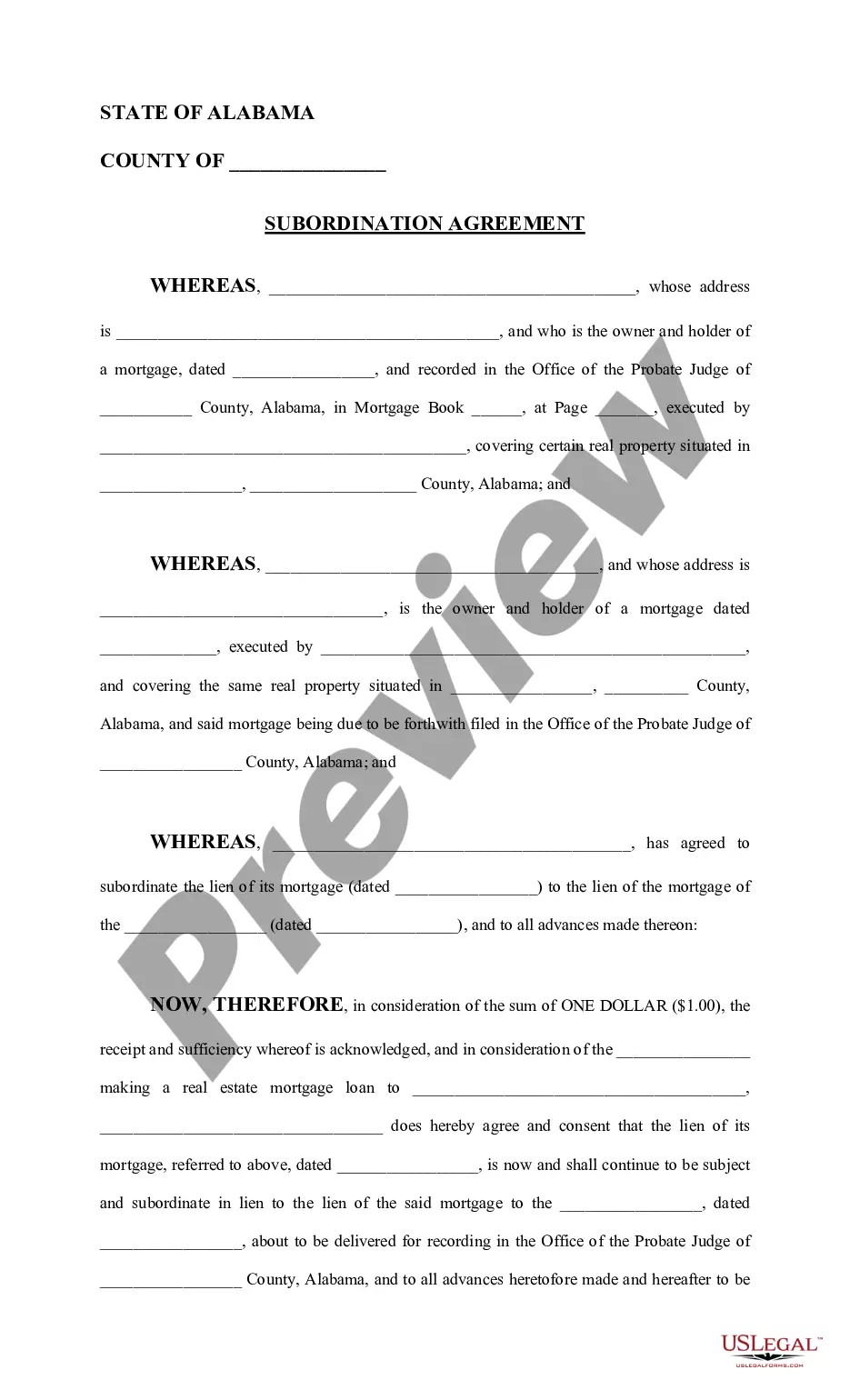
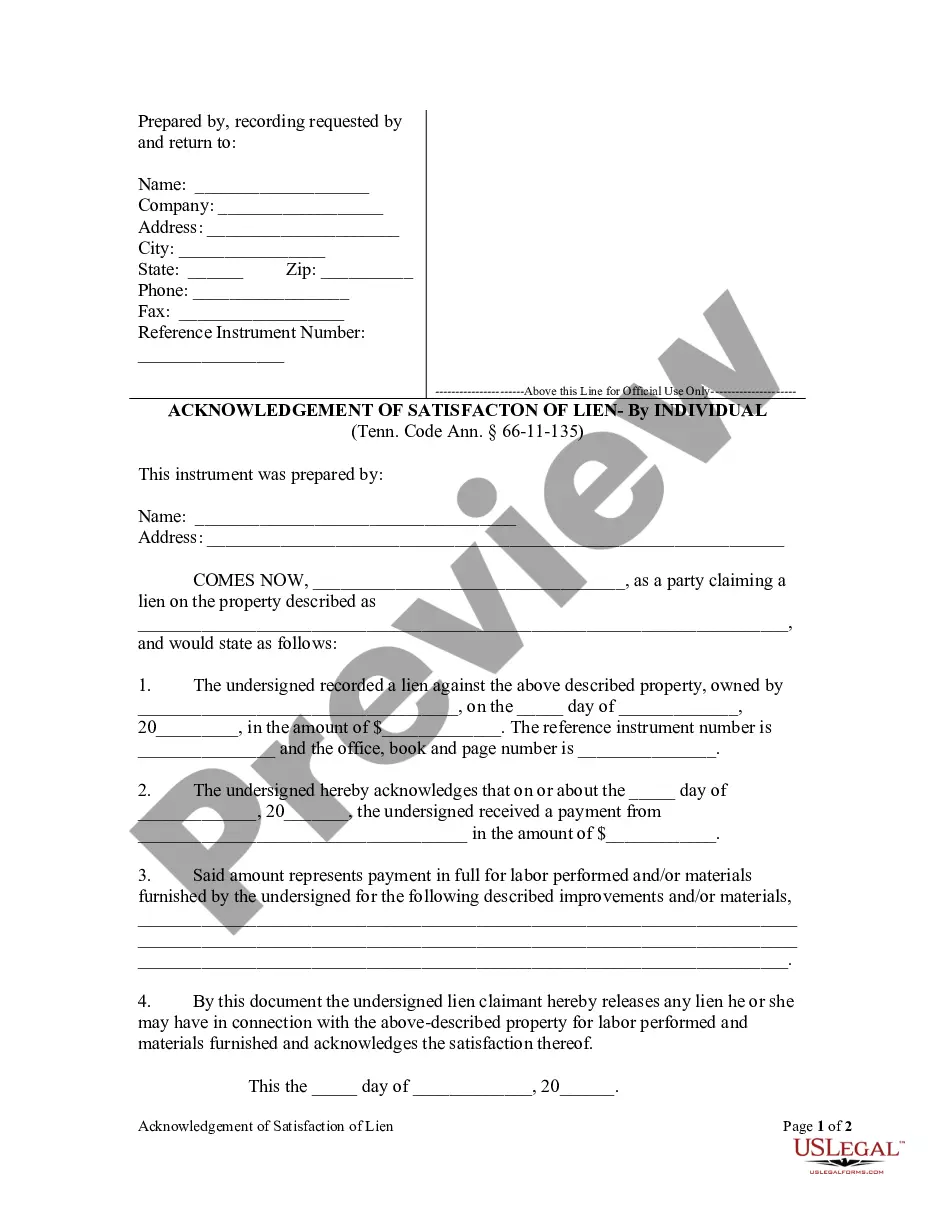
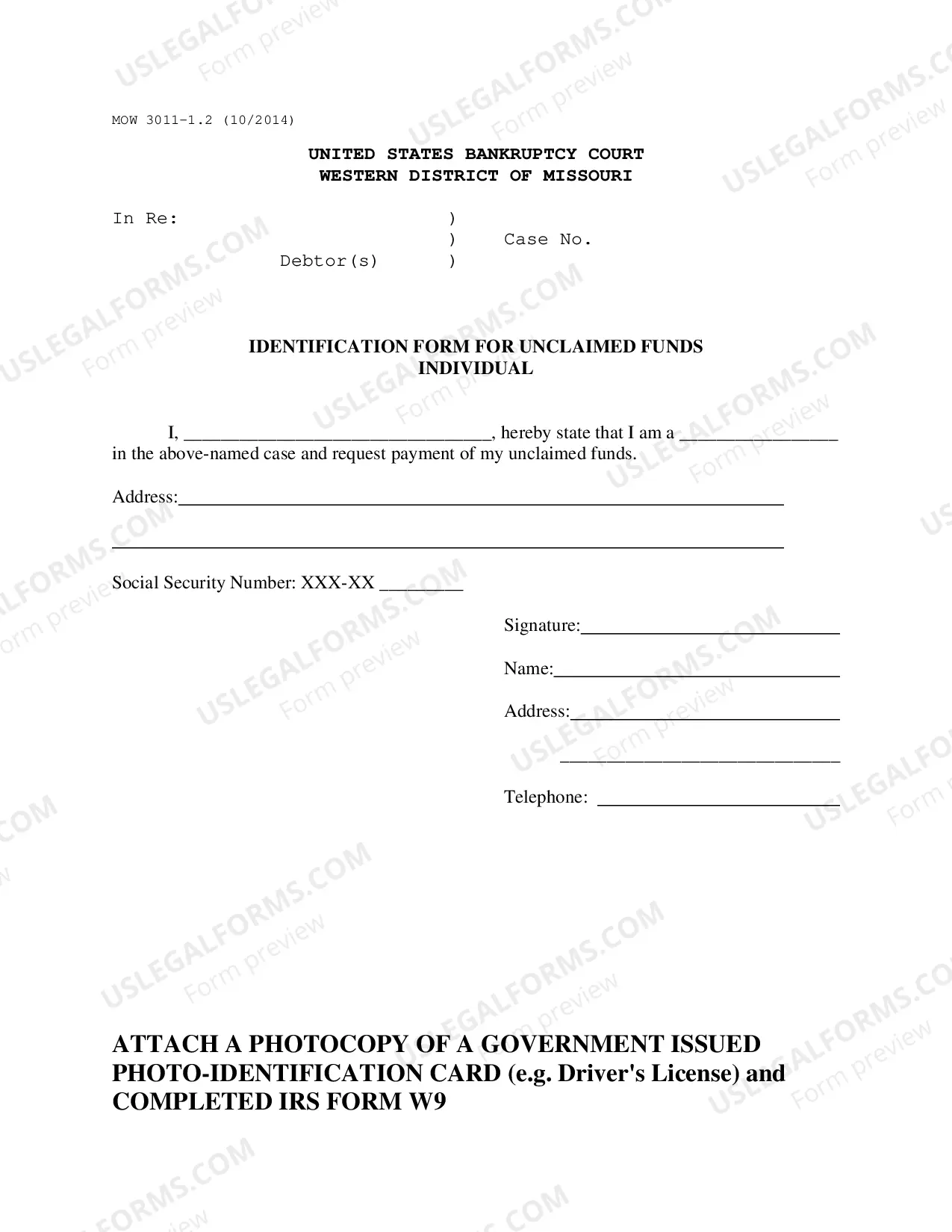
How to fill out Application For Entry Of Default - Affidavit - Motion - Entry Of Default - Default Judgment?
Managing legal documents and procedures can be a lengthy addition to your entire day.
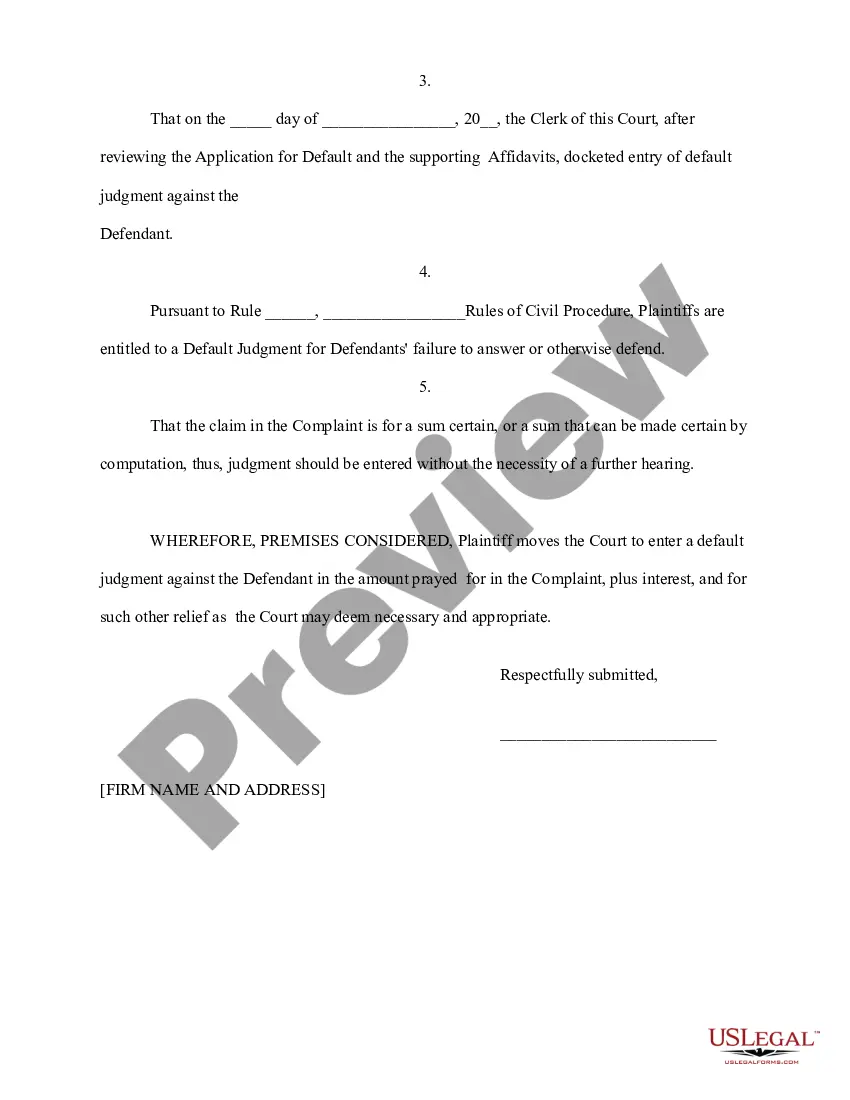
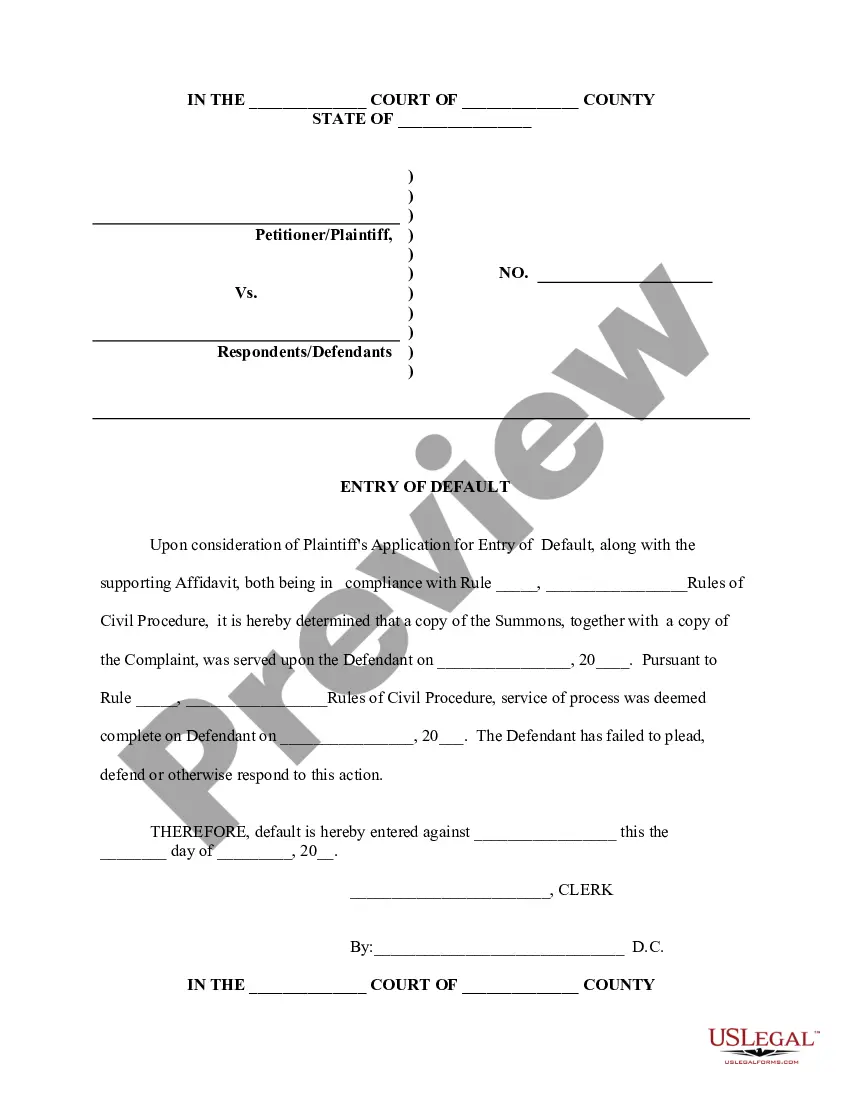
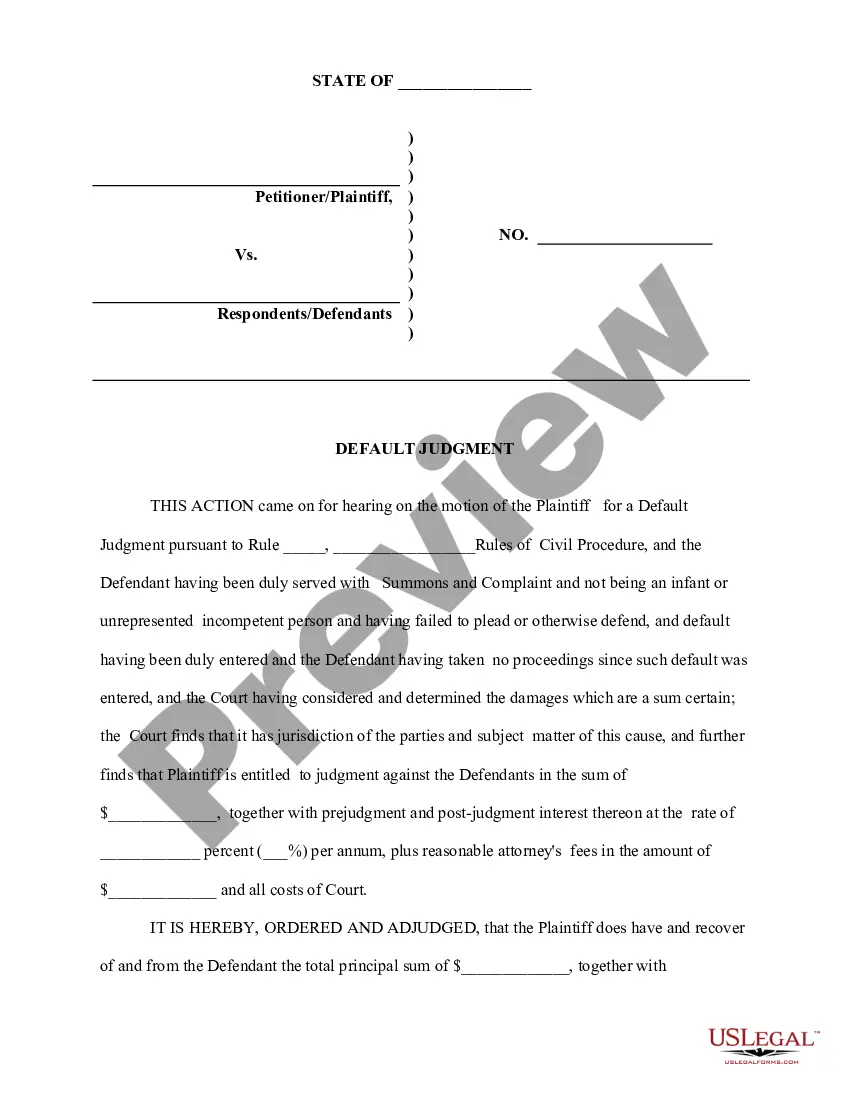
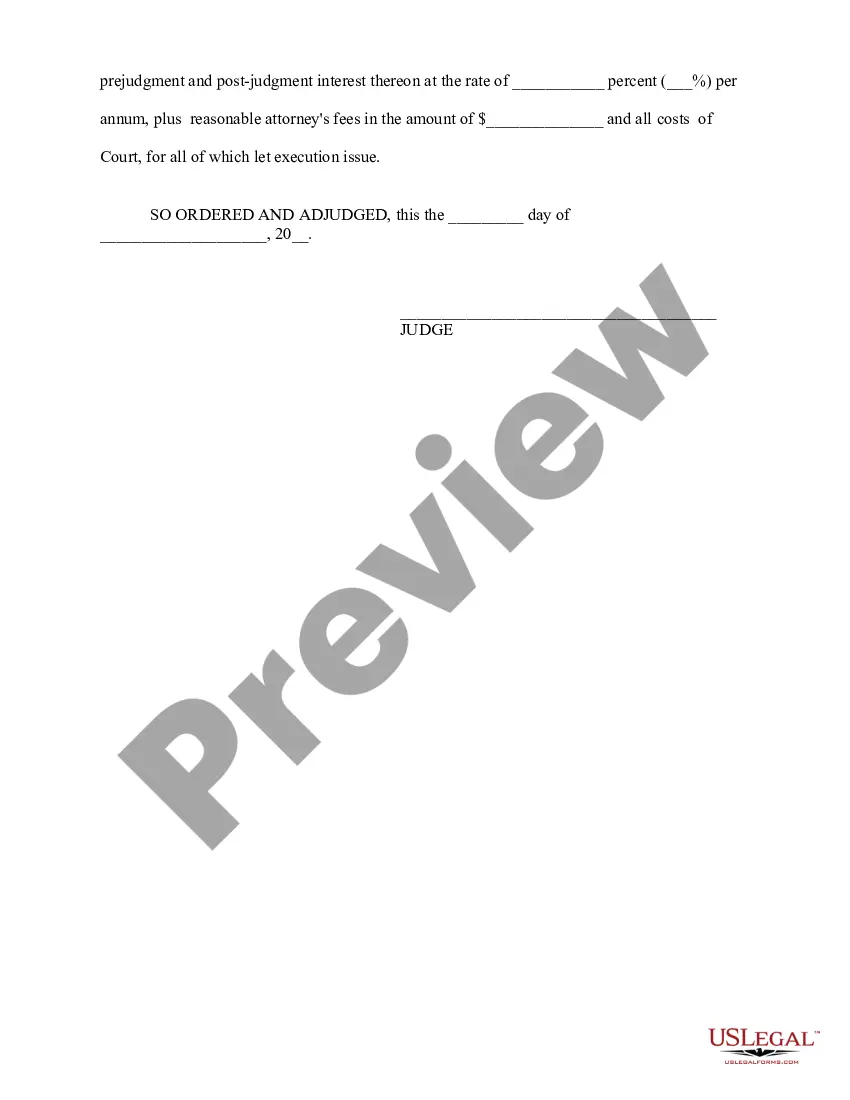
Default Judgment In Texas Child Custody and similar forms typically necessitate that you locate them and figure out how to fill them out correctly.
Consequently, whether you are handling financial, legal, or personal issues, possessing a comprehensive and accessible online directory of forms at your disposal will significantly help.
US Legal Forms is the premier online platform for legal templates, boasting over 85,000 state-specific documents and various resources to assist you in completing your paperwork swiftly.
Is this your first time using US Legal Forms? Register and create an account in a few minutes, granting you access to the form directory and Default Judgment In Texas Child Custody. Next, follow the steps below to finalize your form: Ensure you have the correct document by utilizing the Review option and examining the form details. Select Buy Now when ready, and choose the monthly subscription plan that suits your requirements. Click Download, then fill out, eSign, and print the document. US Legal Forms has a quarter-century of experience assisting users with their legal documents. Locate the form you require today and streamline any process effortlessly.
- Explore the collection of relevant documents available to you with just one click.
- US Legal Forms provides you with state- and county-specific forms available for download at any time.
- Safeguard your document management tasks with a top-quality service that enables you to prepare any form in just a few minutes without additional or hidden fees.
- Simply Log In to your account, search for Default Judgment In Texas Child Custody and obtain it instantly from the My documents section.
- You can also retrieve previously saved forms.
Form popularity
FAQ
Under Texas law (Texas Family Code § 157.115), a court may render a default judgment in a divorce case if the party in question has been properly served and he or she fails to appear in court or otherwise properly respond to the divorce petition.
If they don't answer, the Texas Family Court can grant a default judgment and finalize the divorce without their say in the matter. A default judgment means the divorce will be finalized without the other party's input regarding asset division, child custody, child support, spousal support, and other important issues.
The plaintiff should make a written request for the clerk to enter a default judgment, and provide the clerk with an affidavit of the amount owed by the defendant and a proposed clerk's default judgment. Internal Procedures: All documents are forwarded to the docket clerk for processing within 24 hours.
Generally, a Motion to Set Aside a Default Judgment and Notice of Hearing must be filed within 30 days of the date the default judgment was signed by the judge. Lastly, if you were served notice of the default judgment by publication, you have two years from the date of the default judgment to ask for a new trial.
?Default? means you have the other parent (or other respondent) served with the initial court papers and he or she does not file an answer with the court. If the other parent (or other respondent) is served and defaults, you can finish the case without them.