Guardian Name With
Description

Get your form ready online
Our built-in tools help you complete, sign, share, and store your documents in one place.
Make edits, fill in missing information, and update formatting in US Legal Forms—just like you would in MS Word.
Download a copy, print it, send it by email, or mail it via USPS—whatever works best for your next step.
Sign and collect signatures with our SignNow integration. Send to multiple recipients, set reminders, and more. Go Premium to unlock E-Sign.
If this form requires notarization, complete it online through a secure video call—no need to meet a notary in person or wait for an appointment.
We protect your documents and personal data by following strict security and privacy standards.

Make edits, fill in missing information, and update formatting in US Legal Forms—just like you would in MS Word.

Download a copy, print it, send it by email, or mail it via USPS—whatever works best for your next step.

Sign and collect signatures with our SignNow integration. Send to multiple recipients, set reminders, and more. Go Premium to unlock E-Sign.

If this form requires notarization, complete it online through a secure video call—no need to meet a notary in person or wait for an appointment.

We protect your documents and personal data by following strict security and privacy standards.
Looking for another form?





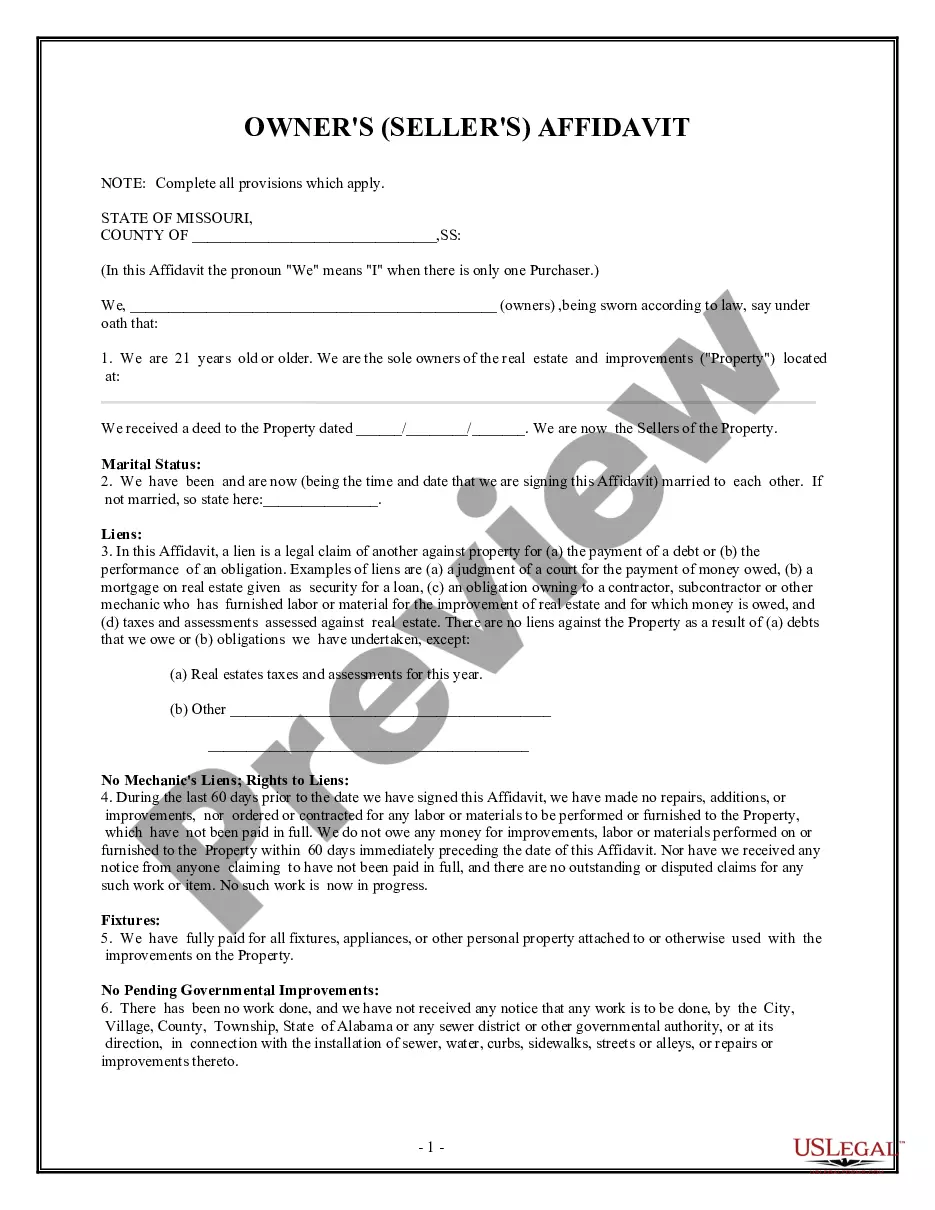


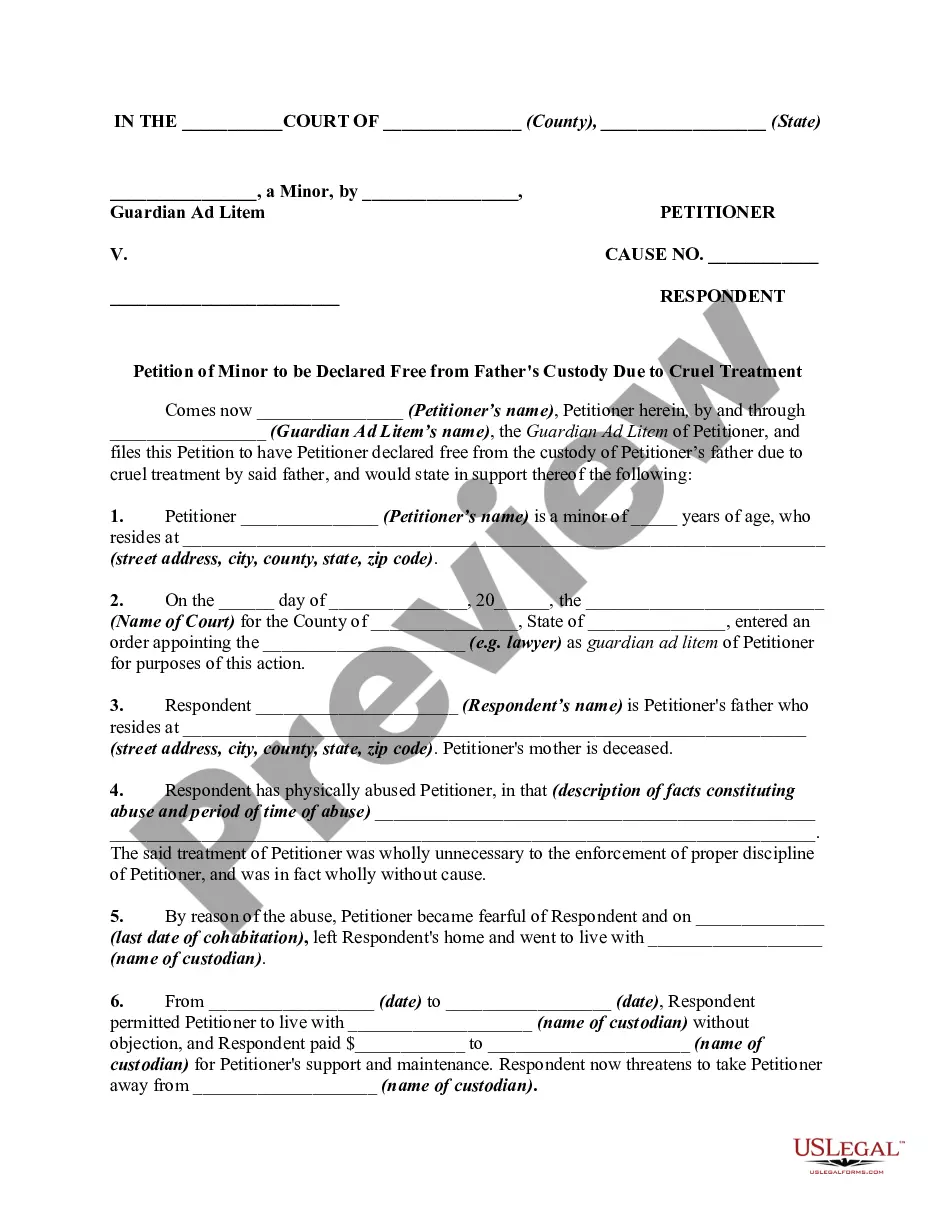
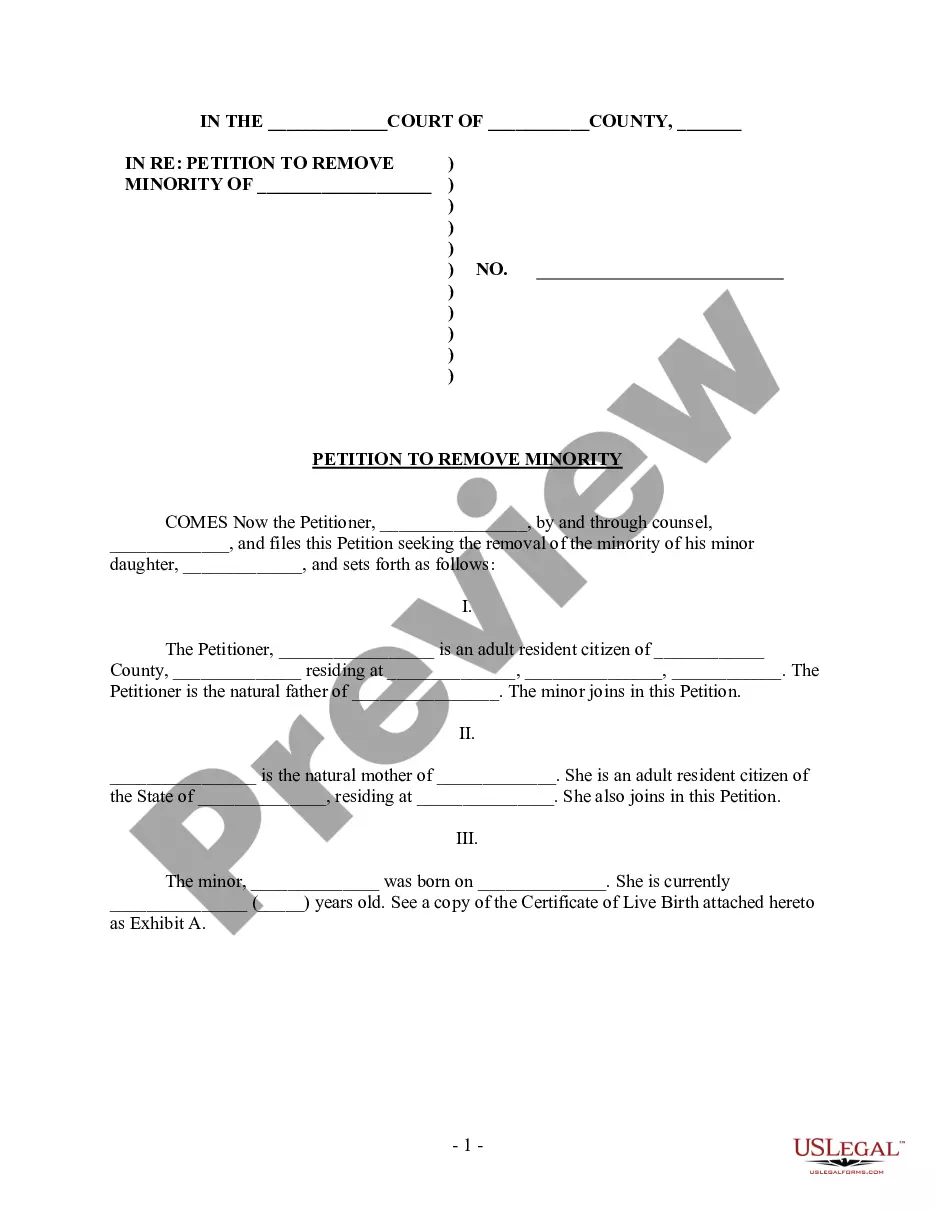
How to fill out Petition Of Minor By Guardian Ad Litem To Be Declared Free From Father's Custody Due To Cruel Treatment - Release Of Parental Rights?
Managing legal documents and processes can be an arduous addition to your entire day.
Guardian Name With and similar forms generally necessitate that you search for them and comprehend how to fill them out accurately.
Thus, whether you are handling financial, legal, or personal issues, possessing a comprehensive and user-friendly online directory of forms readily available will be immensely beneficial.
US Legal Forms is the premier online platform for legal templates, boasting over 85,000 state-specific forms and a variety of resources to assist you in completing your documents swiftly.
Is it your first time using US Legal Forms? Sign up and create your account in just a few moments, and you’ll gain access to the form directory and Guardian Name With. Then, follow the steps below to finalize your form: Ensure you have located the correct form using the Preview option and reviewing the form details. Select Buy Now when ready, and choose the subscription plan that suits your requirements. Click Download and then fill out, sign, and print the form. US Legal Forms has 25 years of expertise helping users manage their legal documents. Acquire the form you need today and enhance any process effortlessly.
- Explore the collection of relevant documents available to you with just one click.
- US Legal Forms offers state- and county-specific forms accessible at any time for download.
- Protect your document management procedures by utilizing a superior service that enables you to create any form within minutes without any additional or concealed charges.
- Simply Log In to your account, find Guardian Name With, and obtain it immediately in the My documents section.
- You can also retrieve previously saved forms.
Form popularity
FAQ
Obtaining guardianship without going to court can be challenging, but it is possible in certain circumstances. You may need to gather the necessary documentation that shows the need for guardianship, including consent from the individual you wish to protect. Utilizing a platform like US Legal Forms can simplify this process, providing you with the right forms and guidance to help you establish a guardian name with the required parties. Always ensure that you follow your state’s specific regulations to avoid complications.
To prove that you are a legal guardian, you should present the official court order that grants you guardianship. This document outlines your responsibilities and the scope of your authority over the individual. Additionally, maintaining records of your interactions and decisions can further substantiate your role and demonstrate your commitment to acting in the best interest of the person you are responsible for.
In Arkansas, the requirements for guardianship include being at least 18 years old, having no felony convictions, and being able to demonstrate the ability to care for the individual. You must also file a petition detailing the individual's needs and your qualifications as a guardian. The court will assess these factors and decide whether guardianship is appropriate.
To prove guardianship, you will need to present court documents that validate your status as the guardian. This may include the original guardianship order, any modifications, and evidence of your compliance with the court's requirements. It is essential to keep these documents organized and accessible, as they serve as proof of your authority and responsibilities.
Yes, a guardianship letter typically needs to be notarized to ensure its legal validity. Notarization confirms the identities of the individuals involved and the authenticity of the signatures. This step is crucial in establishing a strong legal foundation for your guardianship arrangements, as it can help prevent disputes in the future.
Being a legal guardian can come with several challenges. It often requires a significant time commitment and emotional investment, as guardians must navigate complex decisions regarding the individual's care and well-being. Financial responsibilities may also arise, especially if the individual does not have sufficient resources. Furthermore, guardians may face legal liabilities if they fail to act in the best interest of those they are responsible for.
Several factors can disqualify a person from becoming a guardian. A history of criminal activity, substance abuse issues, or a demonstrated inability to manage finances can all impact eligibility. Moreover, if the potential guardian has conflicts of interest or does not prioritize the individual's welfare, the court may reject their application.
In Arkansas, obtaining guardianship requires filing a petition in court, providing evidence of the individual's incapacity, and demonstrating that guardianship serves the individual's best interests. The court will assess the proposed guardian's ability to fulfill their responsibilities. Additionally, background checks and evaluations may be mandated to ensure a suitable match for the individual needing care.
The three types of guardians include guardians of the person, guardians of the estate, and limited guardians. A guardian of the person makes decisions regarding the individual's personal needs, such as healthcare and living arrangements. Conversely, a guardian of the estate manages the financial aspects and assets of the individual. Limited guardianship allows for specific decisions to be made, focusing on particular areas rather than overall control.