Trial Criminal Statement Without Witnesses
Description
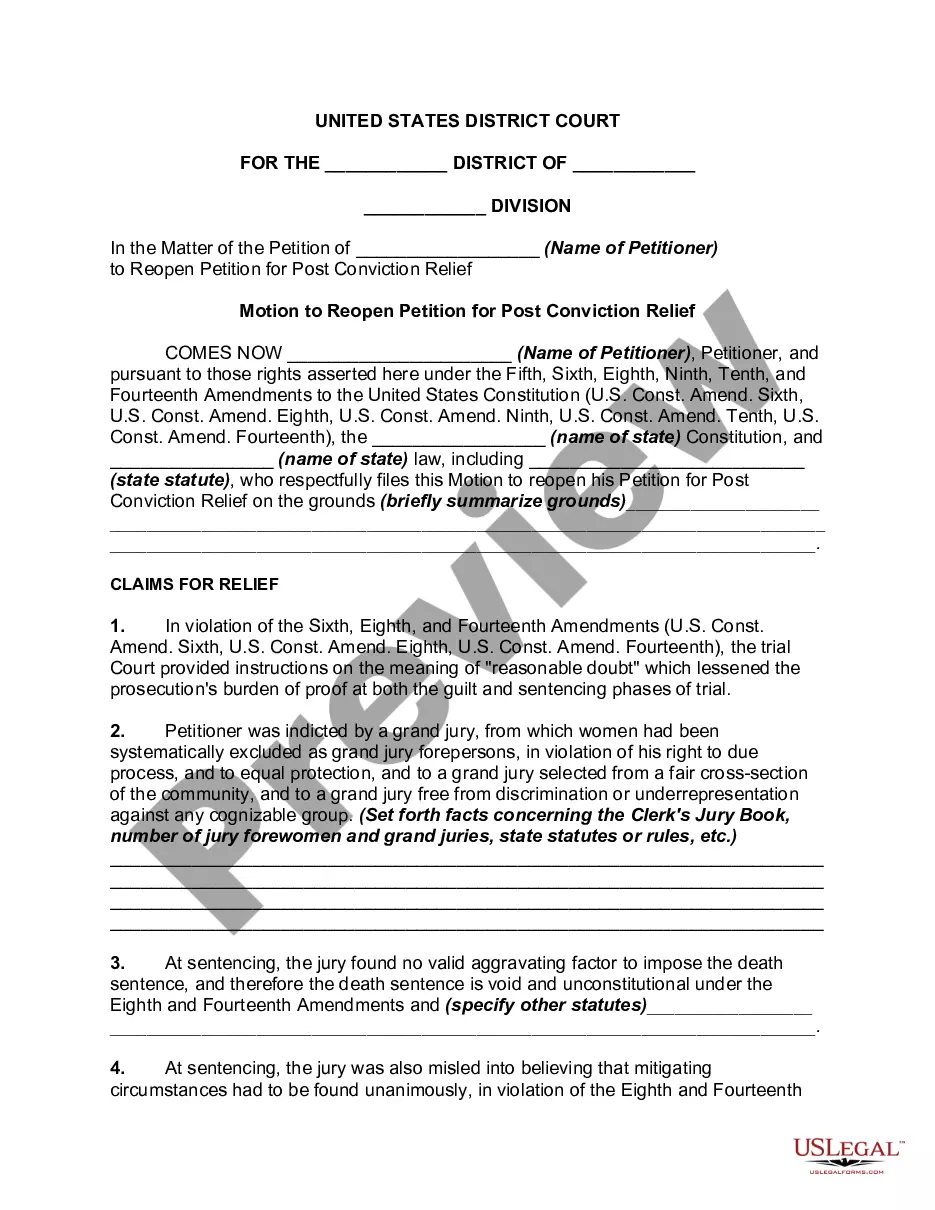
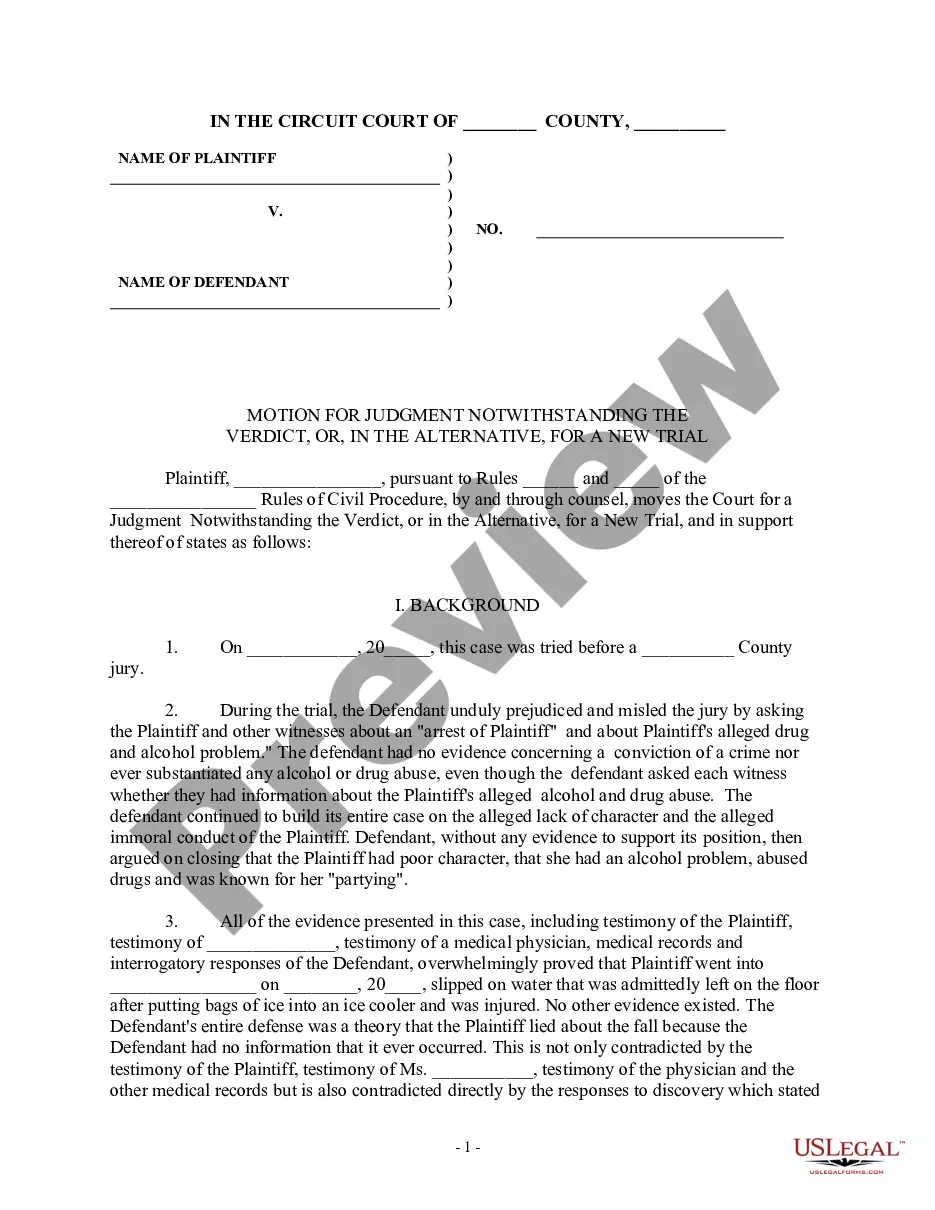
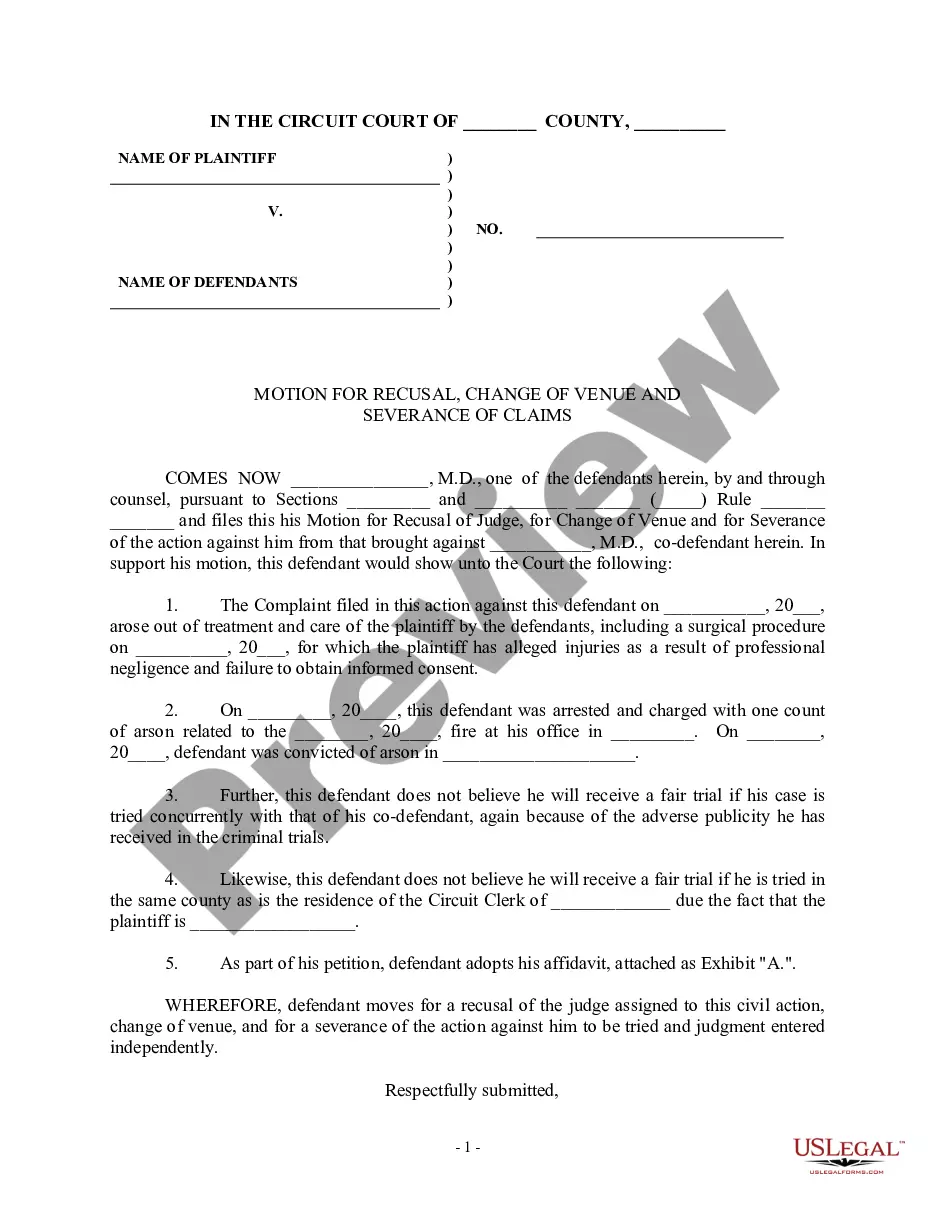
Get your form ready online
Our built-in tools help you complete, sign, share, and store your documents in one place.
Make edits, fill in missing information, and update formatting in US Legal Forms—just like you would in MS Word.
Download a copy, print it, send it by email, or mail it via USPS—whatever works best for your next step.
Sign and collect signatures with our SignNow integration. Send to multiple recipients, set reminders, and more. Go Premium to unlock E-Sign.
If this form requires notarization, complete it online through a secure video call—no need to meet a notary in person or wait for an appointment.
We protect your documents and personal data by following strict security and privacy standards.

Make edits, fill in missing information, and update formatting in US Legal Forms—just like you would in MS Word.

Download a copy, print it, send it by email, or mail it via USPS—whatever works best for your next step.

Sign and collect signatures with our SignNow integration. Send to multiple recipients, set reminders, and more. Go Premium to unlock E-Sign.

If this form requires notarization, complete it online through a secure video call—no need to meet a notary in person or wait for an appointment.

We protect your documents and personal data by following strict security and privacy standards.
Looking for another form?

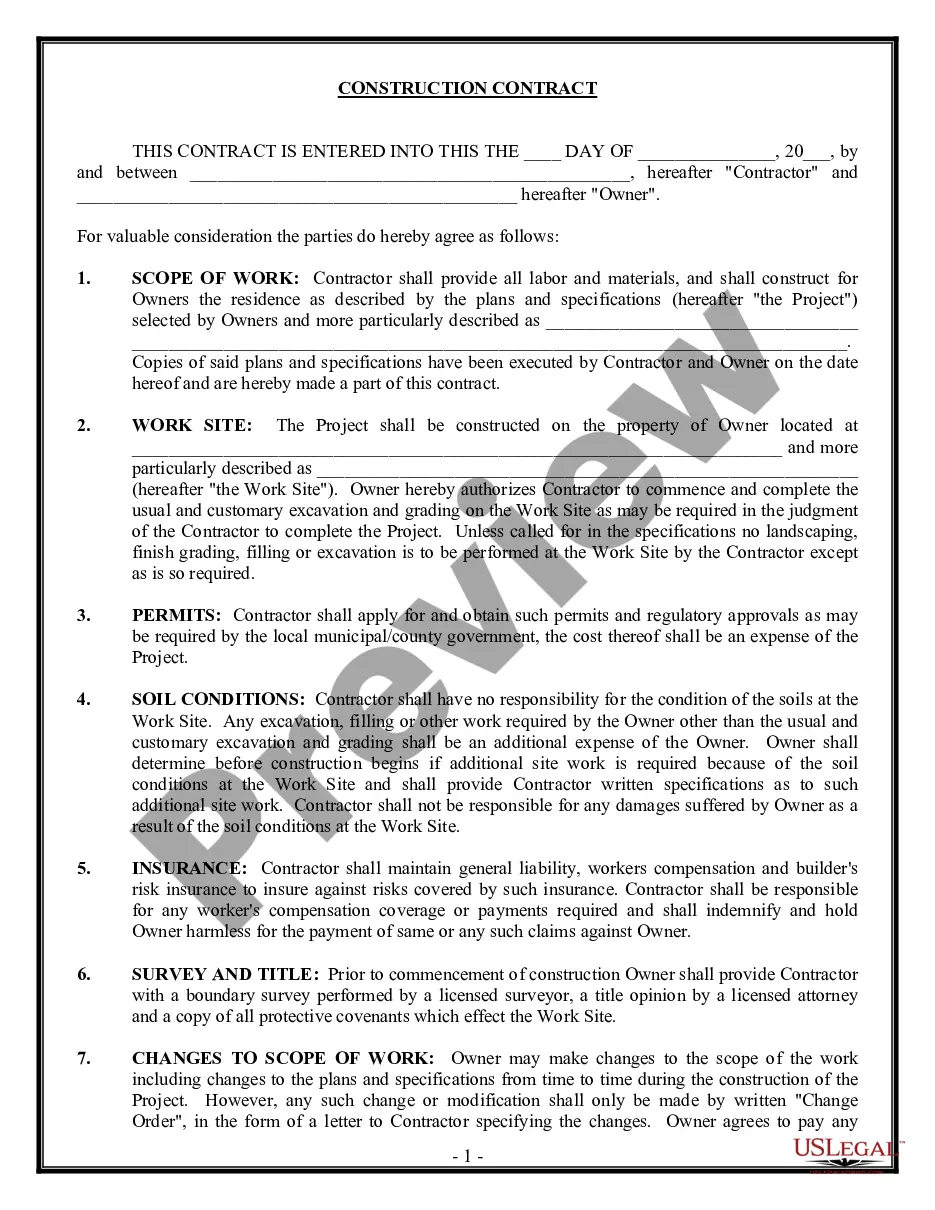
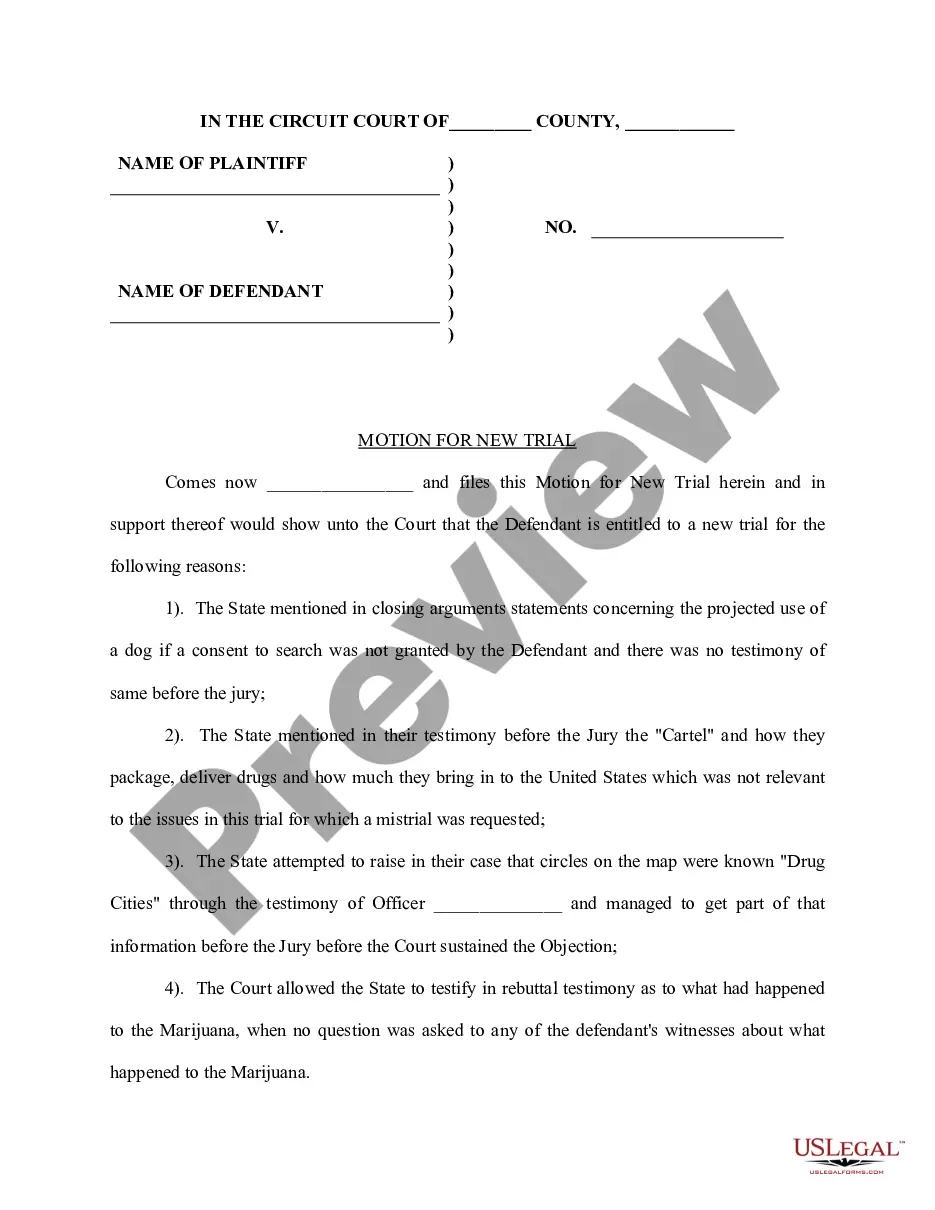
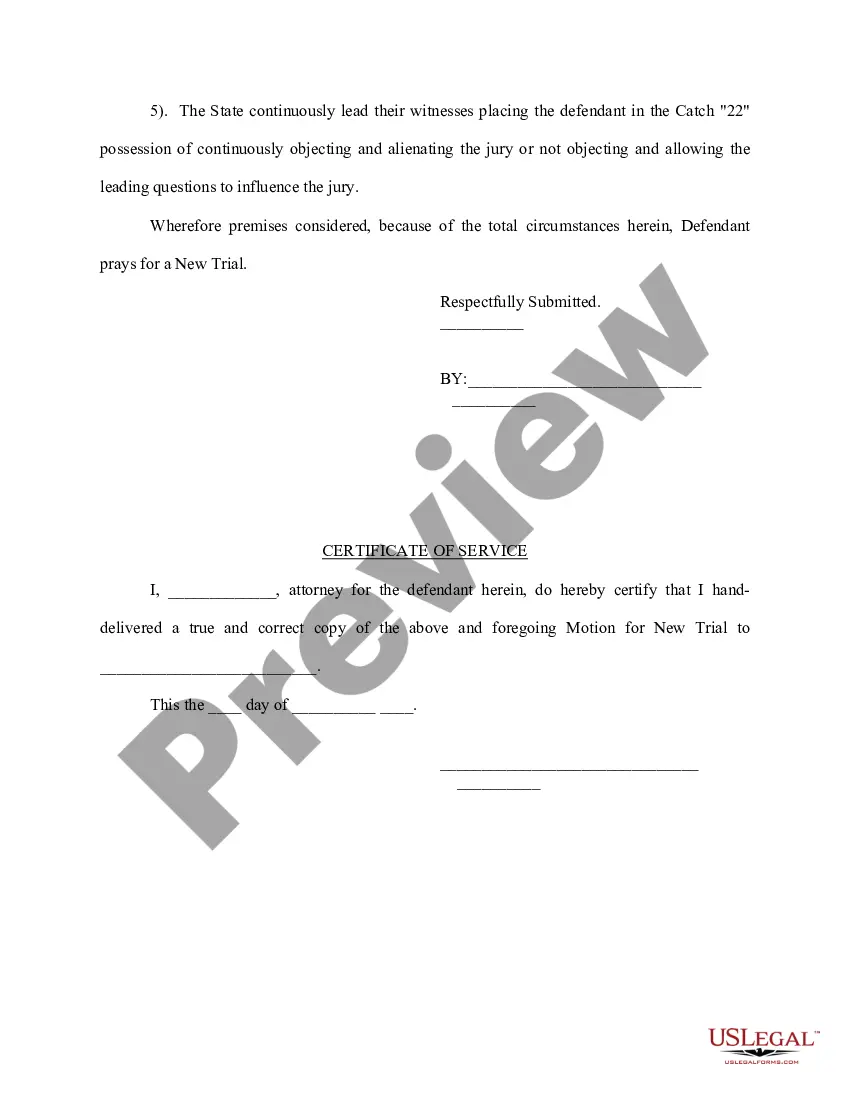
How to fill out Motion For New Trial?
Regardless of whether it is for corporate reasons or personal issues, everyone must confront legal matters at some point in their lives. Finalizing legal documentation necessitates meticulous focus, starting from selecting the correct form template. For example, if you choose an incorrect version of the Trial Criminal Statement Without Witnesses, it will be denied upon submission. Thus, it is essential to have a trustworthy source for legal documents such as US Legal Forms.
If you need to acquire a Trial Criminal Statement Without Witnesses template, adhere to these straightforward steps.
With an extensive US Legal Forms catalog available, you do not need to waste time searching for the correct template across the web. Use the library’s straightforward navigation to discover the suitable template for any situation.
- Locate the template you require using the search bar or catalog browsing.
- Review the form’s description to ensure it corresponds with your situation, state, and area.
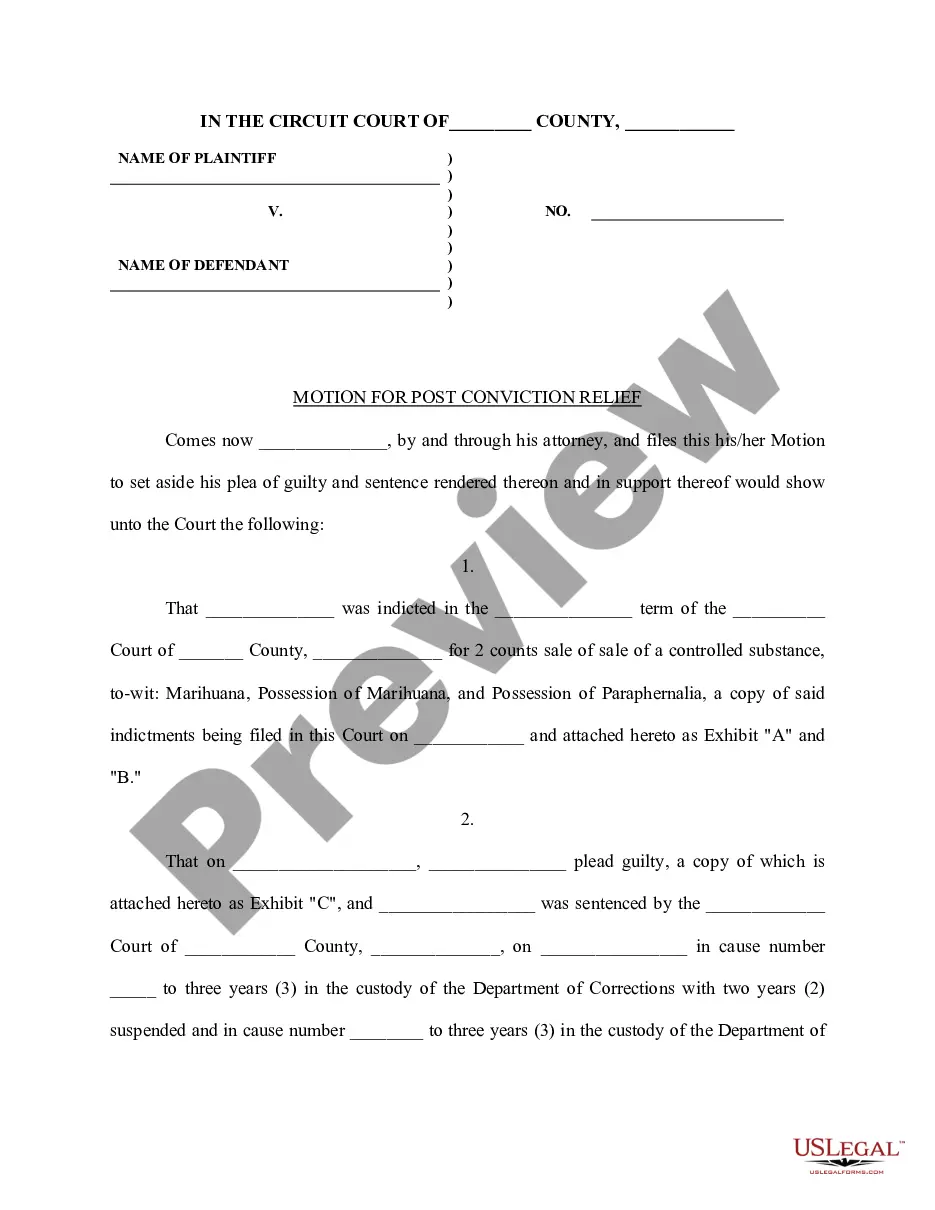
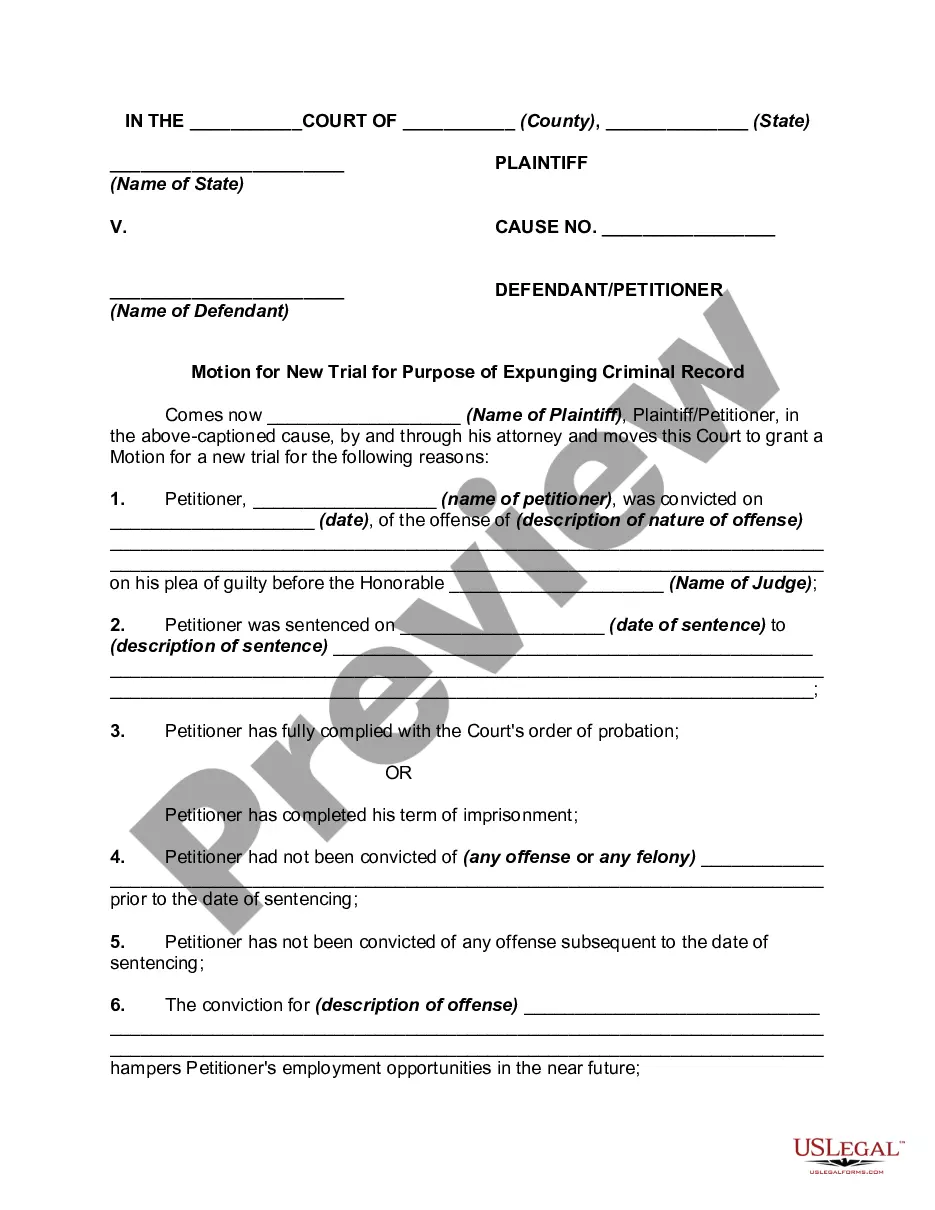
- Click on the form’s preview to inspect it.
- If it is not the correct form, return to the search feature to locate the Trial Criminal Statement Without Witnesses template you need.
- Obtain the file if it aligns with your requirements.
- If you already possess a US Legal Forms account, simply click Log in to access previously saved documents in My documents.
- If you do not have an account yet, you can acquire the form by clicking Buy now.
- Choose the suitable pricing option.
- Fill out the account registration form.
- Select your payment method: use a credit card or PayPal account.
- Choose the file format you desire and download the Trial Criminal Statement Without Witnesses.
- Once it is downloaded, you can fill out the form using editing software or print it and complete it by hand.
Form popularity
FAQ
Wait for the judge to tell you to continue before answering any further. Give positive, definite answers when at all possible. Avoid saying, ?I think,? ?I believe,? or ?In my opinion? if you can answer positively. If you do know, then say so.
Prosecutors and defense attorneys generally have considerable latitude in what they're allowed to say in opening statement. That said, they're not allowed to "argue" (argument is saved for closing), nor are they allow to refer to inadmissible evidence or facts they don't intend to or can't prove.
The judge may not wait for a witness who has not been subpoenaed to show up before making a decision. What if the person doesn't comply with the subpoena? If the person doesn't come to court, they can be held in contempt of court and ordered to pay up to $500 in fines.
What NOT to Say while Testifying Don't lie. This seems to be common sense, but it has to be said. ... Don't guess. If you don't know the answer, say so. ... Don't talk about your character. ... Don't call other witnesses liars.
Rule 615 of the Federal Rules of Evidence (FRE) provides: ?At the request of a party, the court shall order witnesses excluded so that they cannot hear the testimony of other witnesses, and it may make the order of its own motion.? The rule provides three exceptions: (1) a party who is a natural person, (2) an officer ...