Trial Criminal Sample For Non Profit Organization
Description
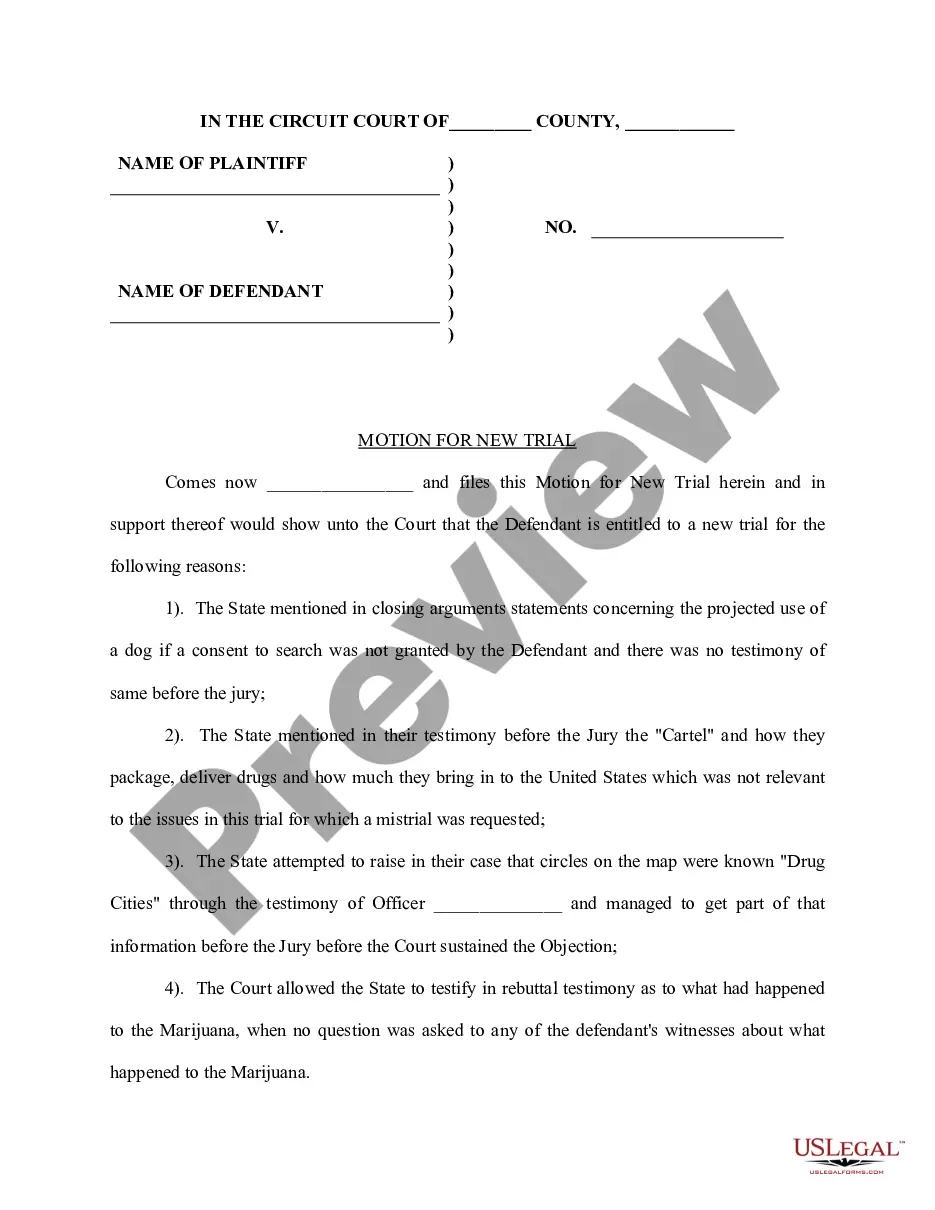
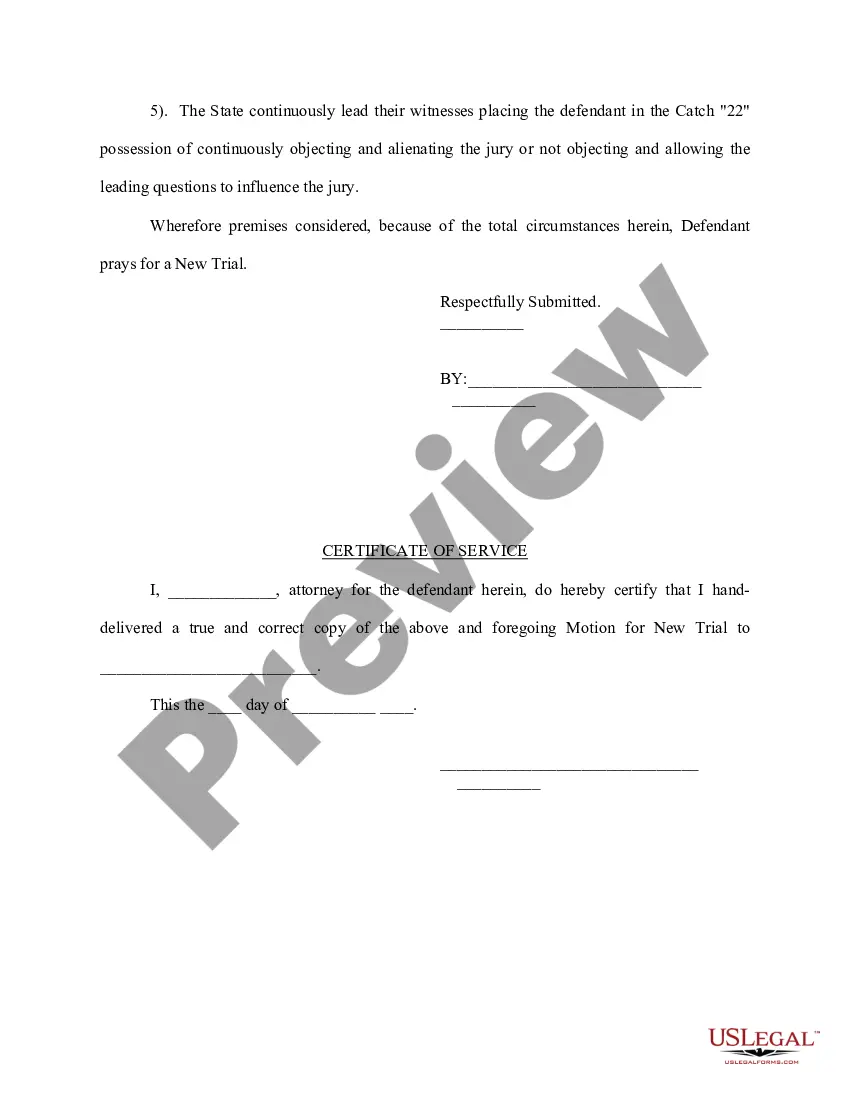
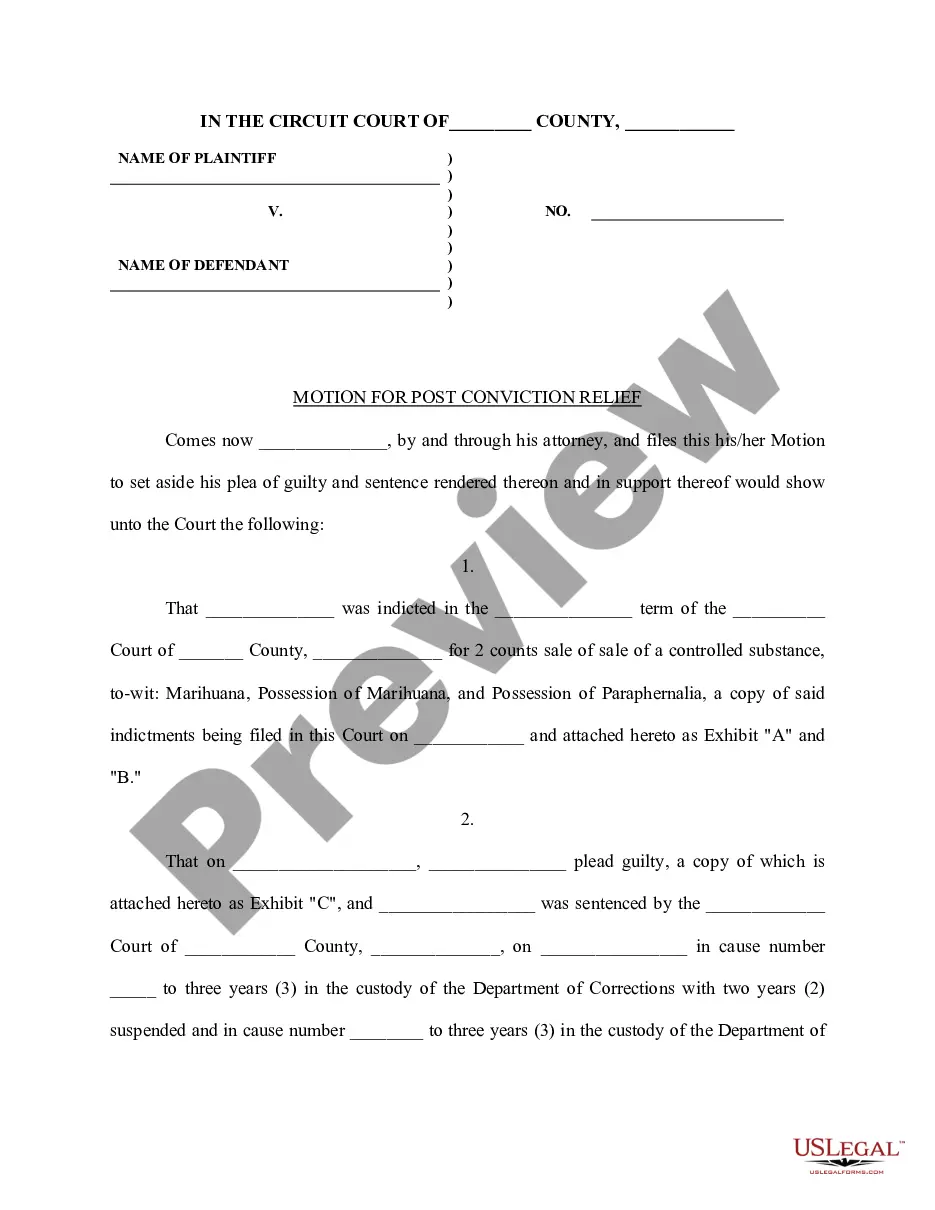
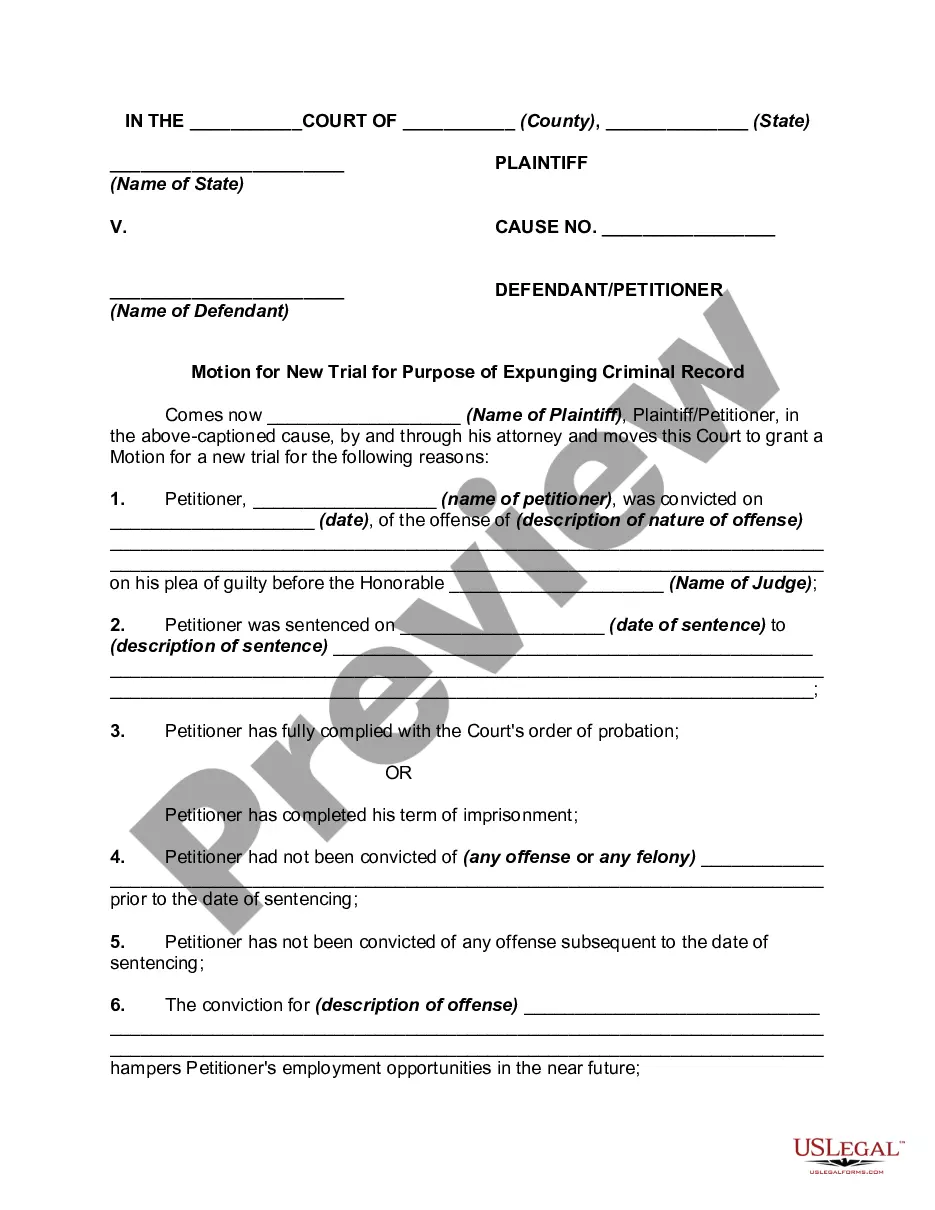
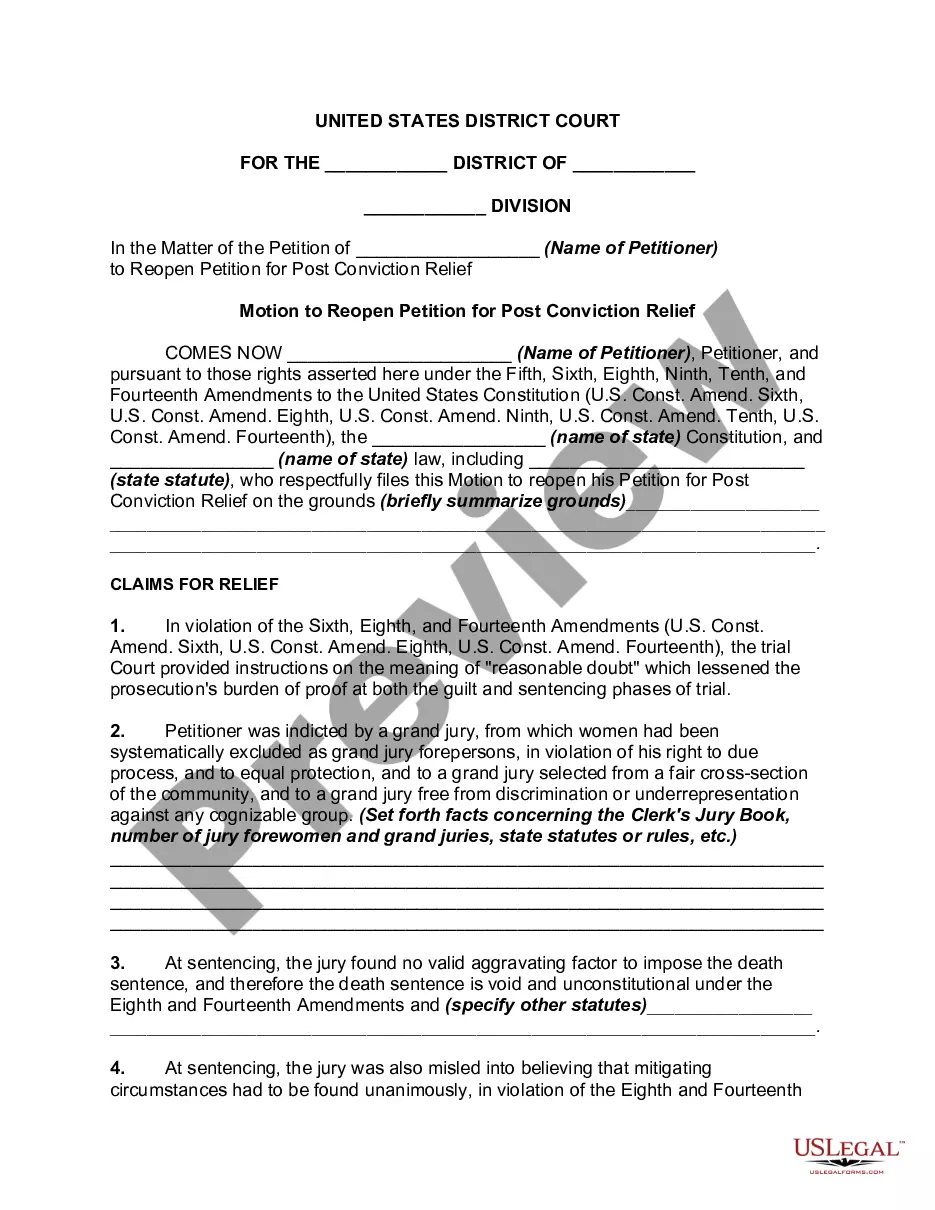
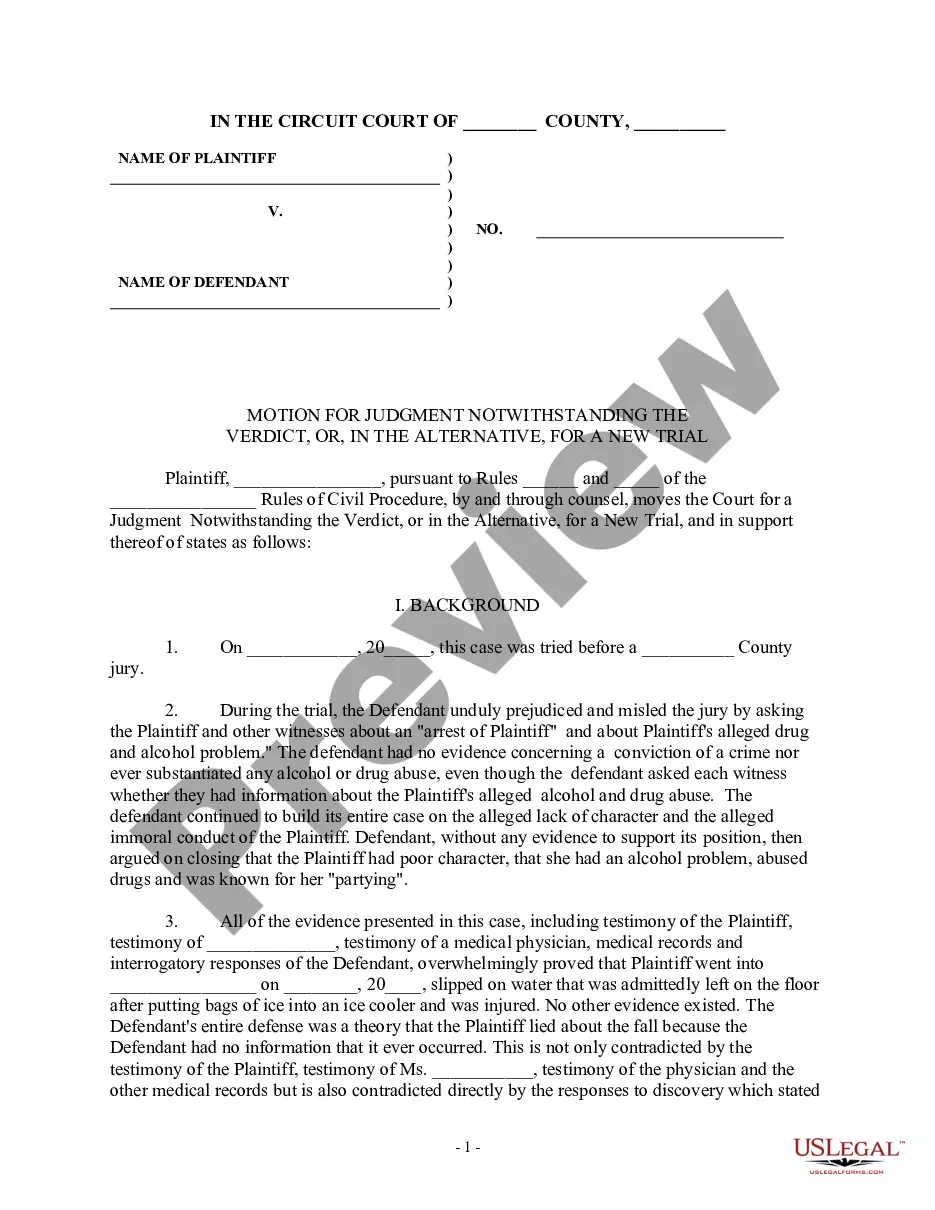
Get your form ready online
Our built-in tools help you complete, sign, share, and store your documents in one place.
Make edits, fill in missing information, and update formatting in US Legal Forms—just like you would in MS Word.
Download a copy, print it, send it by email, or mail it via USPS—whatever works best for your next step.
Sign and collect signatures with our SignNow integration. Send to multiple recipients, set reminders, and more. Go Premium to unlock E-Sign.
If this form requires notarization, complete it online through a secure video call—no need to meet a notary in person or wait for an appointment.
We protect your documents and personal data by following strict security and privacy standards.

Make edits, fill in missing information, and update formatting in US Legal Forms—just like you would in MS Word.

Download a copy, print it, send it by email, or mail it via USPS—whatever works best for your next step.

Sign and collect signatures with our SignNow integration. Send to multiple recipients, set reminders, and more. Go Premium to unlock E-Sign.

If this form requires notarization, complete it online through a secure video call—no need to meet a notary in person or wait for an appointment.

We protect your documents and personal data by following strict security and privacy standards.
Looking for another form?


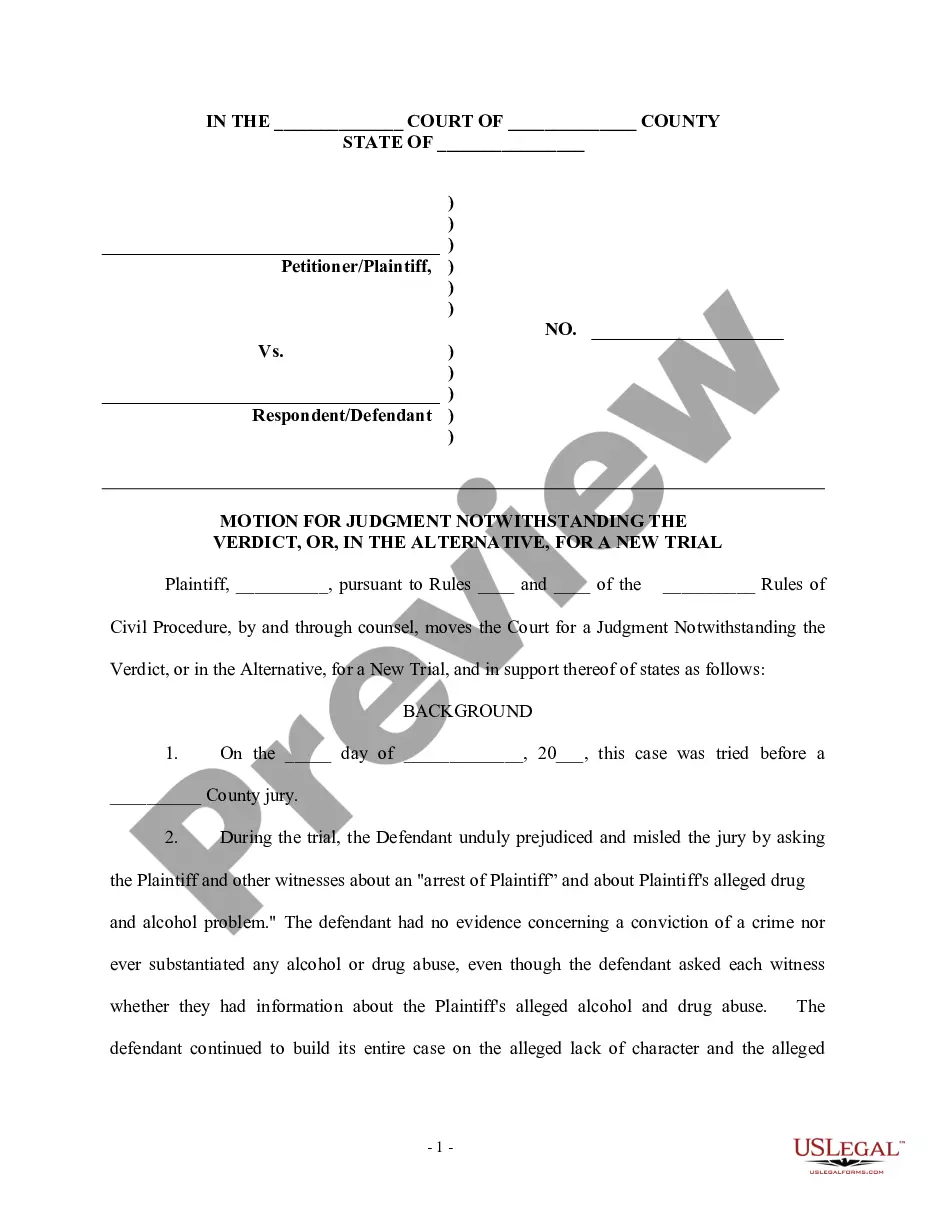



How to fill out Motion For New Trial?
Engaging with legal documents and protocols can be a lengthy addition to your day.
Trial Criminal Sample For Non Profit Organization and similar forms usually require you to locate them and comprehend the most effective way to fill them out accurately.
Therefore, if you are managing financial, legal, or personal affairs, possessing a comprehensive and useful online repository of forms readily available will be extremely beneficial.
US Legal Forms is the leading online resource for legal templates, offering over 85,000 state-specific forms along with various tools to assist you in completing your paperwork rapidly.
Is it your first time using US Legal Forms? Register and create an account in a few minutes to gain access to the form library and Trial Criminal Sample For Non Profit Organization. Then, follow the steps outlined below to complete your form: Ensure that you have located the correct form by utilizing the Preview option and reviewing the form details. Select Buy Now when ready, and choose the subscription plan that suits you best. Click Download, then fill out, eSign, and print the form. US Legal Forms has 25 years of experience helping users manage their legal documentation. Obtain the form you require today and simplify any procedure effortlessly.
- Explore the collection of relevant documents available to you with just one click.
- US Legal Forms offers you state- and county-specific forms available for download at any time.
- Secure your documentation handling procedures with a premium service that enables you to create any form in moments without any extra or hidden fees.
- Simply Log In to your account, locate Trial Criminal Sample For Non Profit Organization and download it instantly from the My documents section.
- You can also access previously saved forms.
Form popularity
FAQ
501(c)3 ? Religious, charitable, scientific, testing for public safety, literary, educational, fostering national or international amateur sports competitions, preventing cruelty to children or animals. 501(c)3 is the most popular nonprofit type.
Nonprofits are granted 501(c)(3) status by the IRS. NFPOs are also governed by IRS tax code section 501(c), but depending on their purpose they could fall under a different section, like section 501(c)(7).
HOW CAN A NONPROFIT LOSE ITS 501(c)(3) STATUS? Failing to file a Form 990 with the IRS. ... Engaging in private benefit or private inurement. ... Lobbying. ... Political campaigning. ... Generating too much Unrelated Business Income. ... Failing to operate in ance with its purpose.
Non-profit organizations include churches, public schools, public charities, public clinics and hospitals, amateur sports organizations, political organizations, legal aid societies, volunteer services, organizations, labor unions, professional associations, research institutes, museums, and some governmental agencies.
The exempt purposes set forth in section 501(c)(3) are charitable, religious, educational, scientific, literary, testing for public safety, fostering national or international amateur sports competition, and preventing cruelty to children or animals.