Motion To Dismiss Texas Sample Withdraw As Counsel
Description
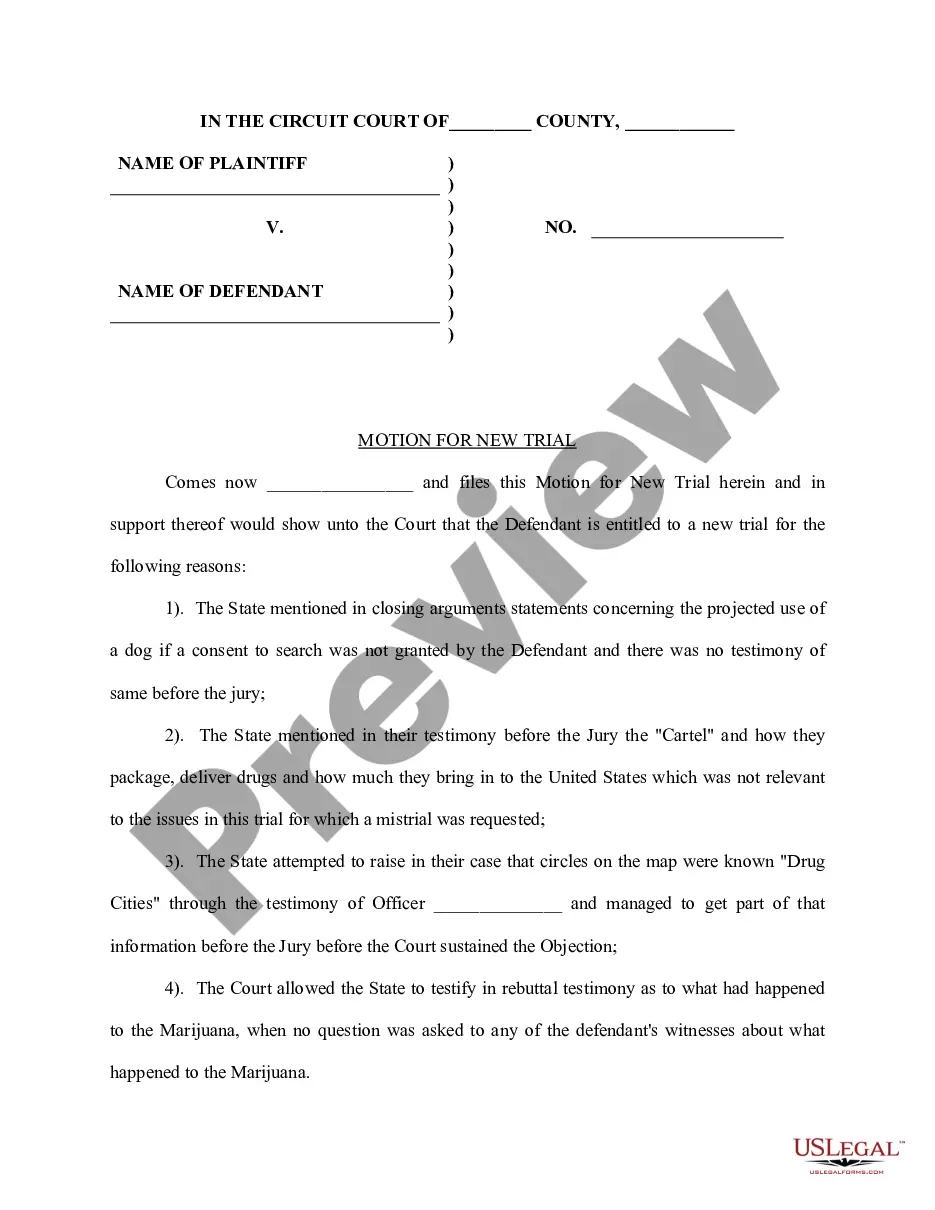
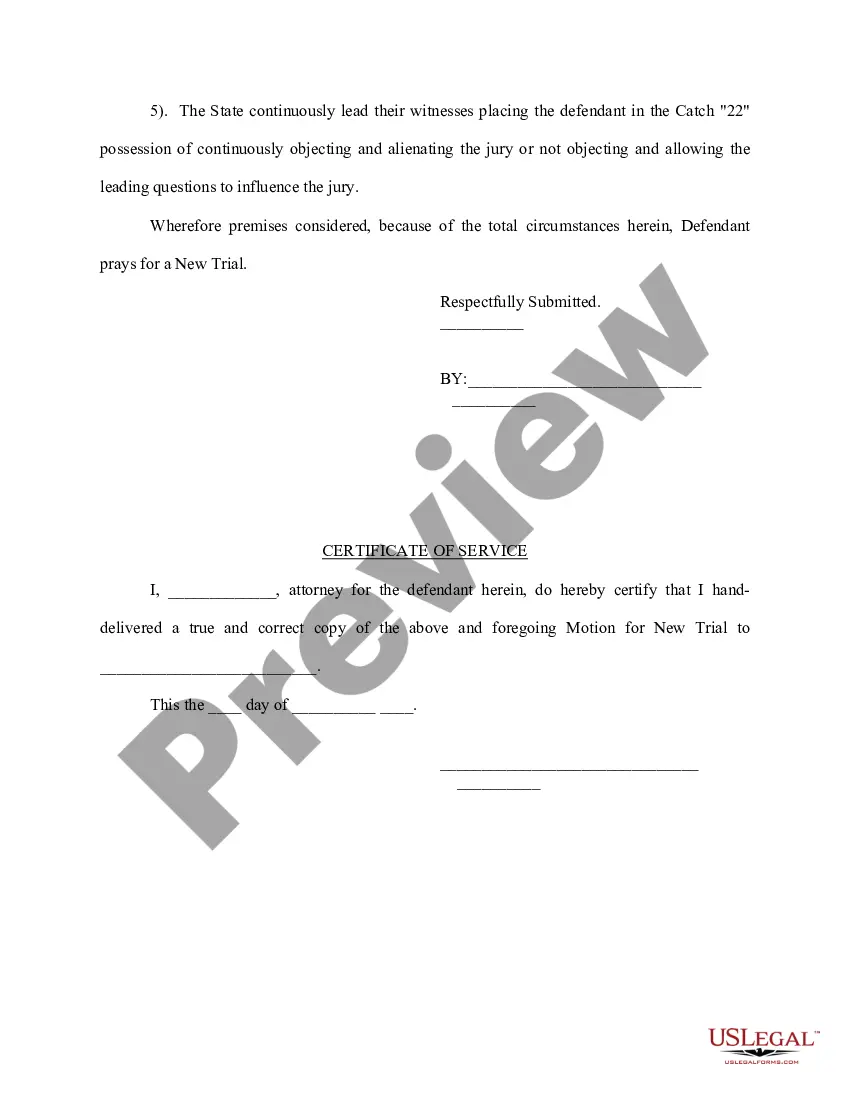
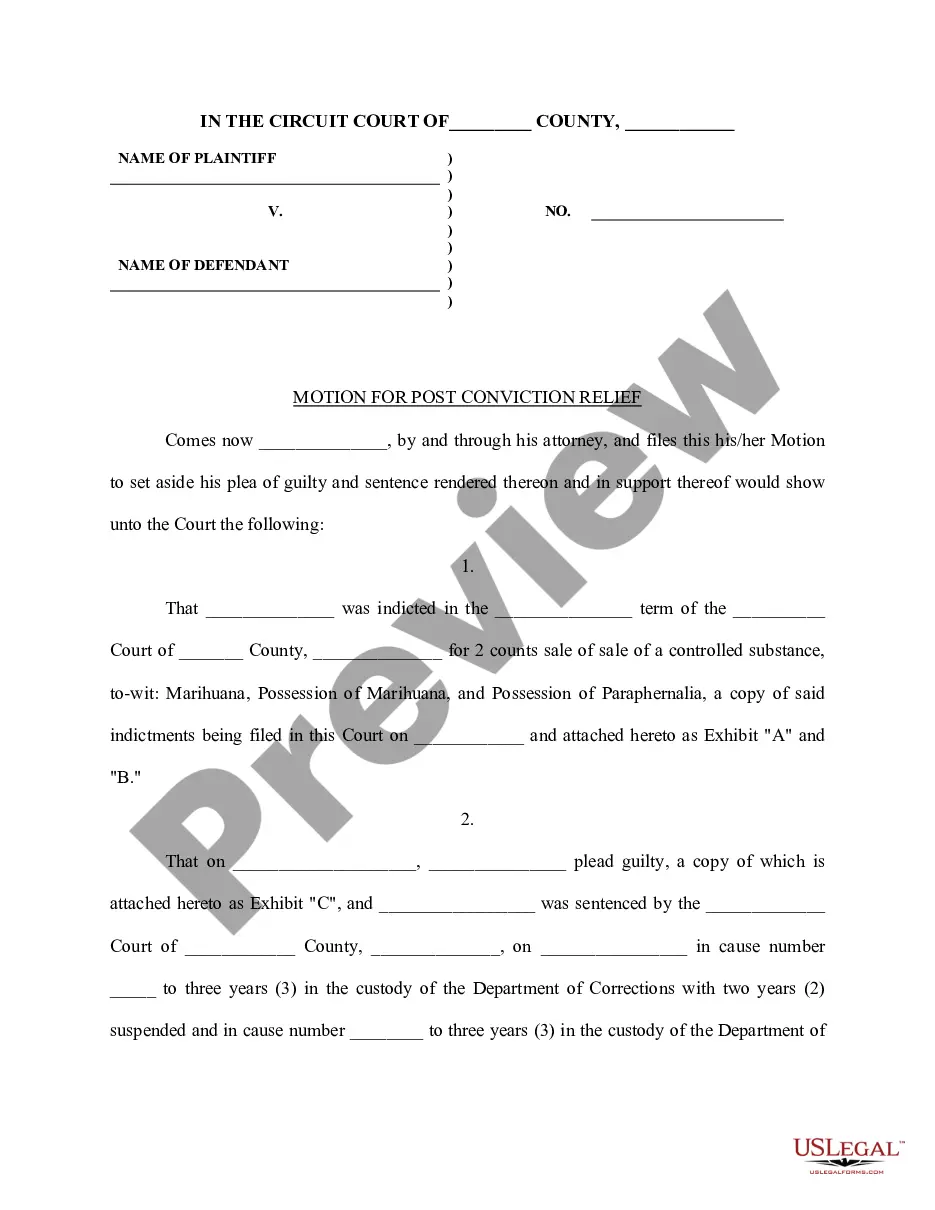
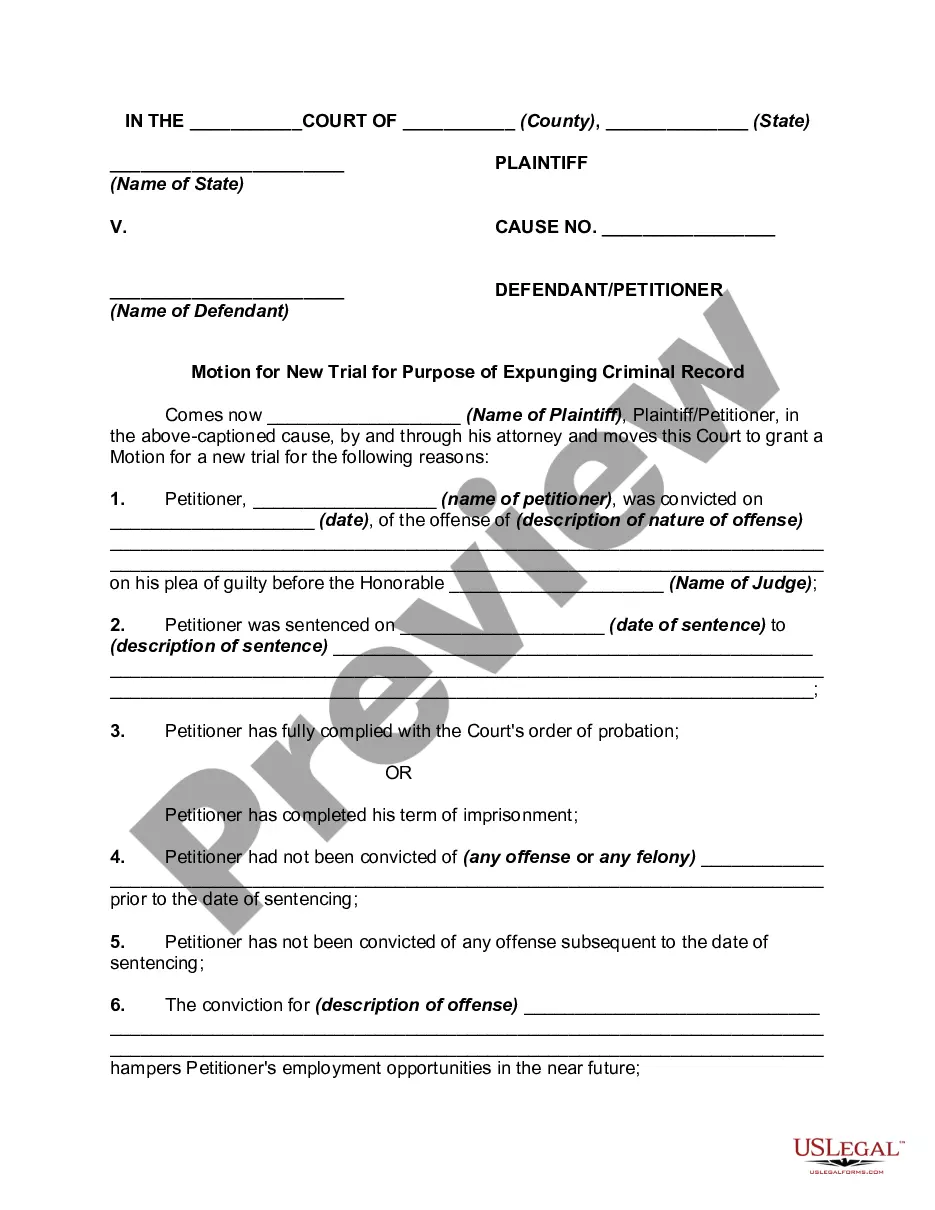
Get your form ready online
Our built-in tools help you complete, sign, share, and store your documents in one place.
Make edits, fill in missing information, and update formatting in US Legal Forms—just like you would in MS Word.
Download a copy, print it, send it by email, or mail it via USPS—whatever works best for your next step.
Sign and collect signatures with our SignNow integration. Send to multiple recipients, set reminders, and more. Go Premium to unlock E-Sign.
If this form requires notarization, complete it online through a secure video call—no need to meet a notary in person or wait for an appointment.
We protect your documents and personal data by following strict security and privacy standards.

Make edits, fill in missing information, and update formatting in US Legal Forms—just like you would in MS Word.

Download a copy, print it, send it by email, or mail it via USPS—whatever works best for your next step.

Sign and collect signatures with our SignNow integration. Send to multiple recipients, set reminders, and more. Go Premium to unlock E-Sign.

If this form requires notarization, complete it online through a secure video call—no need to meet a notary in person or wait for an appointment.

We protect your documents and personal data by following strict security and privacy standards.
Looking for another form?










How to fill out Motion For New Trial?
Legal administration can be daunting, even for seasoned experts.
When searching for a Motion To Dismiss Texas Sample Withdraw As Counsel and not having the opportunity to dedicate time to find the accurate and current version, the processes can be arduous.
Access a knowledge base of articles, guides, and materials that are particularly relevant to your circumstances and needs.
Conserve time and energy searching for the documents you require, and take advantage of US Legal Forms’ sophisticated search and Preview feature to locate Motion To Dismiss Texas Sample Withdraw As Counsel and obtain it.
Take advantage of the US Legal Forms online library, supported by 25 years of expertise and reliability. Transform your regular document management into a seamless and user-friendly procedure today.
- If you hold a subscription, Log In to your US Legal Forms account, search for the form, and obtain it.
- Check the My documents section to review the documents you have previously downloaded and to organize your folders as desired.
- If it is your first time using US Legal Forms, create an account to gain unlimited access to all the benefits of the library.
- Make sure to validate that it is the correct form by previewing it and reviewing its details.
- Confirm that the sample is validated in your state or county.
- Select Buy Now when you are ready.
- Choose a subscription plan.
- Select the format you need, and Download, complete, eSign, print, and send your document.
- Utilize state- or county-specific legal and business documents.
- US Legal Forms addresses any needs you might have, ranging from individual to corporate paperwork, all in one location.
- Utilize advanced tools to fill out and manage your Motion To Dismiss Texas Sample Withdraw As Counsel.
Form popularity
FAQ
A motion for relief from the judgment is a request made by a party to the court to correct a mistake in the judgment or to be relieved from the judgment due to certain circumstances.
3 Time for Motion and Ruling. A motion to dismiss must be: (a) filed within 60 days after the first pleading containing the challenged cause of action is served on the movant; (b) filed at least 21 days before the motion is heard; and (c) granted or denied within 45 days after the motion is filed.
Even if the matter is not pending before a tribunal, the ethics rules of most states provide that a lawyer cannot withdraw until he or she has taken reasonable steps to avoid foreseeable prejudice to the rights of his client, such as giving notice to the client, allowing time for employment of other counsel, delivering ...
If this motion to be relieved as counsel is granted, you will not have an attorney representing you. You may wish to seek legal assistance. If you do not have a new attorney to represent you in this action or proceeding, and you are legally permitted to do so, you will be representing yourself.
Withdrawal is also permitted if the lawyer's services were misused in the past. The lawyer also may withdraw where the client insists on pursuing a repugnant or imprudent objective or one with which the lawyer has fundamental disagreement.