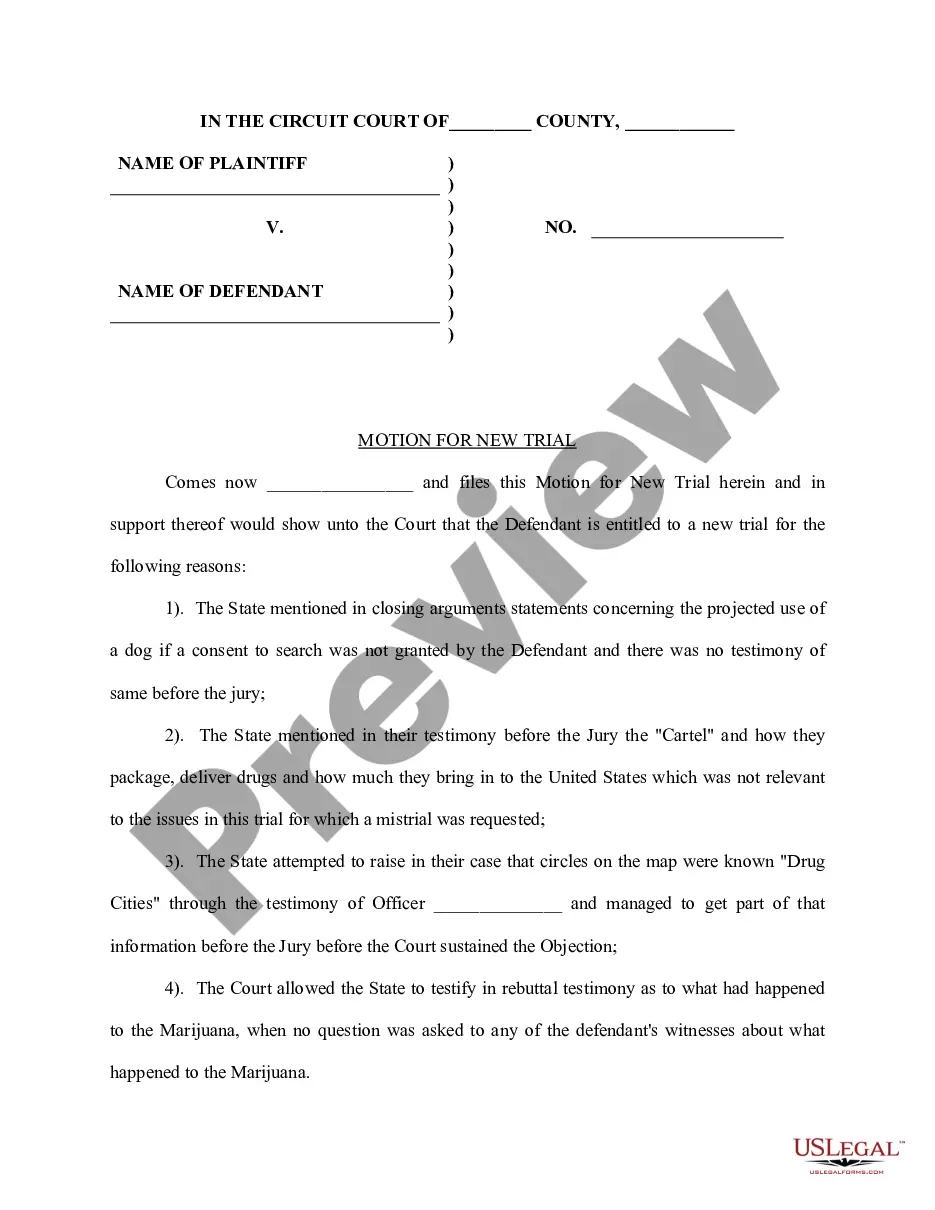
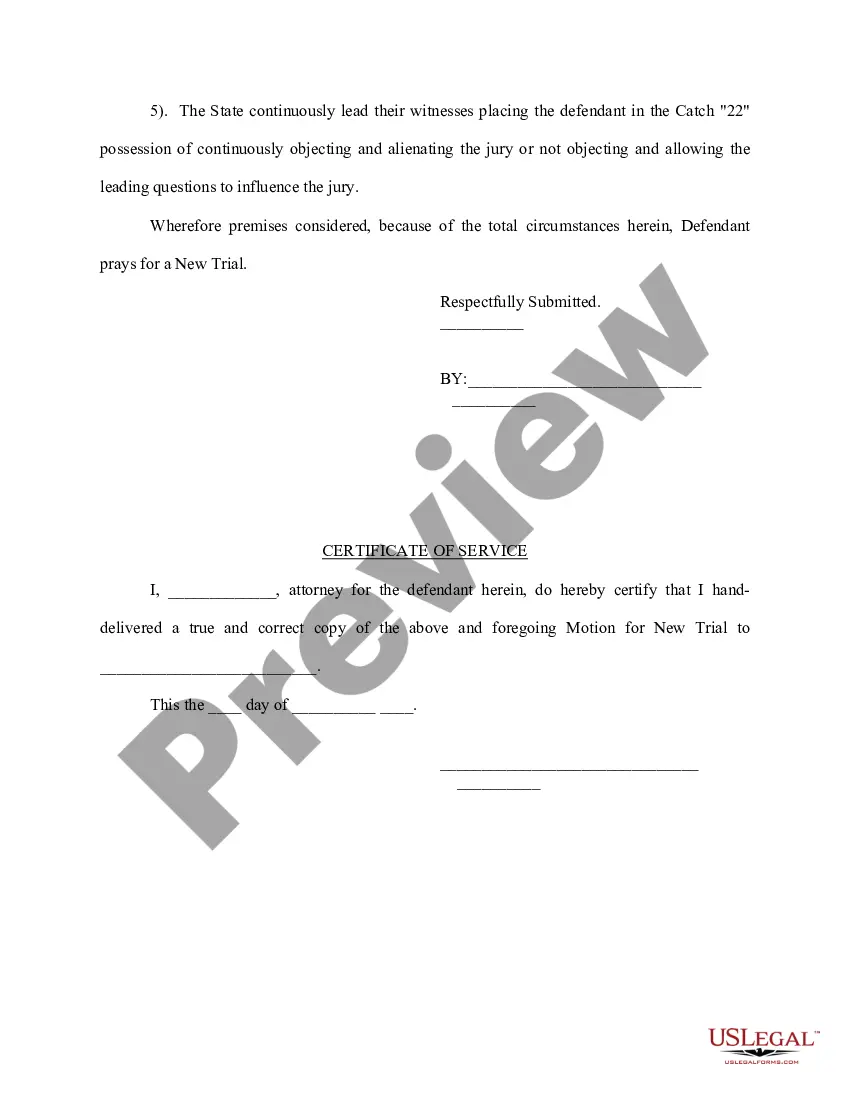
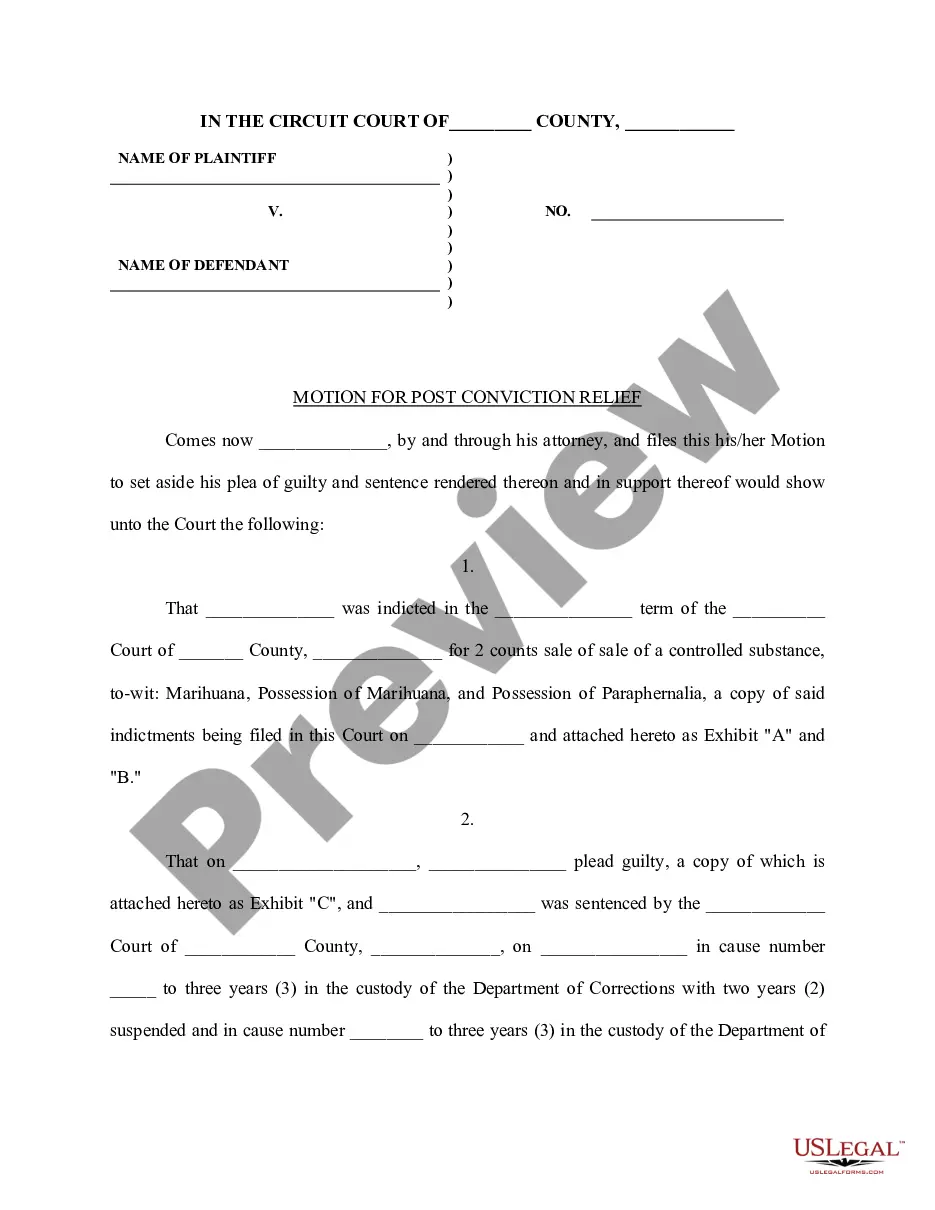
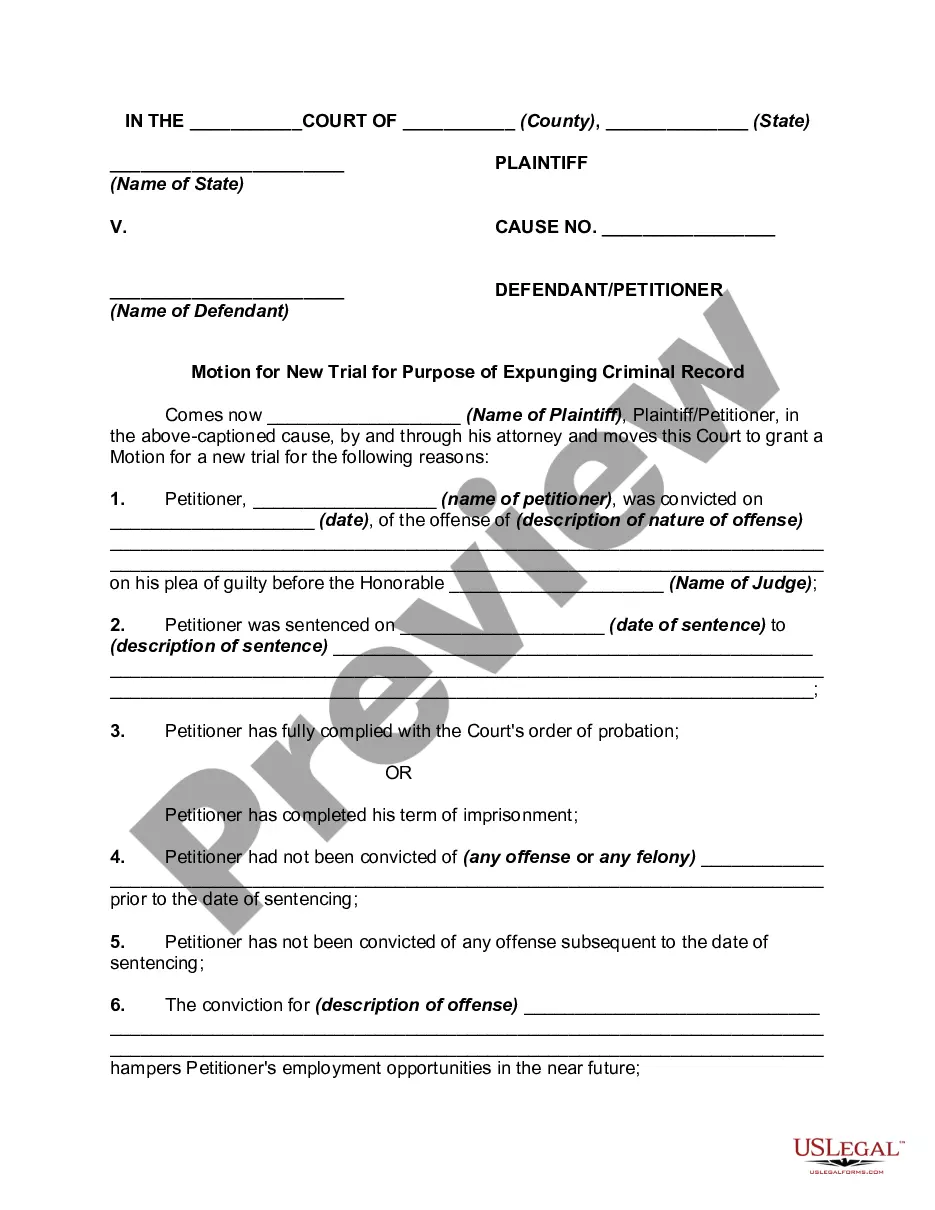
Motion New Trial Form With Evidence
Description
Get your form ready online
Our built-in tools help you complete, sign, share, and store your documents in one place.
Make edits, fill in missing information, and update formatting in US Legal Forms—just like you would in MS Word.
Download a copy, print it, send it by email, or mail it via USPS—whatever works best for your next step.
Sign and collect signatures with our SignNow integration. Send to multiple recipients, set reminders, and more. Go Premium to unlock E-Sign.
If this form requires notarization, complete it online through a secure video call—no need to meet a notary in person or wait for an appointment.
We protect your documents and personal data by following strict security and privacy standards.

Make edits, fill in missing information, and update formatting in US Legal Forms—just like you would in MS Word.

Download a copy, print it, send it by email, or mail it via USPS—whatever works best for your next step.

Sign and collect signatures with our SignNow integration. Send to multiple recipients, set reminders, and more. Go Premium to unlock E-Sign.

If this form requires notarization, complete it online through a secure video call—no need to meet a notary in person or wait for an appointment.

We protect your documents and personal data by following strict security and privacy standards.
Looking for another form?





How to fill out Motion For New Trial?
Legal administration can be exasperating, even for seasoned experts.
When you're searching for a Motion New Trial Form With Evidence and don't have the opportunity to dedicate time to find the suitable and current version, the process can be overwhelming.
US Legal Forms caters to all your needs, whether personal or business-related, all in a single platform.
Utilize sophisticated tools to complete and oversee your Motion New Trial Form With Evidence.
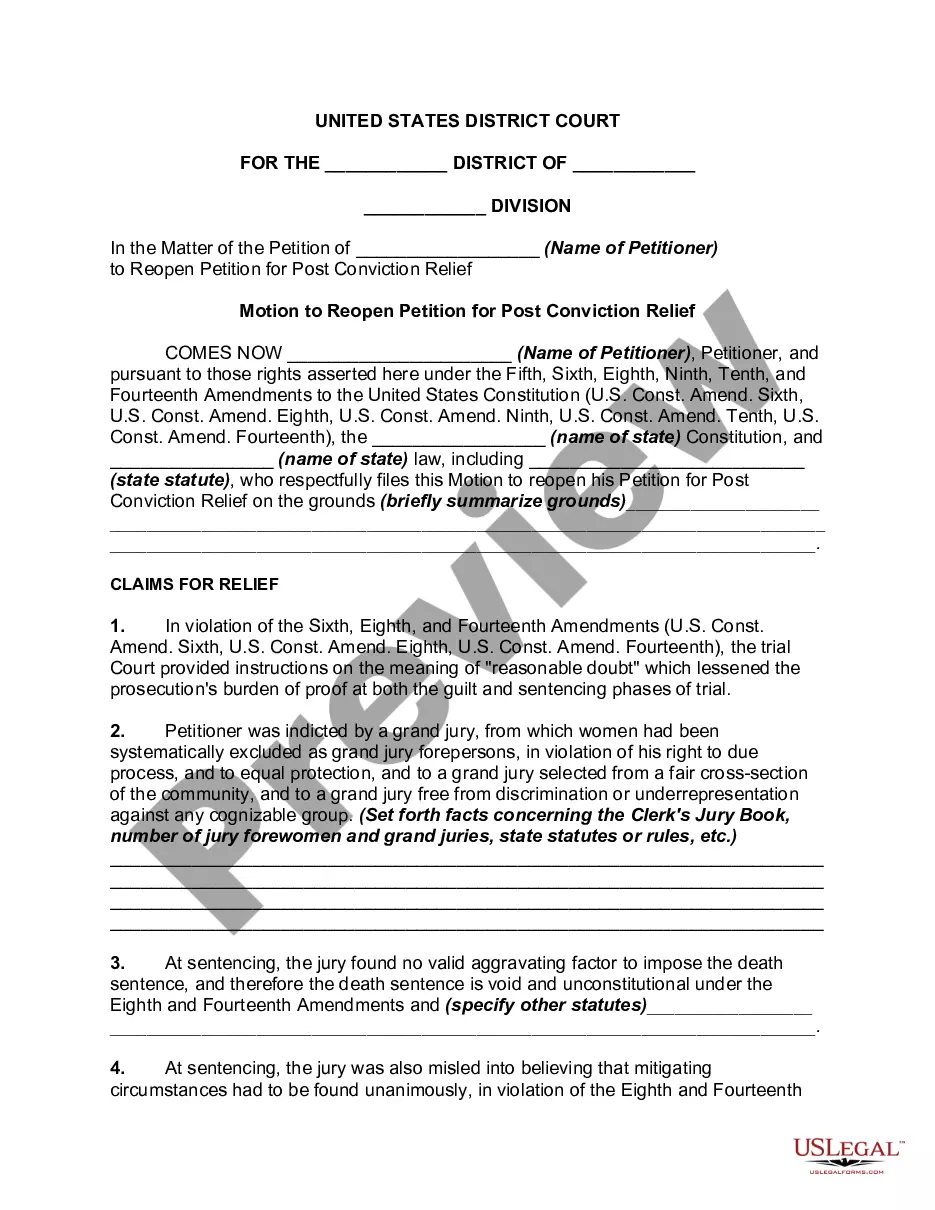
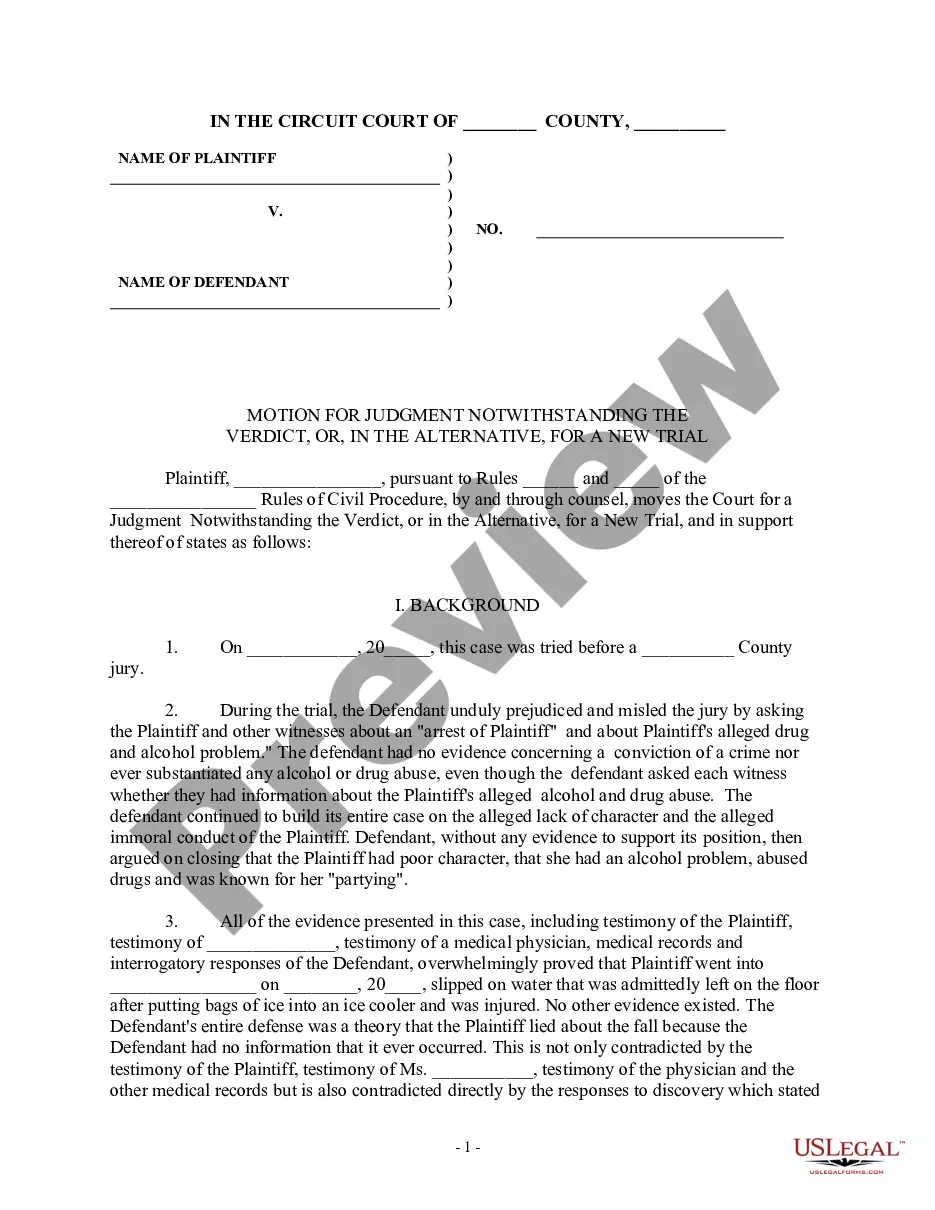
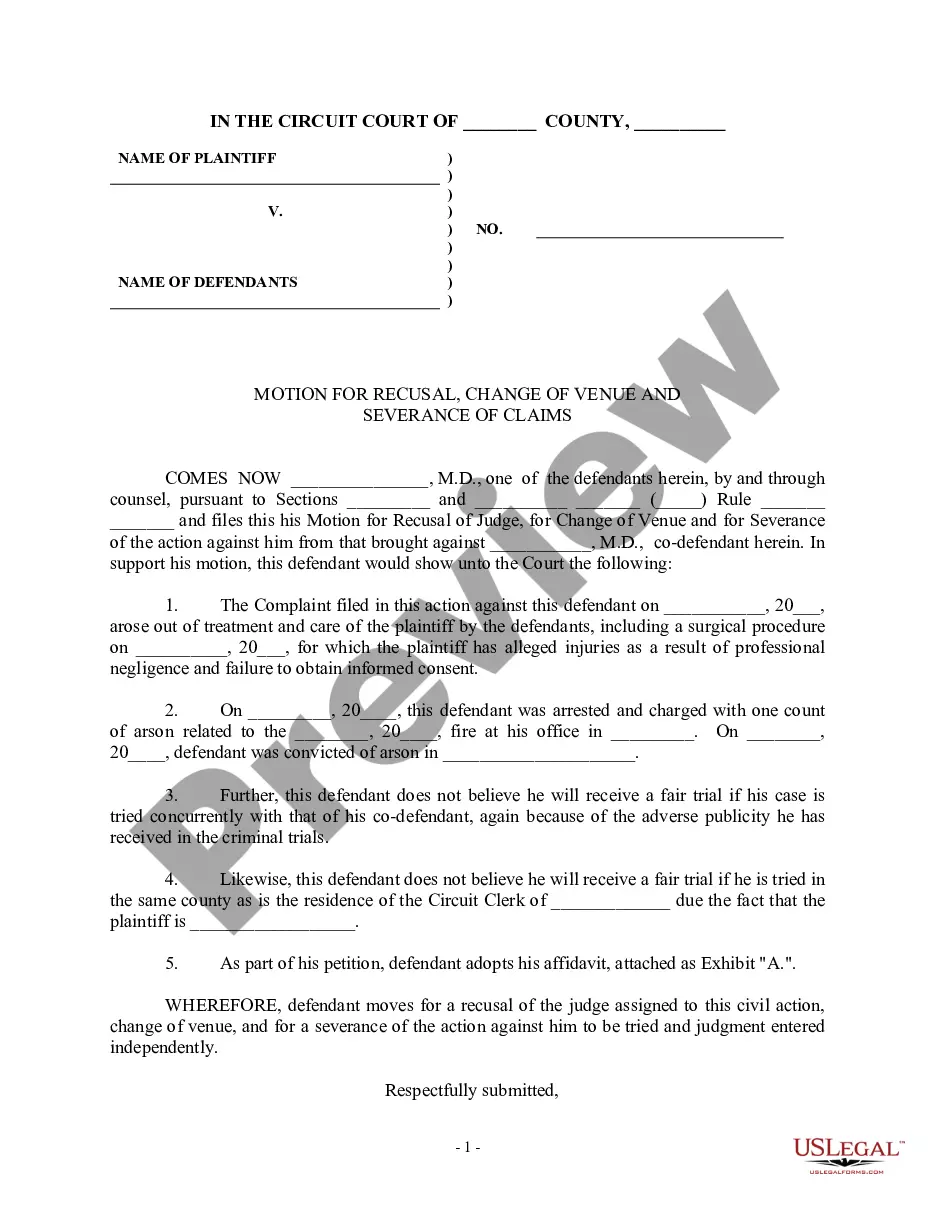
Here are the steps to follow after locating the form you need: Check that this is the correct form by previewing it and reviewing its details. Confirm that the template is sanctioned in your state or county. Click Buy Now when you are prepared. Select a subscription plan. Choose your preferred format, and Download, fill out, eSign, print, and send your documents. Take advantage of the US Legal Forms online library, supported by 25 years of expertise and reliability. Transform your daily document management into a simple and user-friendly process today.
- Tap into a valuable resource library of articles, guides, and materials pertinent to your situation and needs.
- Conserve time and energy searching for the documents you require, and take advantage of US Legal Forms' enhanced search and Review tool to locate the Motion New Trial Form With Evidence and acquire it.
- If you possess a subscription, Log In to your US Legal Forms account, locate the form, and obtain it.
- Visit the My documents tab to review the documents you have previously downloaded and to organize your files as desired.
- If this is your first experience with US Legal Forms, create an account and gain unlimited access to all the platform's benefits.
- A comprehensive online form repository can be transformative for anyone looking to handle these circumstances effectively.
- US Legal Forms stands as a frontrunner in online legal documents, offering over 85,000 state-specific legal forms accessible at any time.
- With US Legal Forms, you can access tailored legal and business forms specific to your state or county.
Form popularity
FAQ
The grounds for granting a motion for a new trial include a significant error of law, verdict going against the weight of evidence, irregularity in the court proceeding, jury misconduct, newly discovered material evidence, and improper damages.
Depending on the totality of evidence still available in your case, the court may decide to dismiss the charges against you if the new evidence you present is persuasive. In other situations, the court may allow your case to be prosecuted again.
A motion in limine can also be used to get a ruling to allow for the inclusion of evidence. The motion is decided by a judge in both civil and criminal proceedings. It is frequently used at pre-trial hearings or during trial, and it can be used at both the state and federal levels.
Be as persuasive as possible as you write your motion in a sequential, logical format. Express your ideas clearly, and make sure you outline what steps are necessary and how they will help your case. Use facts of the case whenever you can to avoid baseless emotional appeals.
The obvious application of double jeopardy is when law enforcement finds new evidence of the defendant's guilt after the jury has already acquitted them. The prosecution cannot charge them again, even if the evidence shows that they probably are guilty.