Motion Form Criminal Formation
Description
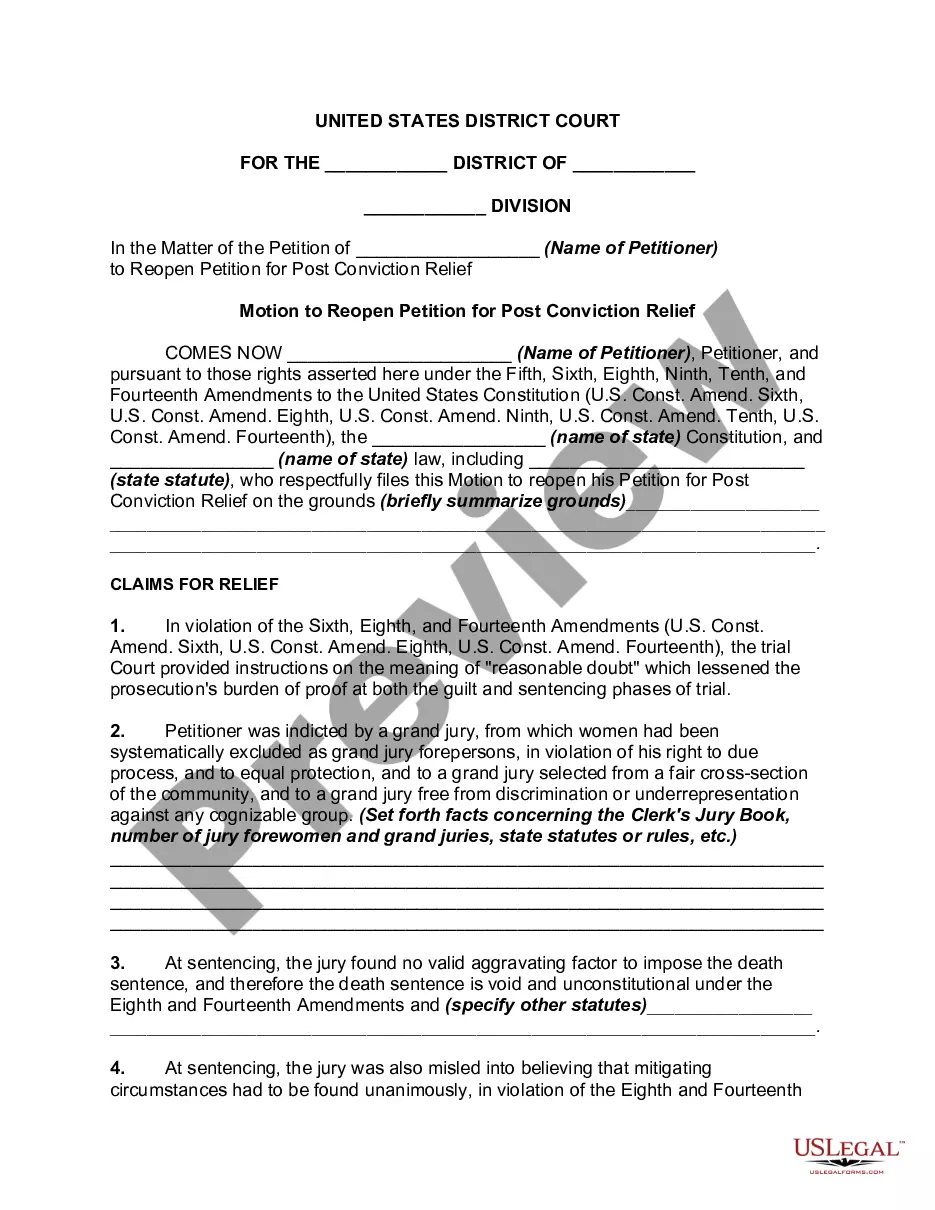
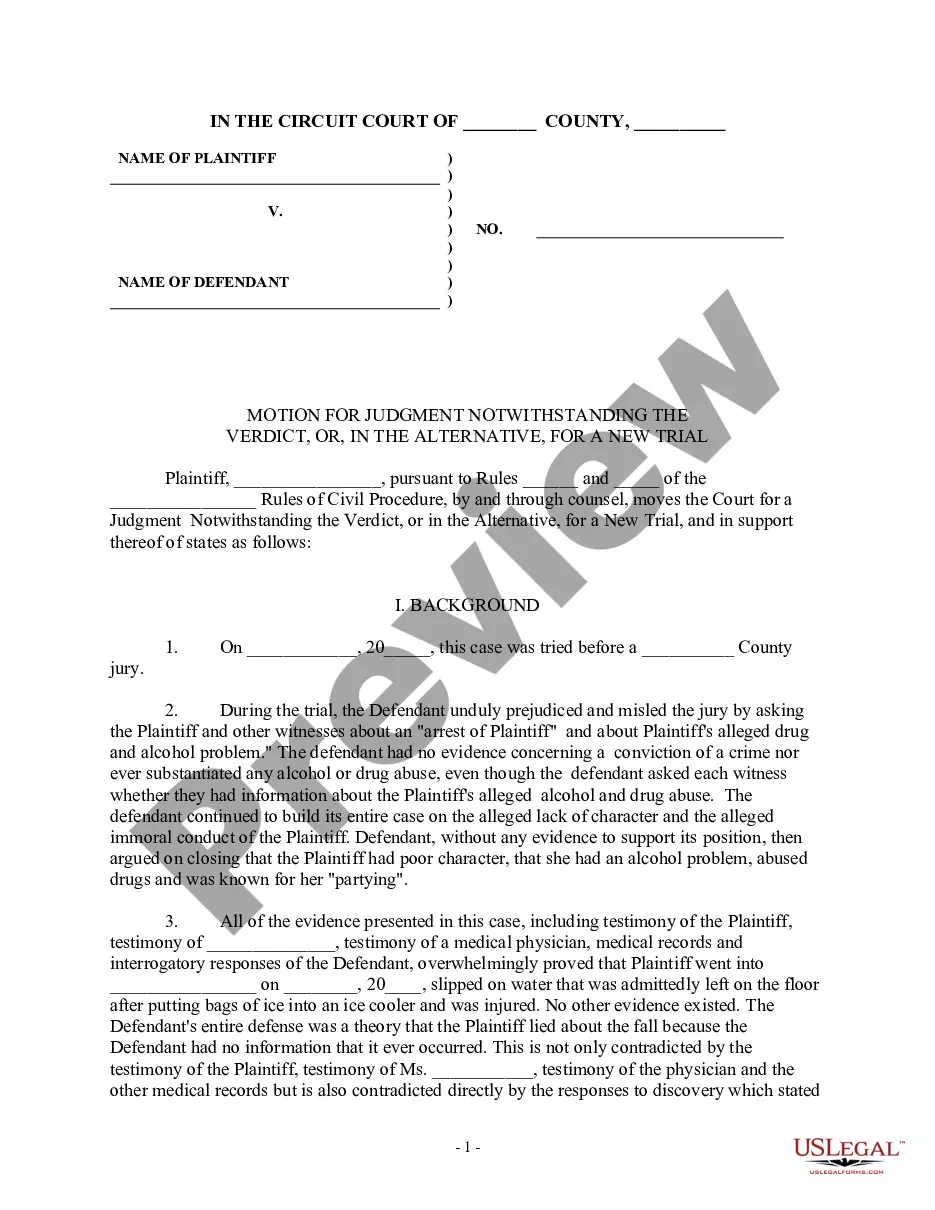
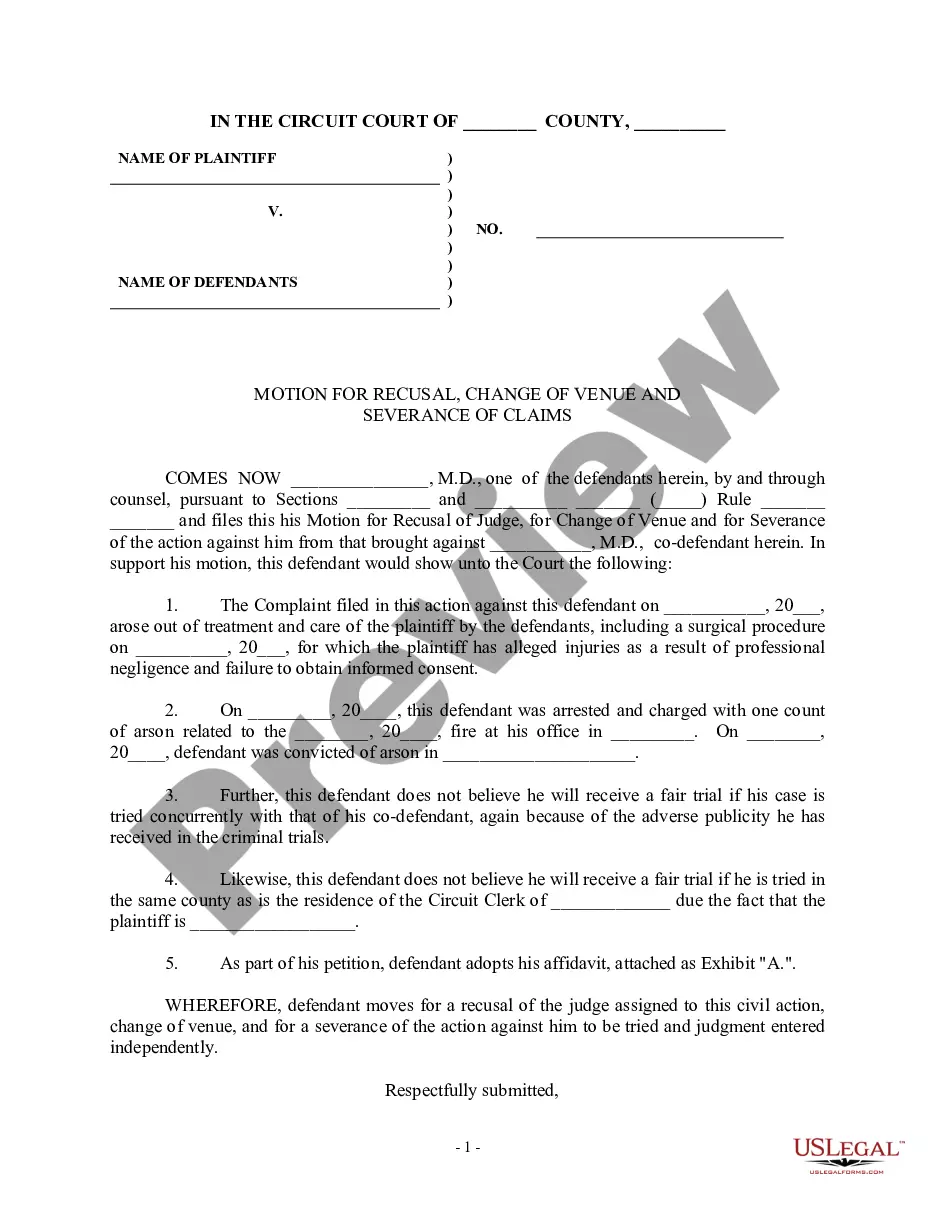
Get your form ready online
Our built-in tools help you complete, sign, share, and store your documents in one place.
Make edits, fill in missing information, and update formatting in US Legal Forms—just like you would in MS Word.
Download a copy, print it, send it by email, or mail it via USPS—whatever works best for your next step.
Sign and collect signatures with our SignNow integration. Send to multiple recipients, set reminders, and more. Go Premium to unlock E-Sign.
If this form requires notarization, complete it online through a secure video call—no need to meet a notary in person or wait for an appointment.
We protect your documents and personal data by following strict security and privacy standards.

Make edits, fill in missing information, and update formatting in US Legal Forms—just like you would in MS Word.

Download a copy, print it, send it by email, or mail it via USPS—whatever works best for your next step.

Sign and collect signatures with our SignNow integration. Send to multiple recipients, set reminders, and more. Go Premium to unlock E-Sign.

If this form requires notarization, complete it online through a secure video call—no need to meet a notary in person or wait for an appointment.

We protect your documents and personal data by following strict security and privacy standards.
Looking for another form?



How to fill out Motion For New Trial?
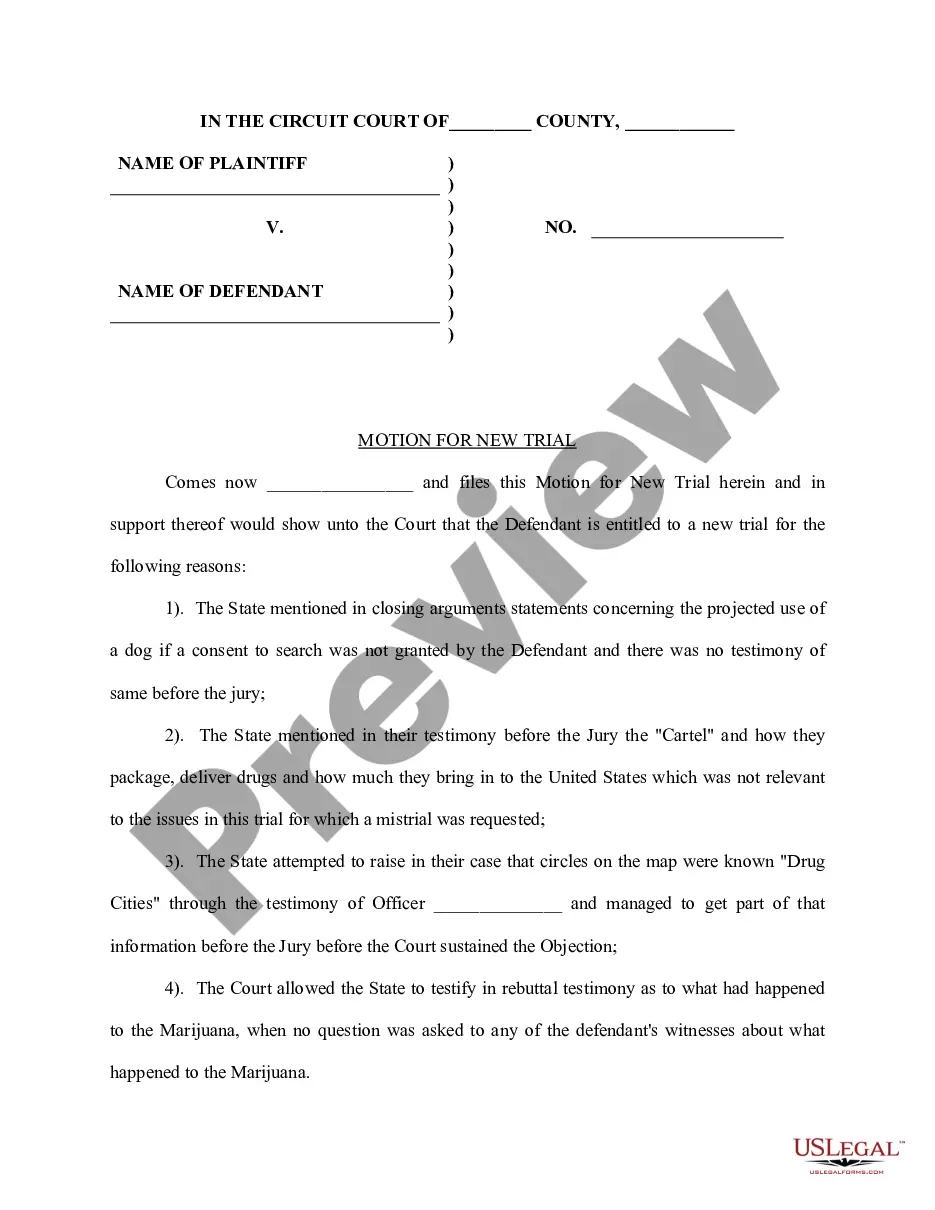
It’s no secret that you can’t become a legal professional immediately, nor can you learn how to quickly prepare Motion Form Criminal Formation without the need of a specialized set of skills. Putting together legal documents is a time-consuming venture requiring a specific education and skills. So why not leave the creation of the Motion Form Criminal Formation to the specialists?
With US Legal Forms, one of the most extensive legal document libraries, you can access anything from court paperwork to templates for in-office communication. We understand how crucial compliance and adherence to federal and state laws are. That’s why, on our website, all templates are location specific and up to date.
Here’s how you can get started with our platform and get the document you need in mere minutes:
- Discover the form you need by using the search bar at the top of the page.
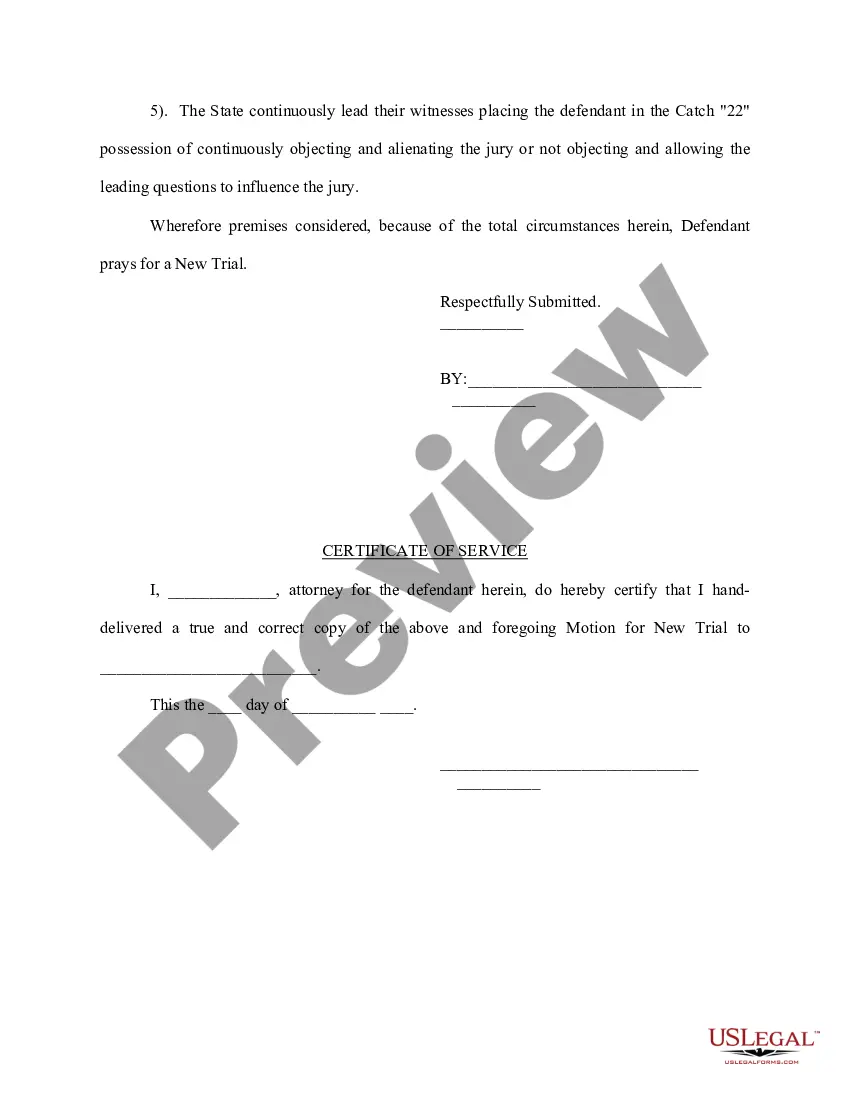
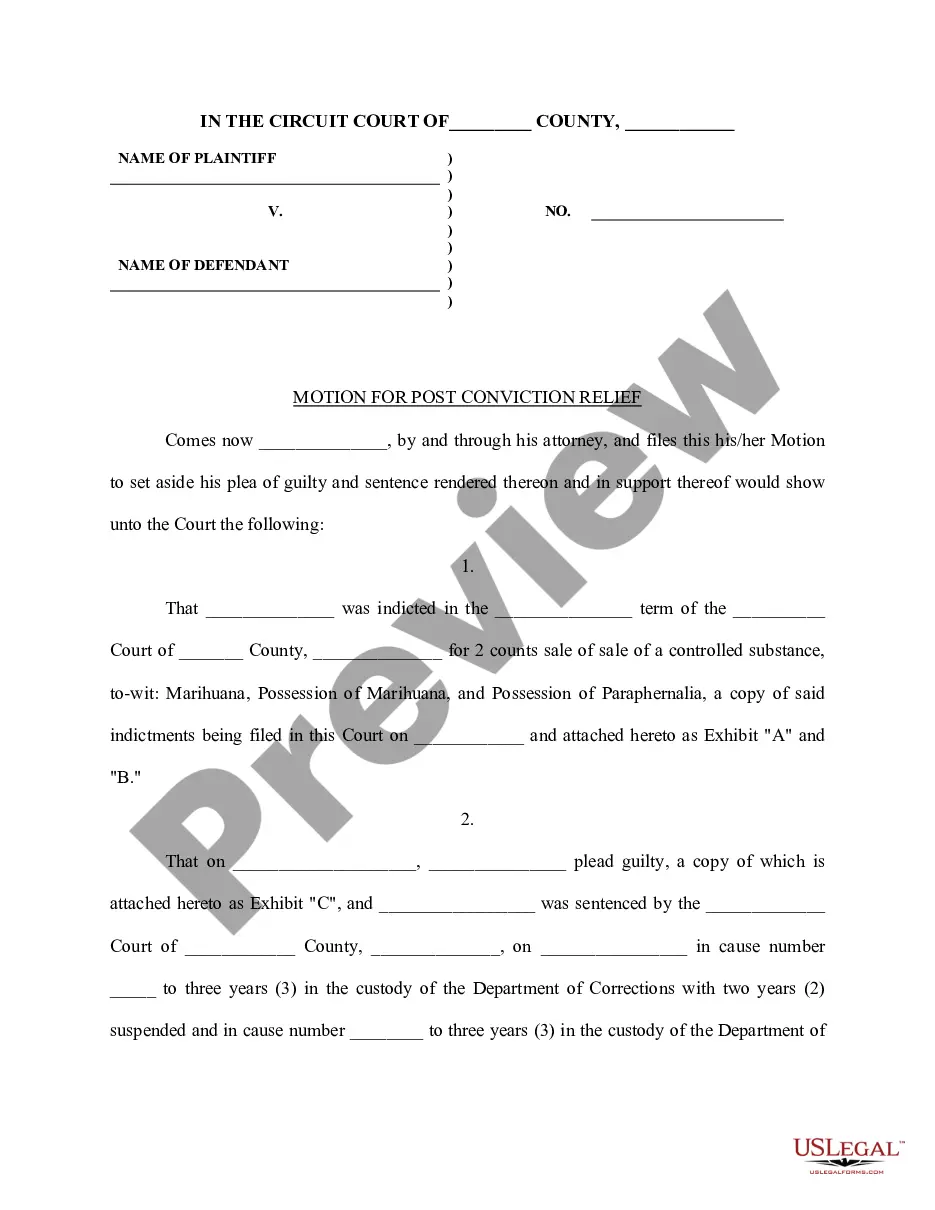
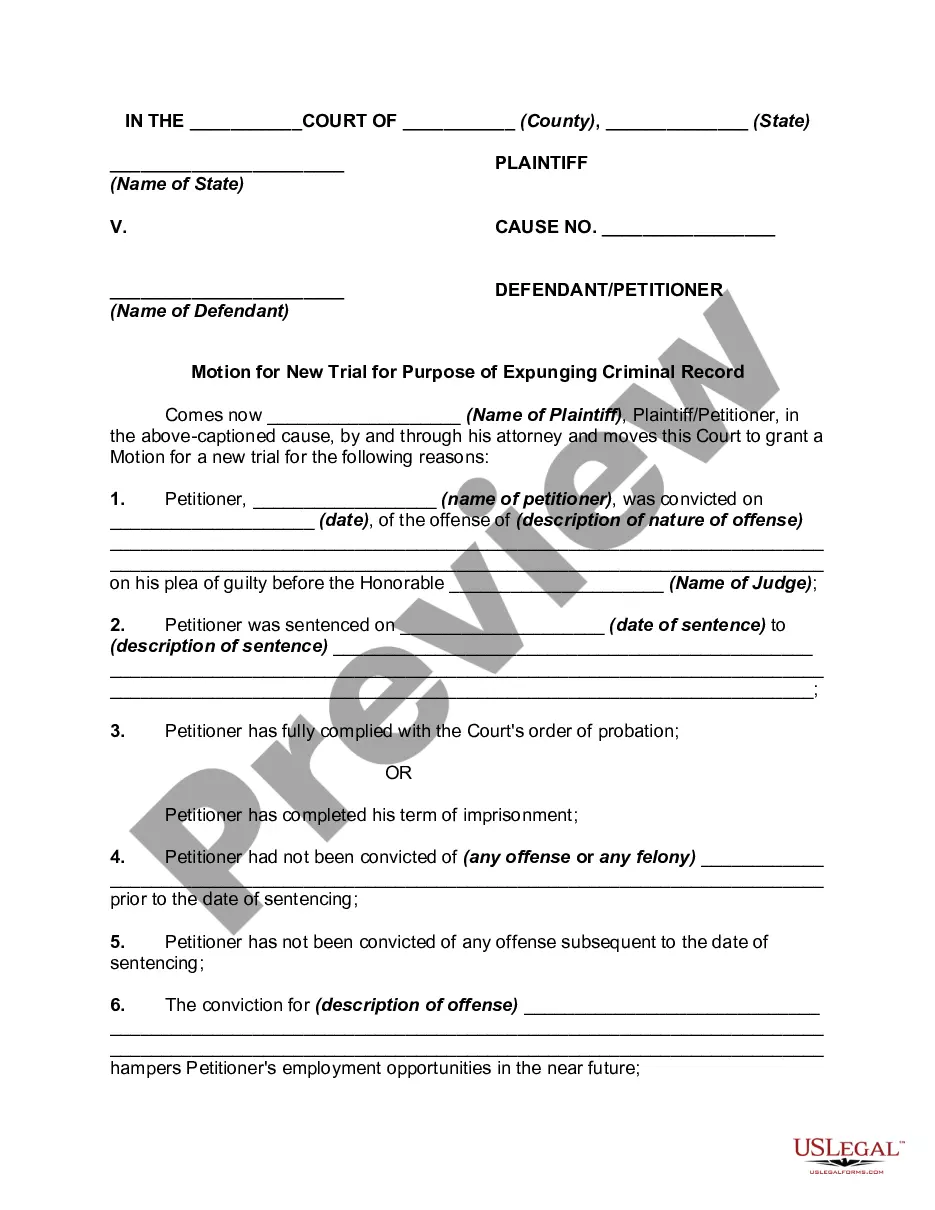
- Preview it (if this option available) and check the supporting description to figure out whether Motion Form Criminal Formation is what you’re searching for.
- Begin your search again if you need any other template.
- Set up a free account and choose a subscription plan to purchase the template.
- Choose Buy now. As soon as the transaction is complete, you can download the Motion Form Criminal Formation, complete it, print it, and send or send it by post to the designated individuals or organizations.
You can re-access your documents from the My Forms tab at any time. If you’re an existing client, you can simply log in, and locate and download the template from the same tab.
No matter the purpose of your paperwork-be it financial and legal, or personal-our platform has you covered. Try US Legal Forms now!
Form popularity
FAQ
Motion to dismiss. ... Discovery motions. ... Motion to compel. ... Motion to strike. ... Motion for summary judgment. ... Motion for a directed verdict. ... Motion for nolle prosequi. ... Motion in Limine.
File your Motion and the copies with the court clerk's office in the court where your case was heard. File a copy of the proposed order with your Motion. Contact your court to find out which filing methods are available. Depending on your court, you may be able to file electronically.
General format - each motion generally consists of a case caption, a title that briefly identifies the relief sought, a series of numbered paragraphs that explains -- in a logical way -- why you are entitled to that relief, a prayer for relief, a signature block, a certification that a copy of the motion was sent to ...
Be as persuasive as possible as you write your motion in a sequential, logical format. Express your ideas clearly, and make sure you outline what steps are necessary and how they will help your case. Use facts of the case whenever you can to avoid baseless emotional appeals.
Common pre-trial motions include: Motion to Dismiss ? an attempt to get the judge to dismiss a charge or the case. ... Motion to Suppress ? an attempt to keep certain statements or evidence from being introduced as evidence. ... Motion for Change of Venue ? may be made for various reasons including pre-trial publicity.