Habeas Corpus Writ In Delhi
Description

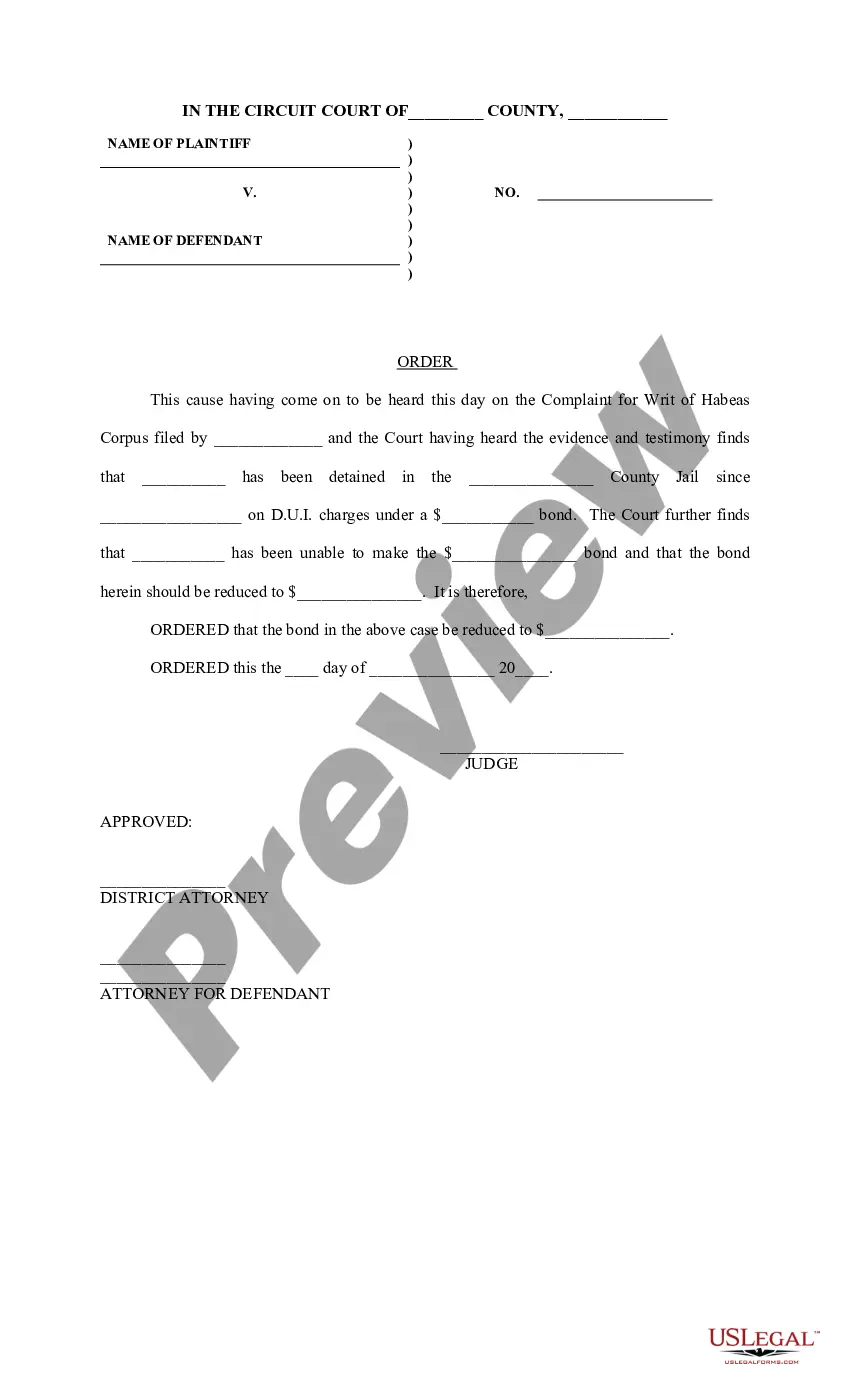
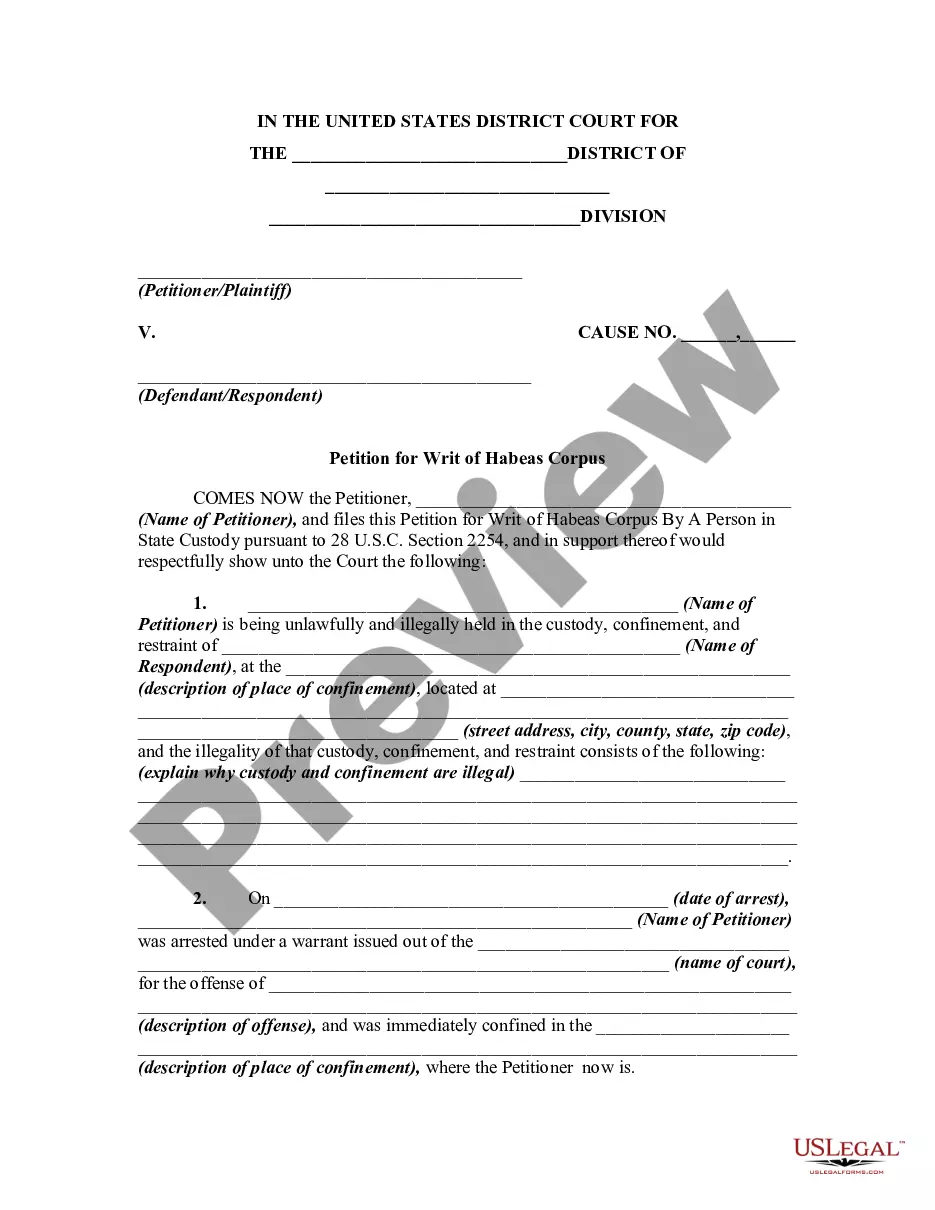







How to fill out Complaint For Writ Of Habeas Corpus?
Accessing legal document examples that adhere to federal and state regulations is crucial, and the web provides numerous selections to consider.
However, what’s the benefit of spending time searching for the appropriate Habeas Corpus Writ In Delhi example online if the US Legal Forms digital library already has such documents compiled in one location.
US Legal Forms is the largest online legal repository with over 85,000 editable templates created by attorneys for various professional and personal situations.
Enjoy the most comprehensive and user-friendly legal document service!
- They are easy to navigate, with all documents categorized by state and intended use.
- Our experts keep abreast of legislative modifications, ensuring your paperwork is consistently current and compliant when acquiring a Habeas Corpus Writ In Delhi from our site.
- Acquiring a Habeas Corpus Writ In Delhi is quick and straightforward for both existing and new clients.
- If you possess an account with an active subscription, Log In and retrieve the document sample you require in the preferred format.
- If you are a newcomer to our platform, adhere to the guidelines provided below.
Form popularity
FAQ
The process for a habeas corpus petition typically begins with the submission of a formal petition to the relevant court. The petition must detail the individual's detention and the unlawful elements of that detention. After reviewing the submission, the court may issue a notice to the detaining authority and schedule a hearing. Engaging with platforms like US Legal Forms can help streamline this process with user-friendly forms and templates.
Filing a habeas corpus writ in India involves submitting a petition to a High Court or the Supreme Court. You must specify the details of the person who is detained, the circumstances of their detention, and the reasons you believe it is unlawful. It's crucial to follow proper legal formats and procedures to effectively present your case. If you're unsure, consider consulting resources on US Legal Forms for guidance.
To file a writ petition in the Delhi High Court, you need to draft a petition stating the grounds for your request. It is essential to include relevant facts and legal points that support your case. Once your petition is ready, submit it with the required fees and a physical copy to the court registry. Utilizing US Legal Forms can simplify this process with templates specifically designed for such situations.
In India, there is no fixed time limit for filing a habeas corpus writ. However, it is advisable to file the petition as soon as possible after the unlawful detention occurs. The sooner you act, the quicker the court can address the situation. If you need assistance with the process, consider using platforms like US Legal Forms to guide you.
The writ jurisdiction of the Delhi High Court allows it to issue writs for the enforcement of fundamental rights and to correct errors made by lower authorities. Within this framework, the court handles cases involving habeas corpus, ensuring individuals receive protection against unlawful detention. By utilizing this jurisdiction, citizens can seek justice and ensure their rights are upheld.
An example of a writ of habeas corpus is when a family member files a petition in the Delhi High Court asserting that a loved one is being held without lawful authority. The court reviews the circumstances surrounding the detention and determines whether to release the individual. This legal action effectively safeguards personal liberty and affirms the rule of law.
A writ petition can be filed in the High Court when there is a violation of fundamental rights or when a legal authority acts in a manner inconsistent with the law. In the context of a habeas corpus writ in Delhi, this would typically occur when someone is unlawfully detained. The courts are open to hearing such petitions to ensure justice and protect individual freedoms.
To draft a writ petition, start by understanding the specific grounds for filing under the habeas corpus writ in Delhi. Clearly articulate the facts of the case, provide relevant legal arguments, and include supporting documents. Ensure the petition complies with the court's formatting requirements and presents the information in a clear, concise manner.
A strong sentence for habeas corpus could be, 'The lawyer filed a habeas corpus writ in Delhi to challenge the unlawful detention of their client.' This sentence clearly illustrates the purpose of the writ, which is to protect individuals from illegal imprisonment. By using this legal tool, individuals assert their rights and seek judicial review of their detention.
The habeas corpus writ in India is a critical component of legal protection against wrongful detention. It grants individuals the right to appeal to the courts if they believe they are being held without just cause. This legal instrument is essential for preserving personal freedoms and accountability in detainment practices. Utilizing platforms like UsLegalForms can assist individuals in navigating the process of filing a habeas corpus writ in Delhi effectively.
