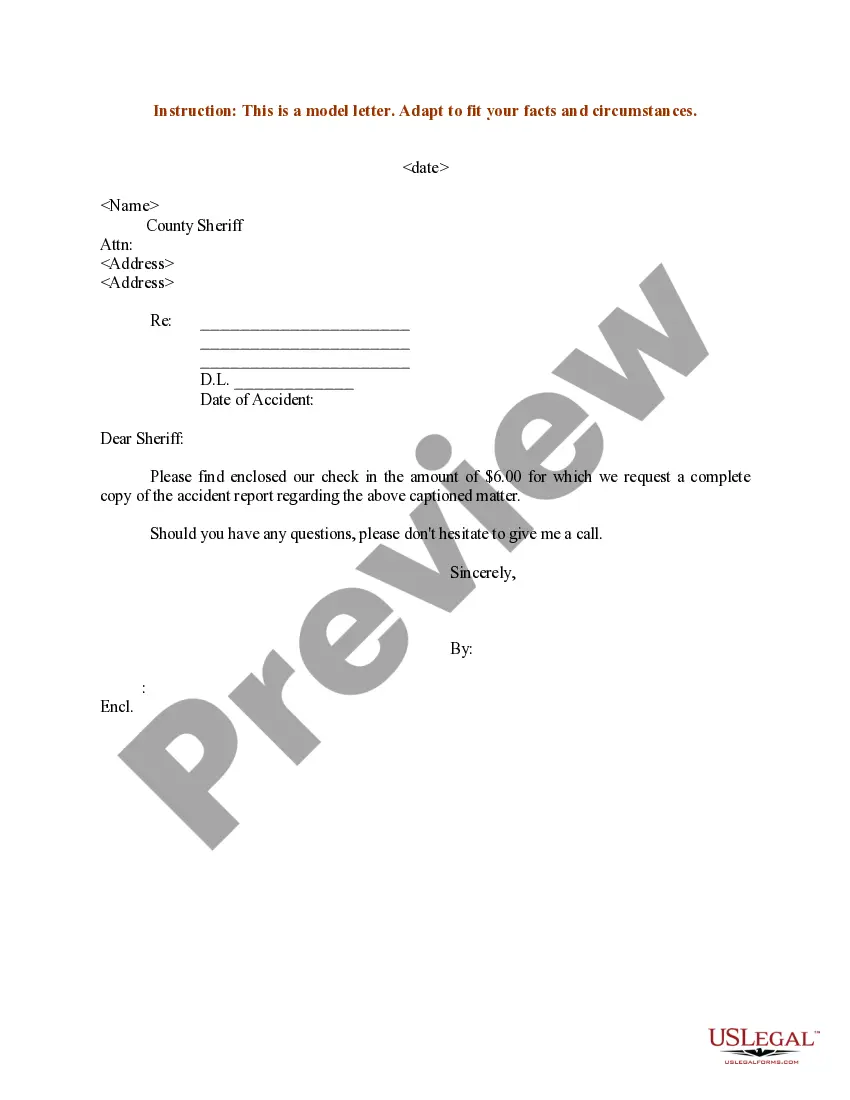
Accident Report For Dmv
Description
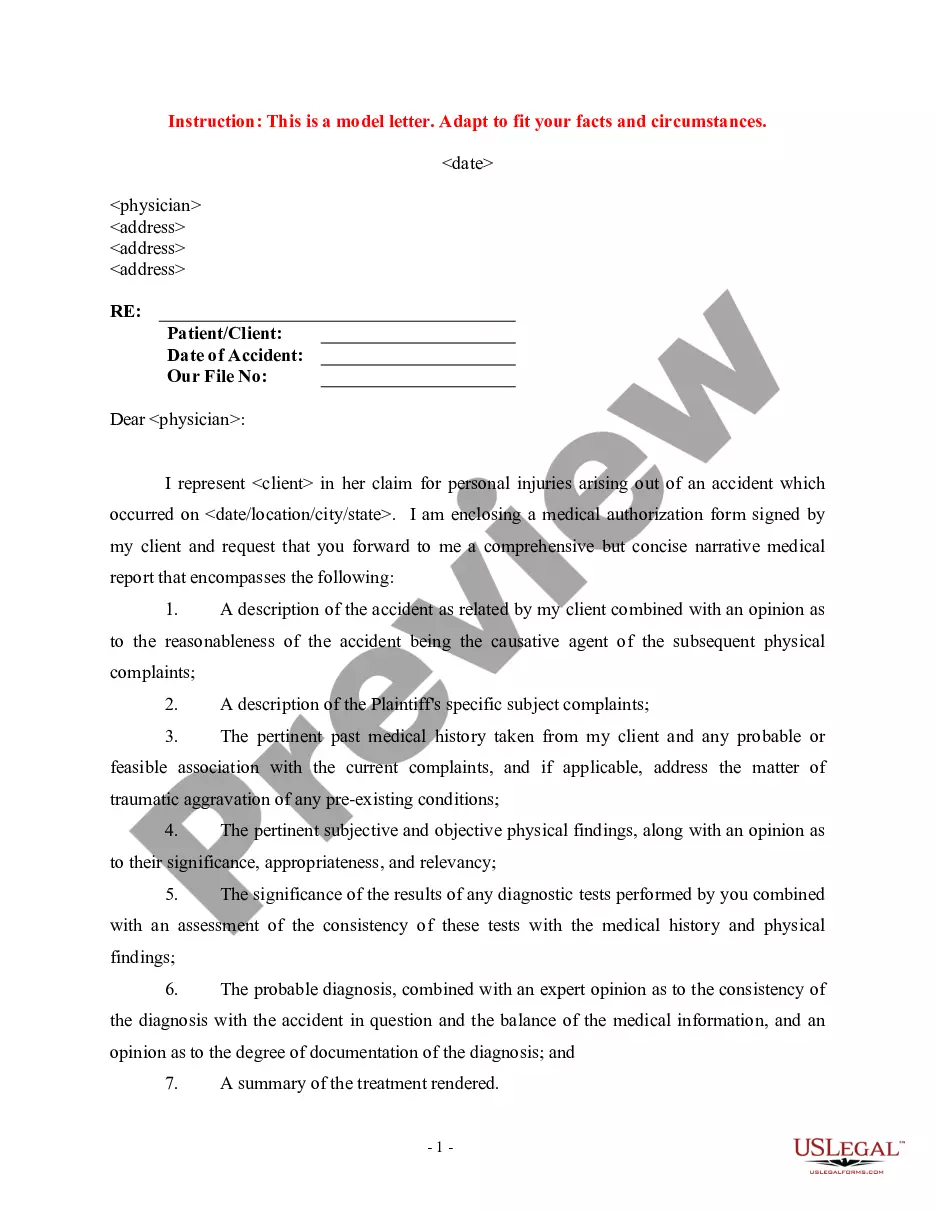
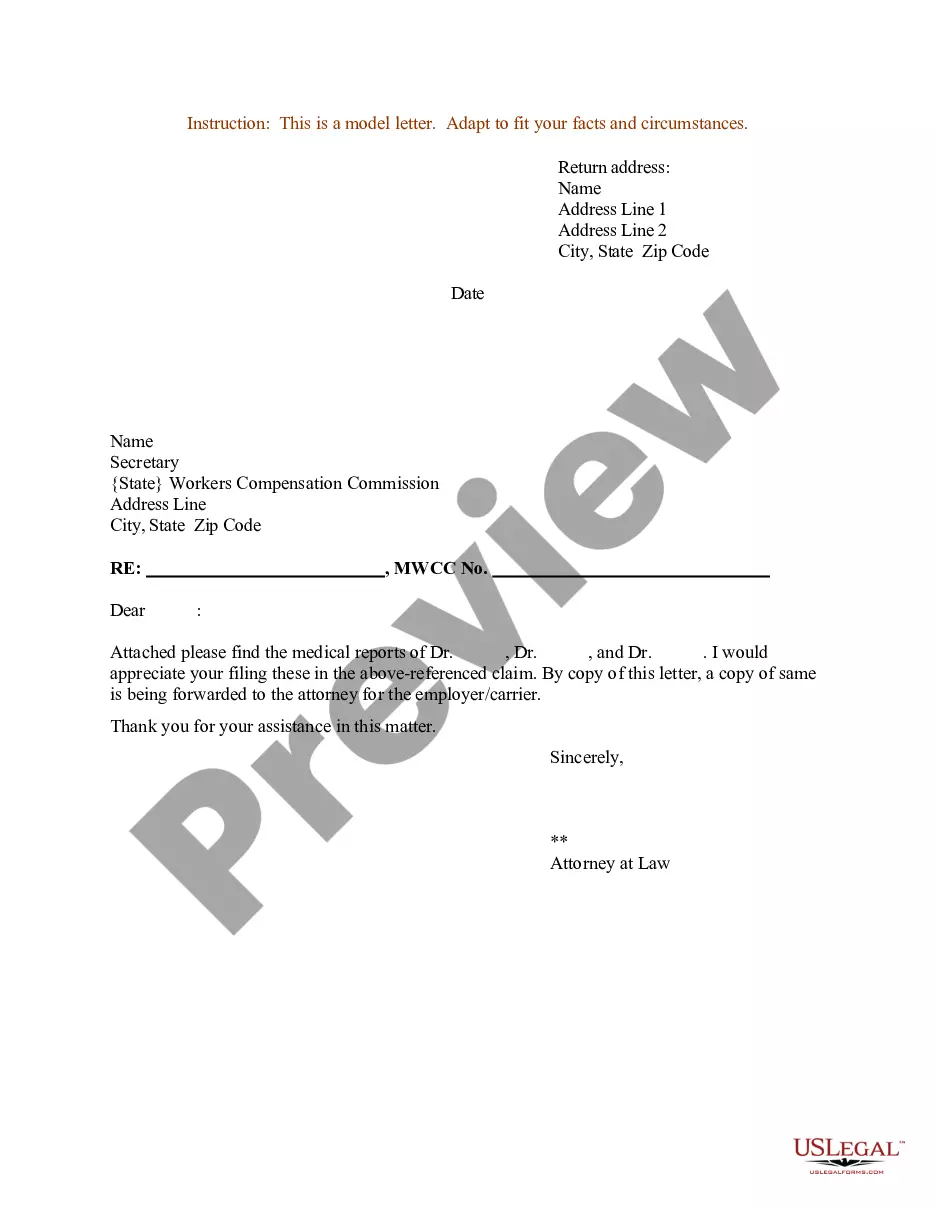
Get your form ready online
Our built-in tools help you complete, sign, share, and store your documents in one place.
Make edits, fill in missing information, and update formatting in US Legal Forms—just like you would in MS Word.
Download a copy, print it, send it by email, or mail it via USPS—whatever works best for your next step.
Sign and collect signatures with our SignNow integration. Send to multiple recipients, set reminders, and more. Go Premium to unlock E-Sign.
If this form requires notarization, complete it online through a secure video call—no need to meet a notary in person or wait for an appointment.
We protect your documents and personal data by following strict security and privacy standards.

Make edits, fill in missing information, and update formatting in US Legal Forms—just like you would in MS Word.

Download a copy, print it, send it by email, or mail it via USPS—whatever works best for your next step.

Sign and collect signatures with our SignNow integration. Send to multiple recipients, set reminders, and more. Go Premium to unlock E-Sign.

If this form requires notarization, complete it online through a secure video call—no need to meet a notary in person or wait for an appointment.

We protect your documents and personal data by following strict security and privacy standards.
Looking for another form?
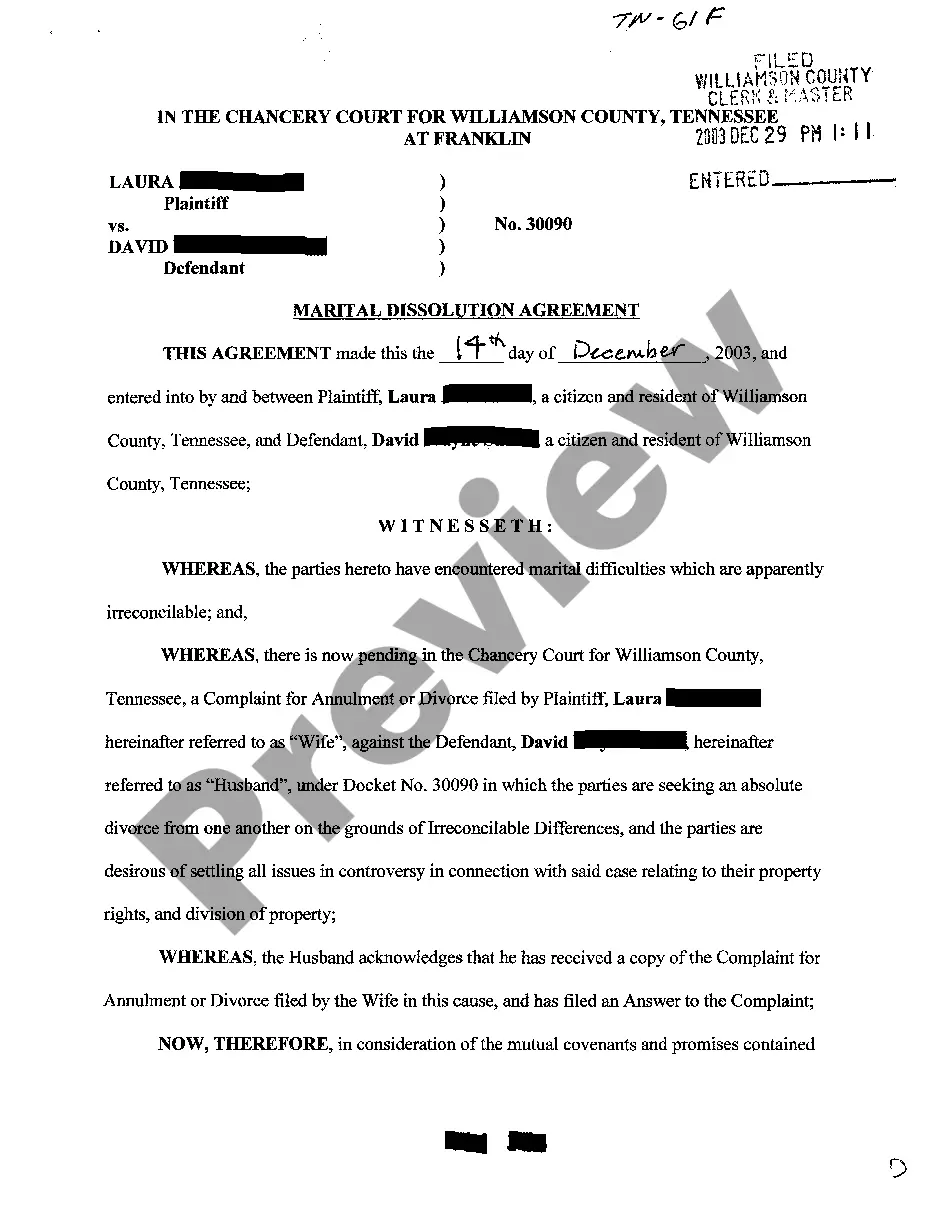
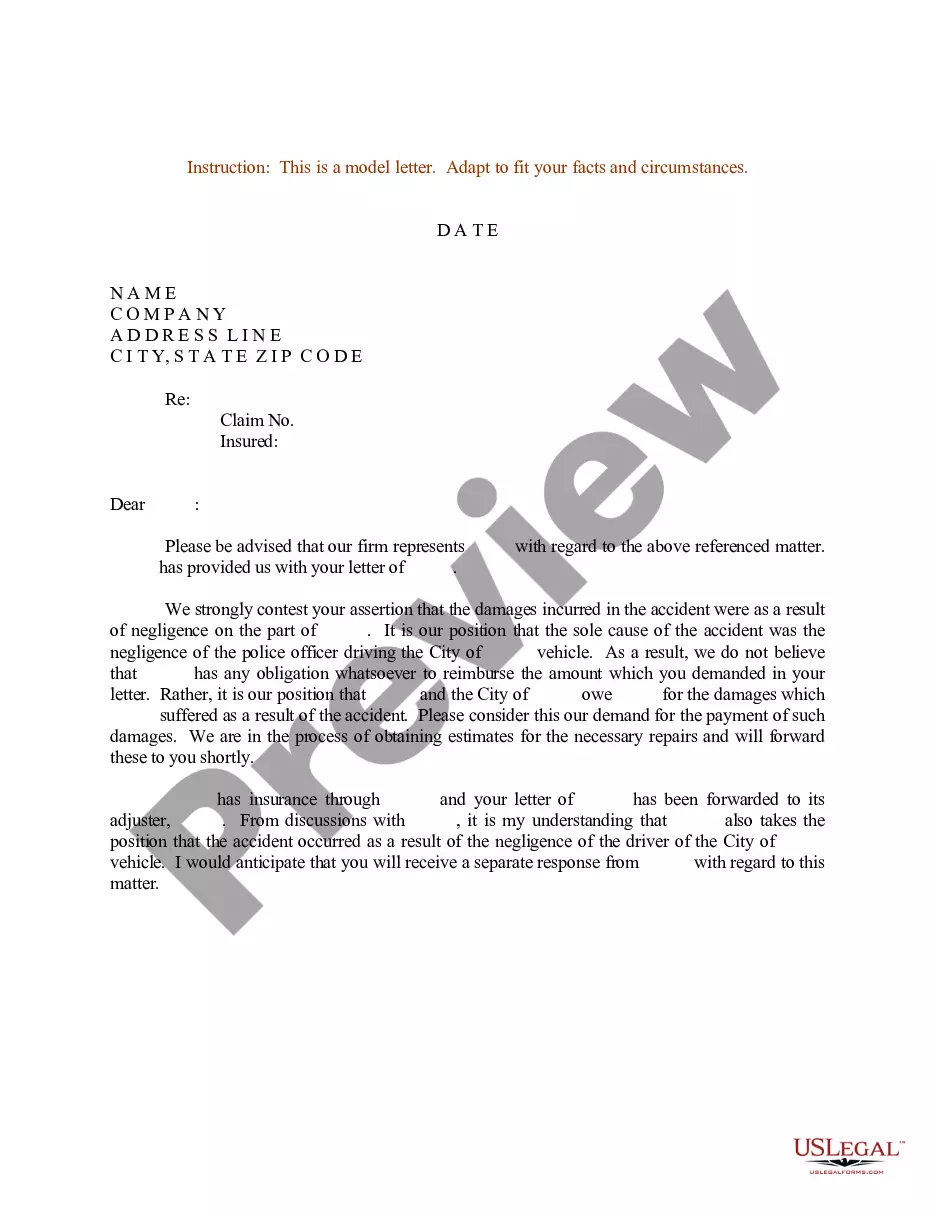
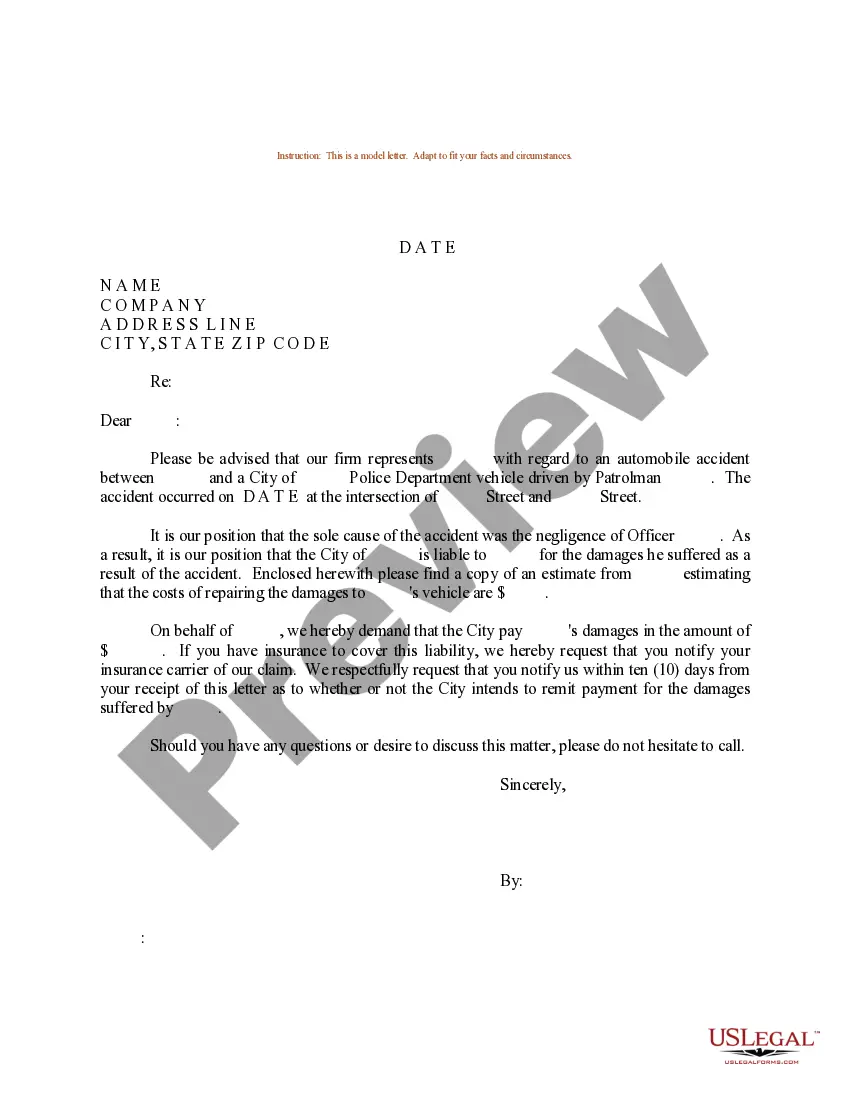
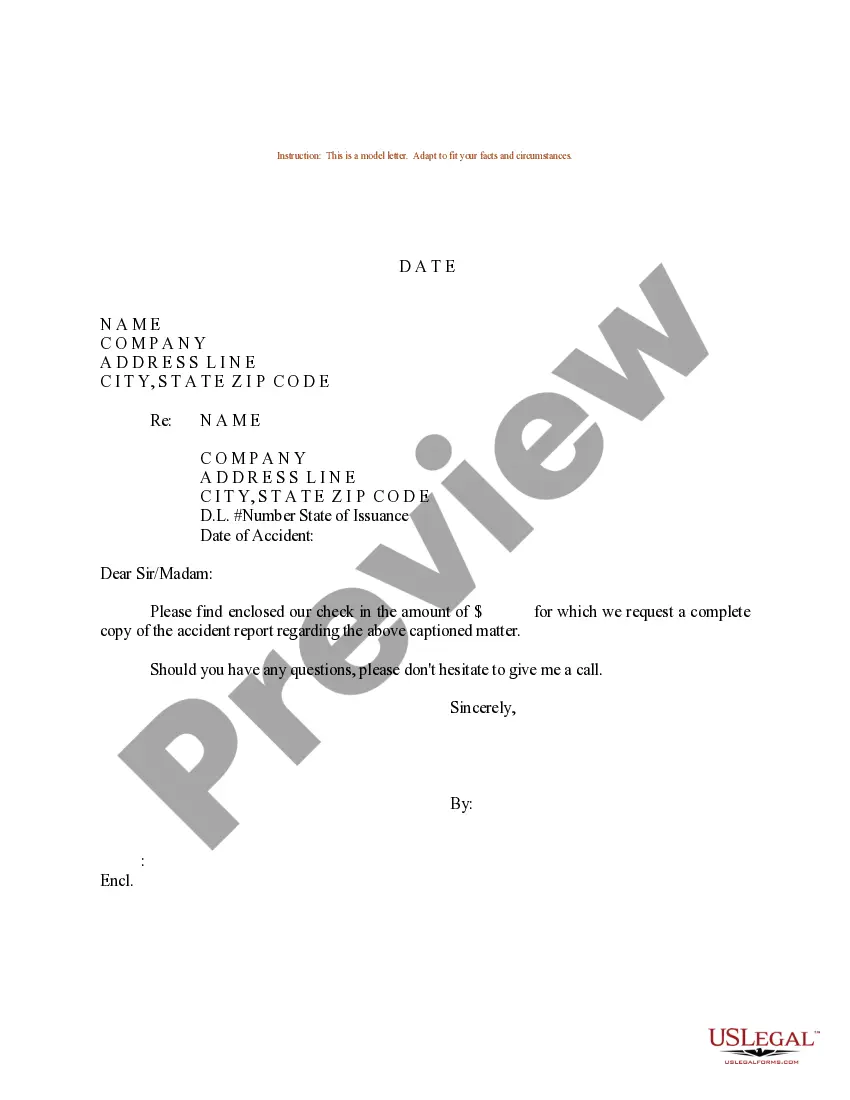
How to fill out Sample Letter Requesting Copy Of Accident Report?
The Incident Documentation For DMV displayed on this page is a versatile formal blueprint created by expert attorneys in alignment with federal and state statutes.
For over 25 years, US Legal Forms has delivered individuals, entities, and lawyers with more than 85,000 validated, state-specific documents for various professional and personal scenarios. It’s the quickest, most direct, and most reliable means to acquire the paperwork you require, as the service guarantees peak levels of data security and malware protection.
Subscribe to US Legal Forms to have authenticated legal templates for all of life's circumstances at your fingertips.
- Search for the document you require and review it.
- Browse through the file you've searched and preview it or assess the document description to confirm it meets your requirements. If it doesn’t, utilize the search feature to locate the correct one. Click Buy Now when you've identified the template you need.
- Register and Log In.
- Select the pricing plan that fits your needs and create an account. Use PayPal or a credit card for a swift payment. If you already possess an account, Log In and review your subscription to continue.
- Obtain the editable template.
- Select the format you desire for your Incident Documentation For DMV (PDF, Word, RTF) and download the sample onto your device.
- Fill out and sign the documents.
- Print the template to fill it out manually. Alternatively, use an online multifunctional PDF editor to quickly and accurately complete and endorse your form with a legally-recognized electronic signature.
- Retrieve your documents one more time.
- Utilize the same document again whenever required. Access the My documents section in your profile to redownload any previously stored forms.
Form popularity
FAQ
If you do not report an accident within 24 hours in California, you may face complications with your insurance claim. Insurance companies prefer timely reports, and delays can result in denial of coverage or reduced compensation. It is essential to communicate with your insurer and consider using USLegalForms to understand your responsibilities better.
Within 72 Hours of a motor vehicle crash, you are required to submit an Oregon Traffic Accident and Insurance Report with DMV.
Reporting a Collision to DMV An SR-1 report is available at DMV field offices, CHP offices, or online. It is required whether you caused the collision or not, and even if the collision occurred on private property.
You will need to fill out Form FR-50 and pay the processing fee. You can mail the form or take it to any local DMV branch. There is also an online filing option available. Remember, you'll need an official copy of your car accident report in South Carolina when filing a claim.
You do not have to report every car accident in Oregon. If your accident did not involve any damage to one or more vehicles, or the total damage is under $2,500, you do not have to report the accident. Keep in mind that non-vehicle property damage counts toward the $2,500 limit.
4 Steps for Writing an Effective Accident Report Date, time and specific location of incident. Names, job titles and department of employees involved and immediate supervisors. Names and accounts of witnesses. Events leading up to incident. Specifically what the employee was doing at the moment of the accident.