Necessary Fair Trial For Defendant
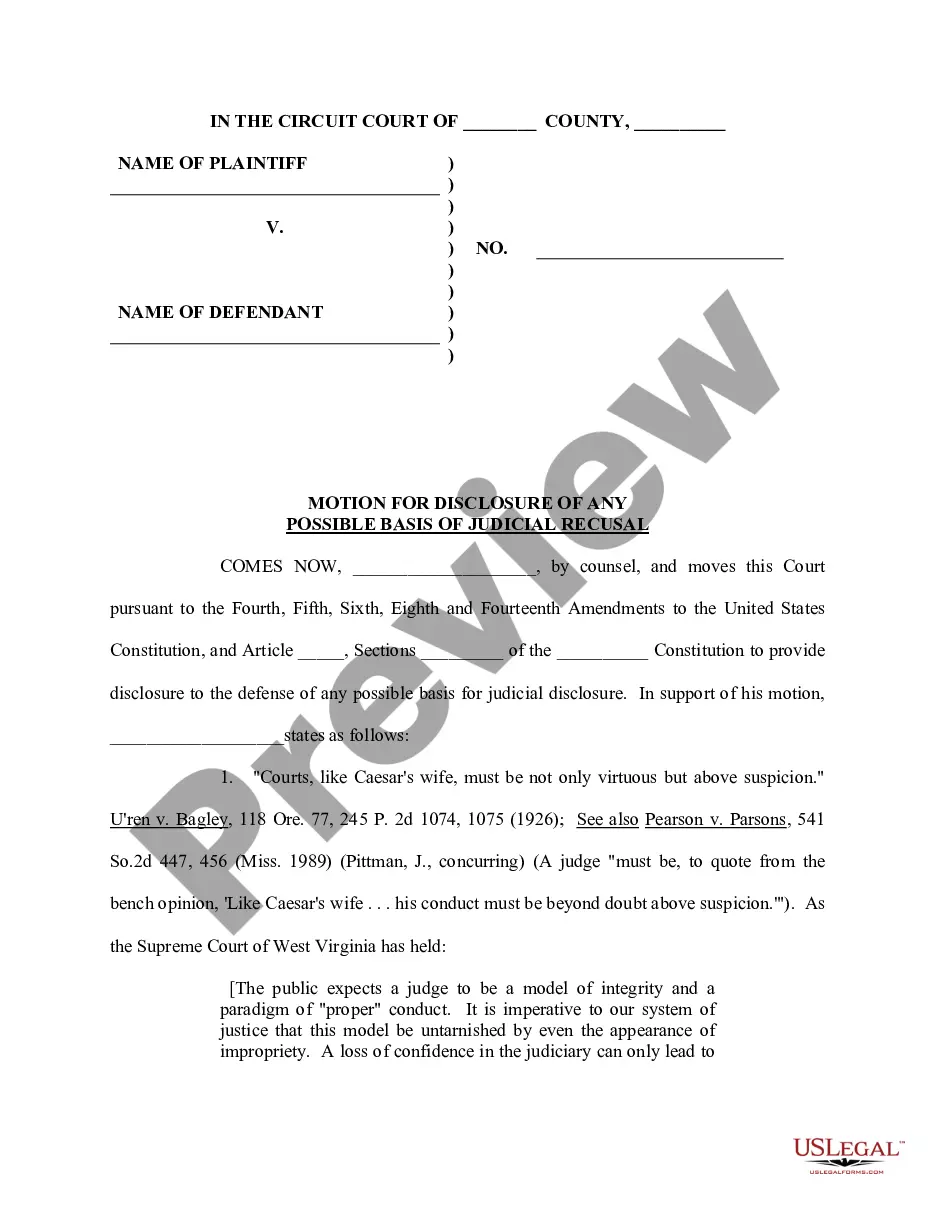
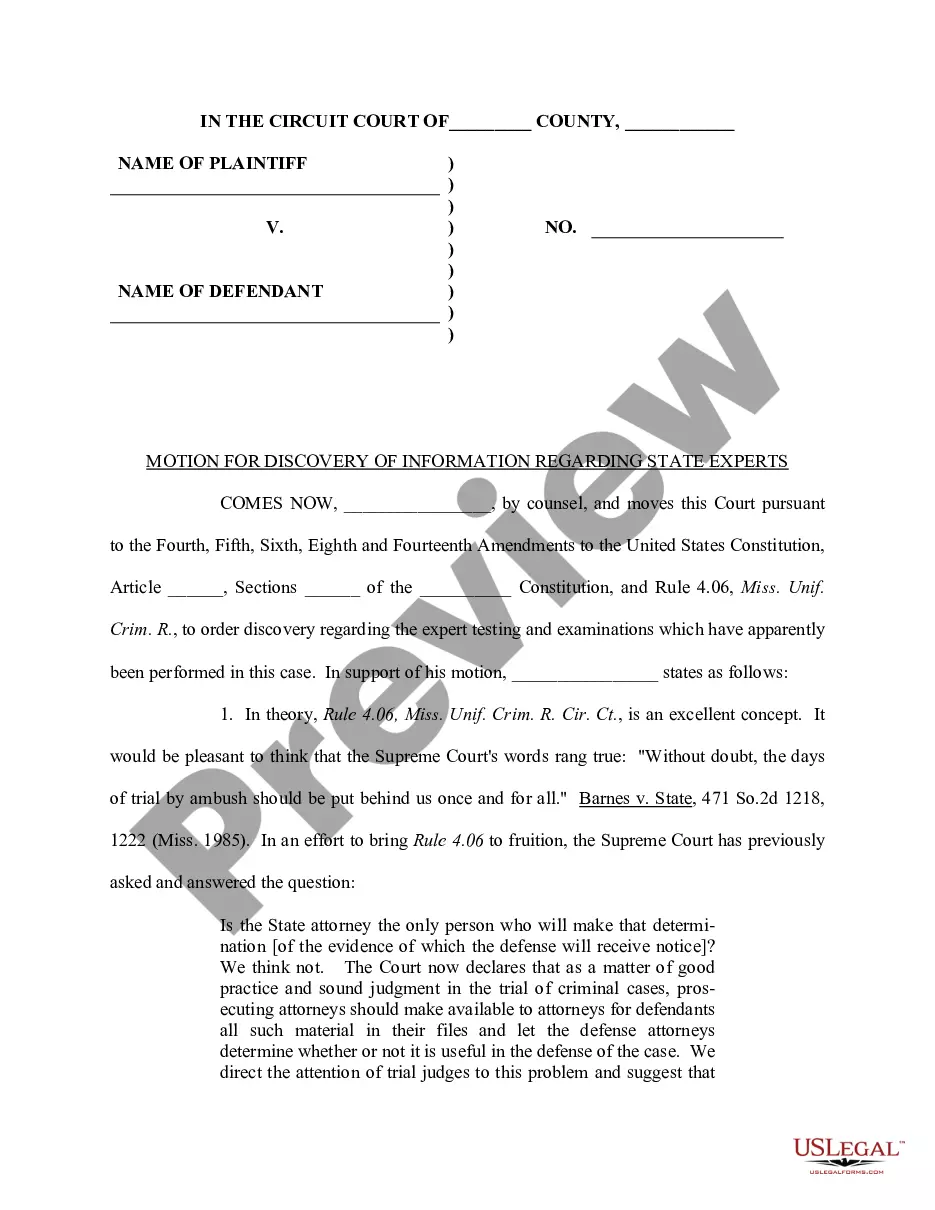
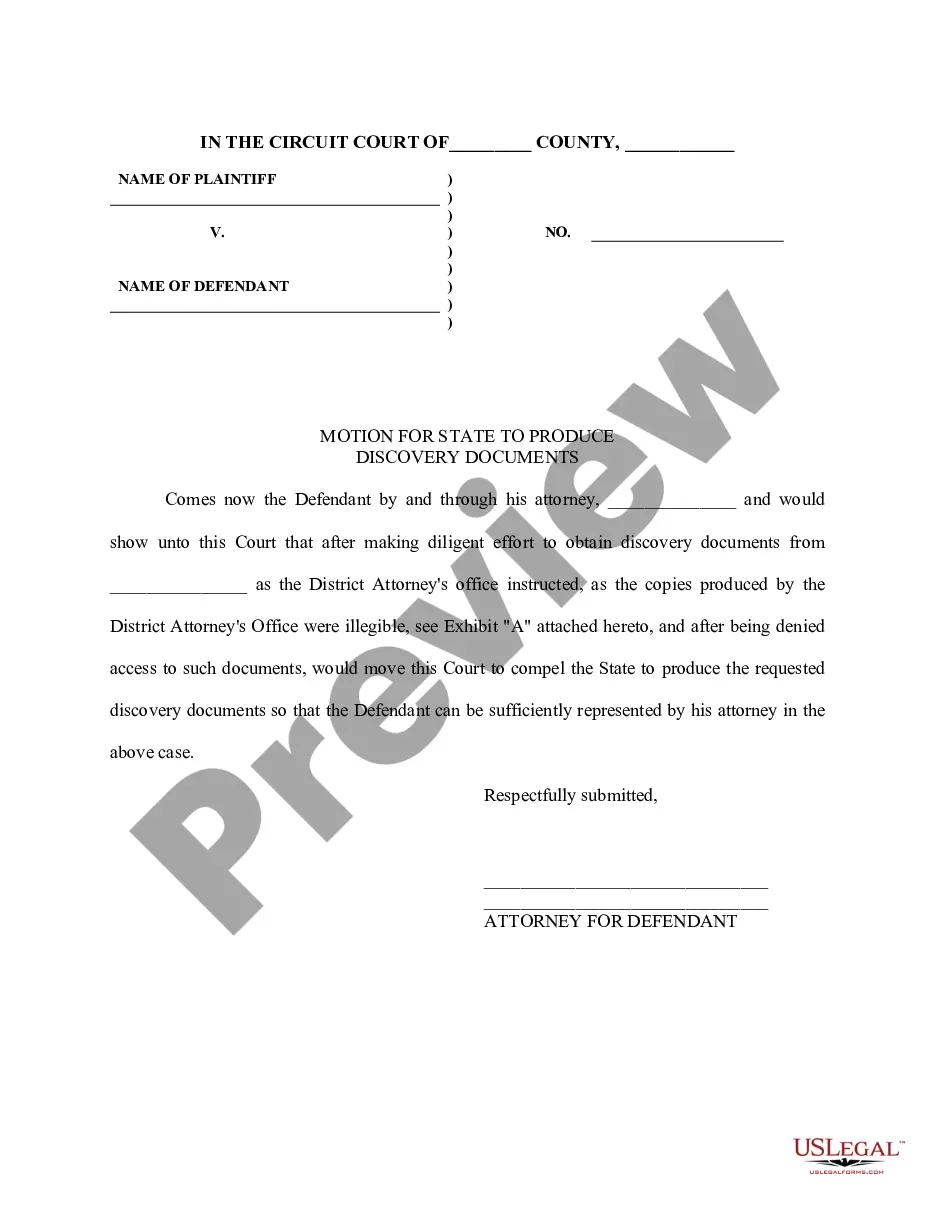
Description

Get your form ready online
Our built-in tools help you complete, sign, share, and store your documents in one place.
Make edits, fill in missing information, and update formatting in US Legal Forms—just like you would in MS Word.
Download a copy, print it, send it by email, or mail it via USPS—whatever works best for your next step.
Sign and collect signatures with our SignNow integration. Send to multiple recipients, set reminders, and more. Go Premium to unlock E-Sign.
If this form requires notarization, complete it online through a secure video call—no need to meet a notary in person or wait for an appointment.
We protect your documents and personal data by following strict security and privacy standards.

Make edits, fill in missing information, and update formatting in US Legal Forms—just like you would in MS Word.

Download a copy, print it, send it by email, or mail it via USPS—whatever works best for your next step.

Sign and collect signatures with our SignNow integration. Send to multiple recipients, set reminders, and more. Go Premium to unlock E-Sign.

If this form requires notarization, complete it online through a secure video call—no need to meet a notary in person or wait for an appointment.

We protect your documents and personal data by following strict security and privacy standards.
Looking for another form?






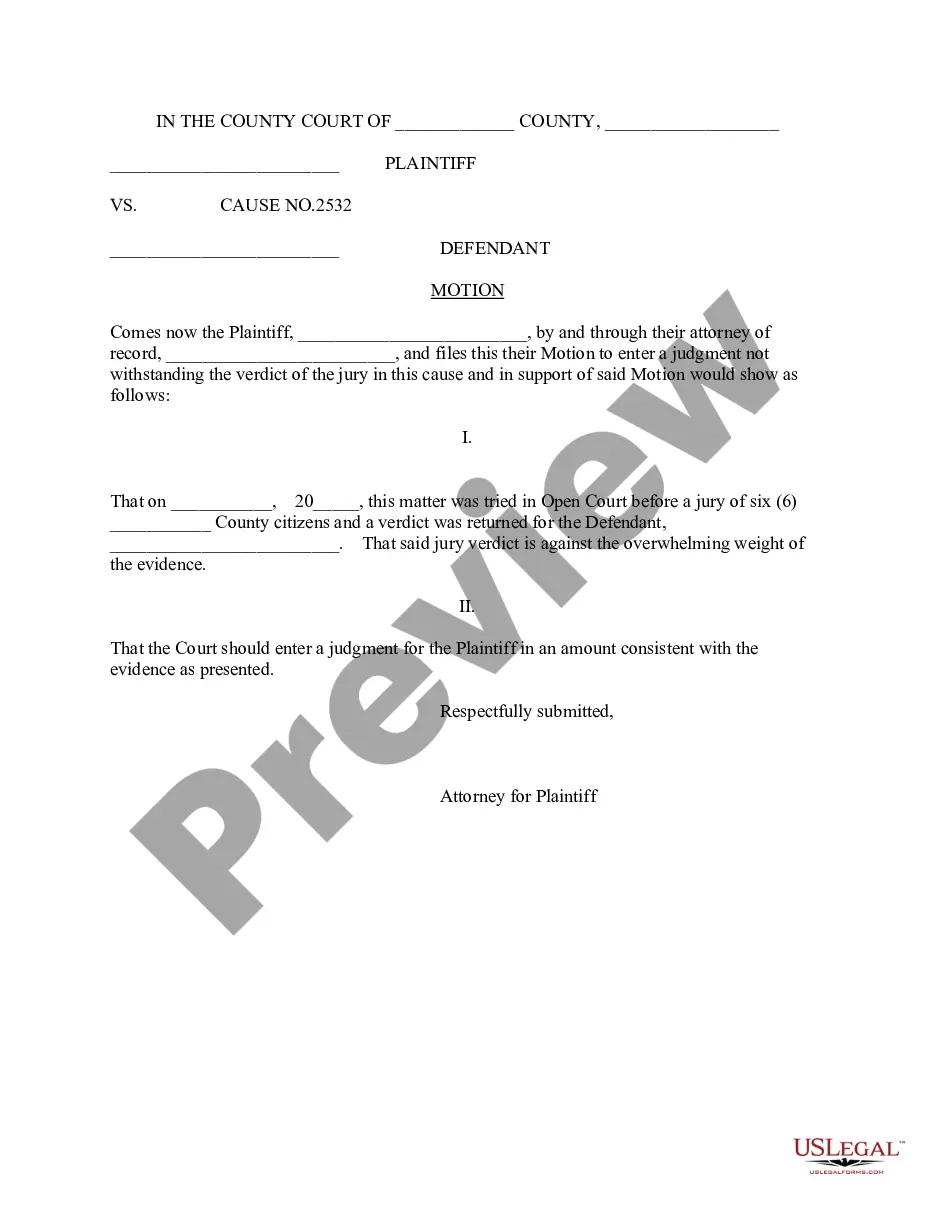


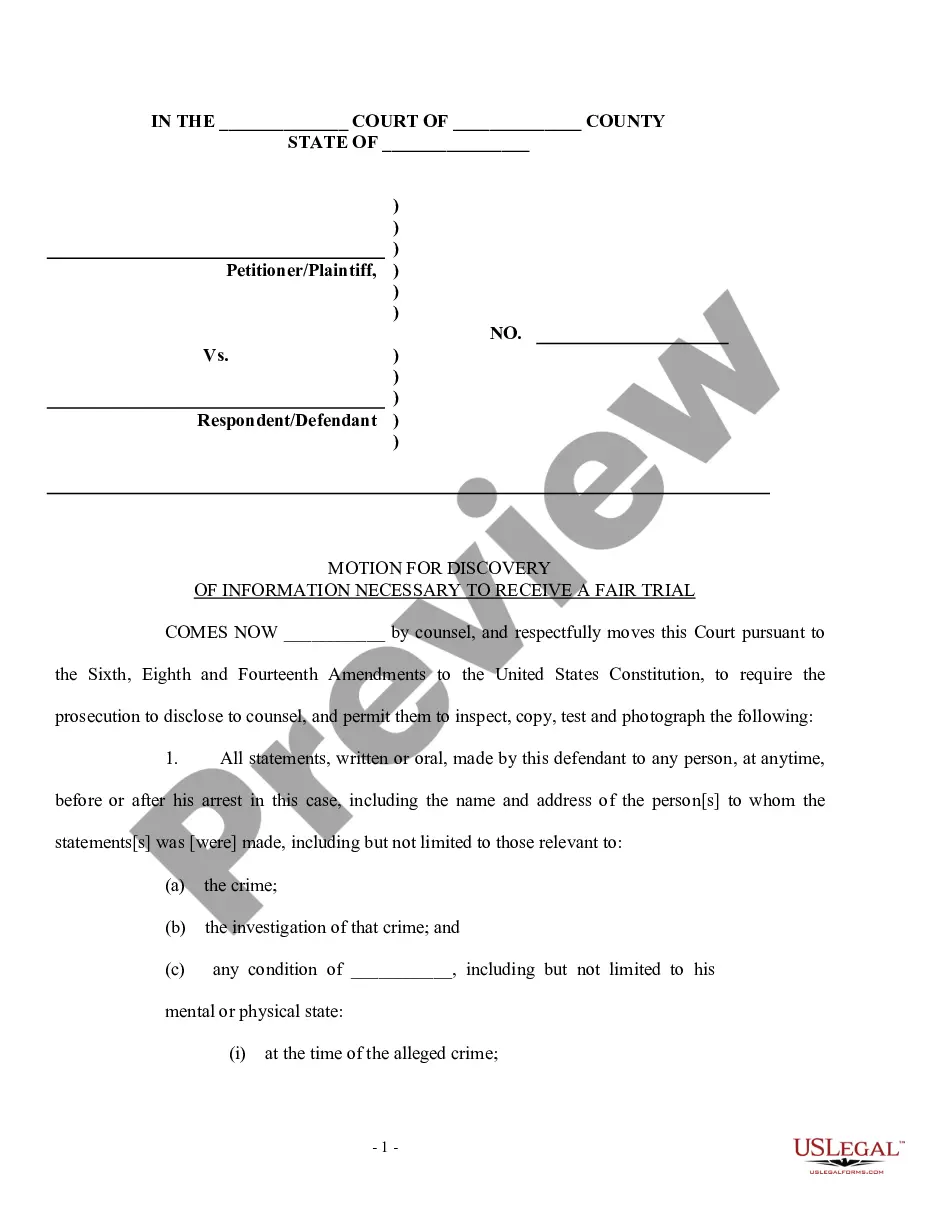
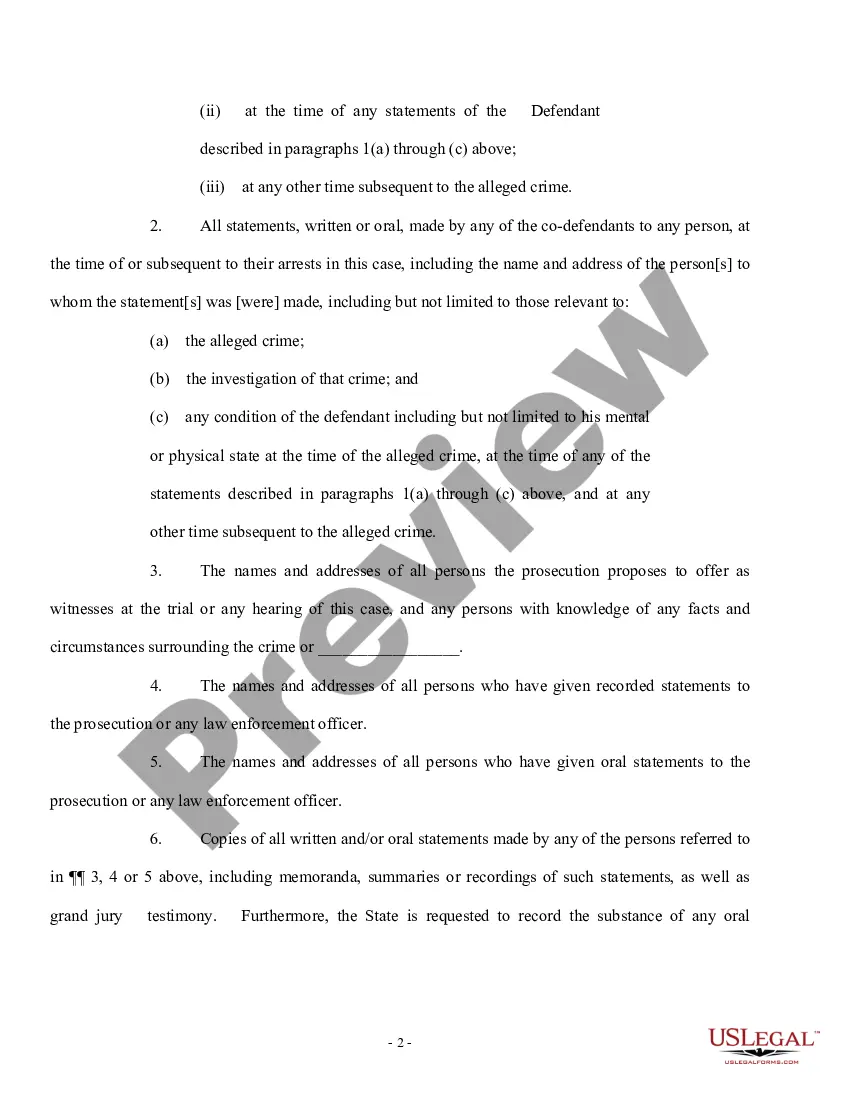
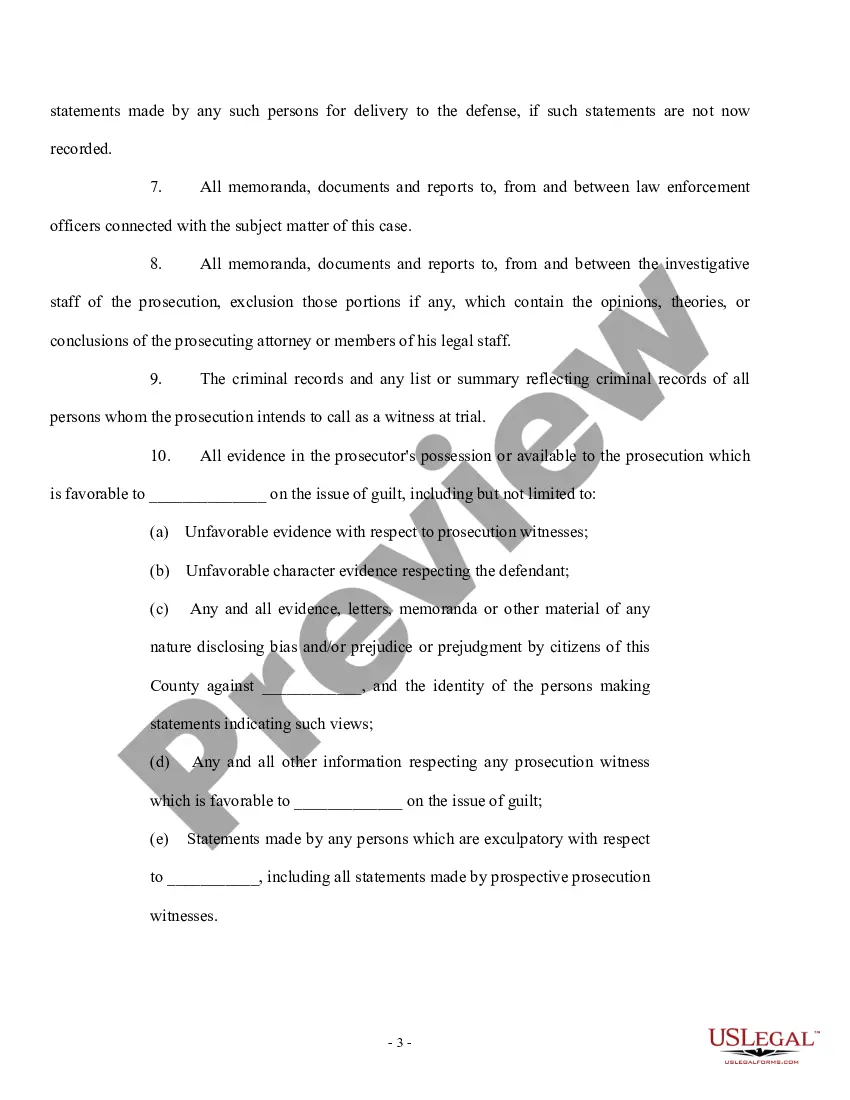
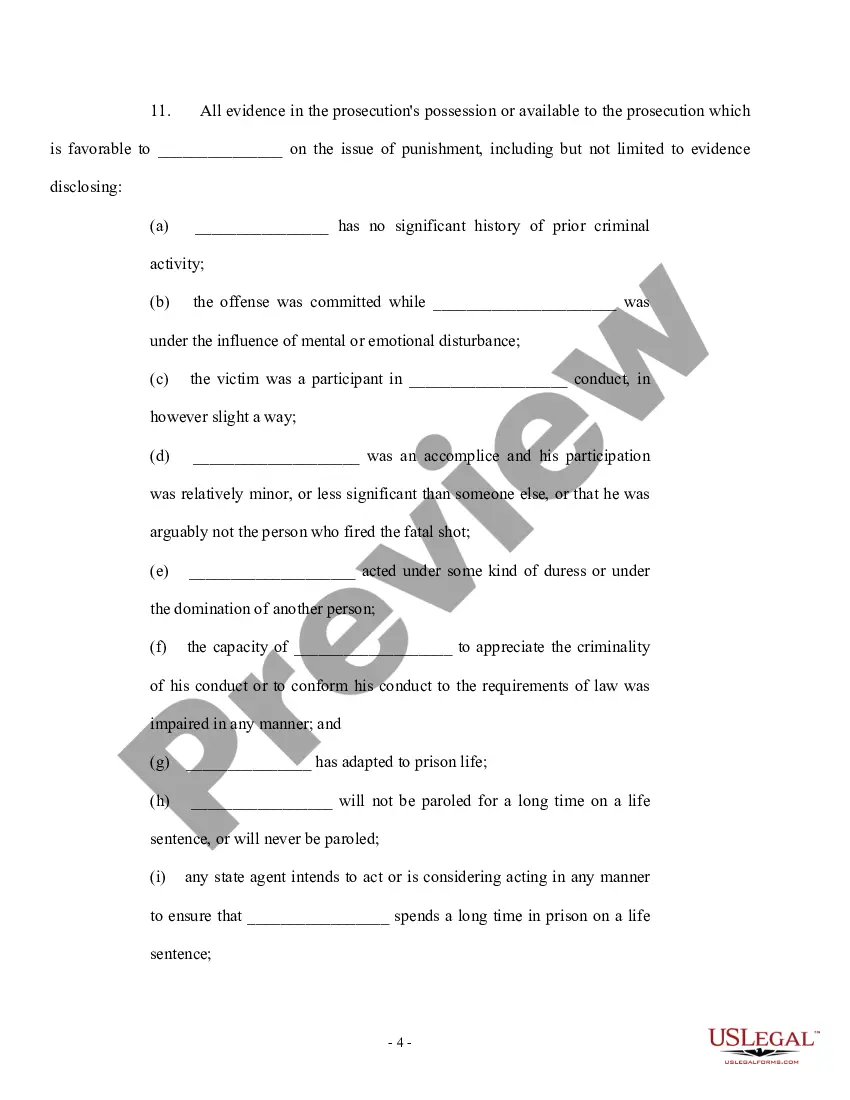
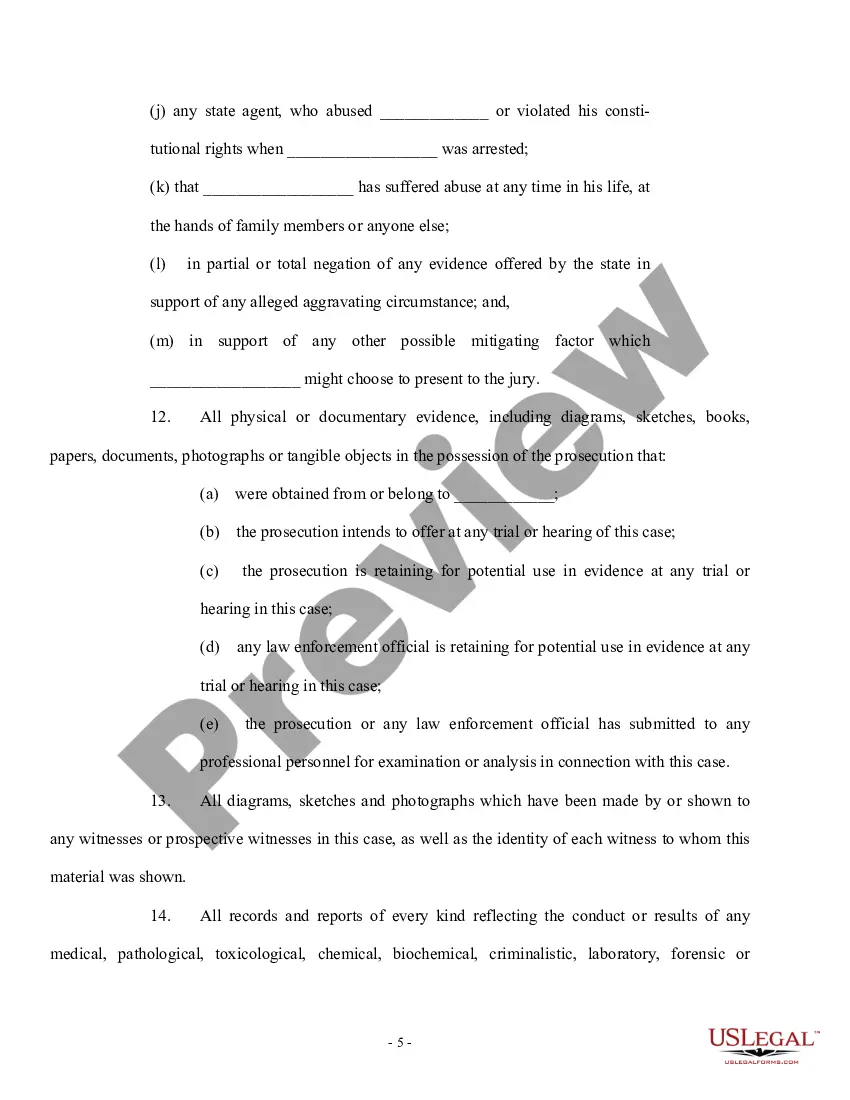
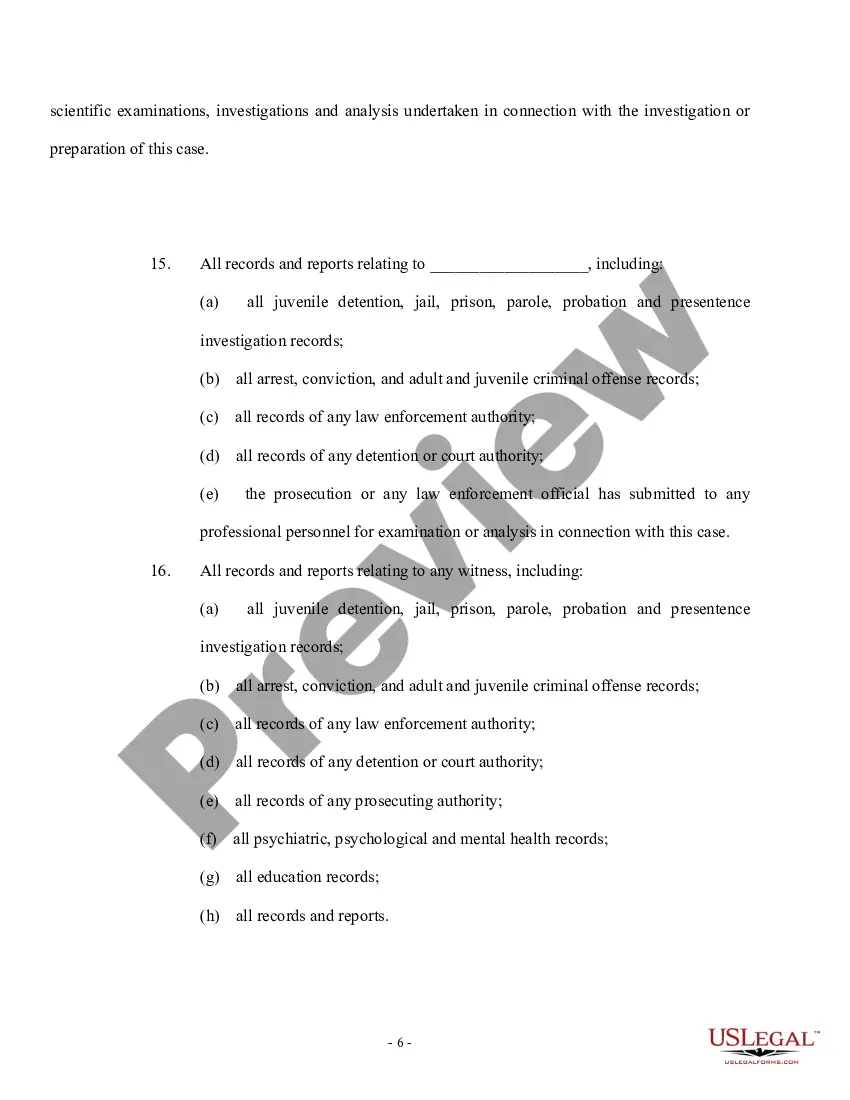
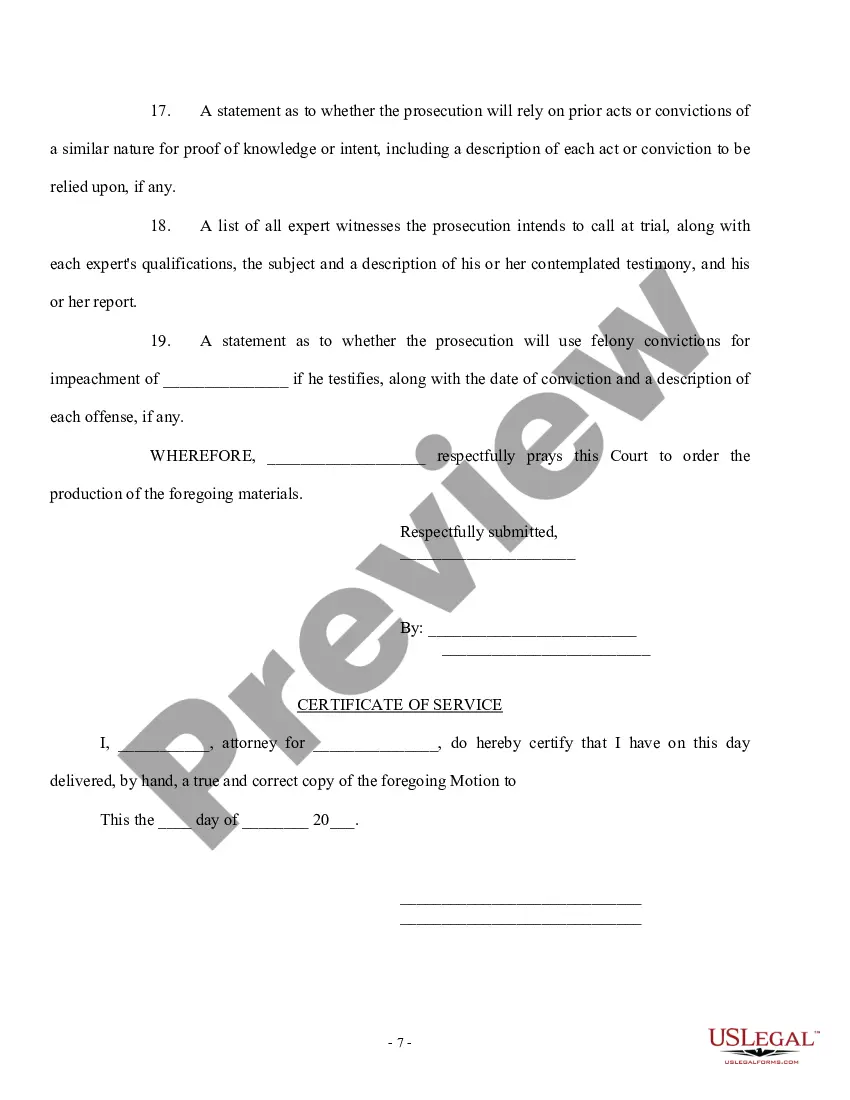
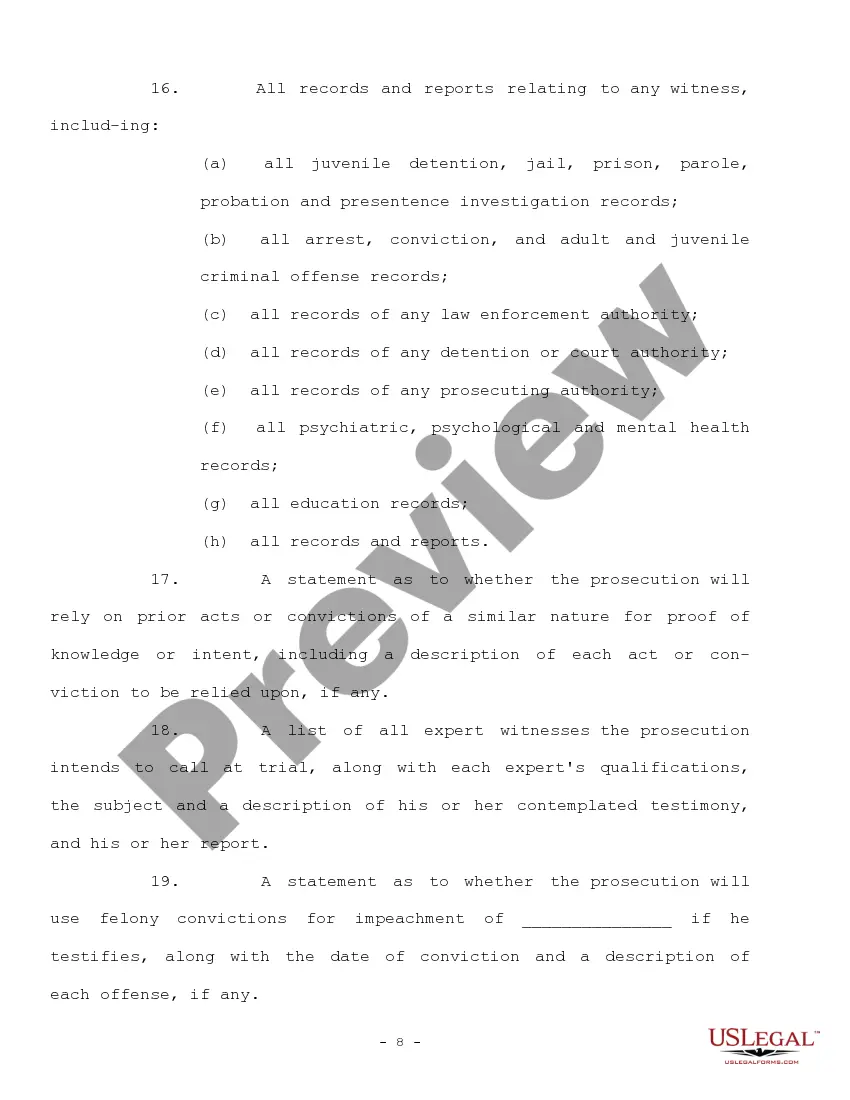
How to fill out Motion For Discovery Of Information Necessary To Receive A Fair Trial?
It’s commonly known that one cannot instantly become a legal authority, nor can one swiftly learn how to prepare the Necessary Fair Trial For Defendant without having a specialized background.
Drafting legal documents is a lengthy process necessitating specific education and expertise.
So why not entrust the preparation of the Necessary Fair Trial For Defendant to the experts.
You can access your forms again from the My documents tab at any point. If you’re a current client, you can merely Log In and locate and download the template from the same section.
Regardless of the intent behind your paperwork—be it financial, legal, or personal—our website is here to assist you. Try US Legal Forms today!
- Explore the form you require using the search bar located at the top of the webpage.
- View it (if this option is accessible) and review the accompanying description to determine if Necessary Fair Trial For Defendant is what you seek.
- Begin your search again if you require a different template.
- Sign up for a free account and choose a subscription plan to acquire the form.
- Select Buy now. Once the payment processes, you may obtain the Necessary Fair Trial For Defendant, complete it, print it, and send or mail it to the appropriate individuals or organizations.
Form popularity
FAQ
Defendants have specific rights to secure a fair trial, such as the right to legal representation, the right to know the charges against them, and the right to an appeal. These rights are crucial for ensuring a necessary fair trial for defendant and maintaining the rule of law. Utilizing platforms like USLegalForms can help clarify these rights and assist with navigating legal processes effectively.
Defendants have many rights in a criminal trial, including the right to a fair trial, the right to confront witnesses, and the right to present evidence in their defense. Ensuring these rights fosters a necessary fair trial for defendant and protects individuals from wrongful convictions. These rights form the foundation of a fair and just legal system.
Getting a fair trial means that every individual should be treated equally under the law, with their case heard in a neutral setting. The concept of a necessary fair trial for defendant emphasizes justice, transparency, and the opportunity to present evidence and arguments. This principle is vital in maintaining the integrity of the legal system.
You have several rights to ensure your fair trial, including the right to be presumed innocent until proven guilty, the right to a public trial, and the right to an impartial jury. Upholding these rights is essential for a necessary fair trial for defendant. These protections help create a balanced legal environment that fosters trust in the judicial process.
Yes, everyone deserves a fair trial. This right is a cornerstone of the legal system, designed to guarantee that all defendants receive impartial treatment in court. A necessary fair trial for defendant ensures that justice is served, regardless of the circumstances surrounding each case.
The accused have the right to remain silent, the right to an attorney, and the right to a fair trial. These rights are fundamental to ensure a necessary fair trial for defendant. By exercising these rights, individuals can protect their freedom and ensure that legal proceedings are conducted justly.
For a trial to be considered fair, it must include impartial juries, transparent procedures, and the opportunity for both sides to present their cases fully. These factors create an environment where a necessary fair trial for the defendant can successfully occur. Upholding this standard is essential to maintaining the rule of law and protecting individual rights within the judicial system.
The hardest cases to win often involve complex legal issues, weak evidence, or a lack of credible witnesses. High-profile criminal cases or those with extensive media coverage can also present significant challenges. Regardless of the difficulty, every defendant deserves a necessary fair trial for the defendant, ensuring that justice is accessible, regardless of the case's challenges.
To guarantee a fair trial, a judge should promise impartiality, adherence to legal standards, and the provision of adequate time to prepare a defense. Such commitments are vital to ensure that the defendant receives a necessary fair trial for the defendant. When judges uphold these promises, they reinforce the integrity of the judicial process.
A fair trial for the defendant involves several critical components, including access to a qualified attorney, the presumption of innocence, and a neutral judge. These elements ensure that the defendant's rights are protected throughout the legal process, contributing to a necessary fair trial for the defendant. This balance helps maintain justice and fairness in the courtroom.