Demand For Discovery Template With Motion
Description
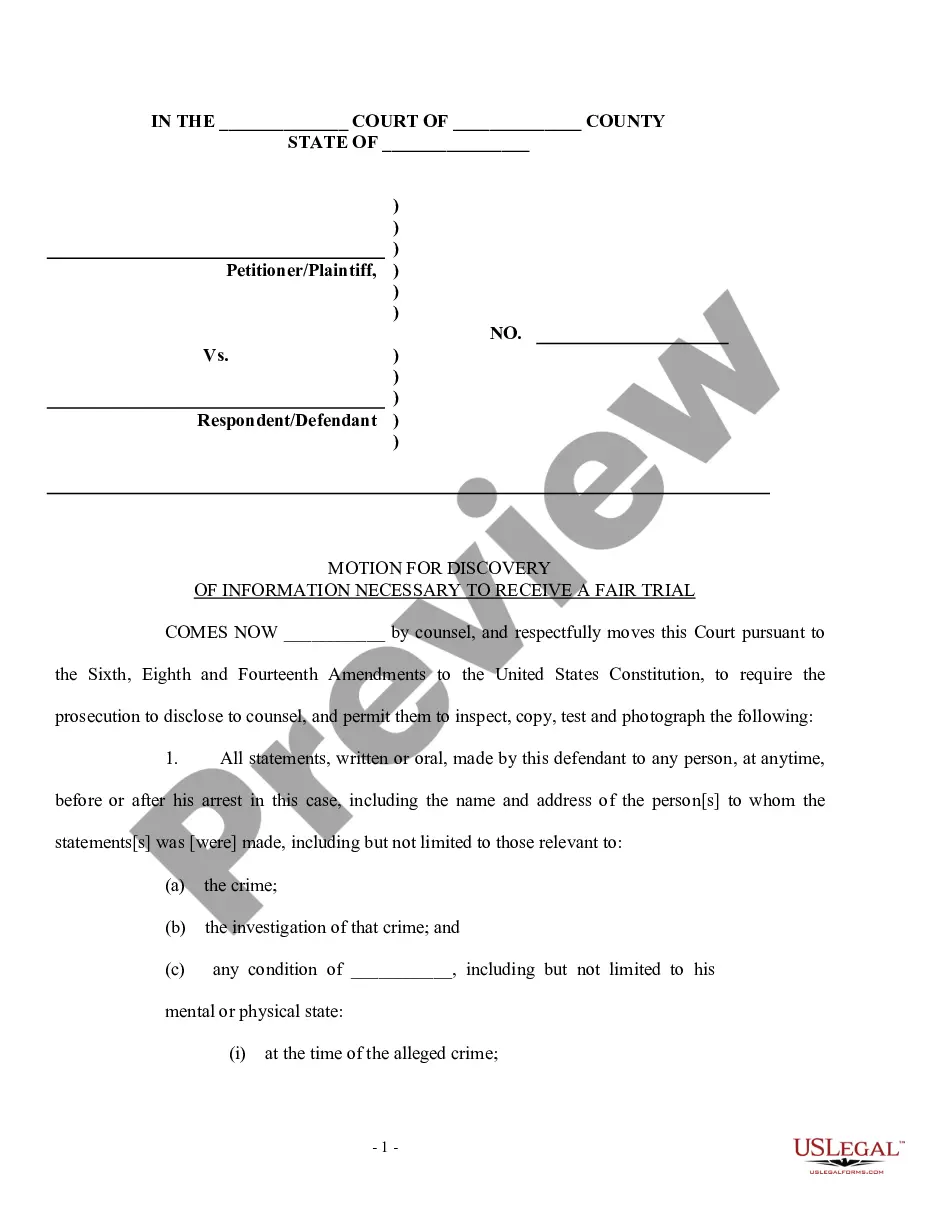
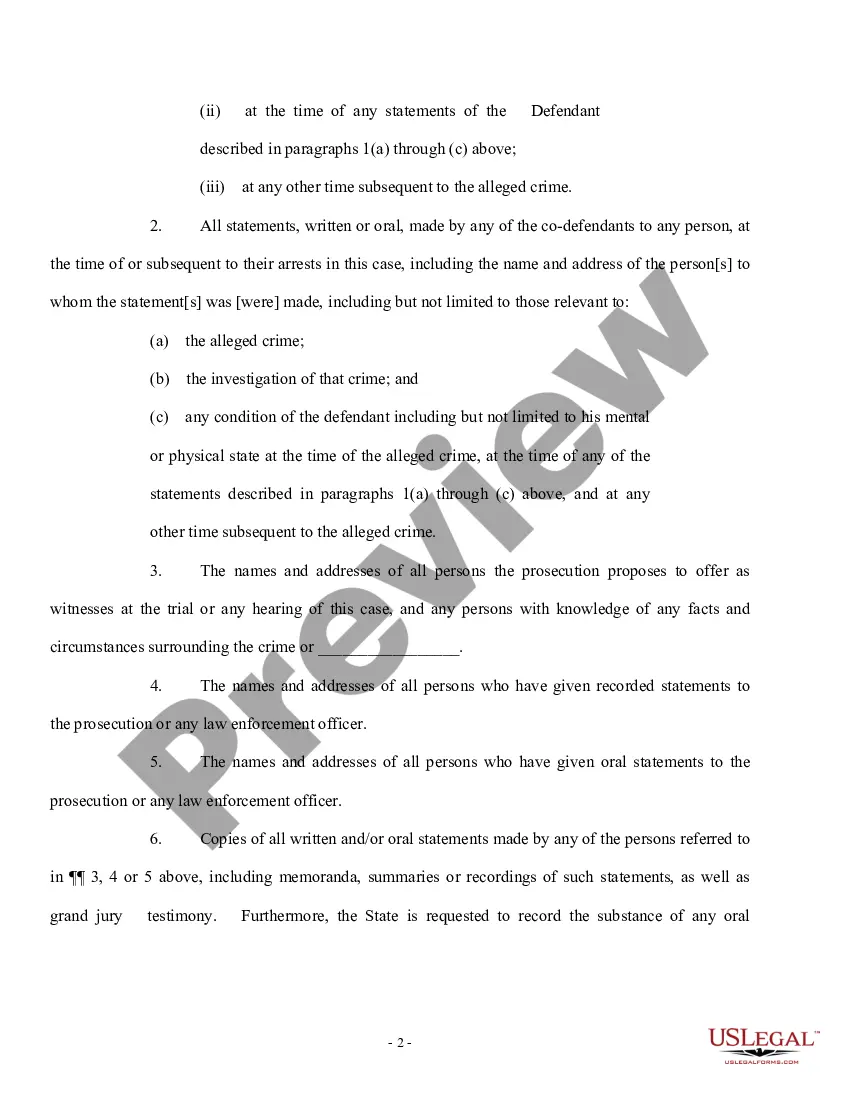
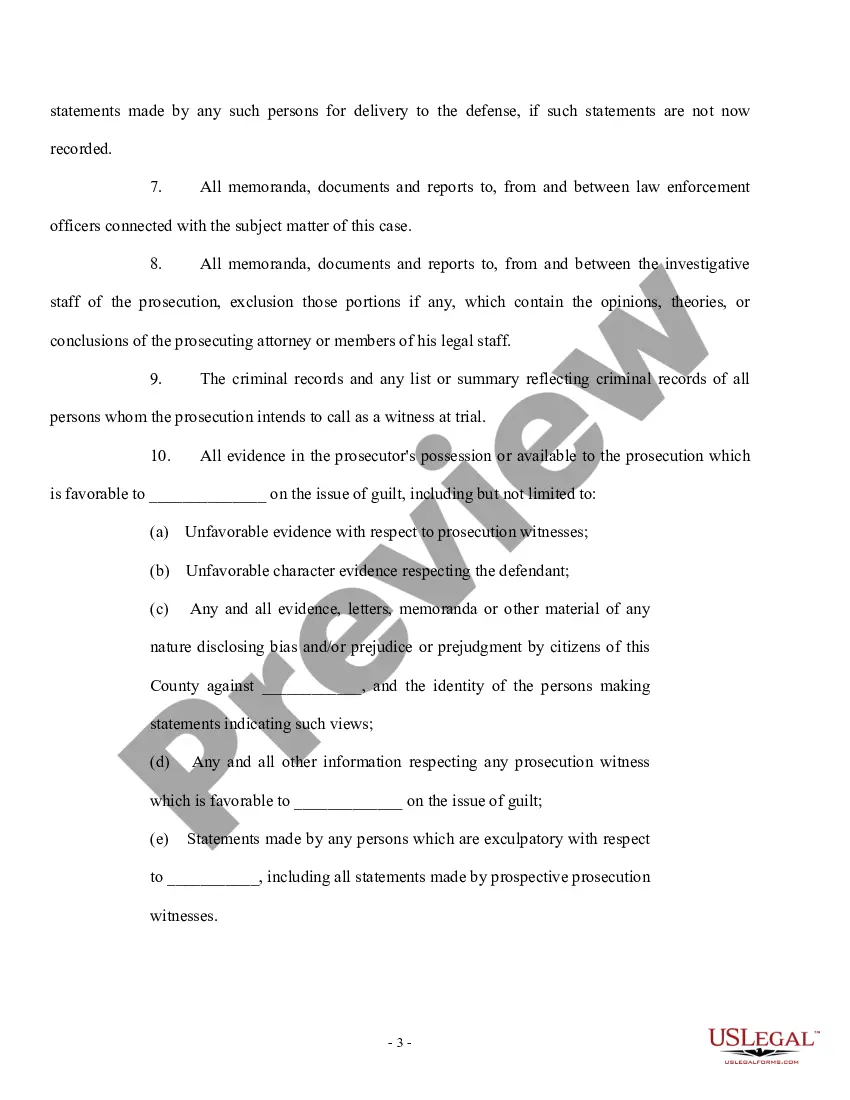
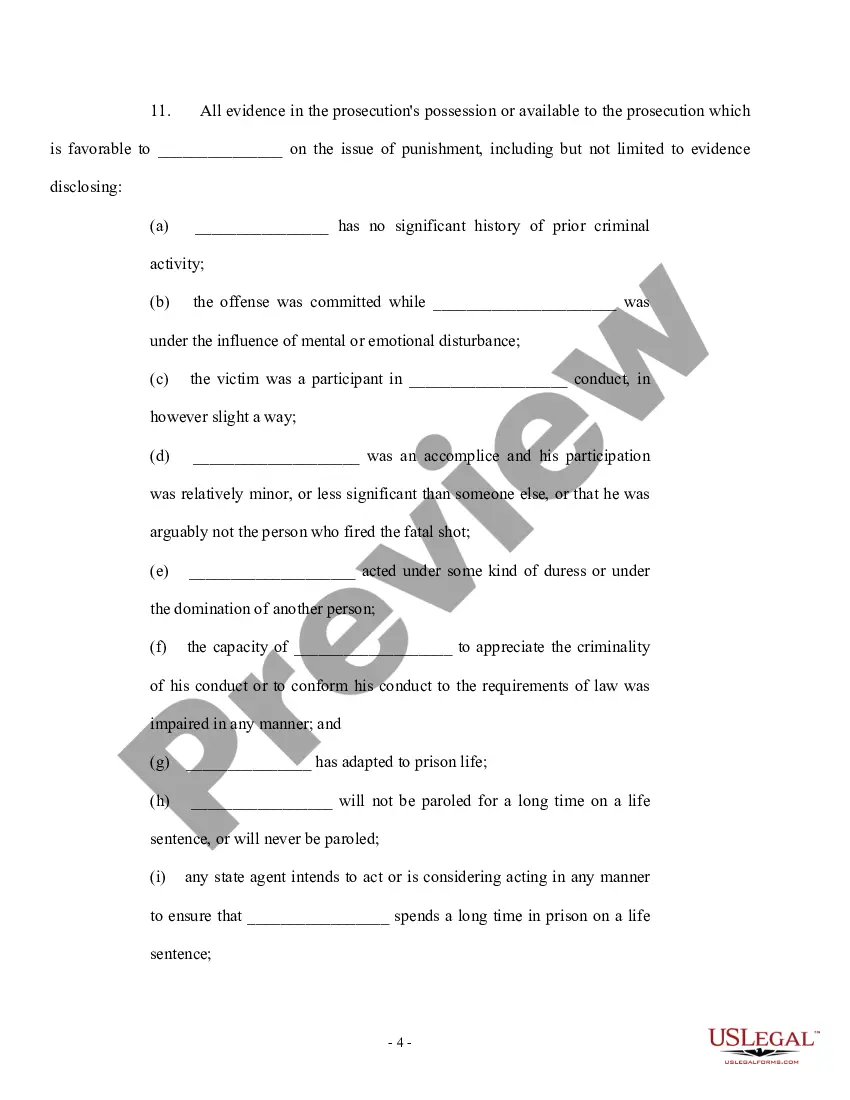
Get your form ready online
Our built-in tools help you complete, sign, share, and store your documents in one place.
Make edits, fill in missing information, and update formatting in US Legal Forms—just like you would in MS Word.
Download a copy, print it, send it by email, or mail it via USPS—whatever works best for your next step.
Sign and collect signatures with our SignNow integration. Send to multiple recipients, set reminders, and more. Go Premium to unlock E-Sign.
If this form requires notarization, complete it online through a secure video call—no need to meet a notary in person or wait for an appointment.
We protect your documents and personal data by following strict security and privacy standards.

Make edits, fill in missing information, and update formatting in US Legal Forms—just like you would in MS Word.

Download a copy, print it, send it by email, or mail it via USPS—whatever works best for your next step.

Sign and collect signatures with our SignNow integration. Send to multiple recipients, set reminders, and more. Go Premium to unlock E-Sign.

If this form requires notarization, complete it online through a secure video call—no need to meet a notary in person or wait for an appointment.

We protect your documents and personal data by following strict security and privacy standards.
Looking for another form?
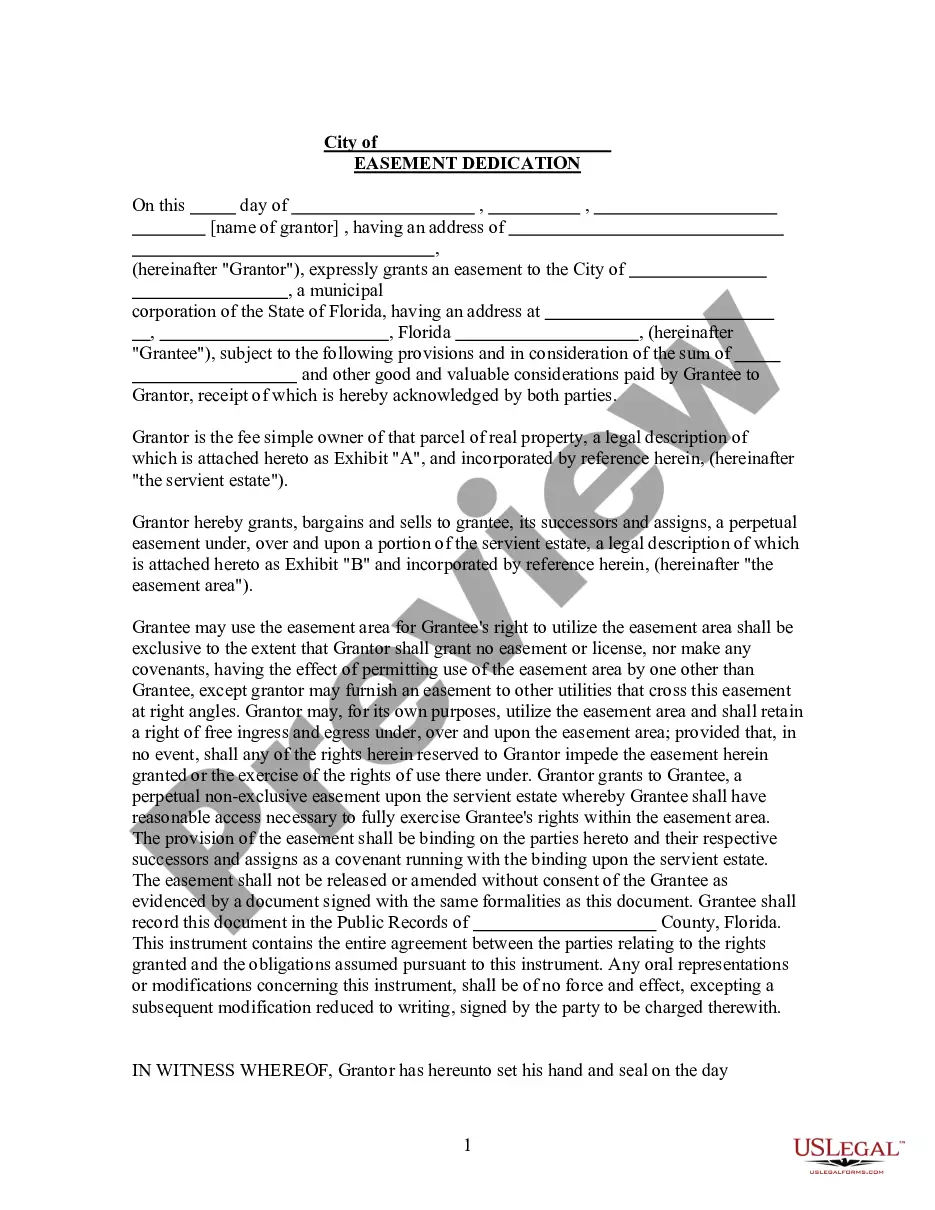
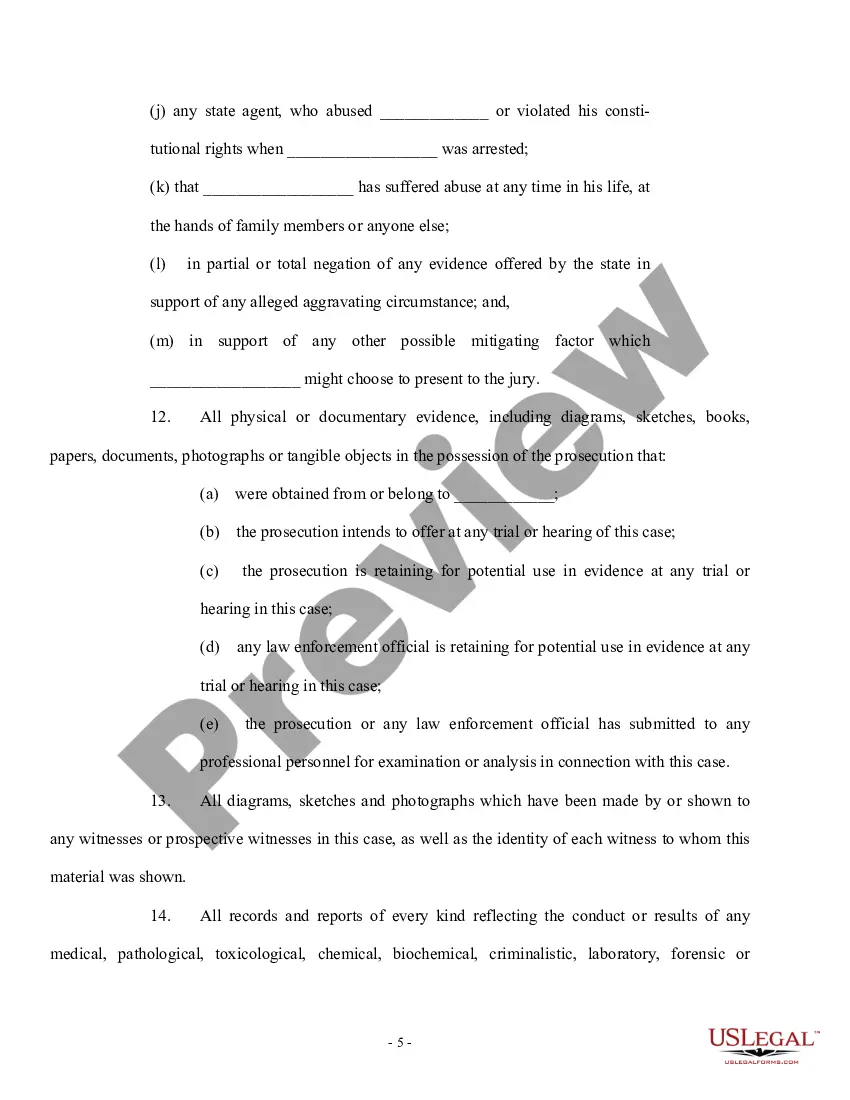
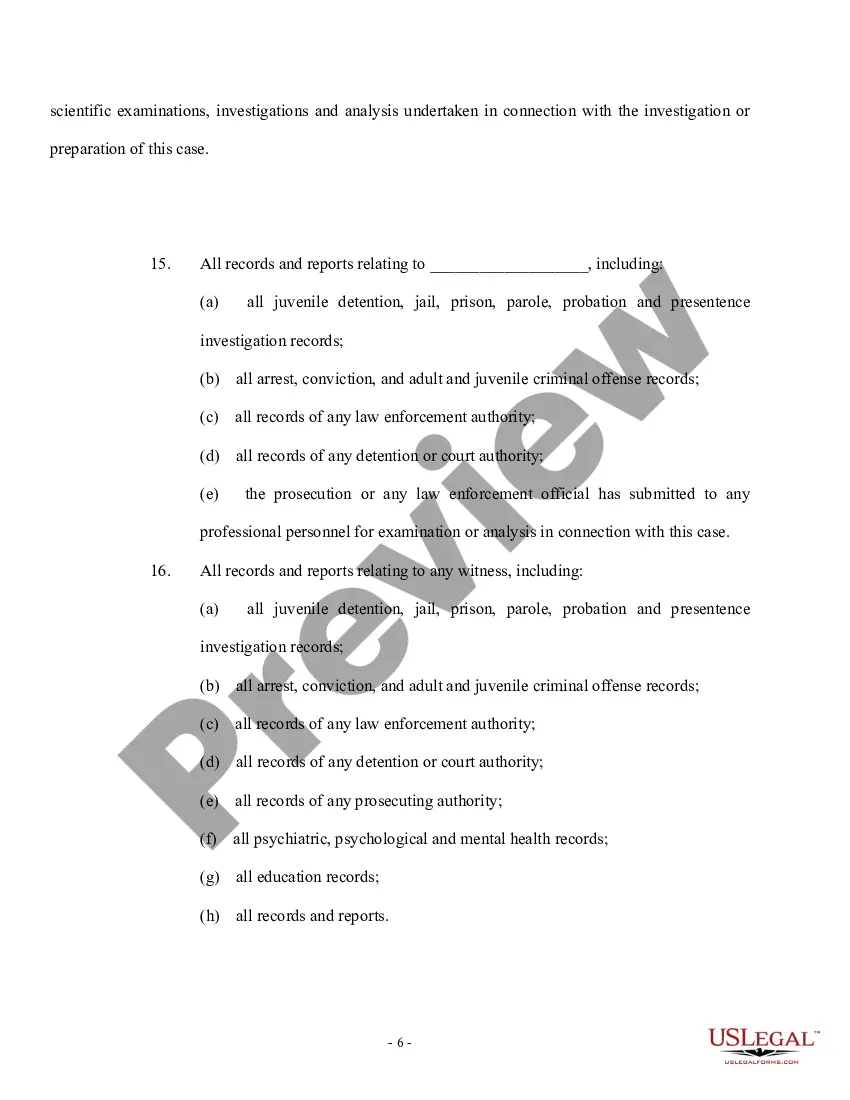
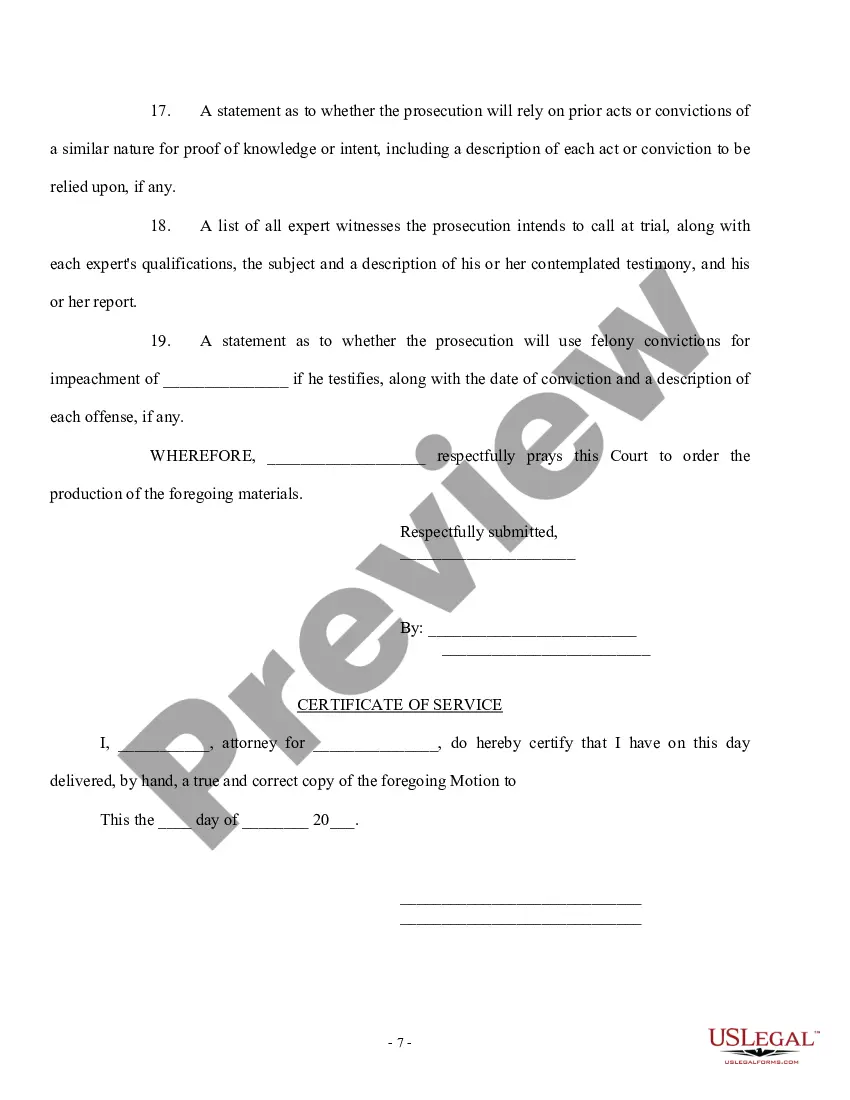
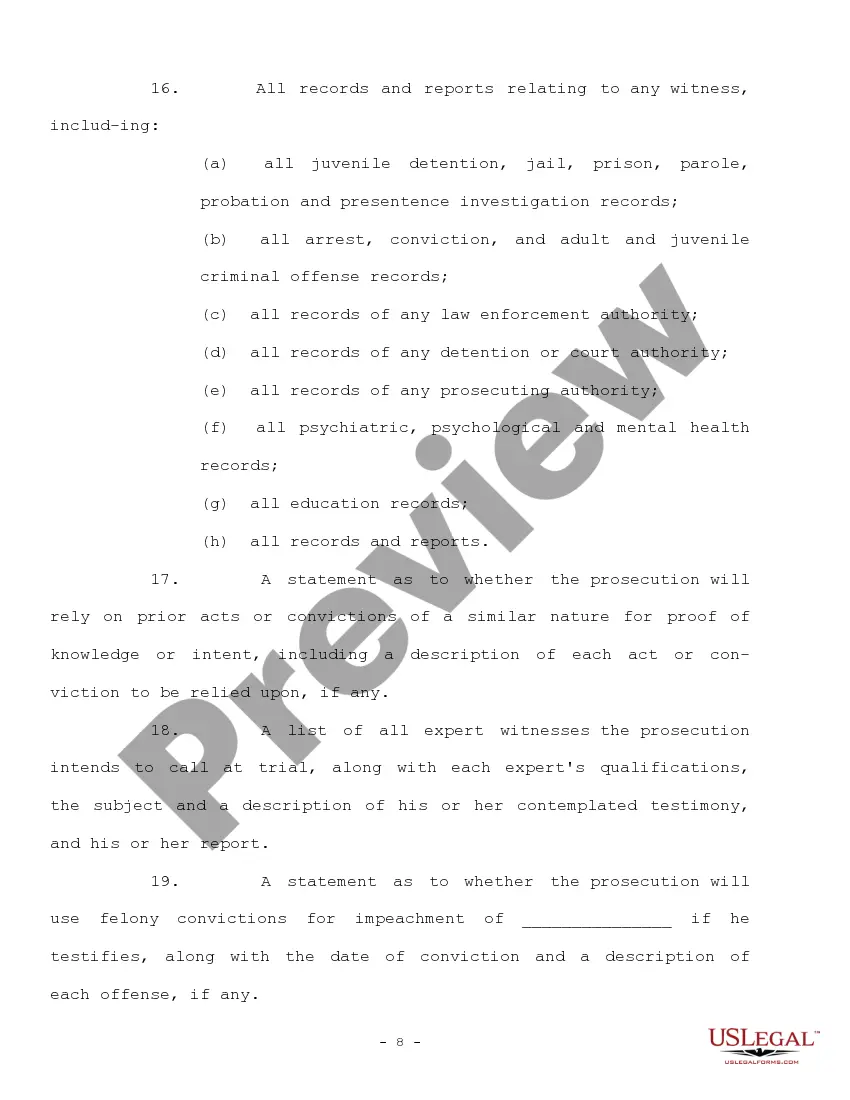
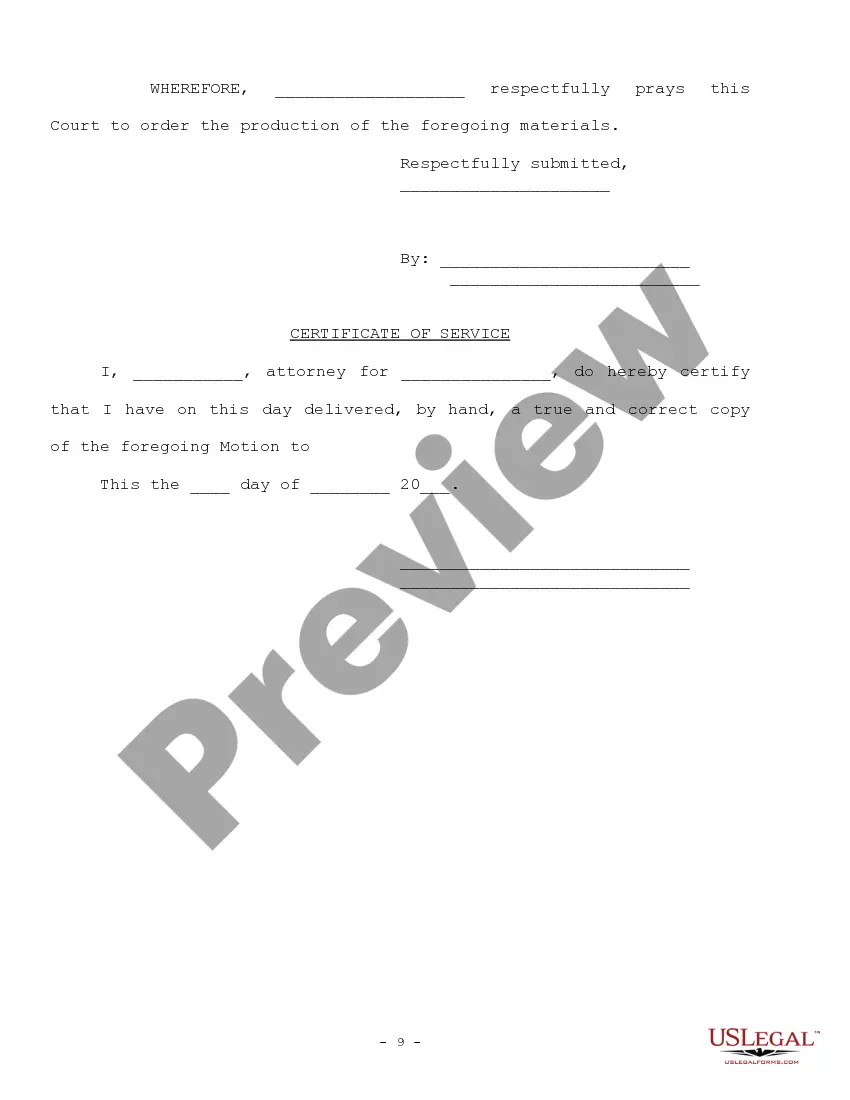
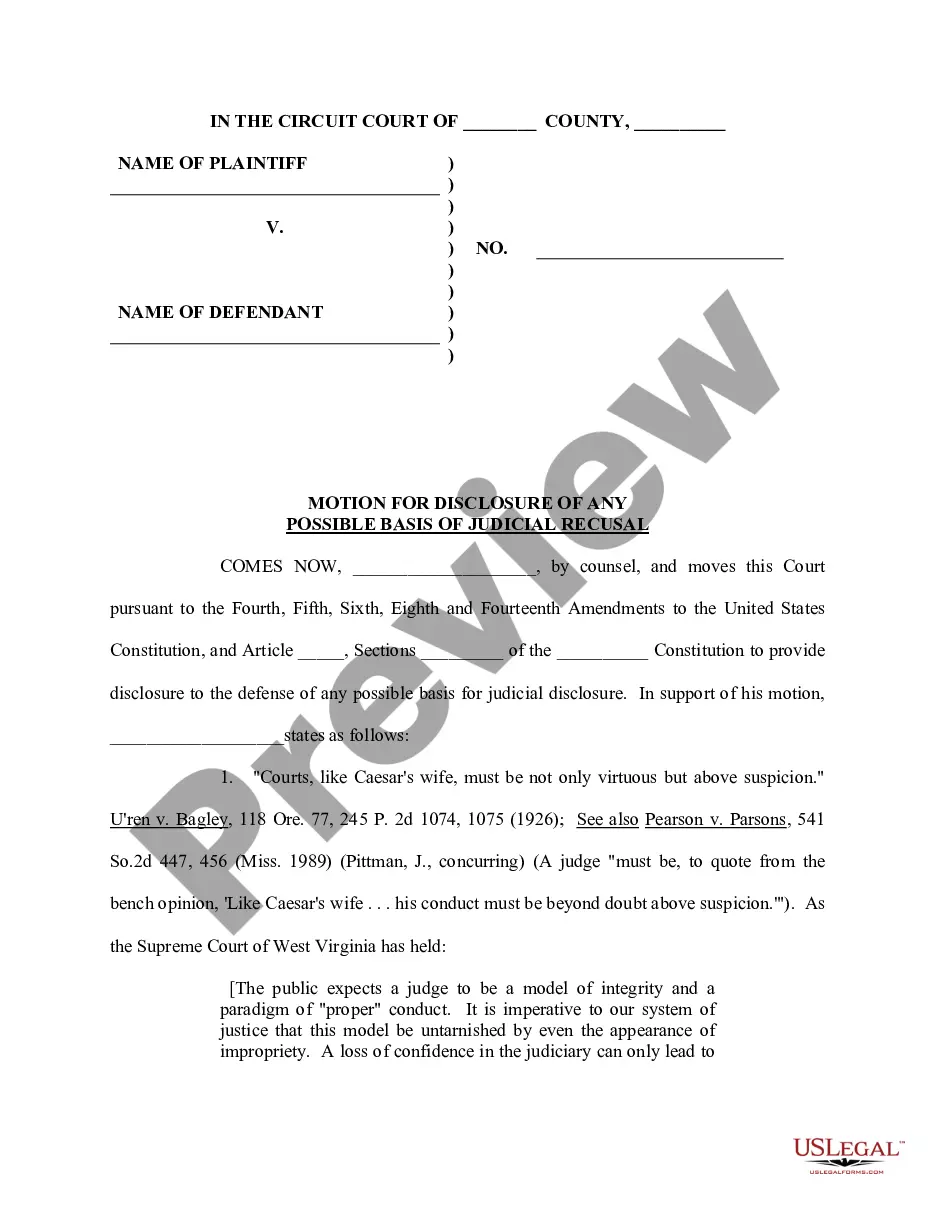
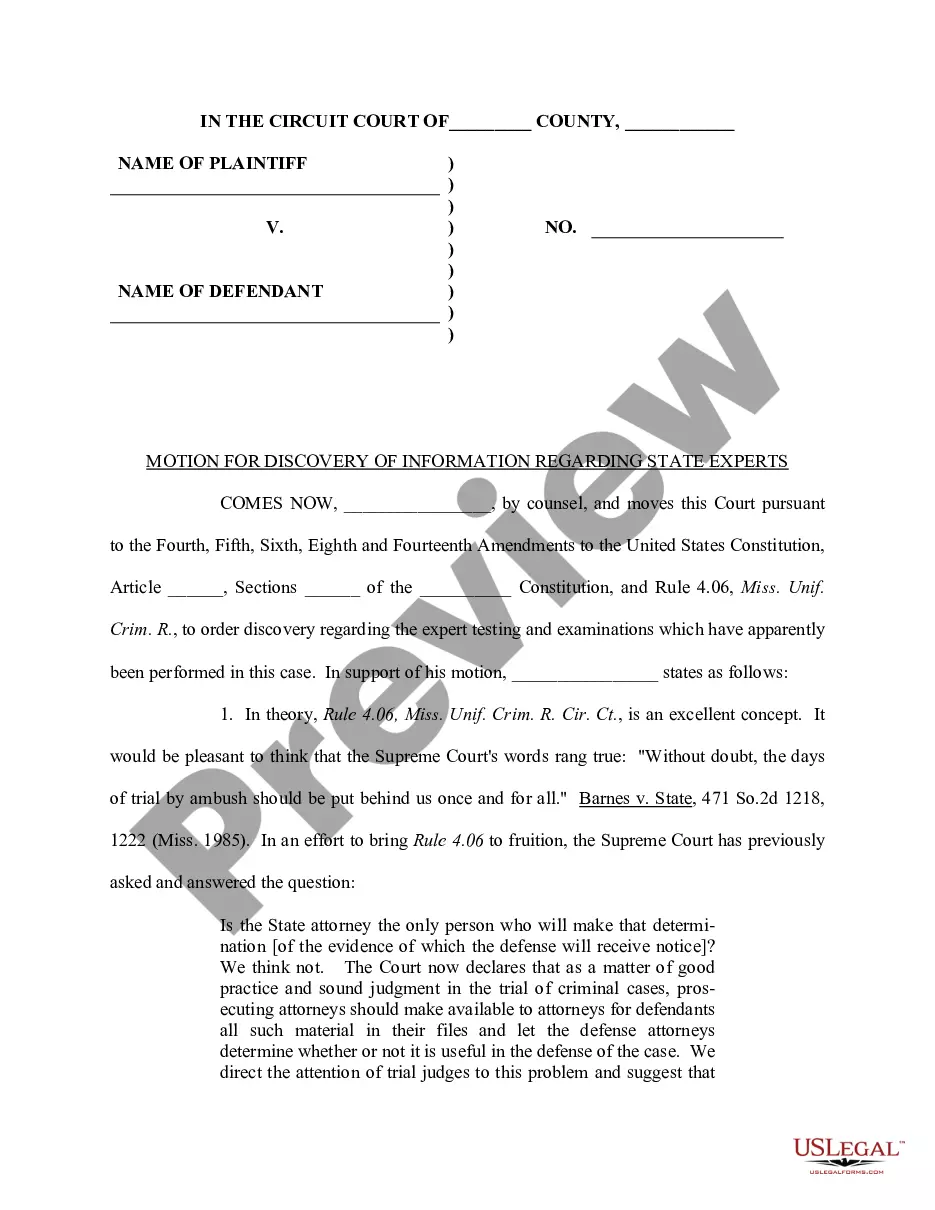
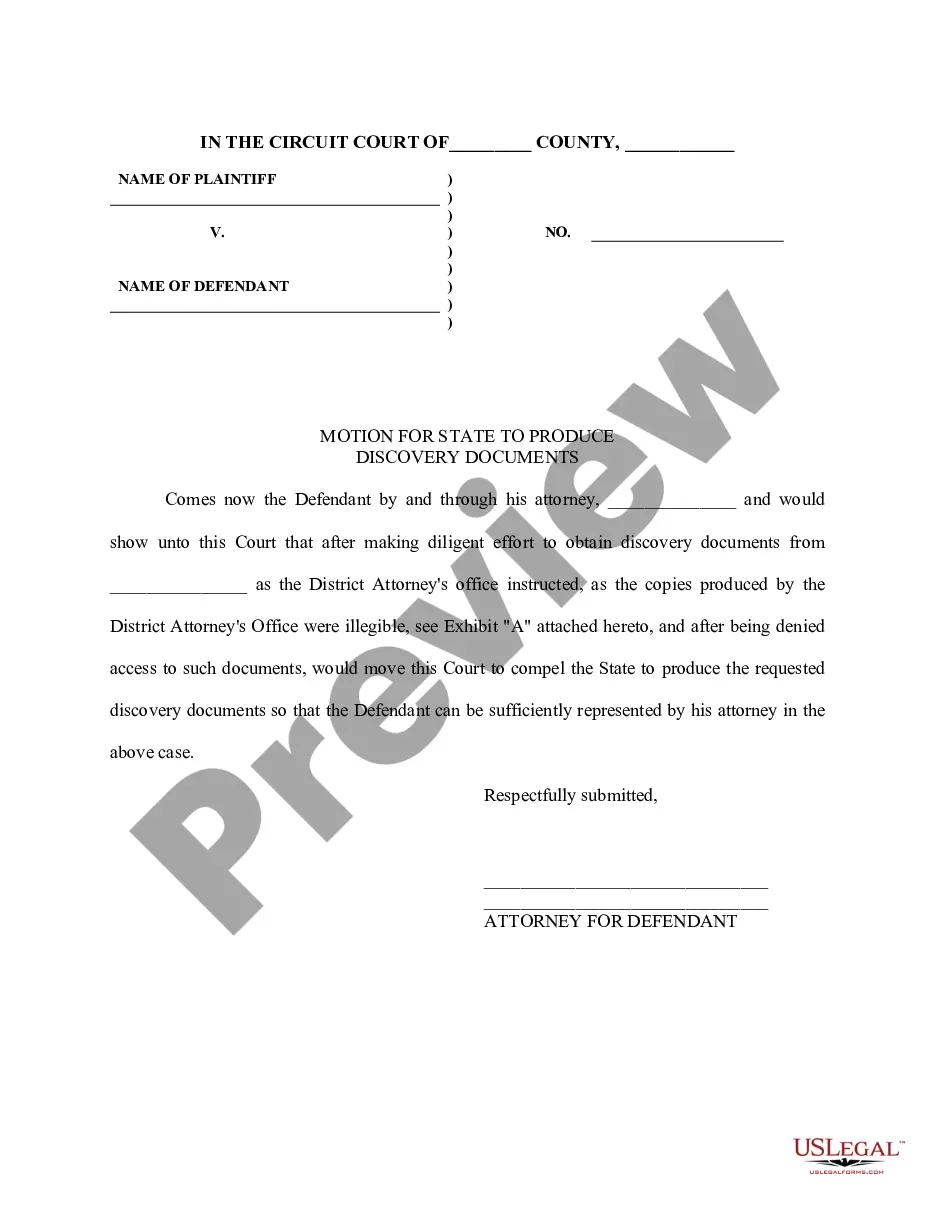
How to fill out Motion For Discovery Of Information Necessary To Receive A Fair Trial?
Whether for corporate objectives or personal matters, everyone must confront legal circumstances at some stage in their existence.
Filling out legal documentation requires meticulous care, beginning with selecting the appropriate form example. For instance, if you choose an incorrect version of a Demand For Discovery Template With Motion, it will be denied upon submission. Thus, it is vital to obtain a trustworthy source of legal documents like US Legal Forms.
With an extensive US Legal Forms catalog available, you never have to waste time hunting for the right template across the web. Utilize the library’s straightforward navigation to locate the correct template for any circumstance.
- Acquire the template you require by utilizing the search bar or catalog browsing.
- Review the form’s description to confirm it aligns with your circumstances, state, and county.
- Click on the form’s preview to examine it.
- If it is the wrong document, return to the search feature to find the Demand For Discovery Template With Motion sample you need.
- Obtain the file when it fulfills your criteria.
- If you already possess a US Legal Forms account, click Log in to access previously stored files in My documents.
- If you don’t have an account yet, you can download the form by clicking Buy now.
- Select the suitable pricing option.
- Complete the account registration form.
- Choose your payment method: use a credit card or PayPal account.
- Select the file format you prefer and download the Demand For Discovery Template With Motion.
- Once downloaded, you can fill out the form using editing software or print it and complete it manually.
Form popularity
FAQ
Discovery requests typically follow a common format that you can mirror. First, list instructions detailing the request for production. Be sure to mention Rule 34 and Rule 26(b), which outline the scope of the discovery request. It's also necessary to include a section with definitions.
Discovery is mostly exchanged without participation by the Court or the Judge, so a ?motion for discovery? or ?the motion of discovery? is not a possibility because ?motions? ask the Judge to take a particular action in the case. Instead, discovery is exchanged by demand of the parties.
Some examples that your lawyer may request as part of their motion for discovery are: Photos or videos of the crime scene. Witness statements. Police reports or notes.
Discovery call best practices: things not to do. Never assume you know your prospect's challenges. ... Set the scope, tone, and agenda of your discovery meeting from the onset. ... Listen to your prospect. ... Don't ask close-ended questions. ... Avoid asking too many questions at the same time.
Topics Covered: hide 1.1 # Don't ask what you already know. 1.2 # Don't Talk (too much) 1.3 # Don't pop the question, yet! 1.4 # Don't jump in without an agenda: 1.5 # Don't miss the pain points : 1.6 # Don't just call: 1.7 # Don't assume :