Limitation Clause Example
Description
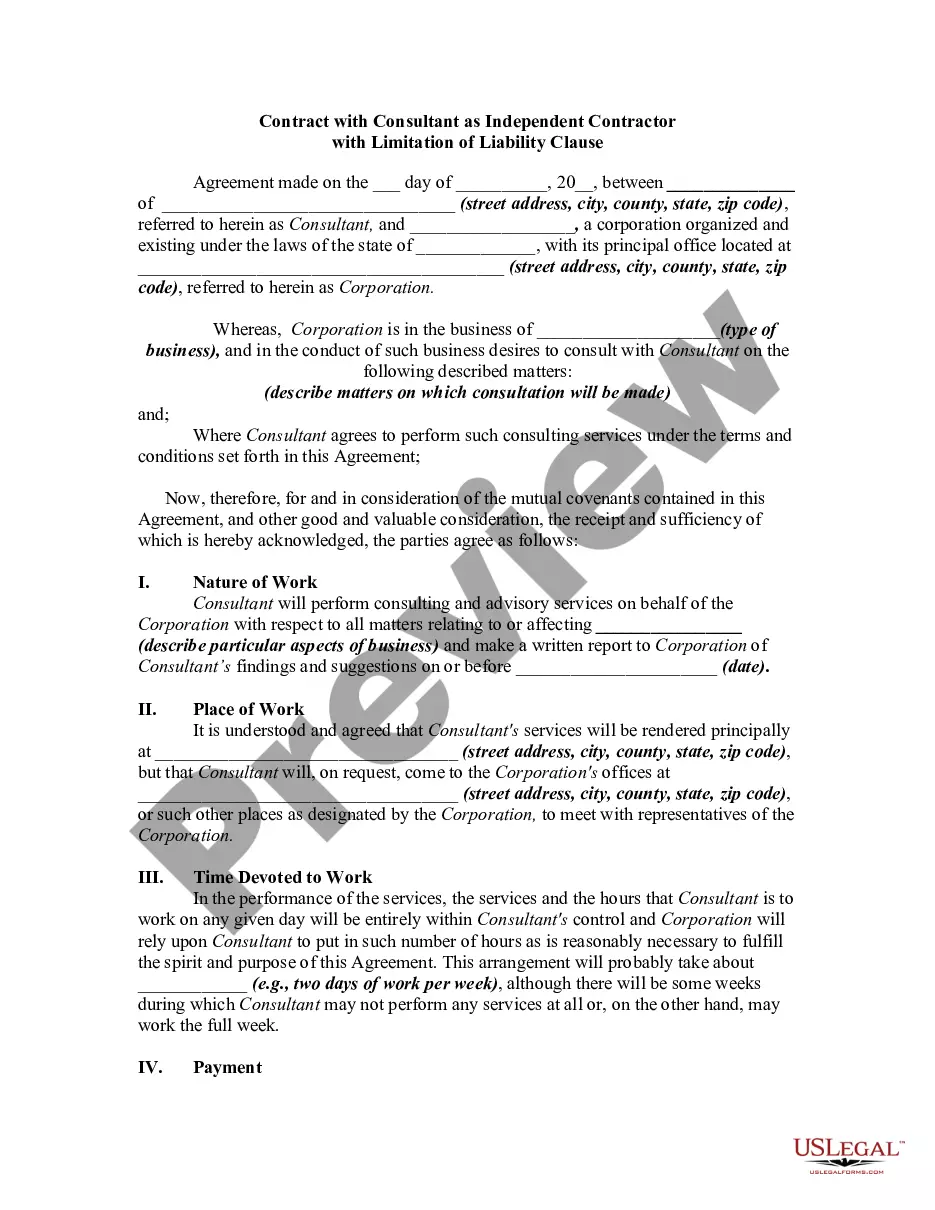
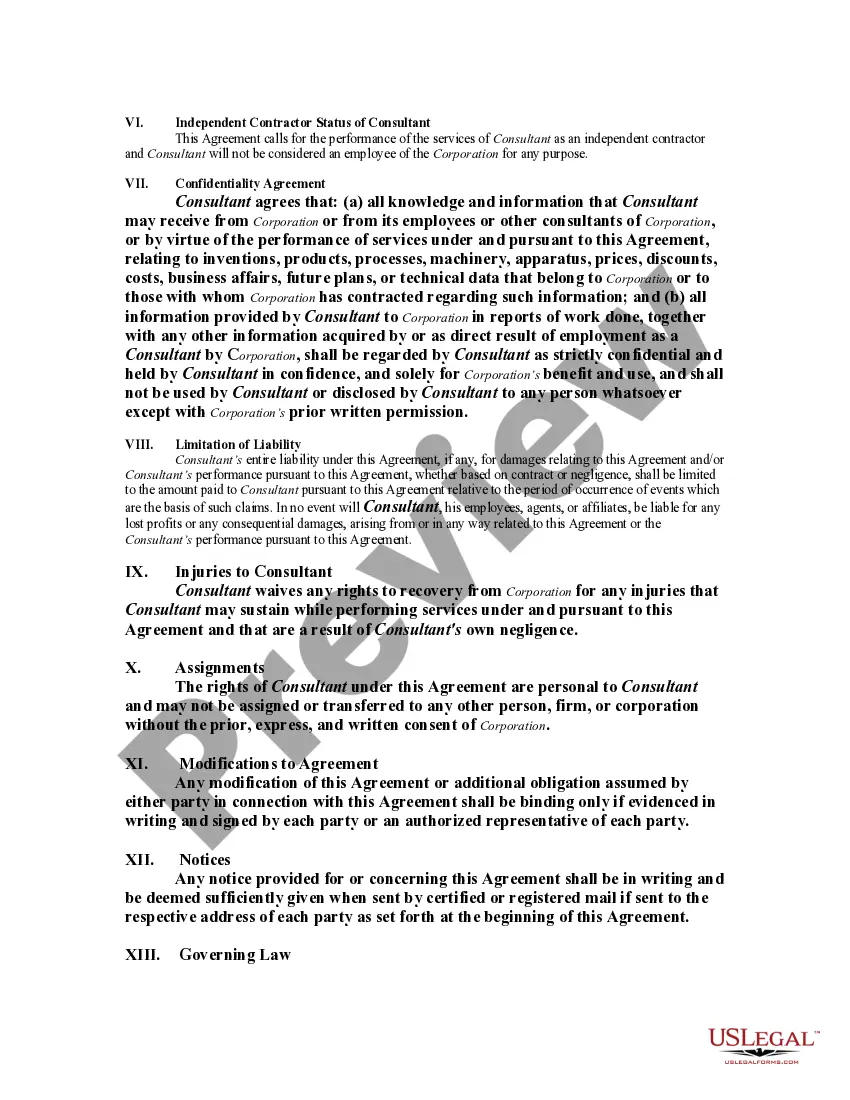
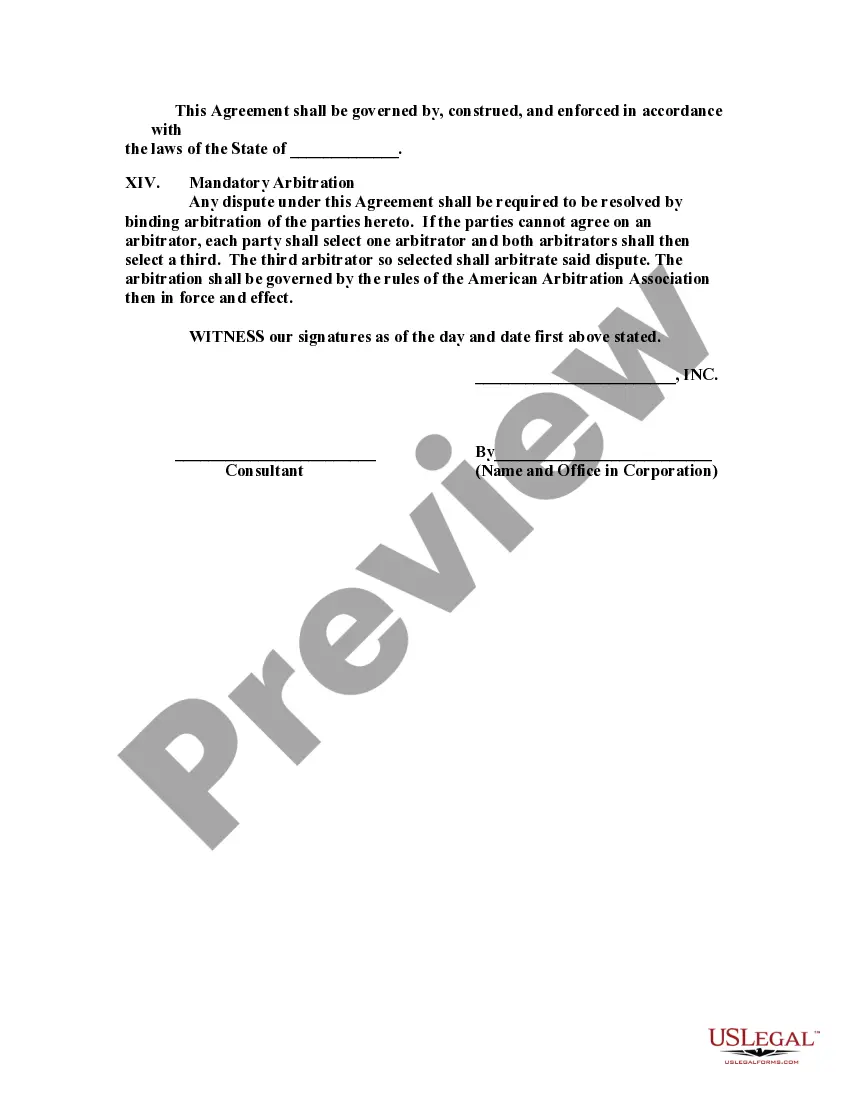
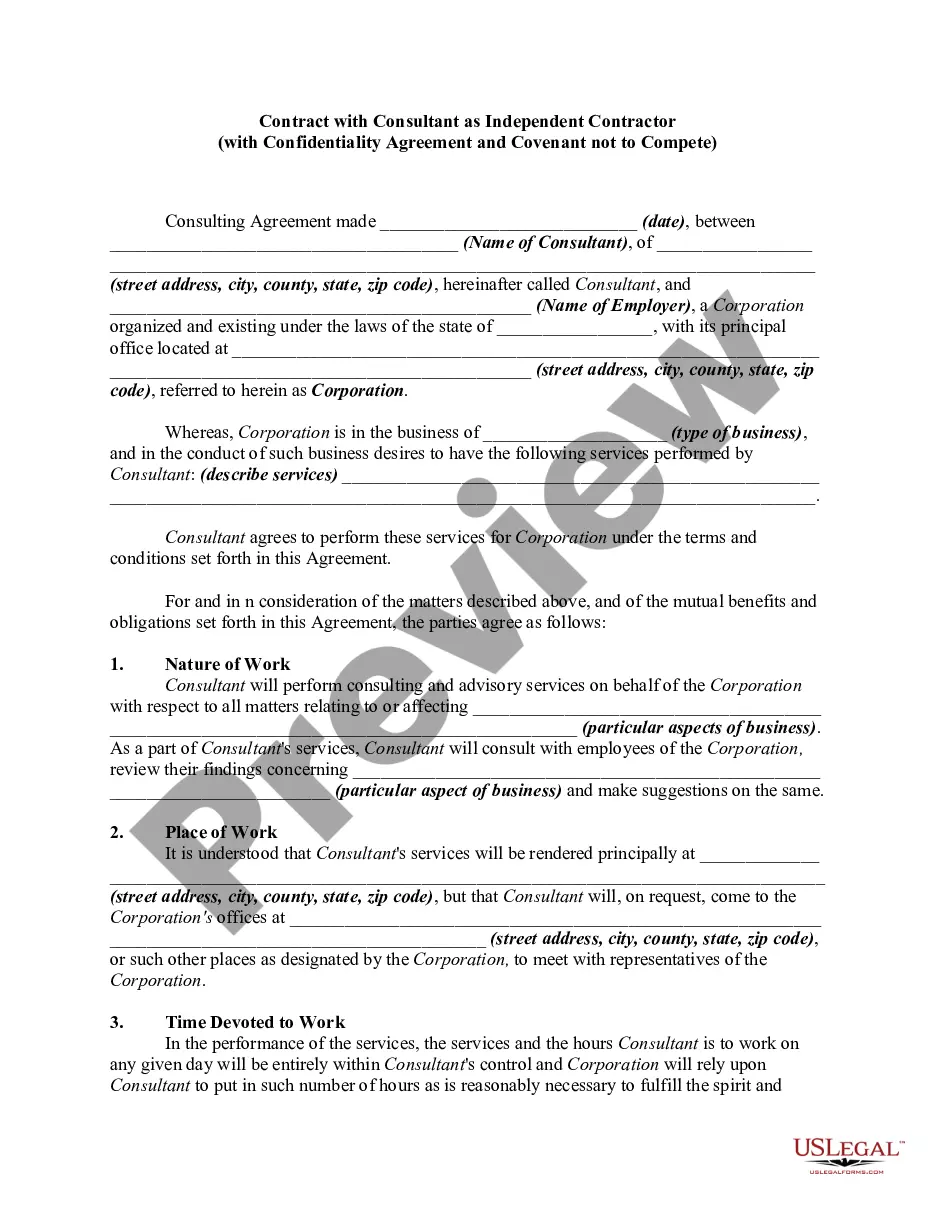
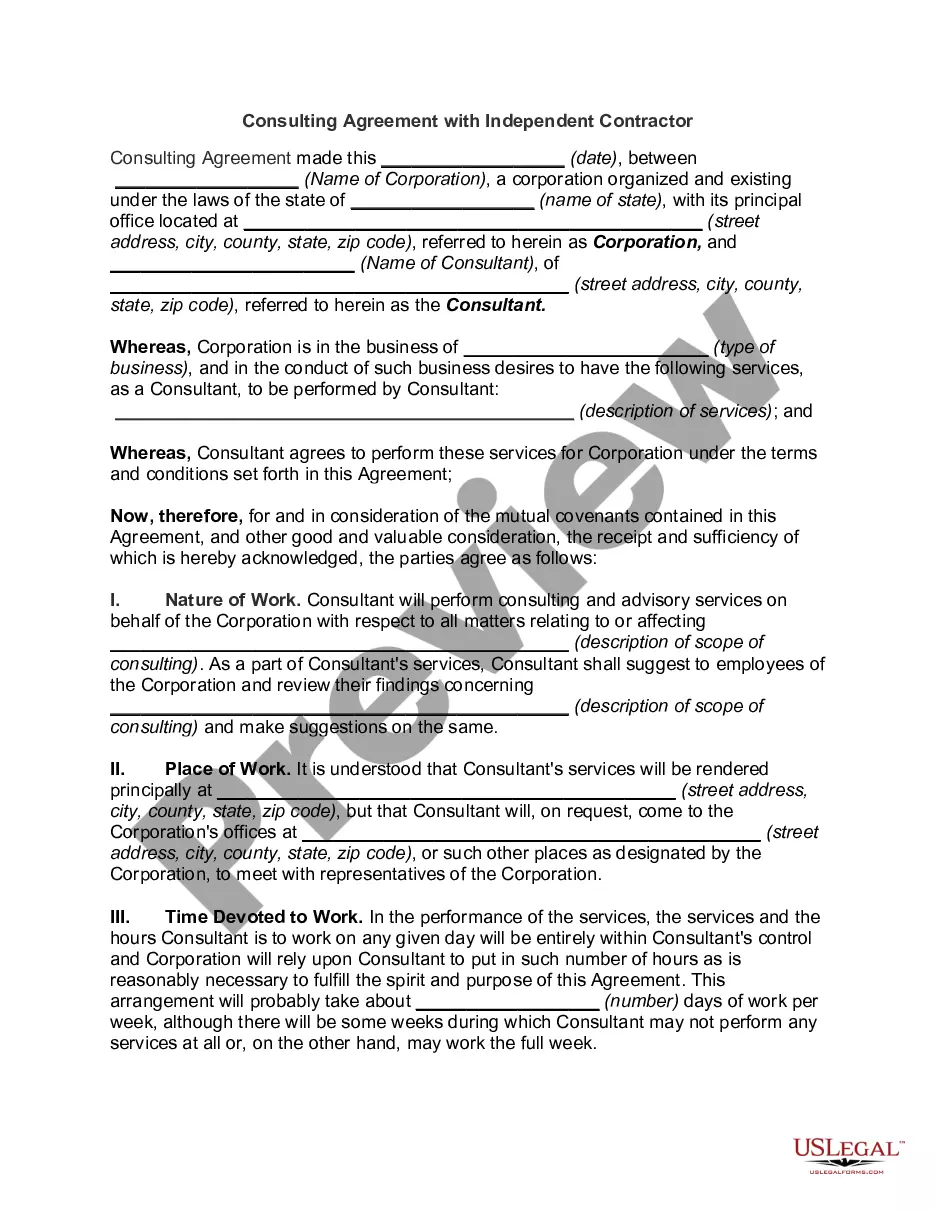
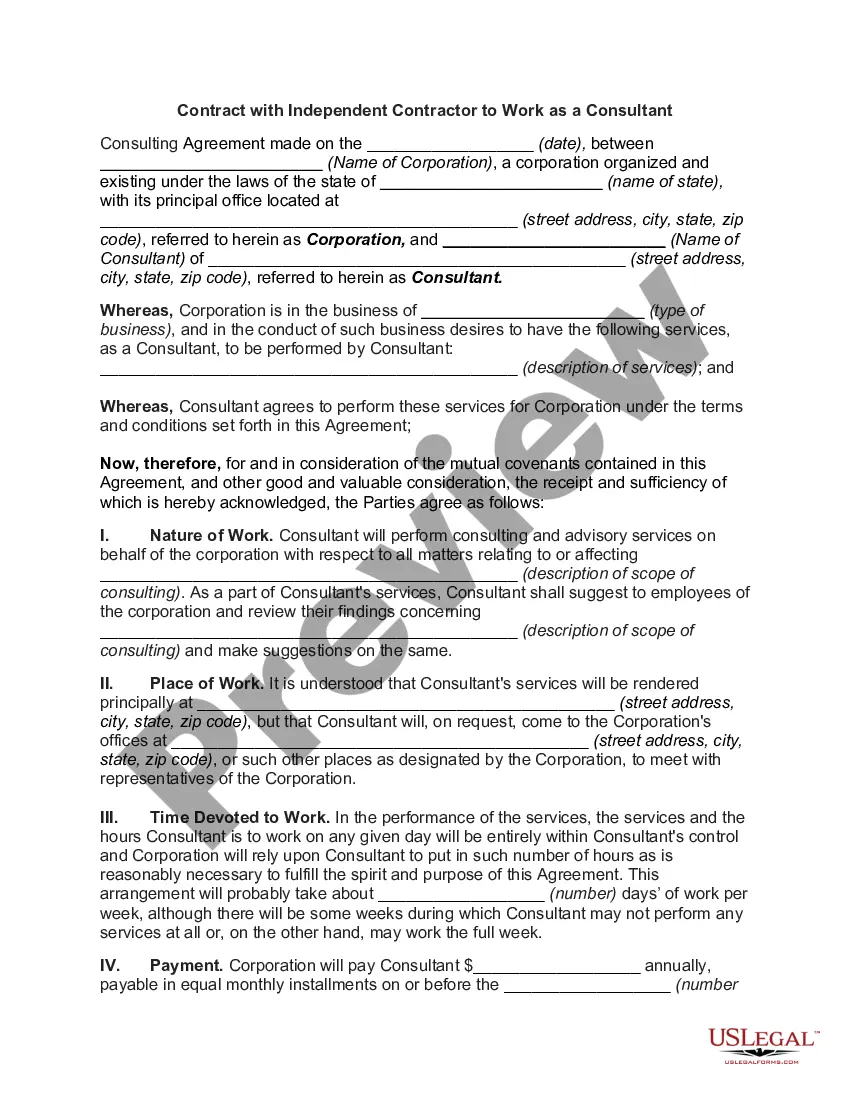
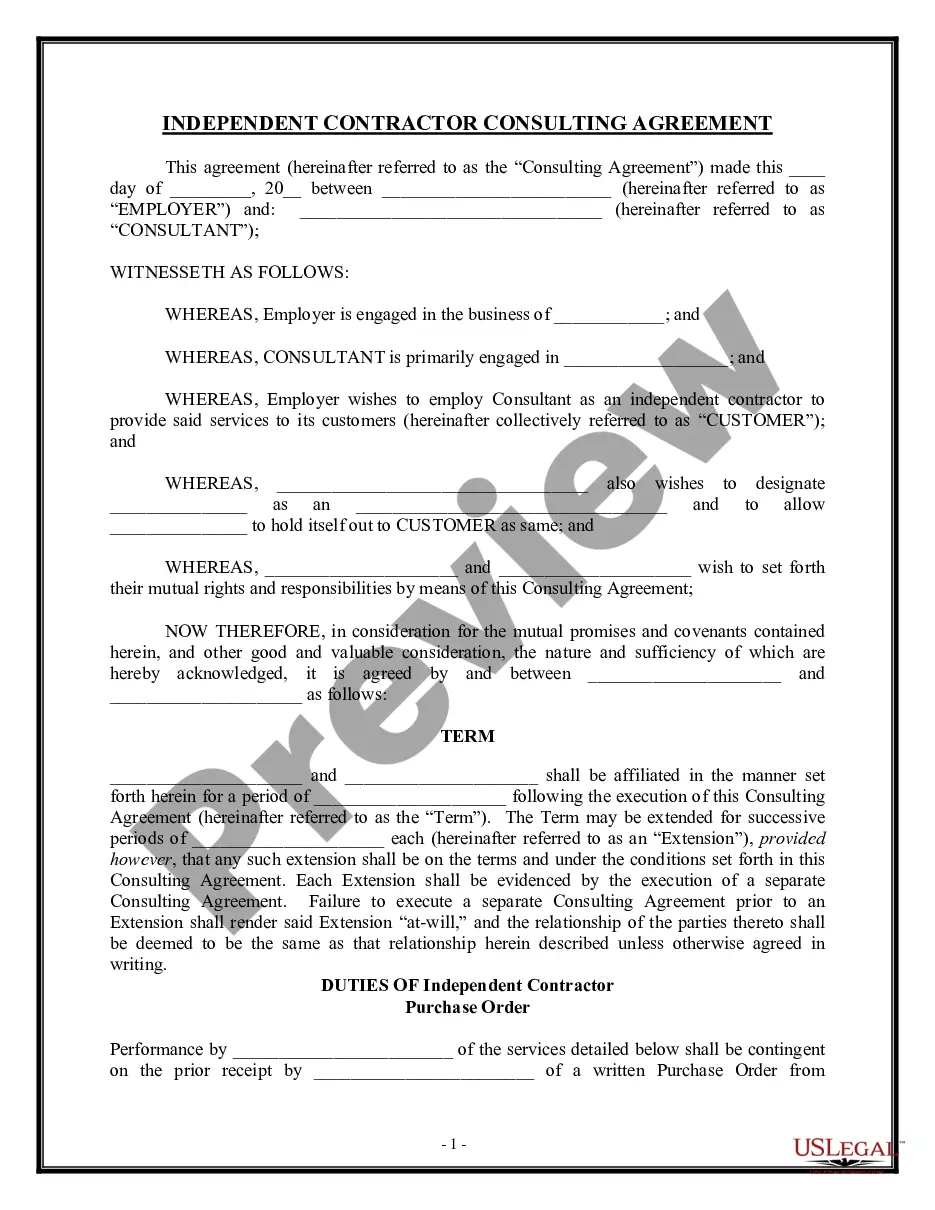
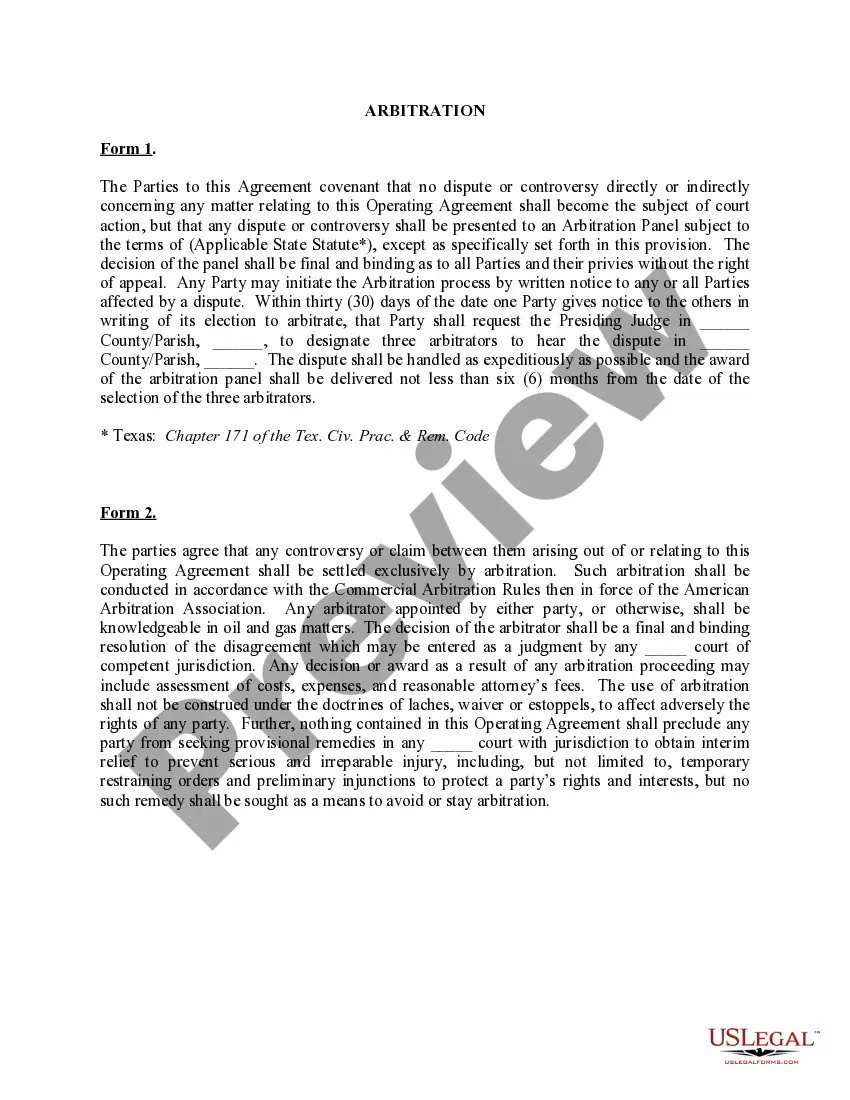
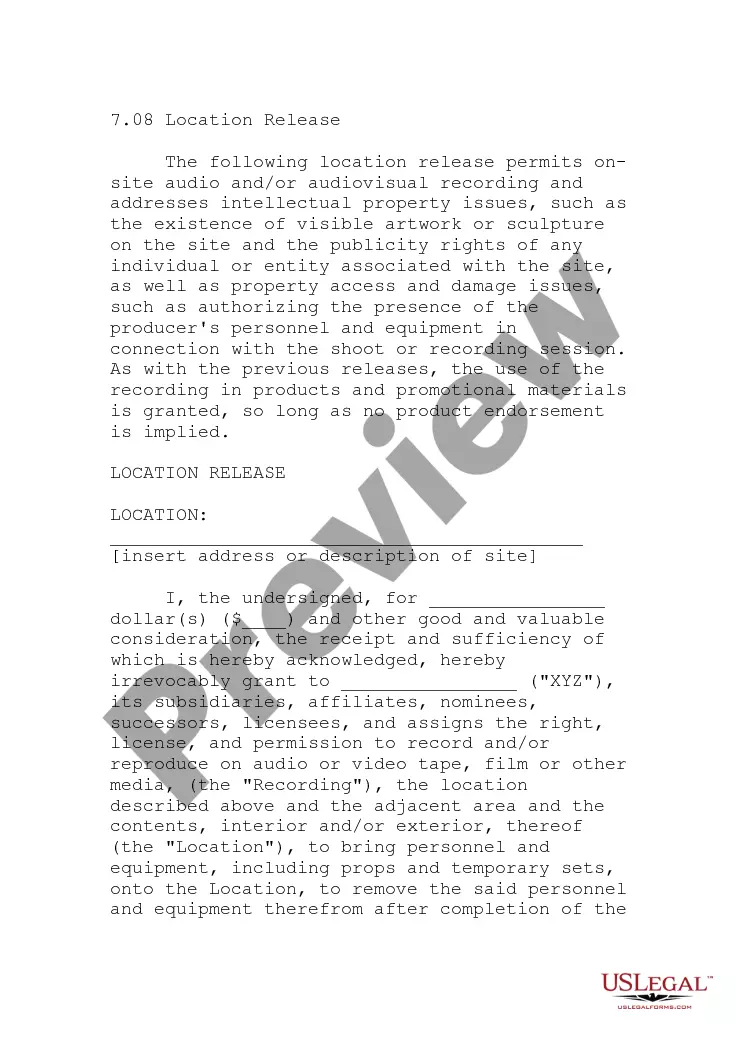
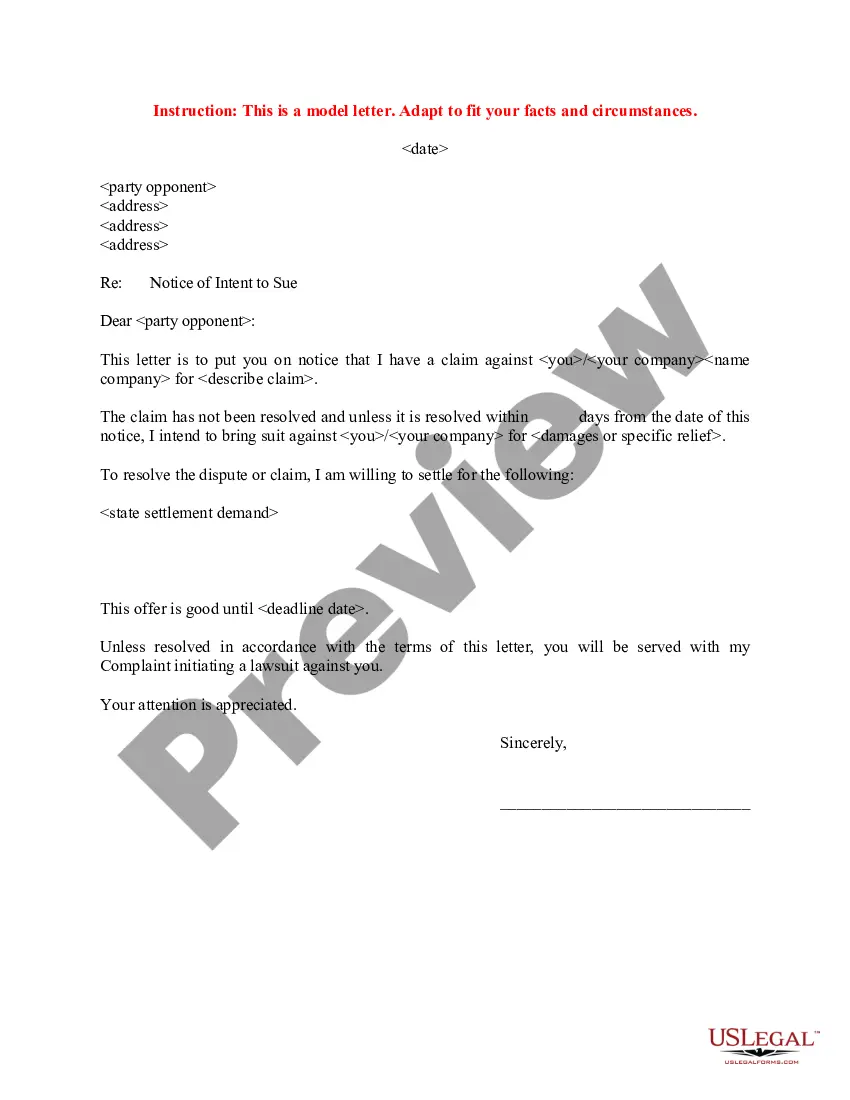
How to fill out Contract With Consultant As Self-Employed Independent Contractor With Limitation Of Liability Clause?
The Limitation Clause Example displayed on this page is a reusable official template crafted by experienced attorneys in accordance with federal and local regulations.
For over 25 years, US Legal Forms has supplied individuals, companies, and legal practitioners with more than 85,000 validated, state-specific documents for any business and personal circumstance. It’s the fastest, simplest, and most dependable method to acquire the forms you require, as the service guarantees the utmost level of data protection and anti-malware security.
Pick the format you desire for your Limitation Clause Example (PDF, DOCX, RTF) and download the sample onto your device. Complete the template by hand by printing it out. Alternatively, use an online multi-functional PDF editor to quickly and accurately fill out and sign your form with a legally-binding electronic signature. Reuse the same document whenever necessary. Access the My documents tab in your profile to redownload any previously acquired forms. Subscribe to US Legal Forms to have authenticated legal templates for all of life’s situations readily available.
- Search for the document you need and examine it.
- Browse through the sample you searched and preview it or review the form description to ensure it meets your requirements. If it doesn't, utilize the search feature to find the appropriate one. Click Buy Now when you've identified the template you want.
- Choose and Log In.
- Select the pricing plan that fits your needs and create an account. Use PayPal or a credit card to make a swift payment. If you already possess an account, Log In and verify your subscription to continue.
- Obtain the fillable template.
Form popularity
FAQ
Limitation of liability clauses limit the amount one party has to pay the other party if they suffer loss because of a contract between them. To be enforceable, limitation of liability clauses need to be reasonable and carefully drafted, so make sure you pay great attention to them whenever you enter into a contract.
You may have limits on your liability such as "Company will not be liable for more than $200 in the event of a breach," or "Company will not be liable for more than three times the yearly subscription fee."
For example, you may see your personal liability coverage with $100,000 listed next to it. This means your insurance company's limit of liability is $100,000, and it will pay claims up to that amount as long as the details fit what's outlined in your policy.
Examples of exclusions from limitations of liability include losses resulting from a breach of confidentiality, refusal to provide services, death, bodily injury, damage to tangible property, violation of applicable law, gross negligence or willful misconduct.
Some common examples of exclusion clauses include: Capping the financial liability of a party who acts negligently. Excluding liability for certain types of losses arising out of negligence, such as harm to goodwill or reputation.