Defamation Character Statement Within The Court
Description
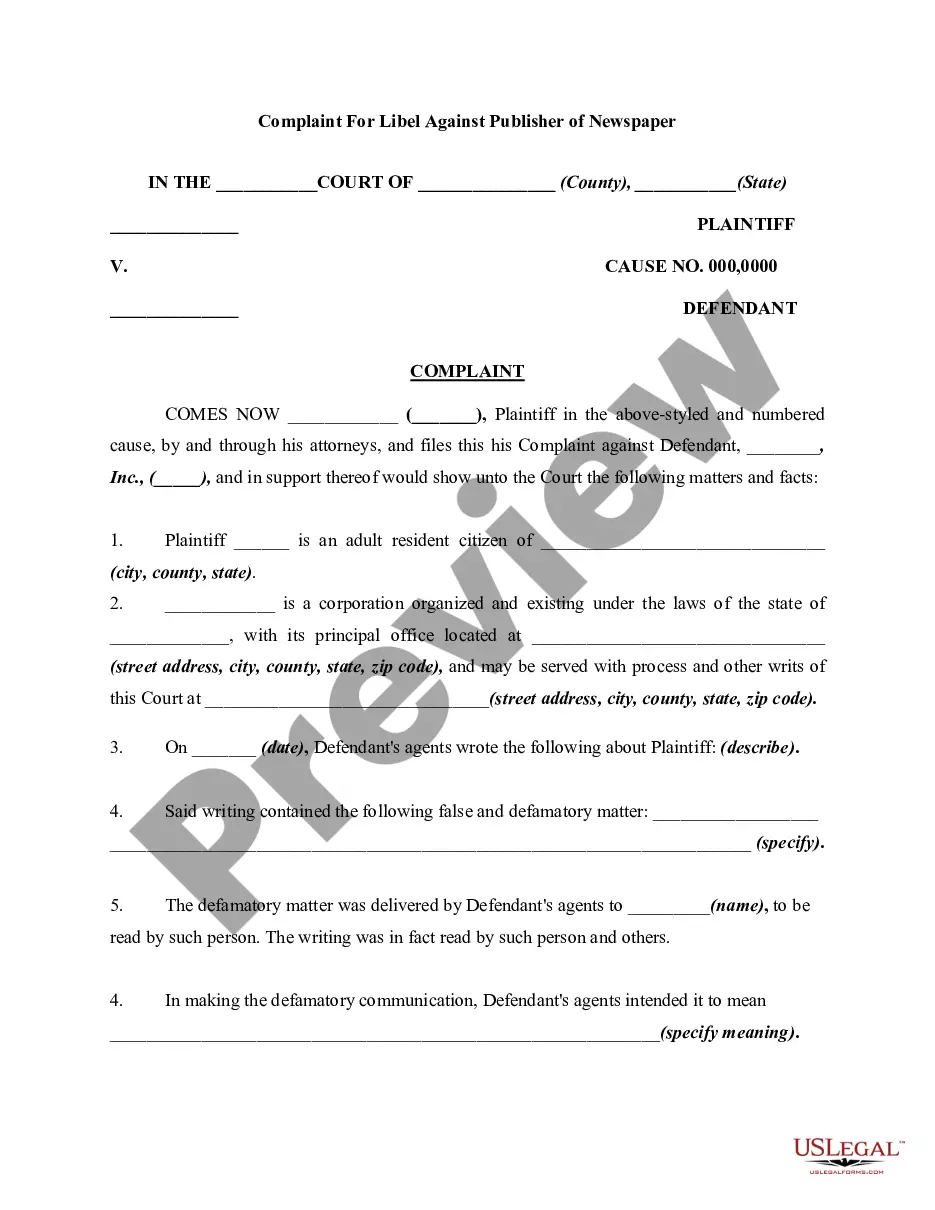
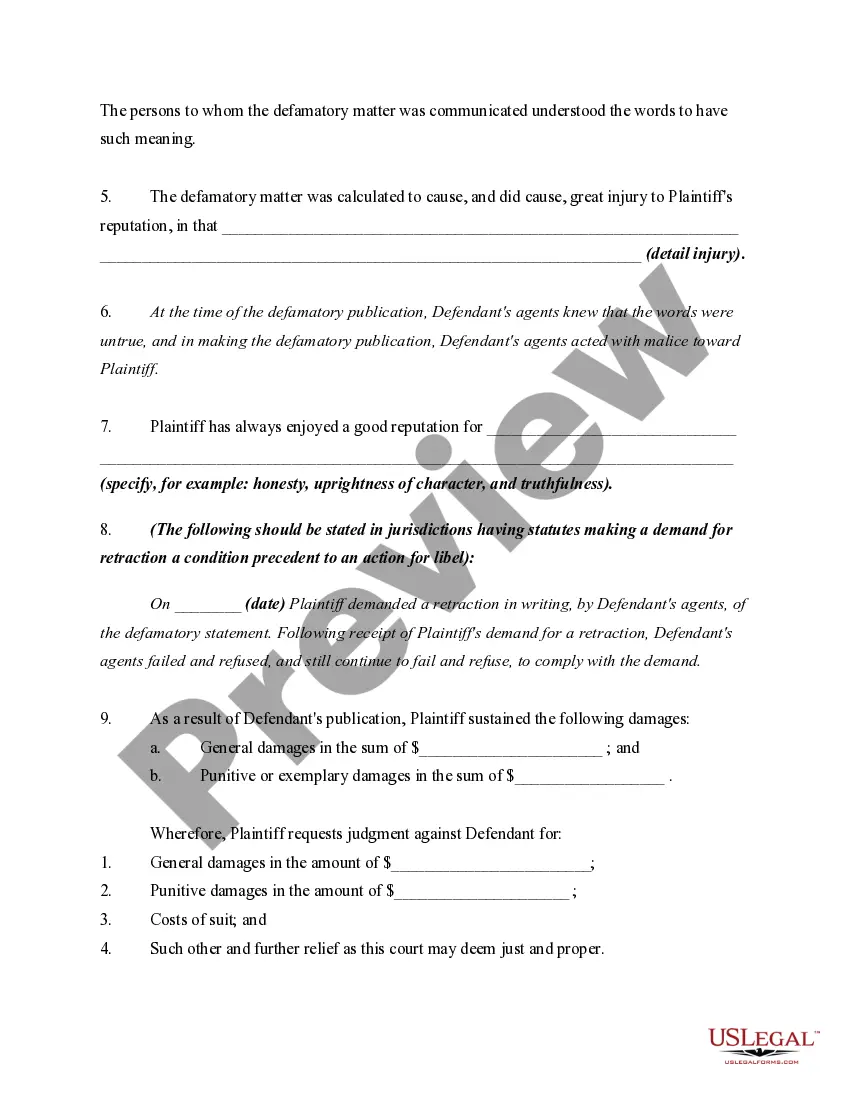
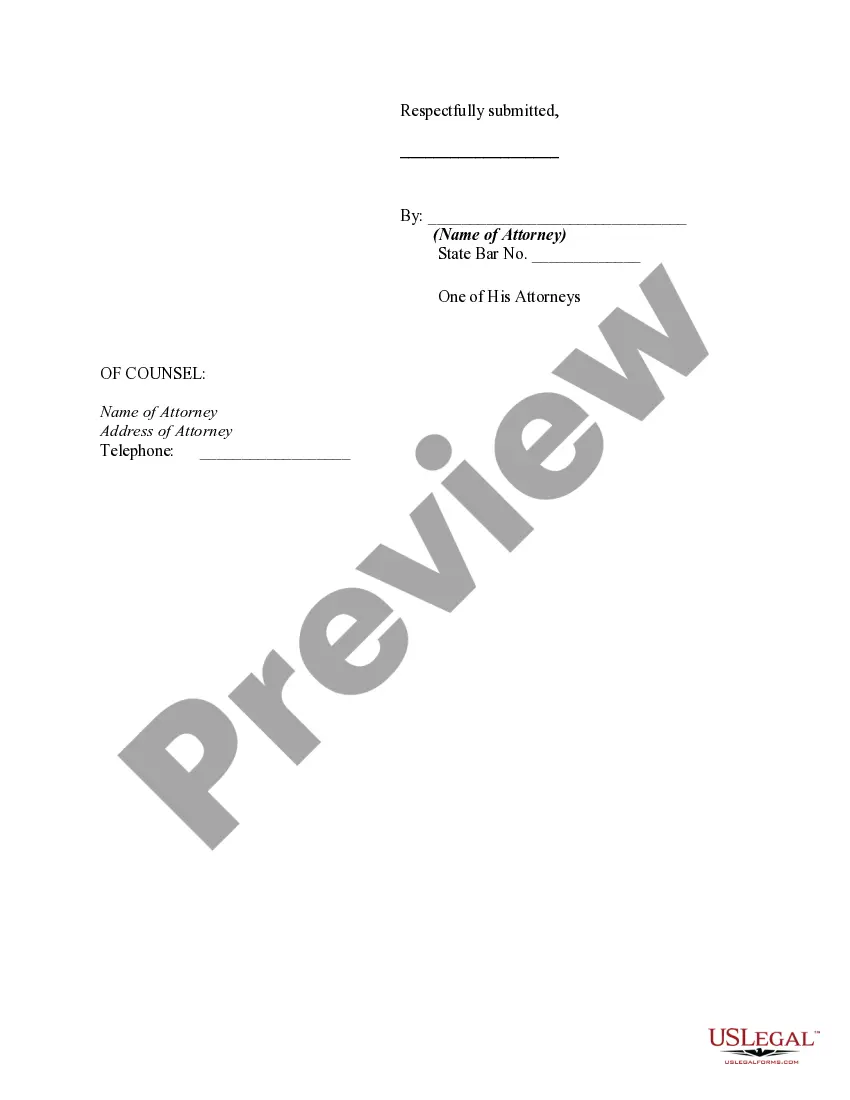
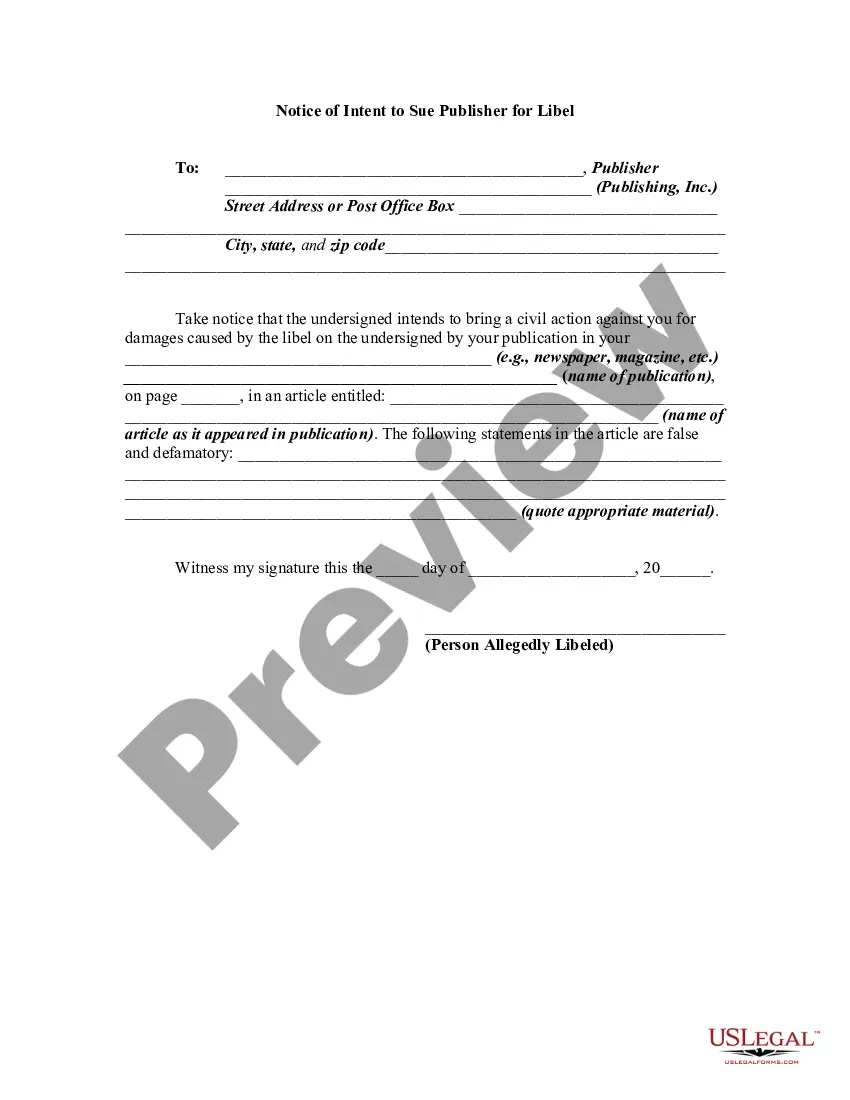
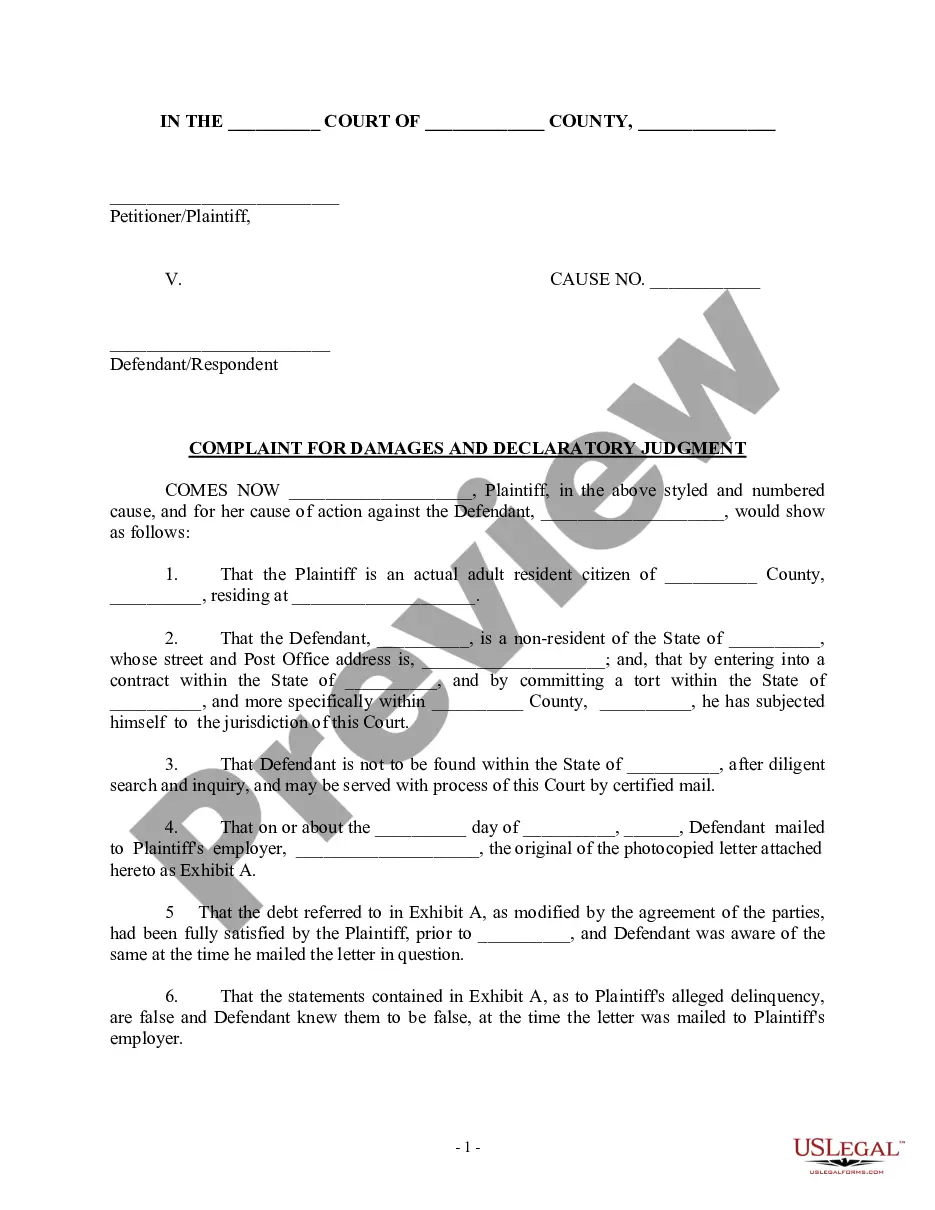
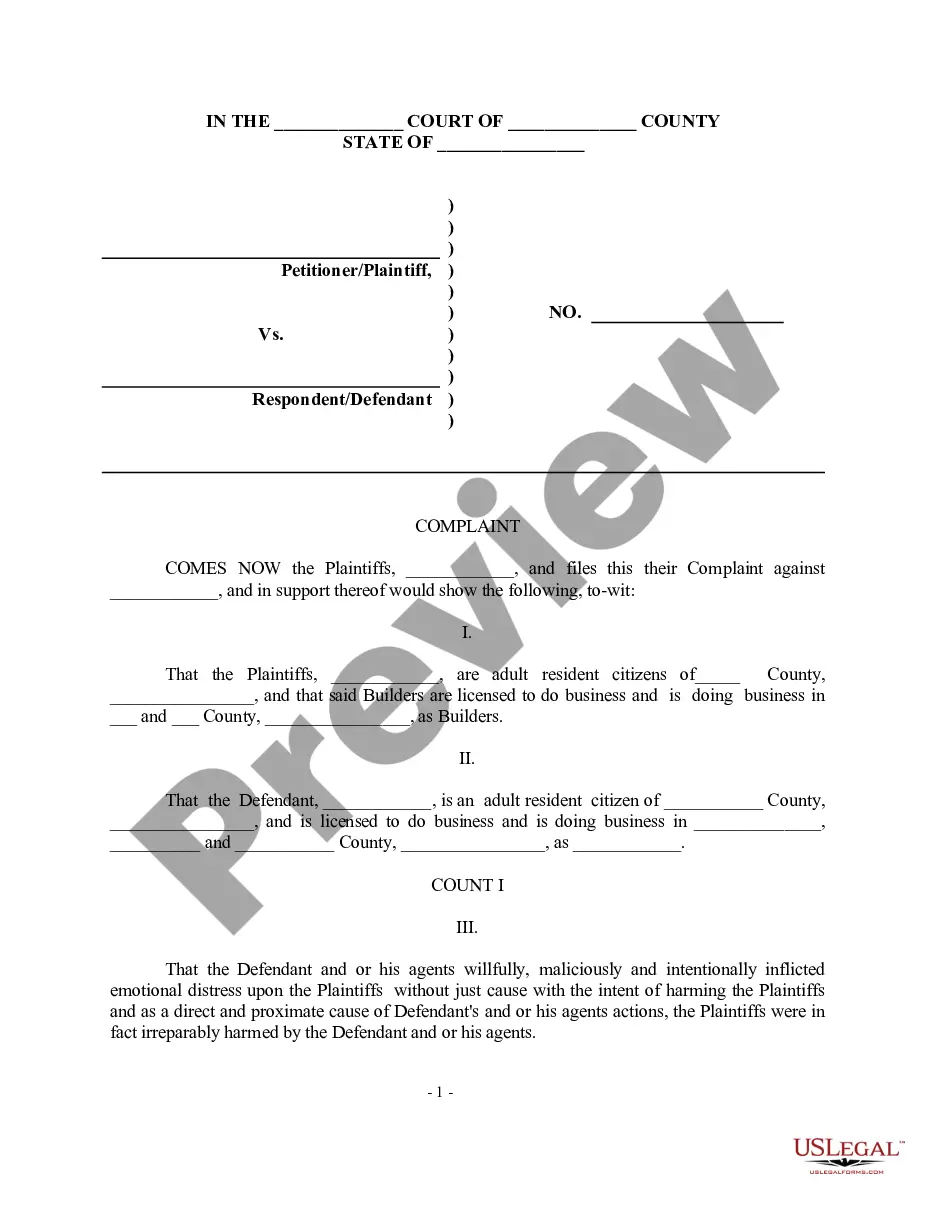

Get your form ready online
Our built-in tools help you complete, sign, share, and store your documents in one place.
Make edits, fill in missing information, and update formatting in US Legal Forms—just like you would in MS Word.
Download a copy, print it, send it by email, or mail it via USPS—whatever works best for your next step.
Sign and collect signatures with our SignNow integration. Send to multiple recipients, set reminders, and more. Go Premium to unlock E-Sign.
If this form requires notarization, complete it online through a secure video call—no need to meet a notary in person or wait for an appointment.
We protect your documents and personal data by following strict security and privacy standards.

Make edits, fill in missing information, and update formatting in US Legal Forms—just like you would in MS Word.

Download a copy, print it, send it by email, or mail it via USPS—whatever works best for your next step.

Sign and collect signatures with our SignNow integration. Send to multiple recipients, set reminders, and more. Go Premium to unlock E-Sign.

If this form requires notarization, complete it online through a secure video call—no need to meet a notary in person or wait for an appointment.

We protect your documents and personal data by following strict security and privacy standards.
Looking for another form?
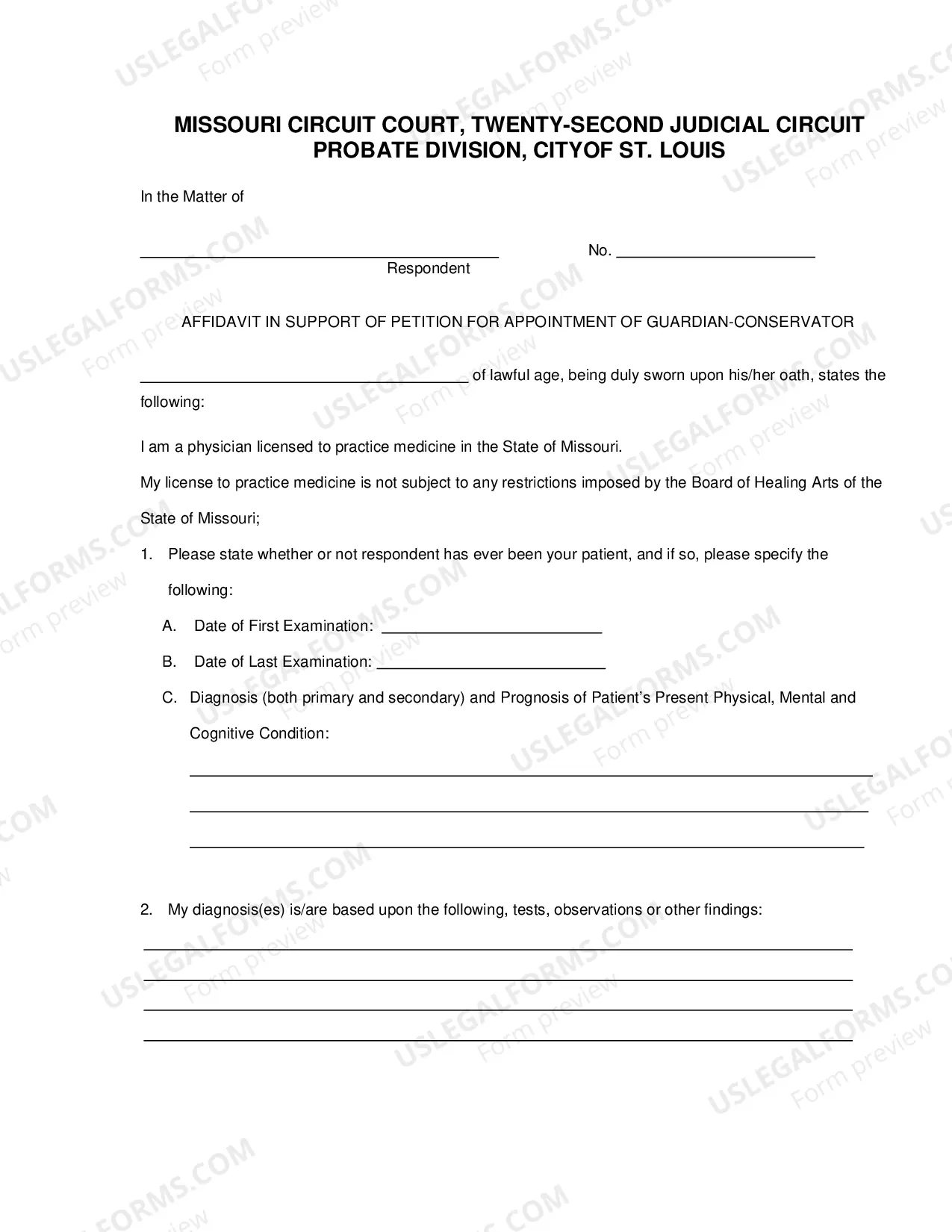

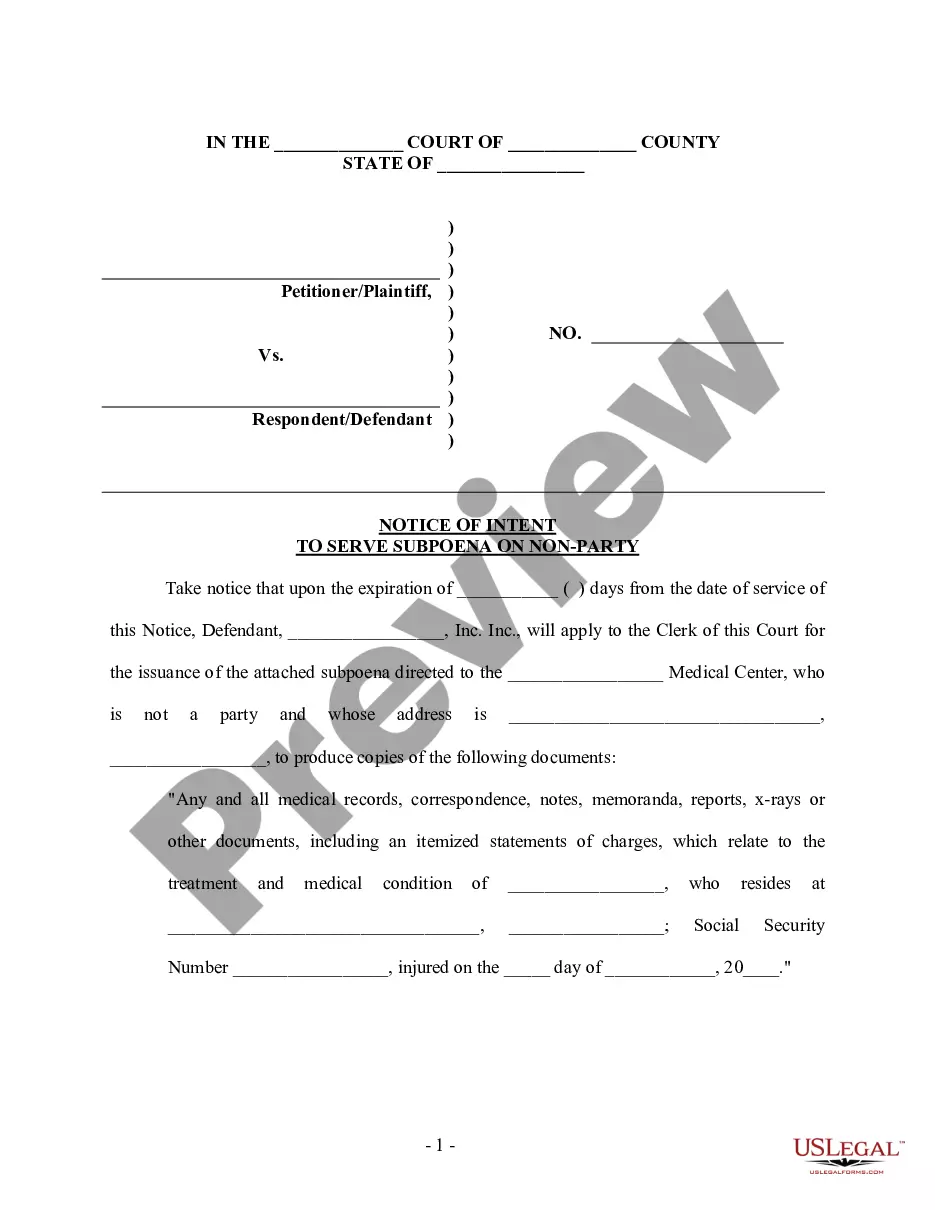
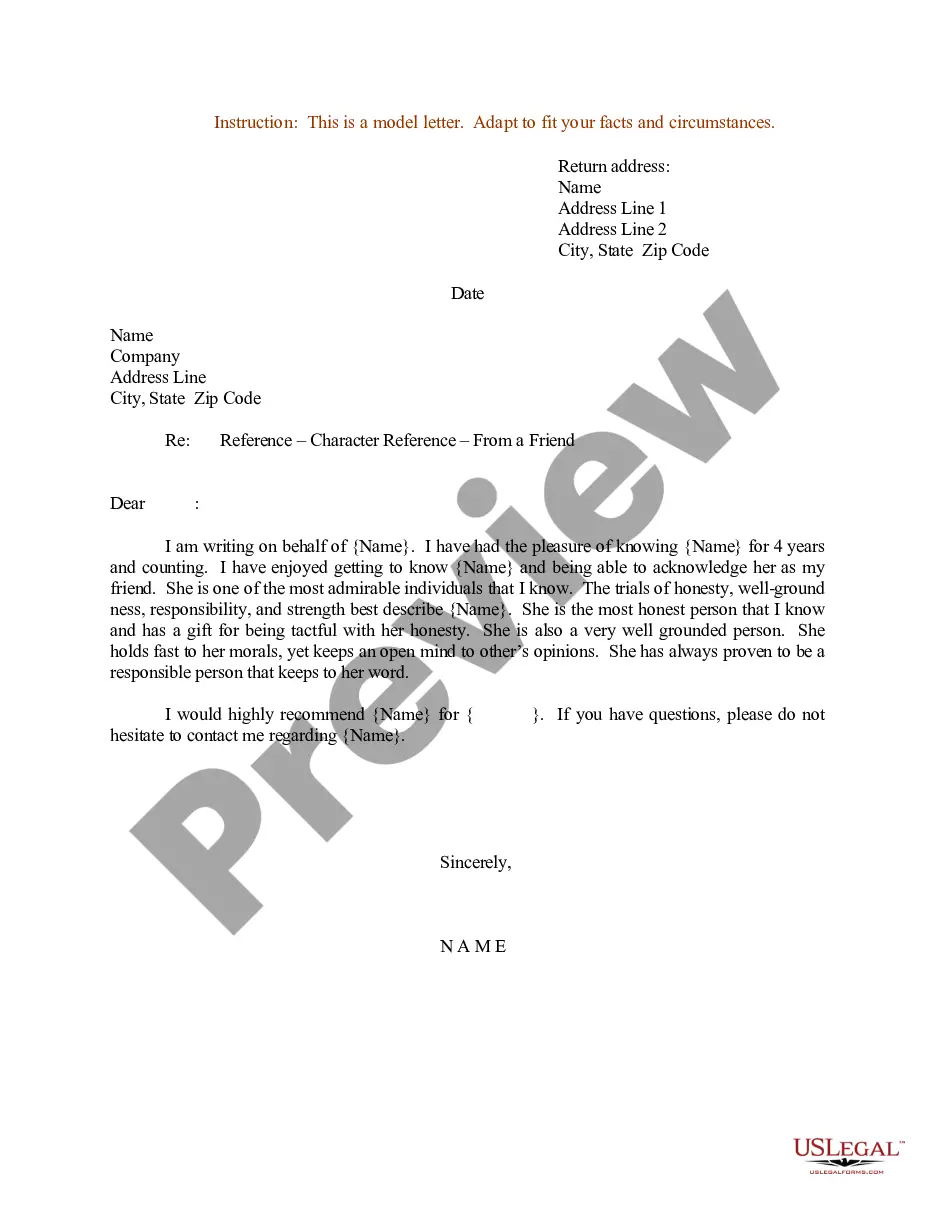
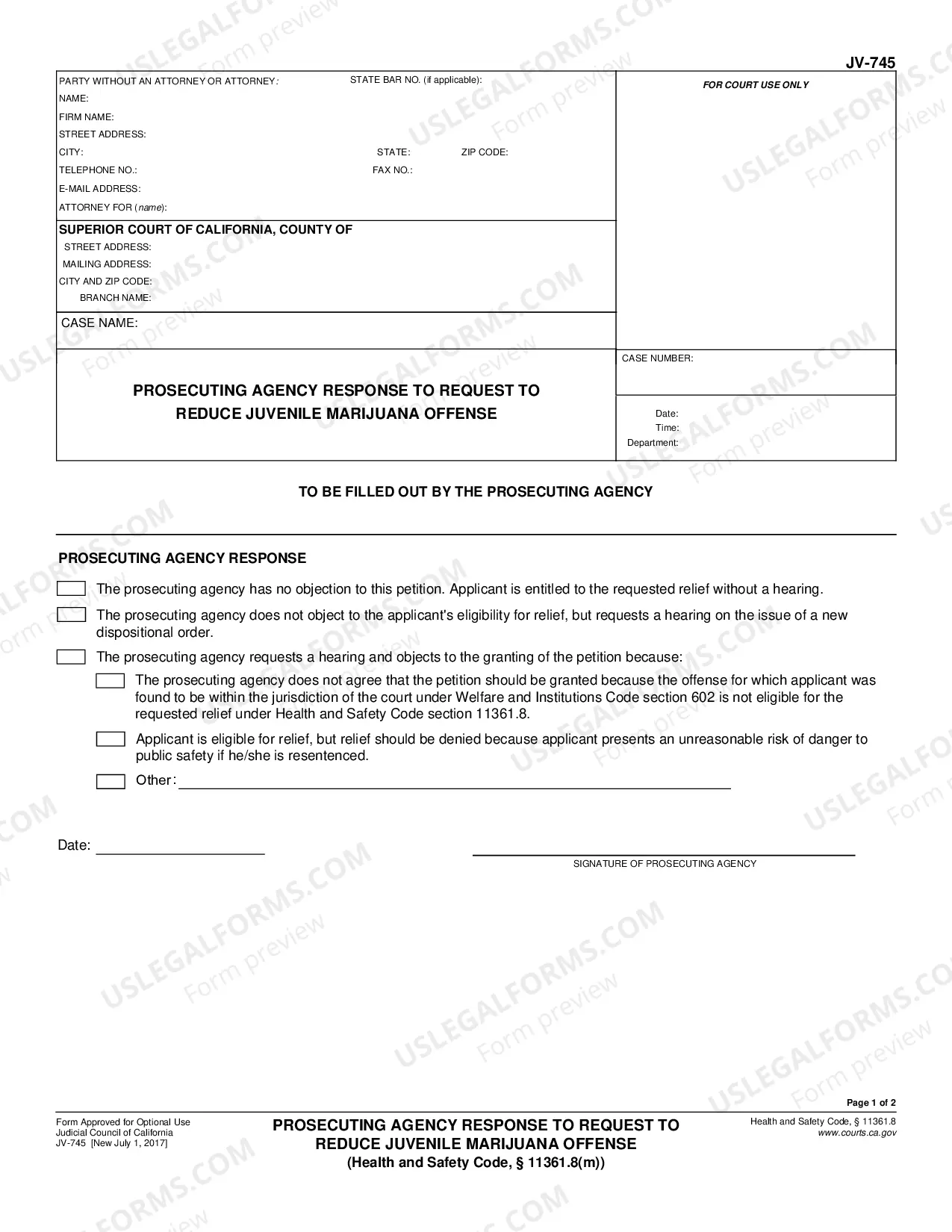
How to fill out Complaint For Libel Against Publisher Of Newspaper - Defamation Of Character?
The Defamation Character Statement Within The Court displayed on this page is a versatile legal template crafted by expert attorneys in compliance with federal and local laws and regulations. For over 25 years, US Legal Forms has supplied individuals, businesses, and legal practitioners with more than 85,000 authenticated, state-specific documents for any professional and personal scenario. It’s the fastest, easiest, and most reliable method to acquire the paperwork you need, as the service ensures the utmost level of data security and anti-malware safeguards.
Acquiring this Defamation Character Statement Within The Court will require just a few straightforward steps.
Register for US Legal Forms to have verified legal templates for all of life's situations readily available.
- Search for the document you require and examine it. Browse through the file you searched and preview it or check the form description to verify it meets your needs. If it does not, utilize the search bar to locate the appropriate one. Click Buy Now once you have found the template you need.
- Register and Log In. Choose the pricing option that suits you best and create an account. Use PayPal or a credit card to process a quick payment. If you already possess an account, Log In and verify your subscription to proceed.
- Obtain the fillable template. Select the format you desire for your Defamation Character Statement Within The Court (PDF, Word, RTF) and download the sample onto your device.
- Fill out and sign the document. Print the template to complete it manually. Alternatively, utilize an online multifunctional PDF editor to swiftly and accurately fill out and sign your form electronically.
- Download your document once more. Utilize the same document again whenever necessary. Access the My documents section in your profile to redownload any previously retrieved forms.
Form popularity
FAQ
Defamation is any false information that harms the reputation of a person, business, or organization. Defamation includes both libel and slander. Libel generally refers to defamatory statements that are published or broadcast (more permanent) while slander refers to verbal defamatory statements (more fleeting).
To prove prima facie defamation, a plaintiff must show four things: 1) a false statement purporting to be fact; 2) publication or communication of that statement to a third person; 3) fault amounting to at least negligence; and 4) damages, or some harm caused to the reputation of the person or entity who is the subject ...
Within the courtroom, most statements are covered under absolute privilege. Witnesses. In any deposition or trial, a witness giving a statement must be able to speak his mind freely without fear of reprisal. As such, his statement is protected by the absolute privilege rule.
An example is ?Tom Smith stole money from his employer.? If this is untrue and if making the statement damages Tom's reputation or ability to work, it is defamation. The person whose reputation has been damaged by the false statement can bring a defamation lawsuit.
A defamatory statement is a misrepresentation of facts that causes someone to be hated, ridiculed, shunned, or harm their business or trade, causing reputational damage to them. It is classified as a civil wrong (a ?tort,? in the legal world).