Nominee Trust Form With Two Points
Description
Get your form ready online
Our built-in tools help you complete, sign, share, and store your documents in one place.
Make edits, fill in missing information, and update formatting in US Legal Forms—just like you would in MS Word.
Download a copy, print it, send it by email, or mail it via USPS—whatever works best for your next step.
Sign and collect signatures with our SignNow integration. Send to multiple recipients, set reminders, and more. Go Premium to unlock E-Sign.
If this form requires notarization, complete it online through a secure video call—no need to meet a notary in person or wait for an appointment.
We protect your documents and personal data by following strict security and privacy standards.

Make edits, fill in missing information, and update formatting in US Legal Forms—just like you would in MS Word.

Download a copy, print it, send it by email, or mail it via USPS—whatever works best for your next step.

Sign and collect signatures with our SignNow integration. Send to multiple recipients, set reminders, and more. Go Premium to unlock E-Sign.

If this form requires notarization, complete it online through a secure video call—no need to meet a notary in person or wait for an appointment.

We protect your documents and personal data by following strict security and privacy standards.
Looking for another form?
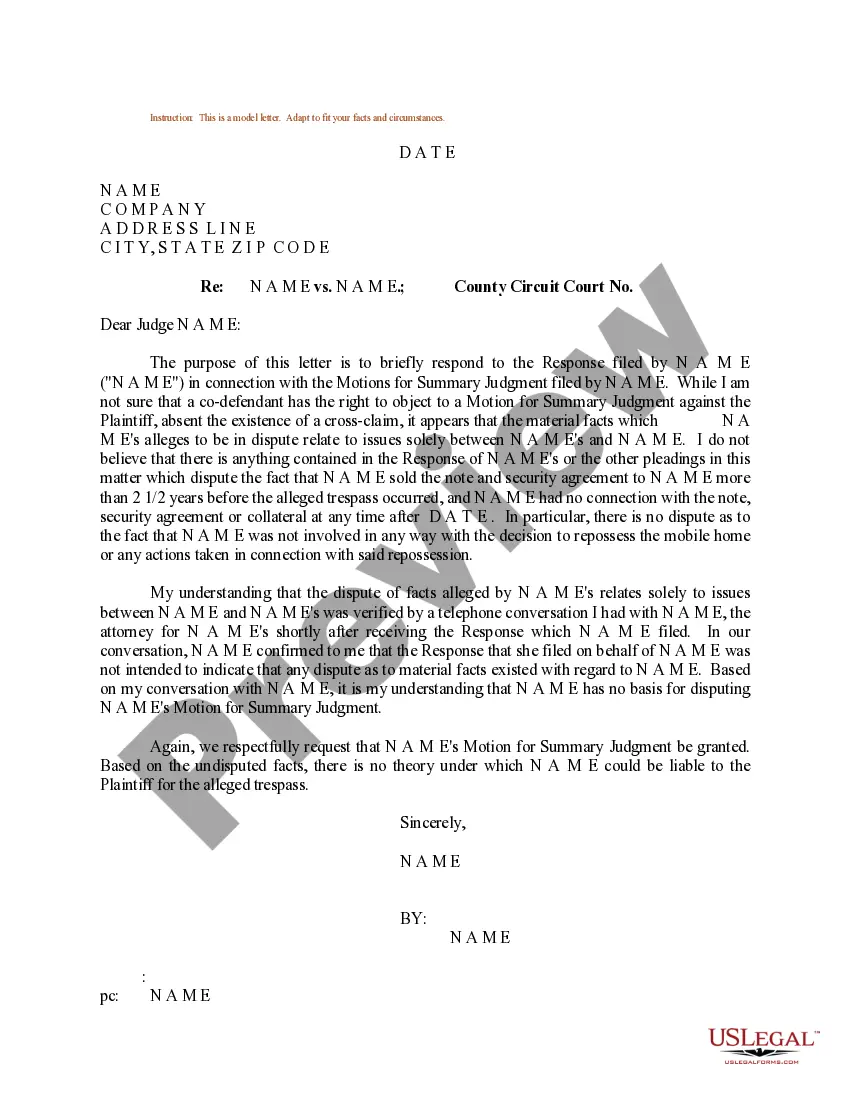



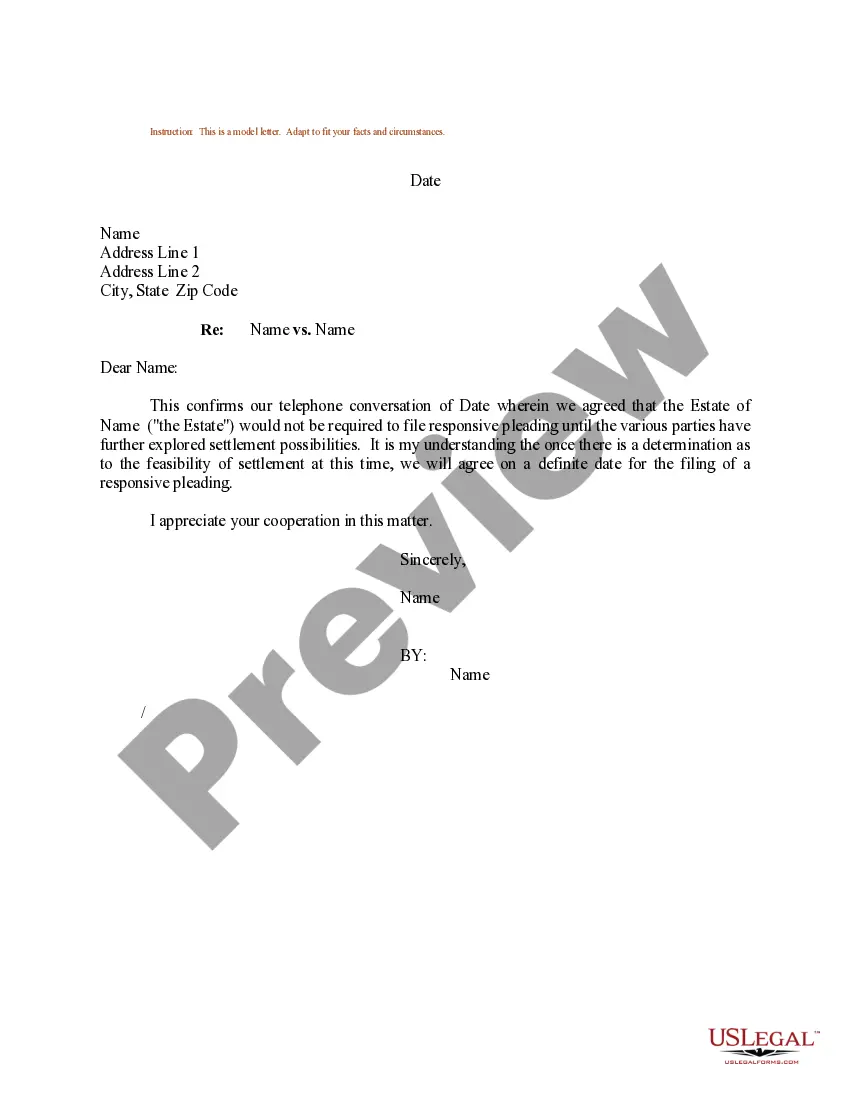

How to fill out Nominee Trust?
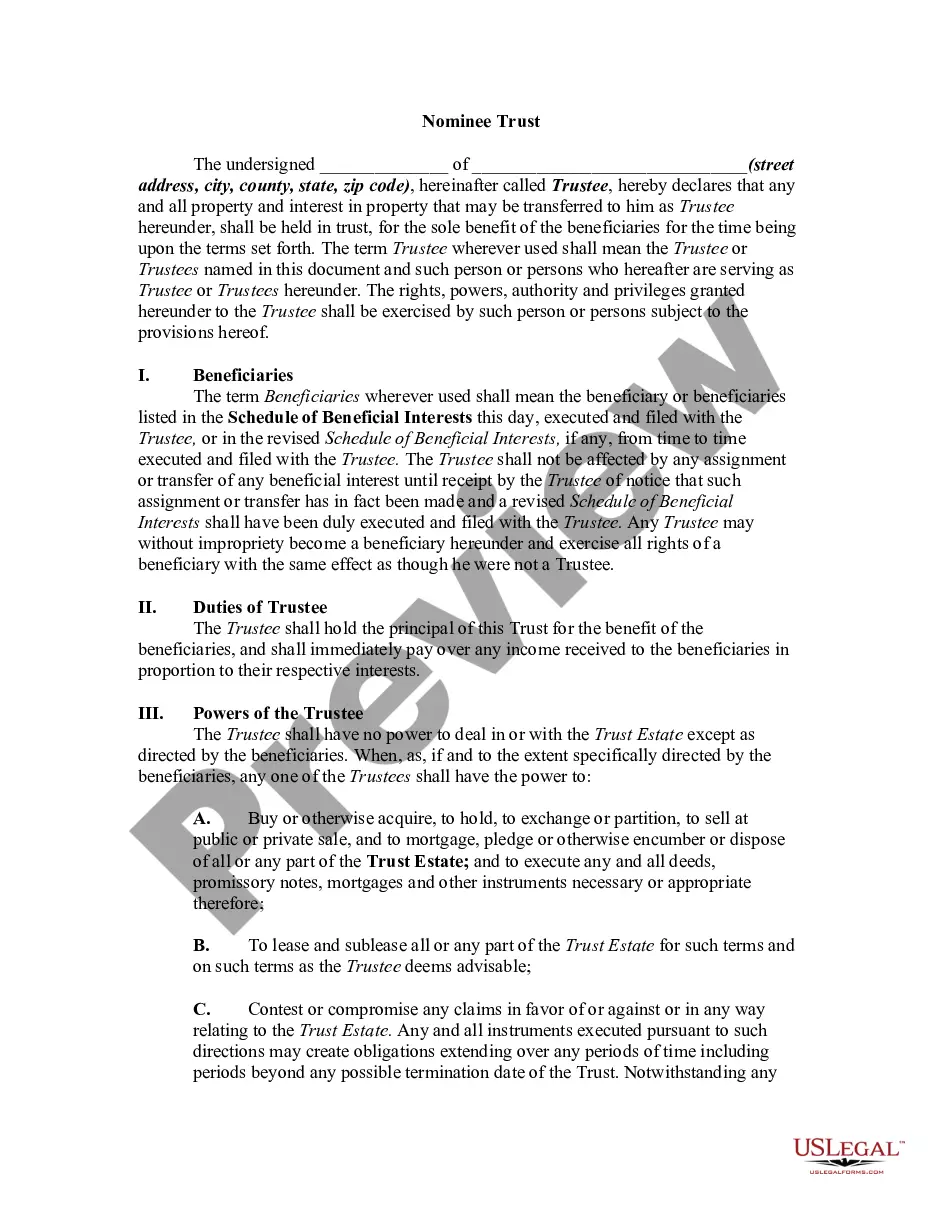
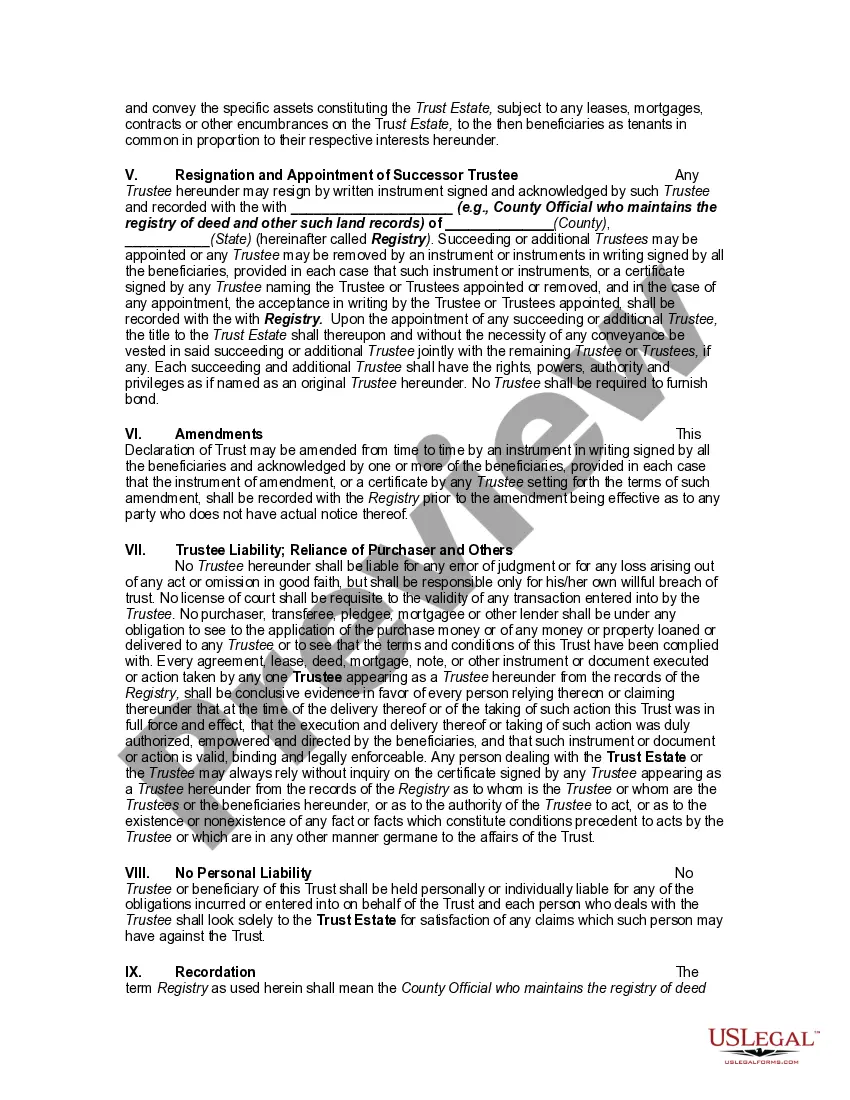
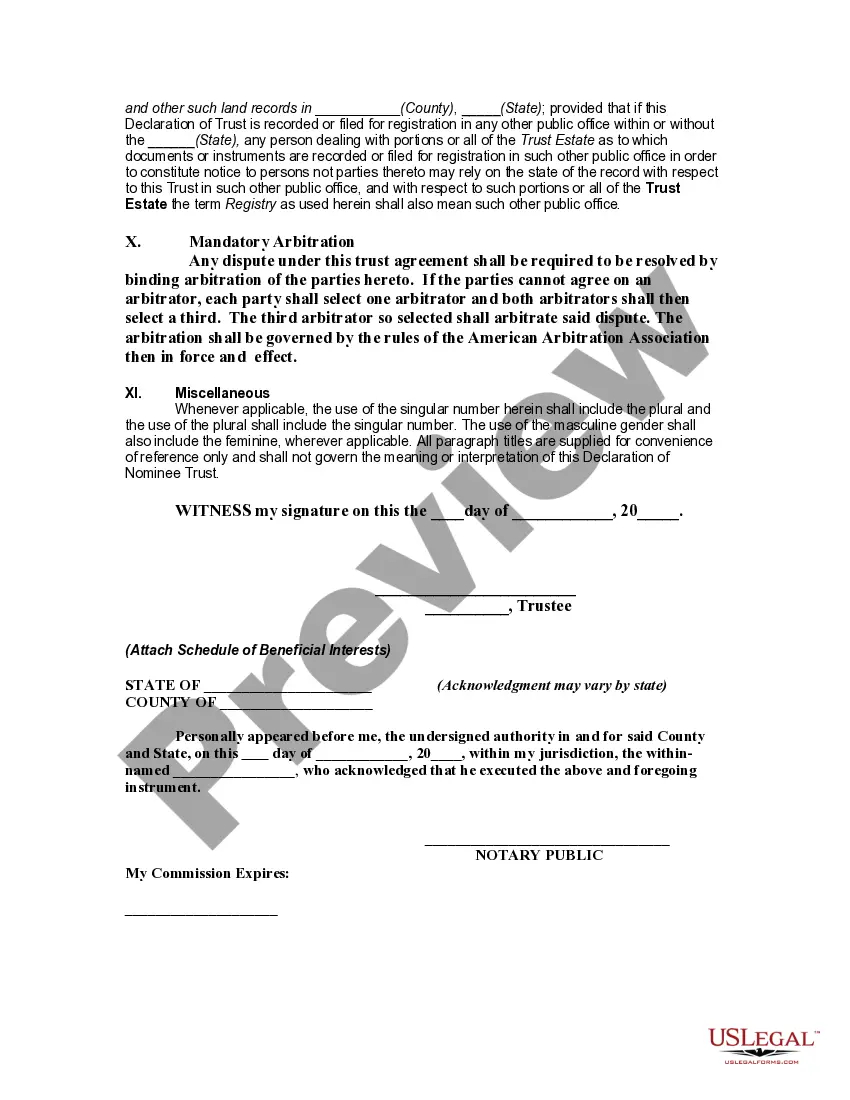
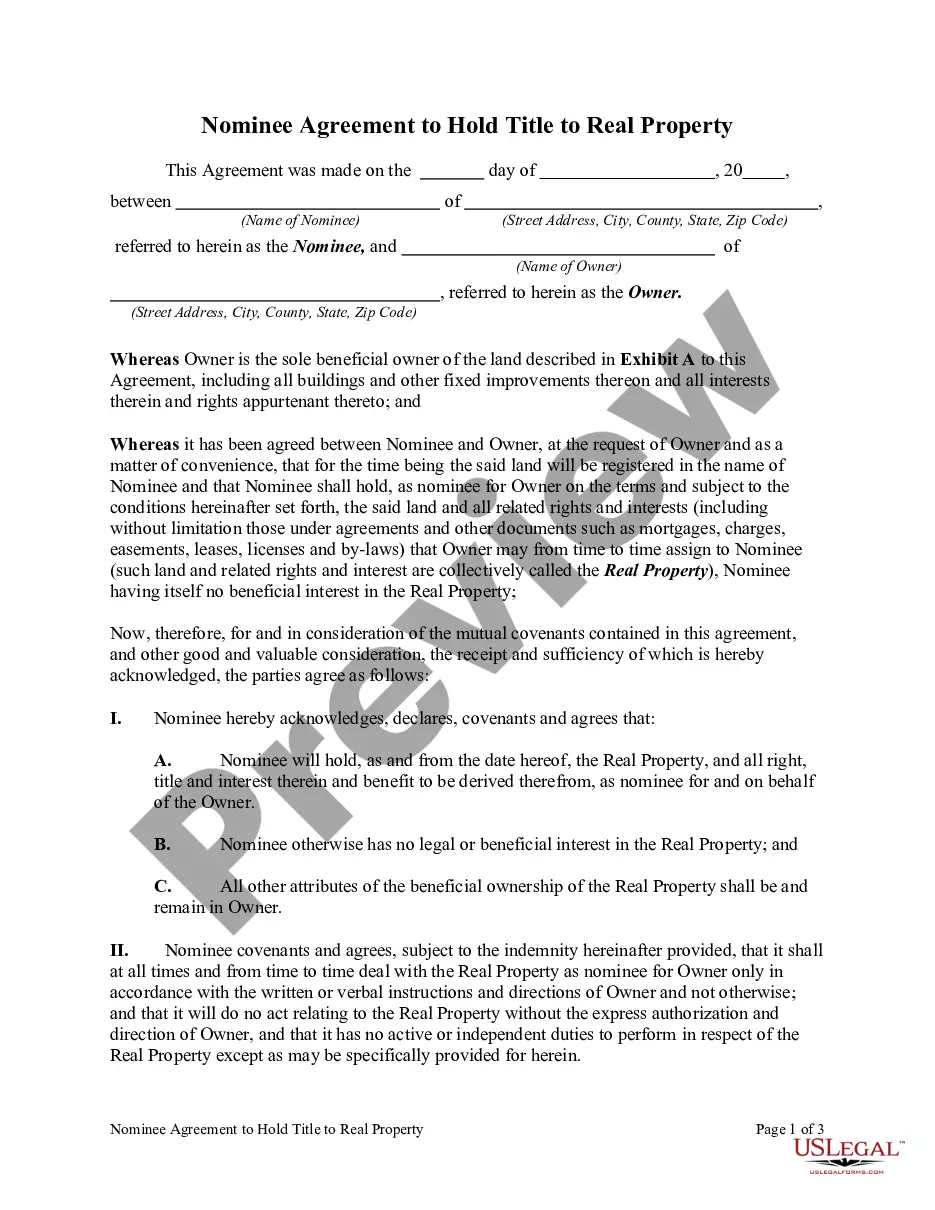
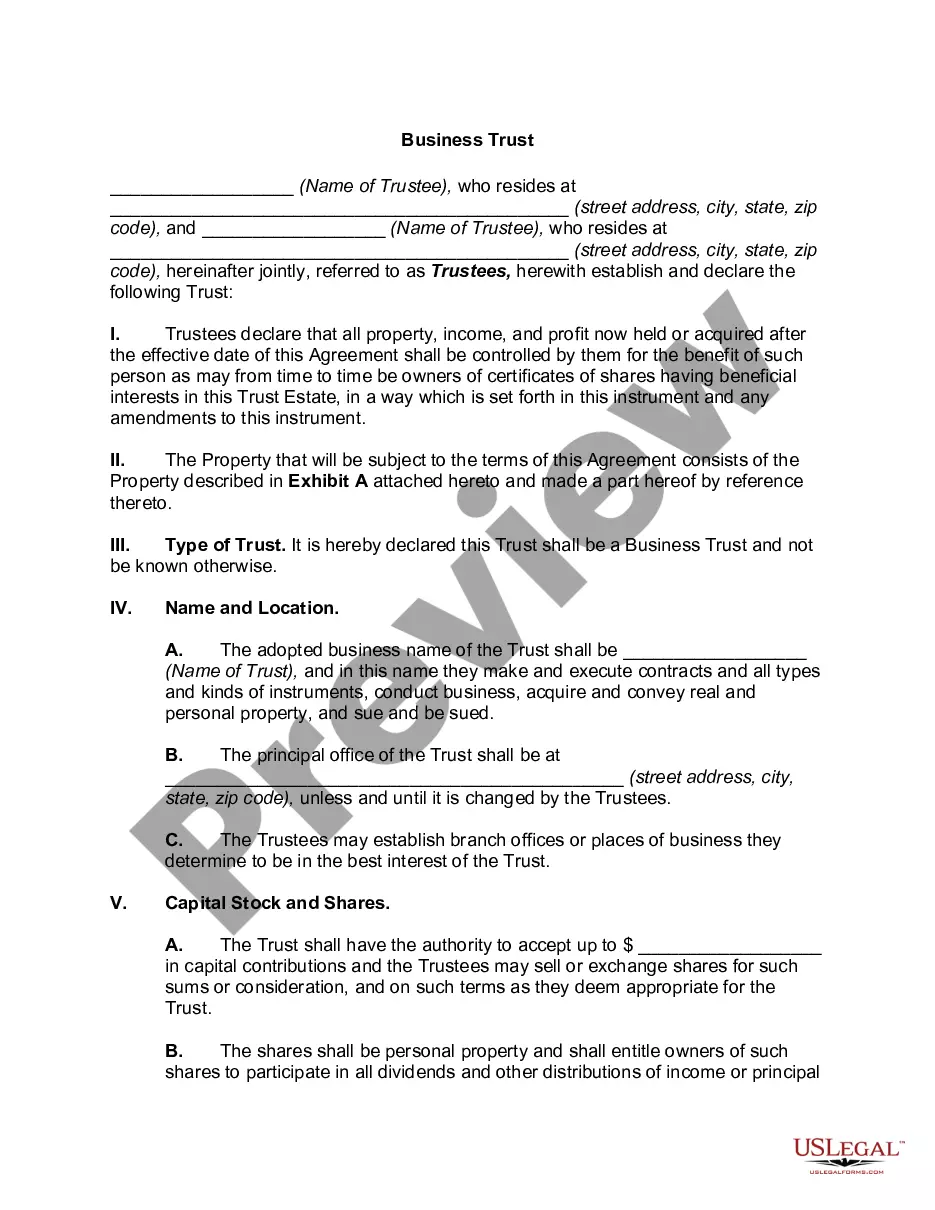
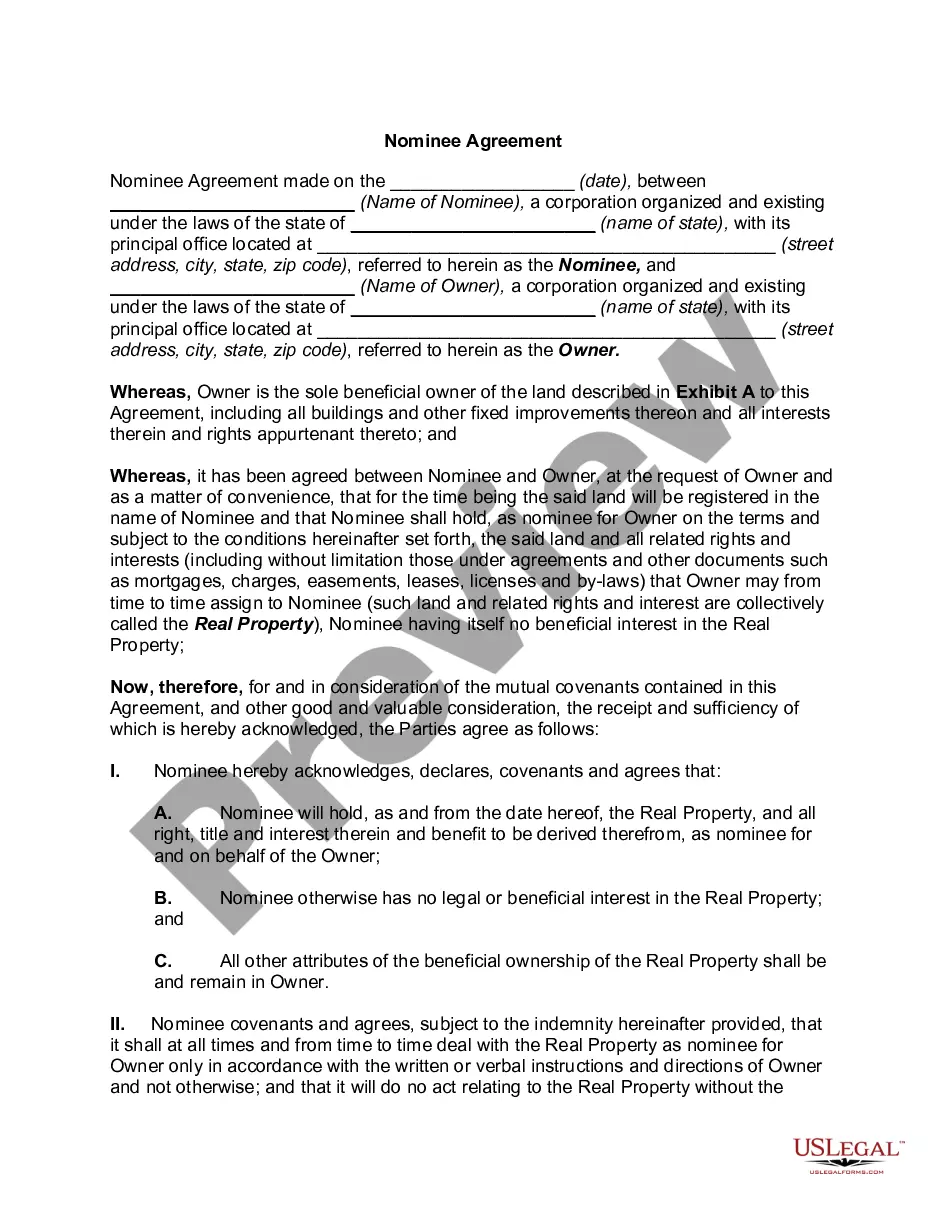
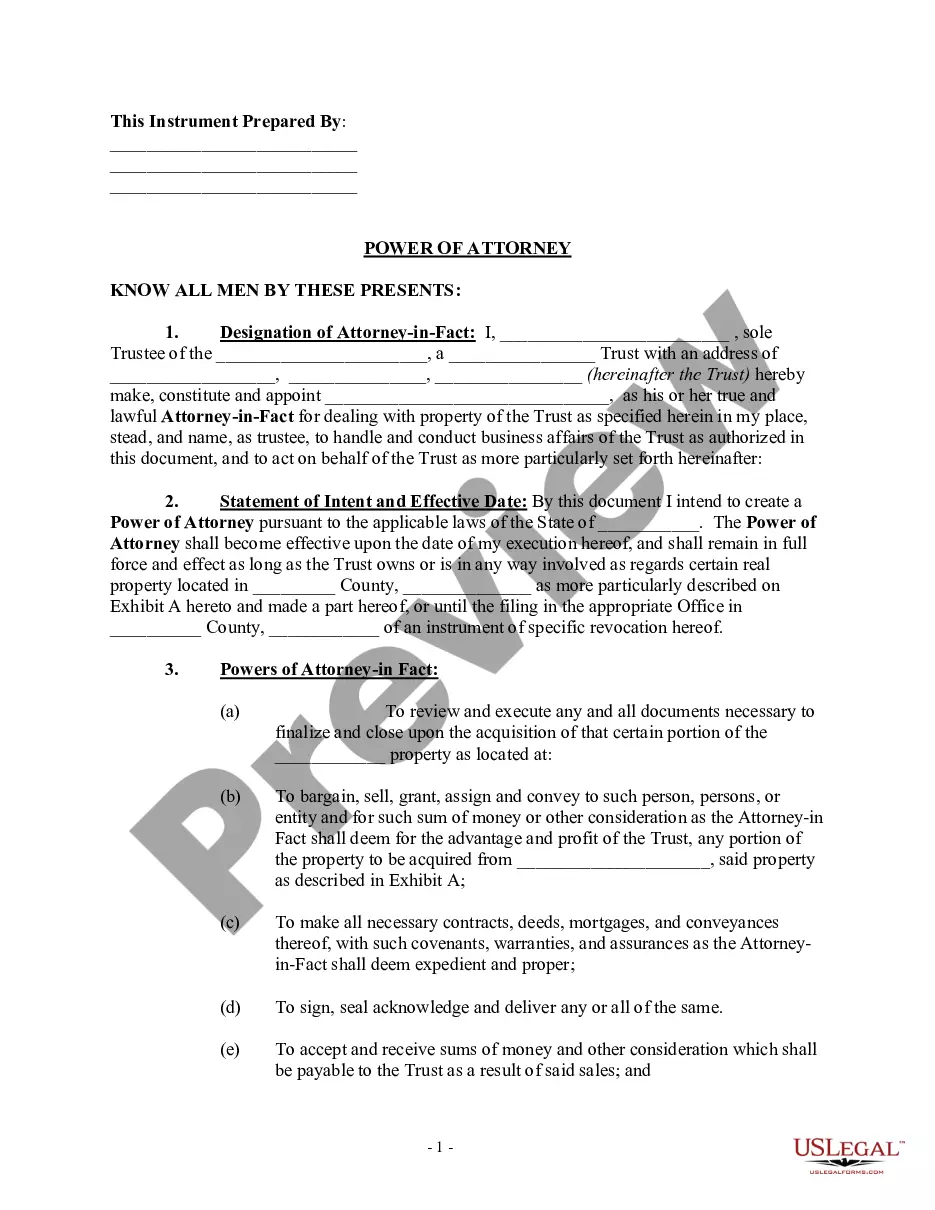
The Nominee Trust Document With Two Points displayed on this page is a reusable official template crafted by expert attorneys in compliance with federal and local statutes and regulations.
For over 25 years, US Legal Forms has supplied individuals, entities, and legal practitioners with more than 85,000 validated, state-specific forms for any business and personal event. It’s the fastest, easiest, and most trustworthy method to acquire the documents you require, as the service ensures bank-grade data security and anti-malware safeguards.
Subscribe to US Legal Forms to have authenticated legal templates for every life situation at your fingertips.
- Search for the document you require and review it.
- Choose the pricing plan that fits you and create an account.
- Select the format you desire for your Nominee Trust Document With Two Points (PDF, DOCX, RTF) and save the template on your device.
- Print the template to complete it manually or use an online multi-functional PDF editor to swiftly and accurately fill out and sign your form with an eSignature.
- Utilize the same document again whenever necessary.
Form popularity
FAQ
A simple example would be the situation in which one member of a family advances money to another and asks the second member to hold the money or to invest it for him. A more complicated example of an implied trust would be the situation in which one party provides money to another for the purchase of property.
A nominee is a person who will hold an owner's assets in trust after the latter's death. They will be the custodian of the asset till it is transferred to the legal heirs. They are not the owners of the asset and are dutybound to make sure the asset goes to the rightful beneficiary.
Nominee trusts can be used to avoid reporting the ownership of real estate on the public record. The deed, or other filed document, lists the trustee but not the undisclosed principals. Nominee trusts can be used to avoid shares being registered in the names of the beneficiaries.
Upon the decedent's death, the typical "A/B Trust" is divided into two subtrusts, which are often referred to as the ?Survivor's Trust? and the "Decedent's Trust." It is called an A/B Trust because the Survivor's Trust is referred to as Trust A, and the Decedent's Trust is referred to as Trust B. (a) Survivor's Trust.
The Nominee Structure The principle of a nominee structure is that the shareholdings of individual minor shareholders are transferred to a single shareholder entity with the sole purpose of holding those shares on trust for the shareholders.