California Trust Probate Code For Final Distribution
Description
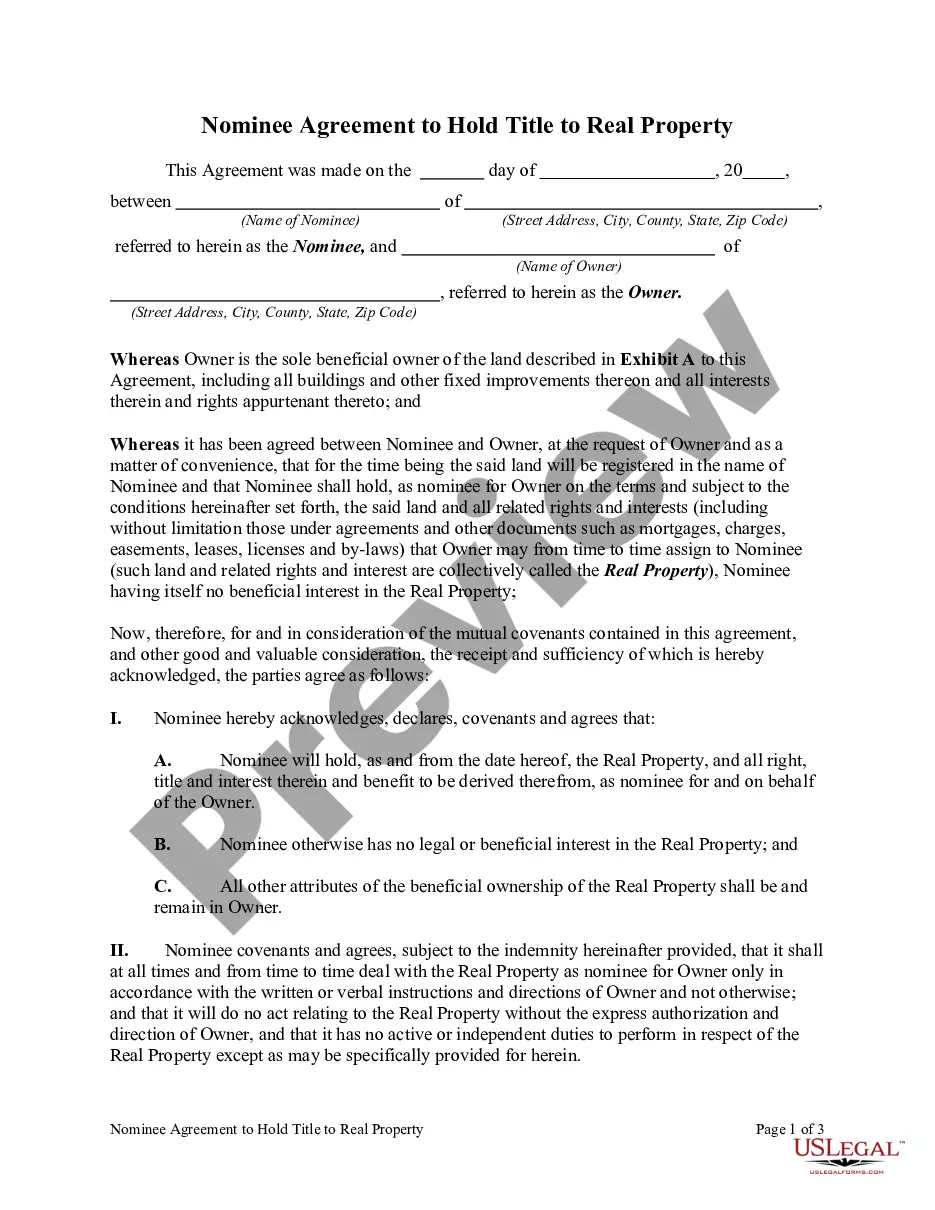
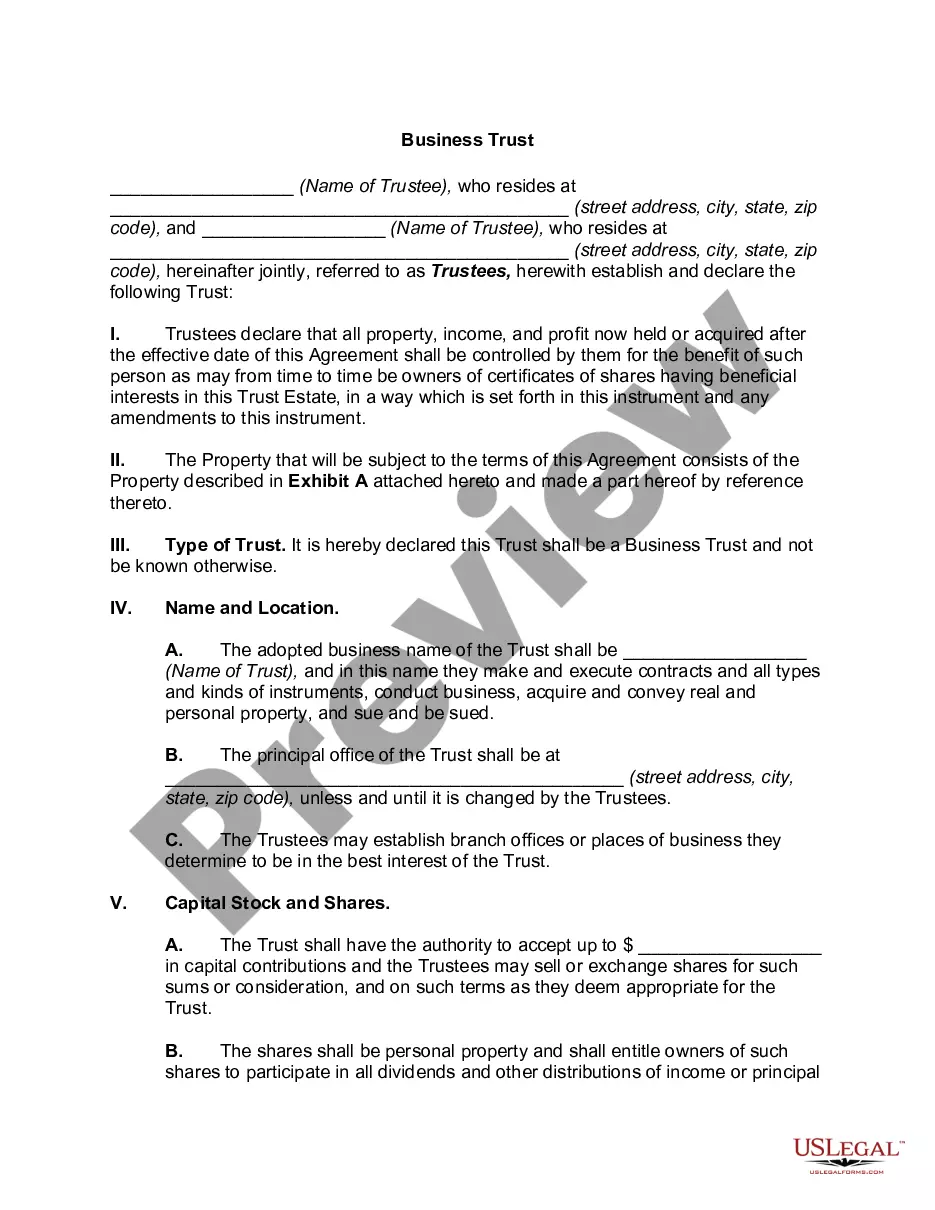
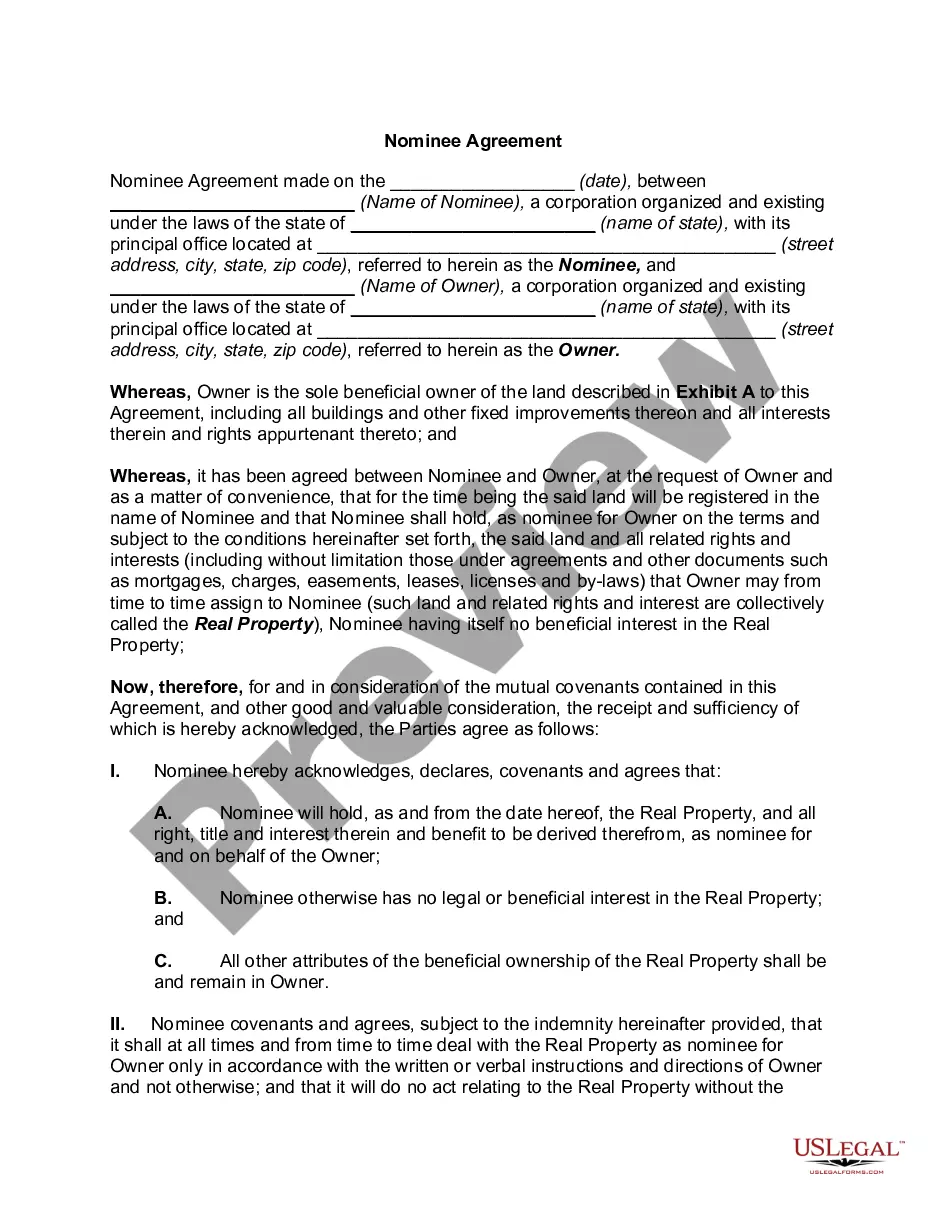
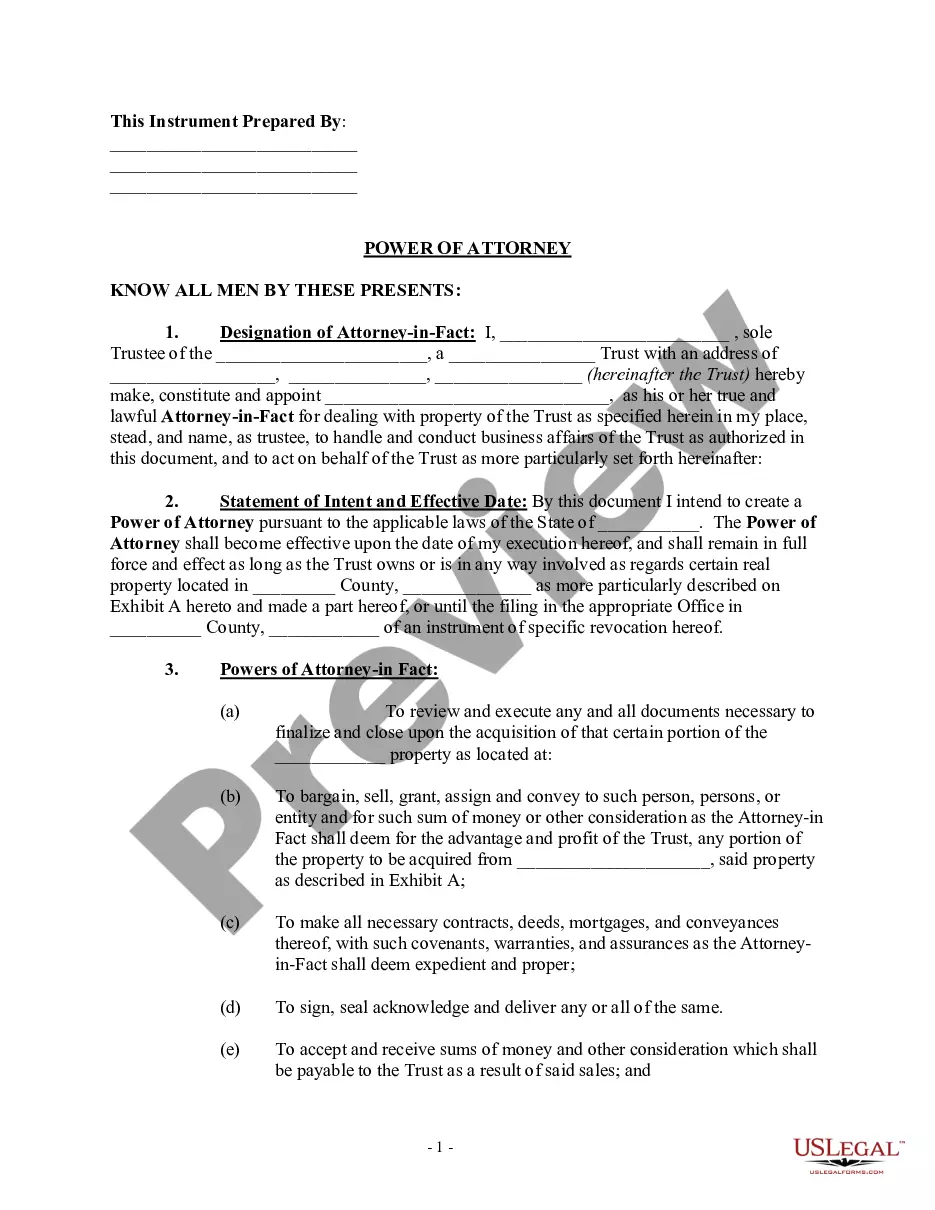
Get your form ready online
Our built-in tools help you complete, sign, share, and store your documents in one place.
Make edits, fill in missing information, and update formatting in US Legal Forms—just like you would in MS Word.
Download a copy, print it, send it by email, or mail it via USPS—whatever works best for your next step.
Sign and collect signatures with our SignNow integration. Send to multiple recipients, set reminders, and more. Go Premium to unlock E-Sign.
If this form requires notarization, complete it online through a secure video call—no need to meet a notary in person or wait for an appointment.
We protect your documents and personal data by following strict security and privacy standards.

Make edits, fill in missing information, and update formatting in US Legal Forms—just like you would in MS Word.

Download a copy, print it, send it by email, or mail it via USPS—whatever works best for your next step.

Sign and collect signatures with our SignNow integration. Send to multiple recipients, set reminders, and more. Go Premium to unlock E-Sign.

If this form requires notarization, complete it online through a secure video call—no need to meet a notary in person or wait for an appointment.

We protect your documents and personal data by following strict security and privacy standards.
Looking for another form?




How to fill out Nominee Trust?
Managing legal documents can be daunting, even for the most skilled practitioners.
When searching for a California Trust Probate Code for Final Distribution and lacking the time to seek the right and current version, the tasks may become burdensome.
Access a valuable collection of articles, tutorials, and guides that are closely tied to your circumstances and requirements.
Conserve time and effort searching for the documents you need, and use US Legal Forms' advanced search and Review feature to find and download your California Trust Probate Code for Final Distribution.
Select Buy Now when you are ready. Choose a subscription plan. Choose the desired file format, and Download, complete, eSign, print, and send your documents. Explore the US Legal Forms online library, backed by 25 years of expertise and reliability. Enhance your daily document management in a straightforward and user-friendly manner today.
- If you have a monthly subscription, Log In to your US Legal Forms account, search for the form, and download it.
- Check the My documents tab to view previously saved documents and manage your folders as desired.
- If you are a new user on US Legal Forms, create a free account and gain unlimited access to the platform's benefits.
- Verify it is the correct document by previewing it and reviewing its description.
- Make sure the sample is recognized in your state or county.
- Access state- or county-specific legal and business documents.
- US Legal Forms addresses any requirements you might have, from personal to commercial paperwork, all in a single location.
- Utilize cutting-edge tools to fulfill and oversee your California Trust Probate Code for Final Distribution.
Form popularity
FAQ
A final account and petition for distribution can be filed by the Personal Representative when there are sufficient funds available to pay all debts and taxes, the time for filing creditors' claims has expired, and the estate is in a condition to be closed.
The California Probate Code Section 16061.7 states that a successor trustee has a legal obligation to notify all beneficiaries and heirs in the case of the settlor's death to ensure that all parties involved are well-informed.
What must I do to close the estate? The Personal Representative must file a final account, report and petition for final distribution, have the petition set for hearing, give notice of the hearing to interested persons, and obtain a court order approving the final distribution.
(c) (1) Not later than 90 days after the date letters are first issued to a general personal representative, the general personal representative or estate attorney shall give the Franchise Tax Board notice of the administration of the estate. The notice shall be given as provided in Section 1215.
An order for final distribution in California probate is conclusive to the rights of heirs and devisees in a decedent's estate. The order also releases the personal representative from claims by heirs and devisees, unless, of course, there is fraud or misrepresentation present.